Wintercreeper euonymus (Euonymus fortunei 'Coloratus')
Euonymus fortunei 'Coloratus' is a versatile, creeping evergreen groundcover known for its purple winter foliage. Ideal for covering slopes.
Scroll down to discover growing tips, care requirements, companion plants, and more
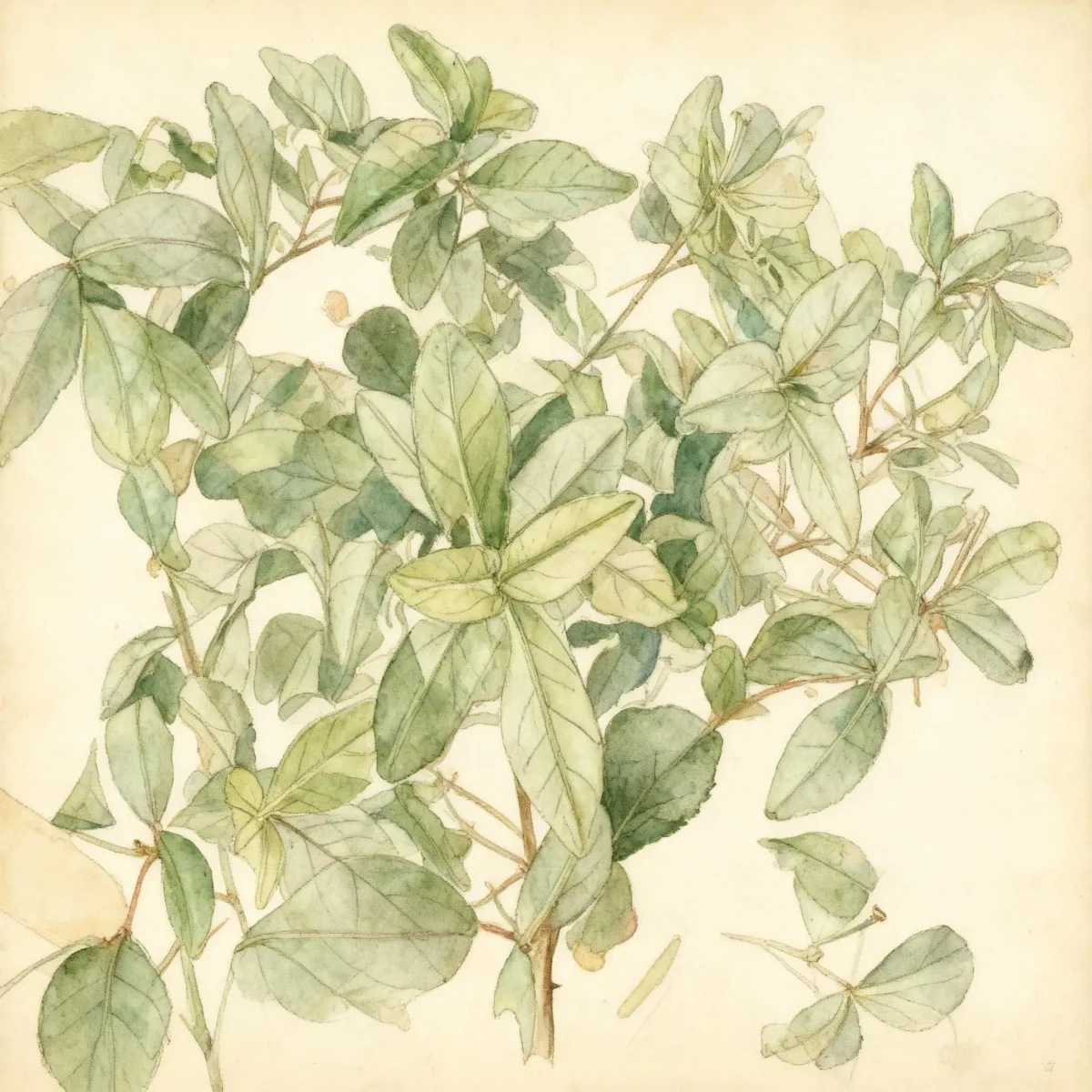
Complete Plant Information
Overview
Euonymus fortunei ‘Coloratus’, commonly known as Wintercreeper euonymus, offers valuable year-round interest as a dense, creeping groundcover. This semi-evergreen subshrub is particularly prized for its foliage, which transitions to a rich, deep purple hue during the colder months, setting it apart from other green groundcovers. It spreads readily by rooting stems, making it powerful for covering large areas or stabilizing slopes.
The adaptability of Euonymus fortunei ‘Coloratus’ is one of its main strengths, thriving across USDA Zones 4 through 9. While excellent as a fast-spreading mat across the landscape, this plant also possesses the ability to climb vertical surfaces using small adventitious roots. Gardeners rely on Wintercreeper euonymus for low-maintenance coverage where structure or year-round color is needed.
Despite its utility, it is crucial to note that Euonymus fortunei ‘Coloratus’ has escaped cultivation in many regions and can be invasive, displacing native flora. When planted, ensure its spread is managed or confined to areas where its vigorous growth is desired, such as controlling erosion on difficult banks. This specific cultivar focuses on a compact, trailing habit compared to taller shrub forms of the species.
Fast Facts
- Plant Family: Celastraceae
- Plant Type: Herbaceous perennial
- Hardiness Zones: USDA Zones 4-9
- Size at Maturity:
- Height: 0.5-0.75 ft
- Spread: 1-3 ft
- Bloom Time: April
- Bloom Description: Greenish white
- Sun Exposure: Full sun to part shade
- Water Needs: Medium
- Maintenance Level: Medium
How to Grow
Planting Wintercreeper euonymus is best done in spring or fall when temperatures are mild, ensuring the medium moisture, well-drained soil conditions necessary for establishment. Euonymus fortunei ‘Coloratus’ is highly tolerant of diverse soil types, though it specifically avoids overly wet conditions. It establishes well in locations receiving full sun, but remarkably tolerates significant shade, offering flexibility in site selection.
Ongoing care is generally low once established, as plants tolerate some drought. Water mediumly during dry spells, especially in the first year. Maintenance involves routine tidying; trim this ground cover annually after flowering concludes to help maintain the desired low, attractive shape and manage its sprawling tendency.
The stems of Euonymus fortunei ‘Coloratus’ will readily root where they contact the soil, which is the primary method of natural spread and can be used for easy propagation via stem cuttings. While this vigorous rooting is helpful for ground covering, it also contributes to potential invasiveness, requiring gardeners to monitor its reach near lawns or wilder areas.
Landscape Uses
The primary aesthetic function of Wintercreeper euonymus is as a highly effective ground cover in sunny or partially shaded landscapes. Its dense, creeping mat is exceptionally useful for blanketing open expanses where maintaining turf is difficult, or along borders where it serves effectively as a low edger for paths and sidewalks. Furthermore, because the stems root as they spread, this plant excels as a slope cover, providing substantial erosion control.
When allowed to transition to vertical surfaces, Euonymus fortunei ‘Coloratus’ acts as an ivy-like vine, suitable for softening the severity of walls, chimneys, or fences. If positioned against structures, it is more likely to produce its inconspicuous flowers. This versatility makes it a functional choice for foundation plantings, linking structural elements to the surrounding garden beds.
Design-wise, the dark green summer leaves contrasting with the deep purple tones of winter provide textural interest throughout the year. Place it near lighter-colored hardscaping to accentuate the seasonal color shift of the foliage. Always consider planting buffers or barriers where its enthusiastic naturalizing habit might overwhelm less vigorous neighbors.
Standout Features
Flower Qualities
- Insignificant
Noteworthy Characteristics
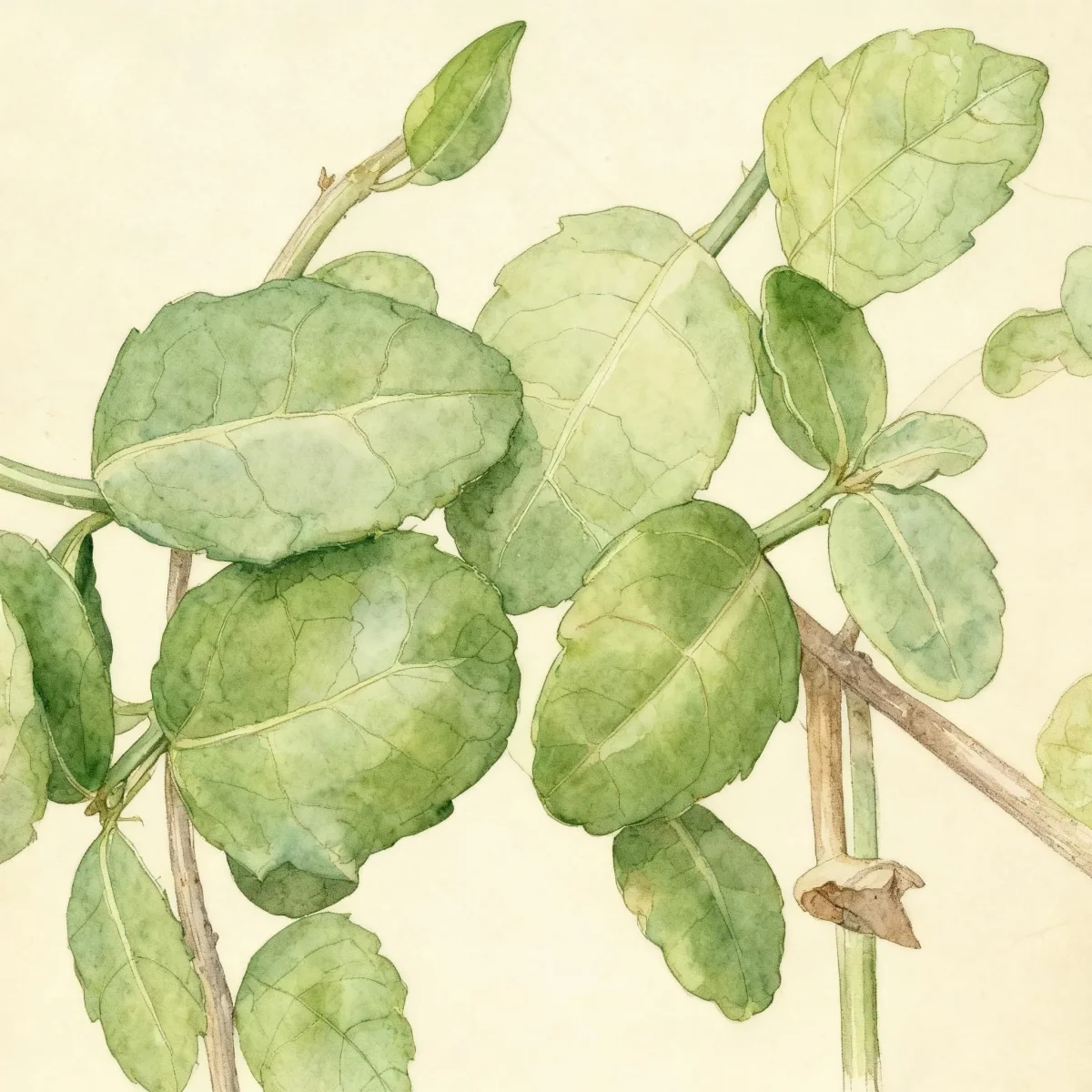
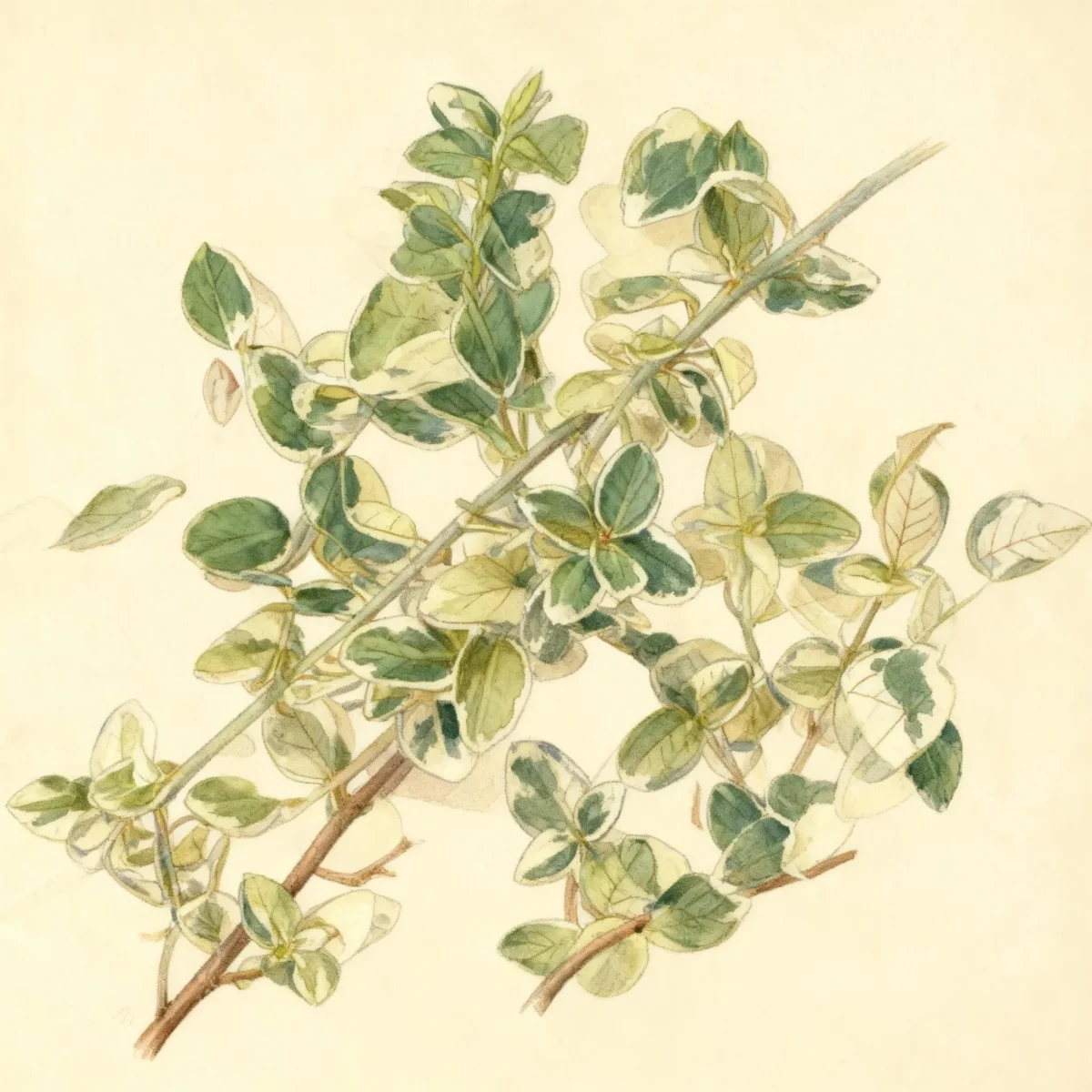
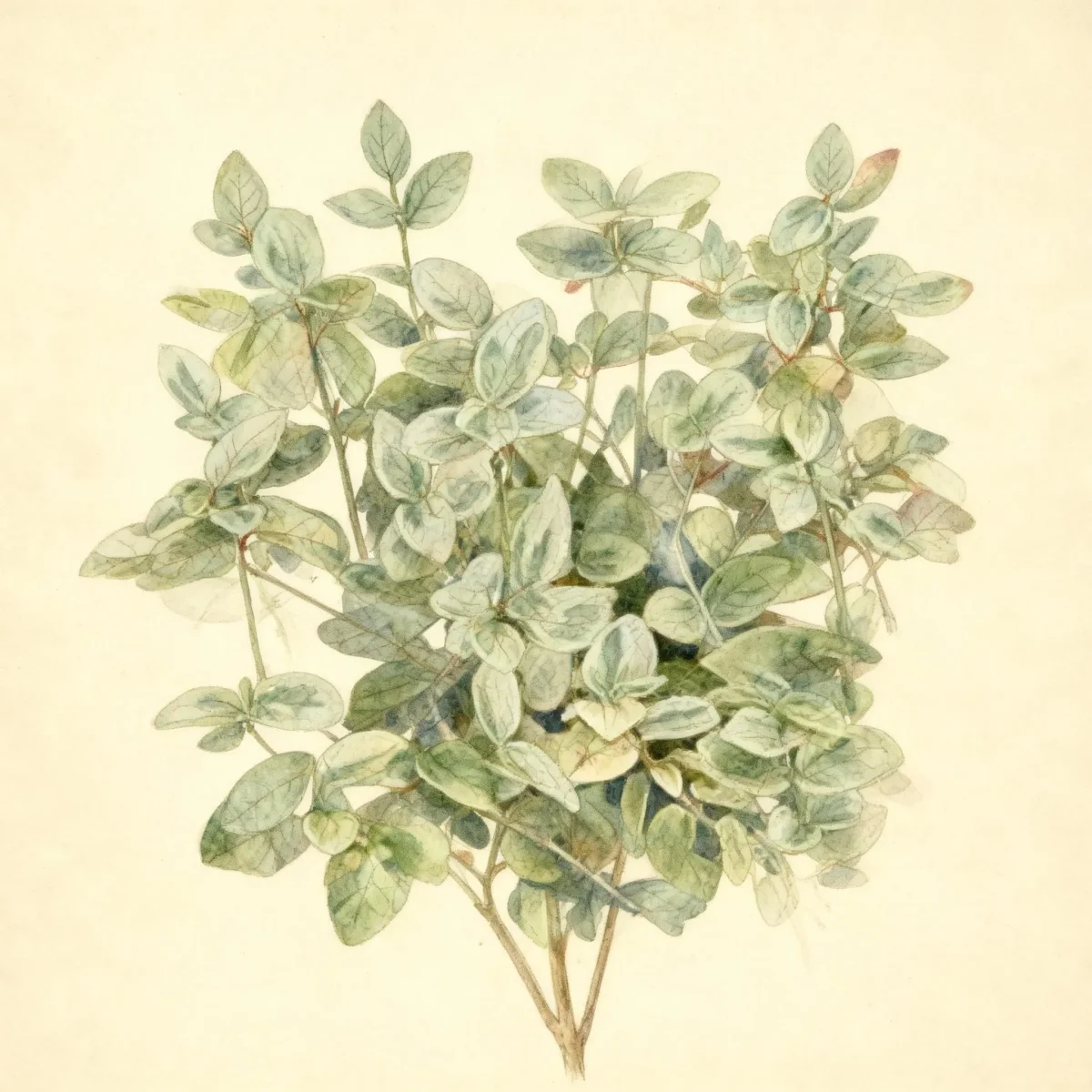
Euonymus fortunei, commonly called wintercreeper euonymus, is a dense, creeping to mounding, broadleaf evergreen to semi-evergreen subshrub that will also climb using adventitious roots. Native to East Asia where it can be found in forests, thickets, and scrublands. It may appear as a trailing ground cover, a mounding shrub or a climbing vine. This adaptable plant has escaped cultivation and is considered highly invasive in much of the eastern United States where it smothers and out competes native vegetation.Genus name is an ancient Greek name referring to plants of this genus.Specific epithet honors Scottish horticulturist and plant collector in China Robert Fortune (1812-1880).’Coloratus’, commonly called purple wintercreeper euonymus, is primarily a trailing ground cover form which typically grows to 6-9” tall and spreads indefinitely by rooting stems as a sprawling, tangled, bushy mat. It is similar in habit to English ivy (Hedera helix) in that it spreads along the ground, rooting as it goes, until it reaches a vertical surface which it then begins to climb. It features lustrous, ovate to elliptic, dark green leaves (1-2” long) which turn dark purple in fall and winter. Inconspicuous, greenish-white flowers may appear in June. Flowers are at best sparse, but are usually not present. If allowed to climb a wall, tree or other structure, this plant assumes more vine-like characteristics and is more likely to produce flowers, though still sparse and inconspicuous. ‘Coloratus’ is sometimes sold as Euonymus fortunei var. Coloratus. It is one of the most popular evergreen ground covers available in commerce today.
Tolerances
- Black Walnut
Potential Problems
The most noted pest affecting Wintercreeper euonymus is Euonymus scale, which can severely weaken the plant if left untreated; inspection should be regular, and treatment initiated promptly upon detection. Other potential issues include common plant diseases such as anthracnose, crown gall, and various leaf spots, along with sporadic aphid infestations. Gardeners must actively manage the potential for this species to spread invasively into adjacent lawns or natural areas, and control its climb on structures if undesirable growth occurs.
Frequently Asked Questions
What hardiness zones is Wintercreeper euonymus suitable for?
Euonymus fortunei ‘Coloratus’ is generally suitable for USDA Zones 4 through 9.
How large does Wintercreeper euonymus grow?
As a ground cover form, this plant typically reaches only 0.5 to 0.75 feet in height, though it can spread significantly, spanning 1 to 3 feet wide.
What sun exposure does Wintercreeper euonymus need?
This adaptable plant performs well in locations ranging from full sun all the way to areas receiving significant shade.
When does Euonymus fortunei ‘Coloratus’ bloom?
The inconspicuous flowers of the Wintercreeper euonymus typically appear in April, bearing a greenish white color.
Conclusion
Euonymus fortunei ‘Coloratus’ remains a popular, highly resilient choice for gardeners needing durable, year-round evergreen coverage capable of anchoring slopes or softening hardscapes. Remember that while robust, aggressive monitoring is necessary to prevent the naturalizing habit of this Wintercreeper euonymus from becoming invasive. Before planting, evaluate your site conditions and ensure you are prepared to manage the spread of this vigorous groundcover.
Companion Planting
Selecting appropriate companions enhances the landscape while respecting the spreading nature of Euonymus fortunei ‘Coloratus’. Because it tolerates significant shade, pair it with other low-growing woodland edge plants like Liriope (Lilyturf) or Mondo Grass, which occupy slightly different niches but share similar low-maintenance needs. In sunny, well-drained areas, contrast its dense texture with something finer, such as Sedum varieties, ensuring that you leave adequate space to prevent the vigorous Wintercreeper euonymus from smothering smaller neighbors.
Propagation Tips
The inherent growth habit of Euonymus fortunei ‘Coloratus’ makes propagation remarkably straightforward for gardeners looking to expand coverage areas. Since the prostrate stems root readily wherever they touch moist soil, simple layering—pinning a stem segment down—will result in a new, independent plant over time. For faster multiplication, take semi-hardwood cuttings from healthy, non-flowering stems in mid-summer, dipping the base in rooting hormone before placing them in a well-drained propagation medium. These cuttings root easily, providing a reliable method to produce more purple wintercreeper euonymus plants for other parts of the garden.