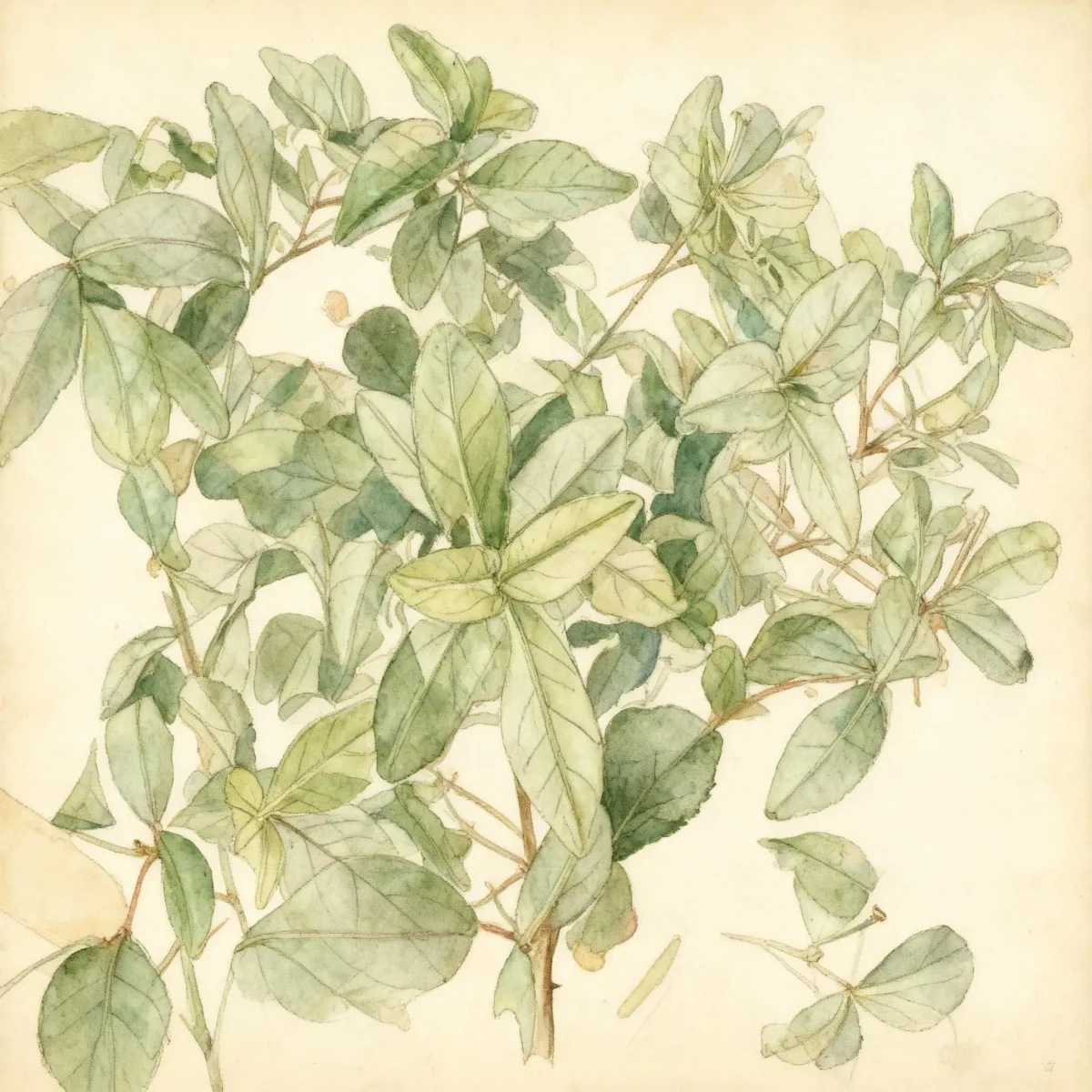
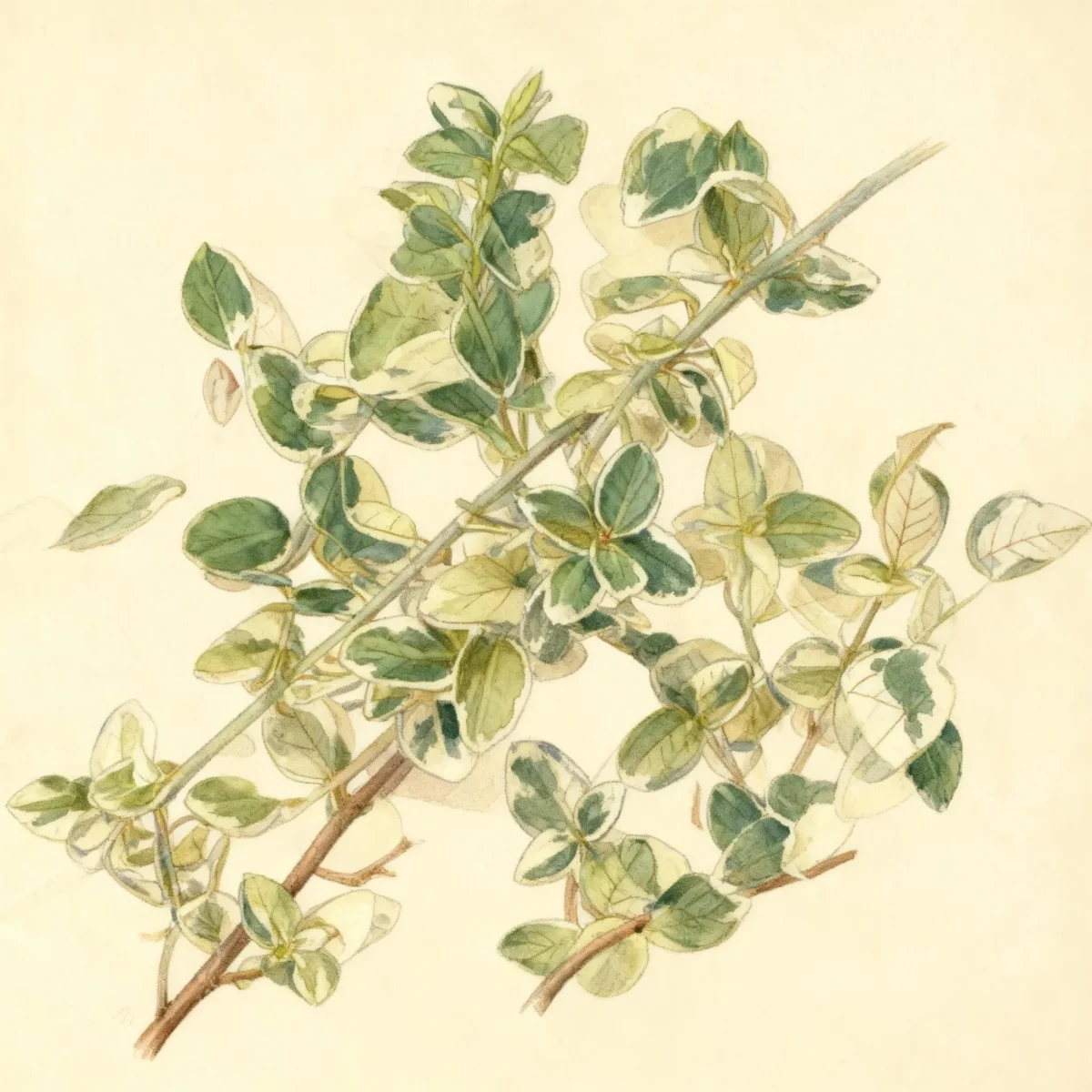
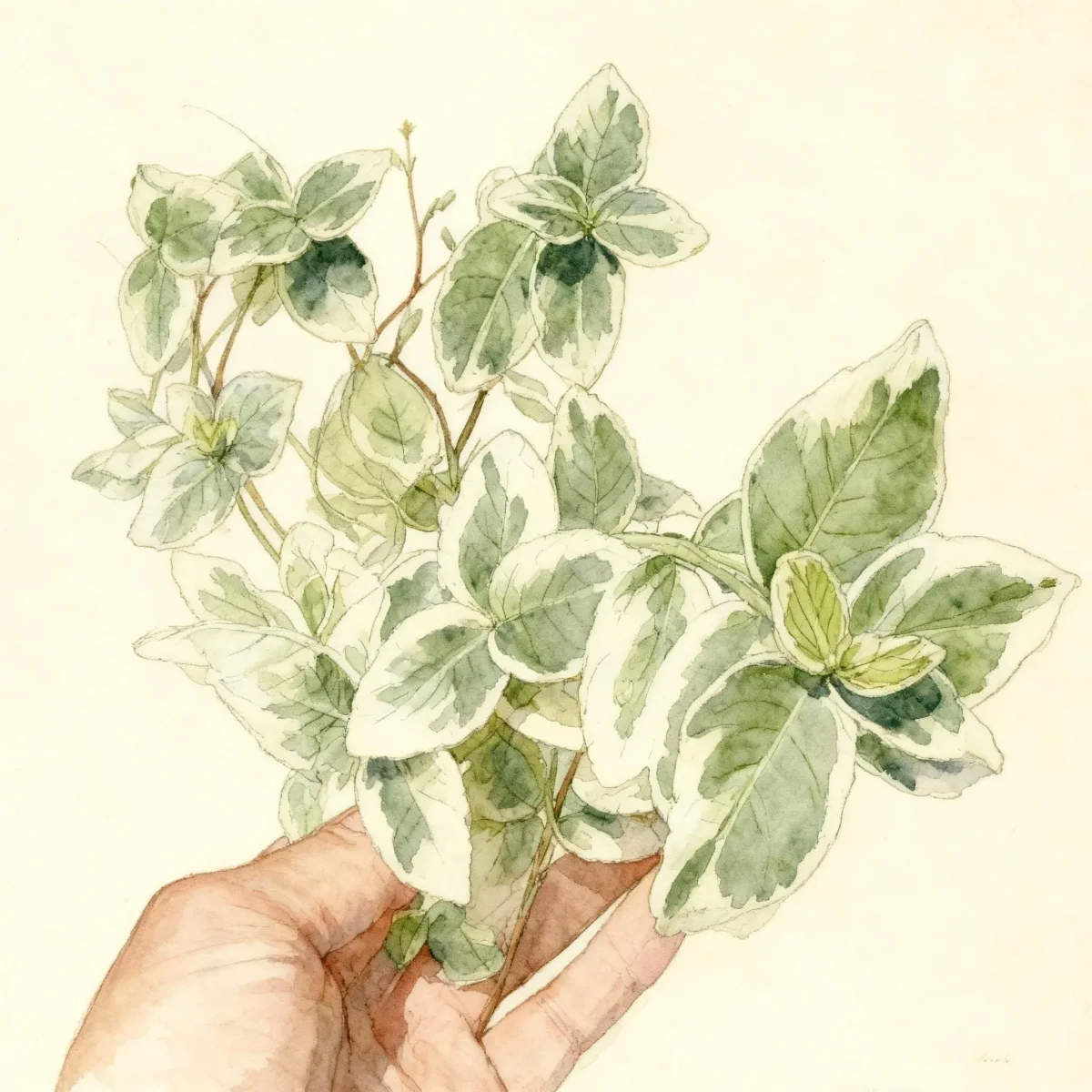
Wintercreeper euonymus (Euonymus fortunei 'Kewensis')
Euonymus fortunei 'Kewensis' is a very low, dense ground cover ideal for sunny or shady landscapes needing evergreen coverage.
Scroll down to discover growing tips, care requirements, companion plants, and more
Complete Plant Information
Overview
Euonymus fortunei ‘Kewensis’, commonly known as Wintercreeper euonymus, is a highly valued, dense, and prostrate ground cover prized for its lustrous, dark green foliage that provides year-round interest. This specific cultivar remains exceptionally low-growing, typically reaching only 1 to 3 inches tall, forming a sprawling mat that effectively smothers weeds. While it possesses the ability to climb when given vertical support, its primary landscape function is as a creeping perennial blanketing slopes or open spaces.
This adaptable plant thrives across a wide USDA hardiness range, offering reliable evergreen texture even in urban settings with less-than-ideal soil. Gardeners appreciate the low stature of Euonymus fortunei ‘Kewensis’ as it rarely obscures surrounding plantings, making it an excellent foreground texture plant. Although flowers are sparse, the overall effect of this robust Wintercreeper euonymus is one of consistent, low-maintenance greenery.
Fast Facts
- Plant Family: Celastraceae
- Plant Type: Herbaceous perennial
- Hardiness Zones: USDA Zones 5-8
- Size at Maturity:
- Height: 0.25-0.5 ft
- Spread: 1-3 ft
- Bloom Time: June
- Bloom Description: Greenish white
- Sun Exposure: Full sun to part shade
- Water Needs: Medium
- Maintenance Level: Medium
How to Grow
The ideal time to establish new plantings of Euonymus fortunei ‘Kewensis’ is typically in spring or fall, allowing the roots to establish before seasonal extremes. Plant in average, well-drained soil, though this Wintercreeper euonymus shows broad tolerance for various soil conditions, excluding overly wet sites. It performs admirably in full sun but tolerates significant pockets of shade, offering flexibility for diverse landscape placements.
Once established, this perennial requires medium water, meaning regular watering during dry spells is beneficial, though established plants possess some drought tolerance. Maintenance is generally low; however, for the neatest appearance, trim annually after the inconspicuous flowers appear in June. Stems root readily wherever they touch the ground, which aids in establishing dense coverage and allows for easy propagation via rooted stem cuttings.
This cultivar exhibits good tolerance for urban stressors, including pollution, making it useful near sidewalks and foundations. Be mindful of avoiding excessively wet locations, as this can compromise the health of the root system over time.
Landscape Uses
Euonymus fortunei ‘Kewensis’ shines brightest when utilized as a versatile, small-leaved ground cover in areas where dense, low coverage is required. Its creeping, trailing habit makes it perfect for use as an edger along paths or sidewalks, smoothly transitioning between hardscaping and garden beds. It is also effective as a slope cover, providing excellent erosion control thanks to its rooting stems.
Where permitted and not considered invasive, this plant works beautifully in sunny or shady borders as a textural contrast to finer or taller landscape materials. While it can climb walls, maintaining it as a low, sprawling mat best showcases the ‘Kewensis’ habit, ensuring nearby structures or plantings are not overwhelmed.
Standout Features
Flower Qualities
- Insignificant
Noteworthy Characteristics
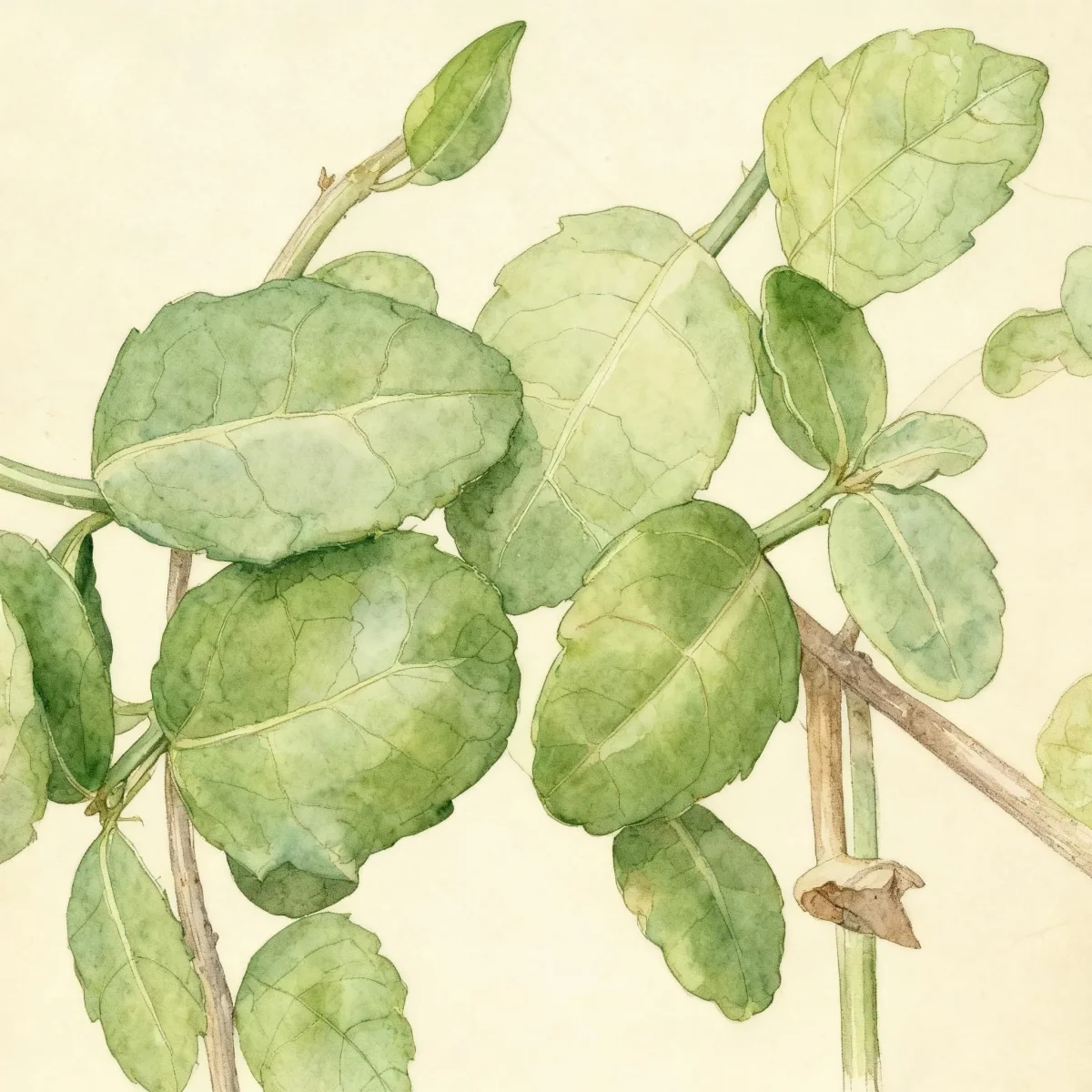
Euonymus fortunei, commonly called wintercreeper euonymus, is a dense, creeping to mounding, broadleaf evergreen to semi-evergreen subshrub that will also climb using adventitious roots. Native to East Asia where it can be found in forests, thickets, and scrublands. ‘Kewensis’ is a very low-growing, prostrate, trailing ground cover form which typically grows to only 1-3” tall and spreads indefinitely as a dense, sprawling mat. It features lustrous, pea-sized (to 5/8” long), dark green leaves, offering consistent color throughout the year.
Tolerances
- Black Walnut
Potential Problems
Euonymus scale remains a primary concern for Wintercreeper euonymus management; inspect foliage regularly and apply appropriate treatment immediately if populations become significant. Other potential issues include various fungal diseases like anthracnose and leaf spot, as well as common pests such as aphids. A serious consideration for this species is its invasive nature; unchecked growth can lead to it spreading aggressively into lawns or smothering native vegetation in wilder areas. Pruning helps control spread and encourages denser growth in desired areas.
Frequently Asked Questions
What hardiness zones is Wintercreeper euonymus suitable for?
Euonymus fortunei ‘Kewensis’ is reliably hardy in USDA Zones 5 through 8.
How large does Euonymus fortunei ‘Kewensis’ grow?
This is an exceptionally low-growing variety, typically achieving a height between 0.25 and 0.5 feet, while spreading 1 to 3 feet wide.
What sun exposure does Wintercreeper euonymus need?
It prefers locations receiving full sun to part shade, offering solid performance even in moderate shade conditions.
When does Euonymus fortunei ‘Kewensis’ bloom?
Flowering occurs in June, producing small, inconspicuous greenish-white blooms.
Conclusion
Euonymus fortunei ‘Kewensis’ is an invaluable, low-growing evergreen choice for landscape designers seeking robust ground cover or erosion control with minimal height interference. By ensuring proper drainage and monitoring for seasonal pests, this Wintercreeper euonymus will provide years of dense, dark green texture. Check your local agricultural extension to confirm invasiveness concerns before planting this adaptable perennial in your region.
Companion Planting Strategies
When selecting neighbors for Euonymus fortunei ‘Kewensis’, focus on plants that share similar needs for medium moisture and tolerate sun or partial shade. Because this ground cover remains so low, pair it with medium-height perennials that offer seasonal bloom drama or contrasting leaf texture. Consider pairing the flat spread of this cultivar with upright ornamental grasses or Hostas whose large leaves provide a delightful textural counterpoint throughout the growing season.
Propagation Tips
A major advantage of the Wintercreeper euonymus is its ease of propagation, primarily through stem cuttings favored by its natural growth habit. Because the stems root wherever they touch moist soil, you can easily sever rooted sections and transplant them to new locations, effectively cloning your existing plant material. This method is rapid and highly successful for quickly increasing the coverage area of Euonymus fortunei ‘Kewensis’ across a slope or into a new bed.