Pearlbush (Exochorda × macrantha 'The Bride')
Exochorda × macrantha 'The Bride' (Pearlbush) offers spectacular early spring white blooms on a compact, low-maintenance deciduous shrub.
Scroll down to discover growing tips, care requirements, companion plants, and more
Complete Plant Information
Overview
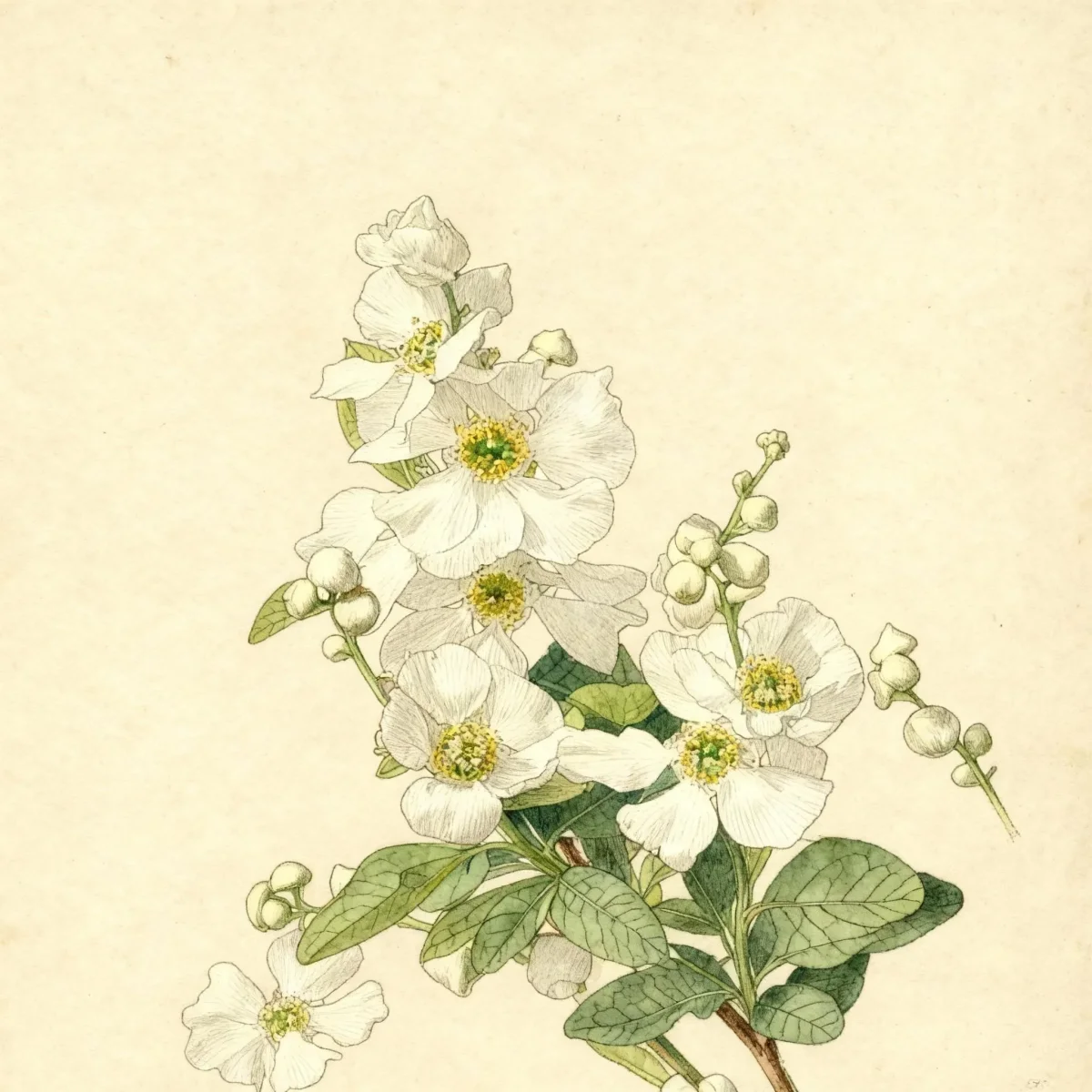
The Pearlbush, specifically the cultivar Exochorda × macrantha ‘The Bride’, is highly prized for its stunning and abundant early spring floral display. This deciduous shrub creates a breathtaking vision, featuring masses of pure white, five-petaled flowers that emerge from distinctive, pearl-like buds. Valued for its manageable size and low maintenance requirements, Exochorda × macrantha ‘The Bride’ fits beautifully into smaller landscapes where larger shrubs might overwhelm the space.
This compact hybrid brings excellent aesthetic appeal, graduating from tight pearl buds to a full bloom before many other landscape plants reach their peak. Once established, this version of Pearlbush offers good resilience to heat and dry conditions, making it a dependable feature in borders or as a specimen plant. Its ultimate goal in the garden is to provide that spectacular, bridal-white spectacle early in the season.
Fast Facts
- Plant Family: Rosaceae
- Plant Type: Deciduous shrub
- Hardiness Zones: USDA Zones 5-8
- Size at Maturity:
- Height: 3-4 ft
- Spread: 3-4 ft
- Bloom Time: April
- Bloom Description: White
- Sun Exposure: Full sun to part shade
- Water Needs: Medium
- Maintenance Level: Low
How to Grow
Planting Exochorda × macrantha ‘The Bride’ is best done in the spring or fall when conditions are cooler, allowing the roots to establish before extreme summer heat or winter freezes arrive. Select a site that receives full sun for the absolute best flowering performance, although the Pearlbush tolerates light shade. It thrives in average, medium moisture, well-drained soils, preferring slightly acidic organically rich loams if possible.
Ongoing care for this shrub is generally easy for the average gardener. Established specimens demonstrate good drought tolerance, but irrigation during prolonged dry spells is beneficial, particularly during flowering or establishment. Due to its low maintenance nature, heavy fertilization is rarely necessary.
Pruning is key to maintaining the best shape and bloom potential, but must be timed correctly. Since flowers bloom on old growth, prune the Exochorda × macrantha ‘The Bride’ immediately after flowering concludes. Avoid late winter or early spring pruning, as this will remove the wood that would produce the season’s flowers. Siting the plant in a somewhat sheltered spot can help protect the early spring blooms from damage caused by late spring frosts.
Landscape Uses
The compact stature of Exochorda × macrantha ‘The Bride’, maturing to only 3 to 4 feet both high and wide, makes it an excellent choice for constrained spaces. It excels as a defining element in shrub borders, providing a brilliant early-season highlight among later-blooming perennials and shrubs. Due to its dense and shapely habit, this cultivar works wonderfully when massed together to create a sweeping, continuous hedge effect.
For woodland gardens or as a feature plant, its arching branches offer a delicate structure, even when not in bloom. Consider pairing the white blooms of Pearlbush with early spring bulbs like daffodils or later-blooming spireas to extend the color interest through the season. Its small size also makes it effective as a specimen plant near entryways where its springtime beauty can be easily appreciated.
Standout Features
Flower Qualities
- Showy
Noteworthy Characteristics
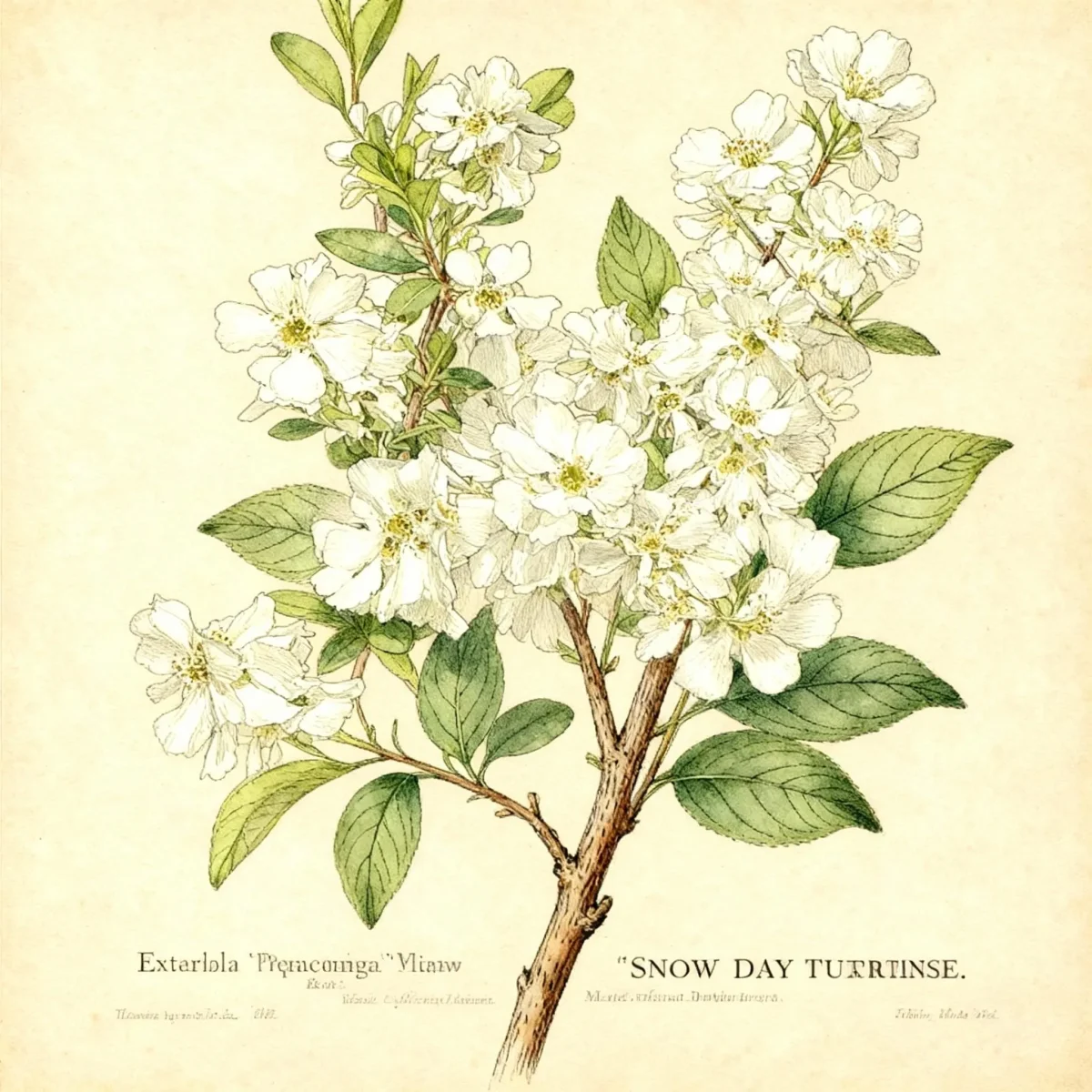
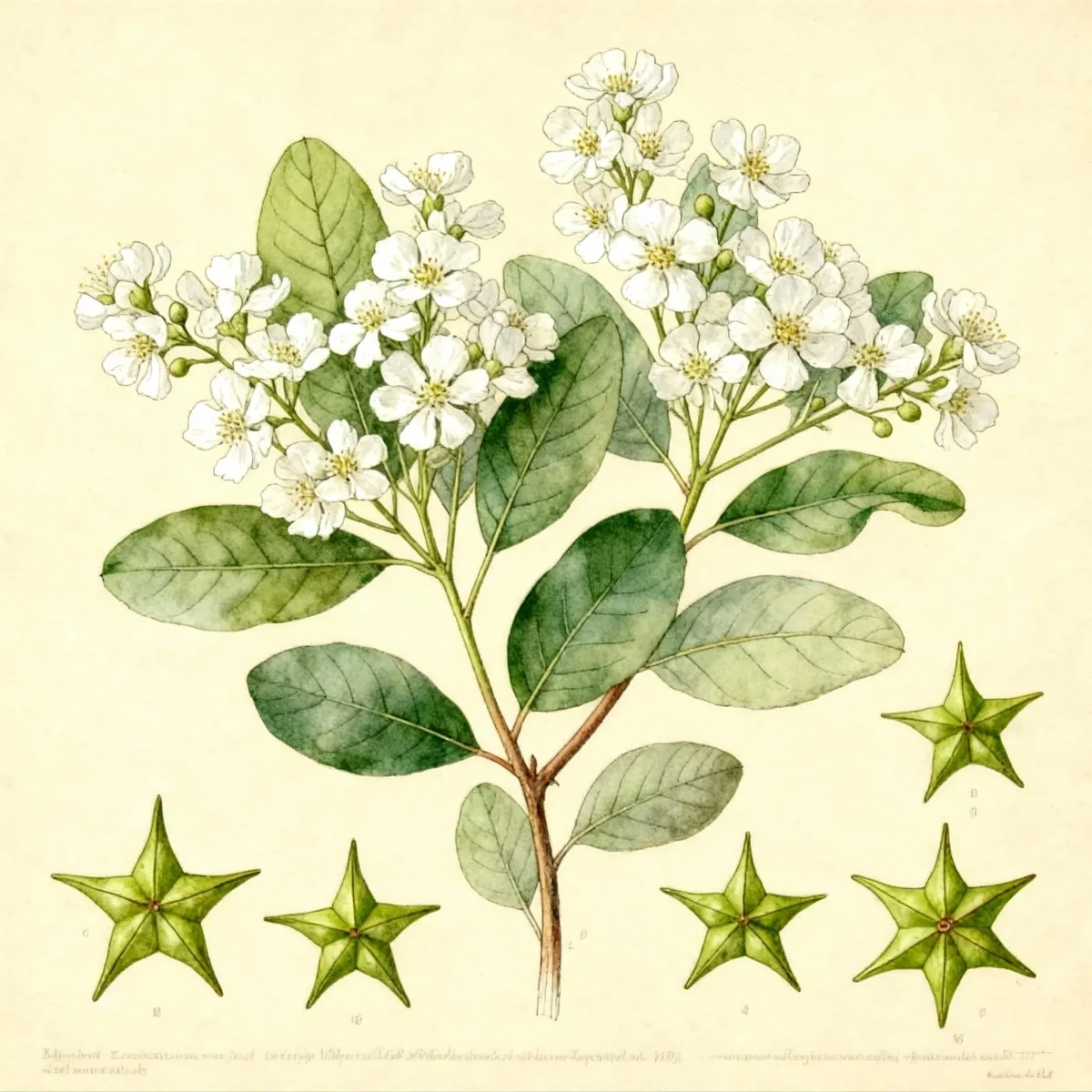
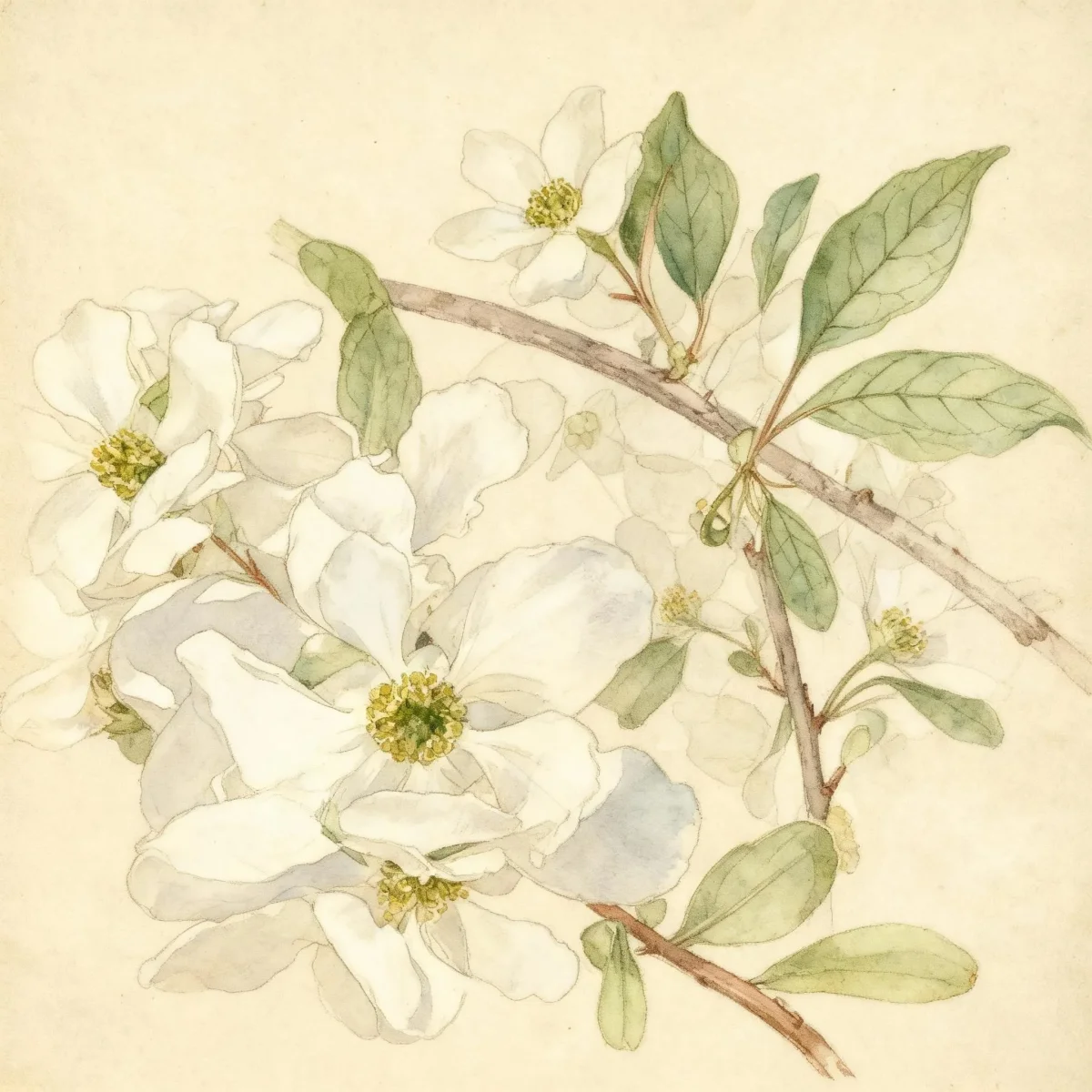
Exochorda × macrantha, commonly known as pearlbush, is a hybrid deciduous shrub introduced by Victor Lemoine of Nancy, France around 1900. This particular cultivar, ‘The Bride’, is noted for its outstanding display of pearl-like flower buds followed by an abundant spring bloom of 1 1/2-inch bridal-white flowers. These flowers appear in terminal racemes along branches that tend to arch gracefully toward the ground, giving the shrub its elegant form.
Tolerances
- Drought
Potential Problems
This shrub benefits from a reputation for being reliably pest-free. Gardeners typically report no serious insect or disease problems when growing Exochorda × macrantha ‘The Bride’. Ensure proper siting regarding soil drainage, as wet, heavy winter soils are the most common contributor to long-term issues in shrubs. Annual monitoring during pruning is usually sufficient for preventative care.
Frequently Asked Questions
What hardiness zones is Pearlbush suitable for?
Exochorda × macrantha ‘The Bride’ is suitable for gardeners gardening in USDA Hardiness Zones 5 through 8.
How large does Exochorda × macrantha ‘The Bride’ grow?
This compact cultivar matures to a height and spread of approximately 3 to 4 feet, maintaining a dense and shapely profile.
When does Pearlbush bloom?
The Pearlbush typically displays its abundant white flowers in April, following a period where the buds resemble white pearls.
What sun exposure does Exochorda × macrantha ‘The Bride’ need?
For optimal, profuse flowering, this shrub requires full sun exposure, though it will tolerate light shade in the landscape.
Conclusion
The Exochorda × macrantha ‘The Bride’ remains a standout choice for spring color, offering unmatched early-season impact in a highly manageable, low-maintenance package. Its reliability and spectacular white bloom make this Pearlbush a garden treasure for borders or hedges, especially where space is limited. Check your local USDA zone compatibility now and plan to plant this stunning cultivar for spectacular springtime rewards.
Companion Planting
When placing Exochorda × macrantha ‘The Bride’ in a mixed border, select companions that either bloom concurrently or offer contrasting foliage texture for year-round interest. Because this shrub prefers well-drained, slightly acidic soil, consider grouping it with other spring bloomers like early deciduous azaleas or rhododendrons, which share similar cultural preferences. For summer color that takes over after the Pearlbush finishes flowering, use plants like Hostas with deep green or blue foliage which appreciate the light afternoon shade the shrub might cast once leaves emerge.
Propagation Tips
Propagating Exochorda × macrantha ‘The Bride’ is best accomplished through cuttings, which helps ensure the resulting plant retains the desirable traits of the named cultivar. Take semi-hardwood cuttings taken from new growth that has just flowered, usually in mid-summer. These cuttings should be treated with rooting hormone and placed under mist or in a protected nursery setting to encourage root development before winter. Direct sowing seed from this hybrid may result in variability that diverges from the compact nature of ‘The Bride’.