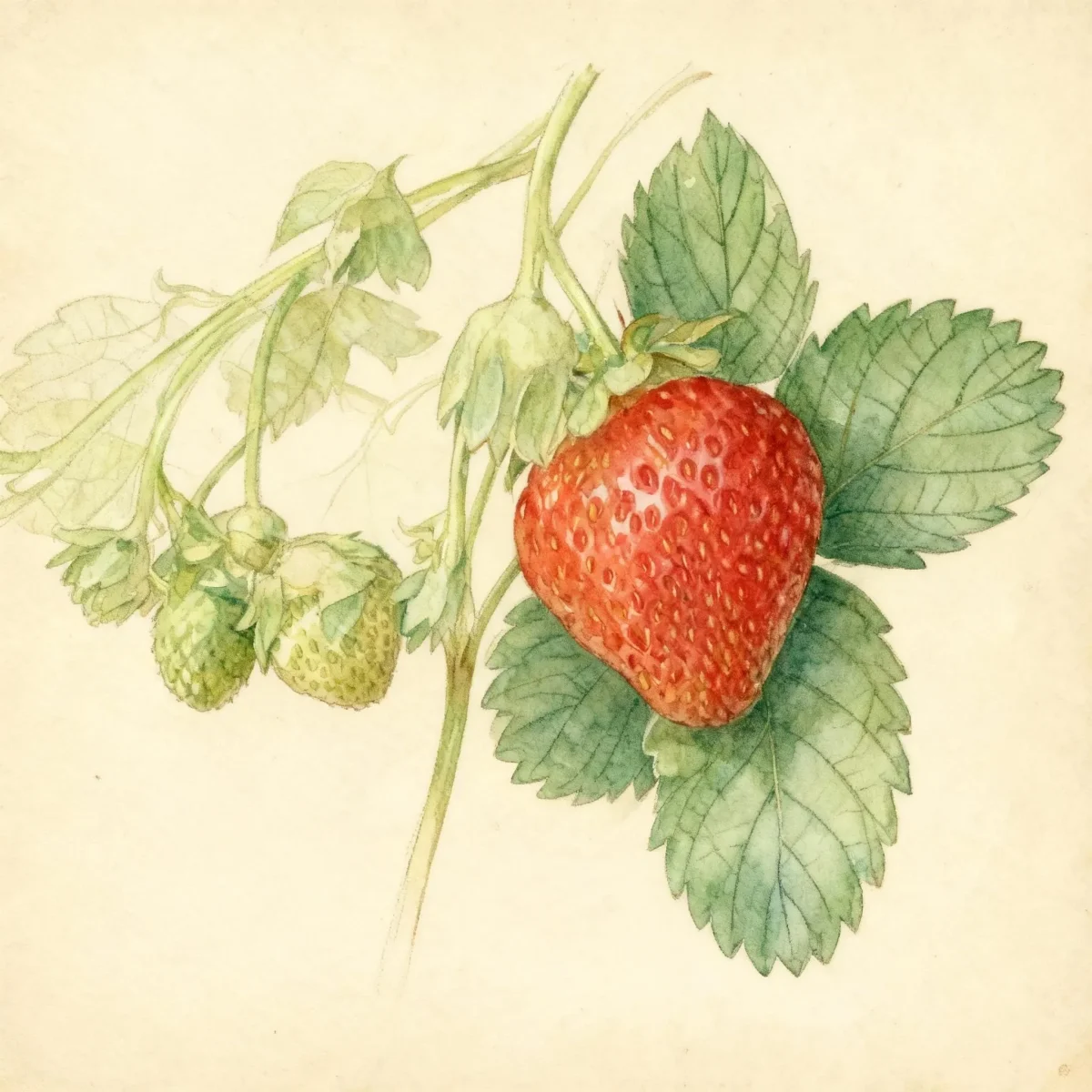
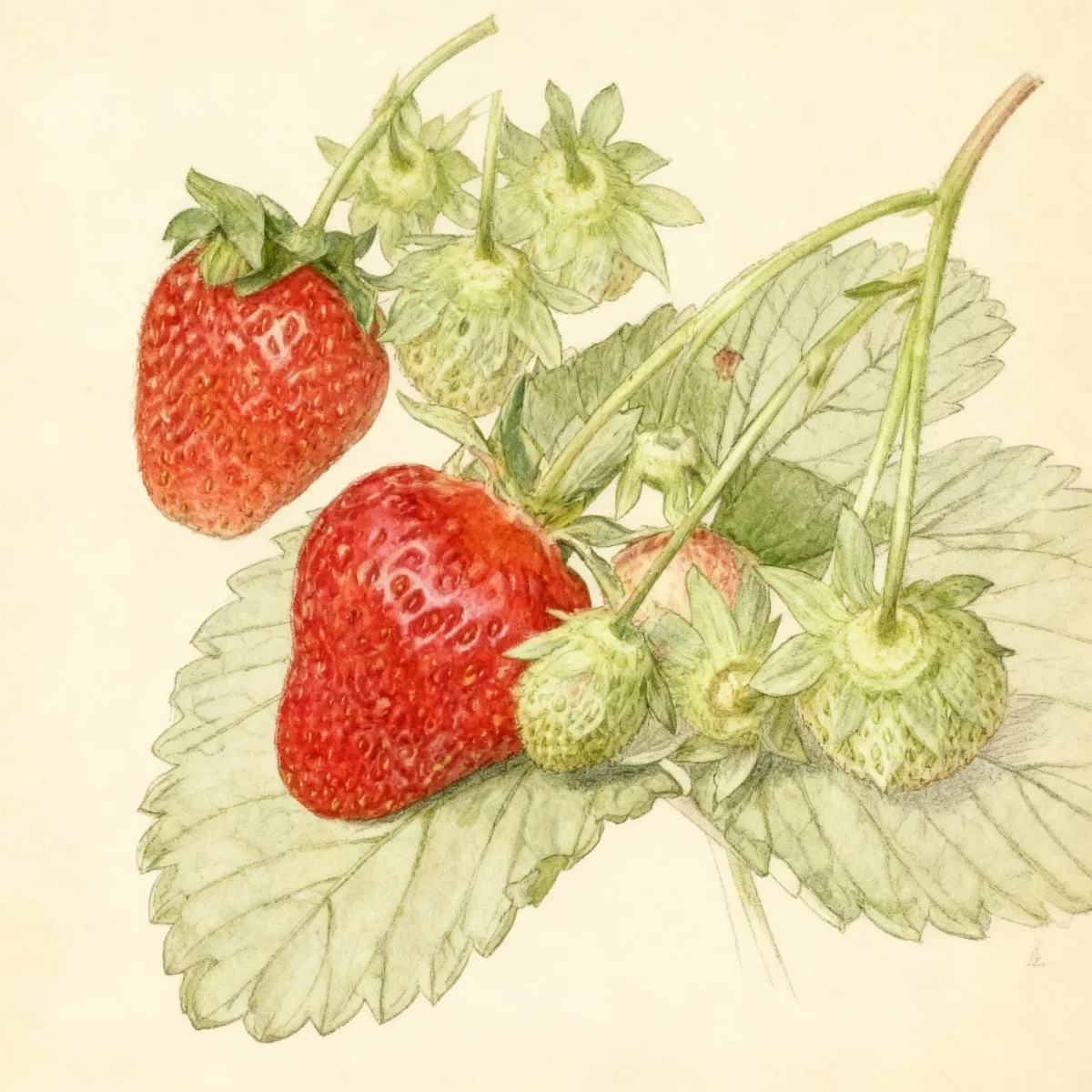
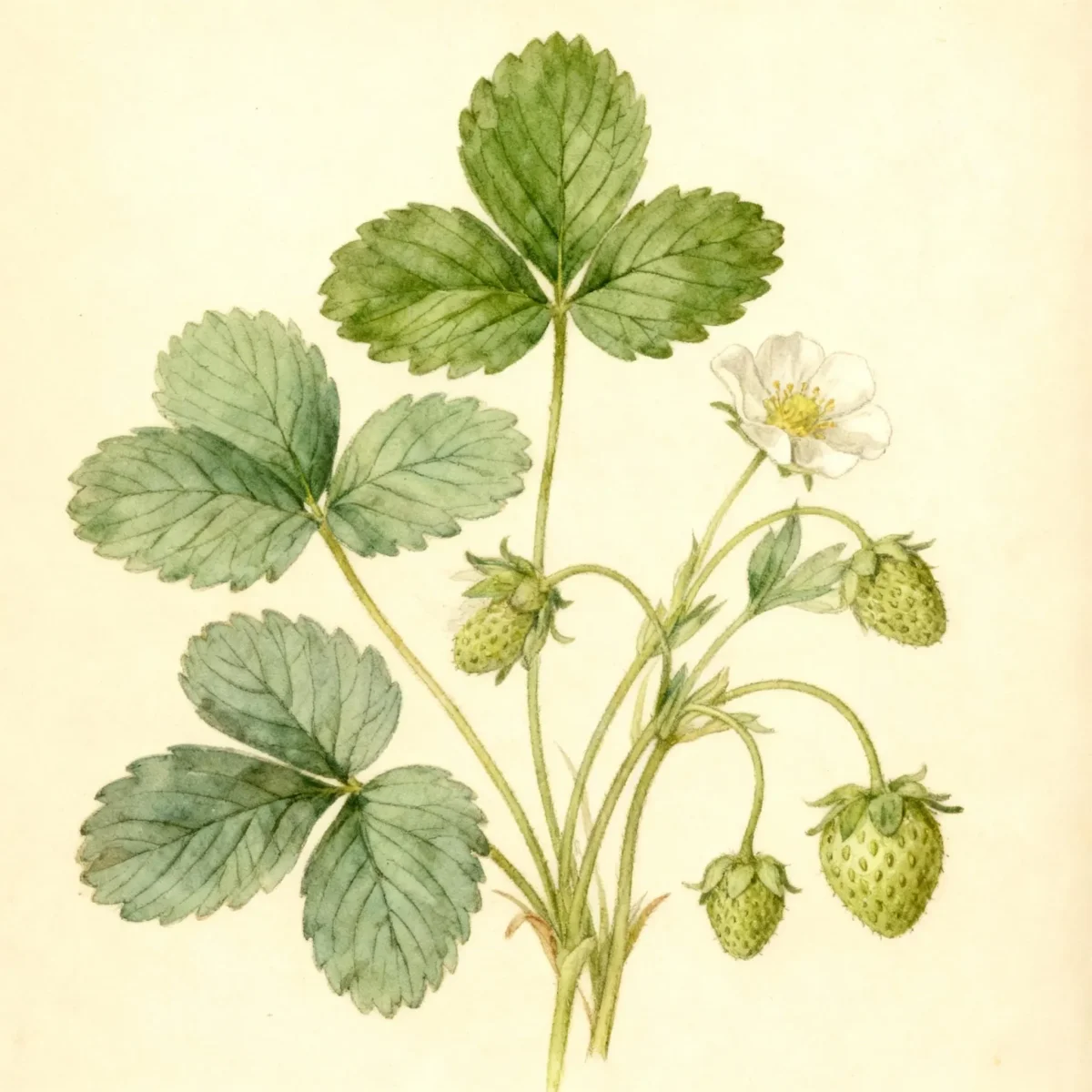
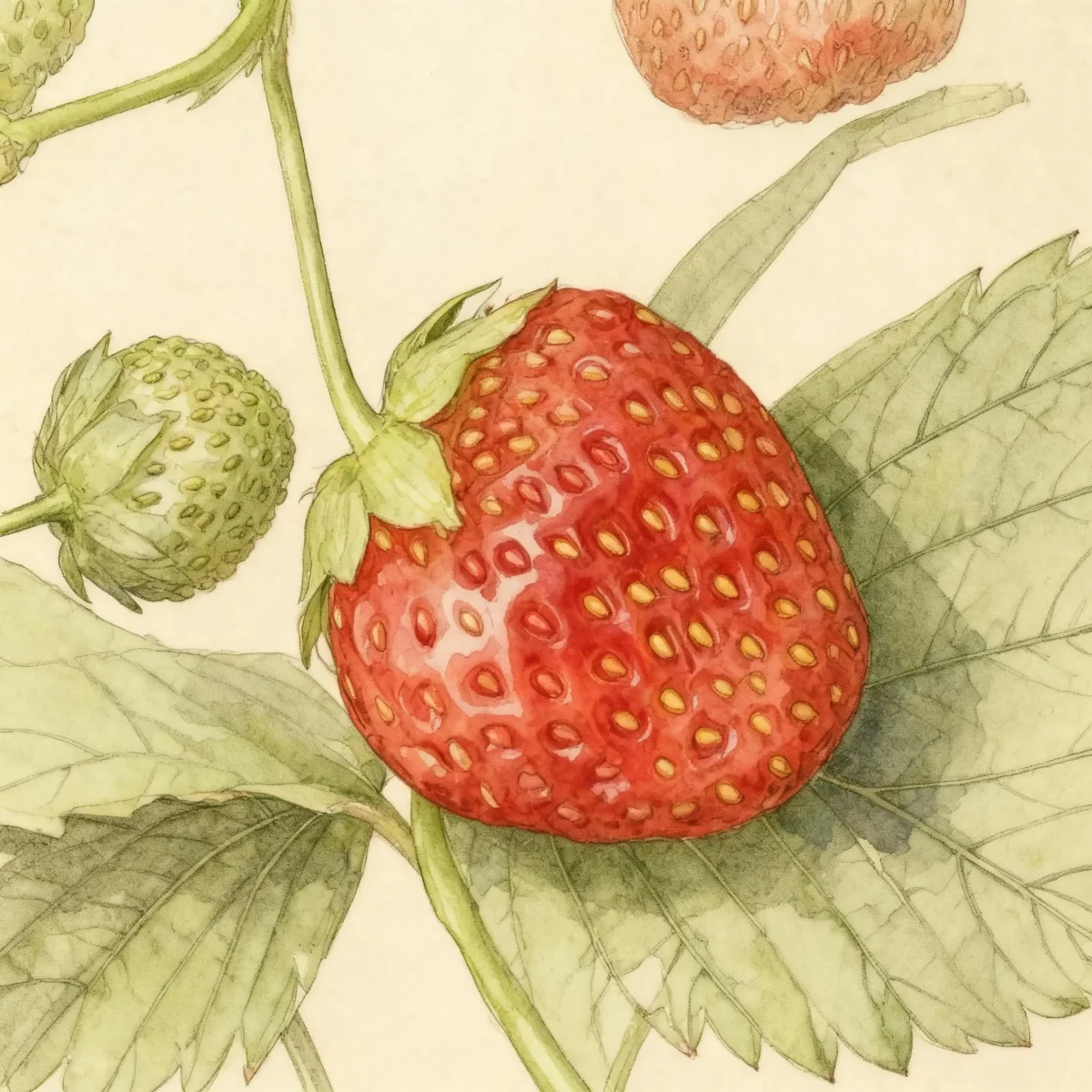
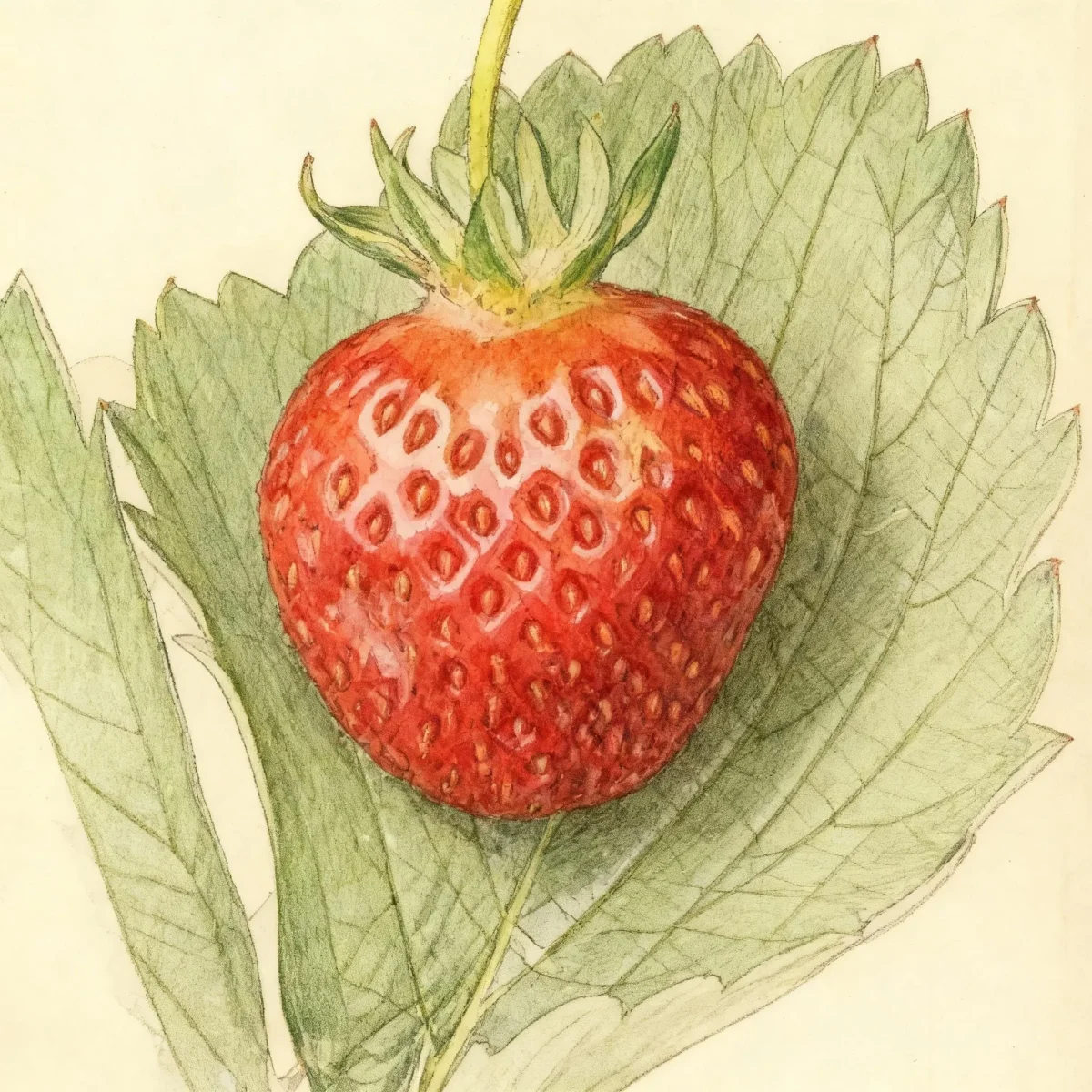
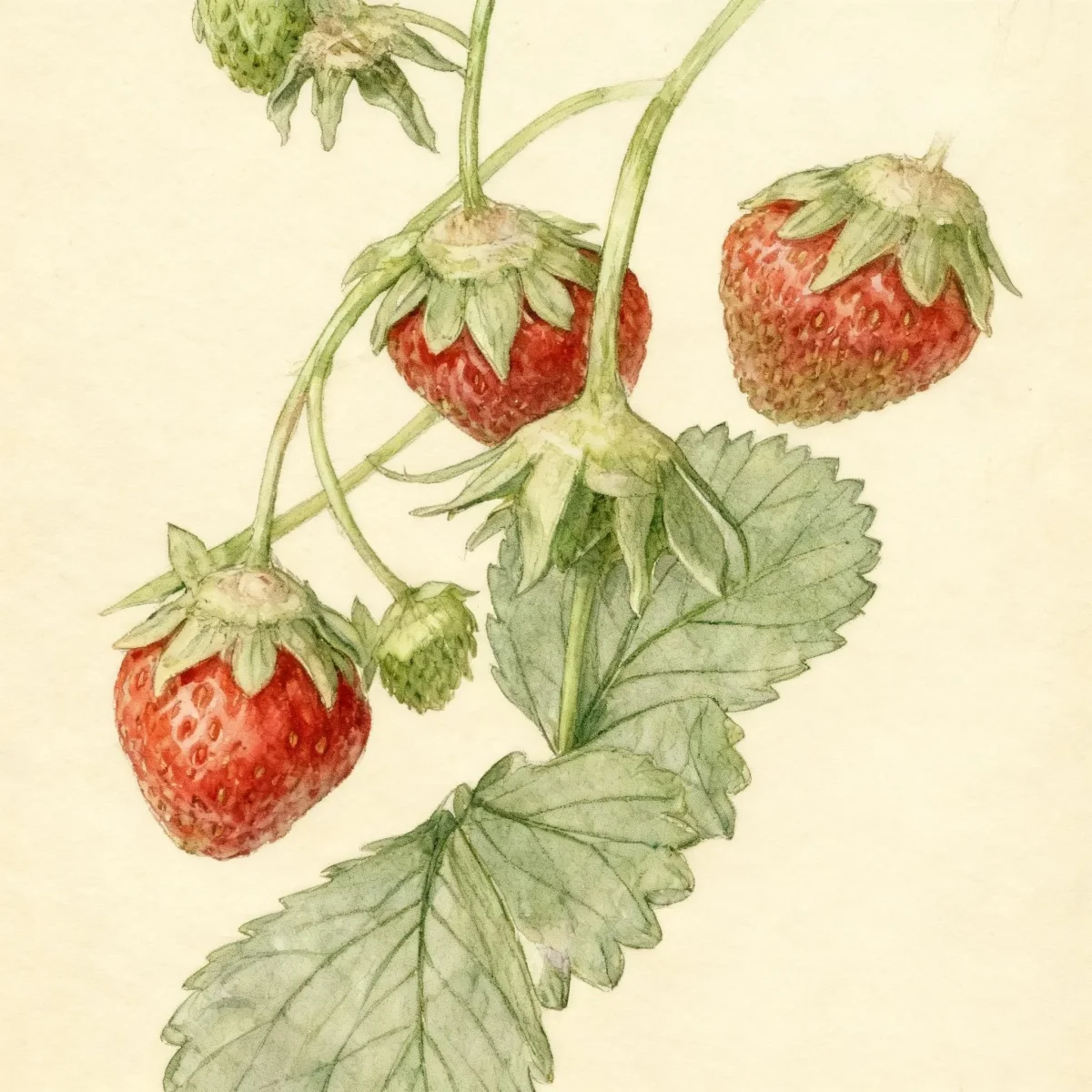
Strawberry (Fragaria 'Cavendish')
Fragaria 'Cavendish' Strawberry is a high-maintenance Junebearing fruit prized for its glossy, sweet, edible berries. Hardy in zones 4-8.
Scroll down to discover growing tips, care requirements, companion plants, and more
Complete Plant Information
Overview
The Strawberry, specifically the ‘Cavendish’ cultivar (Fragaria ‘Cavendish’), is an essential herbaceous perennial for gardeners focused on yielding delicious summer fruit. As a Junebearing type, this Strawberry plant focuses its energy on producing one large crop early in the season, rewarding growers with plump, sweet, and fragrant berries. Valued for both its early spring white flowers and its highly prized fruit, Fragaria ‘Cavendish’ establishes itself as a mainstay in dedicated home fruit cultivation areas.
While it demands high maintenance, the payoff is substantial. This fascinating member of the Rosaceae family grows low to the ground, sending out runners as it matures. Success with Fragaria ‘Cavendish’ hinges on providing consistent care, including full sun exposure and rich, well-drained soil. Gardeners should prioritize disease-resistant cultivars like ‘Cavendish’ for the best results in their specific climate.
These low-growing perennials provide a functional and aesthetic contribution to the seasonal garden, transitioning from attractive bloomers to heavy fruit producers by late spring to early summer. Successfully growing Strawberry requires attention to detail, but the reward is an unmatched sweetness straight from the garden patch.
Fast Facts
- Plant Family: Rosaceae
- Plant Type: Fruit
- Hardiness Zones: USDA Zones 4-8
- Size at Maturity:
- Height: 0.5-0.75 ft
- Spread: 1-1.5 ft
- Bloom Time: May to June
- Bloom Description: White
- Sun Exposure: Full sun
- Water Needs: Medium
- Maintenance Level: High
How to Grow
For optimal success with your Strawberry patch, plant Fragaria ‘Cavendish’ in the early spring once the danger of hard frost has passed. Plant in average, medium moisture, well-drained soil that is organically rich and slightly sandy loam. Because strawberries run heavily, ensure they have adequate space, respecting their spread of 1 to 1.5 feet. Site selection is critical; only plant in full sun locations to maximize flowering and fruiting potential.
Ongoing care for strawberries is labor-intensive; this is classified as a high-maintenance crop. Maintain consistent medium moisture without allowing the area to become waterlogged, as root rots are a severe threat. Fertilization should be balanced, focusing on promoting strong root health early on. Because Fragaria ‘Cavendish’ is a Junebearing type, management after the harvest (often involving removing matted runners and renovating the bed) is crucial for preparing the plants for next season.
Always adhere to the advice to grow only certified disease-resistant cultivars. Consult regional guides, such as the pamphlet from the University of Missouri-Columbia, as growing recommendations vary significantly based on local climate conditions. Proper cultural practices are the best defense against the numerous potential diseases and pests that affect strawberries.
Landscape Uses
Although strawberries are primarily grown for their fruit, their low-growing habit and seasonal blooms offer minor ornamental value when managed properly. They are best situated in a dedicated, set-aside area specifically for fruit cultivation where their maintenance needs can be easily met. Planting in neat rows or matted rows allows for efficient harvesting and care, which is essential for this high-maintenance crop.
When designing the space, consider companion planting edibles that share similar needs for sun and moisture, ensuring the entire patch thrives together. While they lack the structural appeal for formal borders, a well-maintained bed of Fragaria ‘Cavendish’ provides pleasant texture in the lower levels of a kitchen garden design.
Standout Features
Flower Qualities
- Showy
Fruit Qualities
- Showy
- Edible
Noteworthy Characteristics
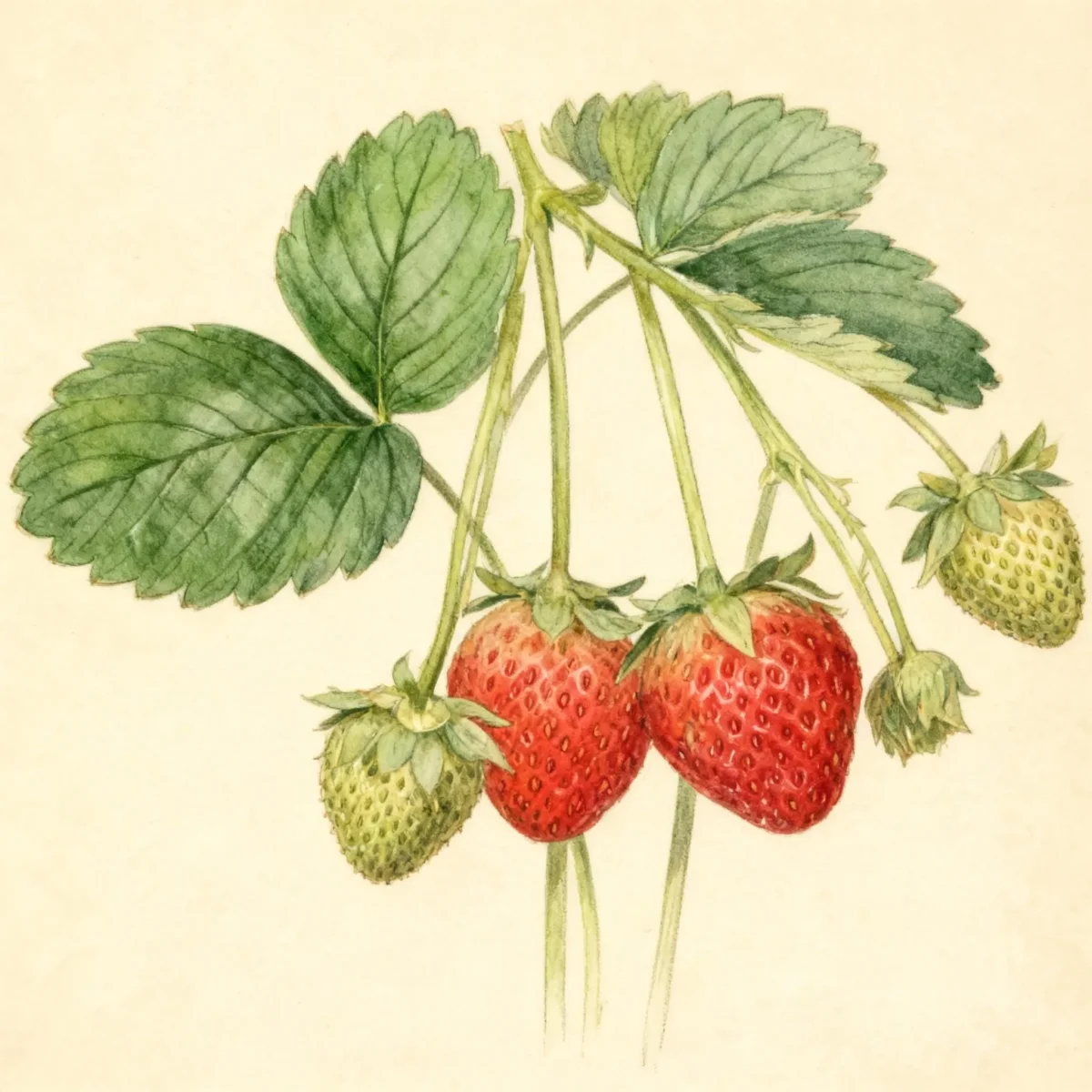
Fragaria is a genus containing about 12 species of low-growing stoloniferous herbaceous perennials commonly known as strawberries. Strawberries are a mainstay of the home fruit garden and are grouped into Junebearing, everbearing, and day-neutral types. Junebearers produce one crop per year early in the season (typically June). Flowers give way to large, glossy, red berries which mature in late spring to early summer. Berries are plump, fragrant, sweet and exceedingly tasty. ‘Cavendish’ is a Junebearing strawberry, which generally performs well in regions like the St. Louis area.
Tolerances
- Deer
Potential Problems
Strawberries are notably susceptible to a wide array of potential diseases, affecting the foliage, roots, and fruit. Common fungal issues include leaf spot, scorch, red stele, black root rot, anthracnose, leather rot, and gray mold. Insect pressures can introduce pests like tarnished plant bugs, mites, aphids, leafrollers, slugs, nematodes, and strawberry weevils. Vigilant monitoring is your first and best line of defense against these issues in your Strawberry patch.
Fortunately, the ‘Cavendish’ cultivar offers some built-in protection; specifically, it possesses good disease resistance against red stele, which is a common root rot issue. Implementing sound gardening practices, such as ensuring good air circulation, rotating planting locations annually, and using only certified disease-free starts, will significantly mitigate the risk of pathogenic invasion in your Fragaria ‘Cavendish’ plants.
Frequently Asked Questions
What hardiness zones is Strawberry suitable for?
Fragaria ‘Cavendish’ Strawberries are generally suitable for USDA Hardiness Zones 4 through 8.
How large does Strawberry grow?
This plant typically reaches a height between 0.5 and 0.75 feet, with a spread ranging from 1 to 1.5 feet at maturity.
What sun exposure does Strawberry need?
Fragaria ‘Cavendish’ requires full sun exposure to produce the best crop yield.
When does Strawberry bloom?
The white, five-petaled flowers of the Strawberry appear from May to June.
Conclusion
The Fragaria ‘Cavendish’ Strawberry offers gardeners the opportunity to harvest intensely flavorful, sweet fruit during the early summer months, despite its classification as a high-maintenance crop. By focusing on rich soil, full sun, and meticulous cultural care, you can ensure a successful yield from this Junebearing variety. Before planting, confirm that USDA Zones 4-8 align with your location and plan for the necessary dedication required to manage this excellent Strawberry.
Companion Planting
Selecting appropriate neighbors is important when growing high-demand crops like strawberries. Companion plants should thrive under similar full sun and medium water conditions without competing aggressively for soil nutrients. Consider planting beneficial herbs nearby; for example, borage can attract pollinators, which is helpful during the May to June bloom time for Fragaria ‘Cavendish’.
Another strategy involves planting things that help deter common strawberry pests or improve soil health. Legumes can fix nitrogen, supporting the overall vigor required for high fruit production. Since strawberries send out runners, ensure any companion choices are tolerant of spreading ground covers or maintained in separate containers if tight spacing is desired.
Seasonal Care Calendar
Spring preparation is crucial for your Strawberry patch; this involves removing any winter debris and applying a balanced, slow-release fertilizer before new growth begins in earnest. As the days lengthen, be vigilant for the development of flower buds and protect the developing fruit from late frosts, perhaps using row covers, as this variety blooms in May and June.
Summer centers on harvest and managing runners. Junebearing types like Fragaria ‘Cavendish’ produce their main crop and then actively send out runners which root to form daughter plants; these must be managed—removed entirely for maximum fruit size or thinned strategically for new bed expansion. Adequate, consistent watering during fruit swell is non-negotiable.
Fall care involves cleaning up spent foliage and perhaps cutting back runners that were not intended for propagation. If you are in the colder end of zones 4-8, applying a light layer of clean straw mulch after the first hard frost helps insulate the crowns through winter dormancy, ensuring robust health for the next season’s yield.