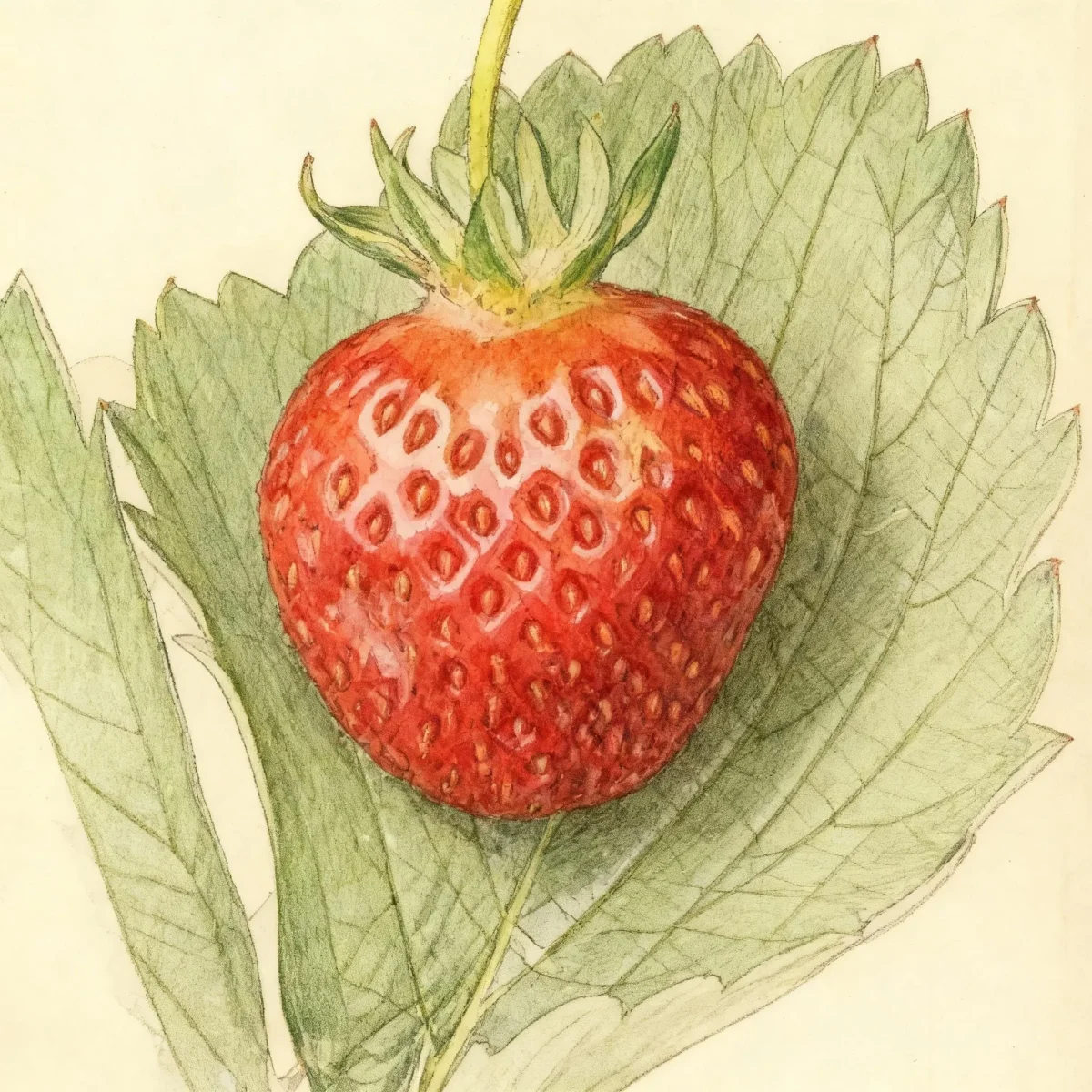
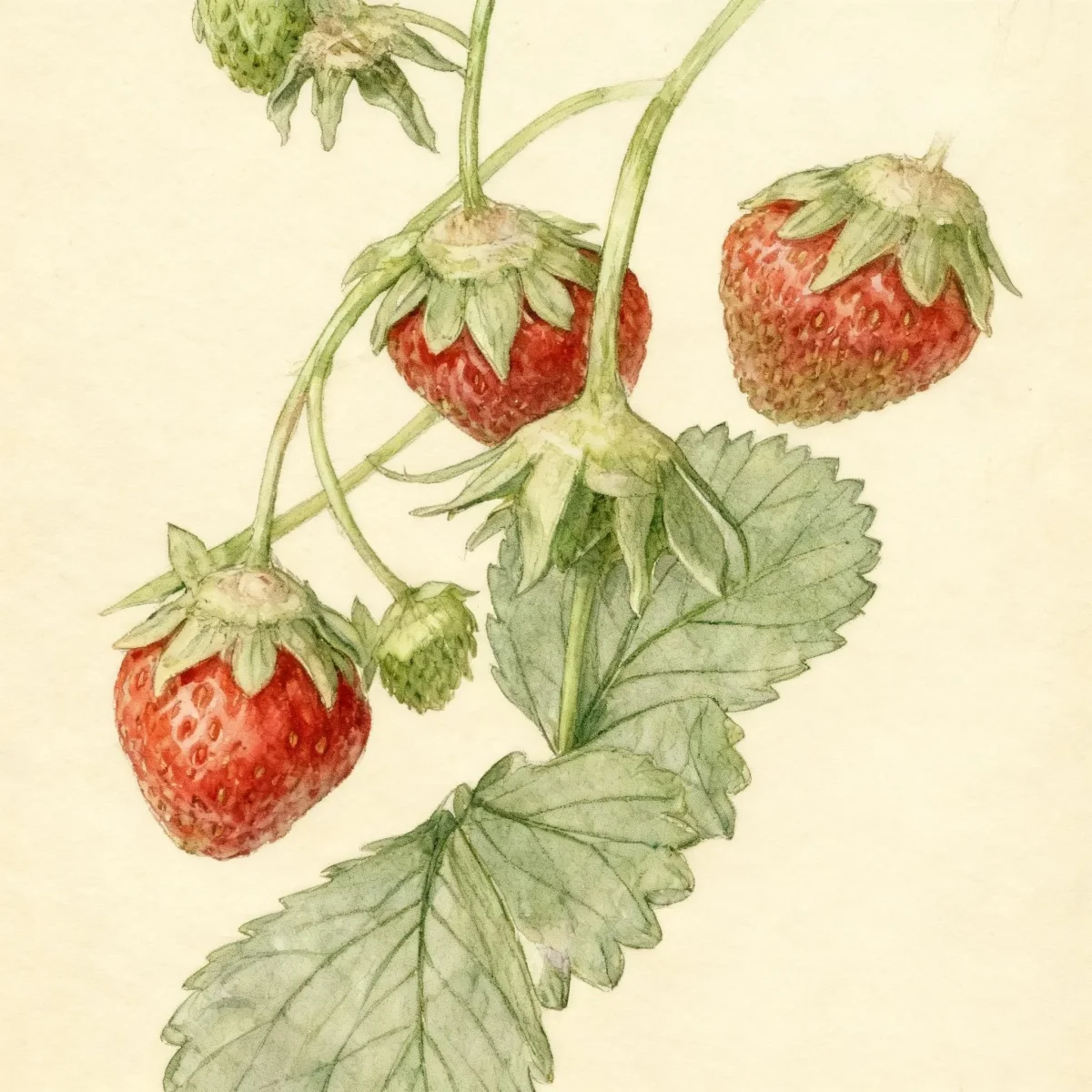
Strawberry (Fragaria 'Dunlap')
Fragaria 'Dunlap' Strawberry is a high-maintenance Junebearing fruit producing sweet, edible berries in USDA Zones 4-8.
Scroll down to discover growing tips, care requirements, companion plants, and more
Complete Plant Information
Overview
The Strawberry genus, featuring cultivars like Fragaria ‘Dunlap’, remains a cornerstone of the North American home fruit garden. These low-growing, stoloniferous herbaceous perennials are highly valued not just for their yield but for the intensely sweet and fragrant berries they produce in late spring to early summer. Understanding the specific needs of Fragaria ‘Dunlap’ is crucial, as it falls into the Junebearing category, offering one substantial crop per season.
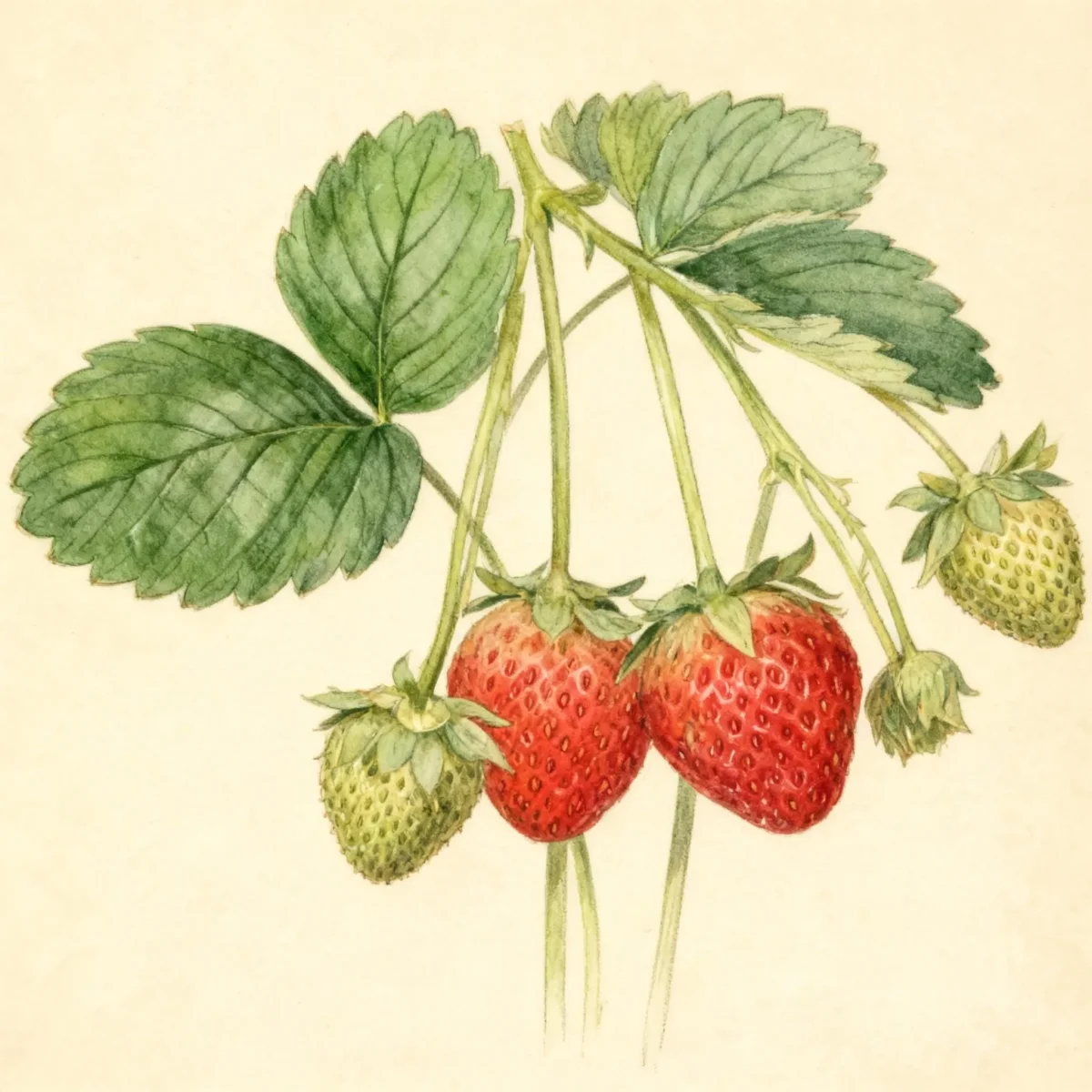
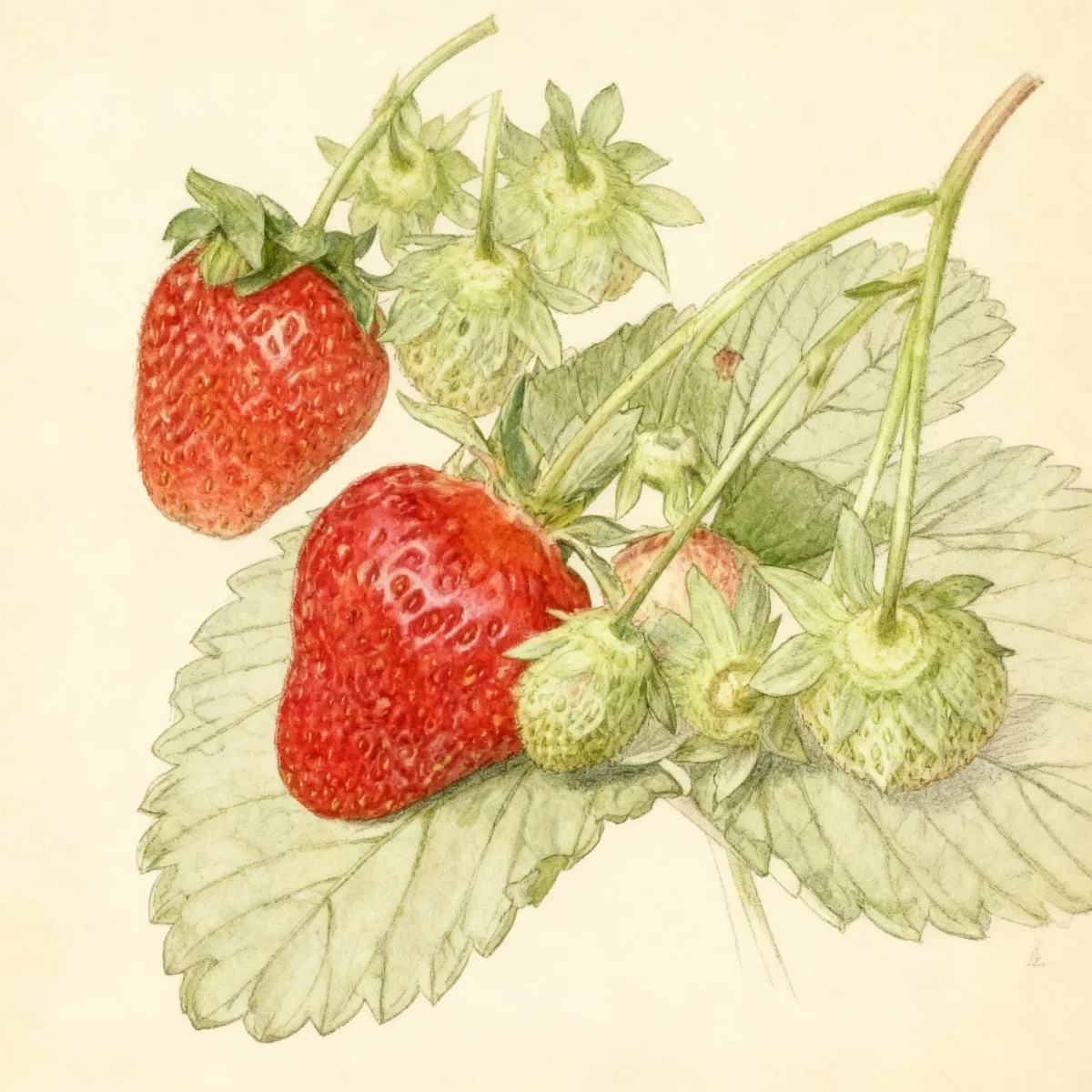
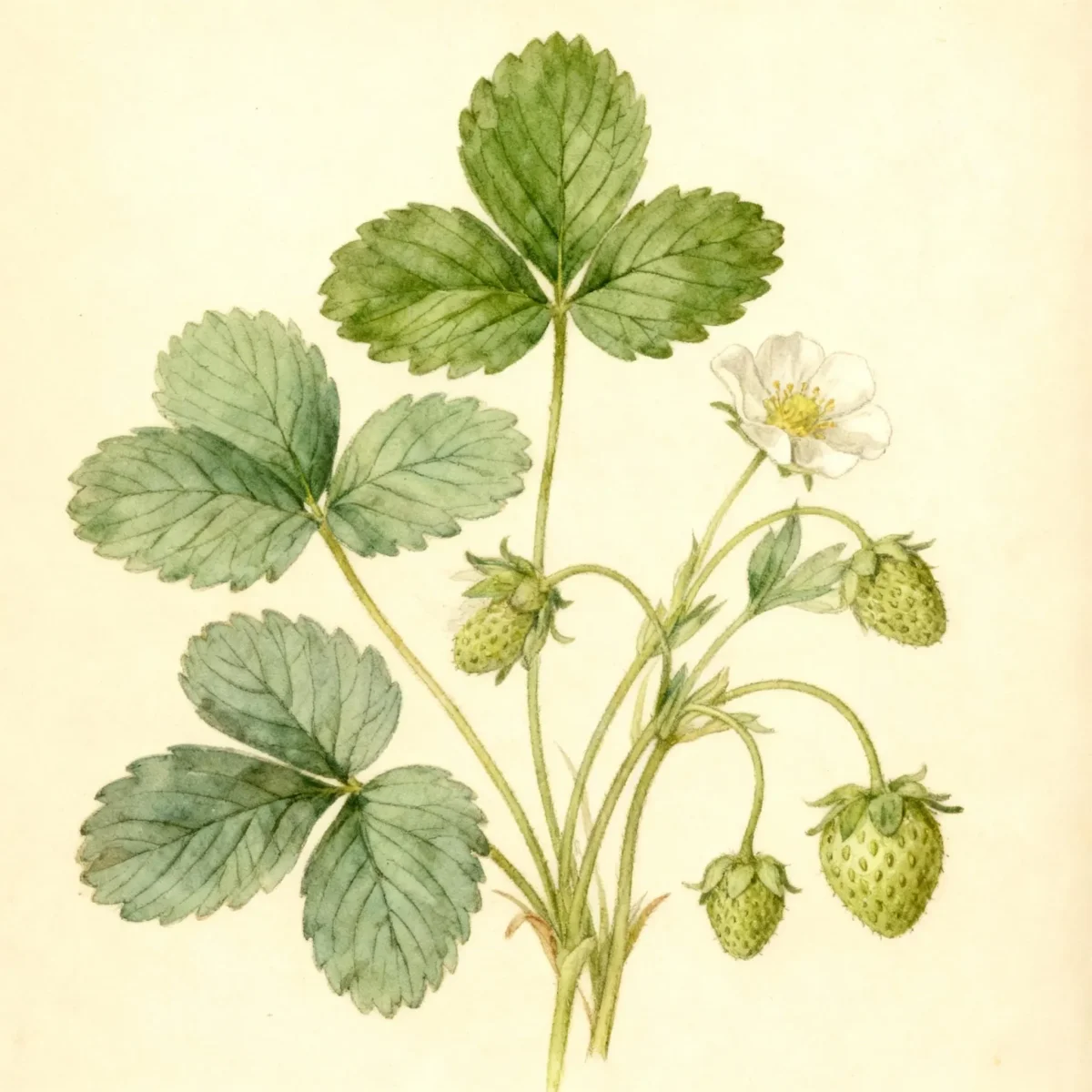
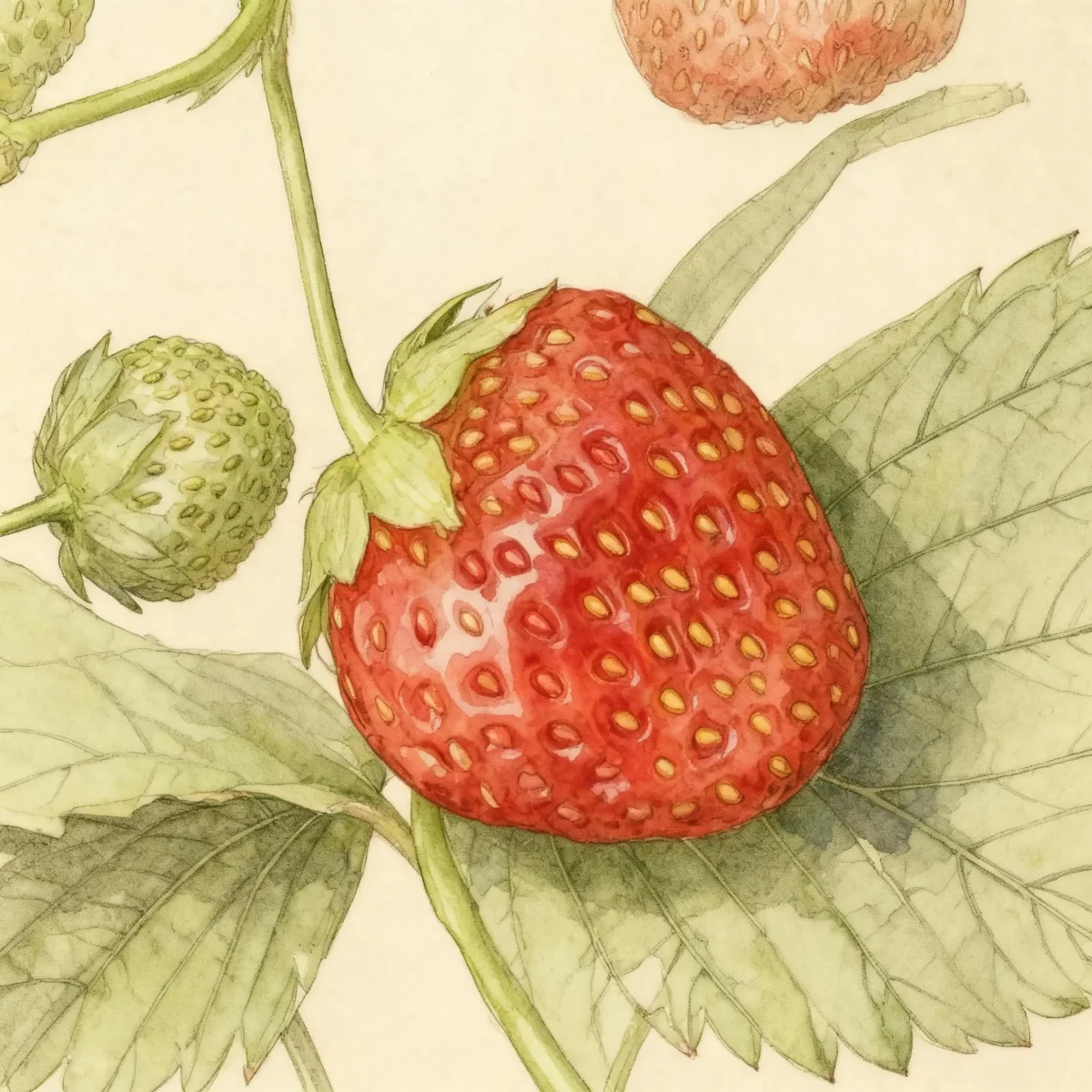
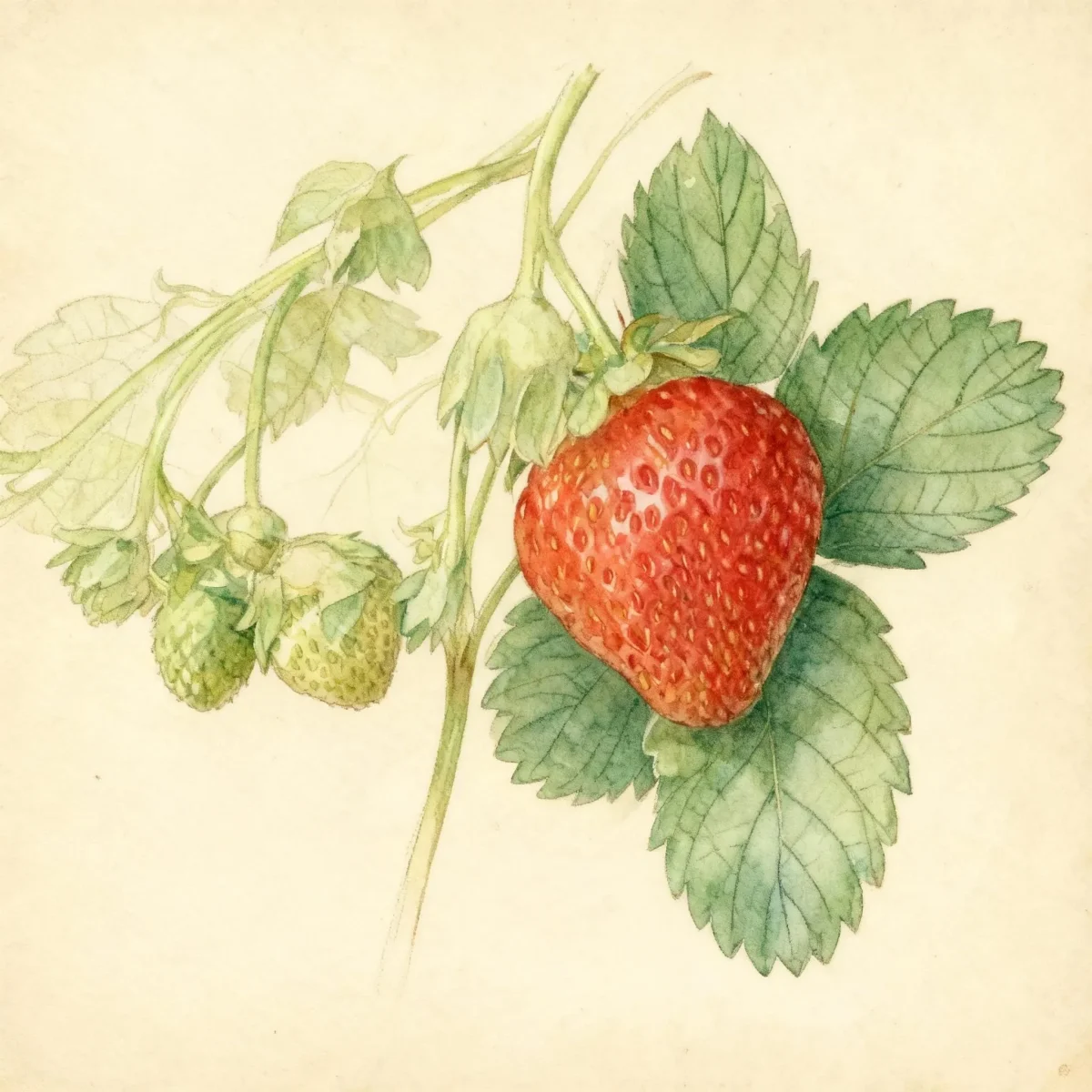
Fragaria ‘Dunlap’ exhibits classic strawberry characteristics, including five-petaled white flowers that give way to glossy red fruit. While they possess little ornamental value beyond their functional bounty, they are a rewarding crop for dedicated gardeners. Cultivating optimal conditions ensures healthy plants capable of producing plump, exceedingly tasty berries.
As a Junebearing type, Fragaria ‘Dunlap’ requires specific environmental cues to trigger flowering and runner production, setting them apart from everbearing or day-neutral varieties. Gardeners aiming for reliable fruit production must treat this crop as high maintenance, ensuring attention to soil quality and disease management throughout the growing season.
Fast Facts
- Plant Family: Rosaceae
- Plant Type: Fruit
- Hardiness Zones: USDA Zones 4-8
- Size at Maturity:
- Height: 0.5-0.75 ft
- Spread: 1-1.5 ft
- Bloom Time: May to June
- Bloom Description: White
- Sun Exposure: Full sun
- Water Needs: Medium
- Maintenance Level: High
How to Grow
Planting is best executed in early spring after the danger of hard frost has passed, ensuring the roots establish well before the summer heat. Fragaria ‘Dunlap’ requires full sun exposure for maximum fruit production. The ideal substrate is organically rich, well-drained soil, often achieving best results in sandy loams with medium moisture retention. Always use certified disease-resistant cultivars to mitigate common issues from the start.
Care for these Strawberries is intensive. Maintain consistent medium moisture levels; avoid both waterlogging and allowing the soil to dry out completely. While robust fertilization is often unnecessary if the soil is rich initially, supplemental feeding based on soil tests may be required. Deadhead flowers in the first year to encourage strong root development necessary for future yields.
Managing runners is essential, especially for Junebearing types like Fragaria ‘Dunlap’. In commercial settings, runners are often removed entirely to focus energy on crown development. For home gardens, allow a few runners to root to maintain or expand the patch, but thin aggressively to prevent overcrowding, which severely impacts air circulation and fruit quality.
Because Strawberries are susceptible to various soil-borne diseases, crop rotation is critical. If growing in Missouri, consult local Extension resources, such as the pamphlet “Home Fruit Production: Strawberries and Their Culture” (G 6135), for climate-specific advice on cultural practices and disease management for your specific Strawberry patch.
Landscape Uses
While Strawberries like Fragaria ‘Dunlap’ are rarely selected purely for ornamental purposes, their function as a low-growing groundcover that produces edible fruit offers unique design opportunities. They perform best when grown in dedicated patches or rows within the vegetable garden, allowing for easy access during harvest and focused maintenance routines.
For smaller spaces, Strawberries can be effectively integrated into mixed borders, provided they are placed at the front edge where their low stature does not obscure taller plantings. They serve excellently as edible edging along pathways, creating a delicious, low barrier. Container gardening is also feasible, offering excellent drainage and portability, especially beneficial for managing soil-borne diseases common to in-ground Strawberry beds.
Standout Features
Flower Qualities
- Showy
Fruit Qualities
- Showy
- Edible
Noteworthy Characteristics
Fragaria is a genus containing about 12 species of low-growing stoloniferous herbaceous perennials commonly known as strawberries. Strawberries are a mainstay of the home fruit garden and are grouped into Junebearing, everbearing, and day-neutral types. Junebearers produce one crop per year early in the season (typically June), and the berries are usually larger. ‘Dunlop’ is specifically a Junebearing Strawberry. All five-petaled white flowers mature into large, glossy, red, fragrant, and sweet berries.
Tolerances
- Deer
Potential Problems
Strawberries are susceptible to a large number of potential diseases, including but not limited to: foliage diseases (leaf spot, scorch), root rots (red stele, black root rot), fruit rots (anthracnose, leather rot), gray mold and viruses. Occasional insect problems include tarnished plant bugs, mites, aphids, leafrollers, slugs, nematodes, and strawberry weevils.
Prevention is the primary strategy when growing this high-maintenance crop. Ensure excellent air circulation by proper row spacing and runner management to control fungal and mold issues. Always source disease-free stock, and rotate the patch location every three to four years to break the cycle of soil-borne pathogens, like red stele. While Fragaria ‘Dunlap’ generally shows good disease resistance, diligent monitoring is still required.
Frequently Asked Questions
What hardiness zones is Strawberry suitable for?
The Strawberry (Fragaria ‘Dunlap’) is suitable for USDA Zones 4 through 8.
How large does Strawberry grow?
This Strawberry typically reaches a mature height between 0.5 and 0.75 feet, with a spread ranging from 1 to 1.5 feet.
What sun exposure does Strawberry need?
For optimal flowering and fruiting, Fragaria ‘Dunlap’ requires a location receiving full sun throughout the day.
When does Strawberry bloom?
This variety blooms between May and June, presenting white flowers before developing its fruit.
Conclusion
The Strawberry ‘Dunlap’ offers the dedicated gardener the reward of large, flavorful Junebearing fruit, making it a classic addition to any edible landscape. If you commit to the high maintenance required for succession planting and diligent disease control, you will be rewarded with an excellent harvest of this beloved Strawberry. Plan your planting for early spring and verify that your cultivation site offers the rich, well-drained soil and full sun needed for success.
Companion Planting
When planning the layout for your Fragaria ‘Dunlap’ patch, companion planting can help suppress weeds and deter pests naturally. While they do best in dedicated beds, planting nitrogen-fixing crops nearby, such as beans or peas (planted outside the immediate root zone), can improve soil fertility over time. Avoid planting tomatoes, peppers, or eggplant nearby, as they share susceptibility to Verticillium wilt, a serious soil-borne pathogen that can affect Strawberries. Additionally, pungent herbs like borage or thyme, planted along the edges, can offer minor pest confusion.
Seasonal Care Calendar
First-year care focuses heavily on root development. In the first spring, immediately after planting Fragaria ‘Dunlap’, pinch off all blossoms to encourage the plant to invest energy into rhizomes rather than fruit. Post-harvest in the first summer, thin out excess runners to maintain good air flow around the developing crowns. Late autumn is crucial; after the first hard freeze signals dormancy, apply a 4-6 inch layer of clean straw mulch over the patch to insulate the crowns against harsh winter fluctuations common in Zones 4-8.
In early spring, remove the insulating straw just as new growth begins, moving the straw to tuck around the base of the plants as a protective, clean layer over the developing fruit. Runners should be managed throughout the growing season—removing most and “renovating” the patch by trimming old foliage after the main June harvest. This management strategy ensures that the Strawberry plants focus their energy on producing vigorous, healthy crowns for the following season’s yield.