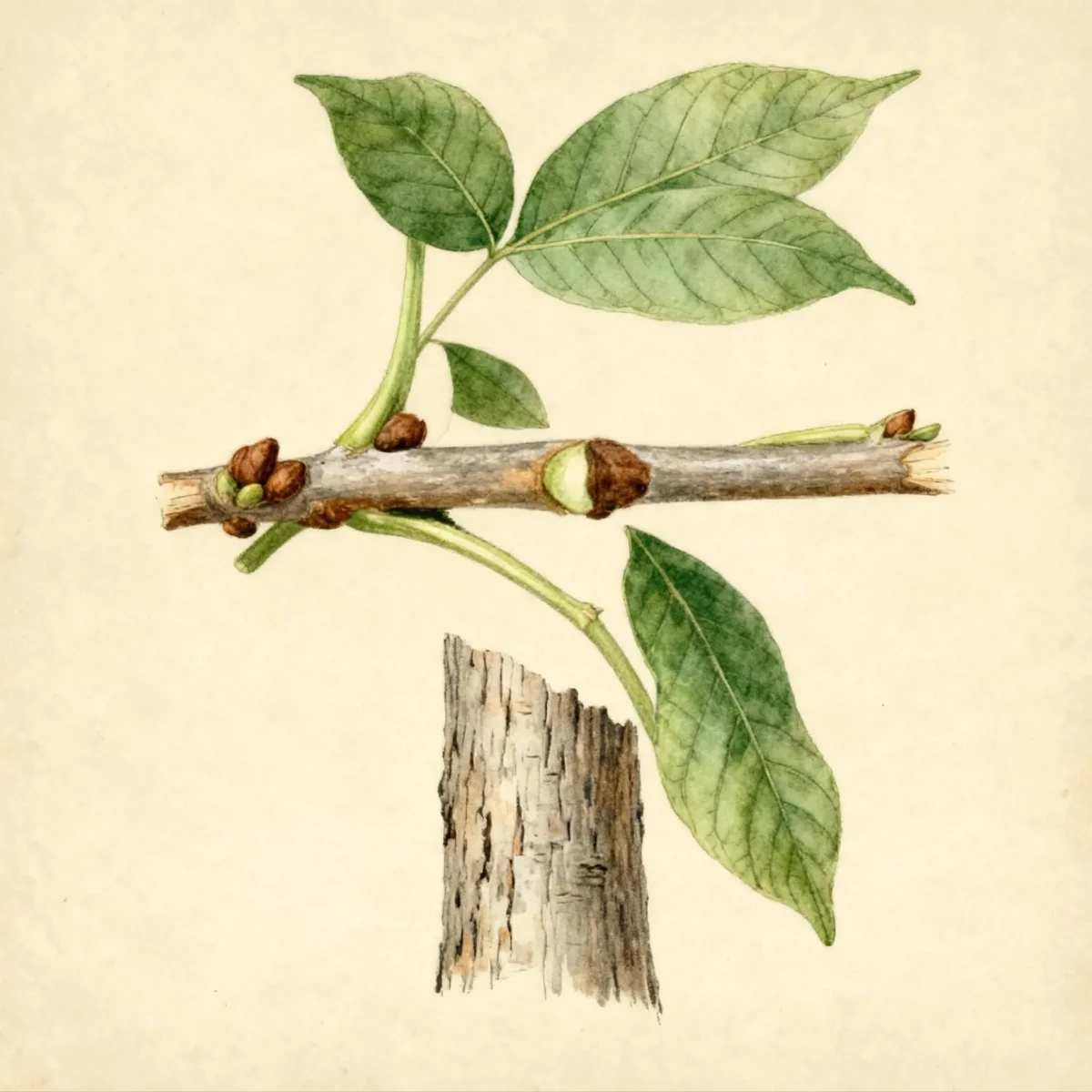
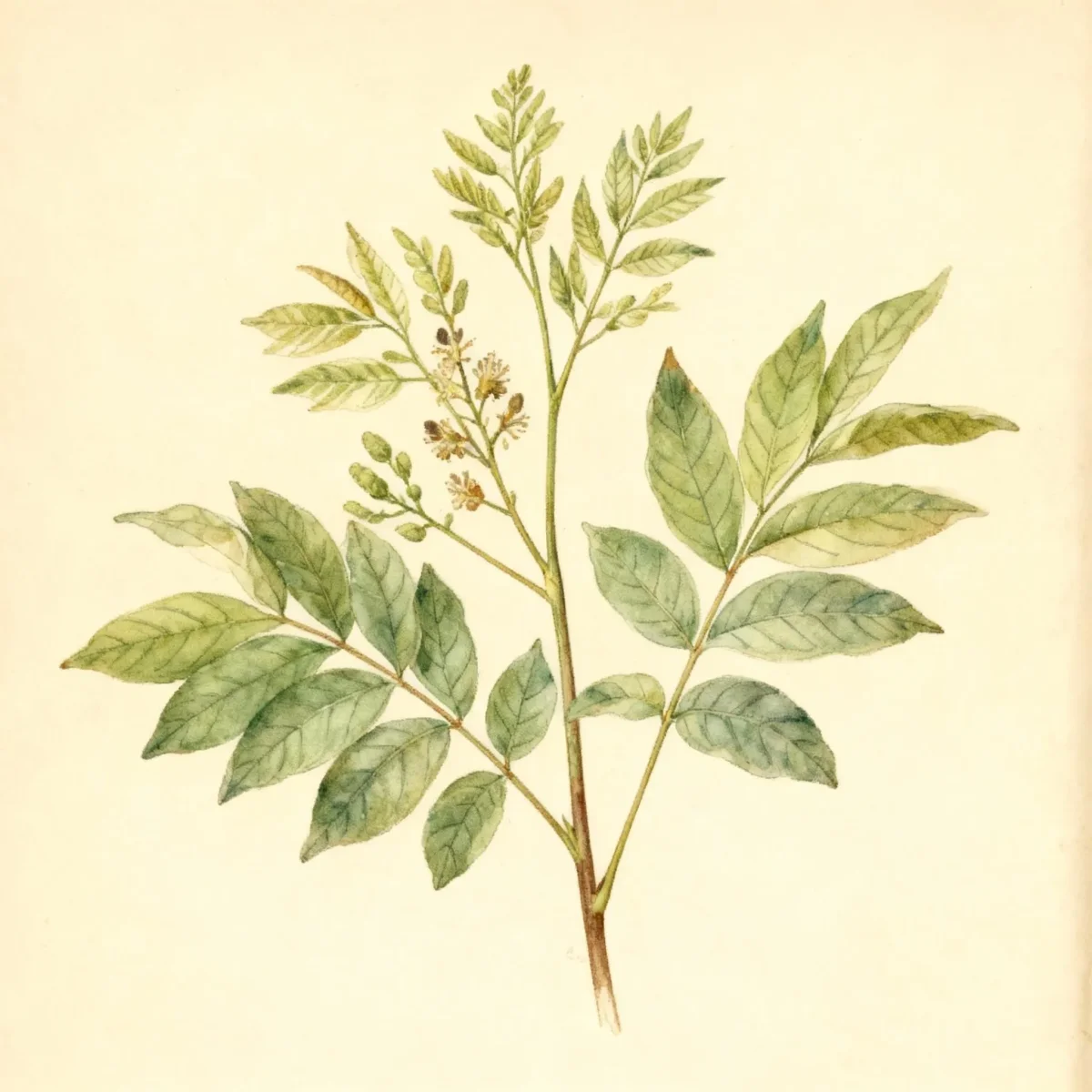
White ash (Fraxinus americana 'Autumn Purple')
Fraxinus americana 'Autumn Purple' offers magnificent dark purple fall color, reaching 45-60 ft. This White ash requires full sun and is an excellent, though currently cautioned, shade tree option.
Scroll down to discover growing tips, care requirements, companion plants, and more
Complete Plant Information
Overview
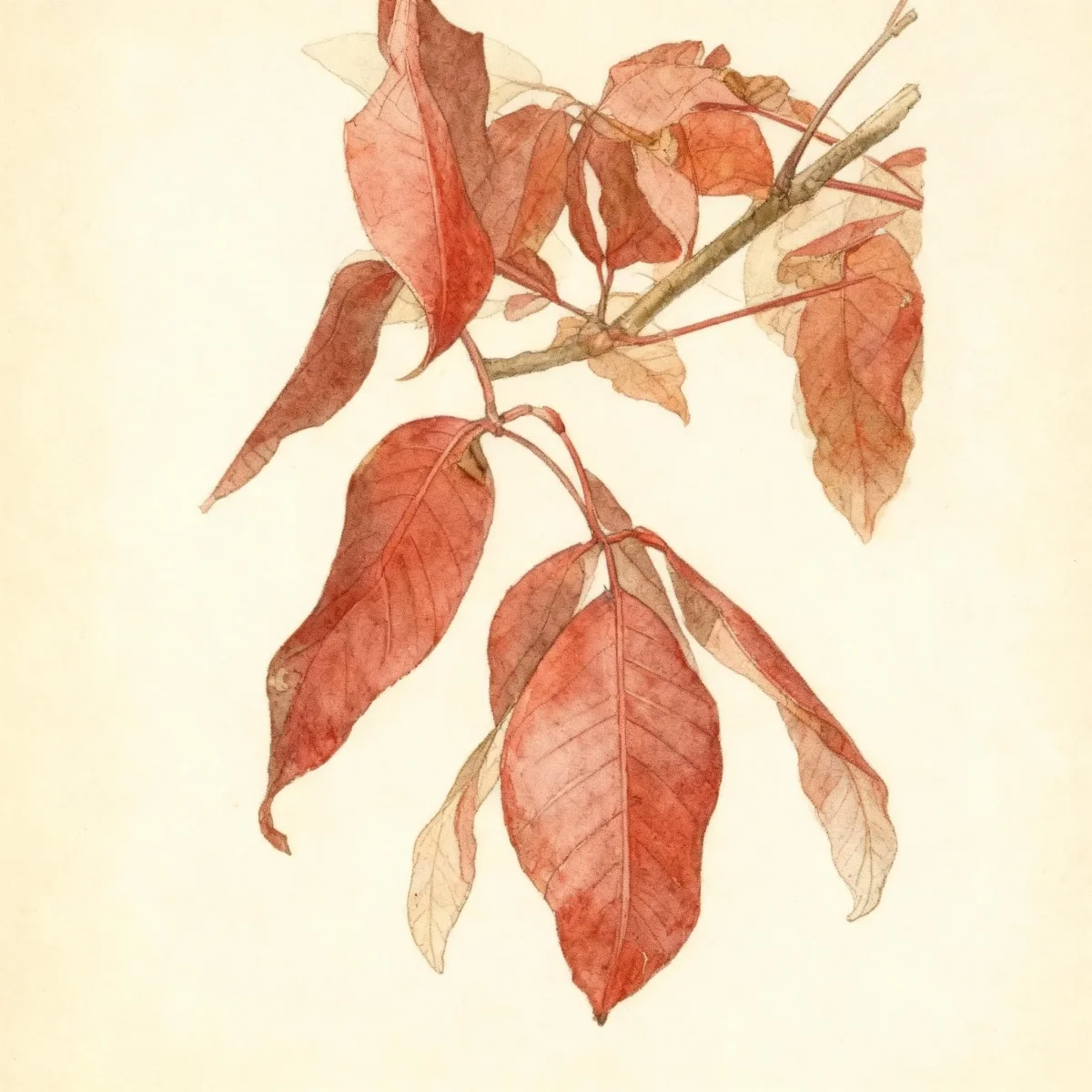
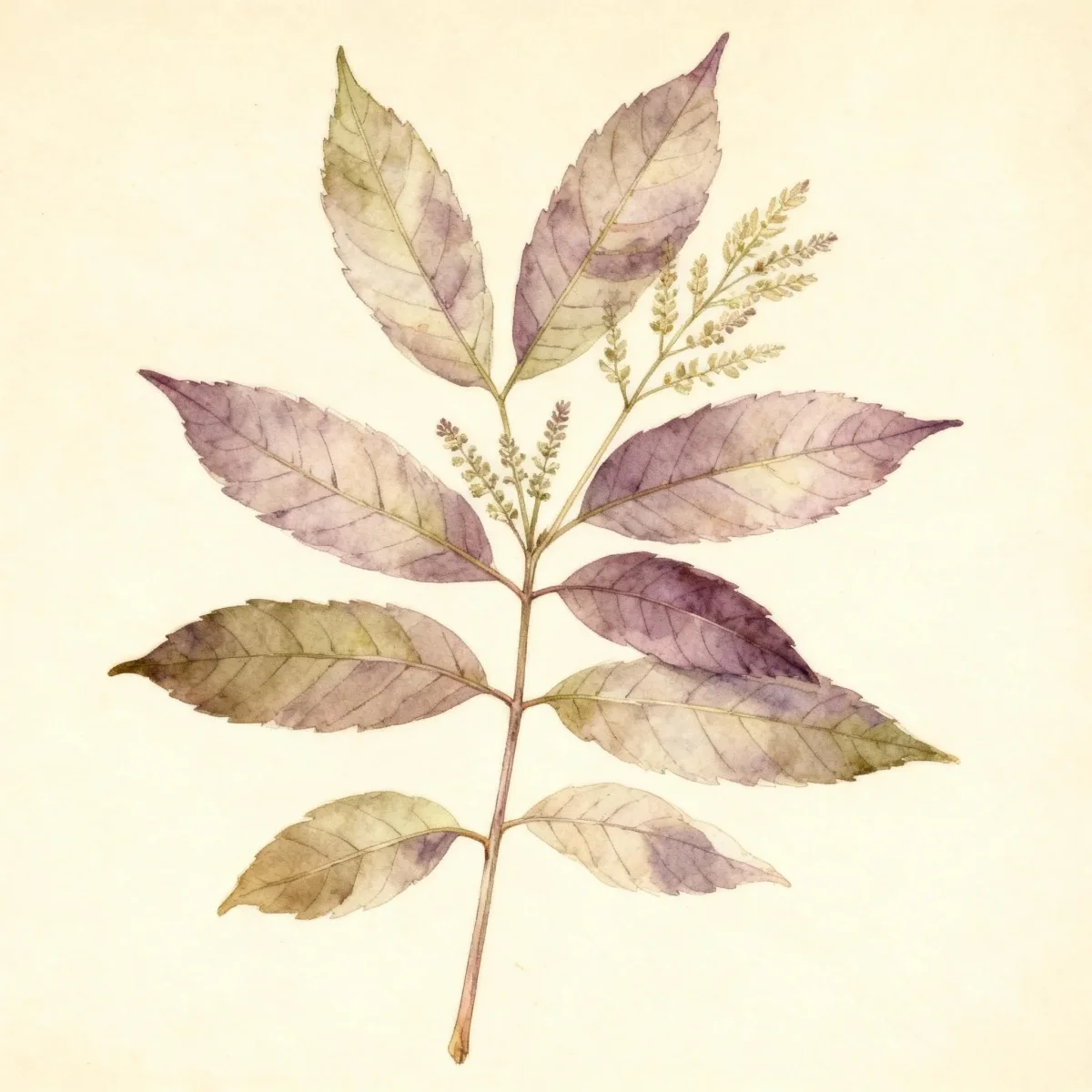
The Fraxinus americana ‘Autumn Purple’ cultivar of the White ash is highly prized for its dramatic, long-lasting fall display, shifting toward deep mahogany and reddish-purple hues. This shade tree provides substantial structure, maturing into a broad-conical crown ideal for large properties or wide avenues. As a robust choice among North American natives, it offers excellent tolerance to urban conditions when sited appropriately.
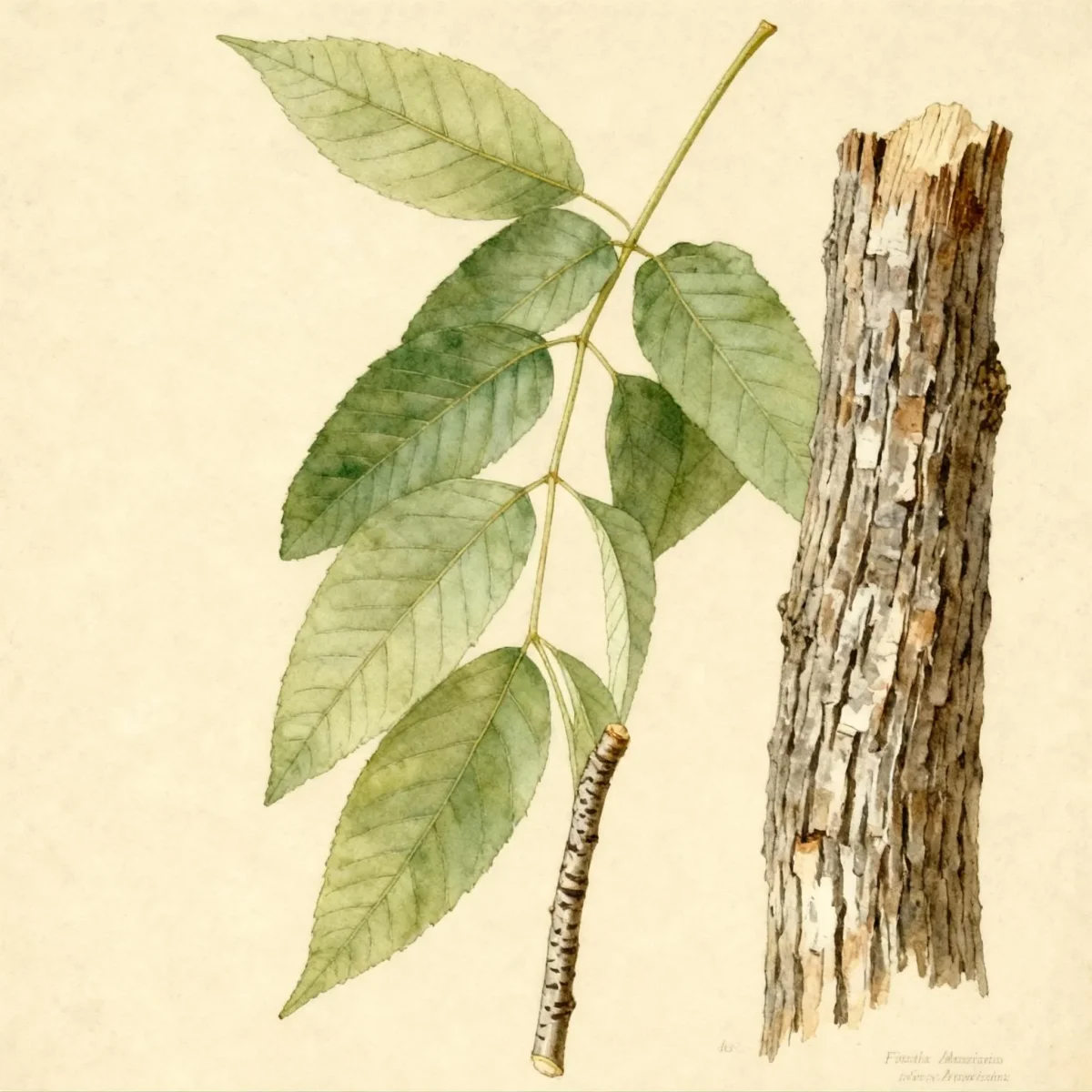
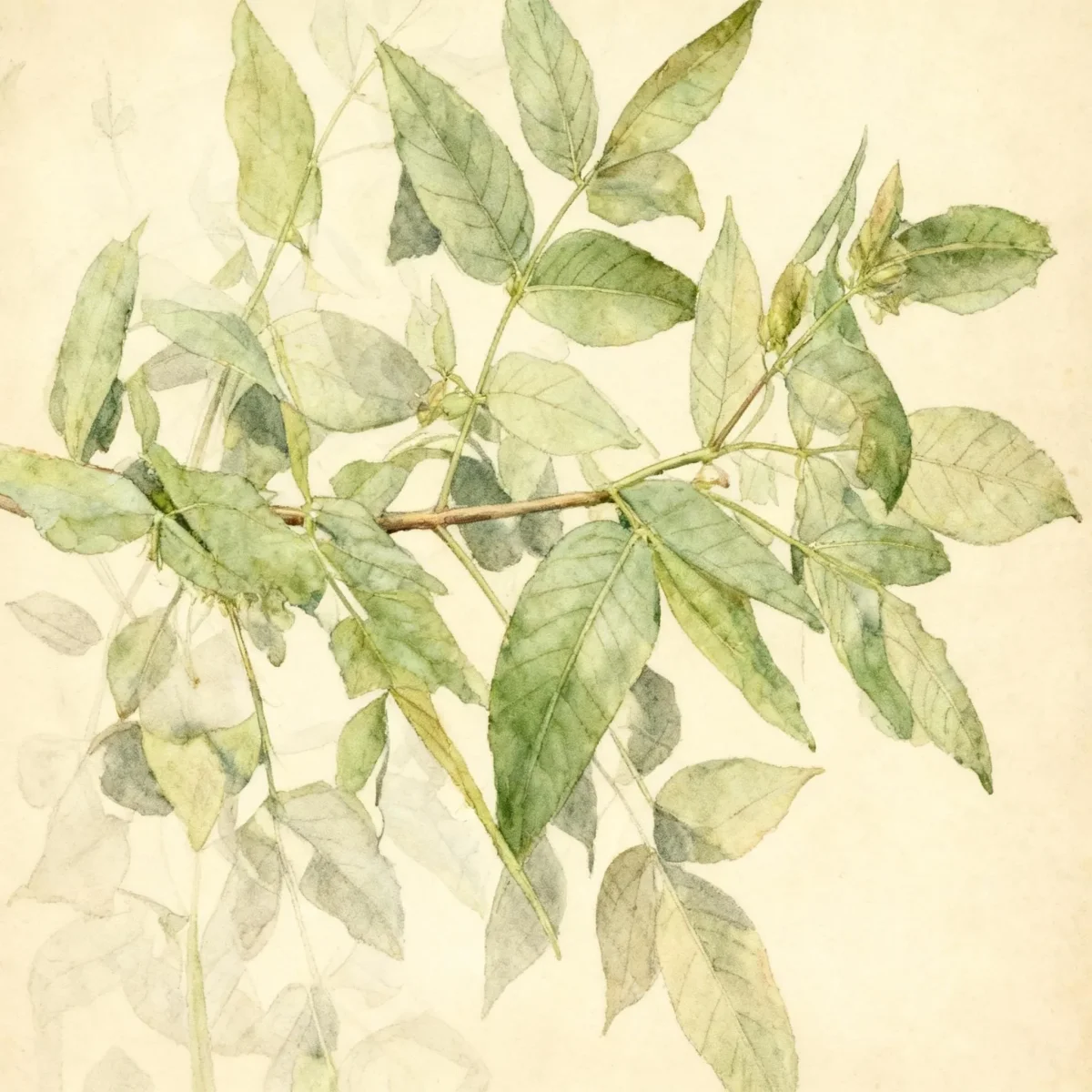
White ash, known scientifically as Fraxinus americana, can reach impressive heights, making it a significant landscape fixture capable of casting ample summer shade. The male clone, ‘Autumn Purple’, is specifically noted for reliably providing this intense color show without the production of messy fruit, a distinct advantage in residential settings. Its strong underlying structure and classic compound leaves define its stately presence.
While historically valued as a timber and landscape giant, gardeners must approach the planting of Fraxinus americana ‘Autumn Purple’ with awareness of current threats impacting all ash species. When properly established in suitable soil, this tree offers unparalleled autumn interest and significant canopy coverage.
Fast Facts
- Plant Family: Oleaceae
- Plant Type: Tree
- Hardiness Zones: USDA Zones 3-9
- Size at Maturity:
- Height: 45-60 ft
- Spread: 35-50 ft
- Bloom Time: April to May
- Bloom Description: Green
- Sun Exposure: Full sun
- Water Needs: Medium
- Maintenance Level: Medium
How to Grow
Planting new specimens of White ash is generally discouraged across many regions due to pest pressure, but if planting is permissible in your area, ideal conditions are crucial for success. The best time to plant is typically during the dormant season, fall or early spring. Ensure you site the tree where it receives full sun and has ample space to accommodate its mature size (up to 60 feet tall and 50 feet wide).
This tree establishes best when grown in moist, organically rich, well-drained loam soils. While it possesses moderate drought tolerance once established, consistent watering during the initial years aids root development. Additionally, try to locate your Fraxinus americana ‘Autumn Purple’ in areas shielded somewhat from powerful, damaging winds to protect its branching structure.
Maintenance for the White ash is considered medium. Pruning should focus on training the young tree to develop a strong central leader and removing crossing or broken branches. While tolerant of neutral to slightly alkaline soils, avoid excessively compacted or waterlogged sites, as drainage is key to long-term health.
Landscape Uses
Historically, White ash trees were overwhelmingly recommended as towering shade trees, and the ‘Autumn Purple’ cultivar excelled in this role due to its excellent spread and crown shape. Its ability to handle urban stresses meant it was frequently utilized as a street tree lining boulevards or providing monumental shade over large lawns.
Due to the widespread threat of invasive pests, the modern use of this large tree is often limited to regions where EAB management is effective, or in very large rural settings where its scale feels appropriate. If incorporating Fraxinus americana ‘Autumn Purple’ into a design, plan for significant space; it should not be placed near structures or overhead utility lines.
For landscape partners, select other large, deep-rooted species that share similar soil and sun preferences, such as certain oaks (Quercus species) or maples (Acer), if you desire a multi-generational canopy effect where ash trees cannot survive long-term.
Standout Features
Flower Qualities
- Insignificant
Noteworthy Characteristics
Fraxinus americana, commonly called white ash, is native to eastern North America, often found in upland woods or moist low woodlands. This species is known for its significant size, with young trees developing a pyramidal shape that matures to a rounded crown. The cultivar ‘Autumn Purple’ is specifically selected as a male clone, valued for its broad-conical form and its outstanding, persistent reddish-purple to deep mahogany-purple fall display, completely foregoing fruit production.
Tolerances
- Deer
Potential Problems
The most significant concern for any gardener planting or maintaining a White ash, including the Fraxinus americana ‘Autumn Purple’ cultivar, is the Emerald Ash Borer (EAB). This invasive beetle, native to Asia, systematically girdles the tree by feeding under the bark, nearly always leading to tree death within 3 to 5 years post-infestation. Active management, including preventative pesticide treatments, is often required where EAB is present.
Beyond EAB, White ash trees are susceptible to various other insect challenges like the lilac borer and leaf miners, as well as fungal issues such as anthracnose and powdery mildew. Furthermore, the wood can be brittle, making ash trees prone to limb breakage during severe ice or snow events. Monitoring for stress symptoms—thinning canopy or D-shaped exit holes—is vital for early detection of serious issues.
Frequently Asked Questions
What hardiness zones is White ash suitable for?
The Fraxinus americana ‘Autumn Purple’ variety is generally suitable for USDA Zones 3 through 9, offering wide adaptability across the temperate regions of North America.
How large does Fraxinus americana ‘Autumn Purple’ grow?
This White ash cultivar typically matures to a height between 45 and 60 feet, with a spread that ranges from 35 to 50 feet wide, requiring substantial space.
What sun exposure does Fraxinus americana ‘Autumn Purple’ need?
This tree requires full sun exposure to thrive, develop its best fall color, and maintain dense foliage throughout the growing season.
When does White ash bloom?
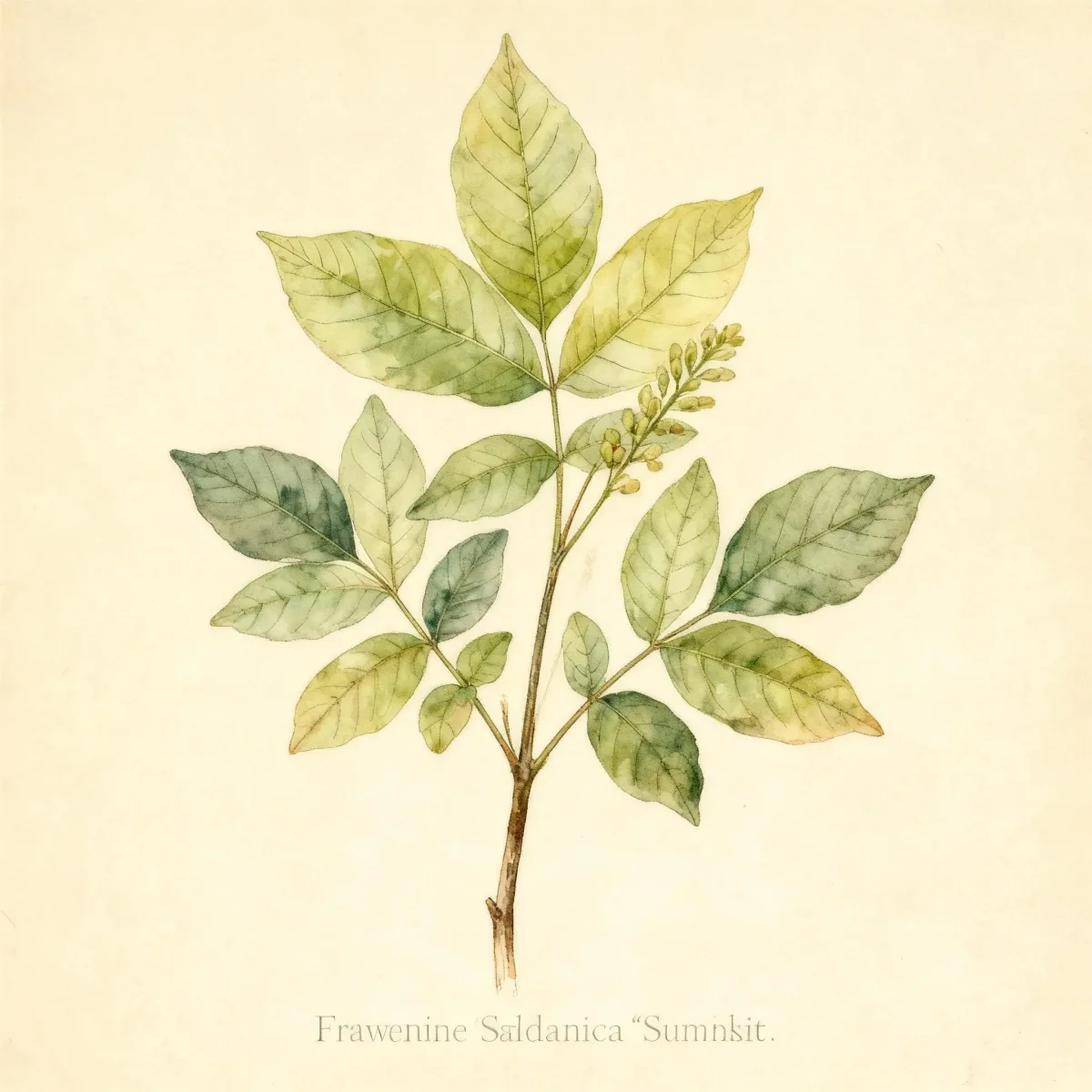
The inconspicuous green flowers of Fraxinus americana ‘Autumn Purple’ appear relatively early in the season, generally between April and May, just before the foliage fully emerges.
Conclusion
The Fraxinus americana ‘Autumn Purple’ remains a magnificent specimen tree, especially celebrated for the intense mahogany-purple display it brings to the autumn landscape. While the enduring threat of the Emerald Ash Borer demands proactive management for any White ash planting, its structural elegance and vigorous growth make it a statement piece when planted in appropriate, protected locations. Always check local agricultural extension offices regarding current EAB status before deciding to plant this or any other ash species.
Companion Planting
When considering plantings near your White ash, focus on species that tolerate similar cultural needs, namely full sun and medium moisture. Companion plants should also ideally contrast or complement the compound foliage of the ash without competing heavily for resources. Large, non-invasive shrubs or understory trees that thrive in well-drained loam, such as certain serviceberries (Amelanchier) or underplanted evergreen screens, can help anchor the base of the large trunk.
Be mindful that established ash trees develop dense shade, particularly when their canopy fills in fully. Select ground covers or shade-tolerant perennials for the understory that can handle the competition of a mature root system. Good choices include hostas (avoiding shallow-rooted varieties), ferns, or tenacious shade lovers like wild ginger that won’t require excessive supplemental watering.
Seasonal Care Calendar
Spring care for Fraxinus americana ‘Autumn Purple’ centers on vigilant inspection. As soon as dormancy breaks, scout the bark, especially in crotches and branch axils, for signs of borer activity or fungal cankers; early treatment is critical if issues are found. If preventative EAB treatments are part of your management plan, they are typically applied in spring.
During the hot summer months, focus on water management. Although moderately drought tolerant, deep, infrequent watering during dry spells supports overall tree health, which is its best defense against secondary pests. Avoid high levels of nitrogen fertilizer, as promoting excessive rapid growth can sometimes make branch wood more brittle.
Fall is when this cultivar earns its name. Allow the foliage to transition naturally; resist the urge to heavily prune or clean debris immediately so the tree can store energy for winter. In late fall, after leaf drop, perform a final inspection for broken branches caused by storms or high winds, carefully pruning these back to a sound branch collar to prepare the White ash for winter dormancy.