Crown imperial (Fritillaria imperialis 'Lutea')
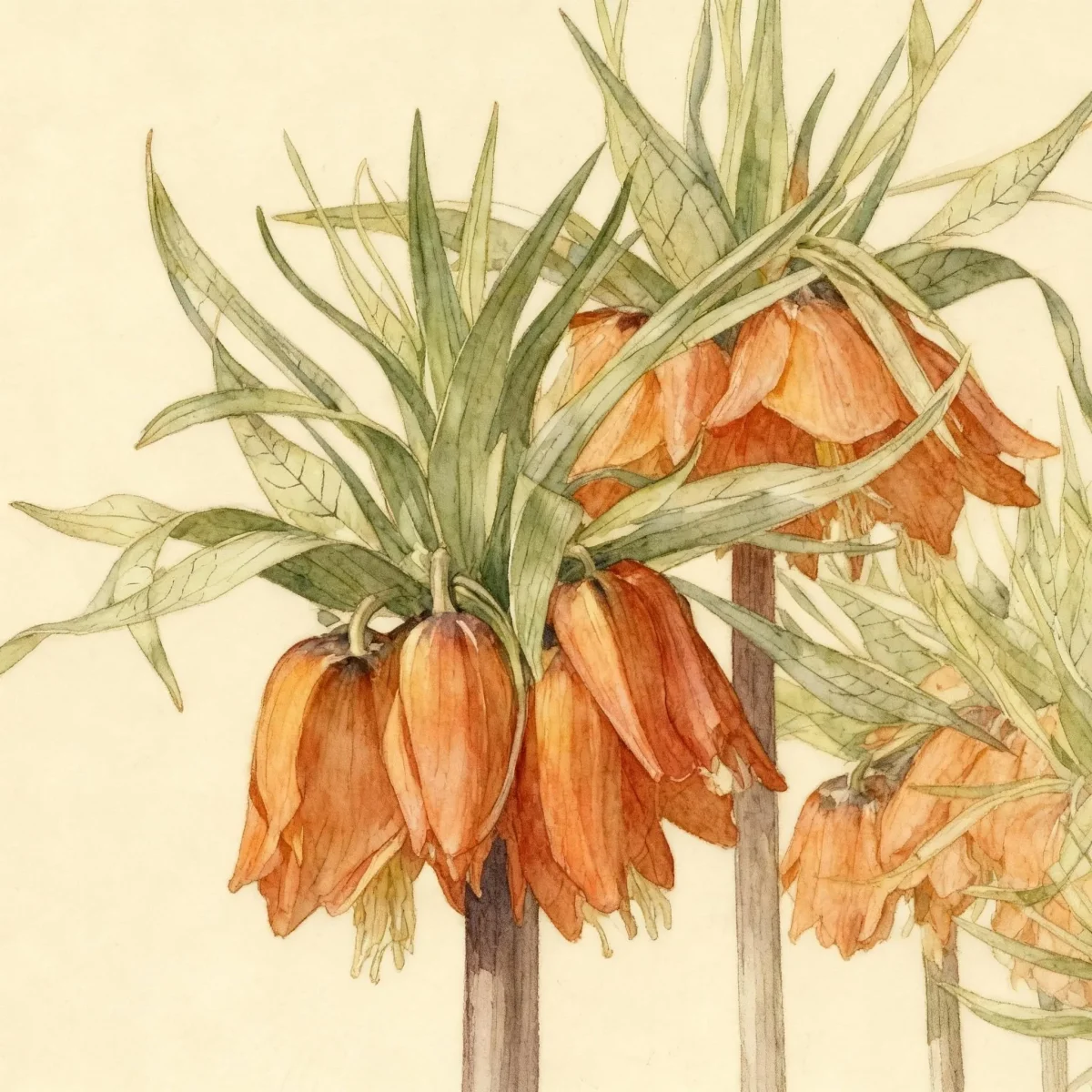
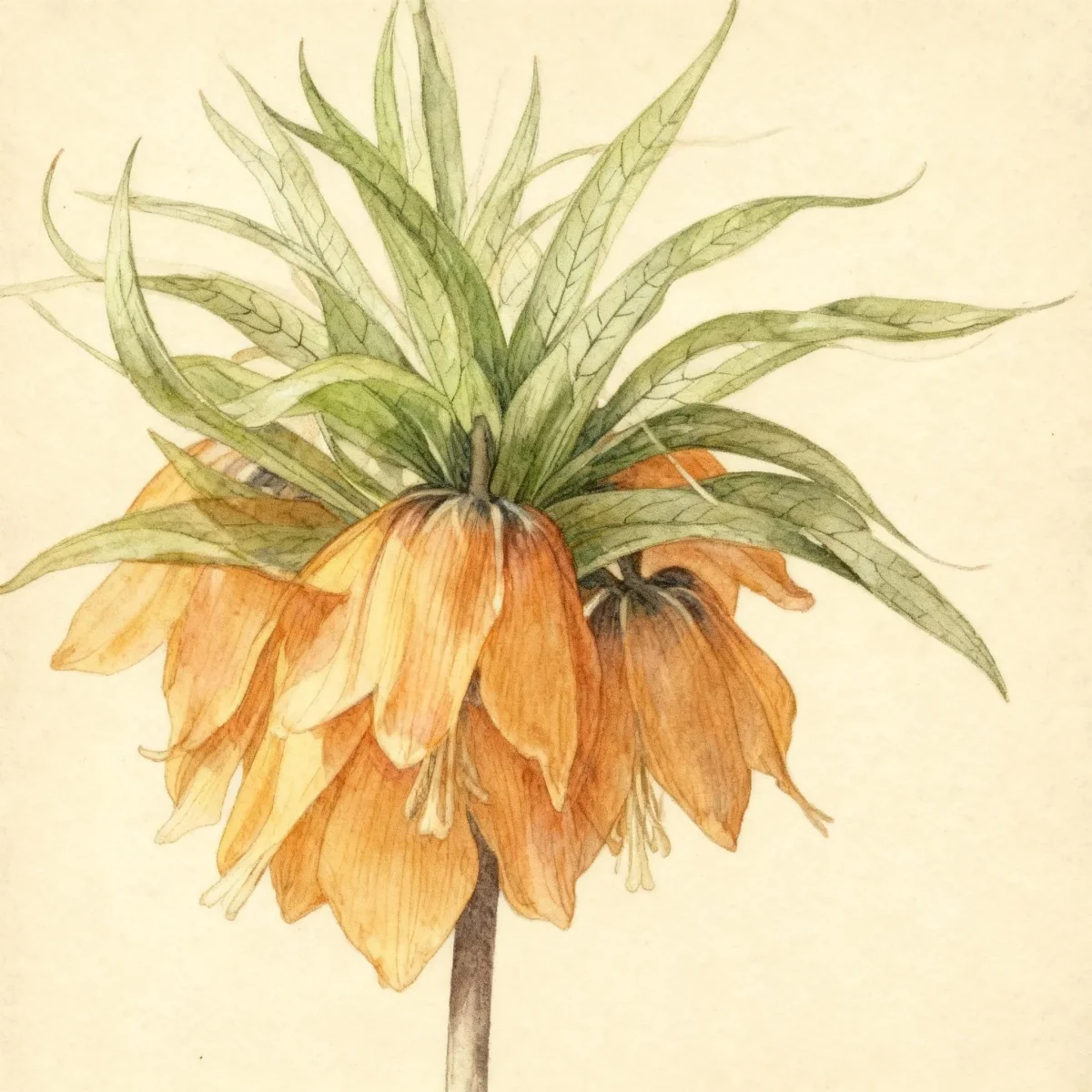
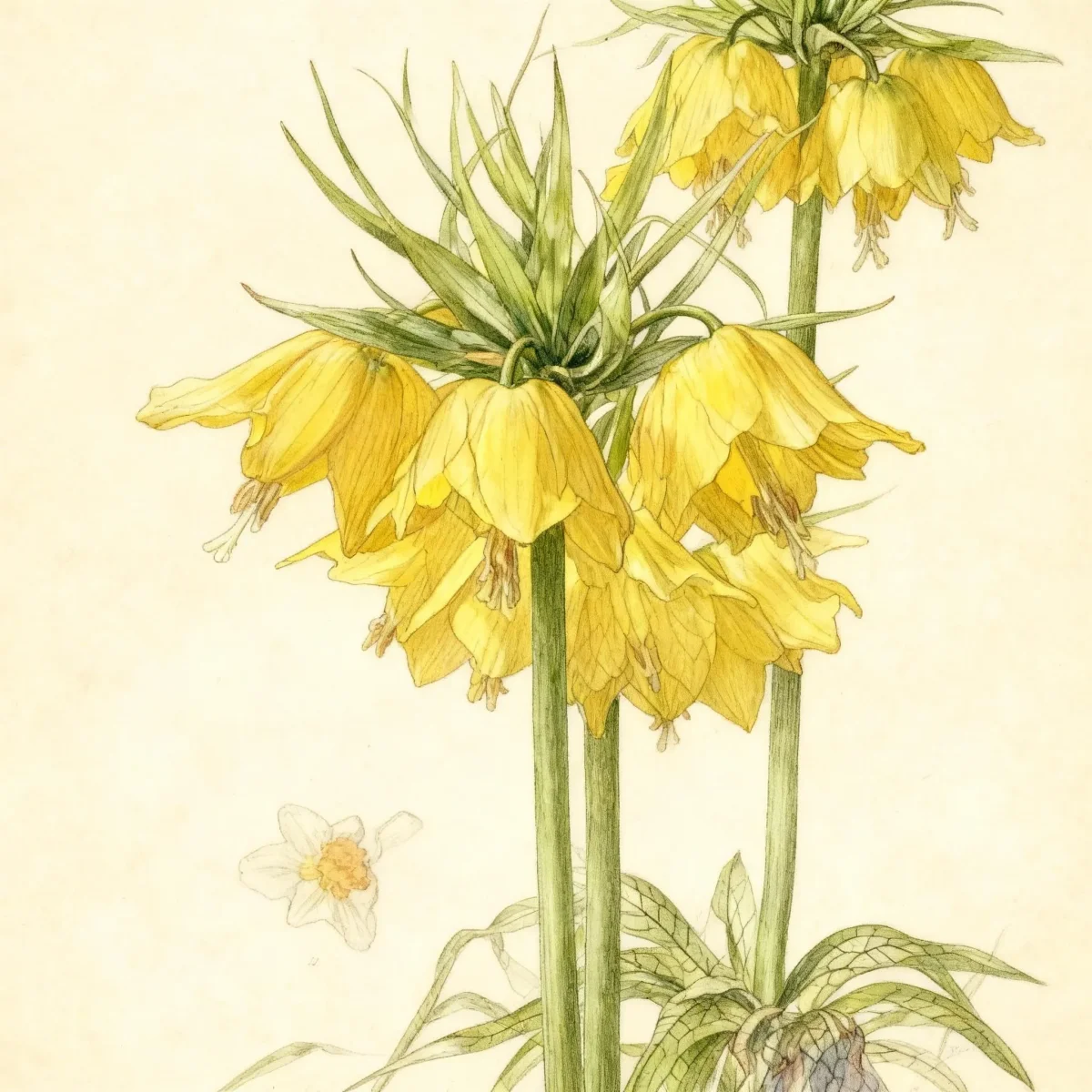
The striking Fritillaria imperialis 'Lutea', or Crown imperial, features towering stems topped with dramatic yellow, bell-shaped blooms, perfect for bold borders.
Scroll down to discover growing tips, care requirements, companion plants, and more
Complete Plant Information
Overview
The Fritillaria imperialis ‘Lutea’, commonly known as the Crown imperial, is a truly spectacular, statuesque spring-flowering bulb that commands attention in the garden. It produces thick, stout vertical stems reaching up to four feet tall, crowned dramatically with a whorl of drooping, bell-shaped yellow flowers beneath a pineapple-like tuft of green bracts. Achieving this height paired with its unique bloom structure ensures it acts as a focal point in any early season display.
While admired for its visual impact and sweet fragrance, gardeners should be aware that all parts of the Crown imperial emit a noticeable skunky odor, which serves as excellent natural protection against browsing pests. This impressive perennial requires specific planting techniques to ensure long-term success, planting large, fragile bulbs deeply and oriented correctly in the fall.
Ideal for adding vertical interest and early spring color, Fritillaria imperialis ‘Lutea’ thrives in well-drained, rich soils, lending an almost exotic flair to traditional borders. Its deer and rabbit resistance, combined with its medium water needs, makes it a rewarding, albeit medium-maintenance, addition for experienced bulb enthusiasts.
Fast Facts
- Plant Family: Liliaceae
- Plant Type: Bulb
- Hardiness Zones: USDA Zones 5-8
- Size at Maturity:
- Height: 3-4 ft
- Spread: 1-1.5 ft
- Bloom Time: May to June
- Bloom Description: Yellow
- Sun Exposure: Full sun to part shade
- Water Needs: Medium
- Maintenance Level: Medium
How to Grow
Planting Fritillaria imperialis ‘Lutea’ bulbs should occur in the fall, allowing them time to establish roots before winter. They demand deep, organically rich, medium-moisture soils. Site selection is critical: while they appreciate full sun in cooler northern zones, gardeners in warmer regions should opt for locations receiving some light afternoon shade to prevent scorching.
When planting, set the large, fragile bulbs approximately six inches deep, spacing them 9 to 12 inches apart. A vital cultivation tip is to plant the bulbs sideways so that the indent or hole at the top of the bulb does not trap water, which is the primary cause of bulb rot. The foliage of the Crown imperial naturally dies back by early summer as the bulbs enter their dormant period.
Watering should remain consistent with medium needs throughout the growing season, avoiding soggy conditions at all costs. Once established, it is best to leave the bulbs undisturbed; they perform best when left alone for several years. Providing a good winter mulch can help protect the bulbs as they settle in.
Landscape Uses
The upright habit and spectacular height make the Crown imperial indispensable for anchoring the back of the border. Groupings of six to twelve bulbs create a truly stunning, unforgettable display when they erupt in yellow blooms alongside emerging summer perennials. These towering structures serve as excellent vertical accents among lower-growing spring ephemerals.
Because Fritillaria imperialis ‘Lutea’ grows so tall, use it where it won’t shade out smaller, later-blooming neighbors. Consider planting it near broad-leaved hostas or peonies that can fill in the space left behind once the Fritillaria imperialis ‘Lutea’ foliage naturally senesces after blooming.
Standout Features
Flower Qualities
- Showy
- Fragrant
Noteworthy Characteristics
Fritillaria imperialis, commonly called crown imperial, is an impressive plant that grows 3-4’ tall. Each bulb produces a thick, stout, upright, ramrod-straight flowering stem which rises to 4’ tall. Lance-shaped green stem leaves (to 6” long) with wavy margins appear in whorls around the lower 1/2 of the stem. Each stem is topped in spring with a crown of orange or red, drooping, bell-shaped flowers topped by a small pineapple-like tuft of leaf-like bracts. Yellow-flowered varieties are also available in commerce. All parts of the plant have a skunky odor.
Tolerances
- Rabbit
- Deer
- Black Walnut
Potential Problems
The most significant cultural issue affecting Fritillaria imperialis ‘Lutea’ is bulb rot, which is largely preventable by ensuring sharp soil drainage and planting the bulbs sideways. Gardeners should also monitor for fungal issues such as leaf spot and rust, which thrive in overly damp conditions. While susceptible to mosaic virus, maintaining overall plant health through proper fertilization and watering minimizes susceptibility to most common diseases.
Frequently Asked Questions
What hardiness zones is Crown imperial suitable for?
The Crown imperial is reliably hardy in USDA Zones 5 through 8.
How large does Fritillaria imperialis ‘Lutea’ grow?
This variety typically reaches a height between 3 and 4 feet, with a spread of 1 to 1.5 feet once mature.
When does Fritillaria imperialis ‘Lutea’ bloom?
You can expect the stunning yellow blooms of Fritillaria imperialis ‘Lutea’ to appear from May into June.
What sun exposure does Crown imperial need?
This bulb performs best in full sun, although it appreciates some light afternoon shade, especially in hotter parts of its growing range.
Conclusion
The dramatic structure and rich yellow flowers of Fritillaria imperialis ‘Lutea’ offer unrivaled vertical impact early in the gardening season, making the Crown imperial a worthy investment for the dedicated gardener. Given its sensitivity to moisture around the bulb neck, ensure excellent drainage and follow the specific sideways planting recommendation. Check your local USDA hardiness zone compatibility and plan for fall planting to enjoy this regal display next spring.
Companion Planting
Selecting appropriate companions is key to creating a balanced early garden display, especially since the foliage of the Fritillaria imperialis ‘Lutea’ disappears quickly after flowering. Pair its height with early-to-mid-season perennials that have lower growing habits. Good partners include early-blooming Daffodils (Narcissus) or late-blooming Tulips that will bloom concurrently, while plants like Hostas or early Peonies can emerge later to mask the darkening foliage of the dying crown imperial. Ensure that companion plants share the medium water requirements of the bulb.
Common Mistakes
The most frequent error when growing Fritillaria imperialis ‘Lutea’ involves improper bulb orientation, leading directly to fatal bulb rot. Always plant bulbs sideways, never upright, to prevent moisture accumulation in the central depression. Another common mistake is planting the bulbs too shallowly; they require a depth of six inches to maintain stability and protect them adequately during winter dormancy. Avoid disturbing the bulbs once planted, as this fragile perennial resents transplantation.