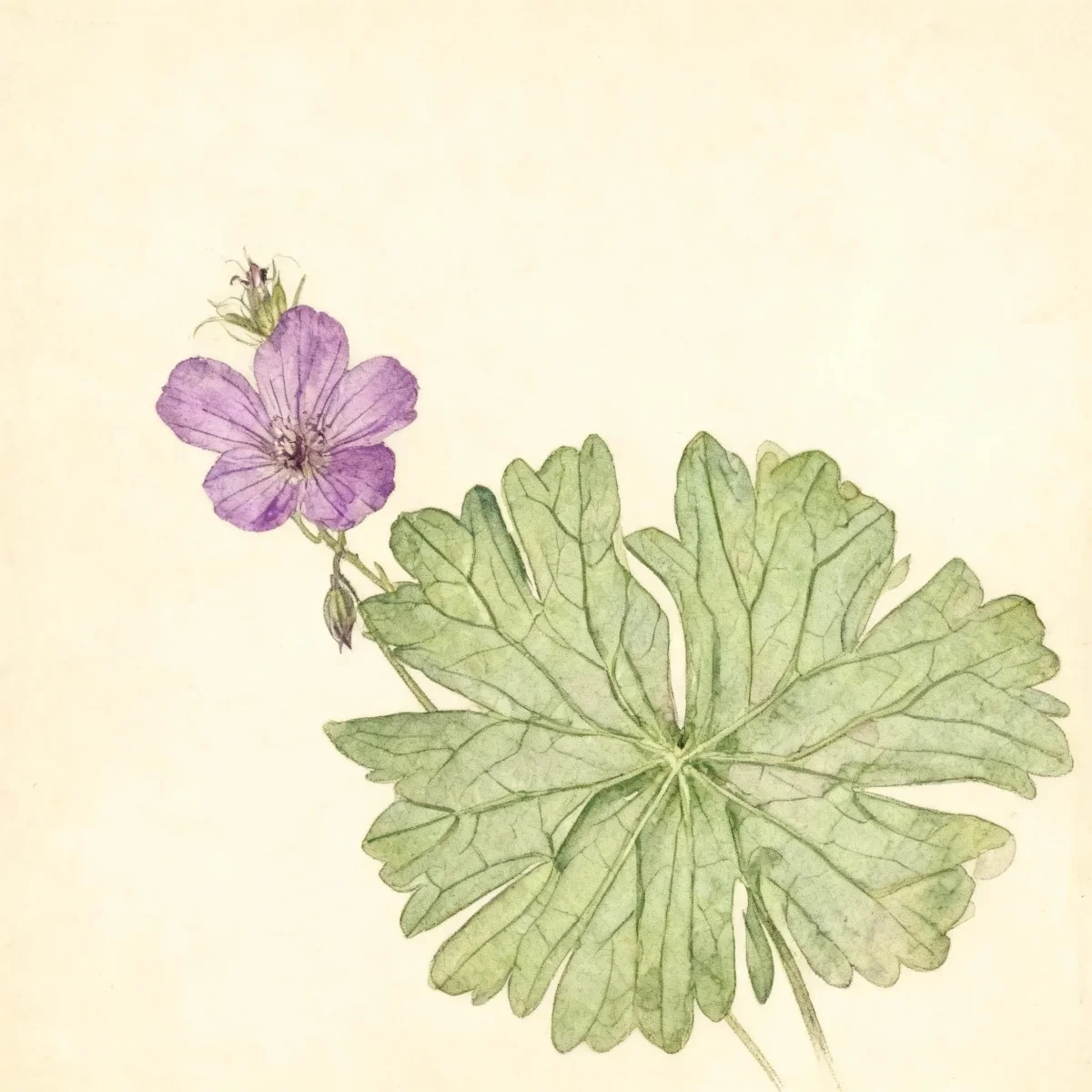
Cranesbill (Geranium × oxonianum 'Claridge Druce')
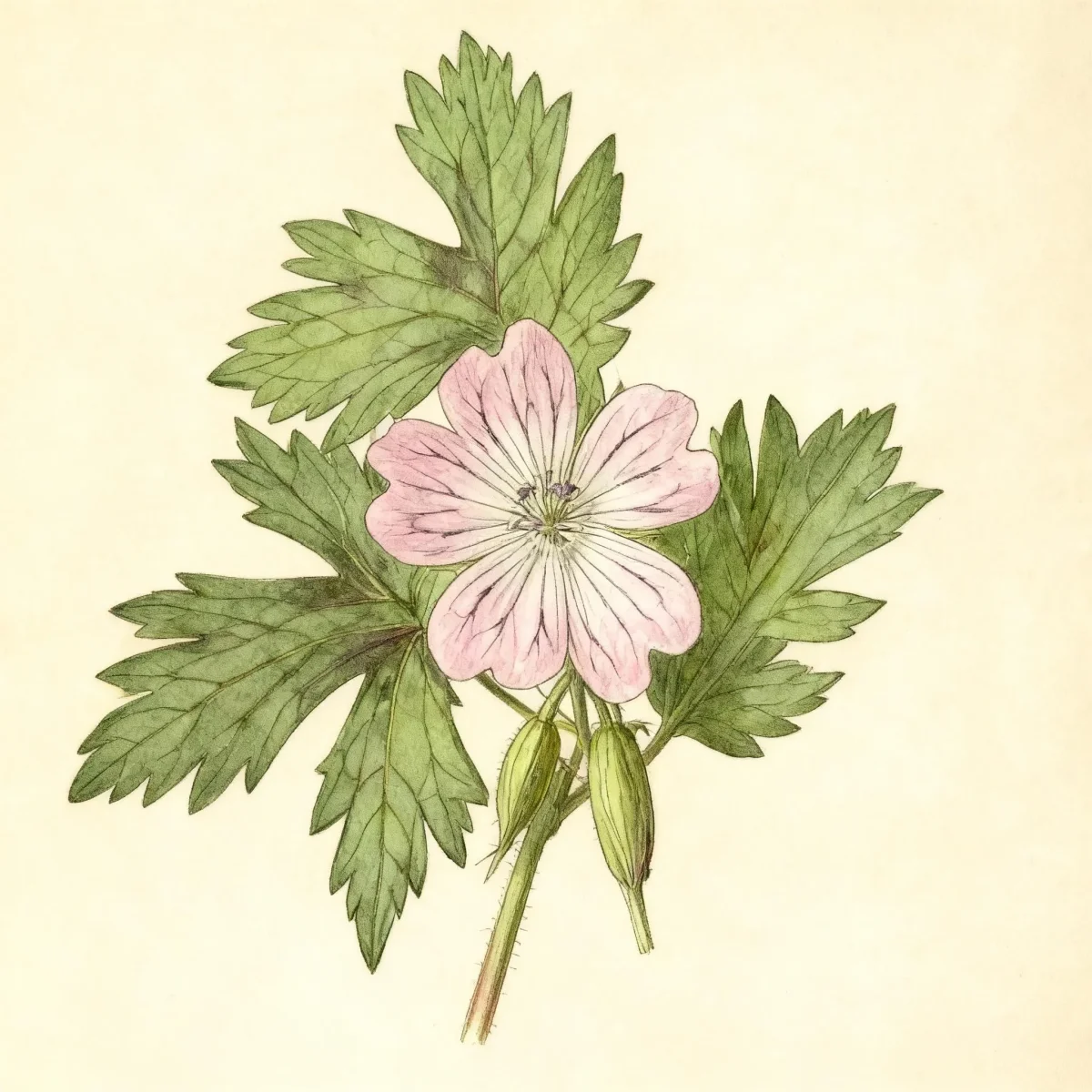
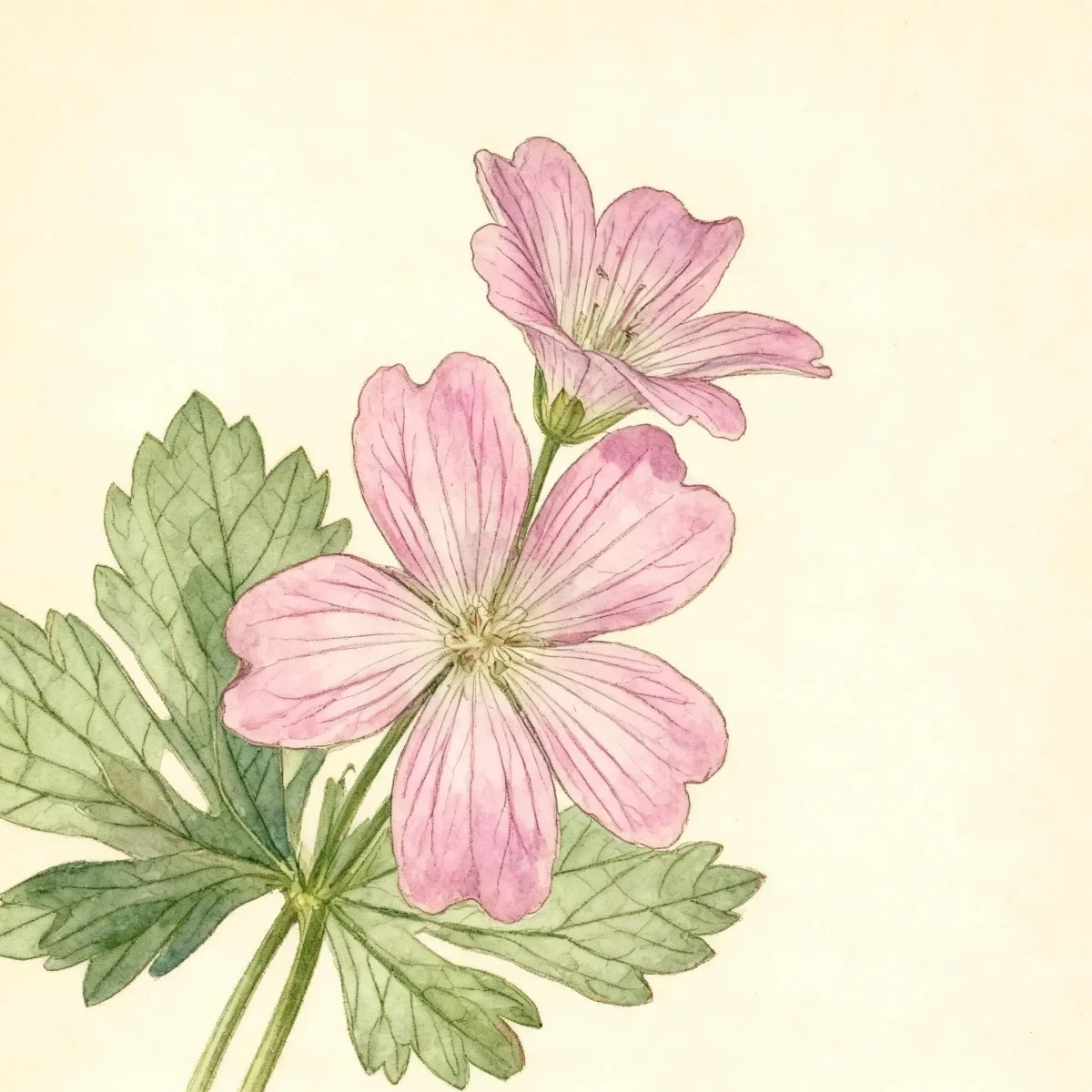
Geranium × oxonianum 'Claridge Druce' Cranesbill produces showy pink flowers with darker veins. A vigorous perennial suited for Zones 4-8.
Scroll down to discover growing tips, care requirements, companion plants, and more
Complete Plant Information
Overview
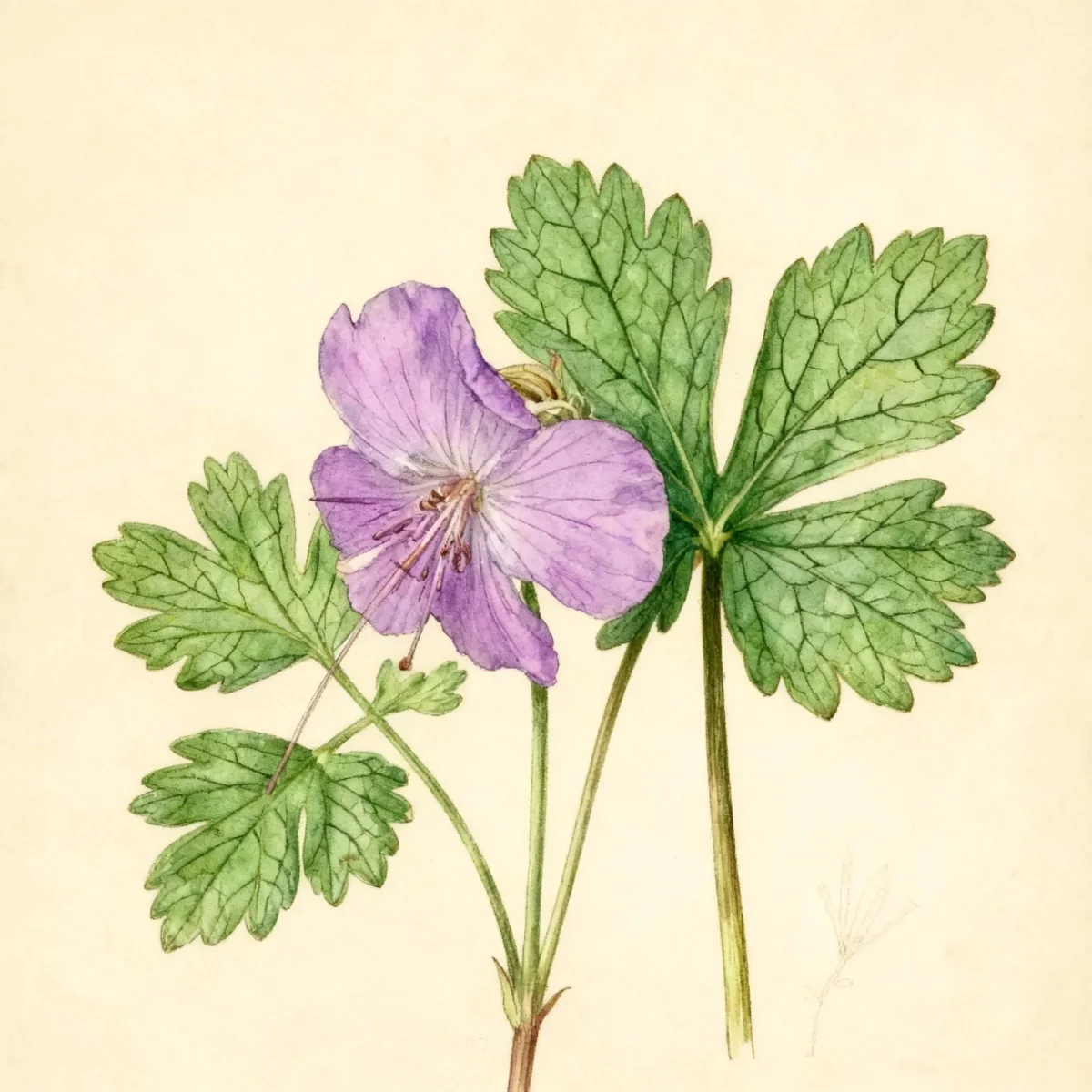
Geranium × oxonianum ‘Claridge Druce’, commonly known as Cranesbill, is a highly valued herbaceous perennial offering reliable summer color with minimal fuss. This vigorous hybrid, derived from G. Endressii and G. Versicolor, establishes a neat clump of glossy, 5-lobed leaves that serve as excellent ground cover throughout the season. Gardeners appreciate the reliable display of pink flowers accented with distinct darker pink veins that appear from late spring well into summer.
The resilience and straightforward cultural needs of this specific Cranesbill cultivar make Geranium × oxonianum ‘Claridge Druce’ perfect for mass planting or softening border edges. It performs best when given adequate moisture and well-drained soil, handling both full sun in cooler climates and part shade in hotter regions. Its adaptability is noted by its intermediate maintenance requirements.
As a robust variety introduced around the turn of the 20th century, ‘Claridge Druce’ brings historical garden appeal combined with modern toughness. Enjoy its persistent blooms and attractive foliage, which can often be encouraged to rebloom lightly later in the season with a strategic summer trim.
Fast Facts
- Plant Family: Geraniaceae
- Plant Type: Herbaceous perennial
- Hardiness Zones: USDA Zones 4-8
- Size at Maturity:
- Height: 1-1.5 ft
- Spread: 1.5-2.5 ft
- Bloom Time: May to June
- Bloom Description: Pink with darker pink veins
- Sun Exposure: Full sun to part shade
- Water Needs: Medium
- Maintenance Level: Medium
How to Grow
Planting should occur when the risk of hard frost has passed, ideally in average, medium moisture, well-drained soils. While Geranium × oxonianum ‘Claridge Druce’ tolerates some drought once established, it thrives best in humus-rich, moderately fertile soil that retains moisture without becoming waterlogged. Ensure excellent drainage is provided, as standing water is detrimental to this Cranesbill.
Maintain medium moisture levels during the growing season, providing regular, consistent watering until the plant is fully rooted. Fertilization is usually unnecessary if the soil quality is adequate. Deadheading is often skipped in large drifts, though removing spent blooms can encourage sporadic reblooming.
In hot summer climates, the foliage of Geranium × oxonianum ‘Claridge Druce’ may naturally decline mid-season. When this occurs, simply cut the entire clump back to revitalize the plant, which often leads to fresh vegetative growth and sometimes a second flush of flowers. Propagation is easily accomplished via division of the clumps.
Landscape Uses
This specific Cranesbill excels when utilized in settings where its mounding habit can fill space effectively. It is highly recommended for border fronts, where its height (1 to 1.5 feet) allows shorter foreground plants to shine while providing mid-ground structure. Mass planting this cultivar creates an excellent, low-maintenance ground cover that suppresses weeds effectively.
Consider using Geranium × oxonianum ‘Claridge Druce’ for informal cottage gardens, where its charm blends seamlessly with traditional perennials. Its density also makes it suitable for defining the edge of pathways or setting off the rugged texture of rock gardens. The soft green foliage complements nearly any surrounding color palette.
Standout Features
Flower Qualities
- Showy
Noteworthy Characteristics
Geranium × oxonianum is a fertile hybrid between G. Endressii and G. Versicolor, resulting in a strong, garden-worthy plant. Cymes of pink flowers with darker veins bloom from late spring into summer on clumping plants featuring 5-lobed basal leaves. The hybrid name oxonianum refers to Oxford, England, and the vigorous cultivar ‘Claridge Druce’ grows robustly, clothed in glossy, gray-green leaves.
Tolerances
- Rabbit
- Deer
Potential Problems
This Cranesbill is generally robust, exhibiting no serious insect or disease problems under proper cultural conditions. Gardeners should watch for isolated susceptibility to common fungal issues like leaf spots and rust, especially in areas with high humidity and poor air circulation. Ensuring good soil drainage and avoiding overhead watering late in the day can significantly mitigate fungal threats.
Frequently Asked Questions
What hardiness zones is Cranesbill suitable for?
Geranium × oxonianum ‘Claridge Druce’ is well-suited for garden cultivation across USDA Hardiness Zones 4 through 8.
How large does Geranium × oxonianum ‘Claridge Druce’ grow?
This cultivar typically reaches a mature height between 1 and 1.5 feet tall, spreading to occupy an area 1.5 to 2.5 feet wide.
When does Cranesbill bloom?
This particular Cranesbill sends up clusters of pink flowers with darker pink veins predominantly from May to June, with potential for sporadic rebloom if the plant is trimmed back mid-season.
What sun exposure does Geranium × oxonianum ‘Claridge Druce’ need?
It prefers full sun, especially in cooler northern areas, but appreciates some part afternoon shade when grown in hot summer climates.
Conclusion
Geranium × oxonianum ‘Claridge Druce’ remains a staple for perennial borders due to its vigorous clump-forming habit and dependable seasonal flowers. This lovely Cranesbill offers visual impact while requesting medium maintenance, making it a superb investment for gardeners seeking reliable texture and color. Check your local USDA zone compatibility before planting this excellent hybrid this spring or fall.
Companion Planting
Selecting companions that share the medium water and soil drainage requirements of Geranium × oxonianum ‘Claridge Druce’ will ensure a cohesive planting area. Consider pairing this Cranesbill with plants that benefit from afternoon shade provided when planted near taller shrubs, such as Astrantia or delicate spring bulbs like Alliums. Its low, mounding form acts as a perfect living mulch for the base of taller focal points.
For contrasting texture, interplant the glossy leaves and bright pink flowers of the Cranesbill with plants featuring fine, airy foliage, like ornamental grasses (Stipa) or hardy Geranium relatives with different colored blooms. This creates dynamic movement within the border, complementing the steadfast structure provided by Geranium × oxonianum ‘Claridge Druce’.
Propagation Tips
The primary method for increasing Geranium × oxonianum ‘Claridge Druce’ stock is division. This should be done during early spring or early fall when the plant is actively growing but not under high summer stress. Lift the entire clump carefully, gently tease apart sections that have developed their own root systems, and replant immediately into prepared soil.
While this hybrid may self-seed, division ensures you retain the exact vigorous characteristics of the ‘Claridge Druce’ cultivar. If you allow seeds to mature, be aware that the resulting seedlings might revert slightly toward one of the parent species, though ‘Claridge Druce’ is generally considered quite stable.