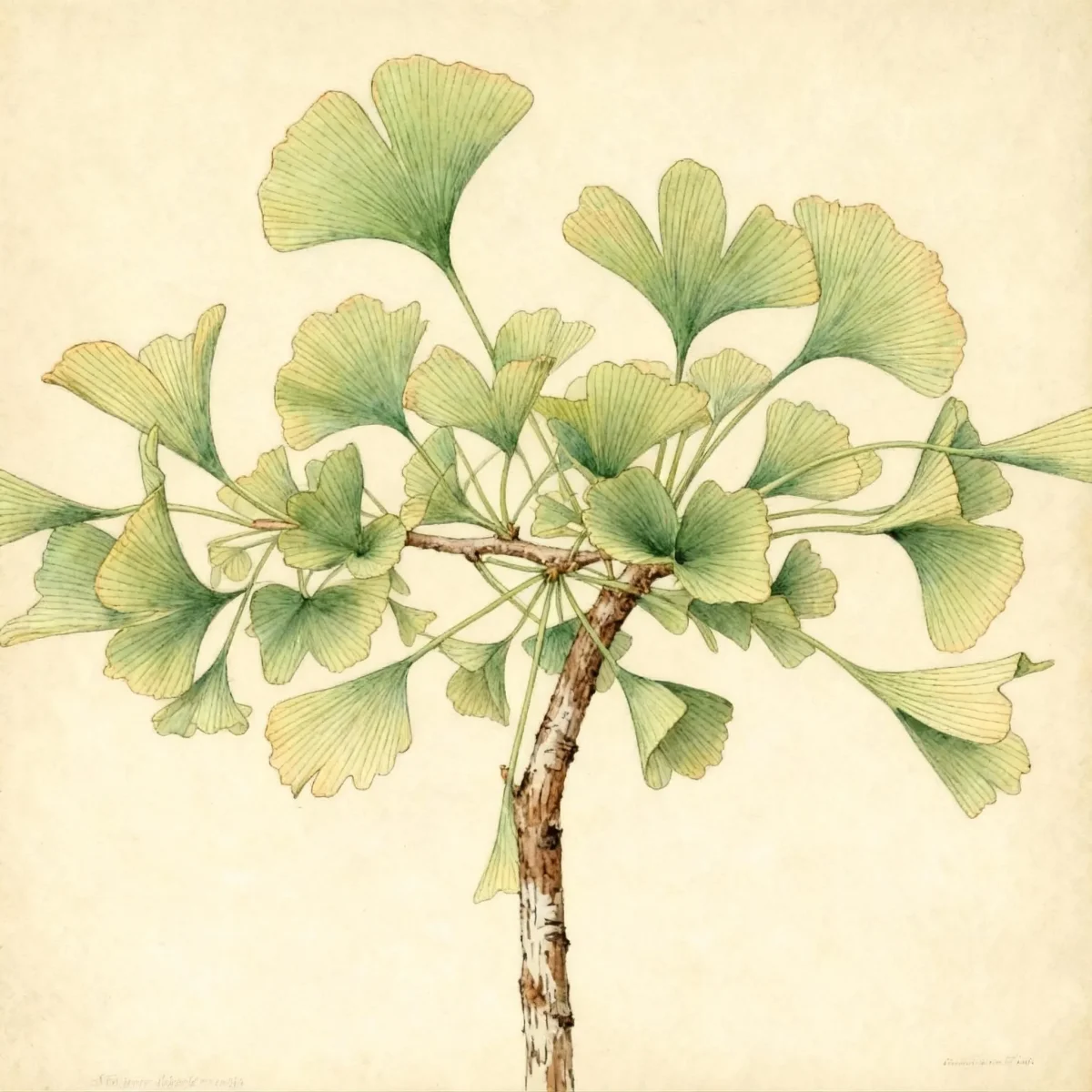
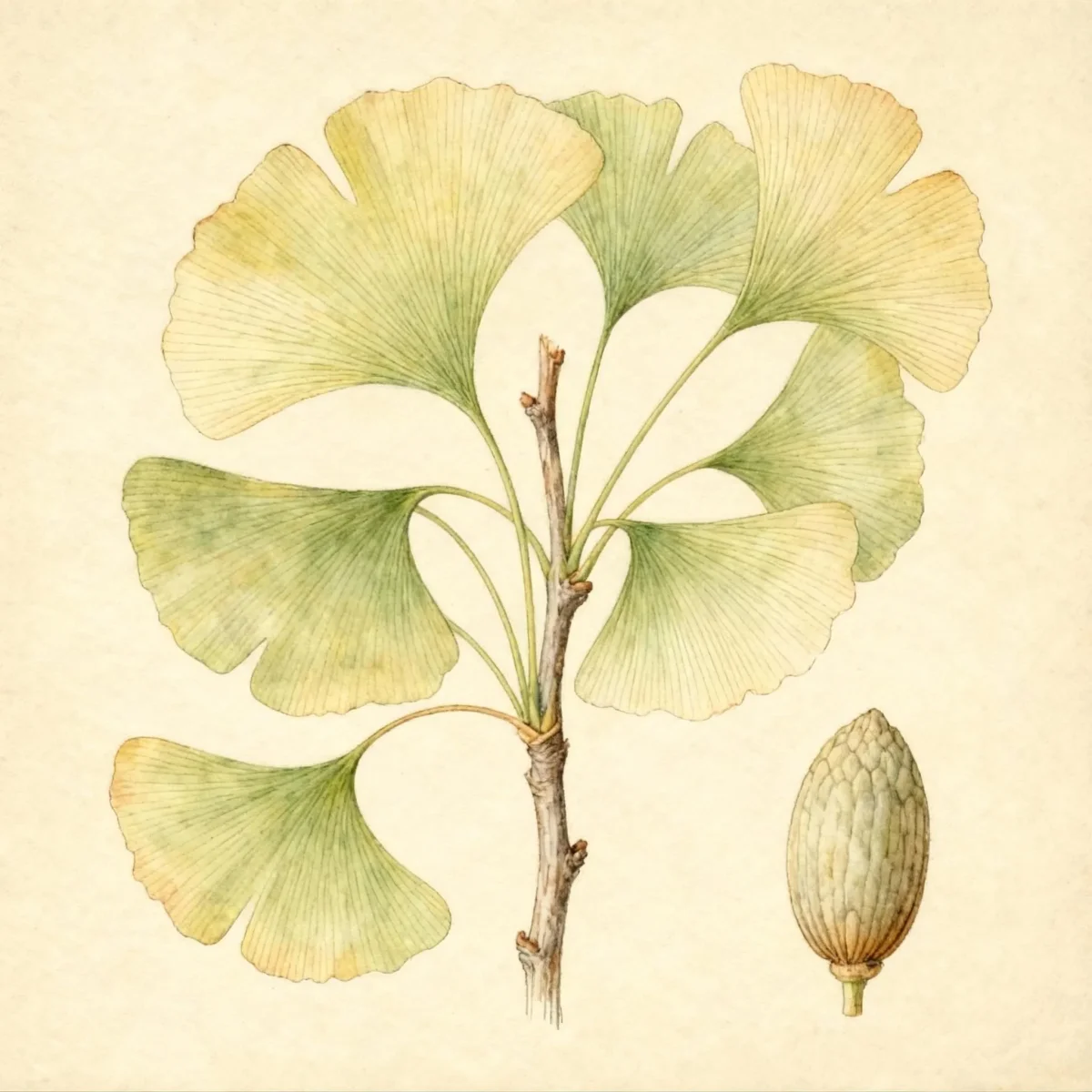
Maidenhair tree (Ginkgo biloba 'Autumn Gold')
The remarkable Ginkgo biloba 'Autumn Gold', or Maidenhair tree, offers spectacular uniform yellow fall color & low maintenance needs.
Scroll down to discover growing tips, care requirements, companion plants, and more
Complete Plant Information
Overview
The Ginkgo biloba ‘Autumn Gold’ is an outstanding specimen tree celebrated for its ancient lineage and reliable, vibrant autumnal display. Often called the Maidenhair tree due to the delicate appearance of its fan-shaped leaves, this cultivar provides structure and brilliant color to the landscape. It is valued by urban gardeners because it inherits the resilience of the species, capable of thriving where many other deciduous trees struggle.
This specific cultivar is an all-male selection, ensuring homeowners avoid the messy, foul-smelling fruit produced by female Ginkgos. The Ginkgo biloba ‘Autumn Gold’ develops a symmetrical, broadly spreading habit as it matures, reaching heights between 40 and 50 feet. Its fan-shaped, two-lobed leaves emerge rich green before setting the landscape ablaze in uniform golden yellow during the fall.
For gardeners seeking a reliable, low-maintenance focal point that connects the modern garden to prehistoric times, the Maidenhair tree is an exceptional choice. Its tolerance for tough conditions, combined with its spectacular, rapid, golden leaf drop, makes it a true landscape superstar.
Fast Facts
- Plant Family: Ginkgoaceae
- Plant Type: Tree
- Hardiness Zones: USDA Zones 3-8
- Size at Maturity:
- Height: 40-50 ft
- Spread: 25-30 ft
- Bloom Time: April
- Bloom Description: Green (male)
- Sun Exposure: Full sun
- Water Needs: Medium
- Maintenance Level: Low
How to Grow
Planting your Ginkgo biloba ‘Autumn Gold’ is best achieved in the spring or fall, allowing the root system to establish before extreme summer heat or winter cold. This tree prefers a site that receives full sun exposure daily for the best fall color performance. While adaptable, ensure the soil is well-drained; this Maidenhair tree is surprisingly tolerant of clay soils once established.
Watering should be consistent, especially during the first few growing seasons, aiming for medium moisture levels. Deep, infrequent watering encourages strong root development. Fertilization is rarely necessary unless the tree is showing signs of nutrient deficiency in poor urban soils; if necessary, use a slow-release fertilizer formulated for trees in early spring. Pruning should be minimal, primarily focusing on removing broken or crossing branches when young to establish a strong central leader.
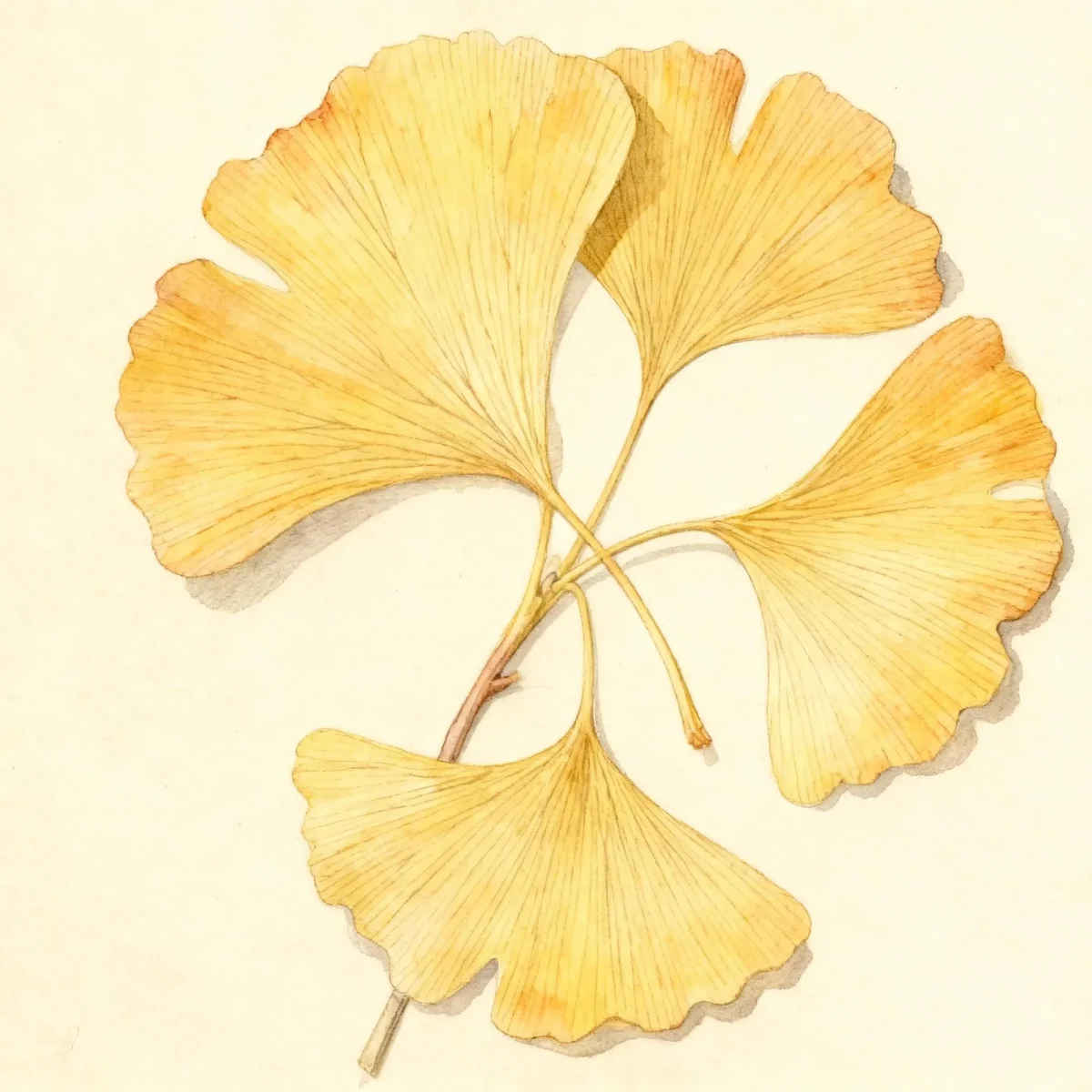
One charming characteristic to note is how the leaves of Ginkgo biloba ‘Autumn Gold’ drop. Once the yellow color peaks, the leaves tend to fall rapidly, creating a stunning, uniform golden carpet below the canopy over a short period. Overwintering generally requires no special protection for established trees in Zones 3-8.
Landscape Uses
The utility of the Ginkgo biloba ‘Autumn Gold’ in residential and municipal landscapes cannot be overstated. Its robust nature makes it an excellent selection for a street tree, thriving despite air pollution, compacted soil, and reflected heat common in high-traffic areas. It excels as a solitary shade tree on spacious lawns, providing a broad canopy perfect for cooling structures or patios.
Beyond utilitarian roles, the distinctive fan shape provides excellent textural contrast against fine-needled evergreens or broadleaf shrubs. Consider planting it near structures where its bright fall color can be dramatically backlit by the setting sun. Because the Maidenhair tree exhibits such clear seasonal interest, design groupings should allow ample space for its mature 30-foot spread.
Standout Features
Noteworthy Characteristics
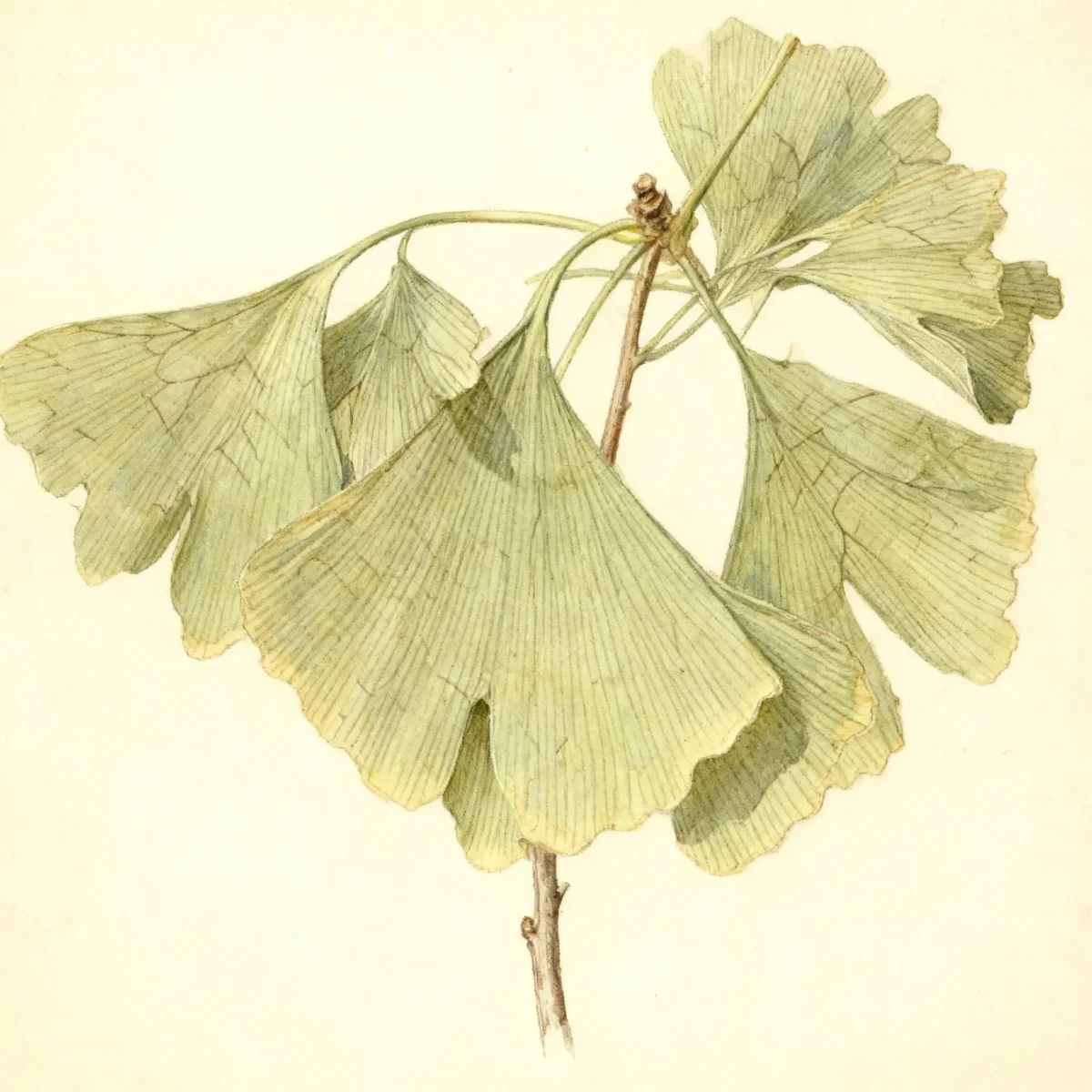
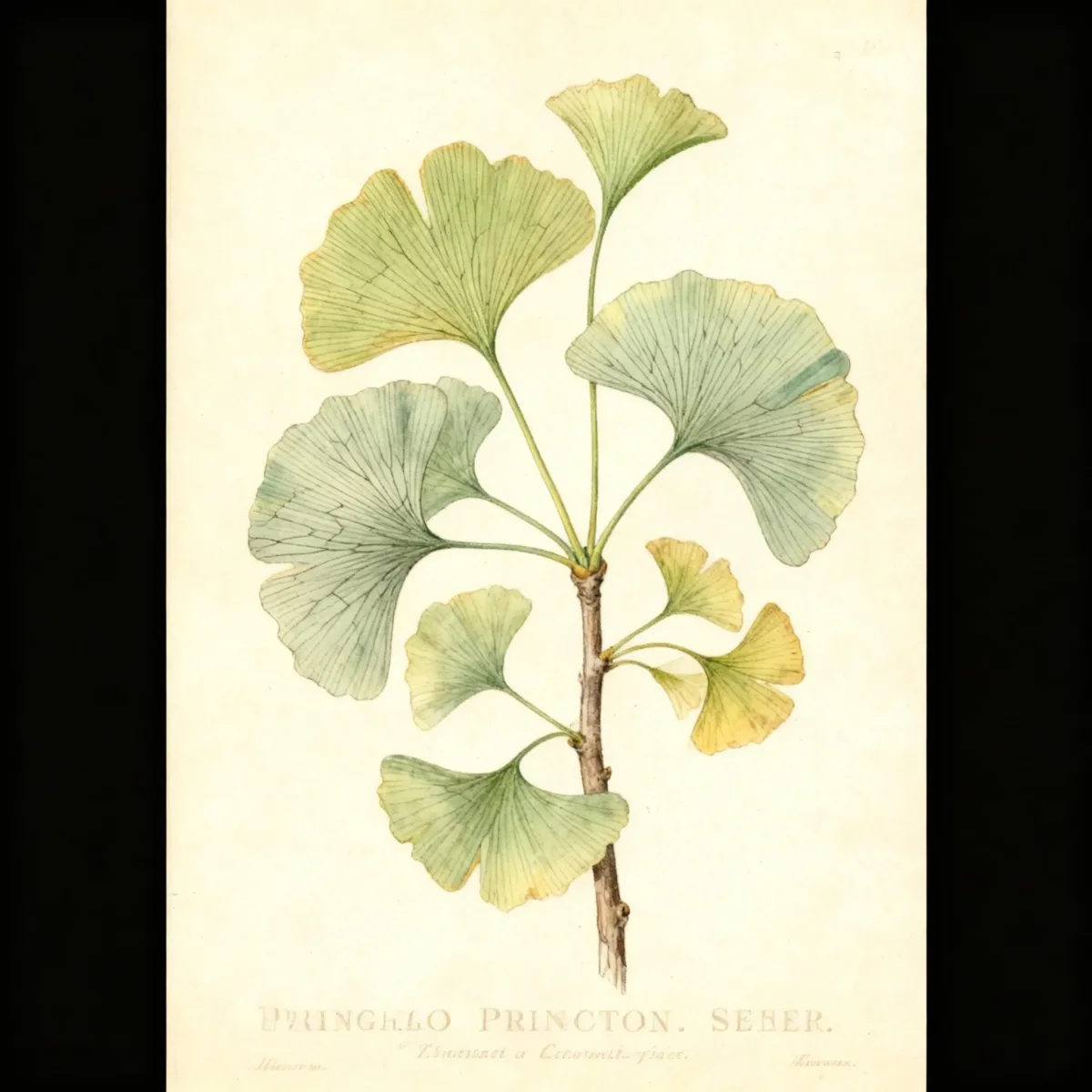
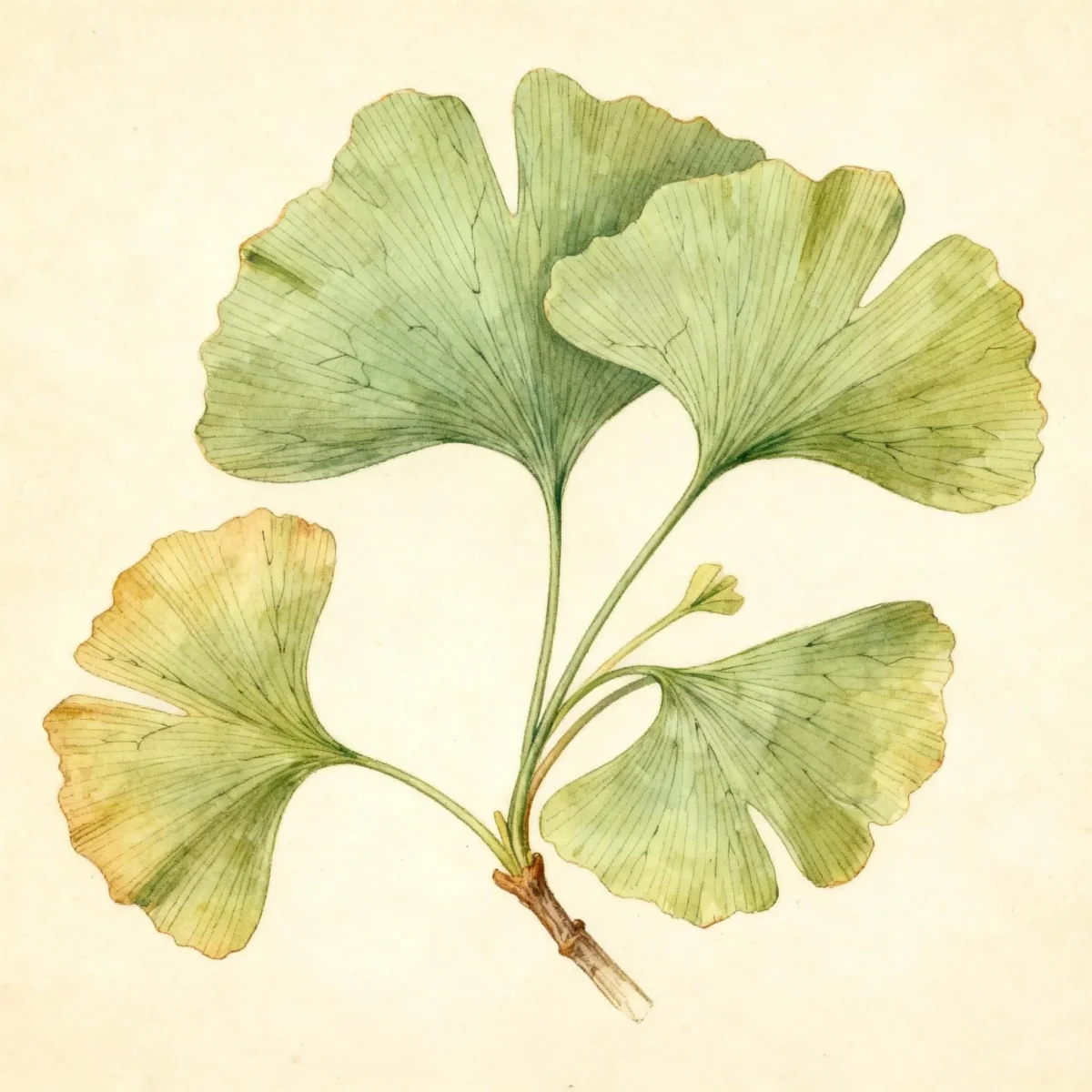
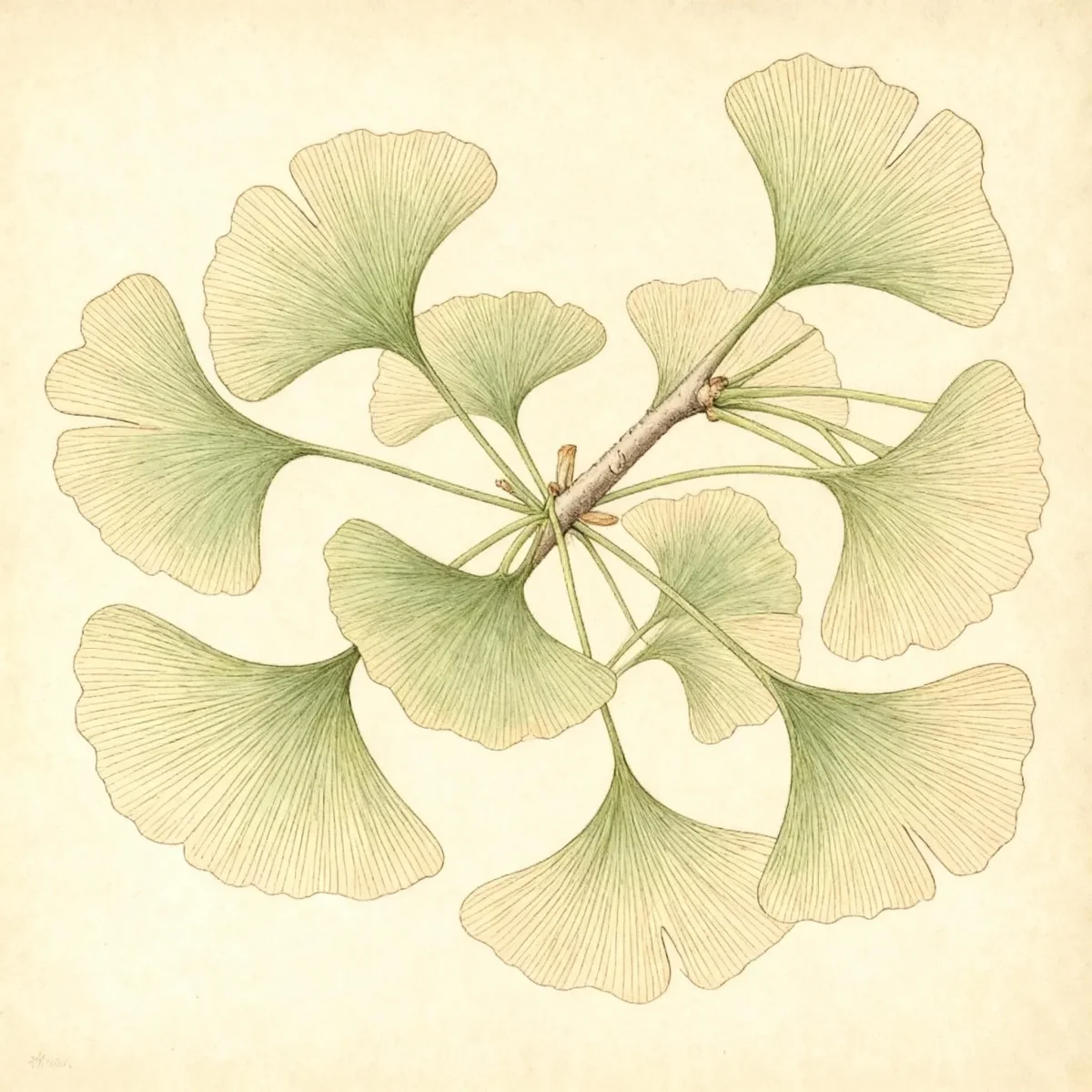
Ginkgo biloba is a large, deciduous tree that matures to 100’ tall and is considered to be a living fossil. It is the only surviving member of a group of ancient plants believed to have inhabited the earth up to 150 million years ago. It features distinctive two-lobed, somewhat leathery, fan-shaped, rich green leaves with diverging (almost parallel) veins. Leaves turn bright yellow in fall. Ginkgo trees are commonly called maidenhair trees in reference to the resemblance of their fan-shaped leaves to maidenhair fern leaflets (pinnae). Ginkgos are dioecious (separate male and female trees). Nurseries typically sell only male trees because female trees produce seeds encased in fleshy, fruit-like cone which, at maturity in autumn, are messy and emit a noxious, foul odor upon falling to the ground and splitting open.Genus name is a misrendering of the Japanese gin meaning silver and kyo meaning apricot used in Japan in the 17th century.Specific epithet means two-lobed in reference to the leaves.‘Autumn Gold’ is an all-male cultivar typically growing at maturity to 40-50’ with a symmetrical, broadly spreading habit. Leaves turn a uniform golden yellow in autumn (spectacular when backlit by early morning or late afternoon sun) and persist for several weeks. When the leaves do drop, they drop rapidly, forming a golden carpet around the tree. Ginkgo is also commonly called maidenhair tree, which refers to the resemblance of the fan-shaped leaves to maidenhair fern leaflets (pinnae).
Tolerances
- Deer
- Clay Soil
- Air Pollution
Potential Problems
This durable tree rarely encounters serious insect or disease problems, contributing significantly to its low maintenance rating. If problems do arise, they are usually minor and seldom require chemical intervention. Gardeners should be aware that Ginkgo trees are known for generally slow growth, especially when initially establishment in a new location, meaning initial sparsity is normal. Patience is key when waiting for your Ginkgo biloba ‘Autumn Gold’ to reach its full majestic form.
Frequently Asked Questions
What hardiness zones is Maidenhair tree suitable for?
The Ginkgo biloba ‘Autumn Gold’ is remarkably hardy, thriving in USDA Zones 3 through 8.
How large does Ginkgo biloba ‘Autumn Gold’ grow?
When mature, this cultivar typically reaches a height between 40 and 50 feet, with a spread ranging from 25 to 30 feet wide.
What sun exposure does Maidenhair tree need?
For optimal growth and the required spectacular fall color, the Ginkgo biloba ‘Autumn Gold’ requires full sun exposure throughout the day.
When does Ginkgo biloba ‘Autumn Gold’ bloom?
The Maidenhair tree blooms in April, producing inconspicuous green flowers on male trees.
Conclusion
The Ginkgo biloba ‘Autumn Gold’ stands out as a living relic that delivers modern landscape reliability, most notably its spectacular, uniform golden autumn display. Because this is an all-male selection, you gain all the beauty without the mess, making the Maidenhair tree an unparalleled choice for challenging sites. Before planting, confirm that your location offers the full sun needed to maximize the unforgettable yellow hue of this ancient beauty.
Companion Planting
When designing beds surrounding your Ginkgo biloba ‘Autumn Gold’, consider plants that contrast well with its bold fan shape and upright structure. Plants with fine, airy foliage or strong vertical lines work beautifully, such as Japanese Forest Grass (Hakonechloa macra) or various upright Needlebrush (Callistemon species) in warmer zones. Since Ginkgos tolerate clay, pairing them with other tough plants like certain cultivars of Hydrangea or sturdy ornamental grasses that share the medium water requirement is practical. Avoid placing sensitive, high-maintenance shade lovers directly beneath the canopy, as the Ginkgo performs best when left alone.
Design Ideas for Urban Settings
The Maidenhair tree is perfectly suited for contemporary and formal landscape designs due to its symmetrical habit and strong seasonal interest. In commercial plazas or near modern architecture, its clean lines and the consistent color of the Ginkgo biloba ‘Autumn Gold’ provide year-round visual structure. Consider using a tight clipping of low-growing groundcover around the base to emphasize the dramatic golden carpet effect created when its leaves drop quickly in late fall. Its tolerance for air pollution also makes it an excellent choice for integrating greenery along busy avenues or near parking lots.