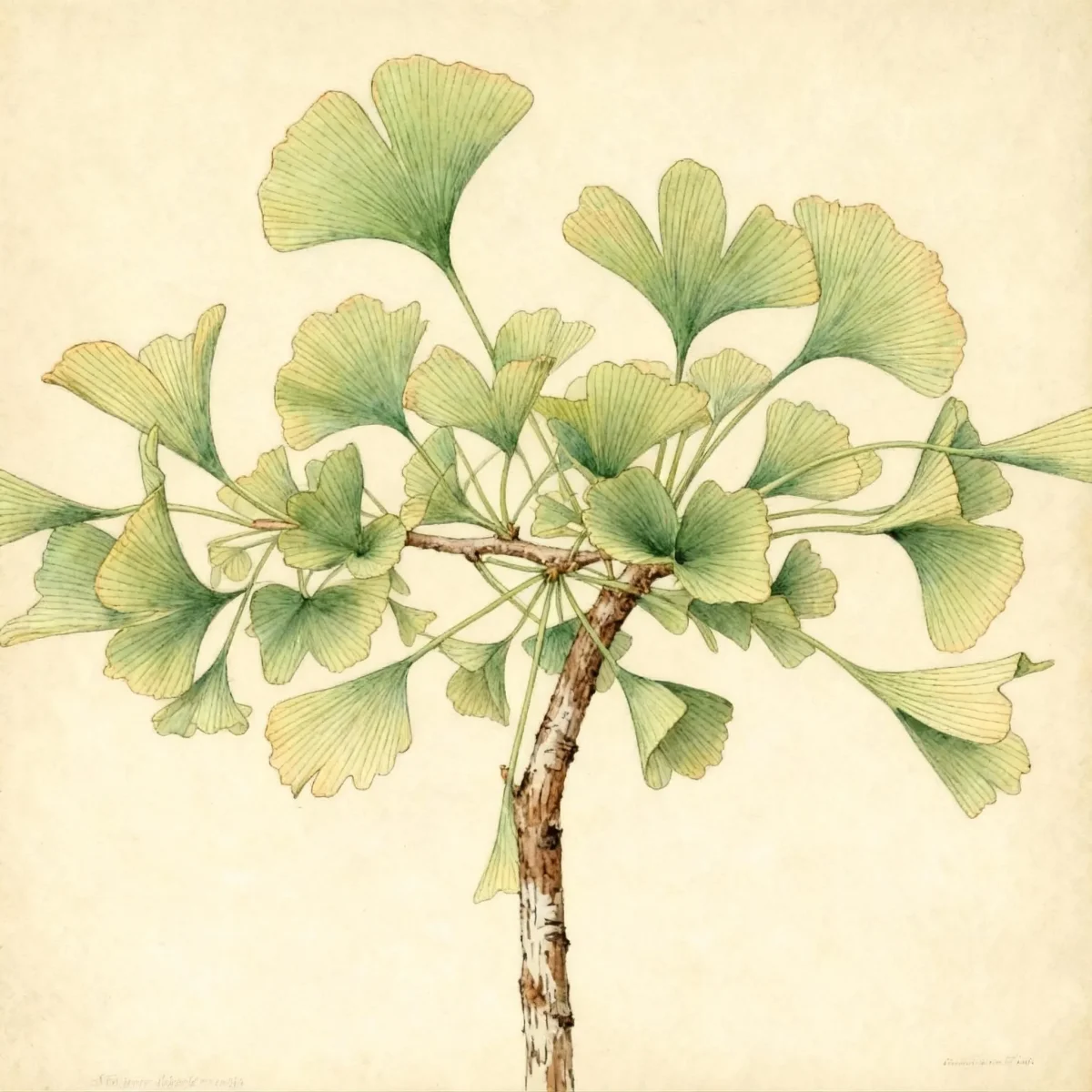
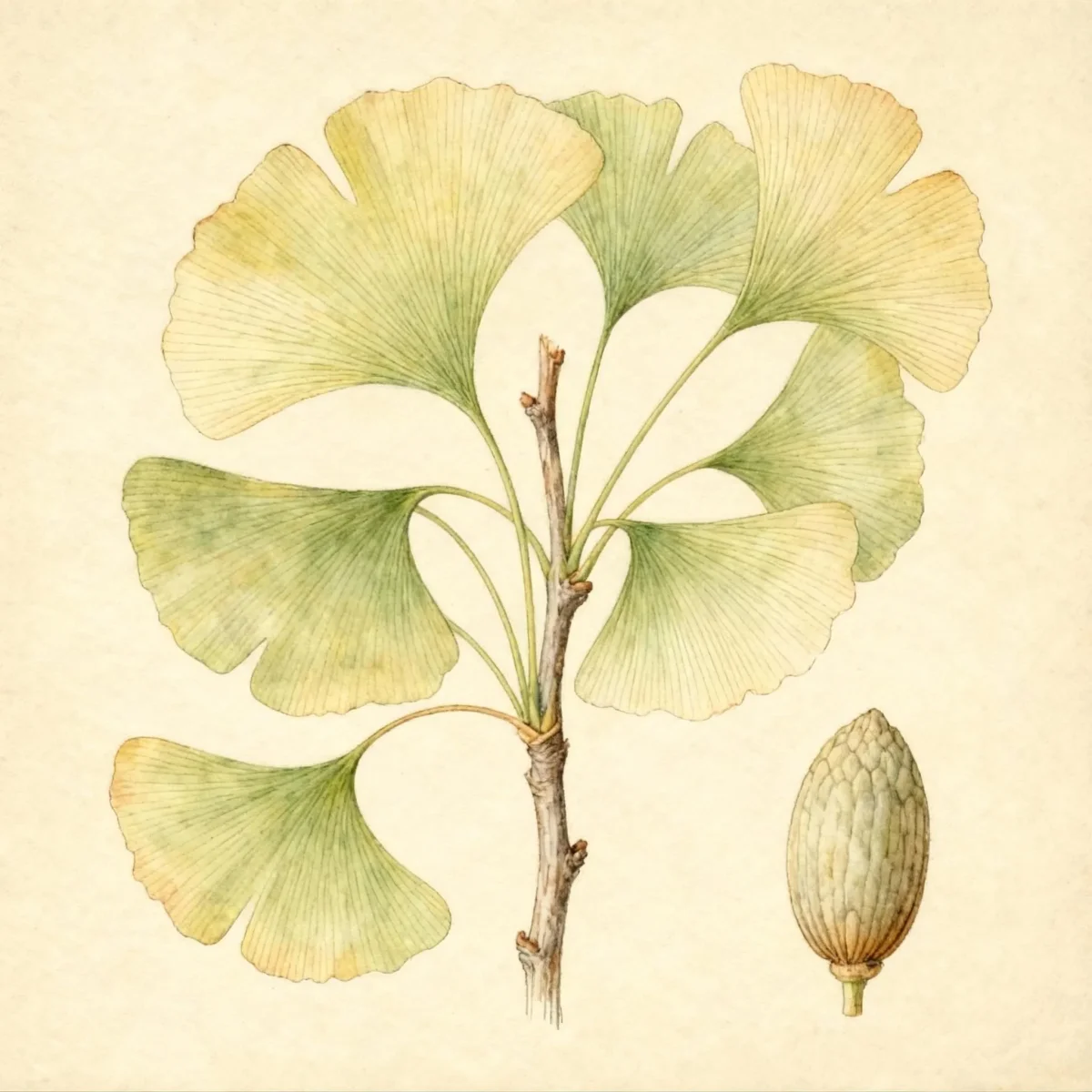
Maidenhair tree (Ginkgo biloba 'Magyar')
Ginkgo biloba 'Magyar' is a narrow, upright Maidenhair tree offering brilliant yellow fall color and high urban tolerance.
Scroll down to discover growing tips, care requirements, companion plants, and more
Complete Plant Information
Overview
Ginkgo biloba ‘Magyar’ is an outstanding cultivar of the ancient Maidenhair tree, prized for its narrow, upright habit which provides vertical interest without excessive spread. This Ginkgo biloba ‘Magyar’ selection matures into a substantial deciduous specimen, offering superior aesthetic qualities, especially when its distinctive fan-shaped leaves turn a uniform, brilliant golden yellow in the autumn. As a male clone, it avoids the messy, malodorous fruit production associated with female Ginkgo trees, making it an excellent, tidy choice for cultivated landscapes.
This dependable tree showcases remarkable adaptability, thriving in demanding urban settings where other species struggle to survive. Gardeners appreciate the low maintenance requirements and robust nature of this living fossil. Planting Ginkgo biloba ‘Magyar’ ensures long-term structural beauty and seasonal color in any suitable location.
Fast Facts
- Plant Family: Ginkgoaceae
- Plant Type: Tree
- Hardiness Zones: USDA Zones 3-8
- Size at Maturity:
- Height: 40-60 ft
- Spread: 20-30 ft
- Bloom Time: April
- Bloom Description: Green (male)
- Sun Exposure: Full sun
- Water Needs: Medium
- Maintenance Level: Low
How to Grow
The best time to establish Ginkgo biloba ‘Magyar’ is during the dormant season, either in early spring or late fall, allowing the roots to establish before summer heat. Site this Maidenhair tree in full sun for the best form and autumn color display. While adaptable, it performs best in moist, sandy, well-drained soils, though it tolerates a wide pH range, including acidic or alkaline conditions.
Once established, the Ginkgo biloba ‘Magyar’ requires only medium water, preferring consistent moisture during establishment periods but surviving dry spells due to its ancient lineage. Minimal fertilization is generally needed unless the soil is severely depleted. Pruning should be focused primarily on removing crossing, damaged, or problematic limbs, preserving its natural, ascending branching structure which defines the ‘Magyar’ form.
This cultivar excels in urban environments, demonstrating inherent tolerance to compacted soils, high heat, and significant air pollution. These qualities make it an incredibly resilient specimen where many other shade trees fail, ensuring the Ginkgo biloba ‘Magyar’ remains a visually appealing backdrop for decades.
Landscape Uses
The narrow, upright confirmation of Ginkgo biloba ‘Magyar’ makes it an excellent selection where sidewalk clearance or spatial constraints limit the spread of traditional shade trees. It serves beautifully as a specimen tree on lawns or positioned strategically near commercial buildings where its clean habit is appreciated. It also functions perfectly as a street tree, providing necessary vertical canopy without overwhelming pedestrian spaces.
Because of its unique silhouette and stunning fall display, this Maidenhair tree works well incorporated into mixed borders or as a repeating element in formal landscape designs requiring consistent structure. While its distinct foliage and coloration are the main draw, consider pairing it with low-growing, durable perennials or groundcovers that thrive in full sun and tolerate soil conditions similar to those preferred by the Ginkgo.
Standout Features
Flower Qualities
- Insignificant
Noteworthy Characteristics
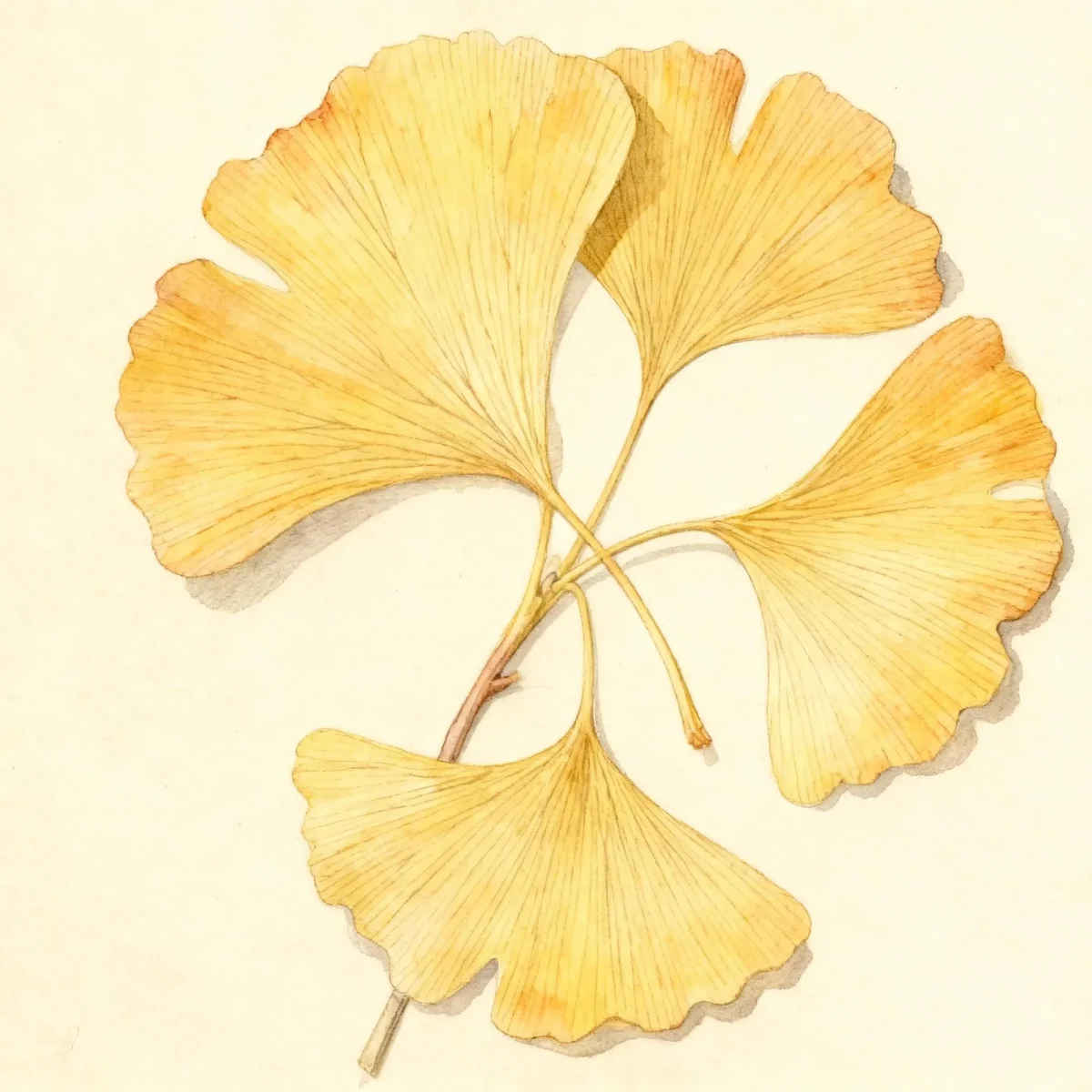
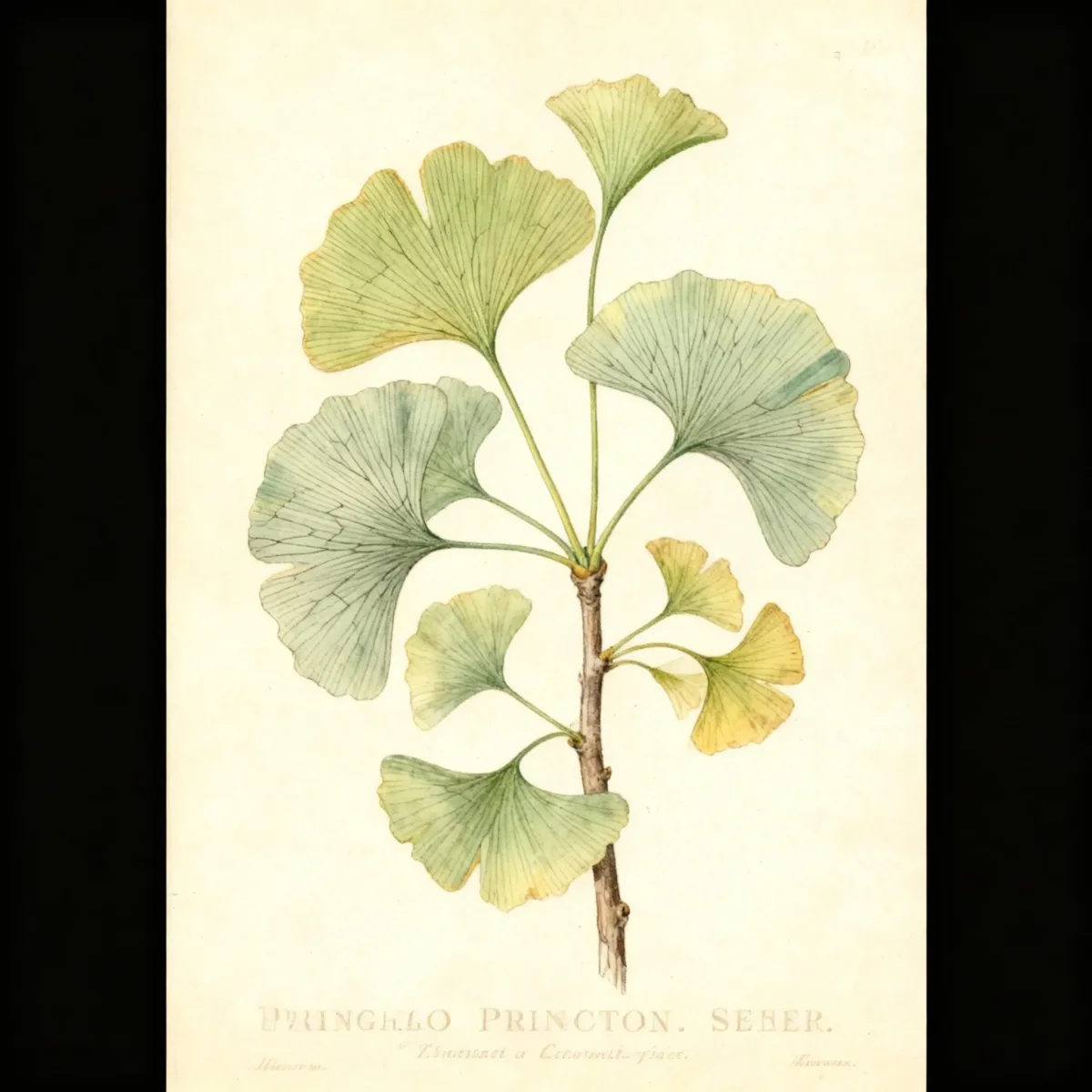
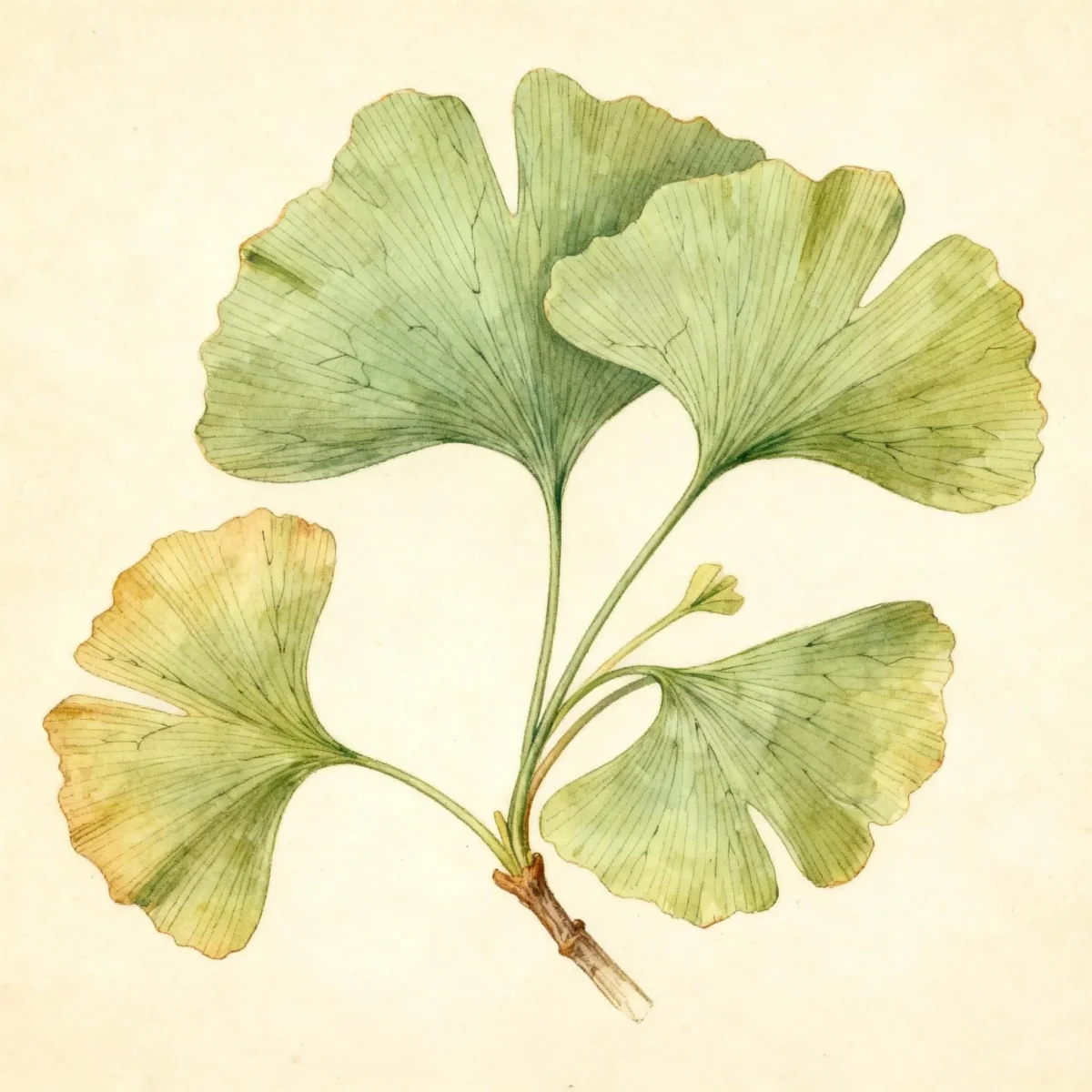
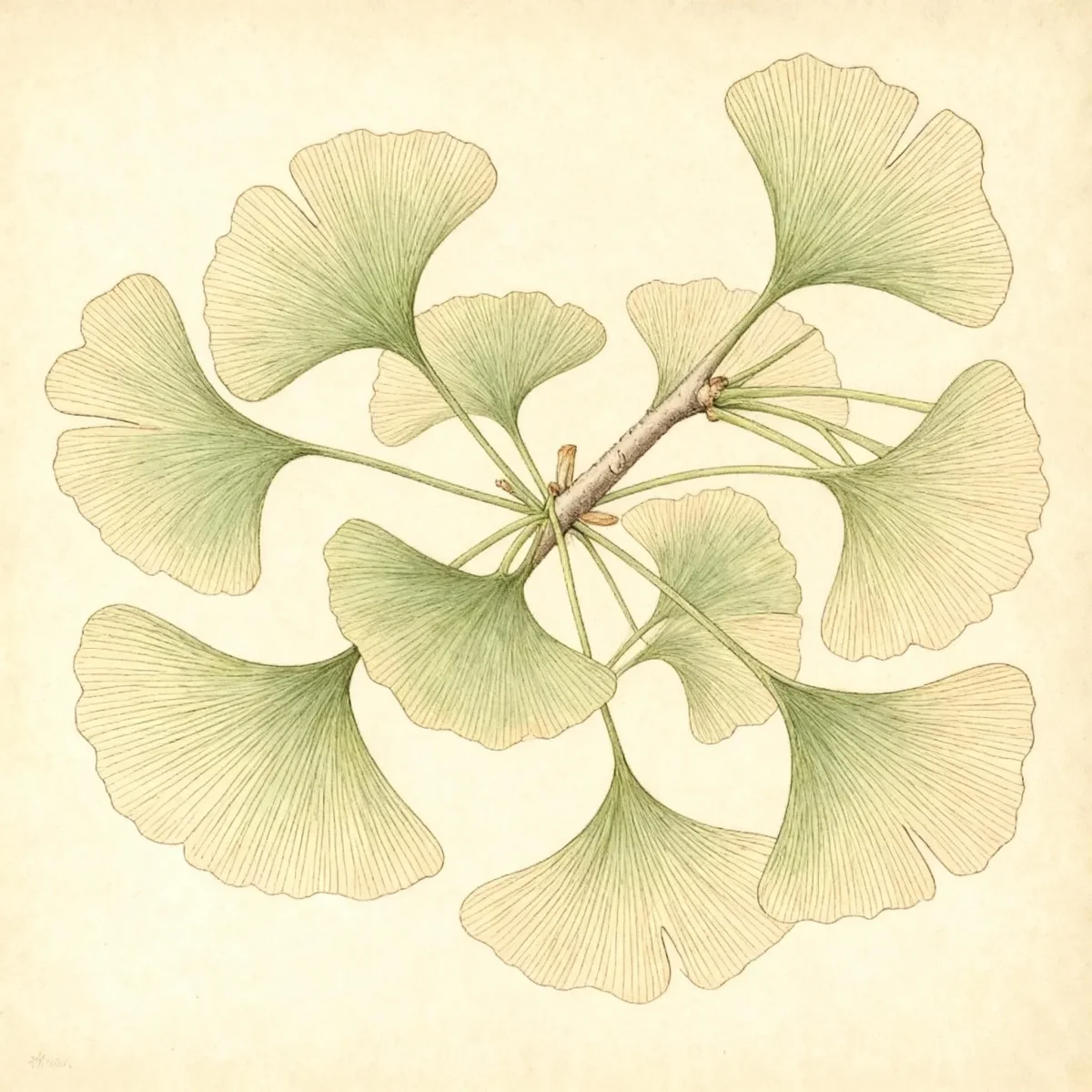
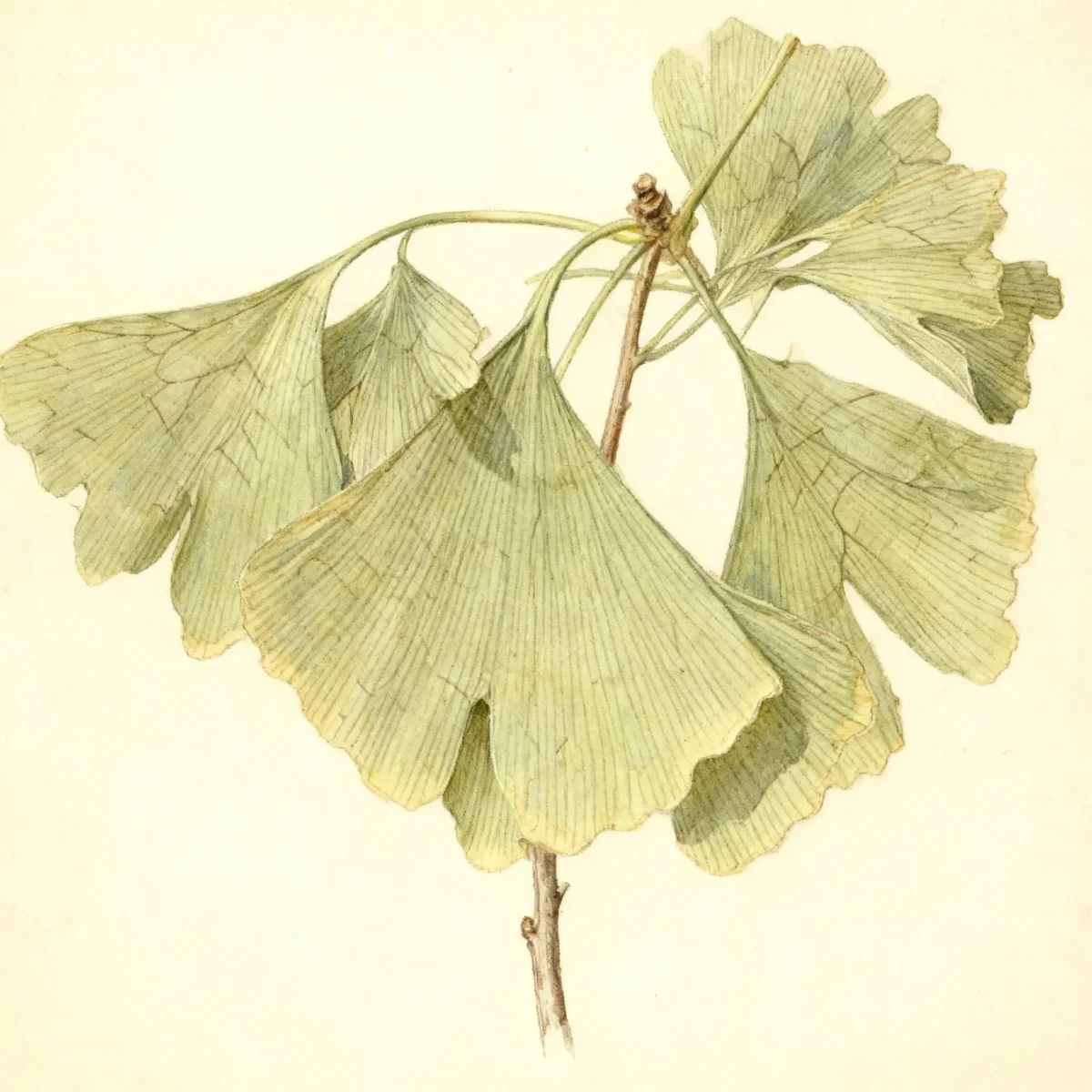
Ginkgo biloba is a large, deciduous tree that matures to 100’ tall and is considered to be a living fossil. It is the only surviving member of a group of ancient plants believed to have inhabited the earth up to 150 million years ago. It features distinctive two-lobed, somewhat leathery, fan-shaped, rich green leaves with diverging (almost parallel) veins. Leaves turn bright yellow in fall. Ginkgo trees are commonly called maidenhair trees in reference to the resemblance of their fan-shaped leaves to maidenhair fern leaflets (pinnae). Ginkgos are dioecious (separate male and female trees). Nurseries typically sell only male trees because female trees produce seeds encased in fleshy, fruit-like cone which, at maturity in autumn, are messy and emit a noxious, foul odor upon falling to the ground and splitting open. Genus name is a misrendering of the Japanese gin meaning silver and kyo meaning apricot used in Japan in the 17th century. Specific epithet means two-lobed in reference to the leaves. ‘Magyar’ is a male form that was discovered growing in front of Magyar Bank in New Brunswick, New Jersey. It is a narrow upright form with ascending branching that matures over time to as much as 60’ tall and 30’ wide. Green leaves turn a uniform and very showy golden yellow in autumn. Insignificant greenish male flowers bloom in catkins in spring.
Tolerances
- Deer
- Clay Soil
- Air Pollution
Potential Problems
Ginkgo trees are remarkably pest-resistant; this cultivar rarely suffers from serious insect infestations or common diseases. The primary challenge gardeners may face involves initial growth rate, as the Ginkgo biloba ‘Magyar’ can often appear slow growing immediately after planting. Patience is key during the first few years as the plant focuses energy on developing a robust root system necessary for long-term survival and eventual stature. Ensure adequate moisture in the first two growing seasons to encourage speedy root development and overcome any initial sluggishness.
Frequently Asked Questions
What hardiness zones is Maidenhair tree suitable for?
Ginkgo biloba ‘Magyar’ is suitable for USDA Hardiness Zones 3 through 8.
How large does Maidenhair tree grow?
The ‘Magyar’ cultivar typically reaches heights between 40 and 60 feet, with a spread of 20 to 30 feet, maintaining a relatively narrow profile.
When does Maidenhair tree bloom?
The insignificant greenish male flowers of this Ginkgo bloom in catkins during April.
What sun exposure does Ginkgo biloba ‘Magyar’ need?
This tree requires full sun exposure to achieve its best structure and vivid golden autumn foliage.
Conclusion
The Ginkgo biloba ‘Magyar’ stands out as a supremely reliable, architecturally interesting tree, delivering unparalleled fall color without the mess associated with female specimens. Its broad tolerance for poor urban soils and contaminants makes the Maidenhair tree an essential tool for modern landscape planning. Before planting, confirm that your site receives full sun and offers medium soil moisture to ensure this magnificent, ancient species thrives for generations.
Companion Planting
When selecting plants to feature near your Ginkgo biloba ‘Magyar’, focus on species that complement its deep fall color and share its preference for full sun. Consider using hardy, low-growing perennials like Sedum varieties (Stonecrop) or ornamental grasses such as Festuca glauca (Blue Fescue) for textural contrast near the base. These options thrive in dryish, well-drained summer soils, mirroring the resilience of the mature Ginkgo.
For larger companions in park settings, maples or oaks that also exhibit strong fall color can create a layered seasonal display. Ensure adequate spacing, as the upright canopy of the ‘Magyar’ will eventually cast significant shade, but its relatively high branch structure allows for underplanting for several years.
Design Ideas for Urban Spaces
The narrow habit of Ginkgo biloba ‘Magyar’ is perfectly suited for tight streetscapes or planting pockets where traditional shade trees would cause infrastructure damage. Planted singly as a specimen, it acts as a strong vertical accent, drawing the eye upward. In commercial plazas, lining walkways with alternating ‘Magyar’ specimens provides structured, climate-resilient shade.
Consider utilizing the uniform yellow fall display in formal avenues or allees. The consistency of the clonal cultivar ensures a synchronized color change across the entire planting, creating a dramatic, unified impact in autumn. This tree’s resistance to air pollution secures its role in downtown environments where green infrastructure is critical.