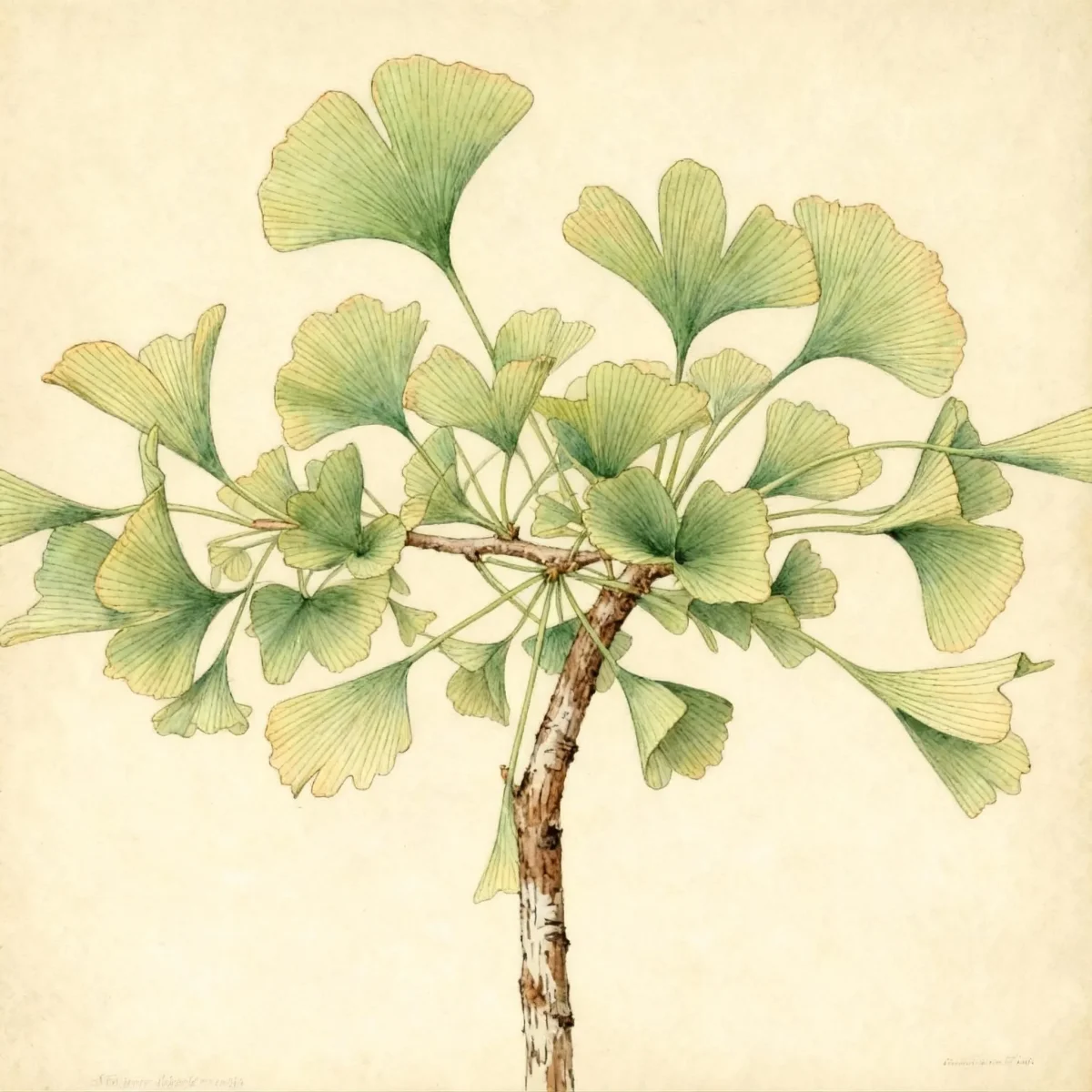
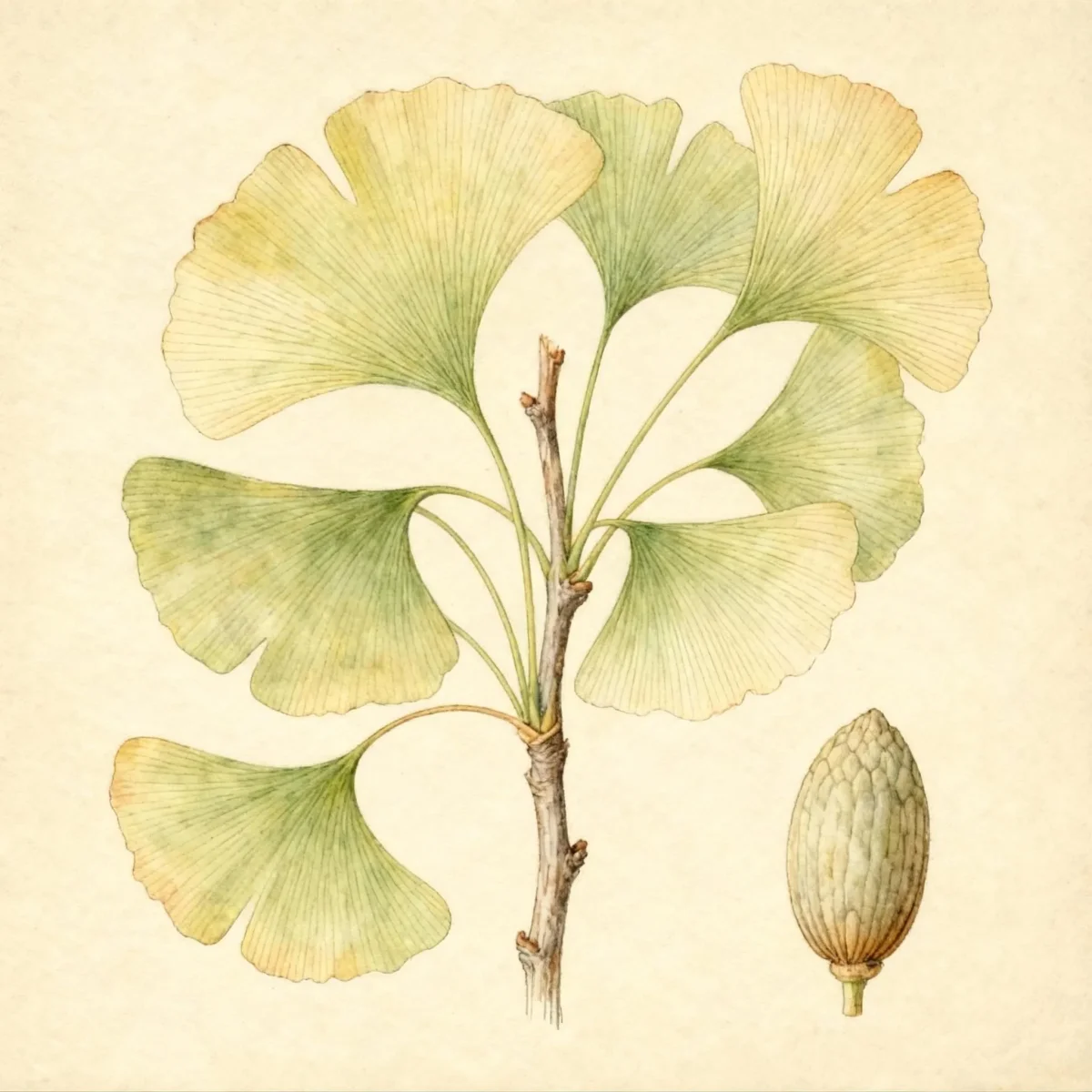
Maidenhair tree (Ginkgo biloba 'Princeton Sentry')
The striking Maidenhair tree, Ginkgo biloba 'Princeton Sentry', offers stunning yellow fall color and unmatched resilience in urban settings.
Scroll down to discover growing tips, care requirements, companion plants, and more
Complete Plant Information
Overview
The Ginkgo biloba ‘Princeton Sentry’ stands as a magnificent specimen tree, highly valued for its ancient lineage and superb adaptability. Known commonly as the Maidenhair tree, this cultivar ensures an upright, narrowly conical habit, making it exceptionally neat for formal landscapes. Gardeners prize this hardy tree, which displays distinctive fan-shaped, green leaves that transform into a brilliant, uniform golden yellow before dropping rapidly in the autumn.
As a male-only selection, the Ginkgo biloba ‘Princeton Sentry’ achieves a mature height between 40 to 50 feet, providing substantial shade without the messy fruit production associated with female Ginkgo specimens. Its status as a “living fossil”—the only surviving member of its ancient plant group—brings a unique historical dimension to any planting site. This tree represents a low-maintenance choice that thrives where many other trees struggle.
Functionally, the Maidenhair tree is one of the toughest urban landscape plants available. It tolerates challenging city conditions exceptionally well, offering reliable, spectacular fall color as a permanent feature in parks and along avenues. Successful establishment with the Ginkgo biloba ‘Princeton Sentry’ guarantees decades of reliable performance with minimal intervention.
Fast Facts
- Plant Family: Ginkgoaceae
- Plant Type: Tree
- Hardiness Zones: USDA Zones 3-8
- Size at Maturity:
- Height: 40-50 ft
- Spread: 20-30 ft
- Bloom Time: April
- Bloom Description: Green
- Sun Exposure: Full sun
- Water Needs: Medium
- Maintenance Level: Low
How to Grow
Planting should ideally occur during the dormant season—either early spring before bud break or in the fall once temperatures cool. The Ginkgo biloba ‘Princeton Sentry’ prefers full sun exposure for best shape and fall color development. While it thrives in moist, sandy, well-drained soils, this remarkable cultivar demonstrates extreme tolerance.
Once established, watering needs are medium; water deeply during prolonged dry spells, especially in the first few seasons. Fertilization is rarely required due to the tree’s inherent hardiness and slow initial growth rate. Pruning needs for the ‘Princeton Sentry’ cultivar are minimal, primarily limited to removing crossing or damaged branches when young to establish a strong central leader.
Adaptability is the hallmark of this variety. It handles compacted soils, alkaline or acidic soil pH swings, and saline conditions without complaint. This robust nature makes it perfect for difficult urban sites where root restriction or poor drainage might hamper other shade trees. Ensure adequate space is given to allow the mature form of this Maidenhair tree to develop fully.
Landscape Uses
The upright, narrowly conical shape of the Ginkgo biloba ‘Princeton Sentry’ makes it a premier choice for formal avenues and street tree applications where horizontal spread might be problematic. Its spectacular uniform gold display in autumn provides dramatic seasonal interest alongside commercial buildings or in city parks. It functions excellently as a dependable shade tree in expansive lawns.
Because it establishes well in difficult urban soil conditions, it is recommended near busy thoroughfares where it can handle air pollution and heat stress better than most ornamental varieties. Consider mass plantings of this male-only Ginkgo variety for massive ribbons of controlled, brilliant fall color along long drives or property borders. The clean, fast drop of its leaves means cleanup is easy, which is why it is favored in high-traffic public spaces.
Standout Features
Noteworthy Characteristics
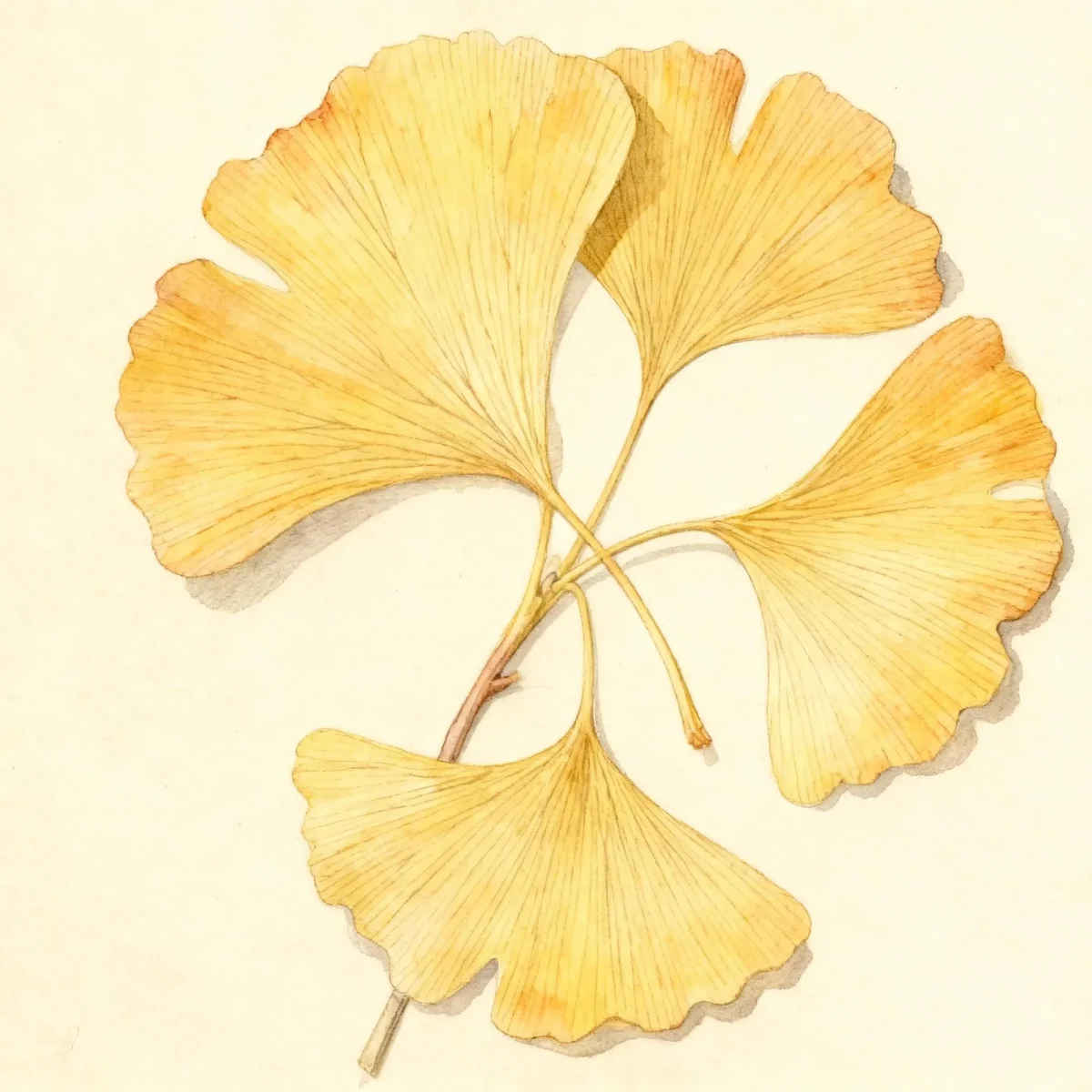
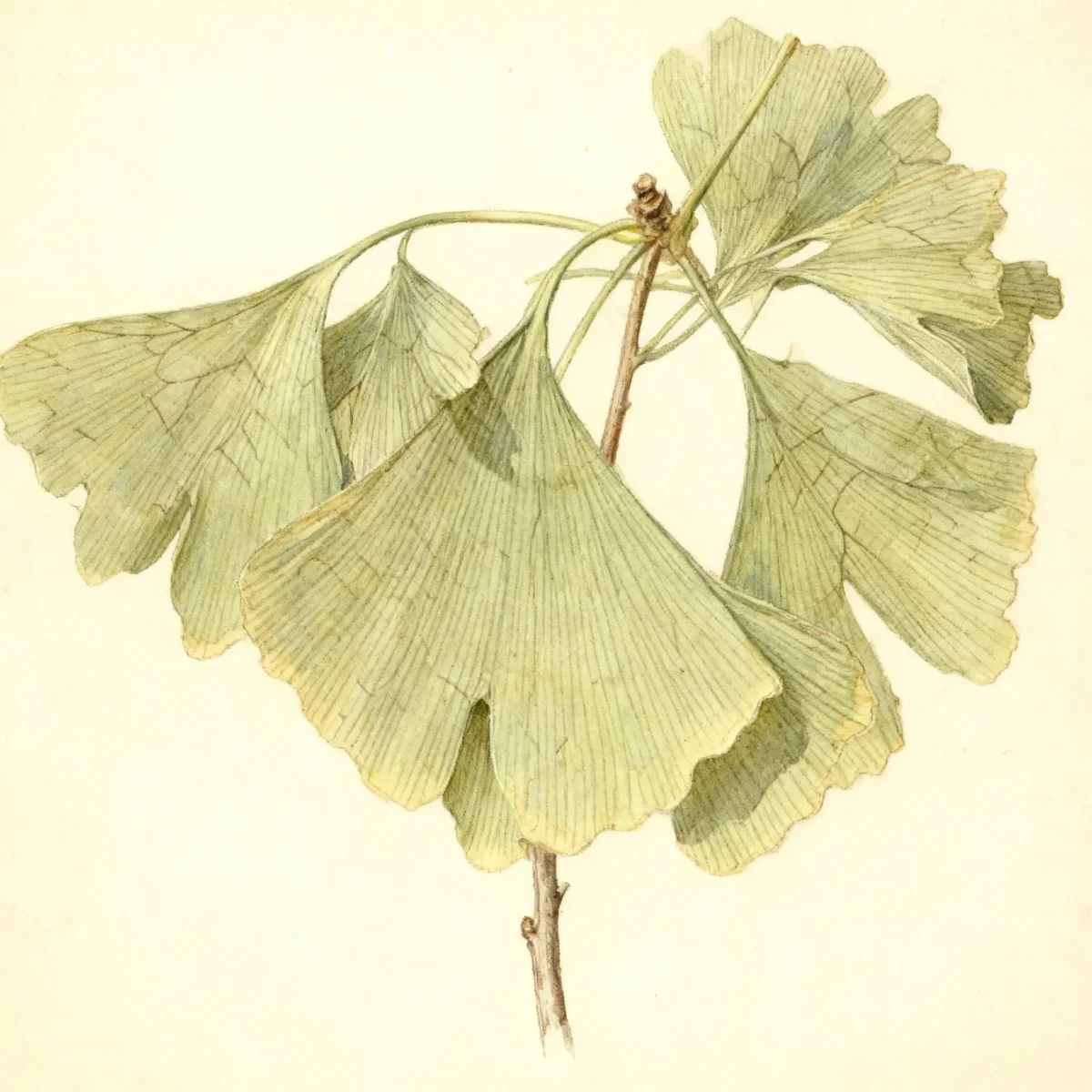
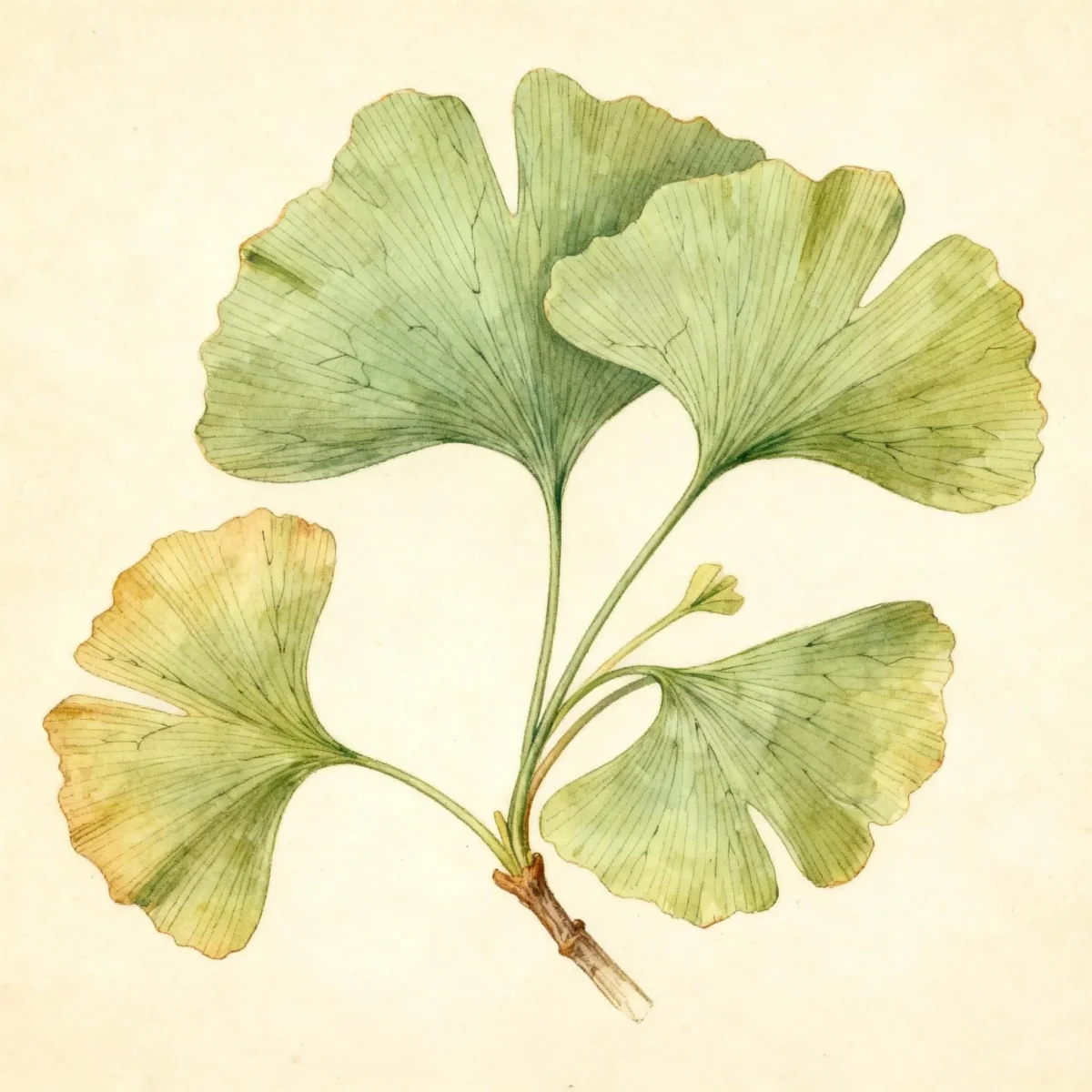
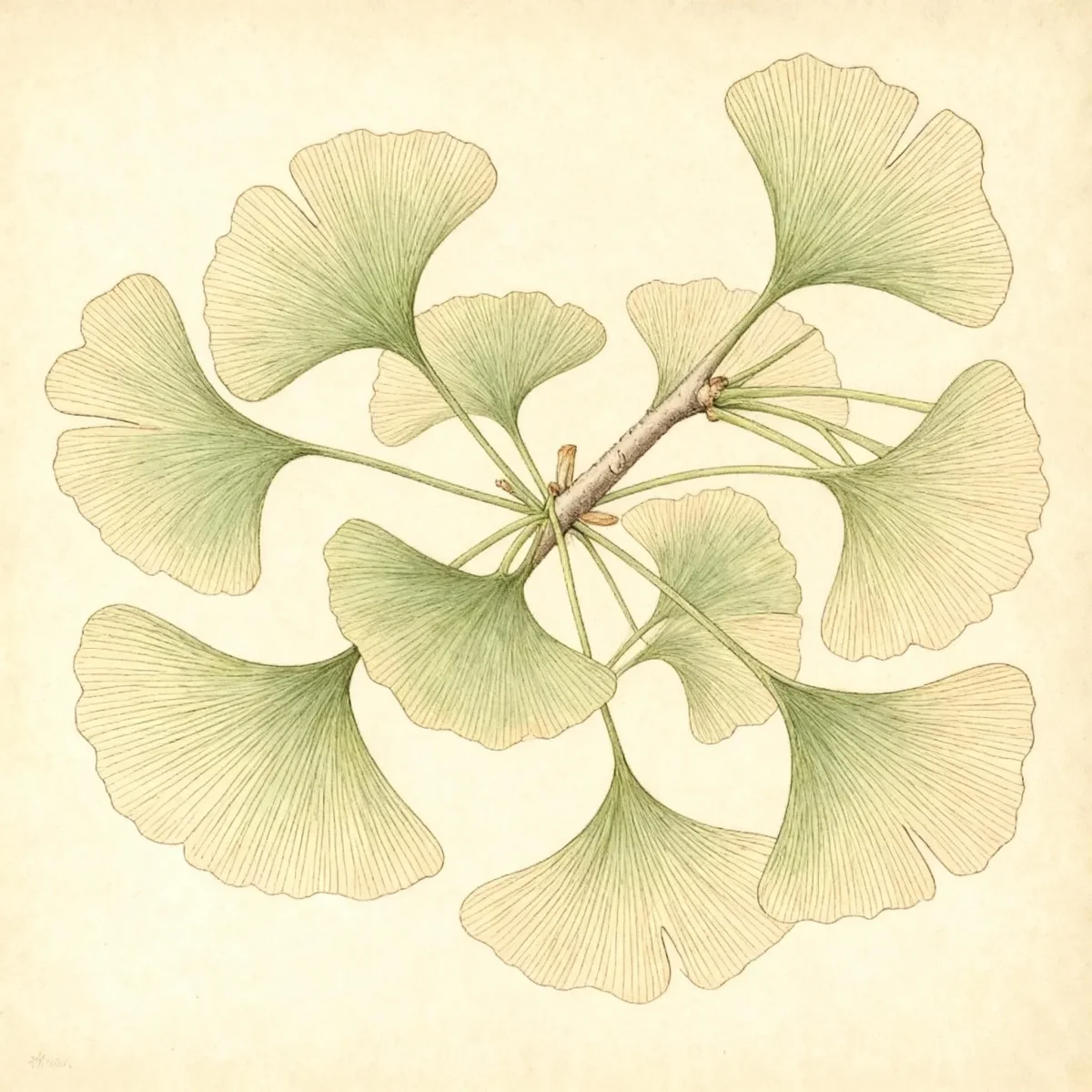
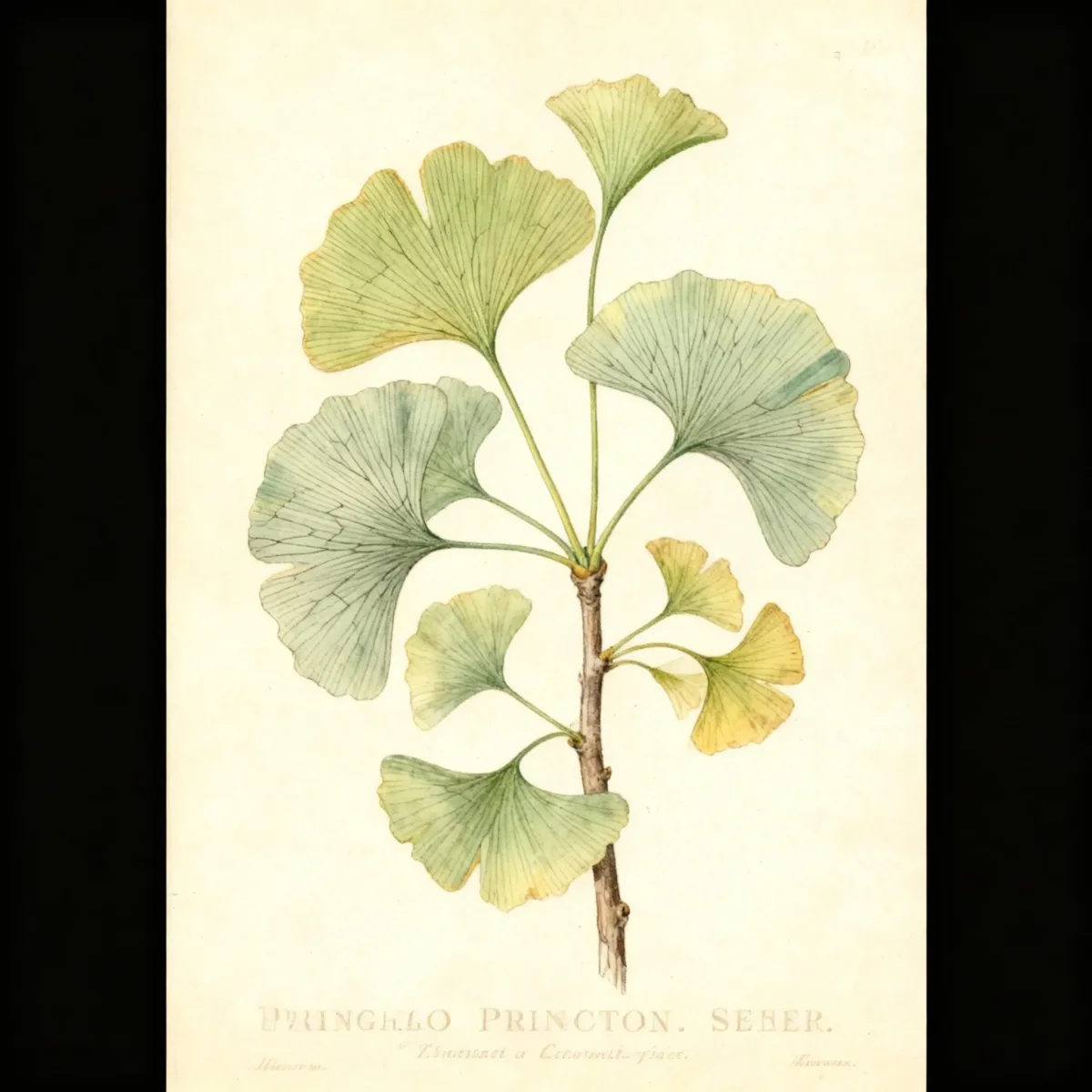
Ginkgo biloba is a large, deciduous tree that matures to 100’ tall and is considered to be a living fossil. It is the only surviving member of a group of ancient plants believed to have inhabited the earth up to 150 million years ago. It features distinctive two-lobed, somewhat leathery, fan-shaped, rich green leaves with diverging (almost parallel) veins. Leaves turn bright yellow in fall. Ginkgo trees are commonly called maidenhair trees in reference to the resemblance of their fan-shaped leaves to maidenhair fern leaflets (pinnae). Ginkgos are dioecious (separate male and female trees). Nurseries typically sell only male trees because female trees produce seeds encased in fleshy, fruit-like cone which, at maturity in autumn, are messy and emit a noxious, foul odor upon falling to the ground and splitting open.Genus name is a misrendering of the Japanese gin meaning silver and kyo meaning apricot used in Japan in the 17th century.Specific epithet means two-lobed in reference to the leaves.‘Princeton Sentry’ is an all-male cultivar typically growing at maturity to 40-50’ with an upright, narrowly conical habit. Leaves turn a uniform golden yellow in autumn (spectacular when backlit by early morning or late afternoon sun) and persist for several weeks. When the leaves do drop, they drop rapidly, forming a golden carpet around the tree.
Tolerances
- Deer
- Clay Soil
- Air Pollution
Potential Problems
The Ginkgo biloba ‘Princeton Sentry’ is famously resistant to most common pests and diseases, posing few serious challenges to the gardener. Usually, initial growth can be slow or somewhat sparse for the first few years after transplanting, which can cause some concern for impatient planters. Patience is key; once established, this tree demonstrates its robust nature and reliable growth habit without requiring heavy intervention against pests or blight.
Frequently Asked Questions
What hardiness zones is Maidenhair tree suitable for?
The Ginkgo biloba ‘Princeton Sentry’ thrives across USDA Hardiness Zones 3 through 8, offering wide geographic appeal.
How large does Ginkgo biloba ‘Princeton Sentry’ grow?
This cultivar typically reaches heights between 40 to 50 feet, maintaining a narrower spread of 20 to 30 feet at maturity.
When does Maidenhair tree bloom?
The Maidenhair tree blooms in April, producing inconspicuous green flowers.
What sun exposure does Ginkgo biloba ‘Princeton Sentry’ need?
This tree requires full sun exposure to achieve optimal structure and the most brilliant fall coloration.
Conclusion
For an extremely durable, low-maintenance specimen that delivers unmatched golden foliage, the Ginkgo biloba ‘Princeton Sentry’ is an elite choice for difficult planting sites. This robust Maidenhair tree combines ancient pedigree with modern urban utility. Assess your site’s sun exposure and ensure adequate space for its mature height before planning your spring or fall planting schedule.
Companion Planting
Because the Ginkgo biloba ‘Princeton Sentry’ prefers full sun and exhibits high tolerance for poor soil, companions should share similar light requirements but not compete heavily with its established root system. Consider low-growing, tough perennials or groundcovers that handle dry summer conditions once the tree is established. Native grasses or sedges that remain tidy benefit from the dappled shade the slightly sparse summer canopy provides later in the season.
Design Ideas for Urban Landscapes
The strong vertical accent provided by the ‘Princeton Sentry’ makes it invaluable for breaking up monotonous lines in modern commercial architecture. Place it strategically where the morning or late afternoon sun can illuminate the leaves, maximizing the visual impact of its golden autumn display against concrete or brick backdrops. Since the leaf drop is sudden and clean, it can be utilized near entryways or pathways where seasonal debris management is critical, maintaining aesthetics without causing hazard.