Oleaster (Elaeagnus × ebbingei)
Oleaster (Elaeagnus × ebbingei) is a vigorous, fragrant broadleaf evergreen, ideal for hedges and screens in USDA Zones 7-9.
Scroll down to discover growing tips, care requirements, companion plants, and more
Complete Plant Information
Overview
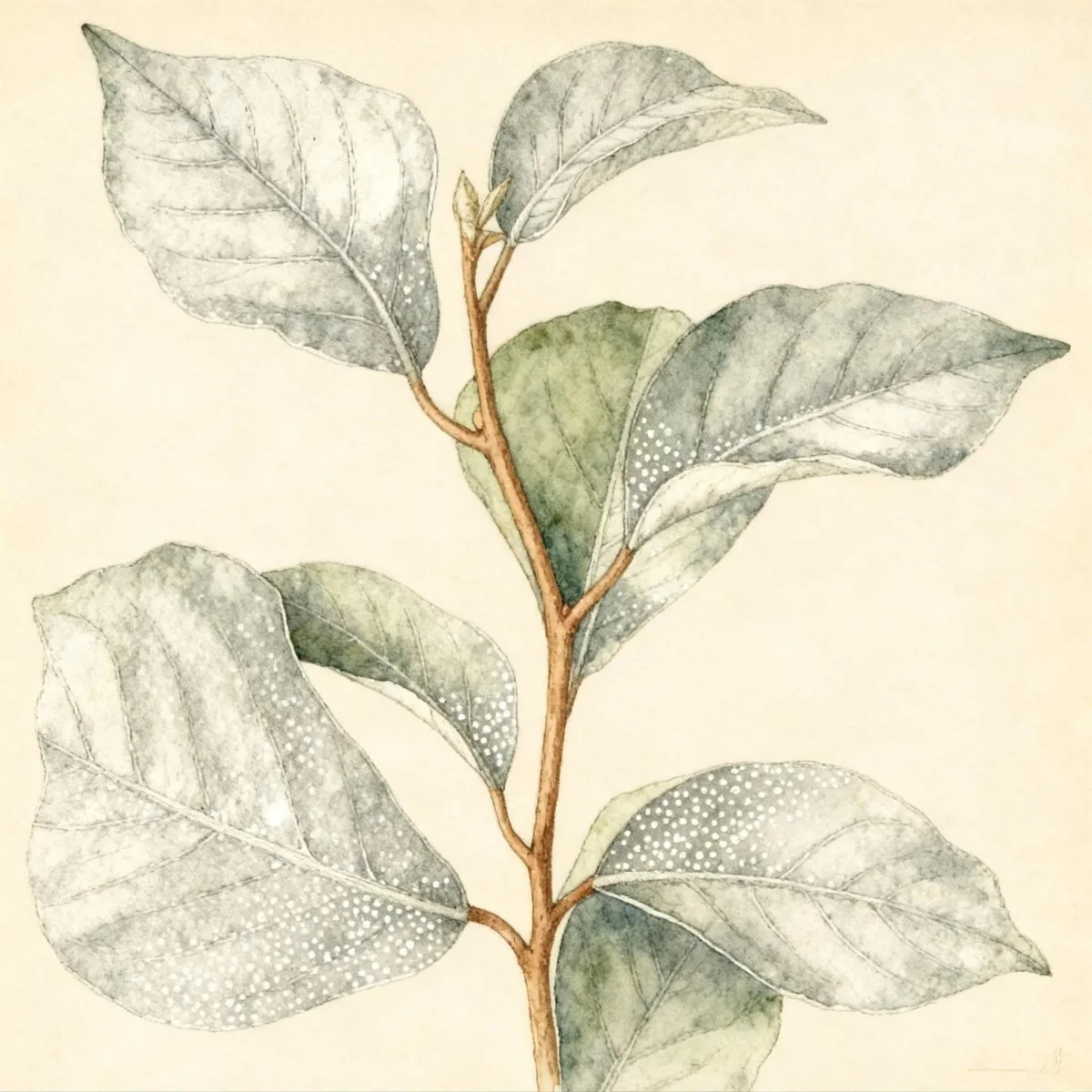
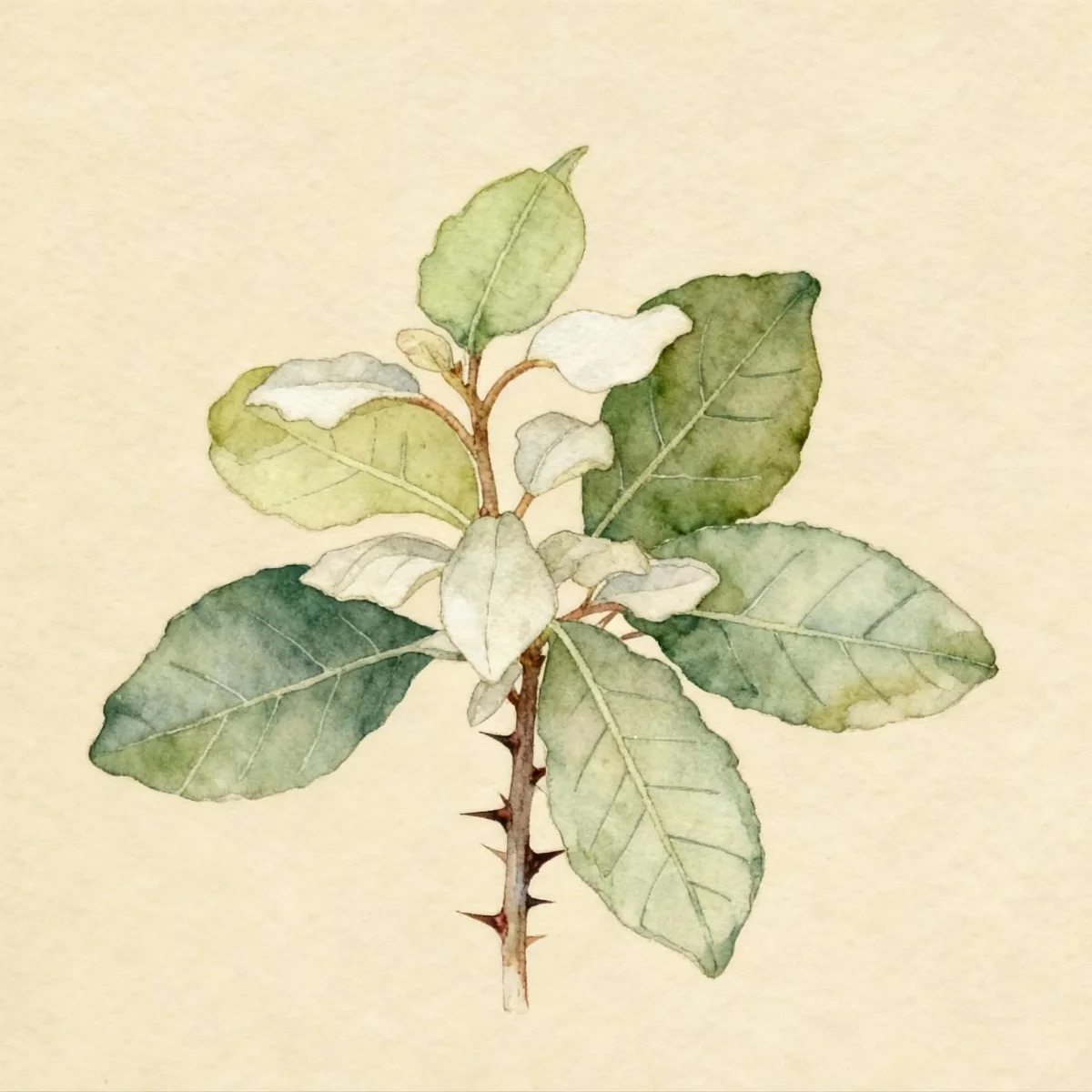
Elaeagnus × ebbingei, often referred to simply as Oleaster, is a highly valued, vigorous hybrid shrub beloved for its dense, evergreen foliage and strong late-season fragrance. This plant develops leathery, dark green leaves above and silver scales beneath, providing year-round visual interest. Elaeagnus × ebbingei excels as a functional screen or windbreak, quickly establishing an effective barrier in the landscape.
This large, bushy shrub requires moderate care but rewards the gardener with rapid growth and impressive durability once established. Its adaptability to various soils and its noted drought tolerance make it a reliable choice for challenging site conditions. The flowers of Elaeagnus × ebbingei may not be showy, but they release an intense, welcome perfume late in the growing season when few other shrubs are blooming.
Gardeners seeking dense screening or windbreaks should seriously consider Oleaster for its structural integrity and evergreen texture. Furthermore, the small, edible fruits add an occasional bonus to this otherwise primarily functional and beautiful broadleaf evergreen.
Fast Facts
- Plant Family: Elaeagnaceae
- Plant Type: Broadleaf evergreen
- Native Range: Garden origin
- Hardiness Zones: USDA Zones 7-9
- Size at Maturity:
- Height: 8-10 ft
- Spread: 8-10 ft
- Bloom Time: October to November
- Bloom Description: Creamy white
- Sun Exposure: Full sun
- Water Needs: Medium
- Maintenance Level: Medium
How to Grow
Planting Oleaster is best done in the spring or fall when conditions are mild, allowing the root system to establish before the stresses of summer heat or winter cold. This hybrid performs best in light, sandy loams, although it tolerates a wide spectrum of soil types, even poor, infertile ones. Ensure the planting location offers well-drained conditions, as this plant strictly avoids wet, poorly drained soils or overly moist clay types.
Care for established Elaeagnus × ebbingei is relatively simple. While it establishes well in average moisture, supplemental watering during prolonged dry spells is beneficial until the shrub is mature, after which its drought tolerance becomes pronounced. Fertilizing is rarely necessary given its vigor and ability to thrive in poor soils, but a general application in spring can boost initial growth. Prune this vigorous plant only as needed to maintain shape or size, typically immediately after flowering if heavy correction is required.
A key cultural note is that Elaeagnus × ebbingei must be propagated by cuttings to ensure genetic consistency; this hybrid will not grow true from seed. While generally hardy, near the northern limits of zone 7, it may show some semi-evergreen to deciduous tendencies during extremely cold winters.
Landscape Uses
The robust growth habit and evergreen foliage make Elaeagnus × ebbingei exceptionally useful for structural planting roles in the landscape. Its primary function is creating an effective screen, barrier, or windbreak where immediate density is required. Plant it along property lines or near highways where its pollution tolerance and screening ability are maximized.
Beyond functioning as a purely utilitarian screen, this Oleaster serves well as a large background plant to anchor shrub borders or stand as an accent specimen. When used as a hedge, regular trimming will yield a dense, formal barrier, though allowing it to mature naturally results in a handsome, rounded form. It pairs well with broadleaf evergreens requiring similar sun exposure and drainage, such as certain hollies or viburnums, to create a layered, year-round green backdrop.
Standout Features
Flower Qualities
- Showy
- Fragrant
Fruit Qualities
- Showy
- Edible
Noteworthy Characteristics
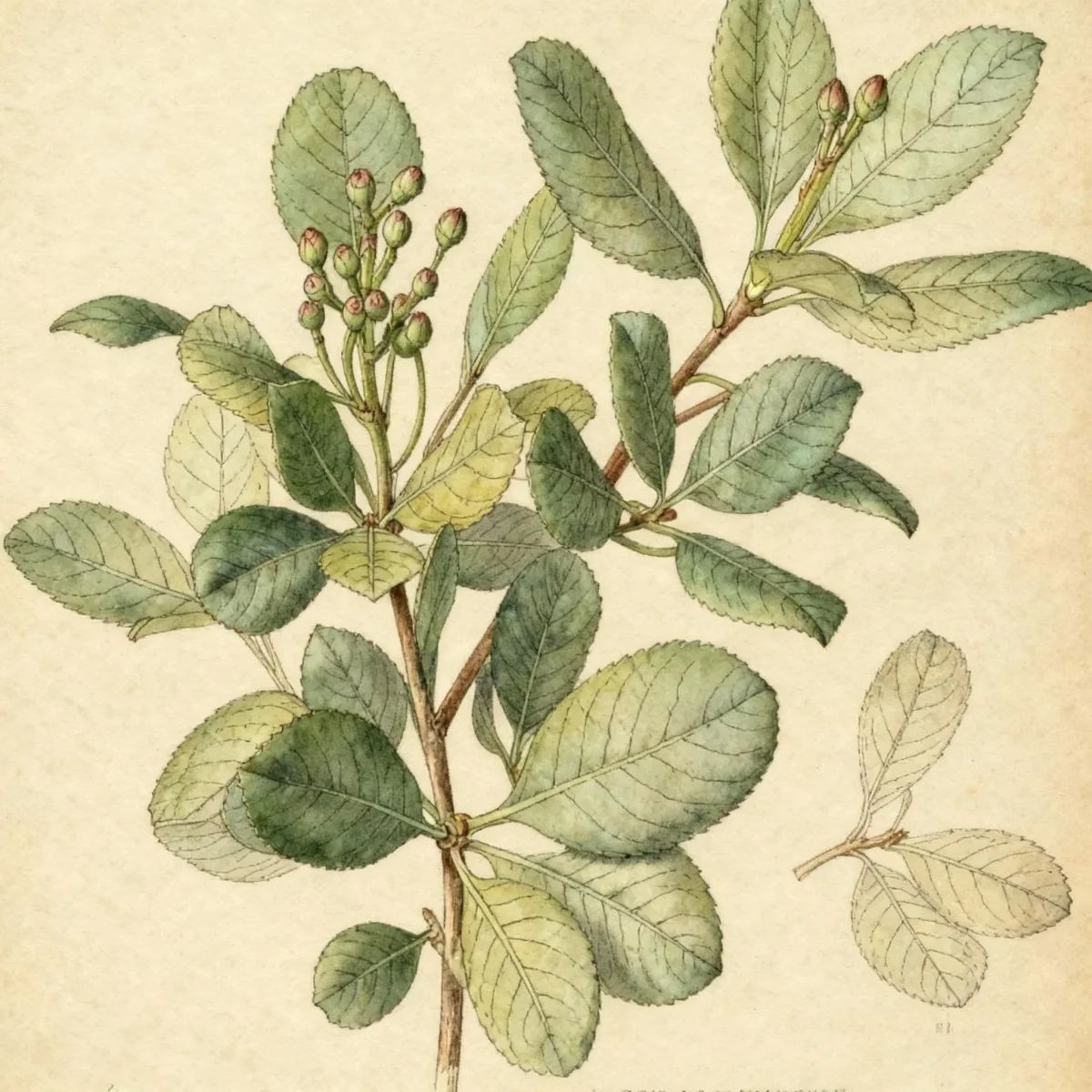
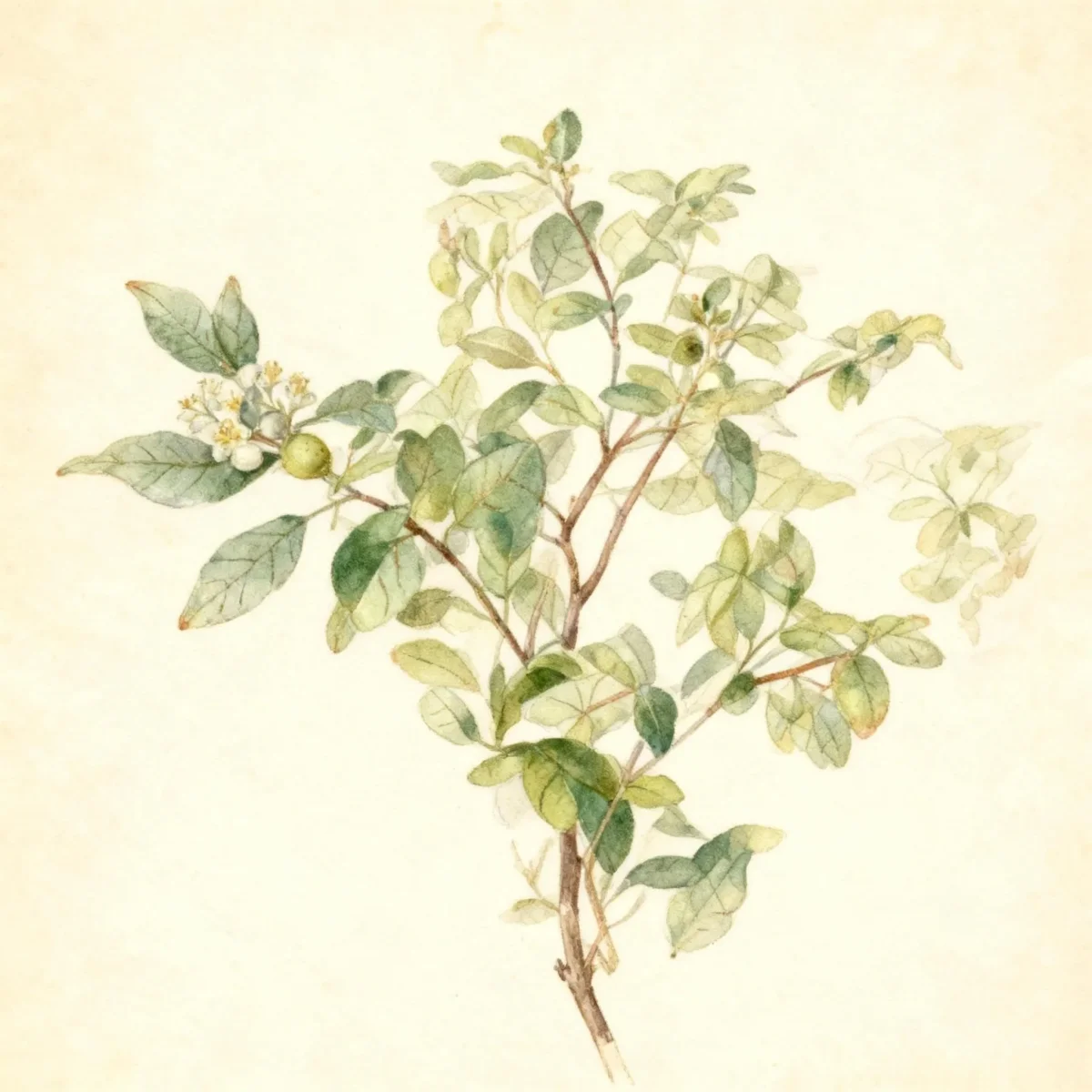
Elaeagnus × ebbingei, commonly called oleaster or Ebbing’s silverberry, is a cross between Elaeagnus macrophylla × Elaeagnus pungens. It is easily recognized as a large, bushy, rounded shrub reaching heights and spreads of 8-10 feet, featuring leathery leaves that are dark green above and silver-gray beneath. This hybrid is noted for its intensely fragrant, creamy white flowers appearing in the late fall, followed by small, edible, reddish-brown fruits that typically ripen in the spring.
Tolerances
- Drought
Potential Problems
Elaeagnus × ebbingei boasts a generally clean bill of health, meaning it rarely suffers from serious insect or disease issues, making cultivation relatively easy. However, gardeners should remain vigilant for signs of fungal leaf spot or rust, especially in overly damp, humid conditions where air circulation is poor. Periodically inspect the undersides of leaves for spider mites, particularly during hot, dry weather, and treat promptly to prevent significant infestation.
Frequently Asked Questions
What hardiness zones is Oleaster suitable for?
This versatile shrub is winter hardy and easily grown in USDA Zones 7 through 9.
How large does Elaeagnus × ebbingei grow?
The mature size for this Oleaster is typically a large, rounded form, reaching heights between 8 and 10 feet tall and spreading to a width of 8 to 10 feet.
When does Oleaster bloom?
The fragrant blossoms of Elaeagnus × ebbingei appear relatively late in the season, typically blooming from October into November.
What sun exposure does Elaeagnus × ebbingei need?
For best performance and density, this shrub prefers full sun, although it will tolerate partial shade in cultivation.
Conclusion
The Oleaster offers an excellent combination of fast growth, dense evergreen screening, and desirable fall fragrance, making Elaeagnus × ebbingei a stalwart choice for structural landscaping. Its strong drought tolerance and adaptability allow it to thrive where other screening plants might fail. Before planting, ensure your site falls within USDA Zones 7-9 and provides adequately well-drained soil to guarantee success with this imposing shrub.
Companion Planting
When selecting companions for Elaeagnus × ebbingei, focus on plants that thrive in full sun and prefer medium, well-drained soil, mirroring the Oleaster’s cultural needs. Consider using smaller, colorful shrubs like Japanese Maples (if protected from harsh reflection) or hardy flowering shrubs like certain Viburnums for textural contrast against the smooth, silver-backed leaves of the Elaeagnus. For lower border accents, groundcovers that tolerate bright light without requiring constant moisture will help suppress weeds beneath the canopy of the mature shrub.
Propagation Tips
Since Elaeagnus × ebbingei is a sterile hybrid, seed propagation will not yield true plants; therefore, vegetative methods are essential for replication. The most effective method is semi-hardwood or hardwood cuttings taken usually in late summer through fall. Cuttings should be treated with a rooting hormone and placed in a well-draining medium under mist or in a protected environment to encourage root development before winter or spring planting.