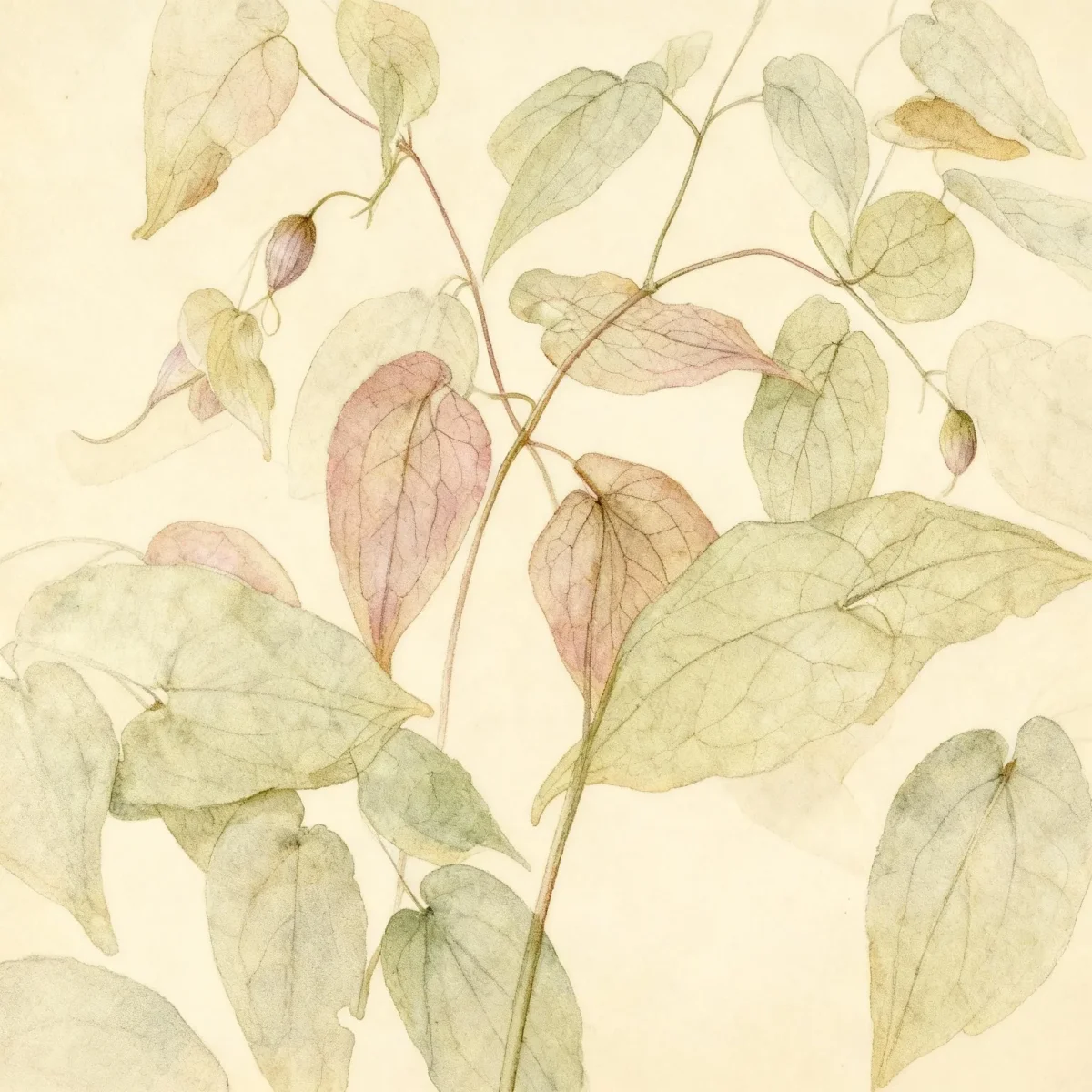
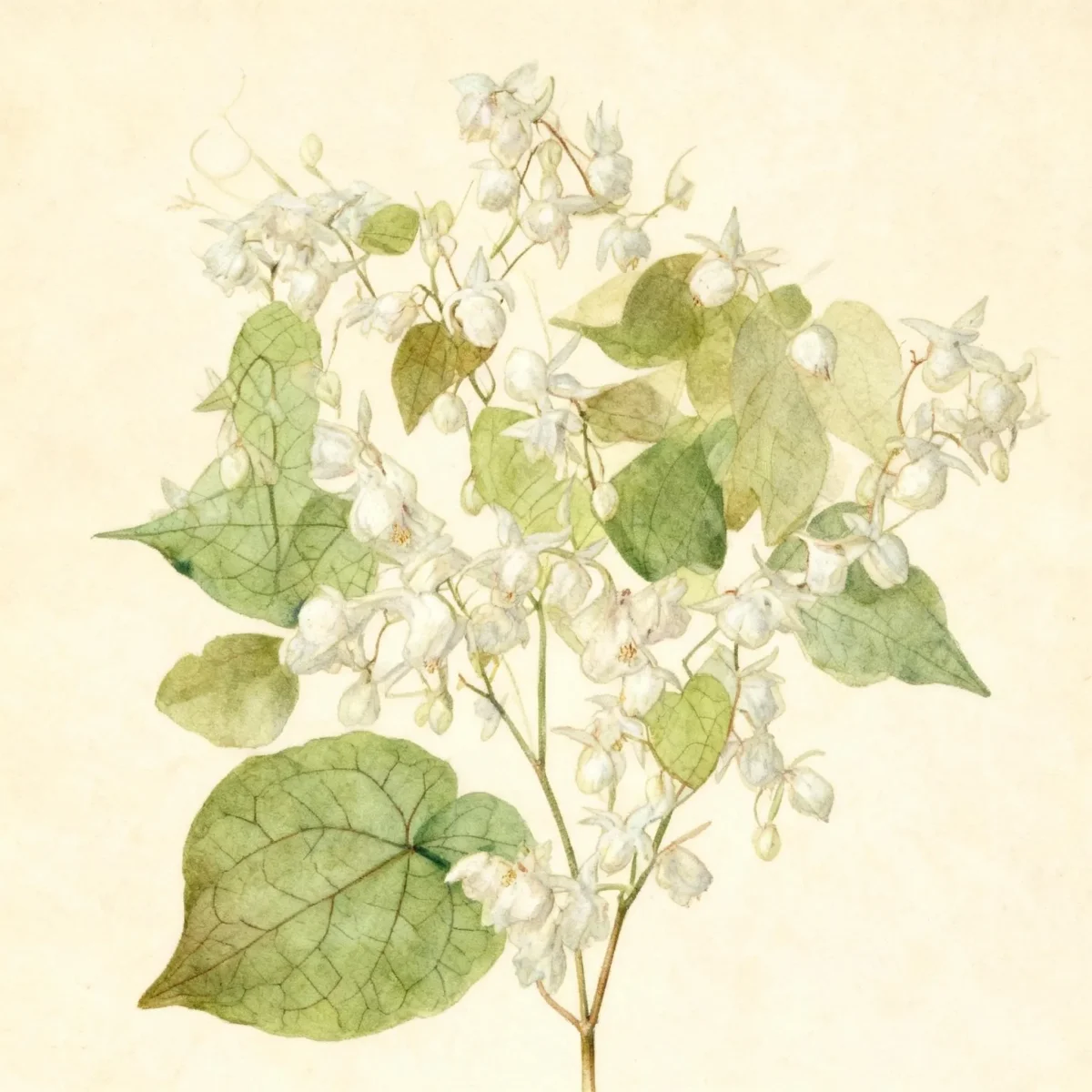
Bishop's hat (Epimedium grandiflorum 'Lilafee')
Epimedium grandiflorum 'Lilafee' offers unique lavender-violet flowers and drought tolerance, ideal for shady ground cover.
Scroll down to discover growing tips, care requirements, companion plants, and more
Complete Plant Information
Overview
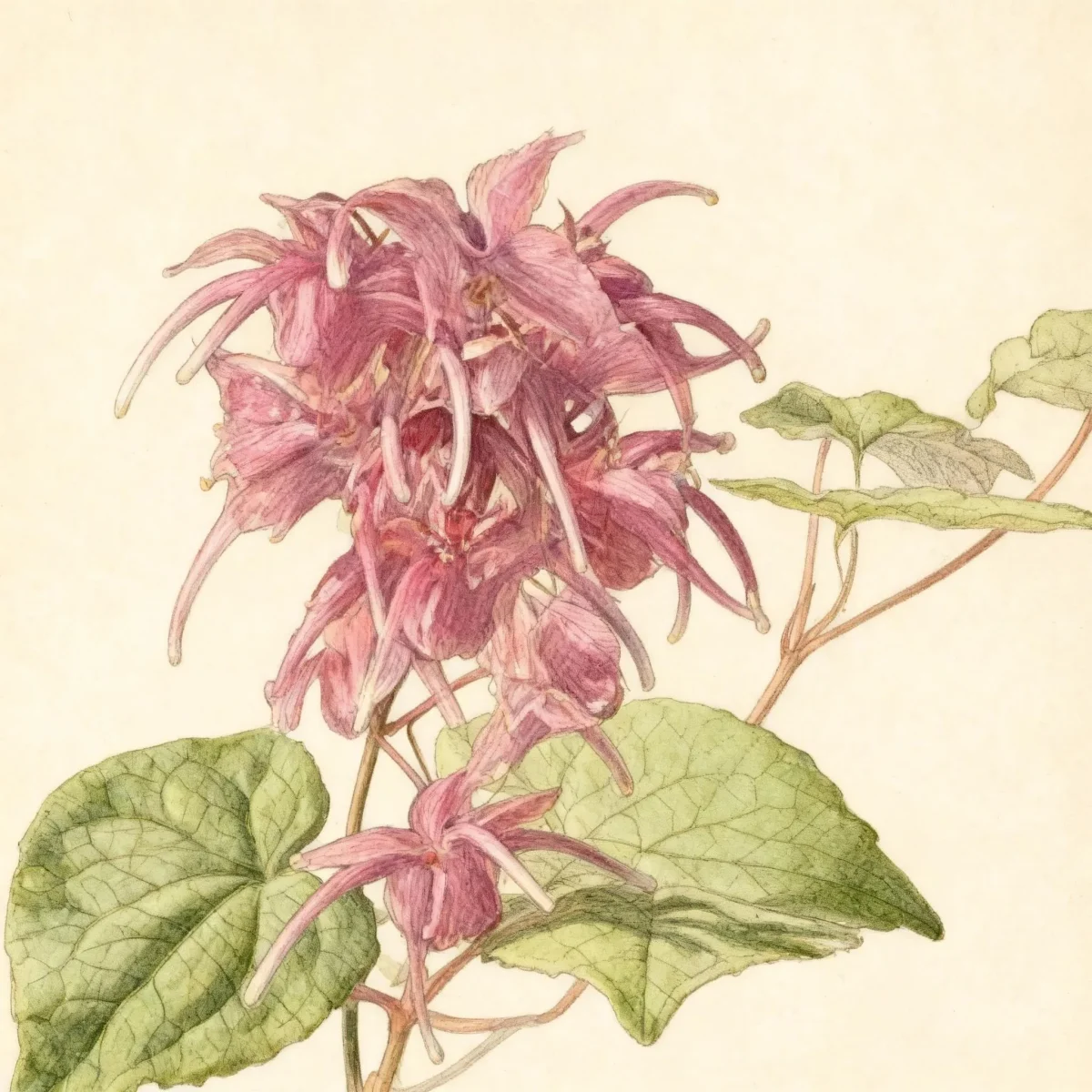
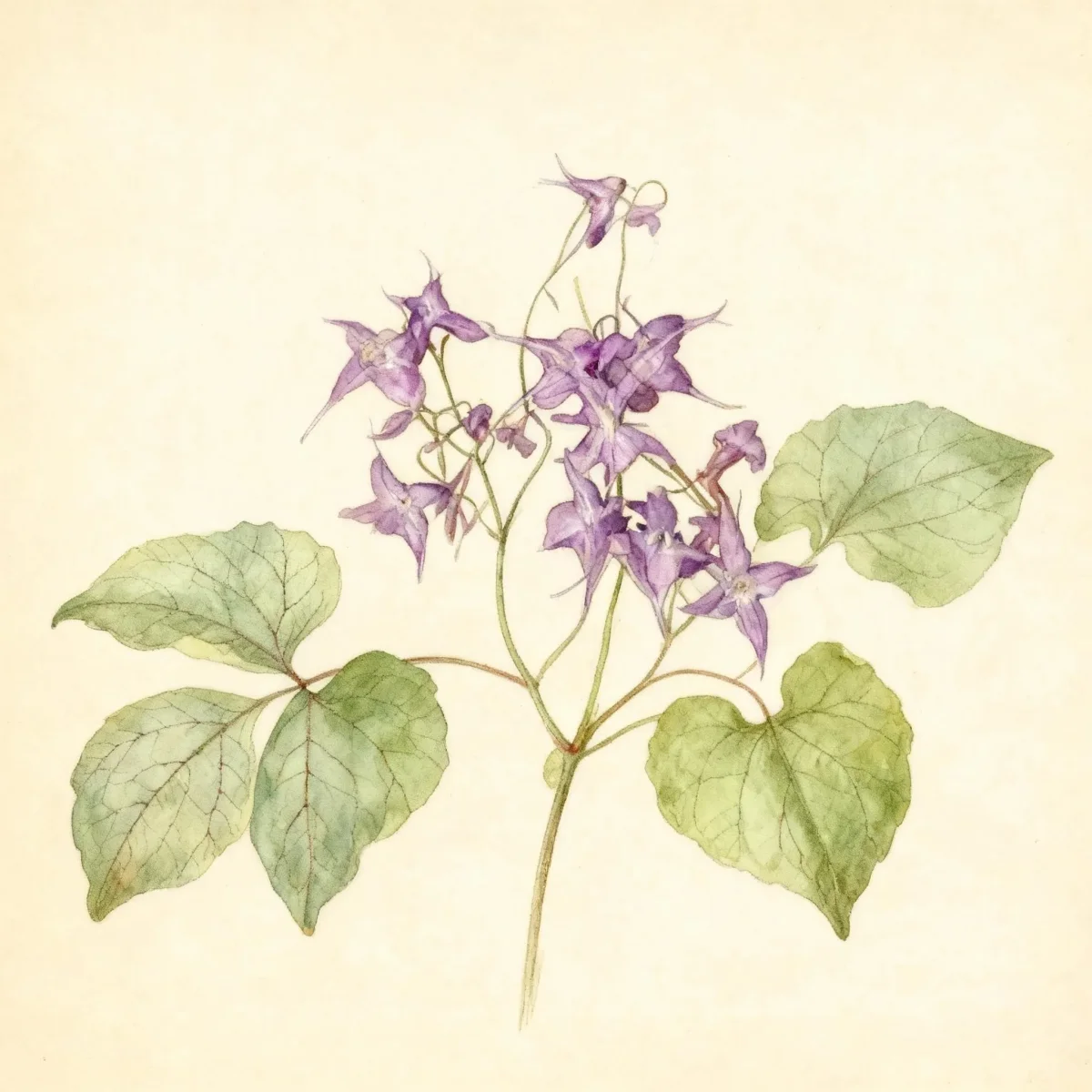
Epimedium grandiflorum ‘Lilafee’ is a highly valued herbaceous perennial, cherished for its resilience and delicate spring blooms, making it a staple in challenging garden locations. Commonly known as Bishop’s hat, this cultivar produces masses of attractive spidery, lavender-violet flowers just as the garden awakens. Its rhizomatous growth provides slow but steady coverage, creating attractive, low-maintenance mounds of greenery throughout the growing season.
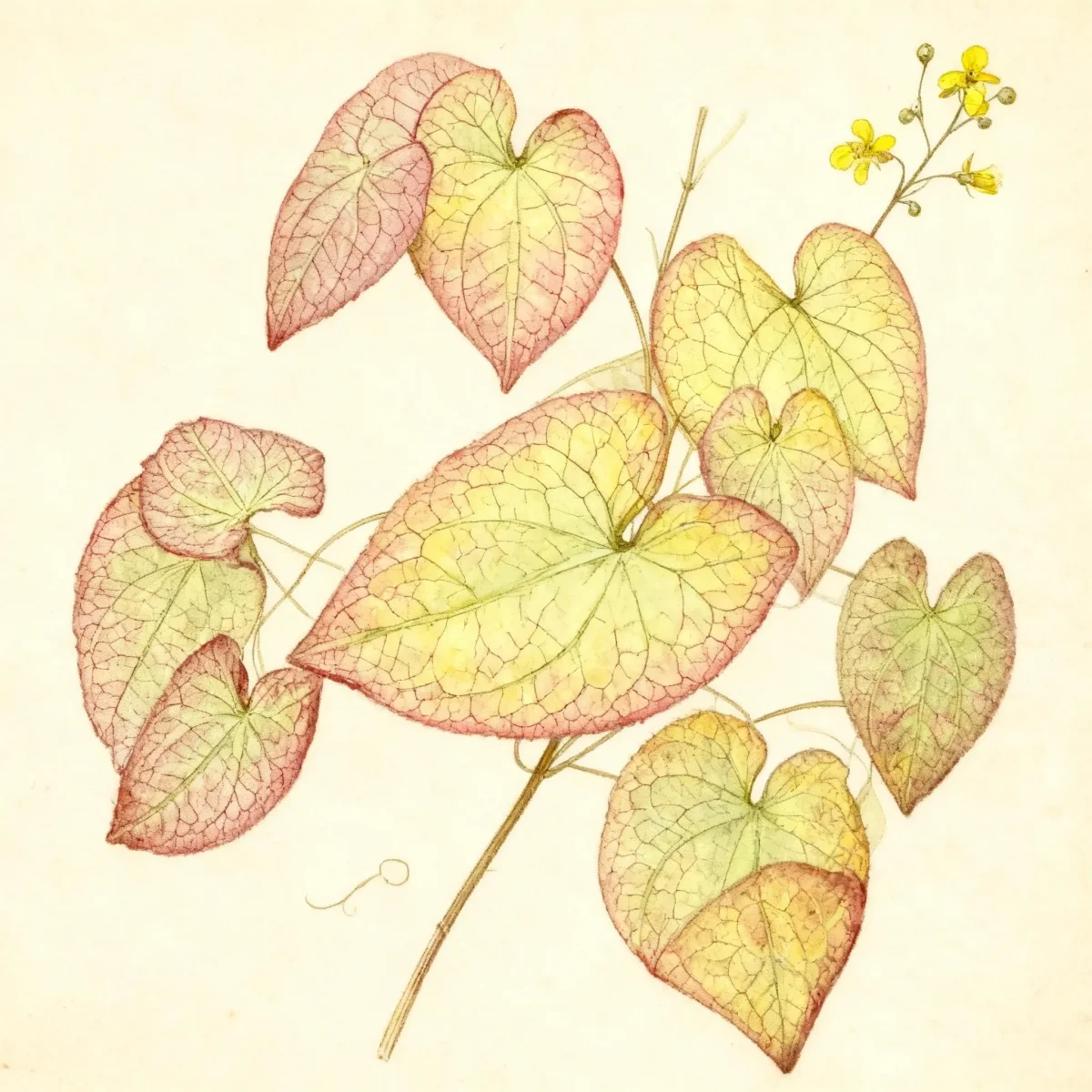
This variety is remarkably tolerant of difficult environments, thriving where many other plants fail, particularly in dry shade once established. The compound foliage provides season-long structure, transitioning color from bronze tinges in spring to deep green, and often finishing with red highlights in autumn. Planting Epimedium grandiflorum ‘Lilafee’ ensures year after year of attractive texture with minimal intervention required by the gardener.
For gardeners seeking reliable coverage under mature trees or along dry slopes, Bishop’s hat offers long-term solutions. Its tough nature, coupled with its refined appearance in bloom, confirms its status as a premier shade perennial. Consider Epimedium grandiflorum ‘Lilafee’ to solve persistent bare spots in the garden relying on its unique combination of beauty and durability.
Fast Facts
- Plant Family: Berberidaceae
- Plant Type: Herbaceous perennial
- Hardiness Zones: USDA Zones 5-8
- Size at Maturity:
- Height: 1-1.5 ft
- Spread: 0.75-1.5 ft
- Bloom Time: May
- Bloom Description: Lavender, violet
- Sun Exposure: Part shade to full shade
- Water Needs: Dry to medium
- Maintenance Level: Low
How to Grow
The best time to establish Epimedium grandiflorum ‘Lilafee’ is during spring or fall when moisture levels support root establishment. Aim for locations receiving part shade to full shade; while it tolerates heavy shade, morning sun or dappled light is ideal for robust growth. This perennial prefers average, acidic, well-drained soils. Although it accepts many conditions, it is intolerant of alkaline soils, so amend heavy clay or limy sites as necessary with organic matter to ensure a loose texture.
Once established, this Bishop’s hat variety exhibits notable drought tolerance due to its rhizomes, which help conserve moisture. While establishing, aim for medium moisture, but established plants require infrequent deep watering, thriving even in dry shade conditions. Fertilization is rarely necessary; rich, organically amended soil is usually sufficient. Avoid over-fertilizing, which can encourage soft, floppy growth susceptible to sun scorch.
Pruning is simple but beneficial. In late winter, before new foliage emerges, cut back any lingering, tattered foliage that did not drop during winter. This practice clears the way for the spring bloom and allows the fresh new growth to shine. Propagation of Epimedium grandiflorum ‘Lilafee’ is easily achieved by division of the slow-spreading clumps in early spring or fall.
Landscape Uses
Epimedium grandiflorum ‘Lilafee’ excels as a ground cover, rapidly forming dense mats that suppress unwanted weeds beneath its foliage. It is perfectly suited for massing in woodland gardens or naturalizing areas where its growth habit can soften hard transitions. Use this Bishop’s hat variety to edge paths or walkways, providing clean, reliable definition along borders.
Its tolerance for deep shade makes it an indispensable companion for larger, established trees where root competition often denies moisture and light to other perennials. For rock gardens or border fronts in shaded exposures, the upright flower stems add necessary vertical texture above the leafy mounds. The slow, steady spread of Epimedium grandiflorum ‘Lilafee’ ensures that it remains well-behaved, never becoming aggressive.
Standout Features
Flower Qualities
- Showy
Noteworthy Characteristics
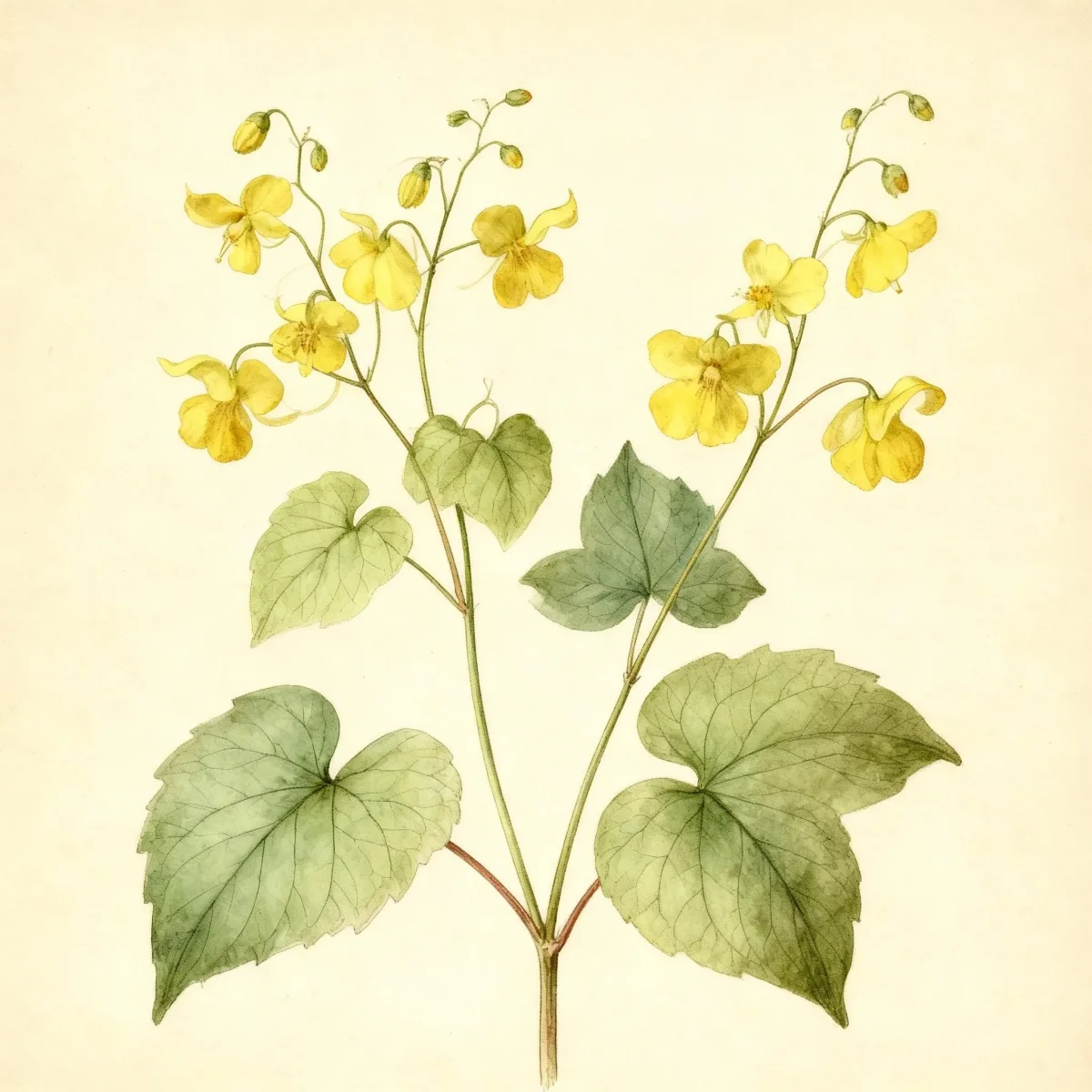
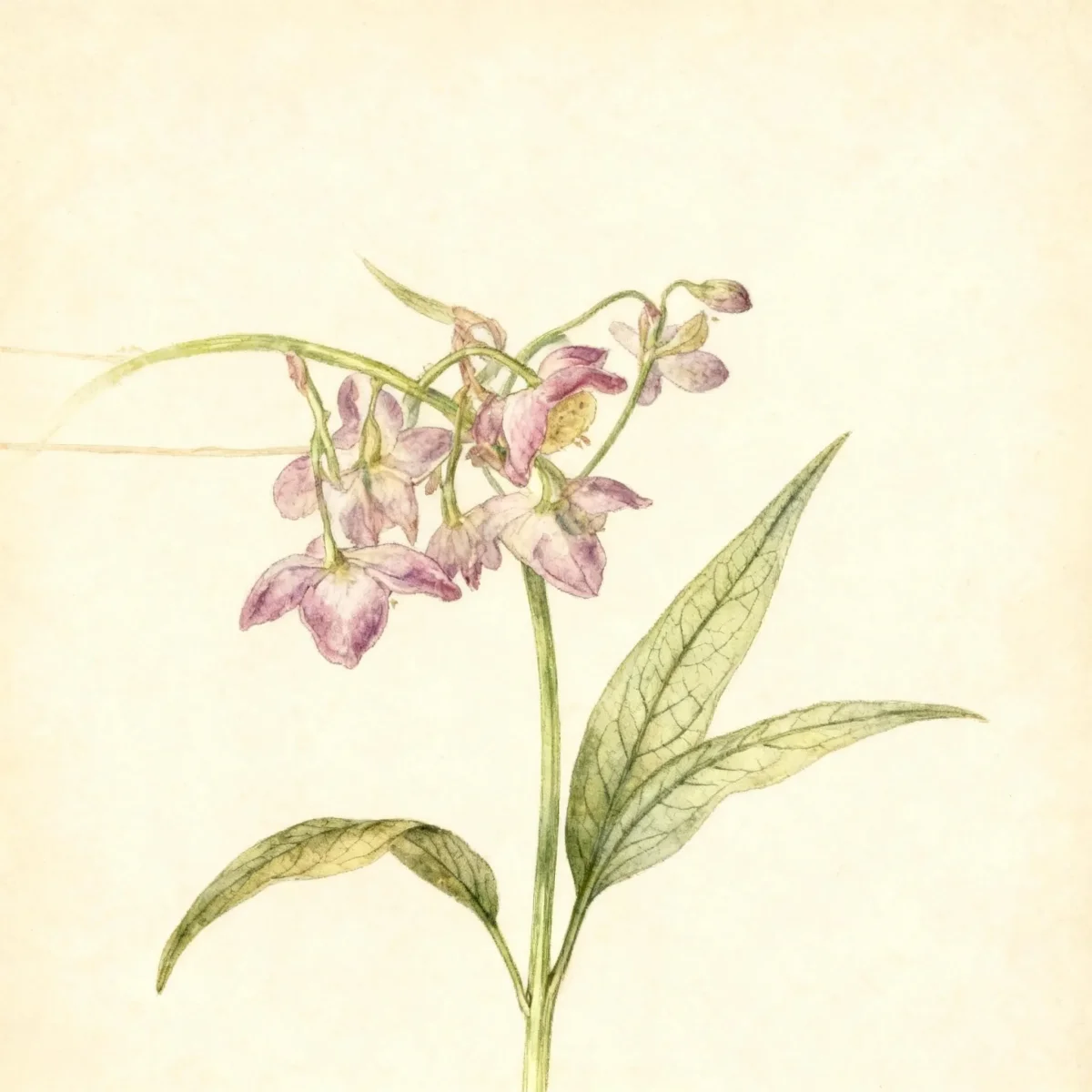
Epimedium grandiflorum is a dense, rhizomatous, clump-forming, usually deciduous perennial that typically grows 10-15” tall with a spread to 18-20”. Spidery flowers with long reflexed spurs bloom in tight racemes above the foliage in spring atop flowering stems bearing compound leaves. Compound, medium green leaves form attractive foliage mounds, and the specific cultivar ‘Lilafee’ produces racemes of long-spurred, lavender-violet flowers in spring. New leaves emerge with a beige to bronze cast but quickly mature to medium green, with some seasonal color shifts adding interest.
Tolerances
- Rabbit
- Deer
- Drought
- Heavy Shade
- Erosion
- Dry Soil
- Shallow-Rocky Soil
Potential Problems
This genus is generally robust and rarely suffers from serious insect or disease issues in well-drained conditions. The primary concern when growing Epimedium grandiflorum ‘Lilafee’ is Mosaic Virus, which is transmitted by aphids; ensure plant stock is clean upon introduction. The best defense against aphid-borne issues is maintaining plant health and promptly removing any heavily infested foliage. Foliage burn is a cultural issue, not a disease, usually occurring if established plants receive too much intense afternoon sun unprotected by adequate moisture.
Frequently Asked Questions
What hardiness zones is Bishop’s hat suitable for?
Epimedium grandiflorum ‘Lilafee’, or Bishop’s hat, is hardy and reliably grown in USDA Zones 5 through 8.
How large does Epimedium grandiflorum ‘Lilafee’ grow?
This perennial typically reaches a height between 1 and 1.5 feet tall, spreading slowly to occupy areas between 0.75 and 1.5 feet wide.
When does Bishop’s hat bloom?
The characteristic lavender-violet flowers of Epimedium grandiflorum ‘Lilafee’ usually appear in the month of May each spring.
What sun exposure does Epimedium grandiflorum ‘Lilafee’ need?
This shade lover performs best in part shade to full shade conditions; exposure to hot, direct afternoon sun should be avoided to prevent foliage scorch.
Conclusion
For structural coverage in dry or shady parts of the landscape, Epimedium grandiflorum ‘Lilafee’ remains an outstanding choice due to its low maintenance and drought resistance. The delicate spring display of this Bishop’s hat cultivar is a significant bonus to its reliable, handsome foliage. Before planting, confirm your site receives adequate shade and ensure the soil drains well for optimal success with your new perennial colonies.
Companion Planting for Shade Gardens
When designing a vignette around your Epimedium grandiflorum ‘Lilafee’, consider companions that demand similar light and moisture requirements. Hostas (Hosta spp.) provide bold, contrasting leaf textures, especially when placed slightly uphill where their moisture needs are met more consistently. Ferns, such as Japanese Painted Fern or Autumn Fern (Dryopteris erythrosora), pair beautifully with the fine texture of the Bishop’s hat, enhancing the woodland aesthetic. Consider low-growing spring bulbs like miniature daffodils that bloom before the Epimedium foliage fully expands, adding a layer of early color.
Seasonal Care Calendar
Early spring is crucial: cut back old, scraggly foliage just before new growth emerges to allow the flowers of Epimedium grandiflorum ‘Lilafee’ the best display. As spring transitions to summer, monitor moisture levels; newly planted colonies will need consistent water, but established plants should only need supplemental water during prolonged dry spells. In late summer or fall, divide any crowded clumps of Bishop’s hat if you wish to propagate or relocate sections of the planting. By winter preparation, the plant requires virtually no attention beyond confirming its mulch layer is sufficient in colder Zone 5 locations.