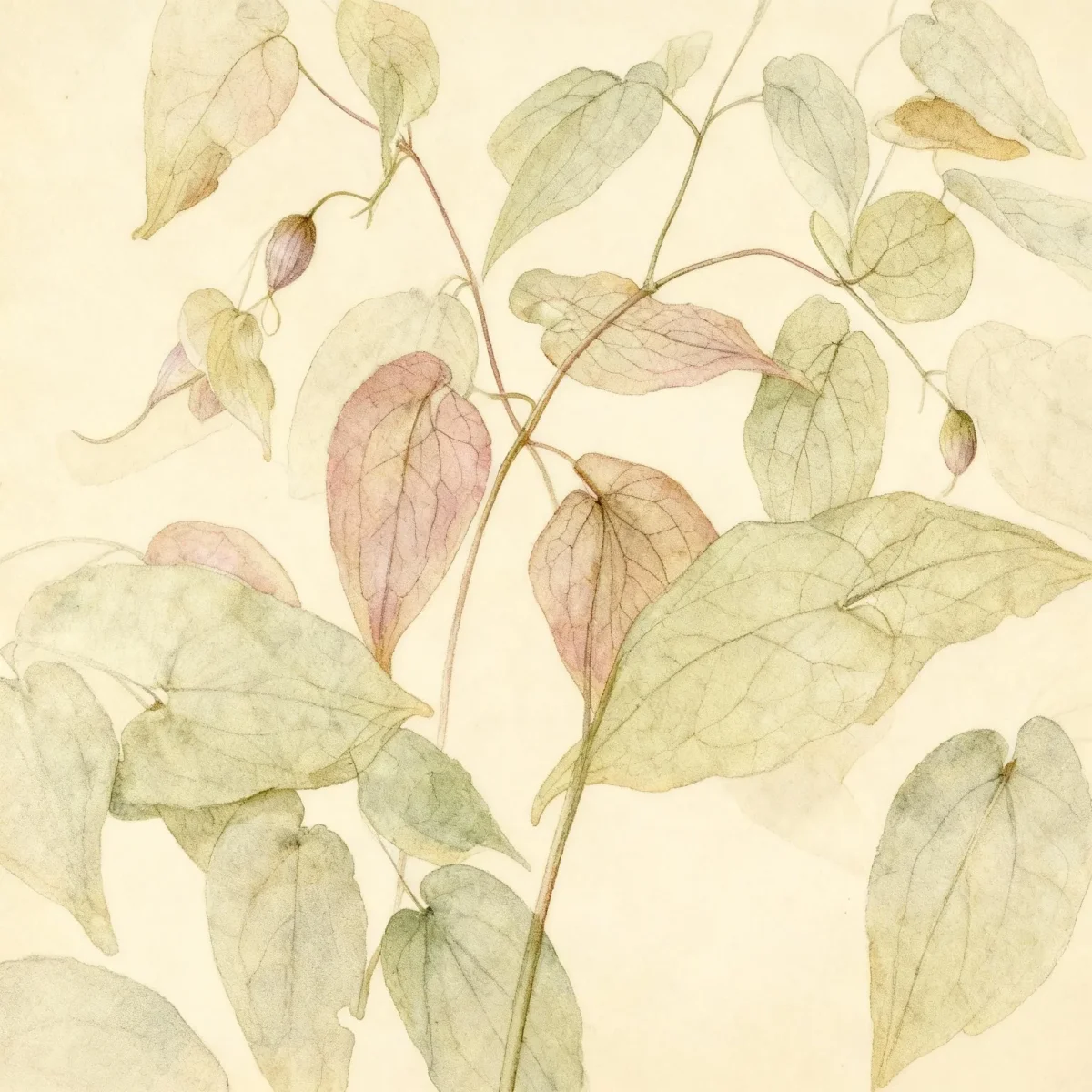
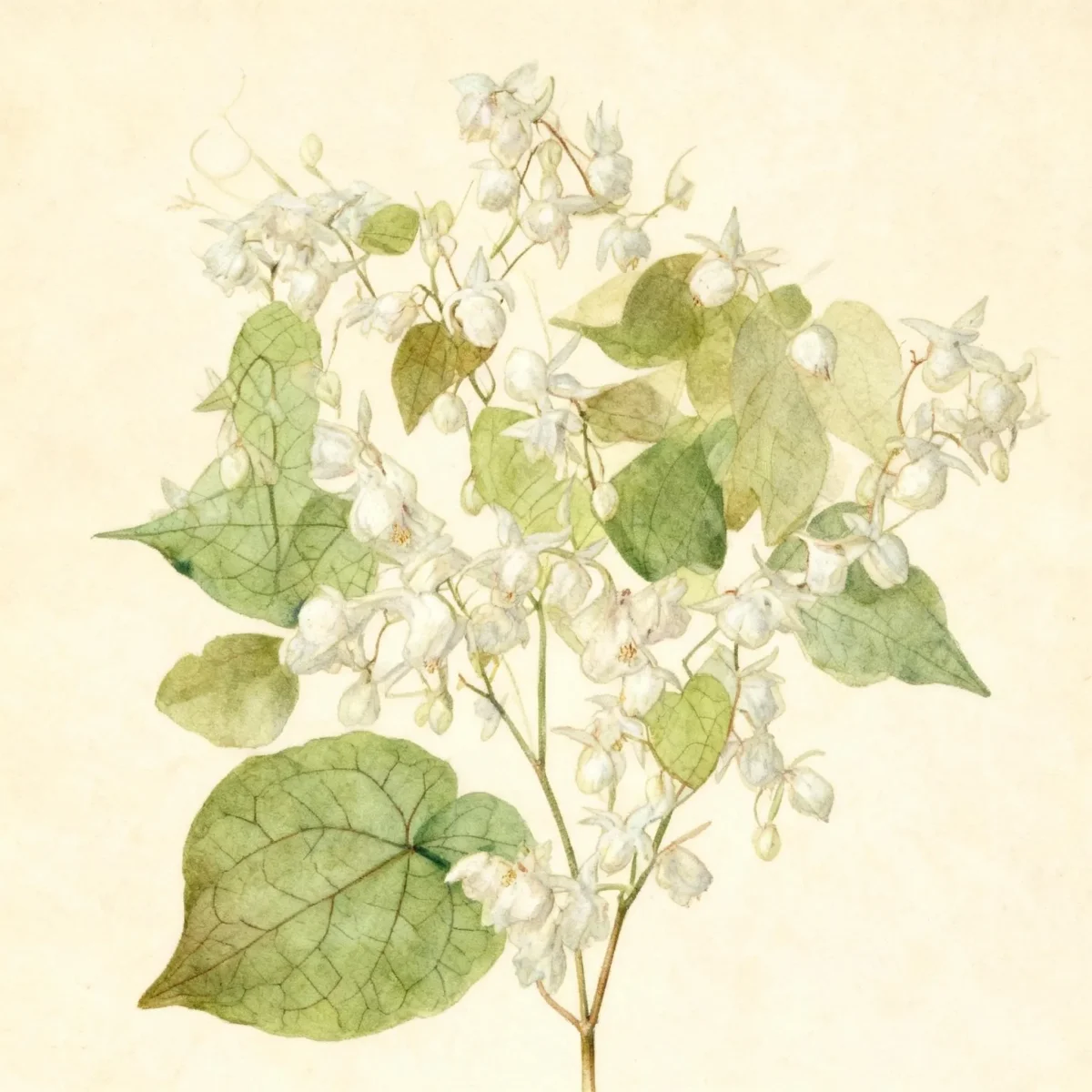
Barrenwort (Epimedium × perralchicum 'Frohnleiten')
Discover Epimedium × perralchicum 'Frohnleiten' (Barrenwort), a tough, low-maintenance perennial for heavy shade with bright yellow spring flowers.
Scroll down to discover growing tips, care requirements, companion plants, and more

Complete Plant Information
Overview
Epimedium × perralchicum ‘Frohnleiten’, commonly known as Barrenwort, is an exceptional choice for gardeners struggling to establish ground cover in deeply shaded, difficult sites. This rhizomatous perennial forms dense, attractive mounds featuring handsome foliage that often exhibits attractive bronze marbling in the shoulder seasons. Its resilience and relatively compact size make Epimedium × perralchicum ‘Frohnleiten’ a favorite for problem areas where many other plants fail.
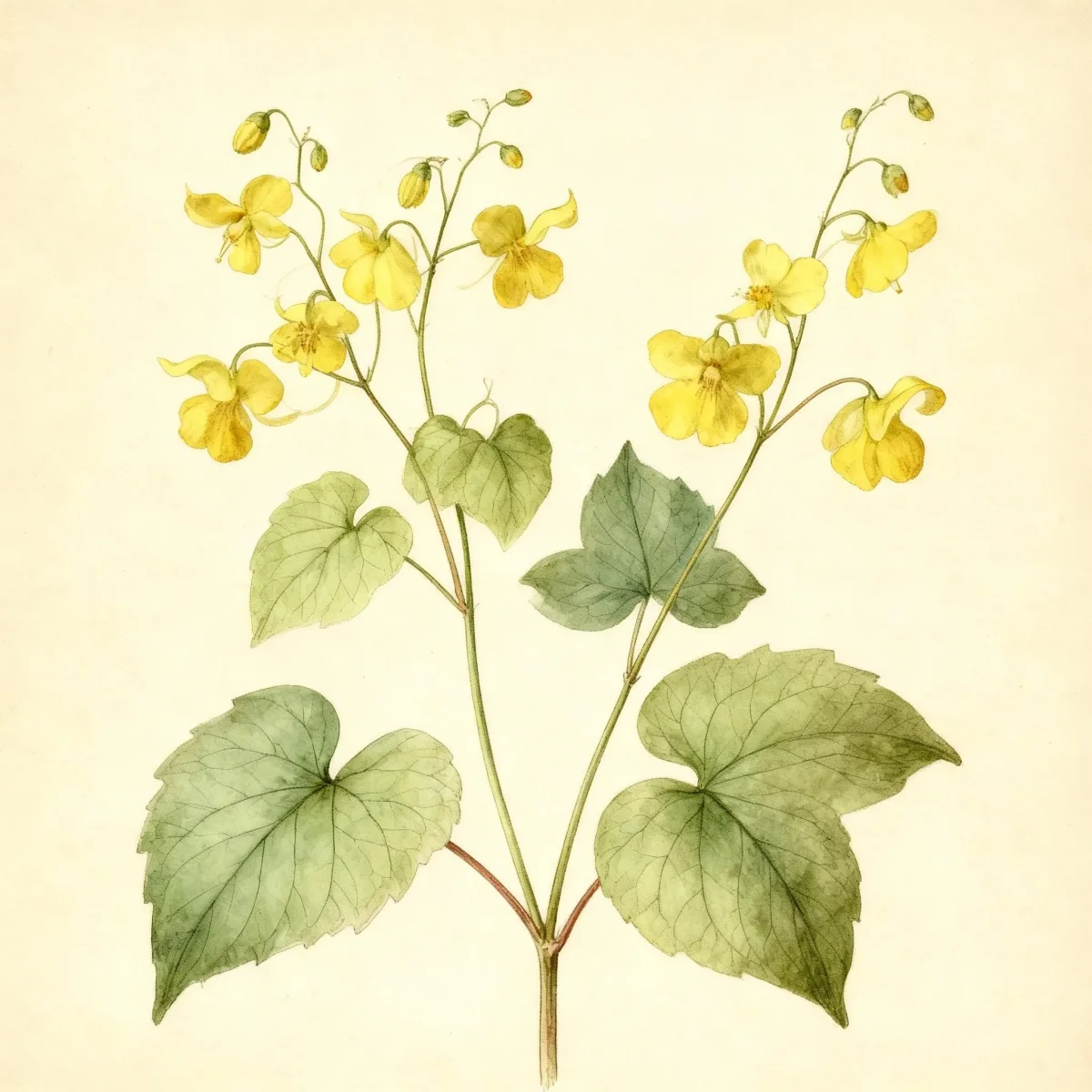
The primary ornamental feature is the delicate display of bright yellow flowers held just above the foliage mound in mid-spring, typically April through May. Unlike many shade lovers, this cultivar handles drier conditions gracefully once its root system is established, reducing long-term watering demands. Gardeners value this Barrenwort not only for its toughness but also for its evergreen to semi-evergreen habit, providing texture and color year-round.
As a low-maintenance solution, this hybrid offers long-term impact with minimal effort. Whether utilized for bank stabilization or simply softening the base of mature trees, Epimedium × perralchicum ‘Frohnleiten’ proves itself a durable anchor plant for layered woodland designs.
Fast Facts
- Plant Family: Berberidaceae
- Plant Type: Herbaceous perennial
- Hardiness Zones: USDA Zones 5-9
- Size at Maturity:
- Height: 0.5-1 ft
- Spread: 1-1.5 ft
- Bloom Time: April to May
- Bloom Description: Yellow
- Sun Exposure: Part shade to full shade
- Water Needs: Dry to medium
- Maintenance Level: Low
How to Grow
The best time to establish Barrenwort is in the fall or early spring, ensuring plants are settled before true summer heat or deep winter sets in. Epimedium × perralchicum ‘Frohnleiten’ thrives in well-drained soils that are dry to medium moist and prefers locations offering part shade to full shade, though it tolerates heavy shade well. While it performs best in loose, organically rich, humusy loam, it is notably adaptable once established.
Watering should be consistent during the first growing season to encourage deep root development. After establishment, this drought-tolerant species requires minimal supplemental water, perfectly suiting dry shade conditions often found under mature trees. Fertilization is rarely necessary; focusing instead on amending the soil yearly with compost to maintain organic structure is more beneficial.
A common practice in some regions, such as the St. Louis area, involves cutting back the previous year’s foliage in early spring. This action is performed if the leaves sustained significant damage over the winter, allowing the new bronze-marbled spring growth and flowers to emerge cleanly. For dense ground cover, space starter plants approximately 12 inches apart.
Landscape Uses
Epimedium × perralchicum ‘Frohnleiten’ excels where traditional lawn grass or perennials struggle due to lack of light and competition from tree roots. Its spreading, rhizomatous nature makes it an excellent ground cover, smoothing rough grade changes or stabilizing slopes prone to erosion. It is especially effective when massed in woodland gardens, achieving a naturalized, sweeping effect.
This Barrenwort works wonderfully as a crisp border edging along shady paths or walkways, providing a defined, structured line without becoming too tall. It is also perfectly suited for foundational plantings where light is scarce, or tucked beneath the canopy of larger trees, offering welcome color where few spring bloomers survive. Consider pairing it with ferns or Hosta cultivars that share similar moisture and shade requirements for multi-textured shade gardens.
Standout Features
Flower Qualities
- Showy
Noteworthy Characteristics
Epimedium is a genus of low-growing, rhizomatous perennial herbs recognized by their compound leaves and spikes of waxy flowers; this hybrid is a cross between E. Perralderianum and E. Pinnatum subsp. Colchicum. It forms an attractive ground cover, noted particularly for bright yellow spring flowers and attractive spiny green leaves marbled bronze in spring and fall. The cultivar ‘Frohnleiten’ is slightly more compact than the species, reaching 4-6 inches tall, and is distinguished by its brighter yellow bloom color held slightly above the foliage.
Tolerances
- Rabbit
- Deer
- Drought
- Heavy Shade
- Erosion
- Dry Soil
- Shallow-Rocky Soil
Potential Problems
This Barrenwort is celebrated for having no serious insect or disease problems under typical conditions. Gardeners should be aware, however, that mosaic virus remains a potential concern for Epimedium species and should prompt immediate removal of any visibly infected specimens to prevent spread. Generally, proper siting—avoiding wet, poorly drained soil—is the best preventative measure against most cultural issues.
Frequently Asked Questions
What hardiness zones is Barrenwort (Epimedium × perralchicum ‘Frohnleiten’) suitable for?
This robust perennial performs best in USDA Hardiness Zones 5 through 9.
How large does Barrenwort grow?
Epimedium × perralchicum ‘Frohnleiten’ typically reaches a height between 0.5 and 1 foot tall, spreading out to cover an area of 1 to 1.5 feet wide.
When does Barrenwort bloom?
The clusters of bright yellow flowers appear reliably in the spring, usually between April and May.
What sun exposure does Barrenwort need?
This plant is highly adaptable to shade conditions, thriving in part shade but tolerating deep, heavy shade exceptionally well.
Conclusion
The durability and enduring seasonal interest offered by Epimedium × perralchicum ‘Frohnleiten’ make it an essential component of challenging shady gardens. With its drought tolerance and low maintenance needs, this Barrenwort provides reliable structure and spring color. Before planting, ensure your intended spot offers protection from harsh, dehydrating winds and confirm compatibility with USDA Zones 5-9.
Companion Planting
When designing beds featuring Epimedium × perralchicum ‘Frohnleiten’, select neighbors that share its preference for part to full shade and well-drained soil, although they should tolerate slightly more moisture if necessary. Good companions include various native woodland ferns, which offer contrasting feathery textures to the broad, heart-shaped leaflets of the Barrenwort. Columbine (Aquilegia) or woodland Phlox varieties can provide taller, complementary spring blooms juxtaposed against the low mounds of this tough perennial.
Seasonal Care Calendar
Spring is the active period for Epimedium × perralchicum ‘Frohnleiten’; inspect growth for winter damage and remove old foliage as new shoots emerge to showcase the bright blooms and fresh bronze marbling. Summer care focuses primarily on monitoring moisture levels until the plant is fully established, especially during prolonged dry spells, even though it is drought tolerant. In autumn, enjoy the return of the bronze tones in the foliage, which signals the plant preparing its evergreen structure for winter dormancy protection. Little to no intervention is required during winter, beyond ensuring adequate snow cover if you are on the colder edge of Zone 5.