Lovegrass (Eragrostis trichodes 'Bend')
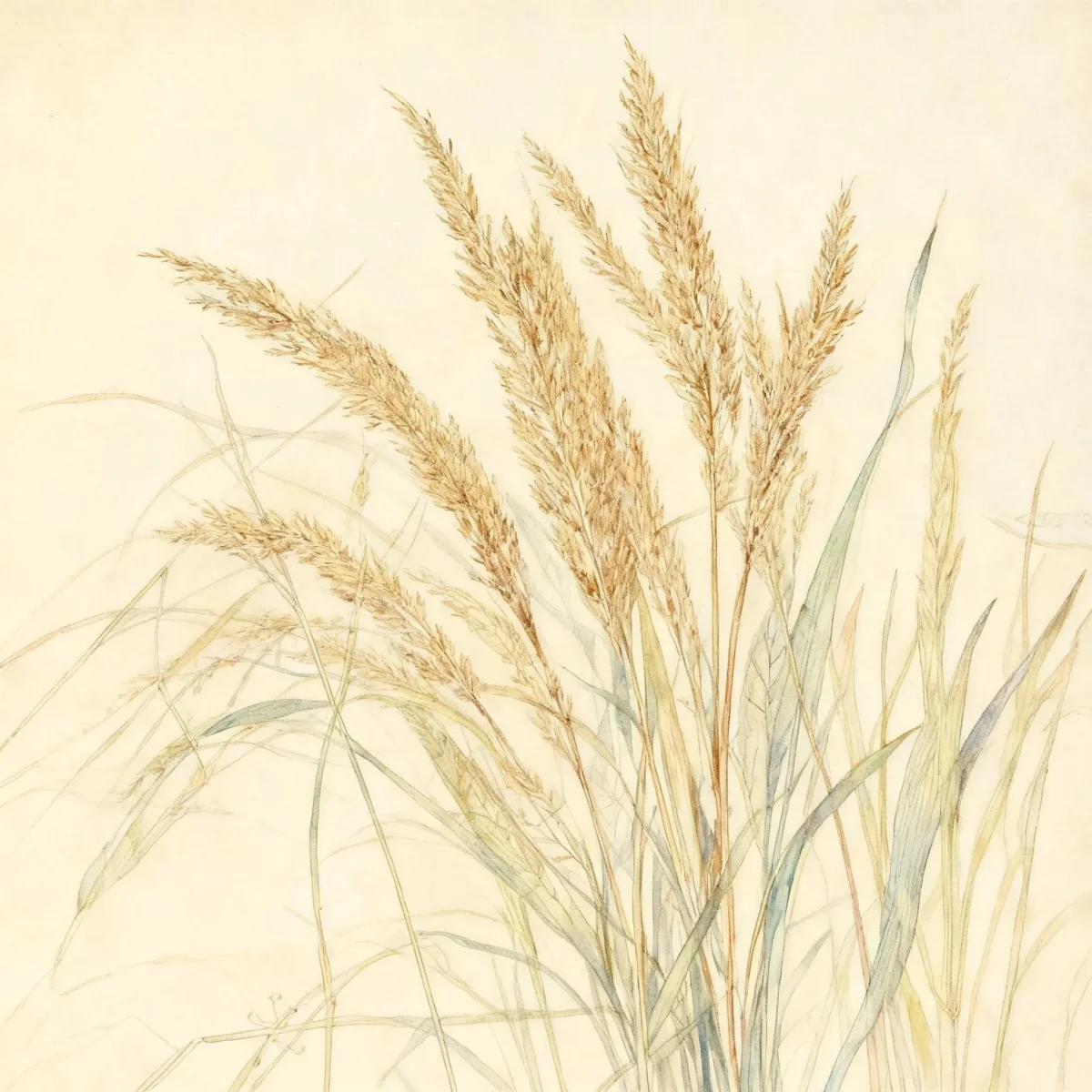
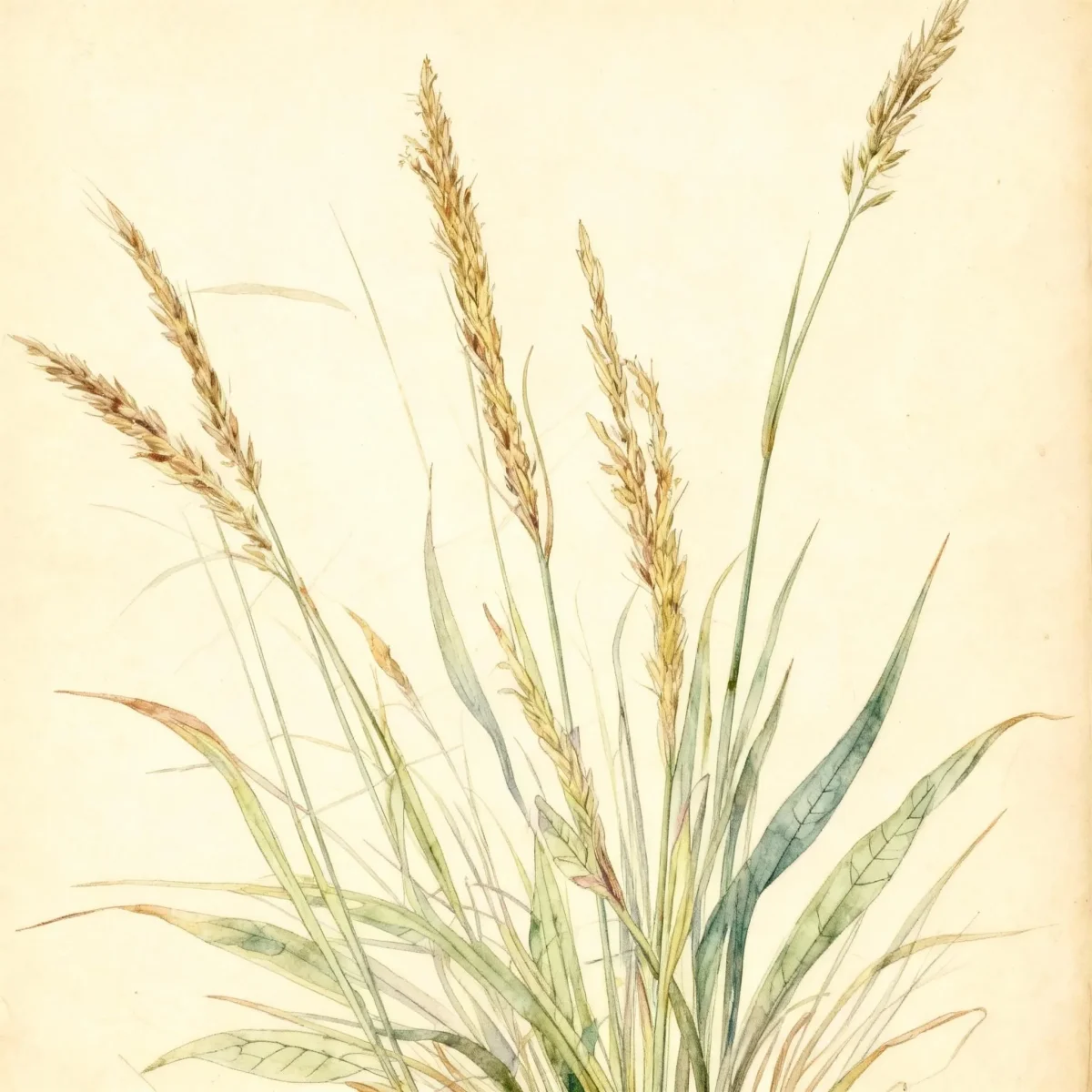
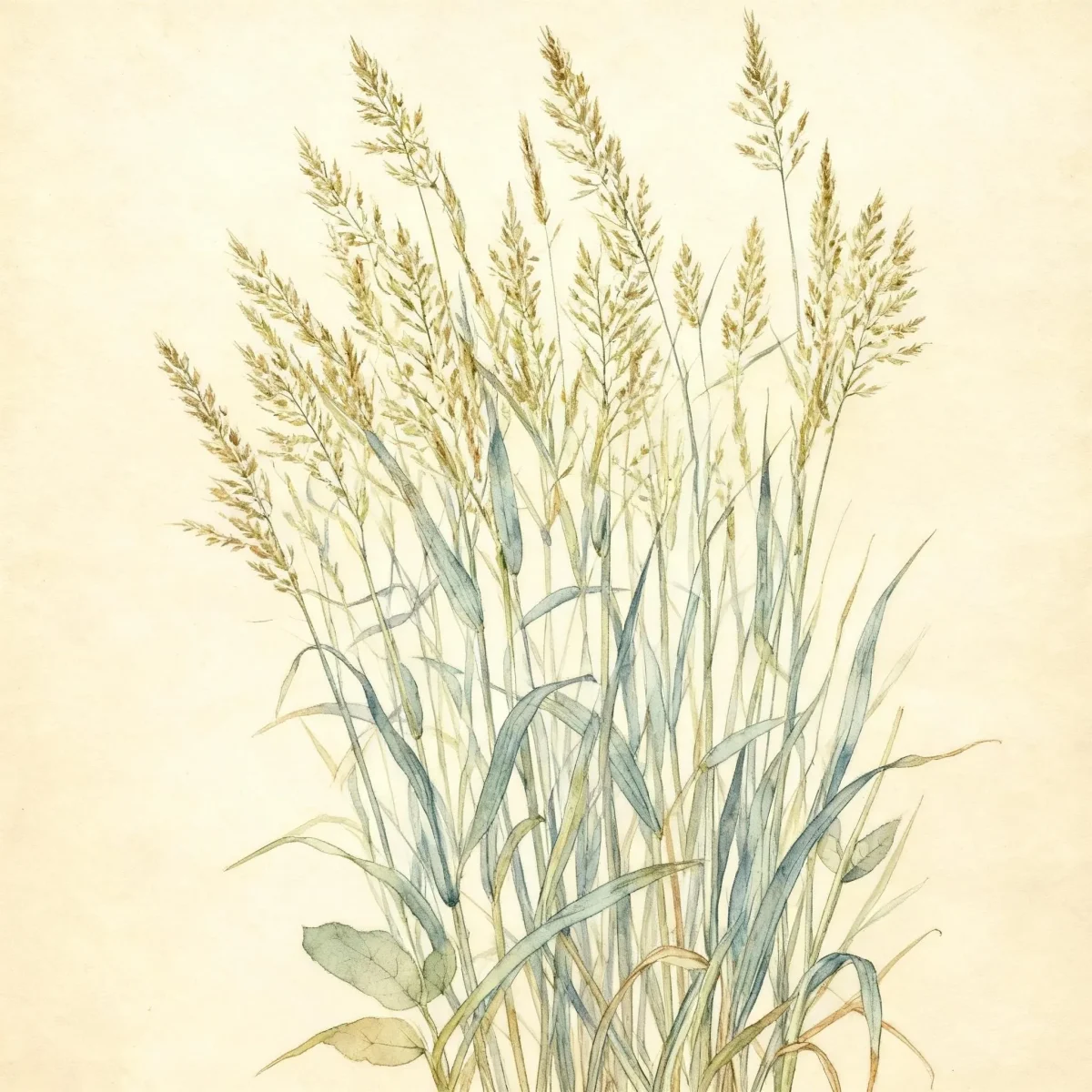
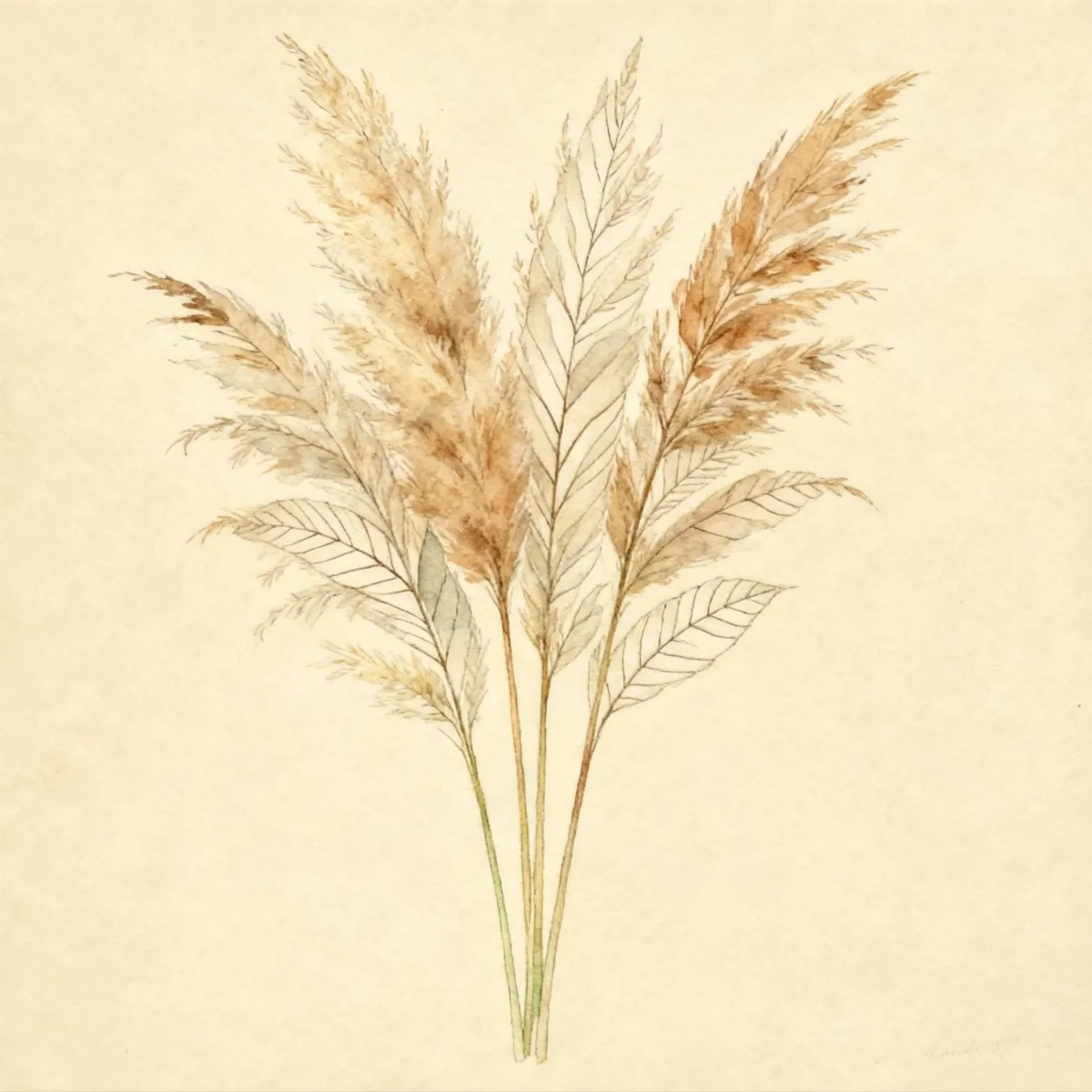
Eragrostis trichodes 'Bend' Lovegrass is a striking ornamental grass valued for its fine texture, drought tolerance, and amethyst pink summer blooms.
Scroll down to discover growing tips, care requirements, companion plants, and more
Complete Plant Information
Overview
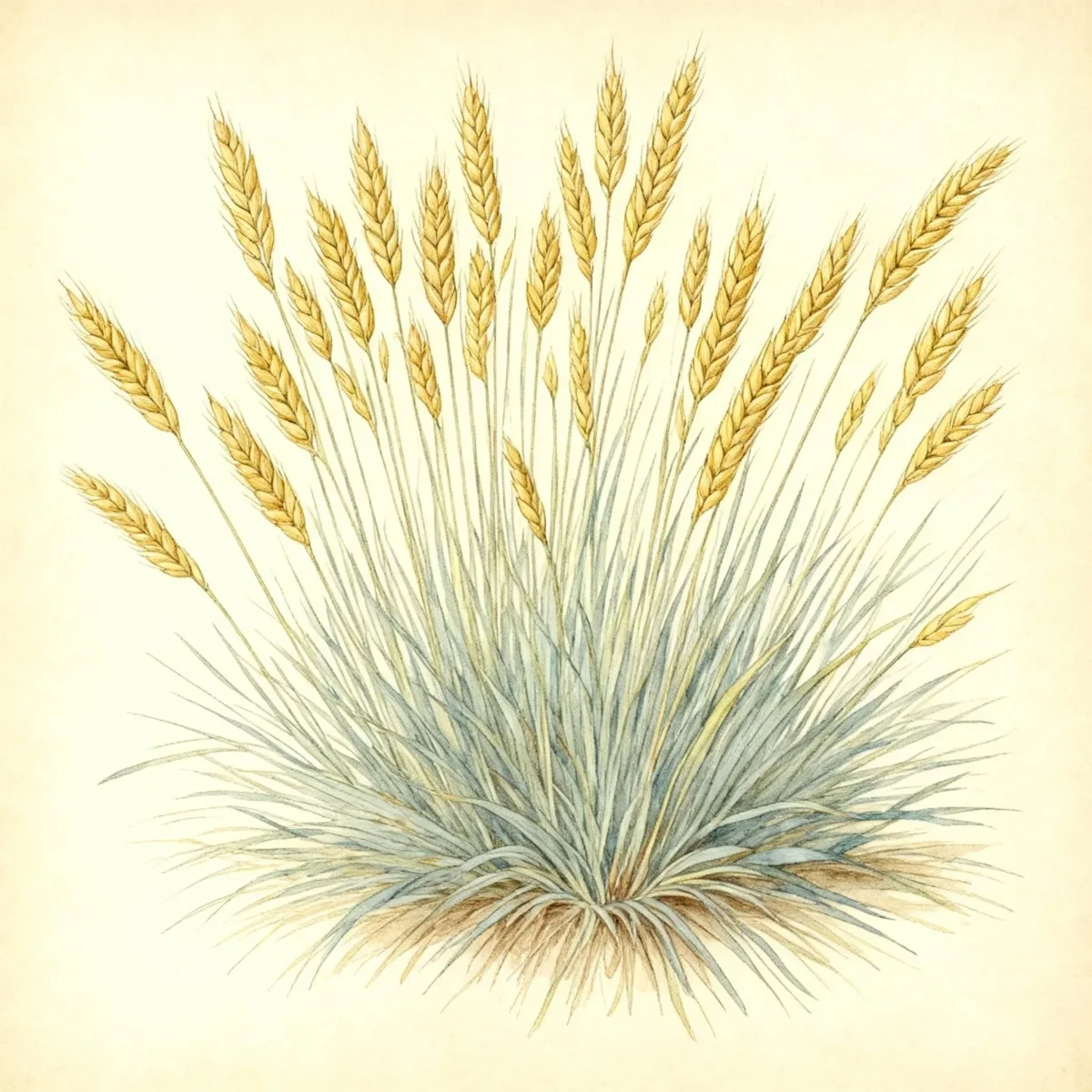
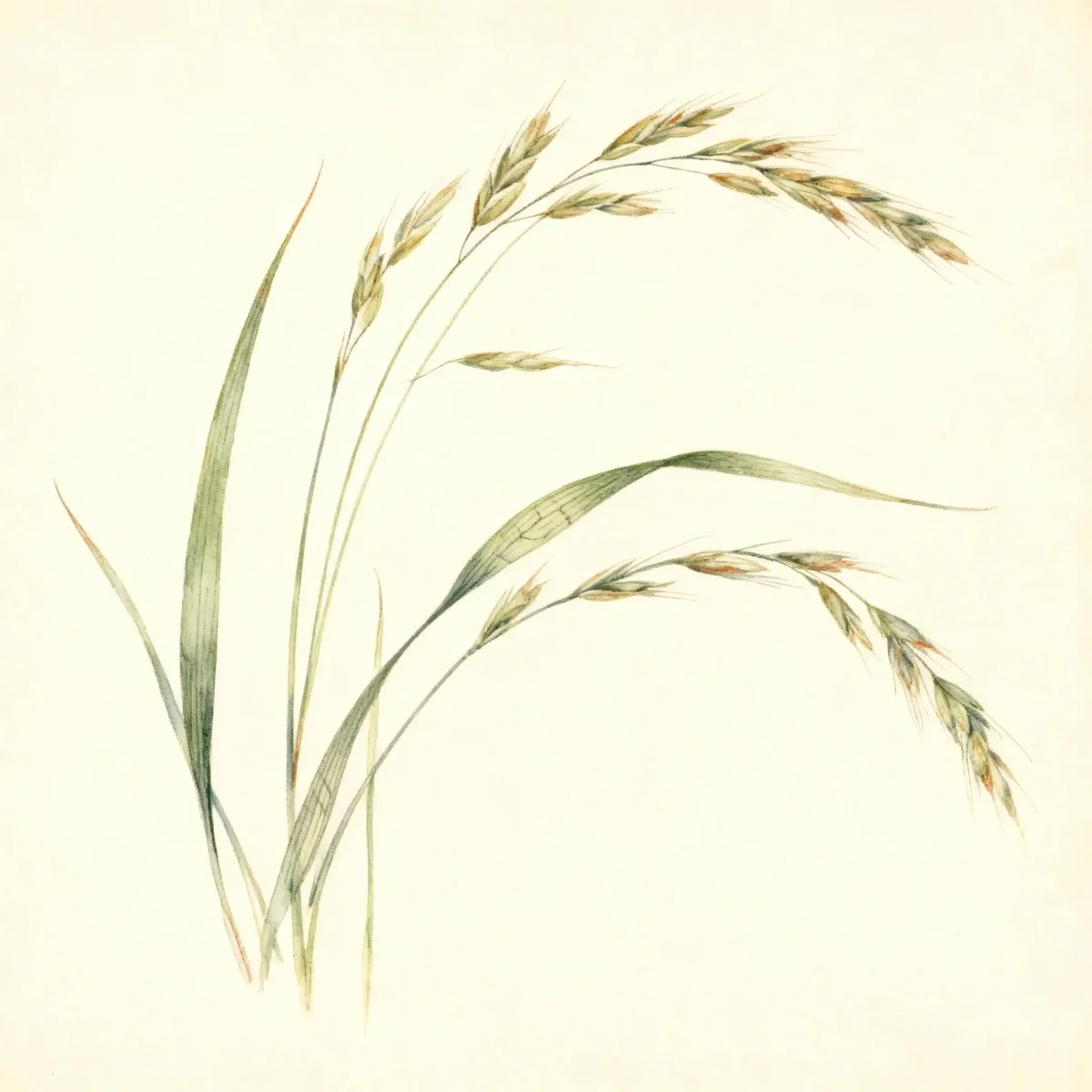
Eragrostis trichodes ‘Bend’, commonly known as Lovegrass, offers exceptional texture and dependable performance in hot, dry garden settings. This warm-season bunchgrass establishes dense tufts, rising to a manageable height perfect for mid-border plantings or naturalized spaces. Gardeners prize this cultivar for its narrow, dark green foliage that often bends sharply near the top, contributing significant winter interest when the plant turns bronze.
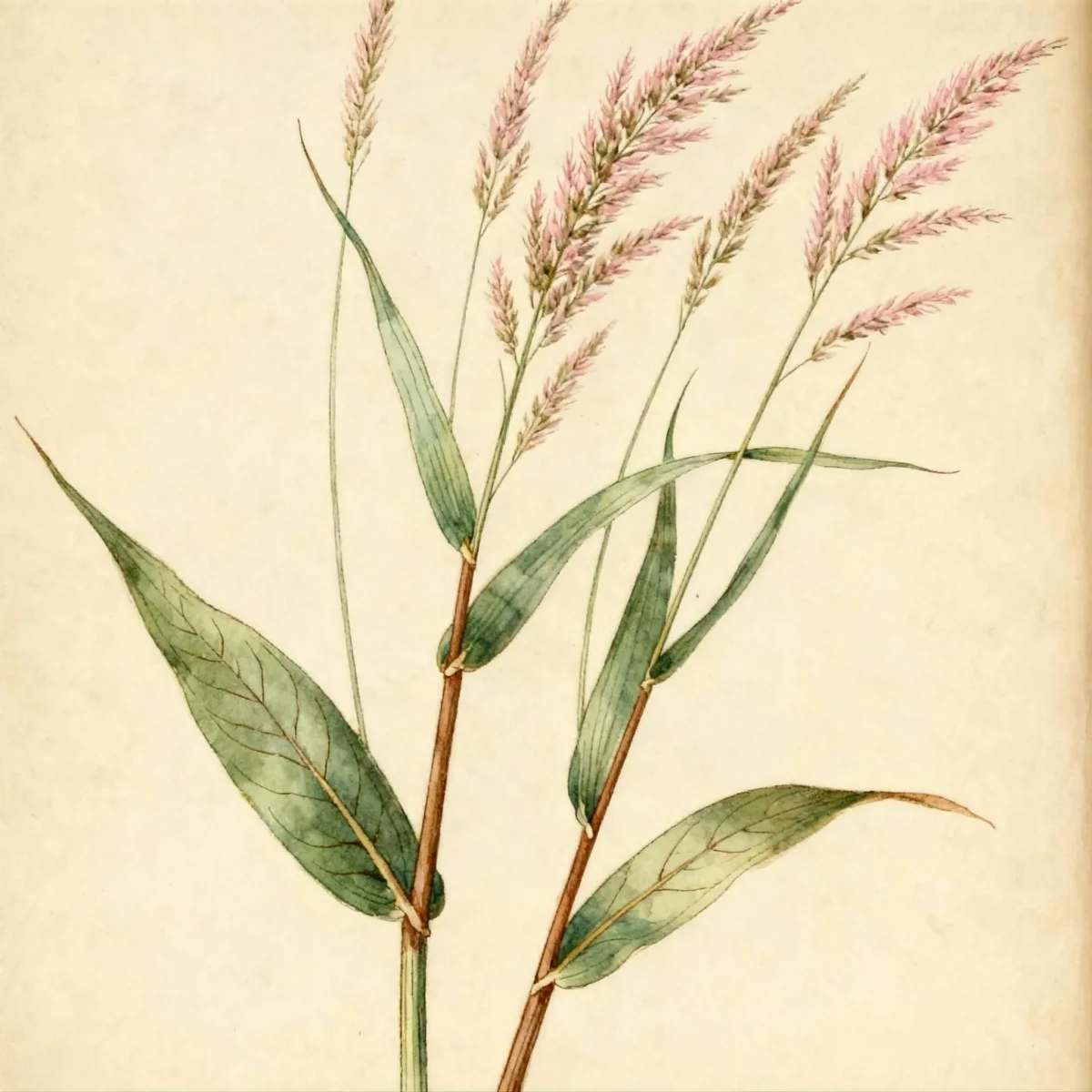
As a robust species, Lovegrass thrives where many other plants struggle, demonstrating high tolerance for drought and poor soils. Its mid-summer display features light, amethyst pink panicles, which, while slightly heavy, provide material suitable for both fresh arrangements and dried crafts. Utilizing Eragrostis trichodes ‘Bend’ successfully introduces movement and soft texture to any landscape design.
Proper placement maximizes the impact of this Lovegrass, particularly in native plantings or meadows where its self-seeding nature can be appreciated. While it is generally low-maintenance once established, understanding its light and moisture needs is key to successful cultivation of Eragrostis trichodes ‘Bend’.
Fast Facts
- Plant Family: Poaceae
- Plant Type: Ornamental grass
- Hardiness Zones: USDA Zones 5-9
- Size at Maturity:
- Height: 3-4 ft
- Spread: 3-4 ft
- Bloom Time: July to August
- Bloom Description: Amethyst pink
- Sun Exposure: Full sun
- Water Needs: Dry to medium
- Maintenance Level: Medium
How to Grow
Plant Eragrostis trichodes ‘Bend’ during spring after the danger of frost has passed, ensuring it receives full sun exposure for the best growth structure and color. This ornamental grass performs excellently in average, well-drained soils, though it shows a strong preference for sandy loams, especially in particularly hot and dry locations due to its inherent drought tolerance. Excellent drainage is crucial to prevent clumping issues.
Maintenance for this Lovegrass is relatively straightforward. Water lightly to establish; once mature, supplemental watering is rarely needed, as it thrives under dry to medium moisture conditions. Fertilization is generally not required, especially if planted in native areas, as rich soil can sometimes encourage excessive flopping.
Propagation can occur via seed in the spring, or by dividing established clumps. Be aware that this Lovegrass will readily self-seed in optimal growing environments. Additionally, older stems may spread by rooting along the ground at the nodes, helping to colonize the area naturally.
Pruning involves cutting the foliage back close to the ground in late winter or early spring before new growth begins. This cleans up the winter interest provided by the bronze foliage and makes way for the new dark green blades of the Lovegrass.
Landscape Uses
The natural habit and texture of Eragrostis trichodes ‘Bend’ make it ideal for sweeping mass plantings within native plant areas or informal meadow settings where it can be allowed to naturalize. It contrasts beautifully against coarser or broader-leafed perennials, adding fine linear elements to the garden tapestry. Consider planting groupings of this Lovegrass as textural specimens to anchor sunny, dry corners of the yard.
When used in structured gardens, plant Eragrostis trichodes ‘Bend’ in groups of three or five to create visual drifts that look dynamic when swaying in the breeze. Its tough nature also makes it suitable near dry pathways or slopes where erosion control is beneficial, thanks to its robust root system. The fine texture softens the edges of hardscaping elements effectively.
Standout Features
Flower Qualities
- Showy
- Good Cut
- Good Dried
Noteworthy Characteristics
Eragrostis trichodes, commonly called sand love grass, is a warm season bunchgrass native from Ohio to Nebraska and south to Louisiana and Texas. It is densely tufted and typically rises to 2-4’ tall on generally weak stems. ‘Bend’ features narrow, dark green leaves (1/4” wide to 25” long) which rise in tufts and bend sharply at the top. The panicles are heavy and may collapse the plant from their weight unless the plant is supported with stakes or a circular fence. Mature plants turn bronze in fall, offering continued interest into winter.
Tolerances
- Drought
- Erosion
- Dry Soil
- Black Walnut
- Air Pollution
Potential Problems
Eragrostis trichodes ‘Bend’ typically avoids serious insect or disease issues, marking it as a resilient choice. The main aesthetic consideration for this Lovegrass relates to its mature structure. Mature clumps sometimes tend to sprawl or droop, especially if the flower panicles become heavy or if the plant receives slightly too much moisture or shade. To prevent flopping, ensure planting location offers full sun and well-drained soil, and consider providing minimal support early in the season if heavy bloom set is anticipated.
Frequently Asked Questions
What hardiness zones is Eragrostis trichodes ‘Bend’ suitable for?
This Lovegrass variety is suitable for USDA Hardiness Zones 5 through 9.
How large does Lovegrass grow?
Eragrostis trichodes ‘Bend’ typically reaches a mature height between 3 to 4 feet tall, with a corresponding spread of 3 to 4 feet wide.
When does Lovegrass bloom?
This ornamental grass produces its amethyst pink blooms during the summer months, specifically from July to August.
What sun exposure does Lovegrass need?
This plant requires full sun exposure to develop its best color and strongest structure.
Conclusion
Eragrostis trichodes ‘Bend’ is a visually appealing and exceptionally low-maintenance ornamental grass, highly valued for its drought resistance and fine texture throughout all seasons. Incorporating this Lovegrass into dry, sunny spots will reward you with lasting seasonal interest, from purple blooms to bronze winter structure. Always ensure your planting site offers excellent drainage and full sun to best support your new Eragrostis trichodes ‘Bend’.
Companion Planting
When selecting neighbors for Eragrostis trichodes ‘Bend’, focus on plants that share its love for poor, well-drained soil and full sun exposure. Pair this Lovegrass with other drought-tolerant natives such as Sedum species, purple Coneflowers (Echinacea), or Yucca to create a dynamic tapestry of contrasting textures that require minimal supplemental water. Avoid plants that demand consistently moist or rich soils, as differences in watering schedules will stress one component or the other.
For a meadow aesthetic, allow other tough, spreading grasses and wildflowers to intermingle with the Lovegrass. This technique embraces the natural tendency of Eragrostis trichodes ‘Bend’ to self-seed, creating drifts of movement that look intentional rather than sparse. Native grasses often thrive when competing slightly, which encourages the development of strong, deep root systems.
Propagation Tips
While you can purchase nursery stock, propagating Eragrostis trichodes ‘Bend’ by seed is a straightforward process for experienced gardeners. Sow seeds indoors several weeks before the last expected frost, or directly sow them outdoors once soil temperatures consistently warm in late spring. Since this is a warm-season grass, germination requires heat.
For immediate clump establishment and stability, division is the most reliable method for preserving the desirable characteristics of the ‘Bend’ cultivar. Dig up the entire clump in spring before active growth begins. Using a sharp spade or knife, divide the root mass into several smaller sections, ensuring each division has several crowns attached. Replant these divisions immediately at the same depth in their new, sunny locations.