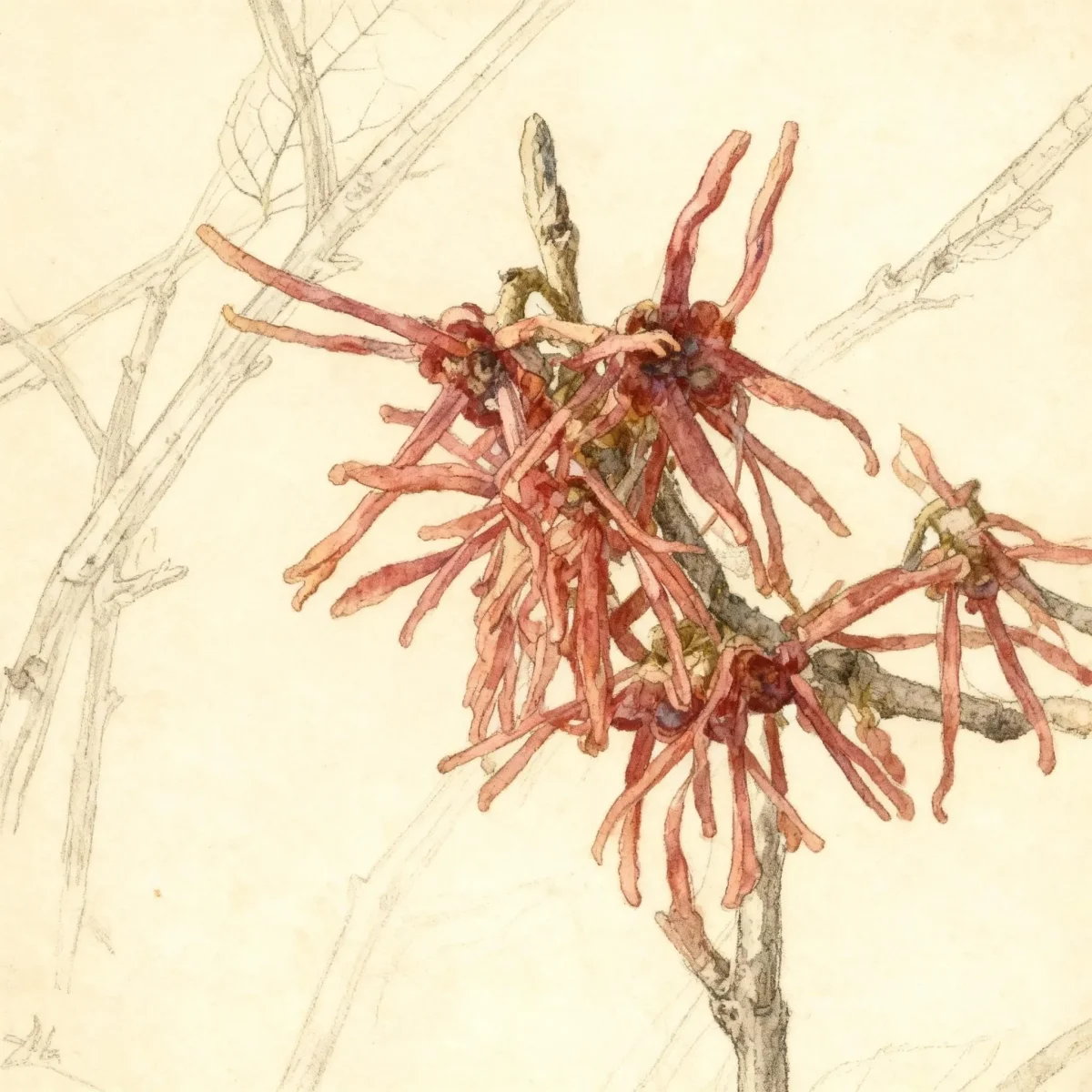
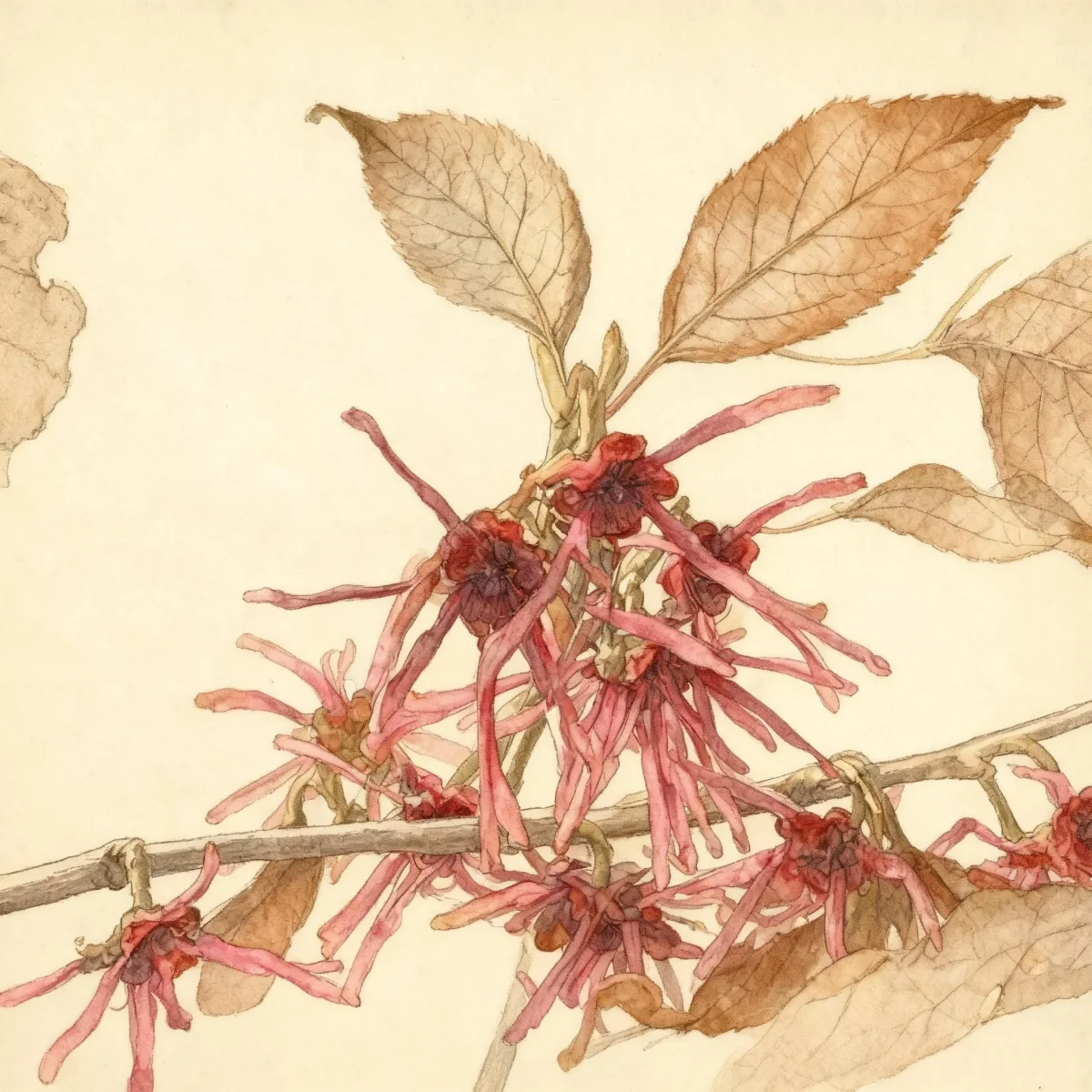
Ozark witch hazel (Hamamelis vernalis 'Sandra')
Hamamelis vernalis 'Sandra' is a low-maintenance deciduous shrub offering fragrant winter blooms and excellent deer tolerance.
Scroll down to discover growing tips, care requirements, companion plants, and more
Complete Plant Information
Overview
Hamamelis vernalis ‘Sandra’, commonly known as Ozark witch hazel, provides crucial winter interest when most other landscape plants are dormant. This cultivar offers early-season fragrance and unique texture, emerging before the leaves unfurl. Its value lies in its dependability during cold months, providing visual appeal and attracting early-season pollinators.
This deciduous shrub typically reaches heights of 6 to 10 feet with a comparable spread, developing into a dense, multi-stemmed specimen. While the ‘Sandra’ variety is noted for potential flower improvements, it remains a robust species native to the Ozark Plateau, making it naturally adapted to regional conditions when properly sited.
As a low-maintenance selection, Ozark witch hazel thrives in various settings, acting as an excellent screen or border component. Its tolerance for deer and erosion further increases its practical application in challenging garden areas, providing structure and reliable seasonal interest.
Fast Facts
- Plant Family: Hamamelidaceae
- Plant Type: Deciduous shrub
- Hardiness Zones: USDA Zones 4-8
- Size at Maturity:
- Height: 6-10 ft
- Spread: 8-12 ft
- Bloom Time: January to March
- Bloom Description: Yellow
- Sun Exposure: Full sun to part shade
- Water Needs: Medium
- Maintenance Level: Low
How to Grow
Plant Hamamelis vernalis ‘Sandra’ in the spring or fall when minimizing transplant shock is easiest. Choose a location that receives at least partial sun, as best flowering occurs in full sun. This shrub establishes well in average, medium-moisture, well-drained soils. It benefits greatly from acidic, organically rich soil conditions, so amending heavy clay with compost is beneficial.
Water consistently, especially during establishment and dry summer periods, as Hamamelis vernalis ‘Sandra’ can develop leaf scorch if subjected to summer drought stress. Fertilization is generally unnecessary if the soil is rich, but adding organic matter annually helps maintain the preferred moist environment. Be mindful of suckering; promptly remove any root suckers that emerge below the graft union to maintain the integrity of the named cultivar.
Pruning should only be done immediately after flowering ceases in the spring to control size or correct the shape. Avoid late spring or summer pruning, as this removes future flower buds, which form during the growing season. Gardeners should watch for root suckers, as this Ozark witch hazel naturally spreads by suckers to form colonies.
Landscape Uses
The superior winter blooming period makes this plant indispensable for structure during the colder landscape months. Hamamelis vernalis ‘Sandra’ functions exceptionally well in shrub borders, where its mid-winter flowers contrast beautifully with evergreen backdrops. It is also suitable for screening or creating a tall hedge due to its moderate height and spreading habit.
Consider planting Ozark witch hazel near walkways or patios where gardeners can easily appreciate the subtle fragrance of the unusual winter blooms. In woodland gardens or rain gardens, this shrub utilizes its medium water needs effectively, benefiting from consistent moisture while also providing good erosion control along slopes adjacent to water features. While the fall color is golden yellow, the primary design impact remains the January to March flowering display.
Standout Features
Flower Qualities
- Showy
- Fragrant
Noteworthy Characteristics
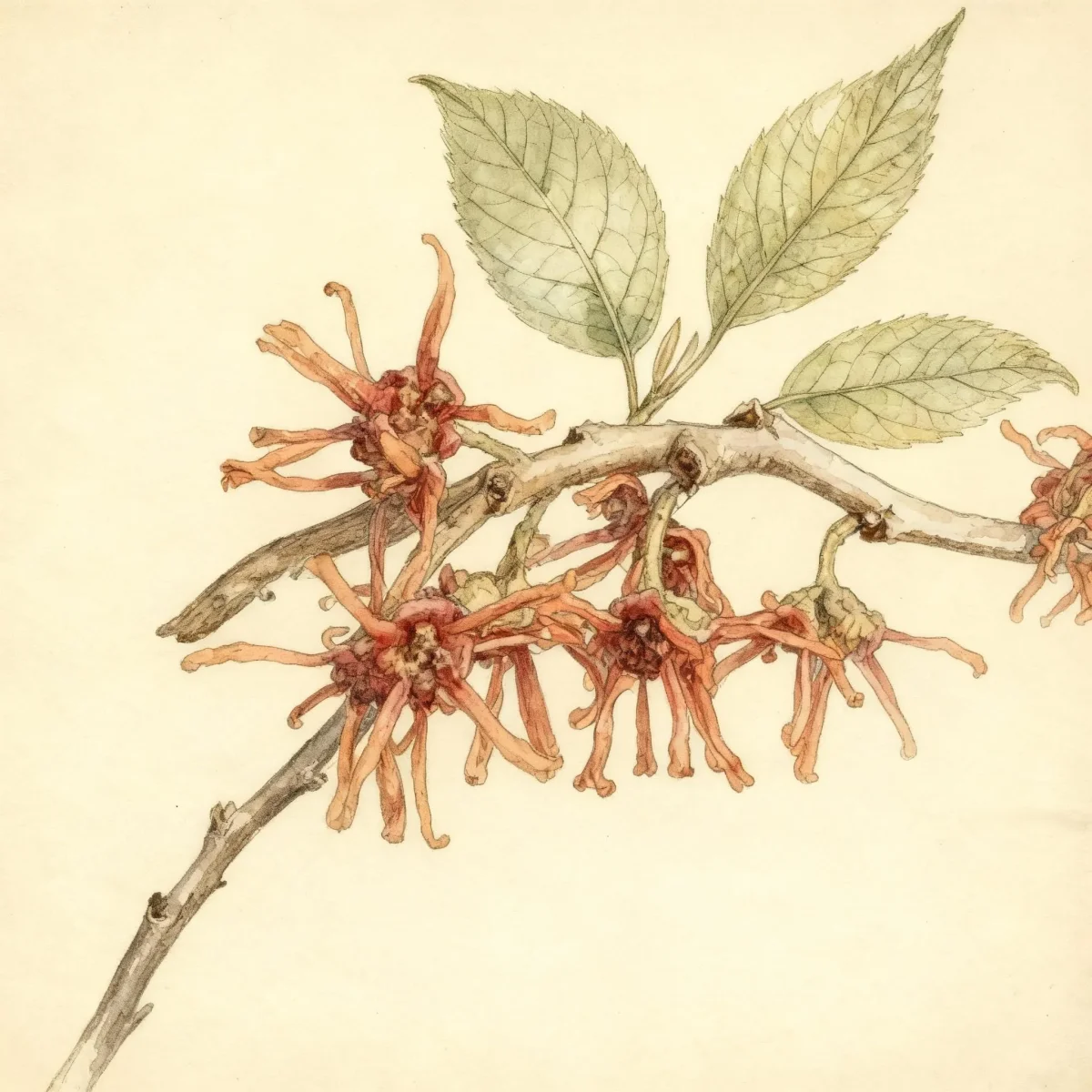
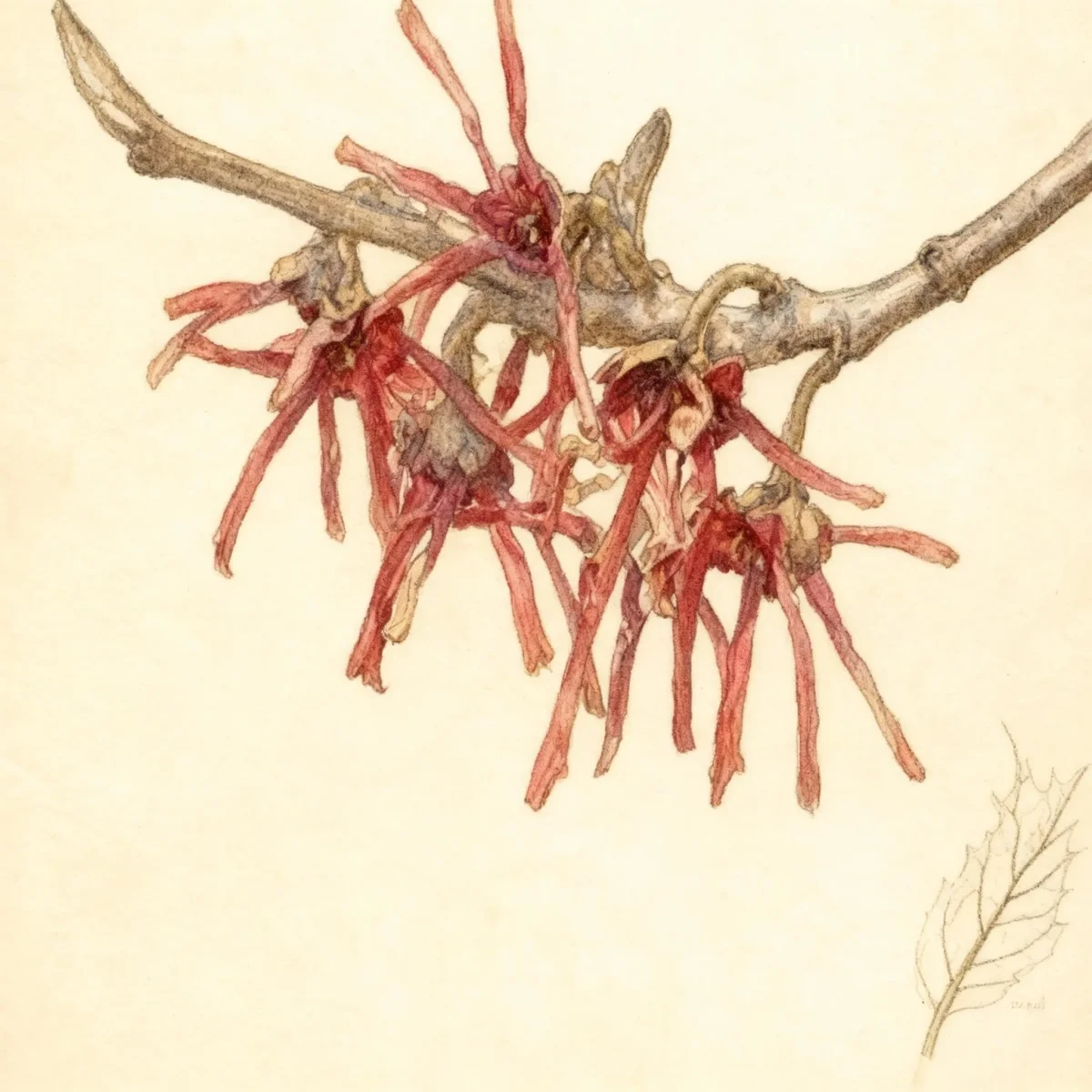
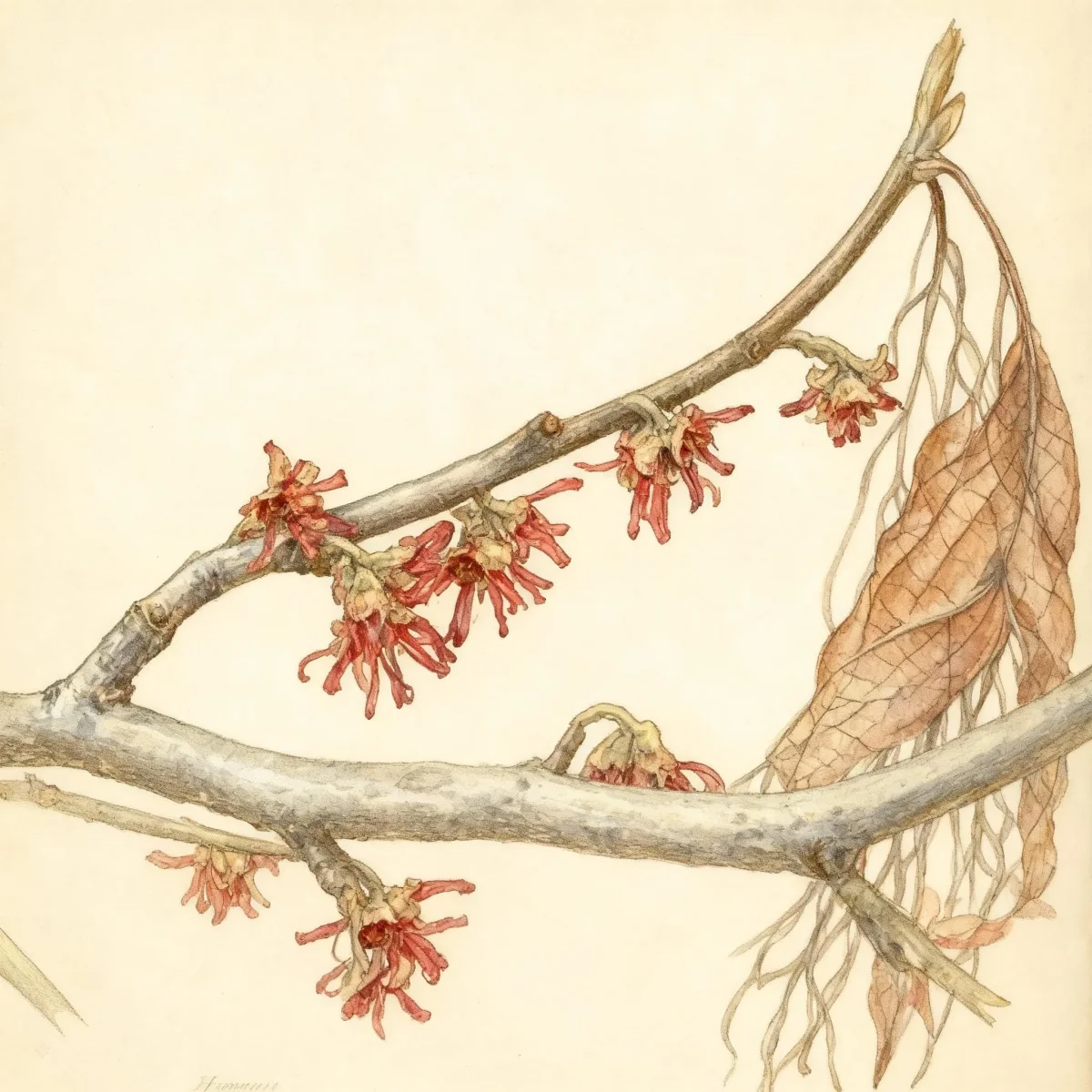
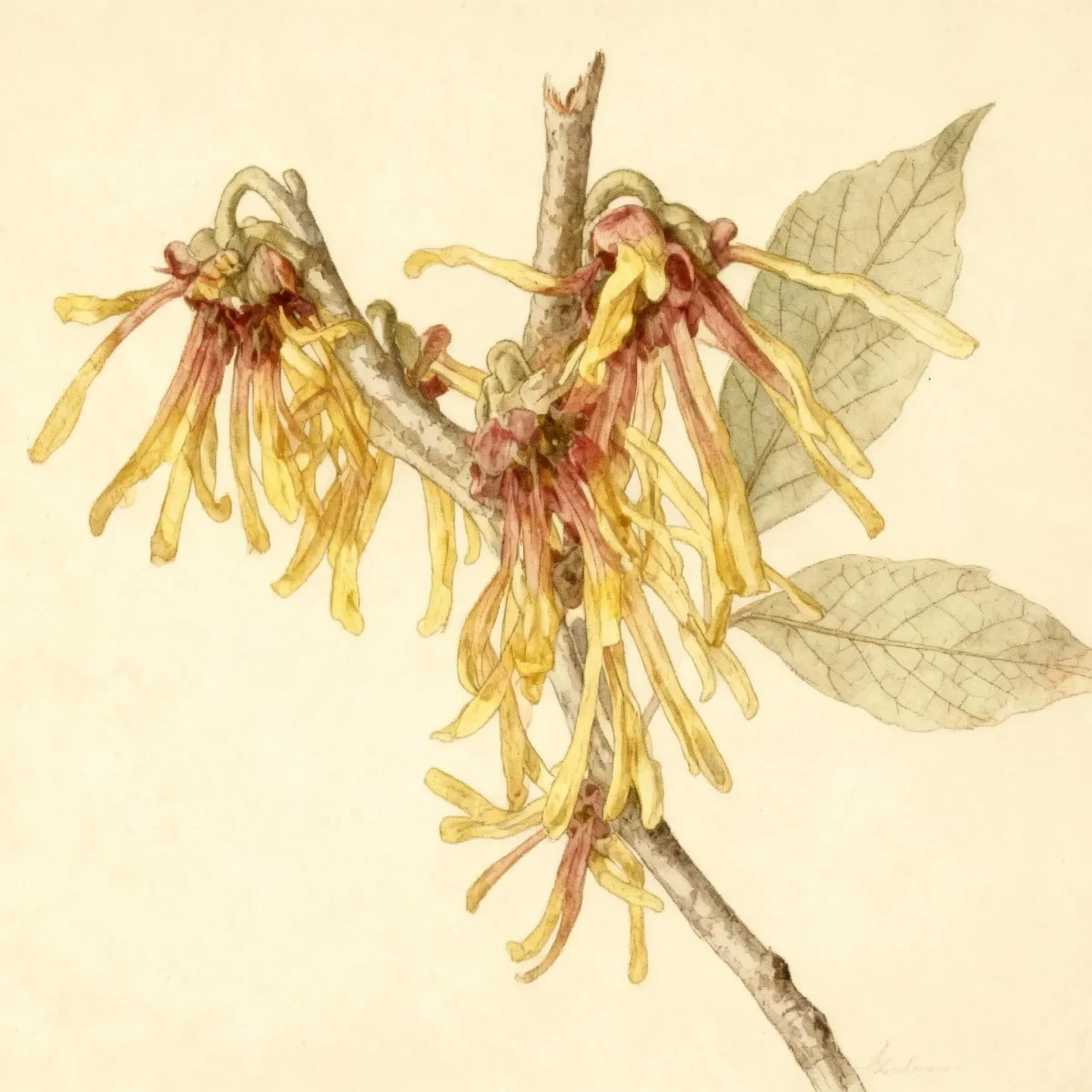
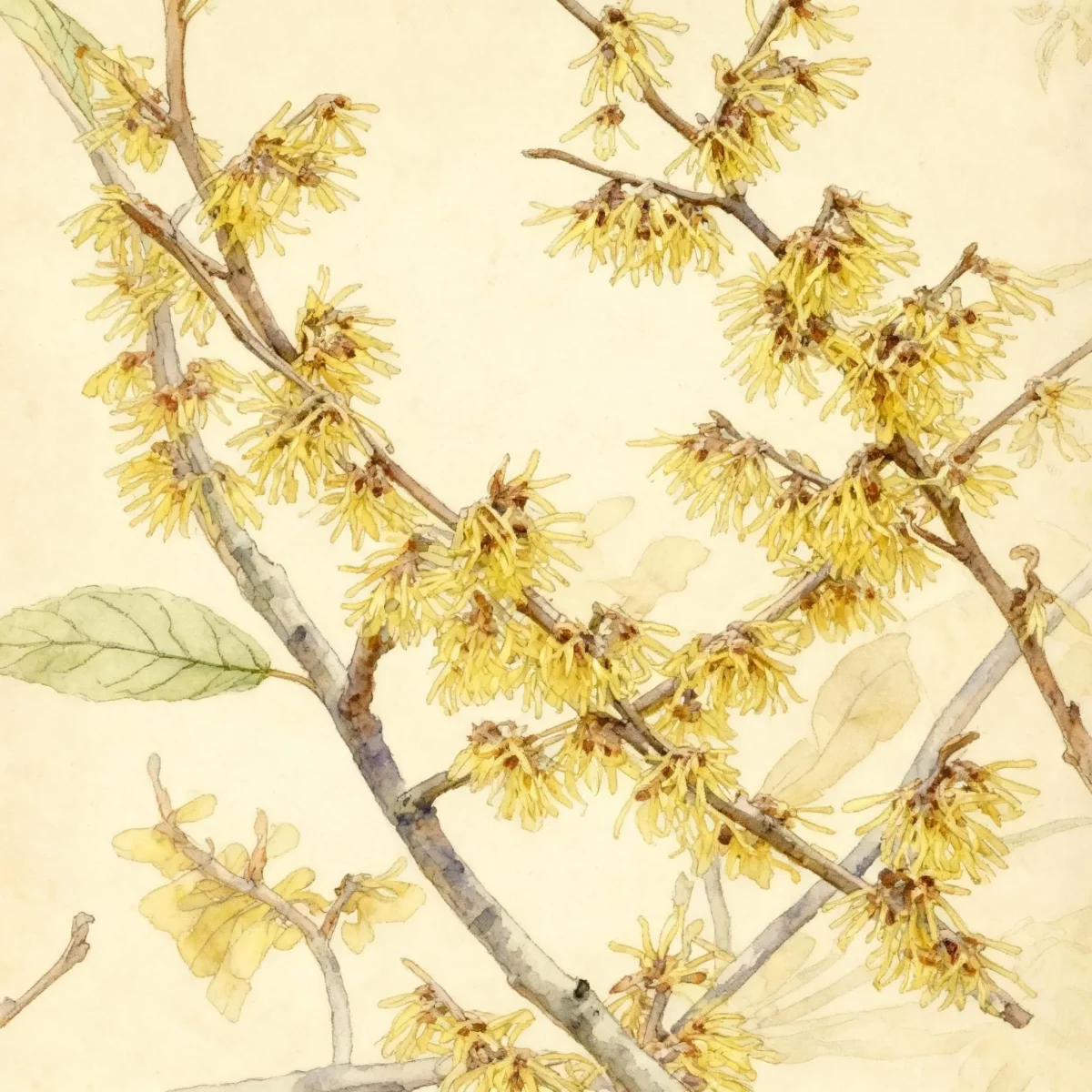
Hamamelis vernalis, commonly called Ozark witch hazel, is native to the Ozark Plateau extending from southern Missouri through northwestern Arkansas to eastern Oklahoma. Flowers in axillary clusters appear in mid to late winter prior to foliage emergence, featuring ribbon-like, curled petals, typically yellow transitioning to copper orange at the tip. The cultivar ‘Sandra’ is an improved selection of the species, though observations suggest improvements like larger flowers are sometimes barely noticeable.
Tolerances
- Deer
- Erosion
- Clay Soil
Potential Problems
While generally robust, Hamamelis vernalis ‘Sandra’ can occasionally suffer from pest damage. Caterpillars and Japanese beetles may chew on the foliage during the growing season. Keep an eye out for minor issues such as gall aphids, scale insects, leafrollers, and leafminers.
Potential diseases are typically limited to powdery mildew, occasional leaf spots, or various rots, usually appearing only when air circulation is poor or moisture levels are excessive. Fortunately, insect and disease problems on Ozark witch hazel rarely become serious enough to warrant chemical intervention, allowing for a more organic approach to care.
Frequently Asked Questions
What hardiness zones is Ozark witch hazel suitable for?
Hamamelis vernalis ‘Sandra’ is well-suited for USDA Hardiness Zones 4 through 8.
How large does Hamamelis vernalis ‘Sandra’ grow?
This cultivar typically matures to a height between 6 and 10 feet and spreads between 8 and 12 feet wide.
When does Ozark witch hazel bloom?
The bloom time for this species is notably early, flowering from January to March, displaying yellow blossoms.
What sun exposure does Hamamelis vernalis ‘Sandra’ need?
It thrives in full sun to partial shade conditions, though full sun encourages the best flowering performance.
Conclusion
Hamamelis vernalis ‘Sandra’ is a valuable landscape anchor, offering reliable, fragrant blooms precisely when the garden needs color most. Its low maintenance requirements and strong tolerances make it an excellent foundation plant for mixed borders. Ensure you check your local hardiness zone compatibility before planting this unique Ozark witch hazel specimen this fall or early spring.
Companion Planting
When selecting neighbors for your Hamamelis vernalis ‘Sandra’, focus on plants that offer strong visual interest during the summer when the witch hazel foliage is dominant. Its preference for moist, acidic soil pairs well with rhododendrons, azaleas, and certain ferns, which appreciate similar cultural conditions. Planting spring-blooming bulbs nearby, such as daffodils or early tulips, provides a beautiful transition from the winter blooms of the Ozark witch hazel into the spring season.
Consider the mature size of companions carefully, as this shrub develops a significant spread of 8 to 12 feet. Avoid aggressive spreaders that compete too heavily for nutrients. Since Hamamelis vernalis ‘Sandra’ is often planted for its winter feature, incorporating dark green, broadleaf evergreens behind it will dramatically highlight the sparse, ribbon-like yellow flowers.
Seasonal Care Calendar
Late Winter (January–March) is when you will see the primary reward of growing Hamamelis vernalis ‘Sandra’, as the yellow, fragrant flowers open on bare stems. Monitor for early pest activity if temperatures become unusually mild.
Spring Cleanup (After Bloom): Prune immediately after flowering if shaping is necessary. This is the window to remove any damaged wood or suckers that have appeared from the base. Incorporate organic matter around the base to enrich the soil before summer heat sets in.
Summer Maintenance: Focus on consistent moisture. If rainfall is scarce, provide supplemental water to prevent the leaf scorch common during summer droughts. Avoid heavy fertilization during this time.
Fall Preparation: The foliage of Hamamelis vernalis ‘Sandra’ turns golden yellow before dropping. Do not be concerned about the non-showy seed capsules splitting open in September/October; this is normal seed release. Minimal fall cleanup is required.