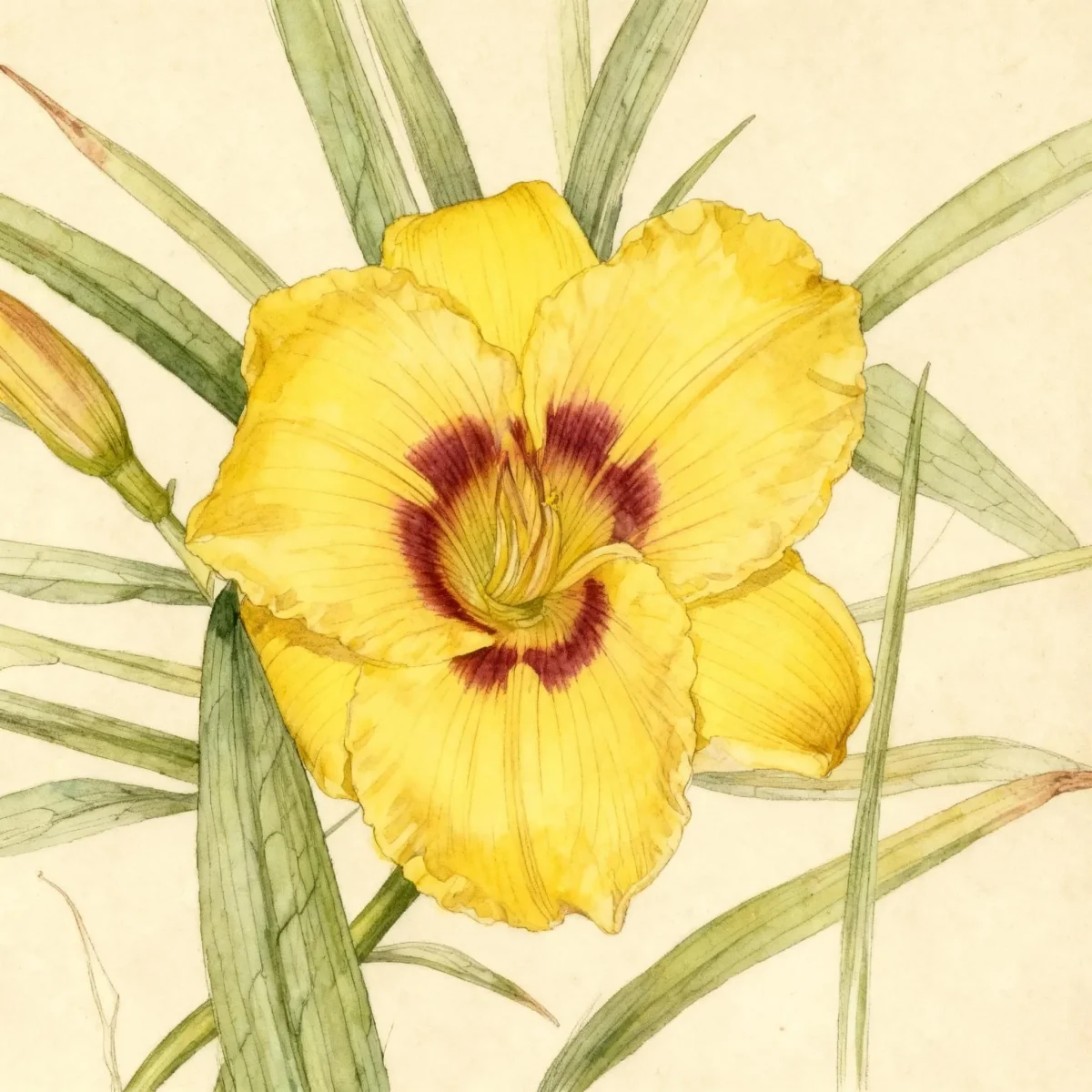
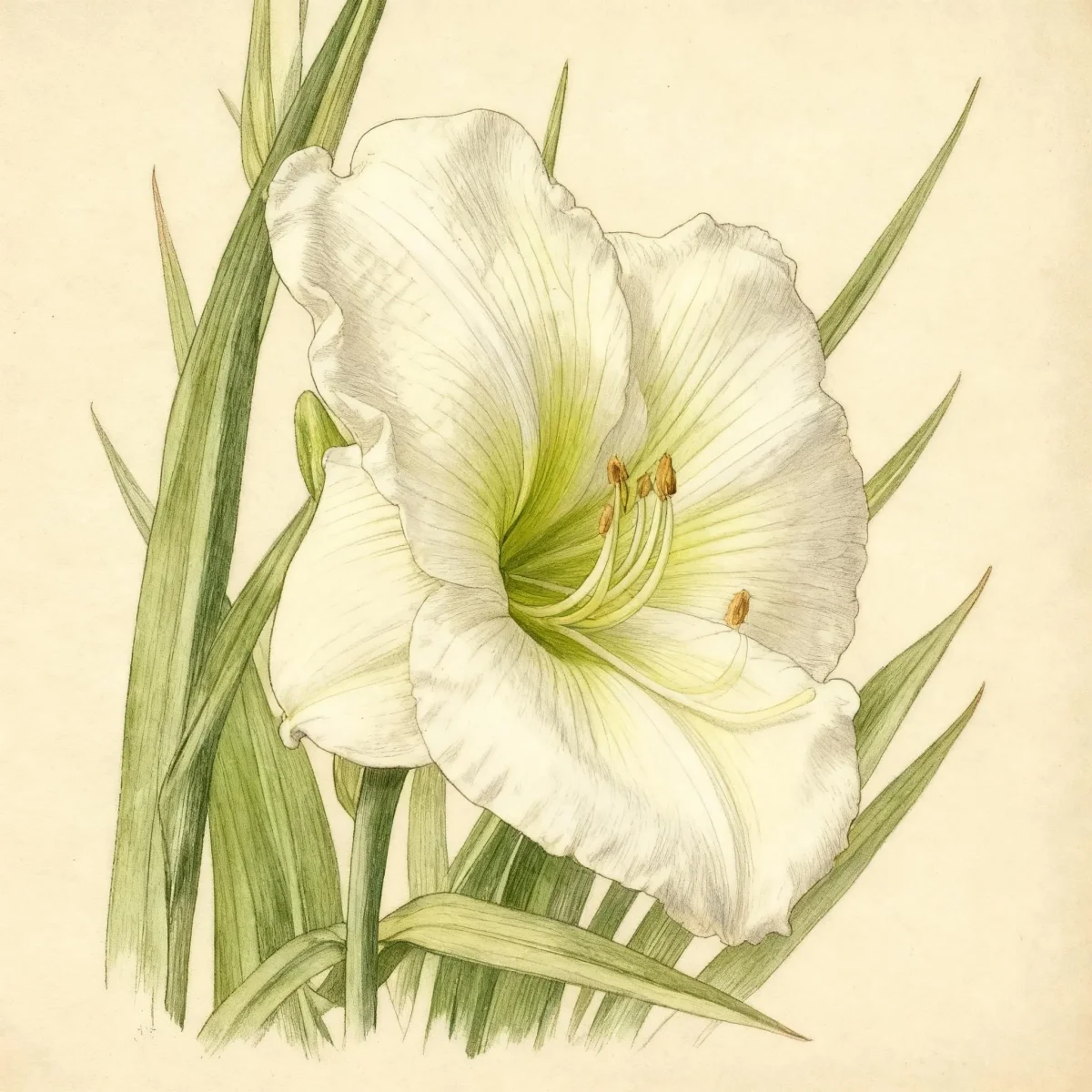
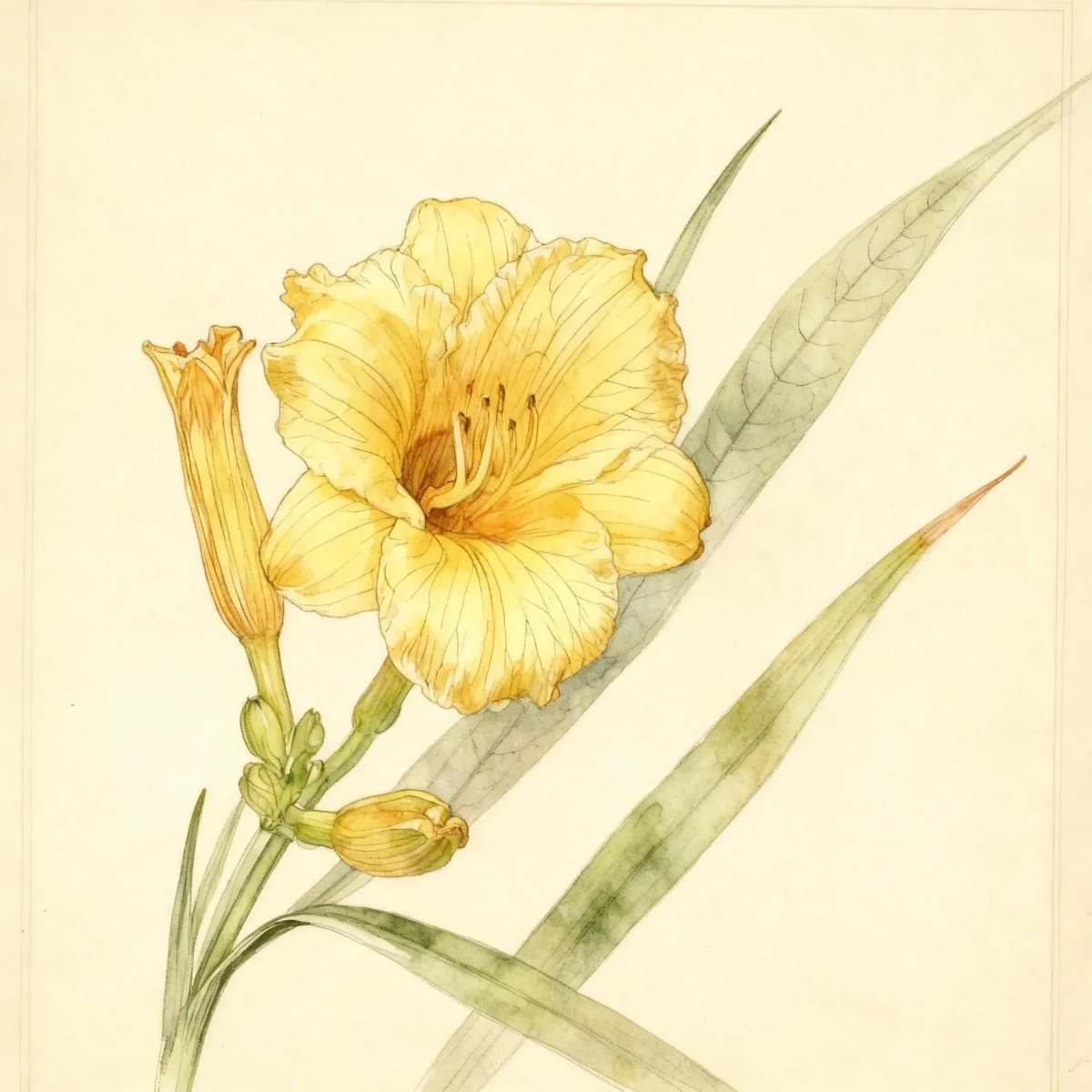
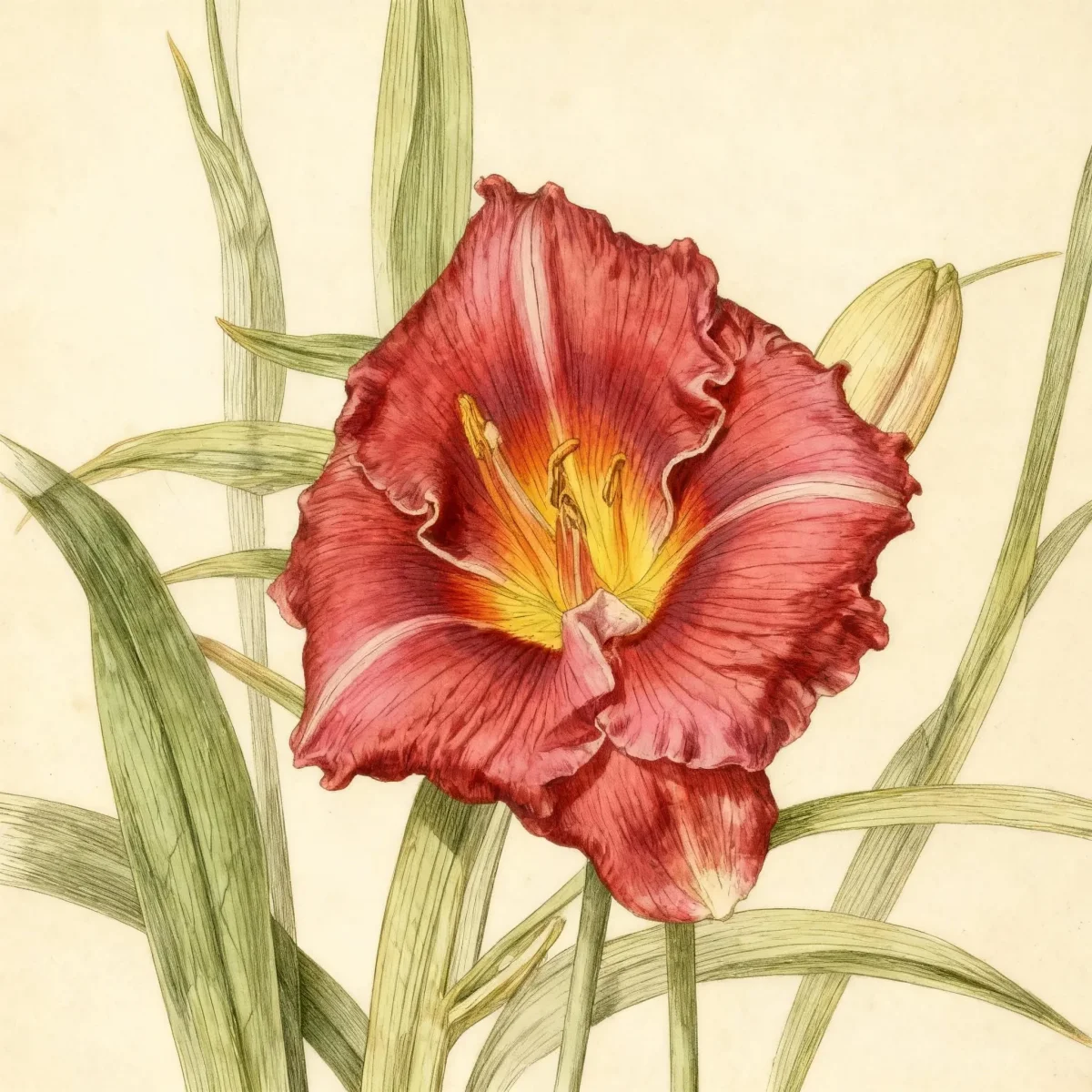
Daylily (Hemerocallis 'Siloam David Kirchhoff')
Hemerocallis 'Siloam David Kirchhoff' is a low-maintenance Daylily producing orchid-lavender blooms. Hardy in Zones 3-9.
Scroll down to discover growing tips, care requirements, companion plants, and more
Complete Plant Information
Overview
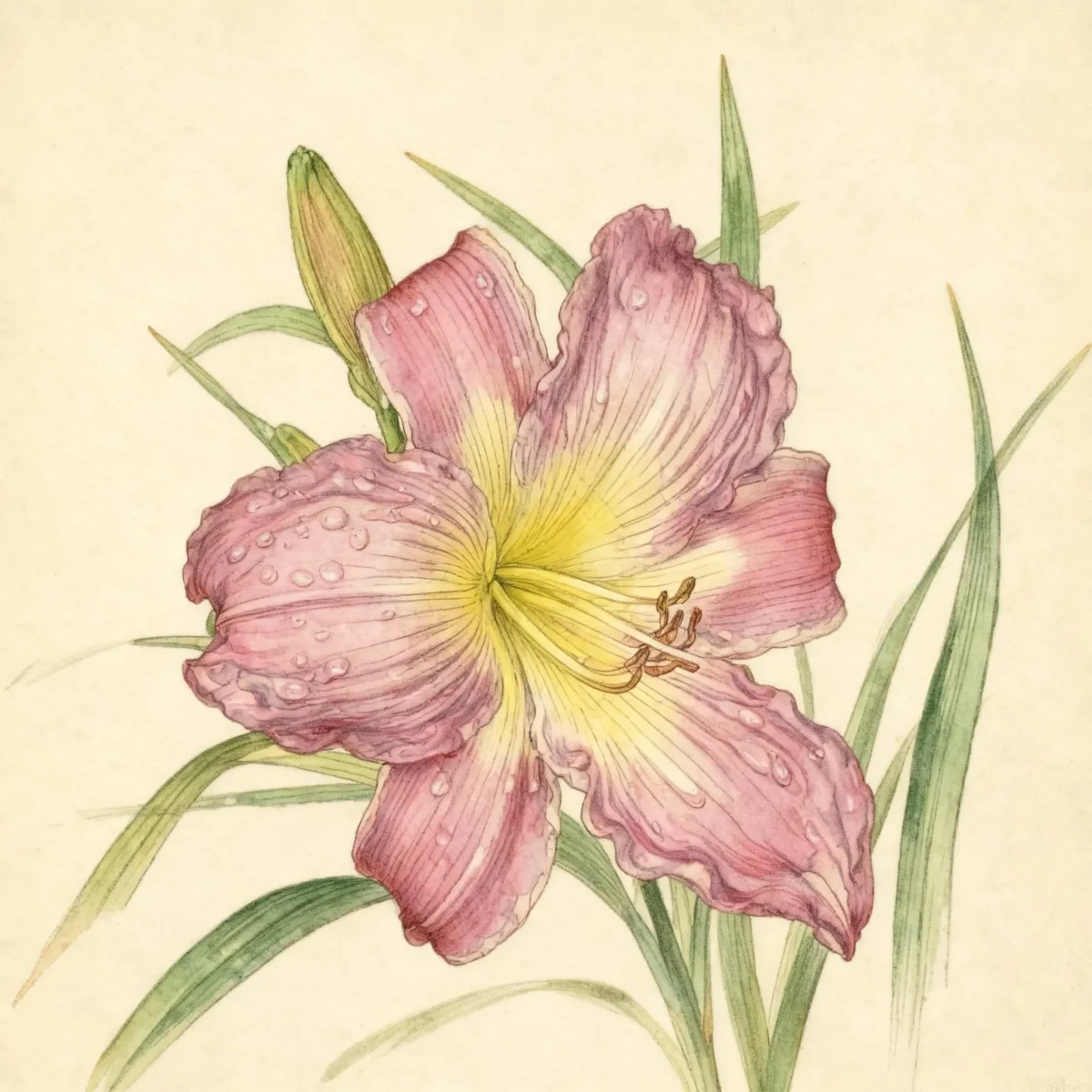
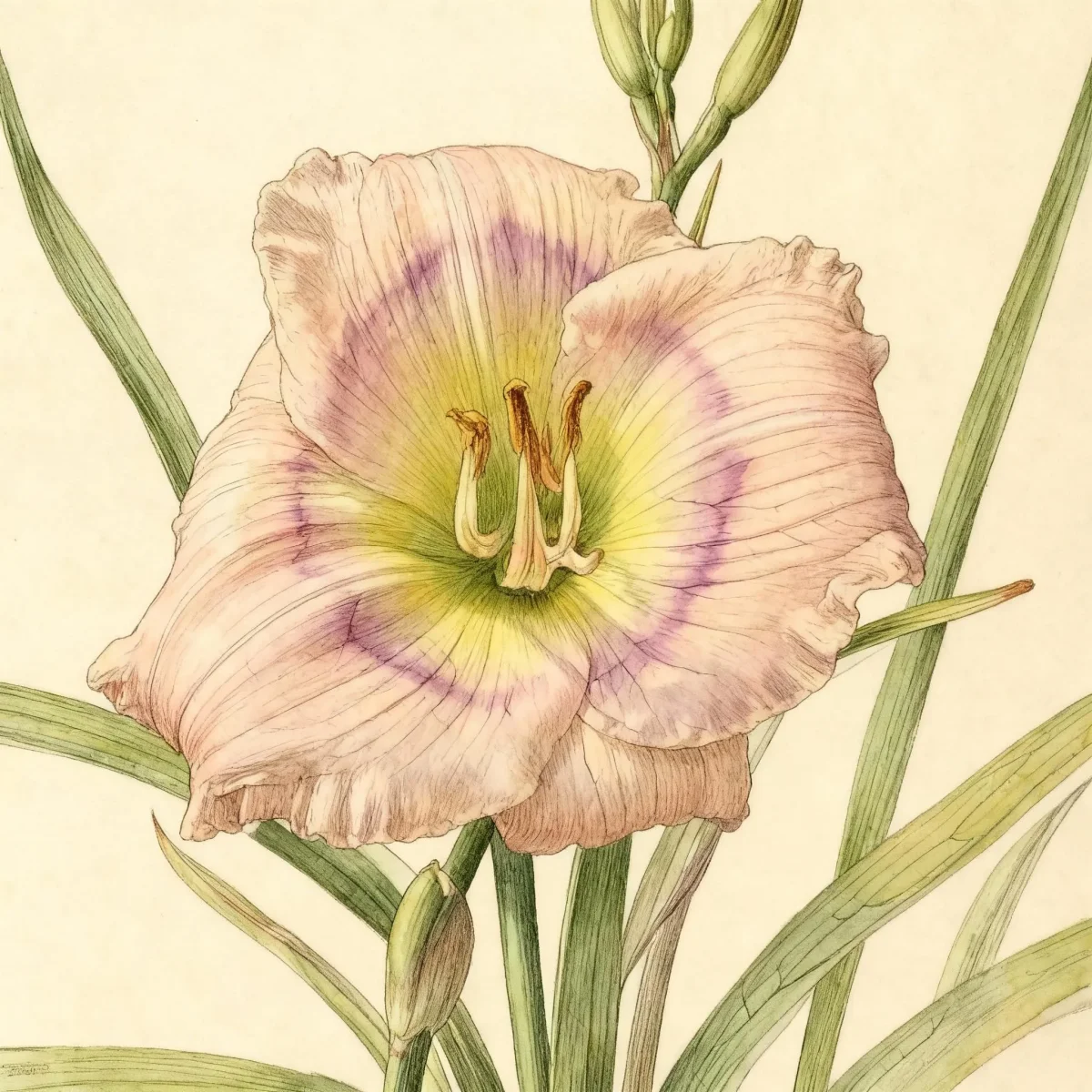
Hemerocallis ‘Siloam David Kirchhoff’ is a desirable diploid Daylily cultivar celebrated for its delicate, yet striking, coloration. This variety features vibrant orchid-lavender blossoms set off by thin red eye zones and a refreshing green throat, providing excellent mid-season color in the garden. As an herbaceous perennial, it offers reliable, low-maintenance performance across a wide range of climates.
This specific Daylily cultivar typically reaches a modest height of 1 to 1.5 feet, making it versatile for many garden applications where space might be limited or a shorter clump is desired. Its ease of cultivation and toughness contribute to its popularity among gardeners looking for high impact with minimal fuss.
Gardeners benefit from the successive blooming habit inherent to hybrid daylilies, ensuring attractive color over an extended period despite each individual flower lasting only a day. Planting Hemerocallis ‘Siloam David Kirchhoff’ ensures structural foliage and reliable blooms in sunny borders or mixed perennial beds.
Fast Facts
- Plant Family: Asphodelaceae
- Plant Type: Herbaceous perennial
- Hardiness Zones: USDA Zones 3-9
- Size at Maturity:
- Height: 1-1.5 ft
- Spread: 1-1.5 ft
- Bloom Time: May to June
- Bloom Description: Orchid-lavender with thin red eye zones and green throat
- Sun Exposure: Full sun to part shade
- Water Needs: Medium
- Maintenance Level: Low
How to Grow
Hemerocallis ‘Siloam David Kirchhoff’ thrives when planted in average, medium moisture, well-drained soils. While adaptable, these Daylilies perform best when situated in deep, fertile loam, receiving at least six hours of direct sun, though they tolerate part shade gracefully. Plant crowns at or slightly above the soil surface.
Maintenance remains low; deadheading spent blooms daily ensures neatness, and removing the entire flower scape once blooming ceases keeps the plant tidy. Although tolerant of heat and humidity, deep watering during dry spells is essential to maintain attractive foliage throughout the summer months. Gardeners should avoid allowing the soil to become perpetually soggy.
For optimal performance and vigorous blooming over the long term, plan to divide your Hemerocallis ‘Siloam David Kirchhoff’ clumps every three to four years. The best time for division is early spring, particularly in regions with very cold winters, though early fall is also acceptable. Remember that hybrid Daylilies, including this beautiful cultivar, will not breed true when grown from seed.
These are generally cold-hardy winter dormant types; they absolutely require a cold period of winter dormancy for robust blooming and are therefore not recommended for the warmest regions, Zones 9 and above, unless an evergreen variety is specifically sought.
Landscape Uses
The manageable size and reliable color make Hemerocallis ‘Siloam David Kirchhoff’ an excellent choice for defining garden structure. Due to its height profile, it excels when used for borders, providing a low, neat edge without obscuring shorter companion plants. Mass planting large groups creates a striking field of color when the orchid-lavender tones appear simultaneously.
Dwarf or smaller cultivars like this Daylily are particularly effective when integrated into rock gardens or used near pathways where the detail of the flower can be appreciated up close. They pair beautifully with late-season bloomers that will take over once the Daylily finishes its run in June.
Consider planting Hemerocallis ‘Siloam David Kirchhoff’ alongside silver-foliaged perennials or deep purple salvias, providing strong contrast to its bright, linear foliage and cool-toned flowers. Their tolerance for erosion also allows them to stabilize banks or slopes effectively while providing seasonal flowers.
Standout Features
Flower Qualities
- Showy
Noteworthy Characteristics
Hemerocallis is a genus of about 15 species of herbaceous perennials commonly known as daylilies, native primarily to Asia and central Europe; hybridization efforts have resulted in over 60,000 registered cultivars featuring incredible color variations today. Each individual flower lasts only one day, but bloom succession ensures a long display period on tall, leafless scapes. Hemerocallis ‘Siloam David Kirchhoff’ specifically presents small-flowered blossoms to 3.5” across, opening early to midseason, showcasing its distinct orchid-lavender hue.
Tolerances
- Rabbit
- Erosion
- Air Pollution
Potential Problems
Daylilies are renowned for being extremely adaptable and are relatively pest-free perennials. While generally robust, watch out for occasional minor infestations of mites, aphids, or thrips, which can usually be managed with insecticidal soap if necessary. Daylily rust remains a potential issue depending on regional humidity and airflow; ensure air circulation is adequate around clumps. Rabbits are known to avoid consuming the foliage.
Frequently Asked Questions
What hardiness zones is Daylily suitable for?
Hemerocallis ‘Siloam David Kirchhoff’ is reliably hardy across USDA Zones 3 through 9.
How large does Daylily grow?
This cultivar typically matures to a height between 1 and 1.5 feet and spreads to a similar width of 1 to 1.5 feet.
When does Daylily bloom?
The bloom time for this plant is typically May to June, featuring orchid-lavender flowers with thin red eye zones.
What sun exposure does Hemerocallis ‘Siloam David Kirchhoff’ need?
This Daylily prefers locations receiving full sun, though it will also establish and bloom well in areas that receive part shade.
Conclusion
The Hemerocallis ‘Siloam David Kirchhoff’ Daylily offers exceptional value through its low maintenance requirements and the delicate, long-lasting display of its unique orchid-lavender flowers. This tough perennial readily adapts to various soil conditions while providing reliable visual interest across the landscape. Before planting, confirm that your location falls within USDA Zones 3-9 to ensure this lovely Daylily performs optimally.
Companion Planting
Daylilies share cultural needs with many cottage garden staples like hostas (especially concerning water), ornamental grasses, and certain hardy Geraniums. When planning your beds, pair Hemerocallis ‘Siloam David Kirchhoff’ with plants that bloom either before or immediately after its late spring/early summer cycle concludes. This strategy prevents bare patches in the border and ensures continuous seasonal interest.
Consider using plants with contrasting foliage textures to highlight the linear blades of the Daylily. For instance, Peonies (if blooming time overlaps) or broad-leafed Bergenia can create a pleasing textural dichotomy next to the fine, arching leaves of the Daylily. Ensure that companion plants also tolerate the medium water needs of the Daylily clump.
Propagation Tips
The primary and most practical method for increasing your stock of the treasured Hemerocallis ‘Siloam David Kirchhoff’ is through division. Since hybrid daylilies do not breed true from seed, dividing established clumps ensures you retain the exact characteristics of this specific cultivar. Wait until spring or fall when growth slows, then gently dig up the entire crown, separate the fans of foliage (aiming for at least three fans per new division), and replant immediately at the proper depth.
Ensure each separated division has a section of the crown and adequate feeder roots attached before replanting in its new location. Keep the newly divided plants well-watered for the first few weeks to help them reestablish roots quickly. This simple process renews the vigor of older Daylily clumps, leading to better blooming performance in subsequent years.