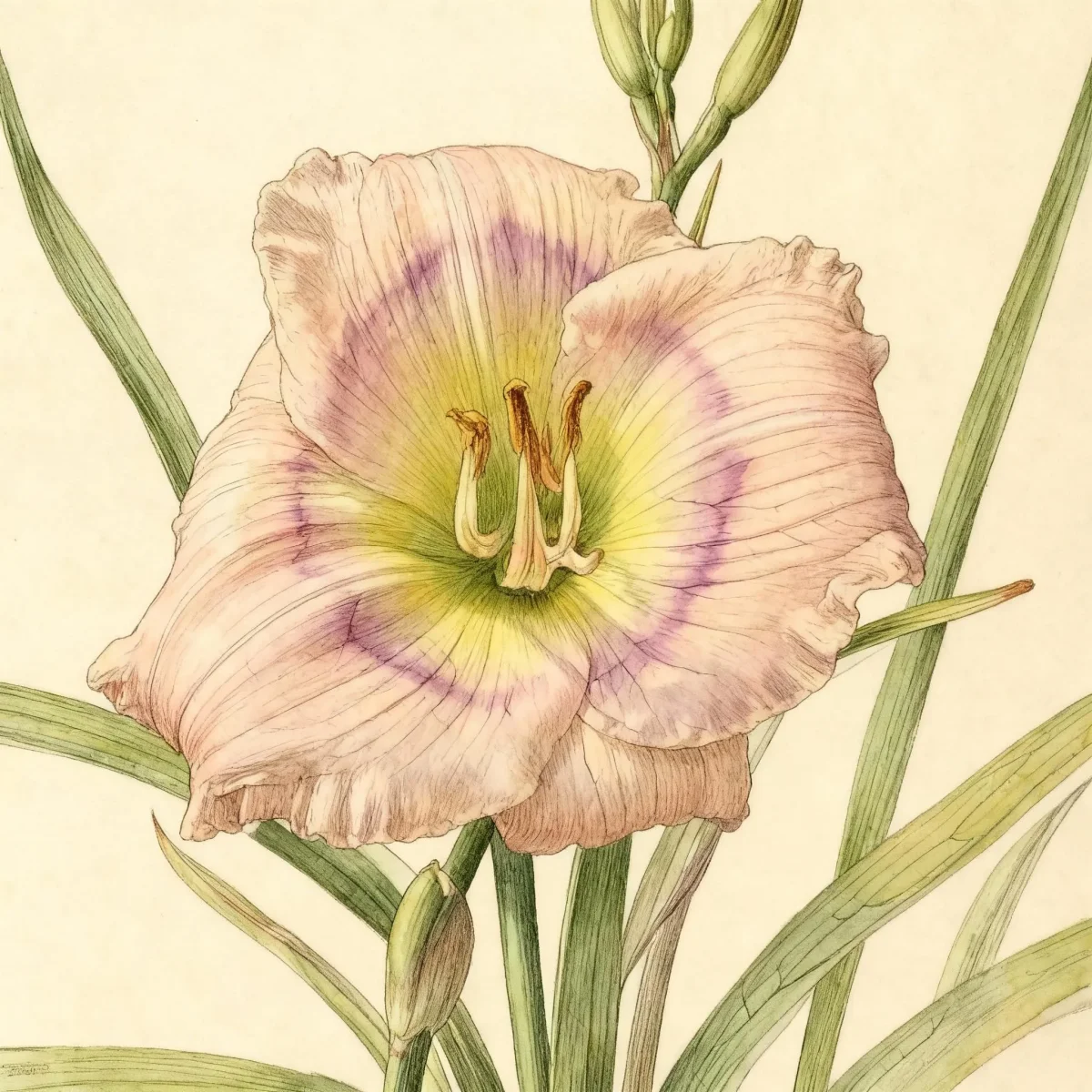
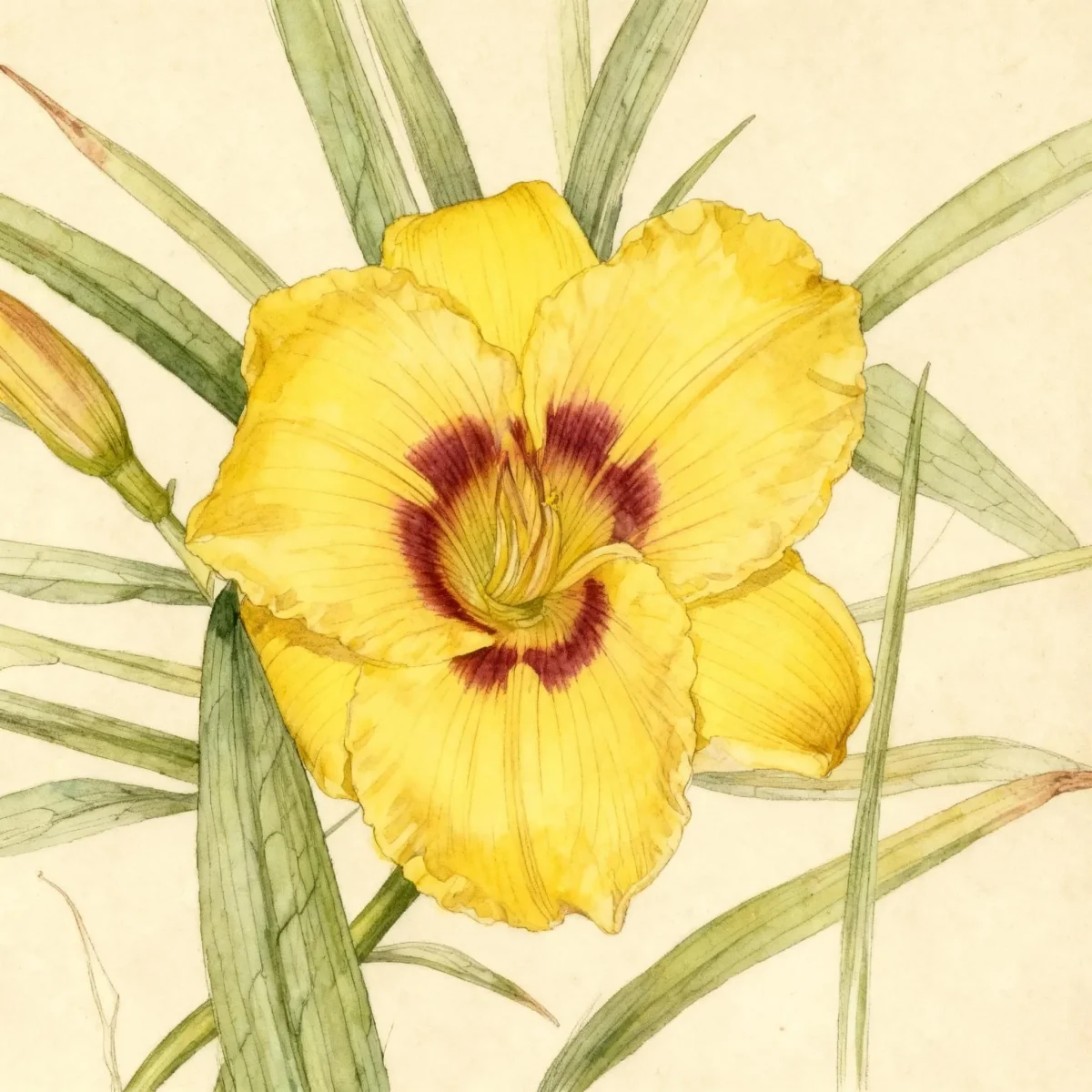
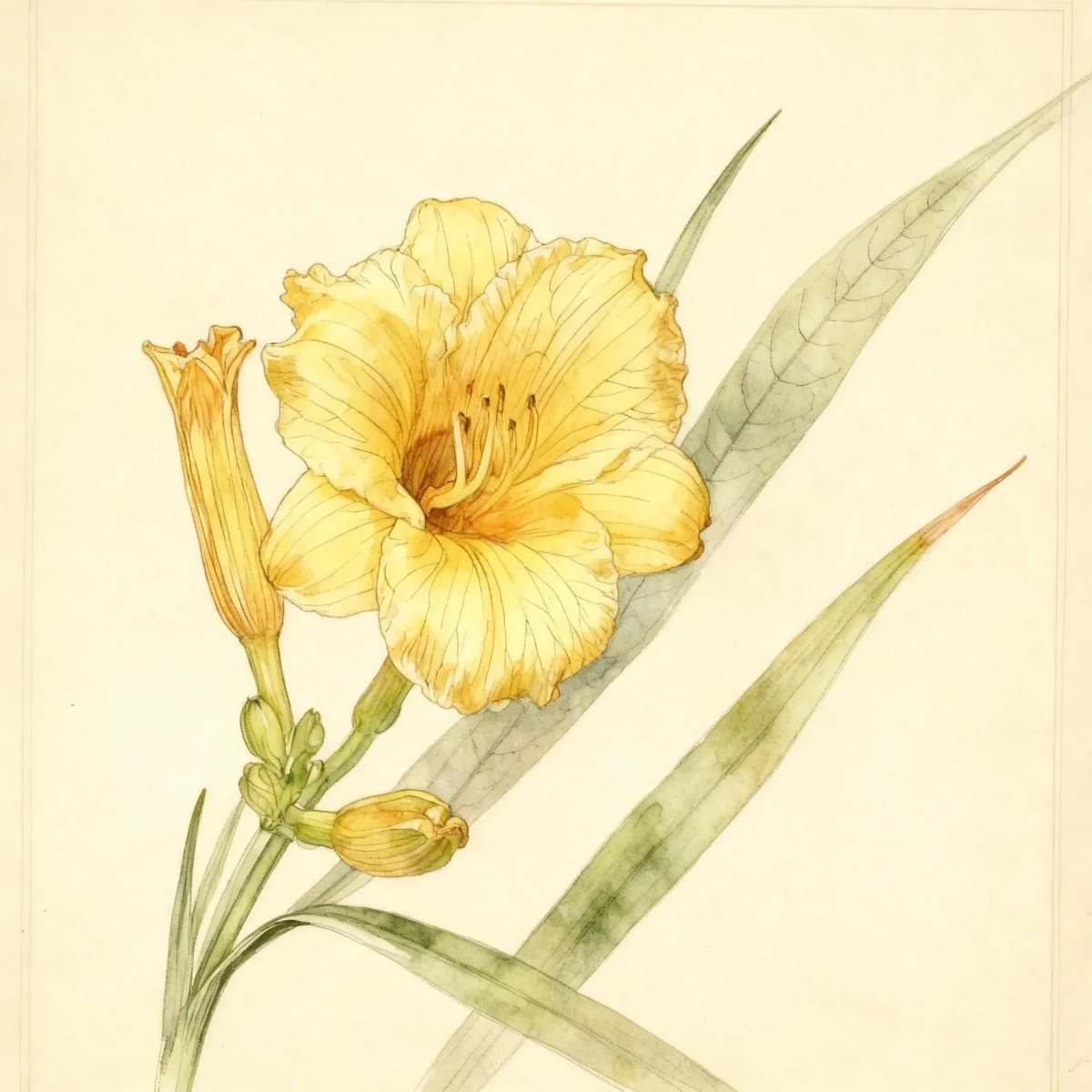
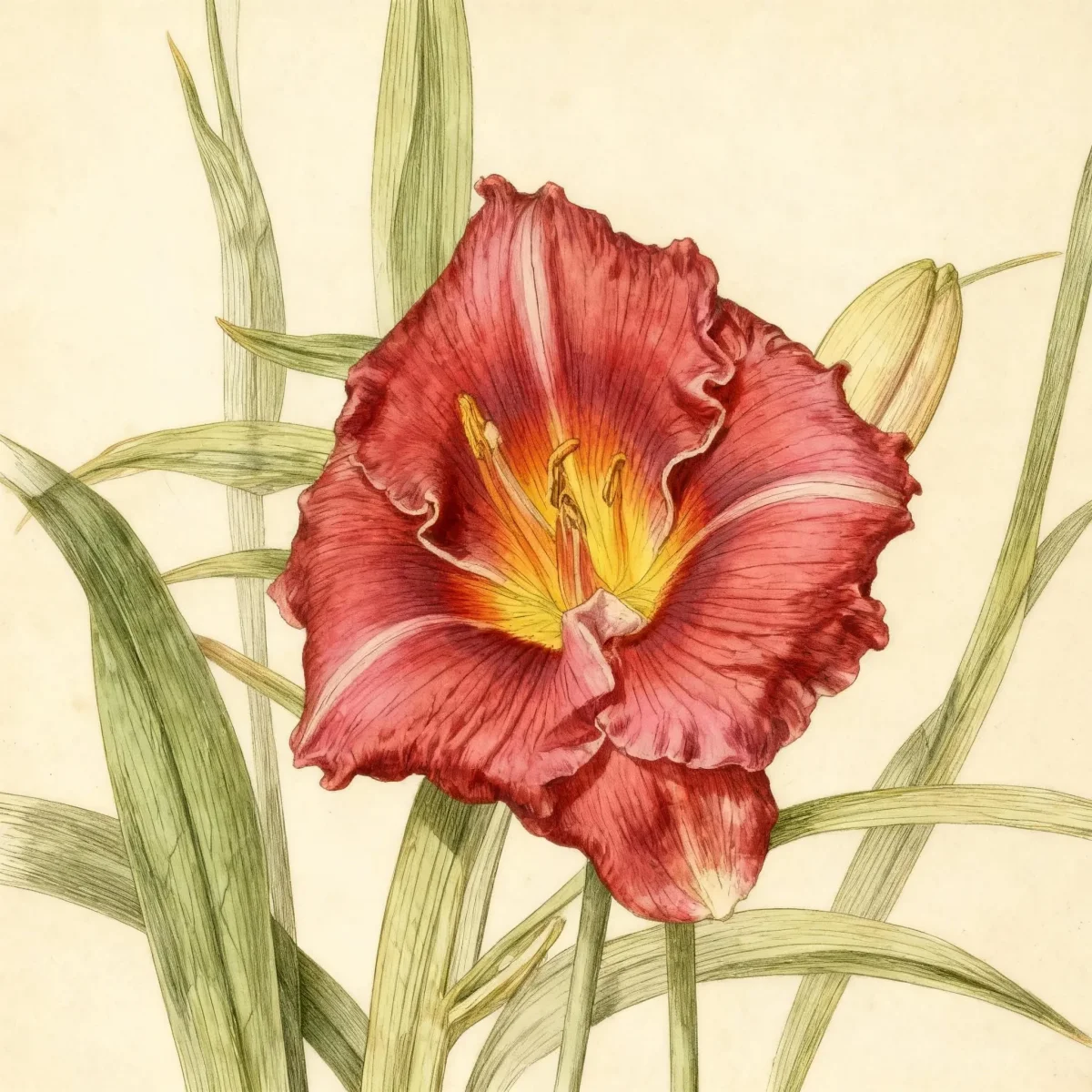
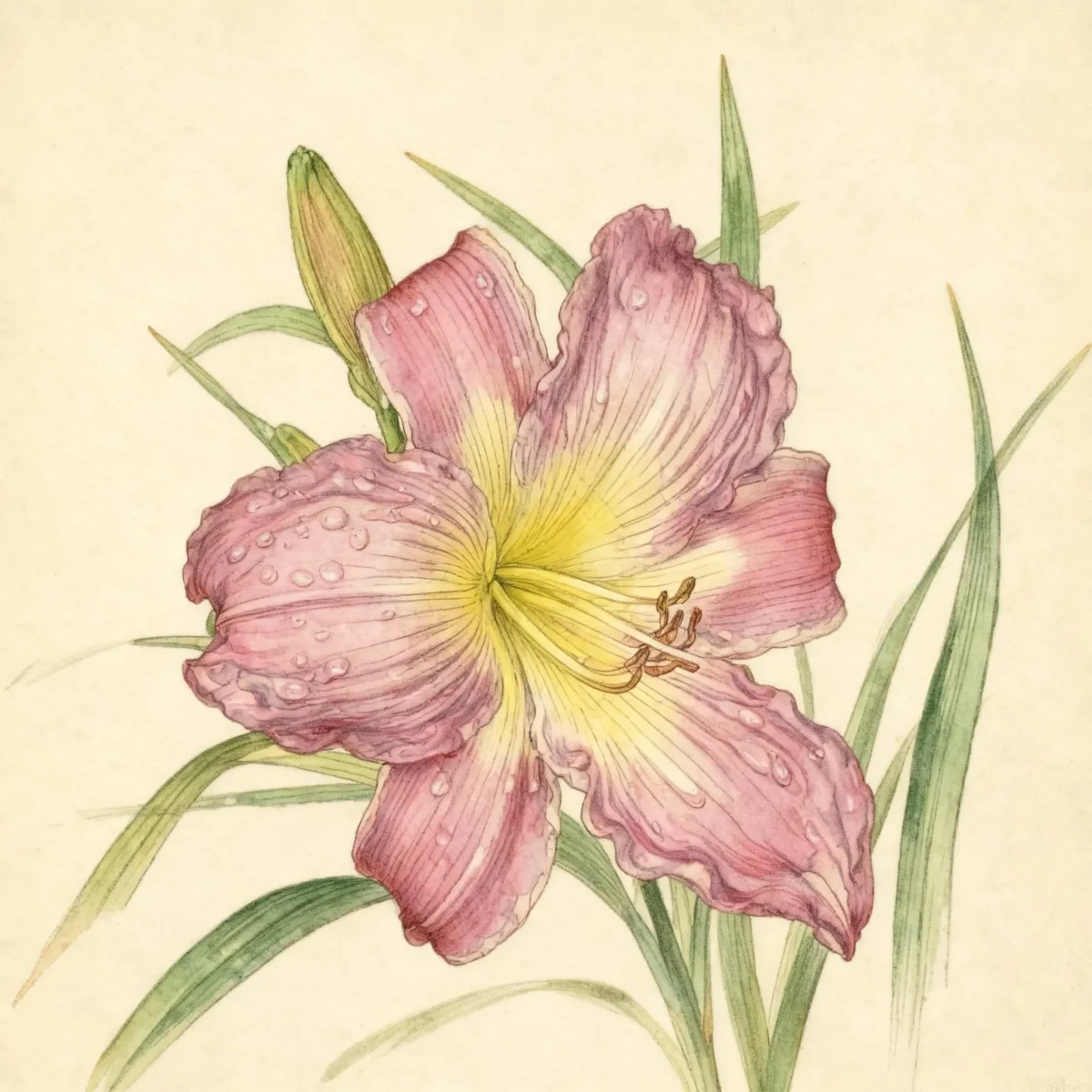
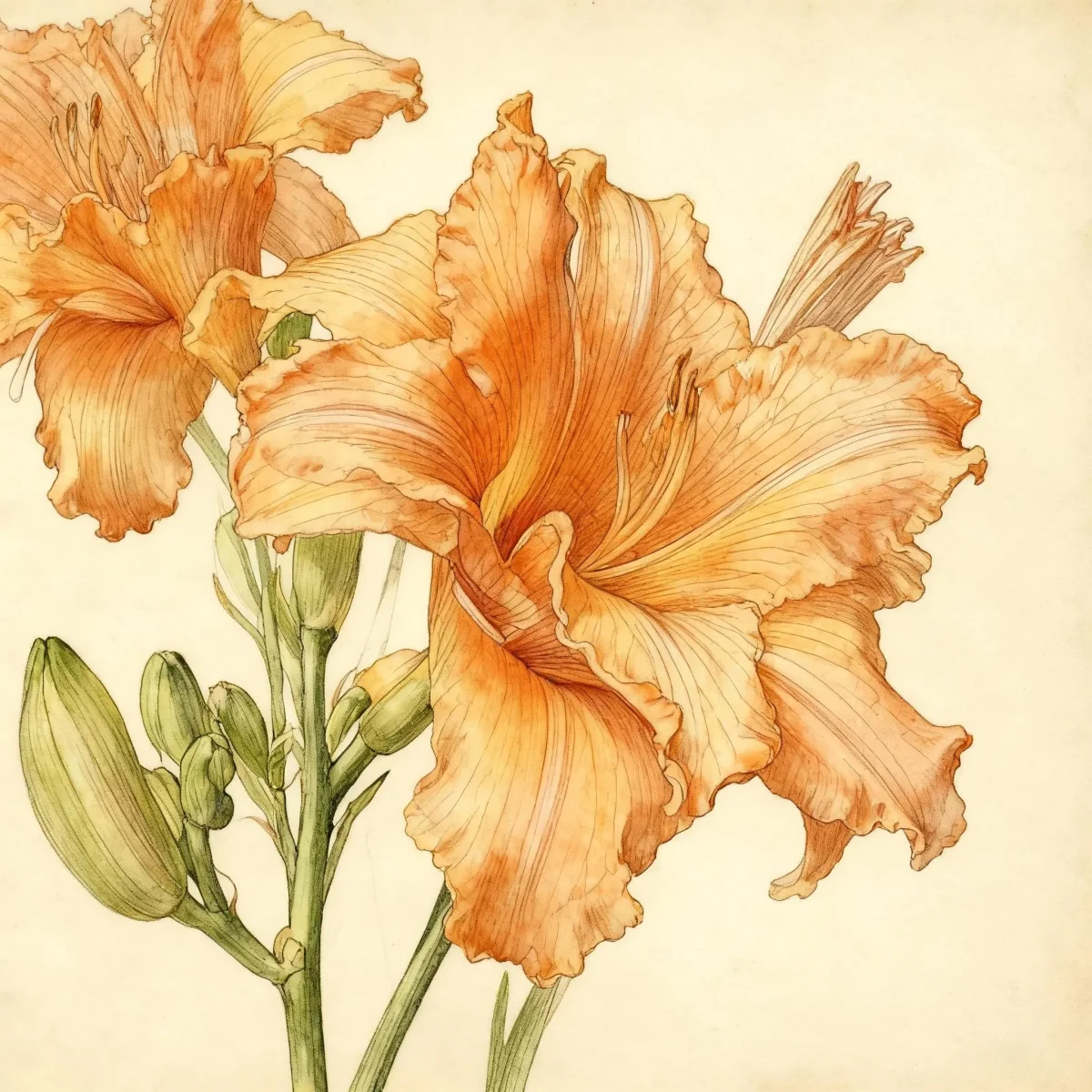
Daylily (Hemerocallis 'Sister Clara')
Hemerocallis 'Sister Clara' is a low-maintenance Daylily offering pale yellow blooms from June through July in USDA Zones 3-9.
Scroll down to discover growing tips, care requirements, companion plants, and more
Complete Plant Information
Overview
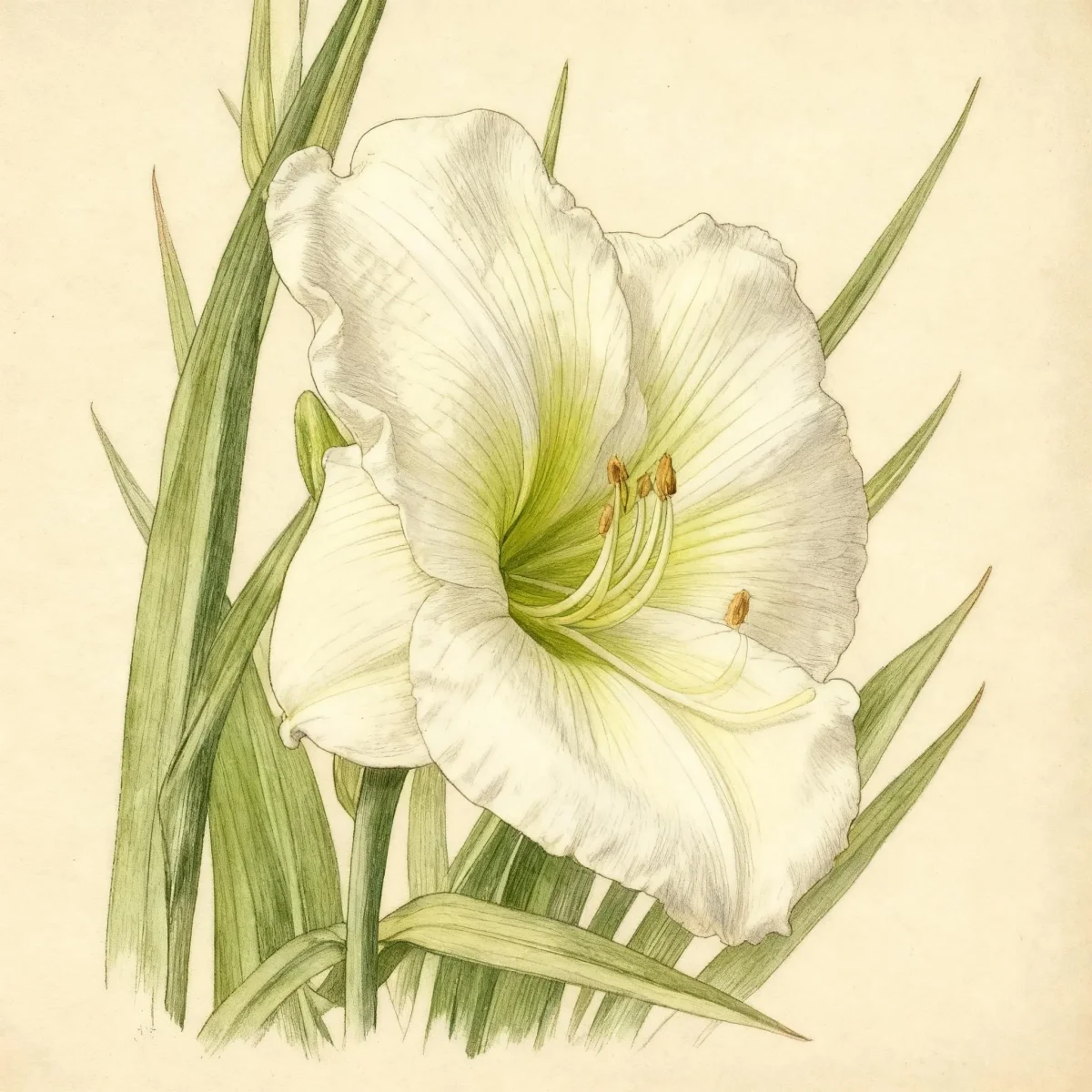
Hemerocallis ‘Sister Clara’ is a highly garden-worthy herbaceous perennial, prized for its graceful appearance and simple care requirements. As a diploid Daylily cultivar, it offers distinctive pale yellow flowers accented by a small green throat, providing reliable summer color in the landscape. This reliable performer thrives across a wide range of climates, easily succeeding from cold USDA Zone 3 up through Zone 9.
The structure of Hemerocallis ‘Sister Clara’ features clumping, arching, blade-like green foliage from which flower scapes rise to about 32 inches, holding blooms that open for a single, beautiful day before being replaced by successive opening flowers. Gardeners appreciate the low maintenance associated with this Daylily, which, once established, demonstrates strong tolerance to heat, humidity, and various environmental stresses.
Due to its inherent adaptability and modest size (reaching 2.5 to 3 feet tall), Hemerocallis ‘Sister Clara’ provides excellent vertical structure and reliable texture in perennial beds. Incorporating this Daylily ensures continuous visual interest throughout its primary bloom season of midsummer.
Fast Facts
- Plant Family: Asphodelaceae
- Plant Type: Herbaceous perennial
- Hardiness Zones: USDA Zones 3-9
- Size at Maturity:
- Height: 2.5-3 ft
- Spread: 2-2.5 ft
- Bloom Time: June to July
- Bloom Description: Pale yellow with small green throat
- Sun Exposure: Full sun to part shade
- Water Needs: Medium
- Maintenance Level: Low
How to Grow
Hemerocallis ‘Sister Clara’ is easily established in average, medium moisture, well-drained soils. For optimal performance, position these Daylilies where they receive full sun or tolerate light afternoon part shade. While they adapt well to various soil types, deep, fertile loams encourage the best growth and most prolific flowering displays. Planting should ideally occur in spring or fall, allowing the fibrous roots ample time to anchor before seasonal extremes.
Watering should be consistent, especially during dry spells, as deep watering helps maintain attractive foliage throughout summer stress. Although maintenance is low, deadheading spent flowers daily keeps the clump tidy and encourages cleaner presentation. The bare flower stalks (scapes) should be removed once blooming has finished for the season.
Winter dormant Daylilies like this one require a proper cold period for strong performance, making them unsuitable for areas consistently warmer than Zone 9. In colder regions, they are extremely hardy. To maintain vigor and dense clumps for the best showing of Hemerocallis ‘Sister Clara’, plan to divide the plants every three to four years, typically performed in spring in cold areas, or fall where winters are mild.
Landscape Uses
Daylilies are indispensable performers in the perennial border, functioning perfectly as defining elements or as mass plantings to create bold sweeps of color and texture. Hemerocallis ‘Sister Clara’, with its modest height, works beautifully in the middle to back sections of a border, softening the edges of shrubs or taller structural plants. Its grass-like foliage provides excellent contrast against broad-leafed perennials.
These plants excel when used for edging pathways or defining the perimeter of a garden space, offering clean lines even when not in bloom. For large areas where low maintenance is key, large drifts of Daylilies create sweeping drifts that require minimal intervention once established, making them highly efficient landscaping workhorses. While this specific cultivar is not highlighted as dwarf, its manageable size allows experimentation even in large rock gardens or specimen plantings.
Standout Features
Flower Qualities
- Showy
Noteworthy Characteristics
The term Hemerocallis, meaning “day beauty,” describes how each flower on this Daylily typically lasts only a single day, though they are produced in such quantity the overall display lasts for weeks. Hybridizers have developed over 60,000 cultivars, and ‘Sister Clara’ features crinkled, fluted, pale yellow blooms up to 5.5 inches across set against elegant, linear green foliage. These perennials bloom on leafless floral scapes that rise prominently above the basal clump.
Tolerances
- Rabbit
- Erosion
- Air Pollution
Potential Problems
Daylilies are celebrated for being exceptionally adaptable and pest-free, making Hemerocallis ‘Sister Clara’ an excellent choice for beginner gardeners. Occasionally, opportunistic pests such as mites, thrips, or aphids might appear; regular inspection, especially of the developing buds, can catch outbreaks early. In certain humid regions, Daylily rust fungus can become a noticeable issue, which often requires removal of heavily infected foliage or the application of appropriate fungicides. Thankfully, deer and rabbits typically avoid consuming Daylily foliage.
Frequently Asked Questions
What hardiness zones is Daylily suitable for?
Hemerocallis ‘Sister Clara’ is hardy across a wide range, thriving in USDA Zones 3 through 9.
How large does Daylily grow?
This Daylily cultivar typically reaches a mature height between 2.5 and 3 feet tall, with a spread of 2 to 2.5 feet wide.
What sun exposure does Daylily need?
For the best flowering of your Hemerocallis ‘Sister Clara’, provide full sun, though it tolerates partial shade gracefully.
When does Daylily bloom?
The primary bloom time for this Daylily is June to July, featuring pale yellow flowers with small green throats.
Conclusion
Hemerocallis ‘Sister Clara’ stands out as a dependable, visually appealing Daylily offering exceptional low maintenance and reliable summer color. Its resilience and graceful pale yellow flowers make it a staple for nearly any sunny spot in the garden. Before planting, confirm that your location falls within USDA Zones 3-9 and prepare well-drained soil for the best success with your new perennial.
Companion Planting
Selecting companions that share similar sun and water requirements will enhance the aesthetic appeal of your Hemerocallis ‘Sister Clara’ plantings while simplifying care routines. Consider pairing this Daylily with late-blooming perennials like Asters or Sedum (‘Autumn Joy’) to extend interest into the fall landscape after the Daylily’s primary show concludes. Shasta Daisies offer a bright white contrast that complements the pale yellow flowers beautifully through midsummer.
Daylilies generally dislike overly wet conditions, so avoid grouping them directly with heavy-feeding, moisture-loving plants like Ligularia or certain Iris varieties unless your soil drainage is superb. For a textured, informal look, interplant the Daylily foliage with ornamental grasses that provide vertical accents that sway gently in the breeze around the upright scapes of the Hemerocallis ‘Sister Clara’.
Design Ideas
The clumping habit and relatively clean foliage of this Daylily make it a fantastic choice for framing pathways or creating informal, flowing borders. Because its flower color is pale yellow, it acts as a neutralizing element, allowing brighter neighboring colors—such as deep purples or vibrant oranges—to stand out without clashing. Use Hemerocallis ‘Sister Clara’ in groups of five or more for significant visual impact rather than scattering single plants throughout the bed.
For contemporary or minimalist designs, mass planting dozens of these Daylilies provides architectural discipline through their linear leaves, offering solid green texture during early spring and late summer. Furthermore, their robust root systems make them excellent candidates for stabilizing gentle slopes, providing both erosion control and dependable seasonal flowers.