Daylily (Hemerocallis 'Fly Catcher')
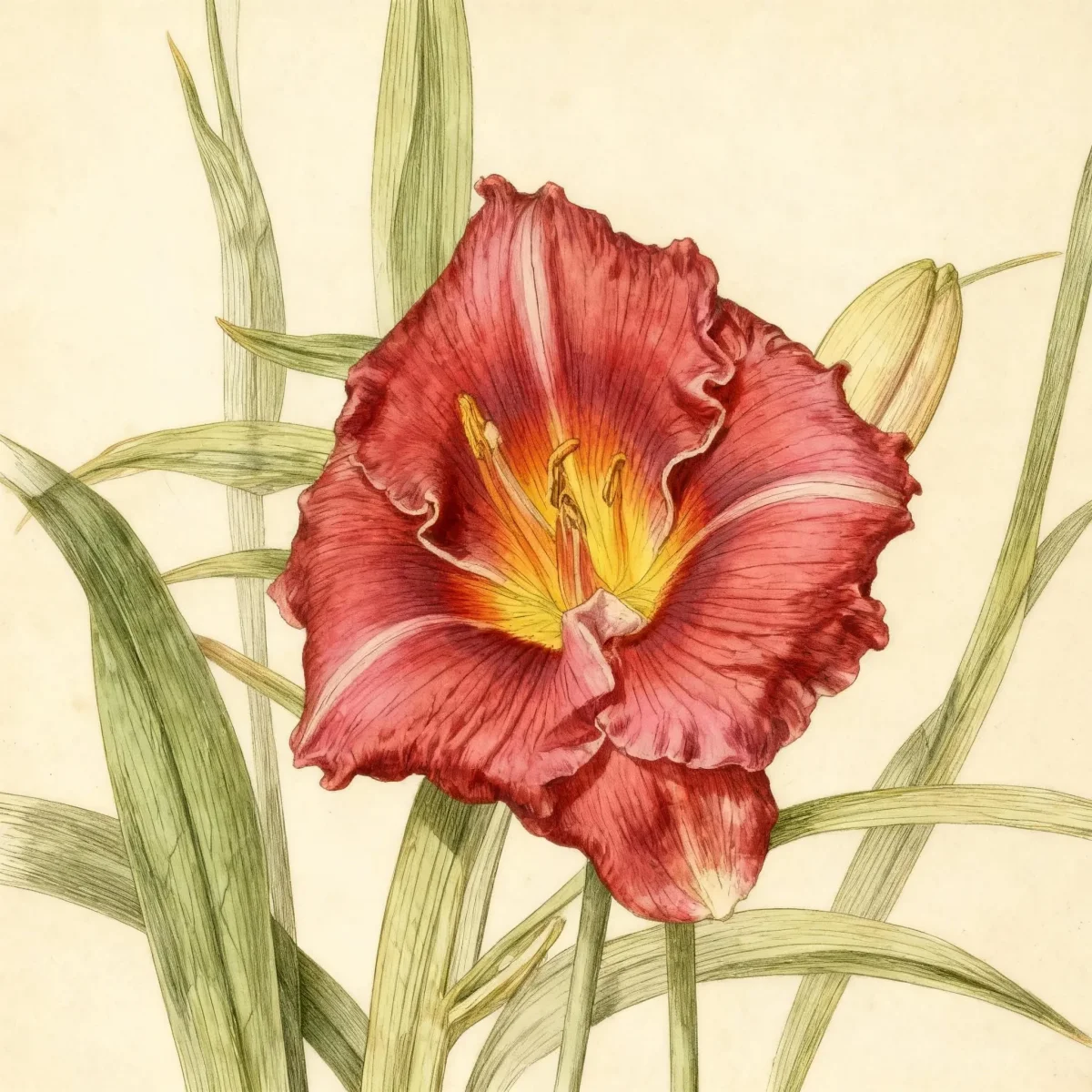
Hemerocallis 'Fly Catcher' Daylily offers striking red blooms with green eyes; low maintenance and hardy in Zones 3-9.
Scroll down to discover growing tips, care requirements, companion plants, and more
Complete Plant Information
Overview
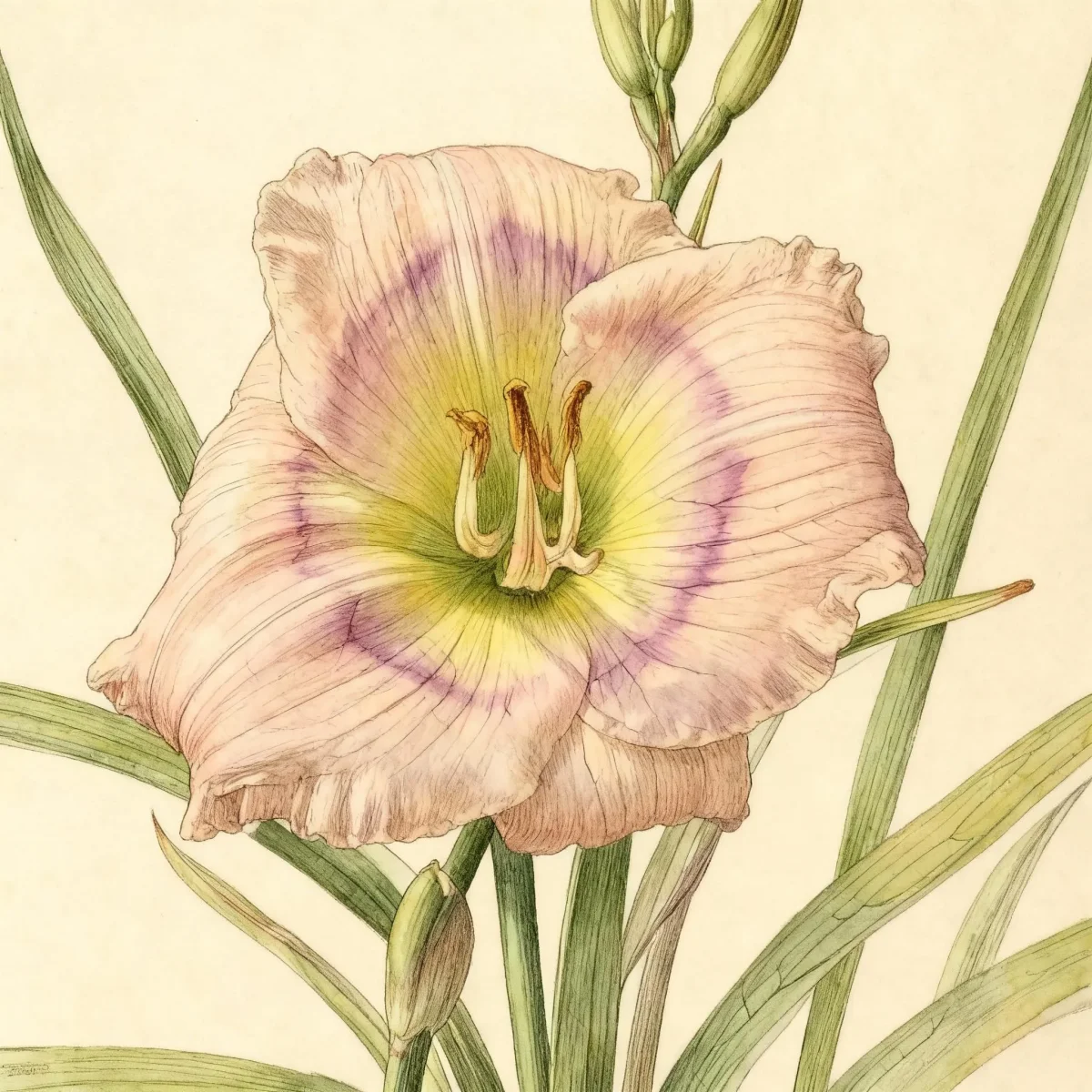
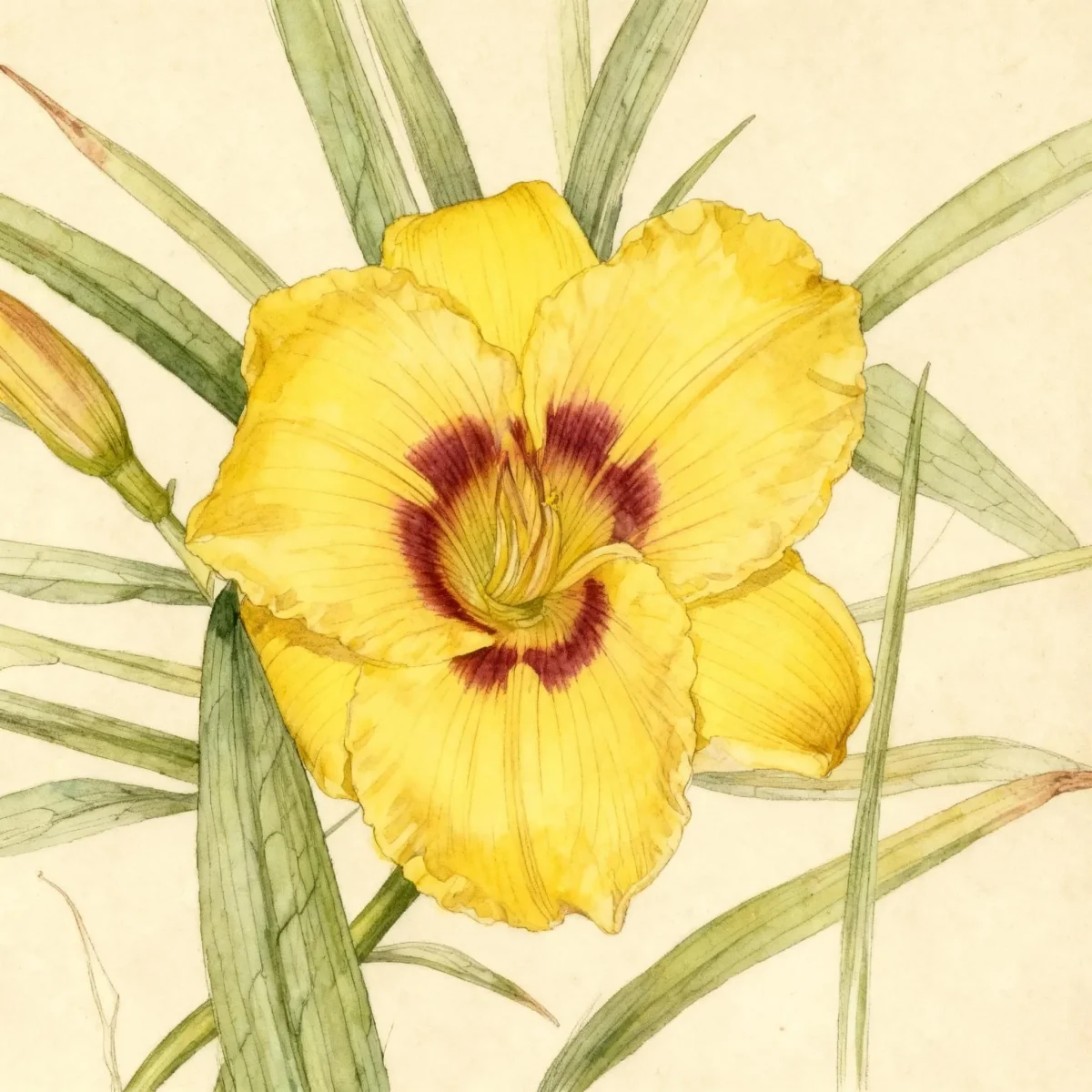
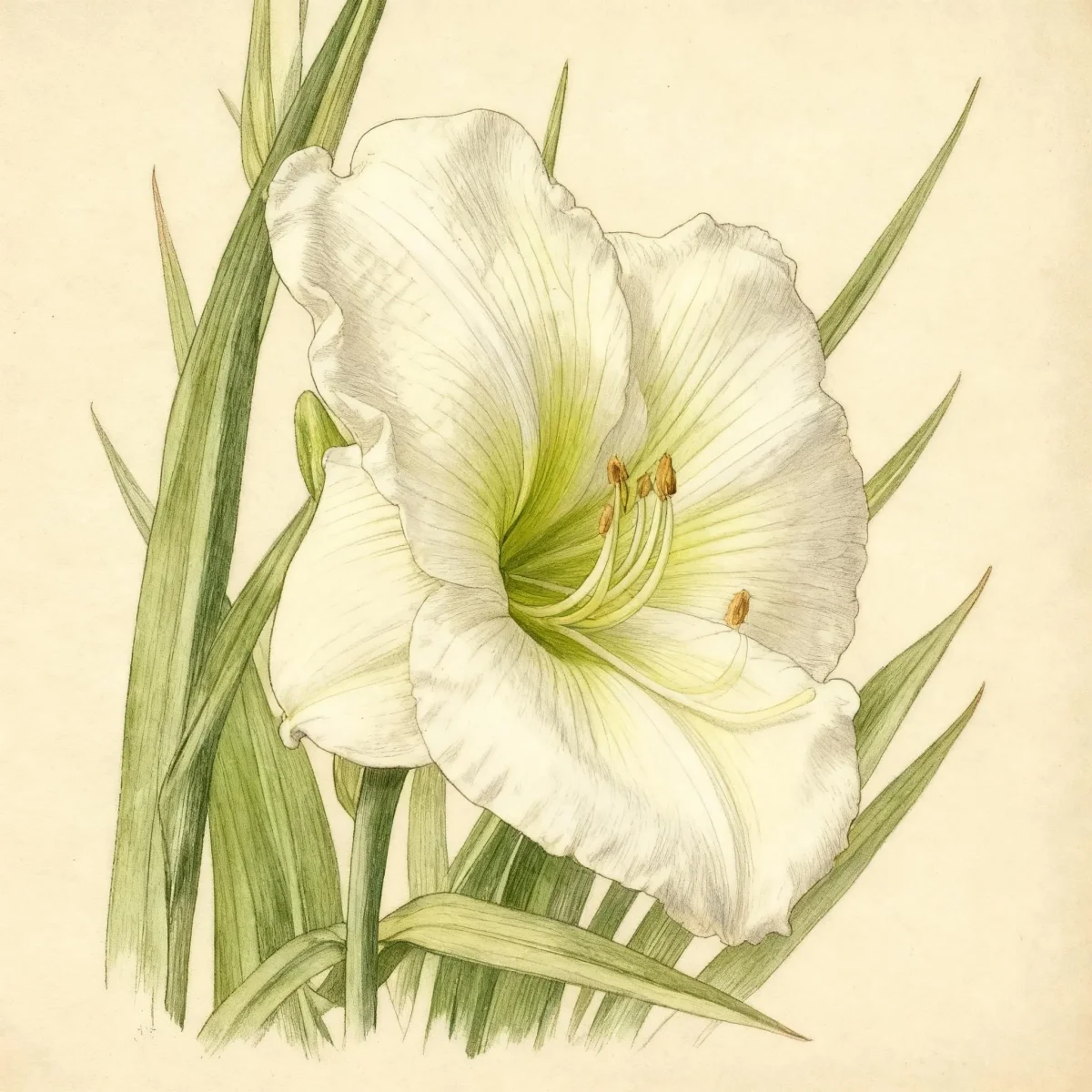
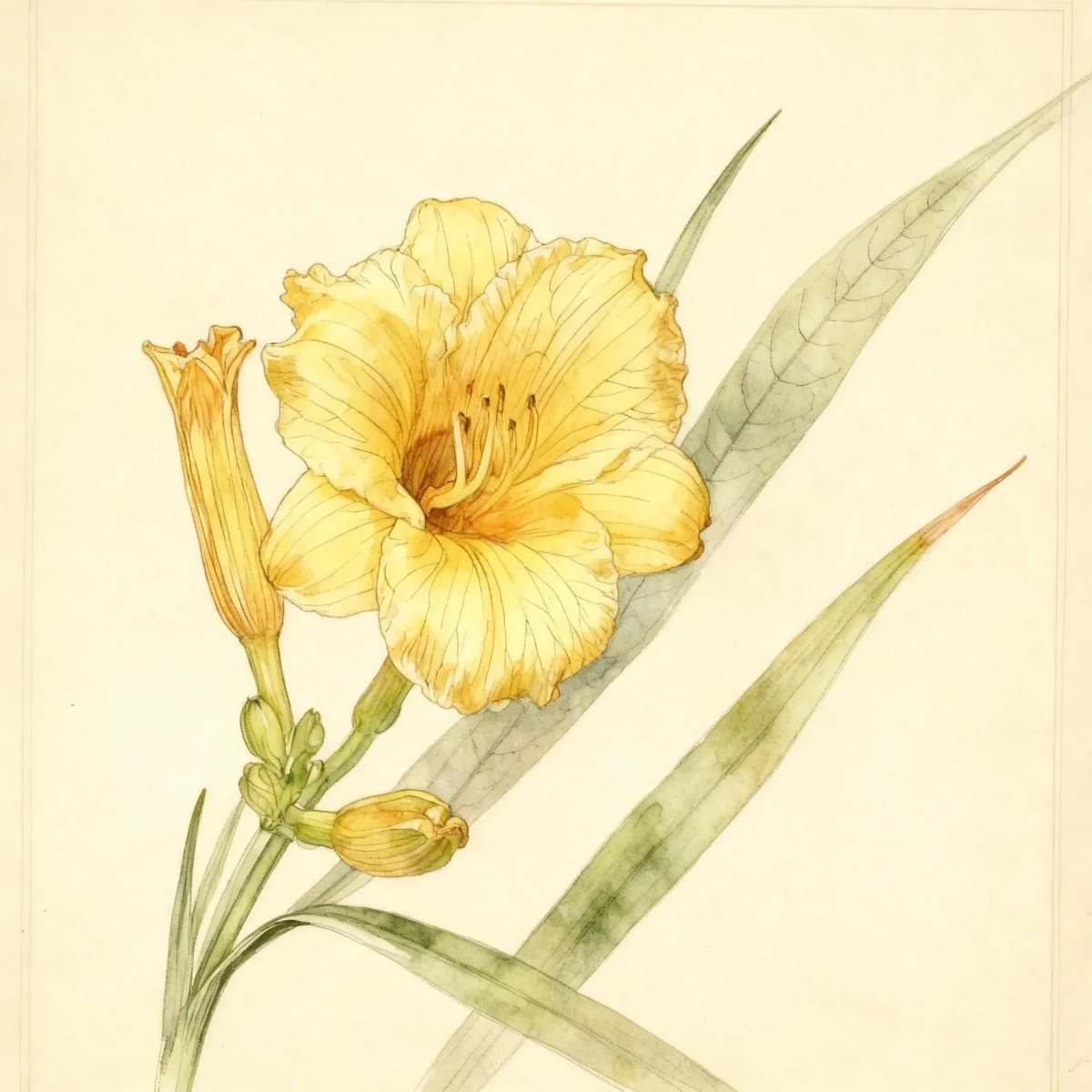
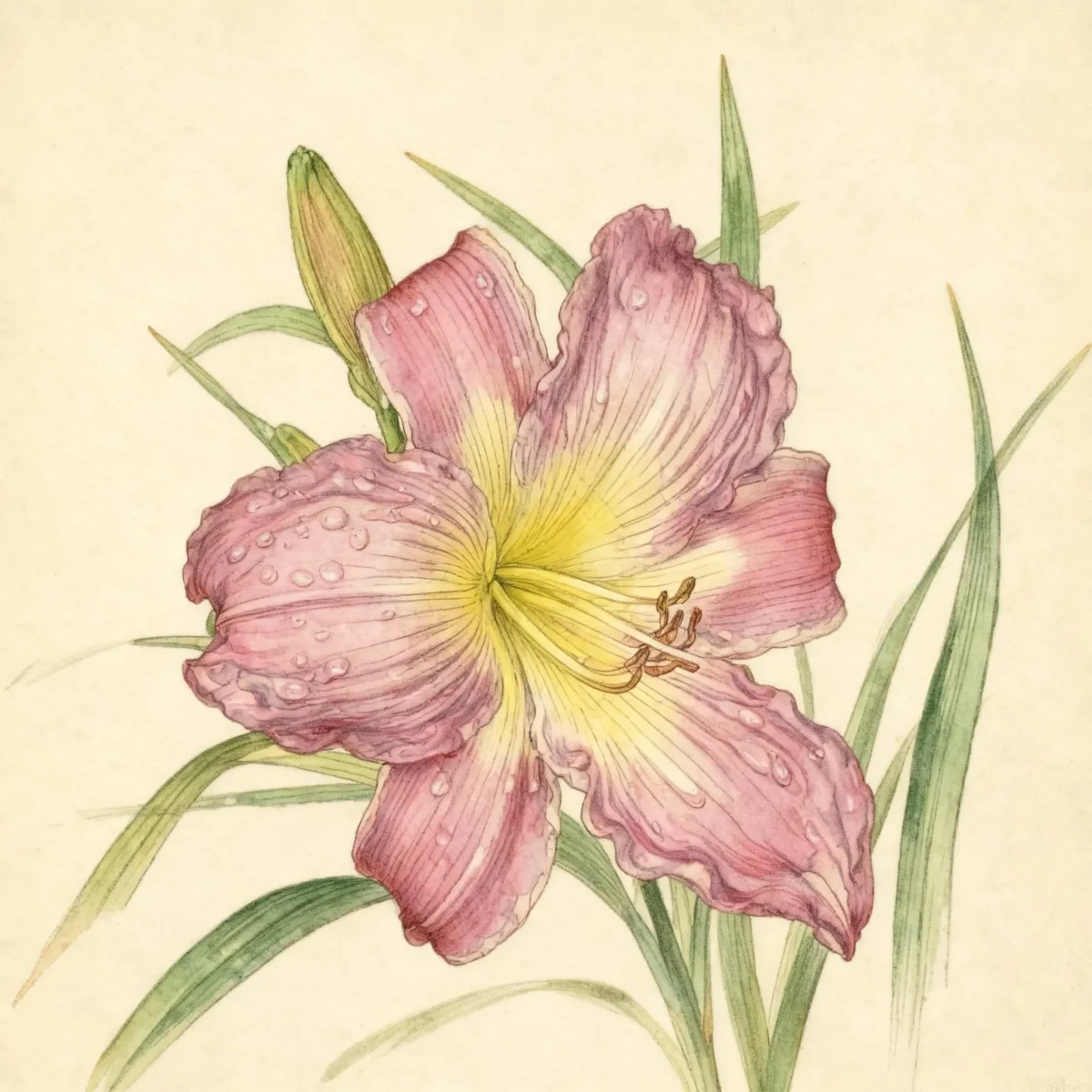
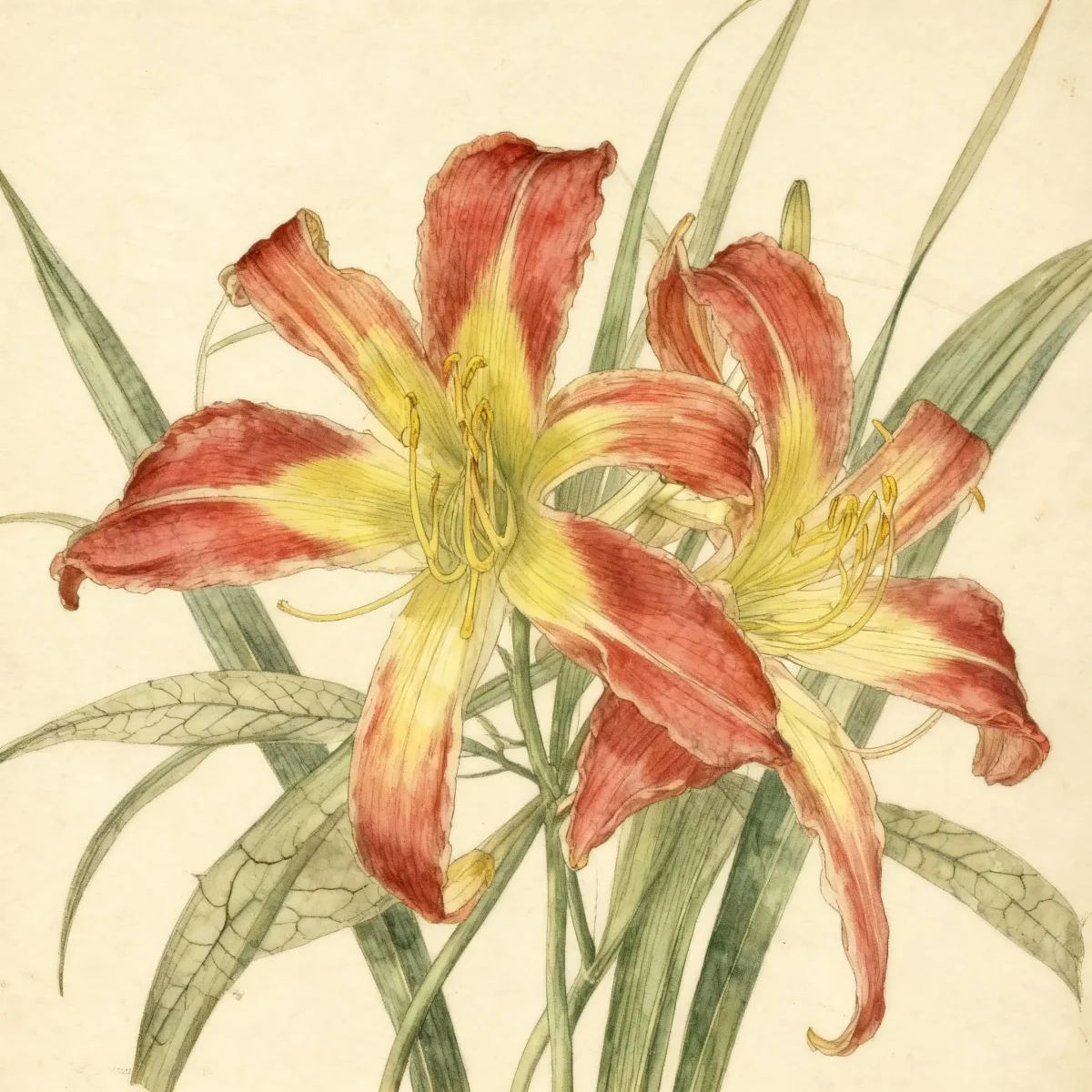
The Hemerocallis ‘Fly Catcher’ is a highly desirable Daylily cultivar prized for its dramatic coloration and ease of cultivation. This herbaceous perennial provides reliable garden color, featuring 7-inch diameter blooms noted for their intense red petals contrasted by distinct green eye zones and throats. As a robust Daylily variety, Hemerocallis ‘Fly Catcher’ establishes quickly, forming neat clumps of strap-like foliage perfect for mass plantings or borders. Gardeners value this selection for its low-maintenance needs and consistent performance across a wide range of USDA hardiness zones, ensuring vibrant summer interest with minimal fuss.
Fast Facts
- Plant Family: Asphodelaceae
- Plant Type: Herbaceous perennial
- Hardiness Zones: USDA Zones 3-9
- Size at Maturity:
- Height: 2-2.5 ft
- Spread: 2-2.5 ft
- Bloom Time: June to July
- Bloom Description: Red with green eye zone and throat
- Sun Exposure: Full sun to part shade
- Water Needs: Medium
- Maintenance Level: Low
How to Grow
Daylilies, including the excellent Hemerocallis ‘Fly Catcher’, thrive when planted in average, medium moisture, well-drained soils. While they tolerate various soil types, heavy, deep, fertile loams promote the best growth and most vigorous blooming. Plant these perennials in locations receiving full sun to achieve the richest flower colors, though they tolerate light afternoon shade.
Maintenance for this Daylily is remarkably simple. Deadheading spent flowers daily is recommended to maintain a tidy appearance, and once blooming ceases on a scape, remove the entire stalk. Although Daylilies tolerate heat and humidity well, ensure plants receive deep watering during extended dry spells to keep the foliage looking fresh and attractive throughout the summer months.
For optimal display, plan to divide clumps of Daylilies every three to four years. This division is best performed in the spring in colder climates (Zones 3-7) or in the fall in milder areas. Remember that hybrid Daylilies grown from seed will not reliably produce the parent plant’s characteristics, so division is key to preserving the appearance of Hemerocallis ‘Fly Catcher’.
Landscape Uses
Daylilies are among the most versatile herbaceous perennials available for home gardens due to their hardiness and arching foliage structure, even when not in bloom. Hemerocallis ‘Fly Catcher’ excels when utilized in traditional garden borders where its upright habit provides texture between lower-growing annuals and taller shrubs. It is an exceptionally easy-to-grow plant perfect for massing over large areas to create a sweeping river of color that effectively suppresses weeds.
This cultivar also works wonderfully for simple edging along pathways or driveways, providing dependable, long-lasting structure. The substantial clump-forming nature of this Daylily makes it useful for stabilizing gentle slopes, offering the added benefit of reasonable erosion control alongside its decorative blooms. For a classic cottage garden effect, pair the rich red of ‘Fly Catcher’ with soft purples like Lavender or silvery foliage plants.
Standout Features
Flower Qualities
- Showy
Noteworthy Characteristics
Hemerocallis is a genus of about 15 species of herbaceous perennials commonly known as daylilies, native to Asia and central Europe. Hybridizers have developed over 60,000 cultivars, including this Hemerocallis ‘Fly Catcher’, enhancing colors, shapes, and patterns. Each flower typically lasts only one day, but successive blooming keeps the plant colorful over a long period, showcasing funnel-shaped flowers on tall scapes above grass-like foliage.
Tolerances
- Rabbit
- Erosion
- Air Pollution
Potential Problems
Daylilies are renowned for being extremely adaptable and are generally low-maintenance concerning pests and diseases. Mites, aphids, and thrips may occasionally appear, requiring standard horticultural oil or insecticidal soap if a population becomes severe. In some regions, Daylily rust can become an issue; ensuring good air circulation by properly spacing plants aids in prevention. Fortunately, common garden pests like rabbits tend to avoid eating this Daylily foliage.
Frequently Asked Questions
What hardiness zones is Daylily (Hemerocallis ‘Fly Catcher’) suitable for?
Hemerocallis ‘Fly Catcher’ performs reliably in USDA Hardiness Zones 3 through 9.
How large does Daylily (Hemerocallis ‘Fly Catcher’) grow?
This cultivar typically reaches a mature height between 2 and 2.5 feet, with a similar spread of 2 to 2.5 feet.
When does Daylily (Hemerocallis ‘Fly Catcher’) bloom?
The peak bloom time for Hemerocallis ‘Fly Catcher’ is from June into July, displaying its striking deep red flowers with contrasting green eye zones.
What sun exposure does Daylily (Hemerocallis ‘Fly Catcher’) need?
This Daylily prefers full sun but will tolerate conditions with part shade, though flowering may be reduced in very deep shade.
Conclusion
The Hemerocallis ‘Fly Catcher’ Daylily is an indispensable garden staple, celebrated for its vivid red flowers, exceptional hardiness, and remarkably low maintenance profile. Its versatility ensures it fits seamlessly into almost any landscape design, providing reliable season-long performance. Before planting, confirm your location falls within USDA Zones 3-9 and enjoy establishing this vibrant Daylily in your garden this season.
Companion Planting
Choosing companions that thrive under similar conditions—medium moisture and full sun exposure—will create a balanced mixed border. Consider pairing Hemerocallis ‘Fly Catcher’ with plants that offer contrasting foliage texture or bloom timing. Hostas, particularly those with blue or variegated leaves, look excellent positioned near Daylilies, as the shade created by the Daylilies’ later blooming period is appreciated by the Hostas. Ornamental grasses also provide excellent vertical contrast and movement alongside the solid structure of the Daylily clump.
Design Ideas
The bold, saturated color of Hemerocallis ‘Fly Catcher’ lends itself well to focal point plantings or creating strong visual blocks in the landscape. For maximum impact, plant them in groups of five or more to allow the rich red tones to truly resonate. Because the foliage remains attractive even post-bloom, ‘Fly Catcher’ can serve as a strong mid-height anchor across the foreground of foundation plantings, bridging the gap between low-growing bedding plants and taller background specimens.