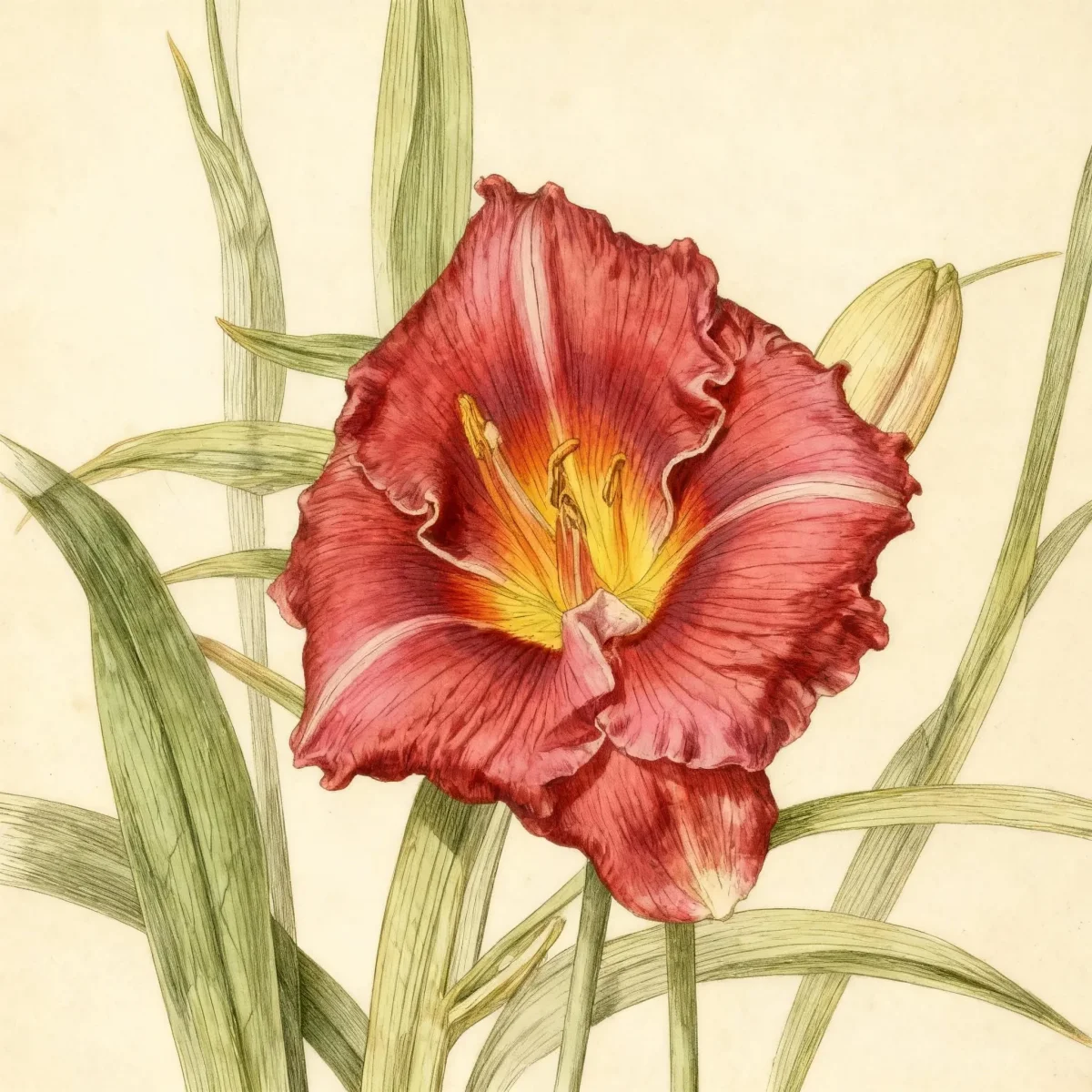
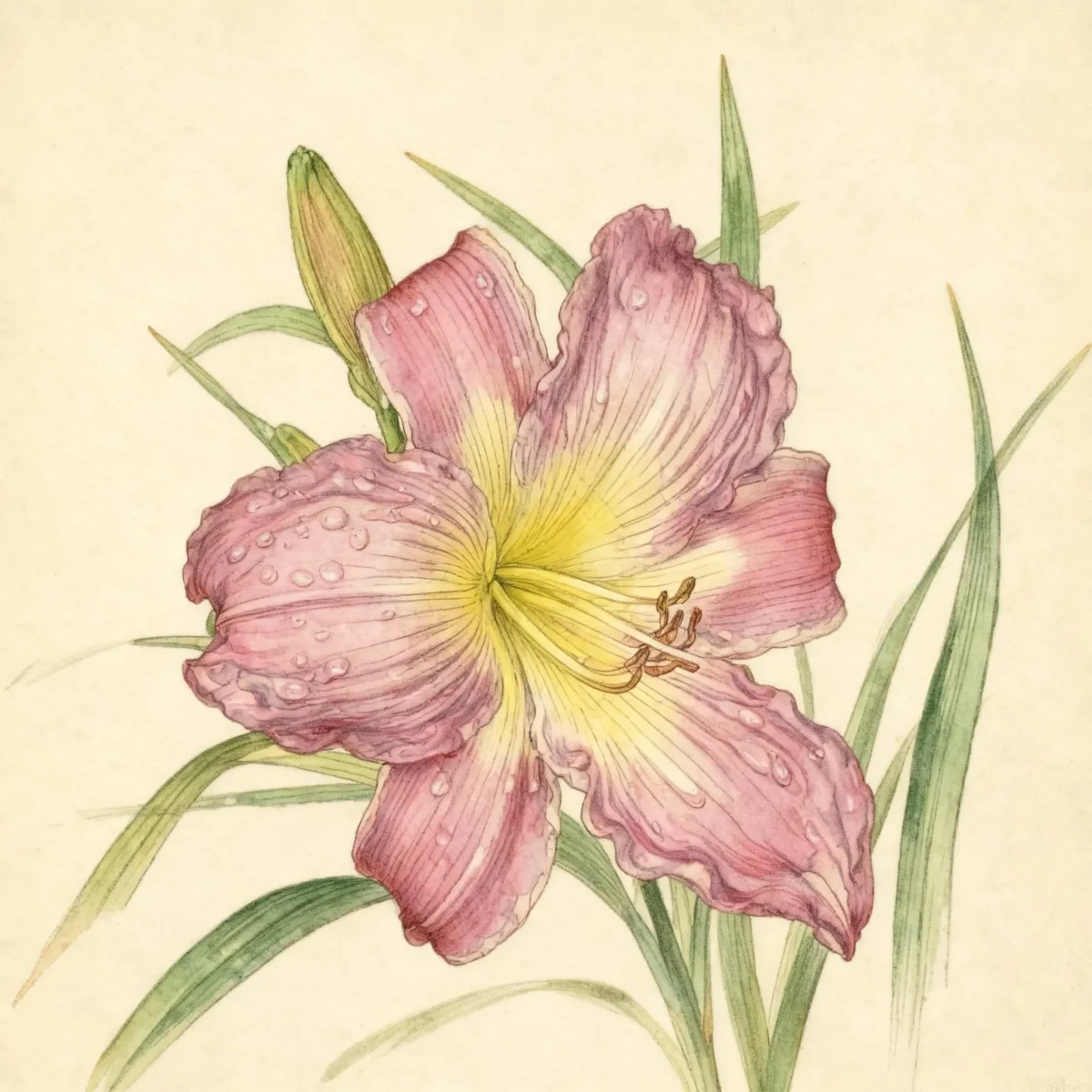
Daylily (Hemerocallis 'Gentle Shepherd')
Hemerocallis 'Gentle Shepherd' is a low-maintenance Daylily prized for its almost pure white summer blooms in USDA zones 3-9.
Scroll down to discover growing tips, care requirements, companion plants, and more
Complete Plant Information
Overview
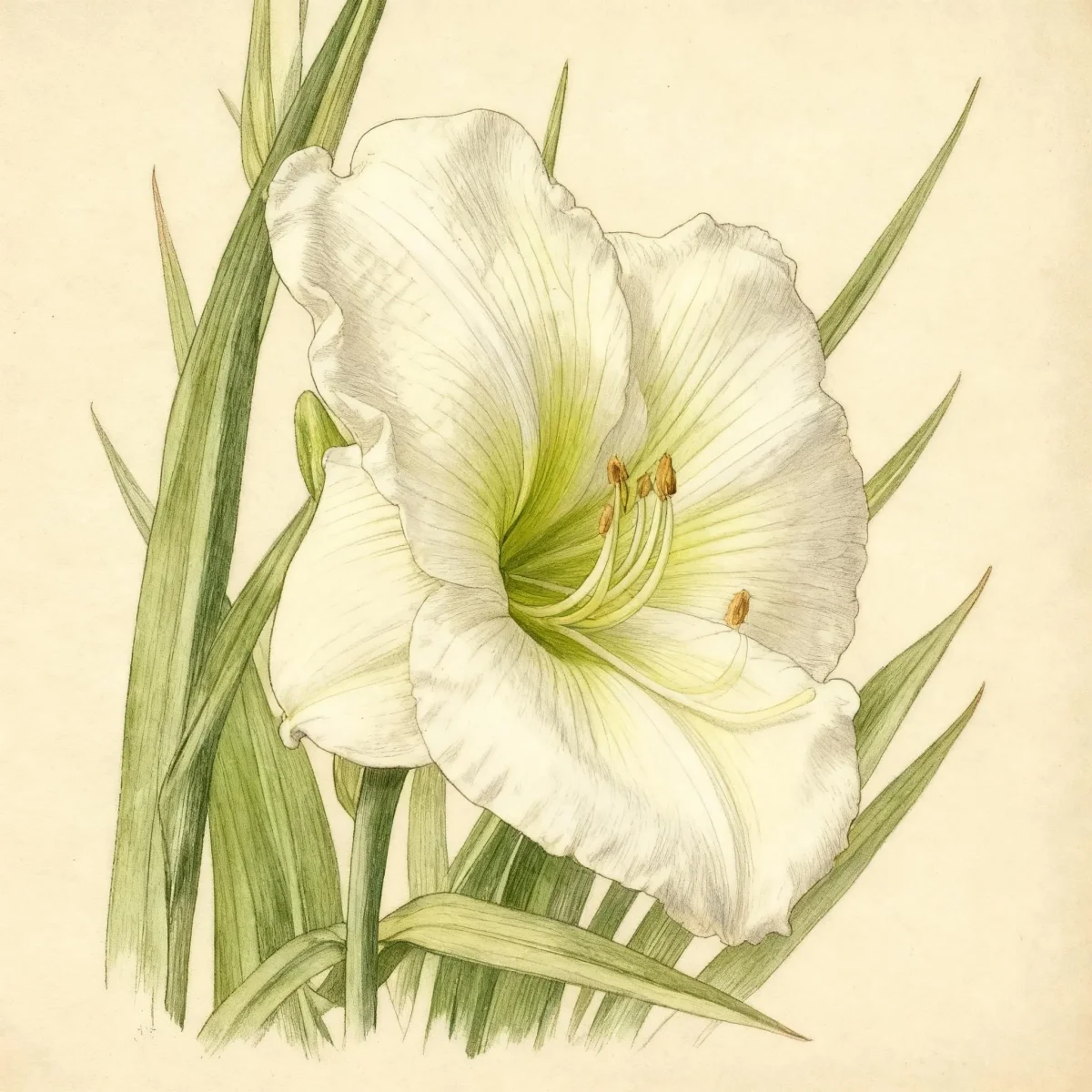
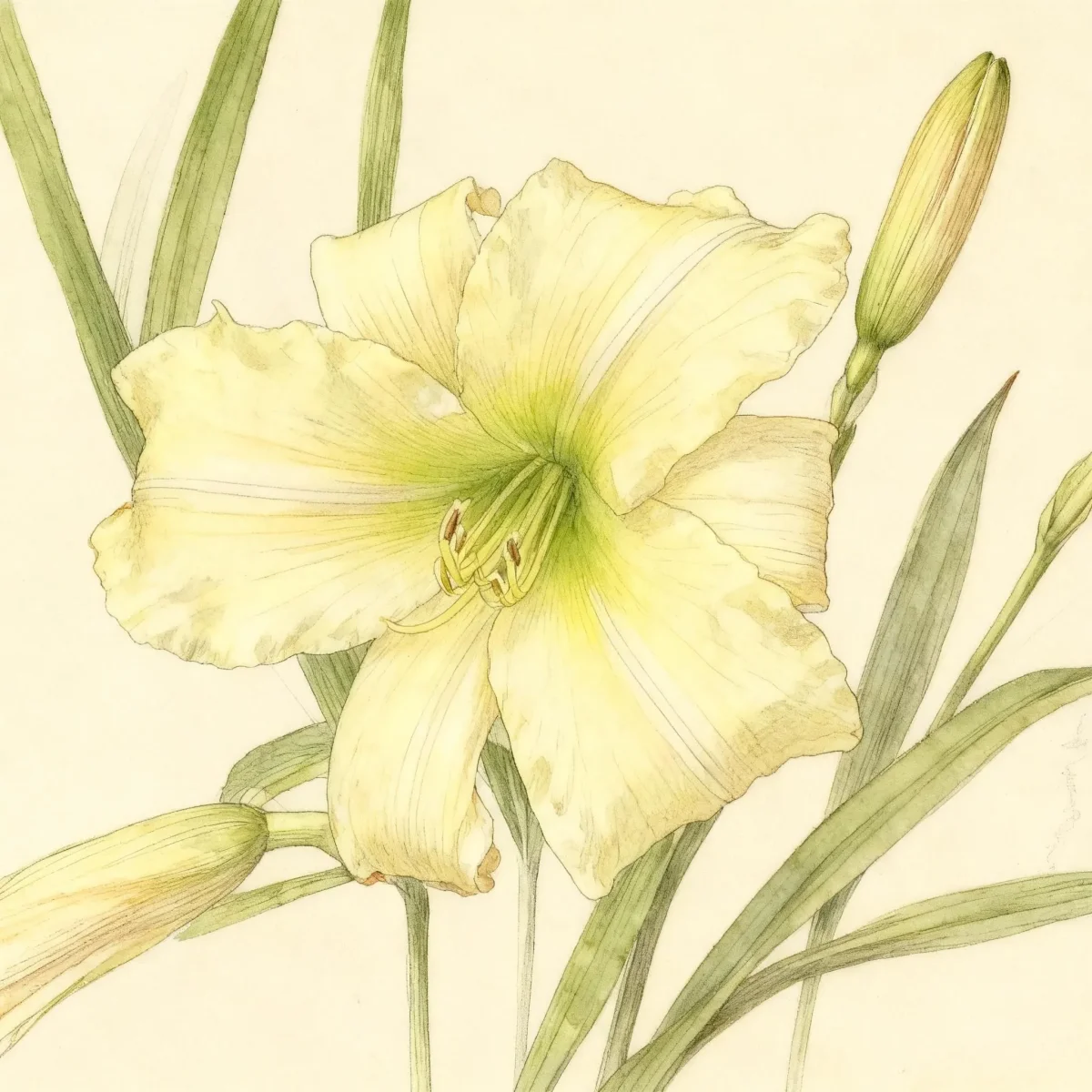
Hemerocallis ‘Gentle Shepherd’ is a cherished diploid Daylily cultivar known across the gardening world for its exceptionally clean, almost pure white flowers accented by gentle yellow-green throats. This herbaceous perennial offers reliable, low-maintenance performance, making it an essential addition for gardeners seeking bright contrast and classic beauty in the early to mid-summer landscape. Its upright, arching foliage provides year-round structure until dormancy sets in.
This specific Daylily variety is highly adaptable, thriving across a broad range from cool USDA Zones 3 through the warmer Zone 9, provided winter dormancy is achieved. The blooms appear atop scapes rising approximately 30 inches, ensuring the showy flowers are prominently displayed throughout the primary bloom period in June and July.
As a hybrid Daylily, ‘Gentle Shepherd’ represents decades of breeding work focused on vigor, flower quality, and adaptability. Its dependable reblooming potential and capacity to handle various conditions solidify its reputation as one of the best white selections available today.
Fast Facts
- Plant Family: Asphodelaceae
- Plant Type: Herbaceous perennial
- Hardiness Zones: USDA Zones 3-9
- Size at Maturity:
- Height: 2-2.5 ft
- Spread: 1.5-2 ft
- Bloom Time: June to July
- Bloom Description: White with yellow-green throat
- Sun Exposure: Full sun to part shade
- Water Needs: Medium
- Maintenance Level: Low
How to Grow
Planting Hemerocallis ‘Gentle Shepherd’ should occur when soils are workable, ideally in the spring or fall, though spring planting allows immediate establishment before summer heat. These Daylilies adapt well to average, medium moisture soils, but they prefer deep, fertile loams for optimal performance. Ensure the location receives full sun to light afternoon shade; too much shade will diminish flowering for this Daylily.
Maintenance for this low-care perennial is minimal. Deadhead spent flowers daily to maintain neatness, promptly removing the individual blooms as they fade. Once the flower scapes have completed their blooming cycle, remove the entire scape near the base of the plant. Although tolerant of heat and humidity, provide deep watering during dry spells to keep the attractive, dark green foliage looking its best.
For long-term health and vigorous reblooming of your Hemerocallis ‘Gentle Shepherd’, plan to divide the clumps every three to four years. Division is best performed in the spring in colder climates like the northern parts of the growing range (Zone 3), or in the fall in milder areas. Be aware that hybrid Daylilies, including ‘Gentle Shepherd’, will not produce identical flowers if grown from seed.
Landscape Uses
Hemerocallis ‘Gentle Shepherd’ excels as an easy-to-grow herbaceous perennial incorporated into diverse garden designs. The elegant white flowers provide excellent luminosity, especially when planted against dark green or blue-toned foliage plants. It is highly effective used along borders where its 2 to 2.5-foot height provides a mid-level screen or transition.
These daylilies are also superb for massing over large areas, creating drifts of white color that unify a planting scheme. Due to their fibrous roots and tolerance for erosion, they work well on gentle slopes. While this variety reaches about 2.5 feet, smaller cultivars are noted as excellent choices for rock gardens, though ‘Gentle Shepherd’ is better suited for traditional bedding areas.
Consider pairing Hemerocallis ‘Gentle Shepherd’ with late-season bloomers or plants that offer contrasting foliage texture. Companion suggestions include Russian Sage (Perovskia) for its silvery, airy texture or Coneflowers (Echinacea) for varied bloom times and sturdy structure that complements the Daylily clump.
Standout Features
Flower Qualities
- Showy
Noteworthy Characteristics
Hemerocallis is a genus of herbaceous perennials commonly known as daylilies, originating primarily in Asia and central Europe, with modern garden specimens being almost exclusively hybrids developed by dedicated hybridizers. Each individual flower of the Daylily lasts only one day, but the plant produces a succession of blooms over a long period, leading to the common name, and this cultivar, Hemerocallis ‘Gentle Shepherd’, features 5.5” almost pure white flowers known for their clean appearance. The foliage consists of arching, linear, blade-like leaves that provide structure even when the plant is not in bloom.
Tolerances
- Rabbit
- Erosion
- Air Pollution
Potential Problems
Daylilies are generally regarded as extremely adaptable and are relatively pest-free perennials, but gardeners should remain vigilant for occasional issues. Mites, aphids, and thrips may sometimes infest the foliage or developing buds; treatment is usually only necessary if populations become high. Daylily rust is a fungal concern reported in some regions and should be managed swiftly through good air circulation and appropriate fungicides. Rabbits typically find the foliage unpalatable and tend to avoid established Hemerocallis clumps.
Frequently Asked Questions
What hardiness zones is Daylily suitable for?
Hemerocallis ‘Gentle Shepherd’ is hardy across a wide range, suitable for USDA Zones 3 through 9.
How large does Hemerocallis ‘Gentle Shepherd’ grow?
This Daylily typically reaches a height between 2 and 2.5 feet and spreads approximately 1.5 to 2 feet at maturity.
When does Daylily bloom?
This cultivar generally blooms in early to midseason, specifically throughout June and July, offering attractive white flowers with yellow-green throats.
What sun exposure does Daylily need?
For the best flowering display, Hemerocallis ‘Gentle Shepherd’ requires full sun exposure, though it tolerates light afternoon shade.
Conclusion
Hemerocallis ‘Gentle Shepherd’ remains a top choice for gardeners seeking reliability and elegance, providing showy, clean white blooms that brighten the early summer garden with minimal effort. This adaptable Daylily thrives in average soils and requires low maintenance once established. Verify that your growing location falls within USDA Zones 3-9 and plan your spring planting soon to enjoy this beautiful white Daylily next season.
Companion Planting
Selecting appropriate companions helps maximize the visual appeal of your Daylily grouping while managing garden space effectively. Since Hemerocallis ‘Gentle Shepherd’ has mid-height foliage, plant shorter ground covers or trailing annuals around its base to mask any yellowing lower leaves that can occur during hot, dry spells. Good partners include creeping Phlox or low-growing Sedum varieties that offer textural contrast without competing heavily for root space.
For height variation, consider pairing the Daylily with taller perennials that bloom later in the season, extending the garden’s interest past the July peak of the white flowers. Tall ornamental grasses provide an excellent vertical foil, as do dark-leaved Hosta varieties positioned strategically in shadier transitional areas nearby.
Seasonal Care Calendar
Spring cleanup is crucial for Daylilies; remove any dead or damaged foliage remaining from winter dormancy as new growth emerges. This step improves air circulation, which helps prevent fungal issues like rust, common in humid conditions. Fertilize lightly in early spring with a balanced, slow-release fertilizer, avoiding heavy nitrogen applications which promote excessive foliage growth at the expense of flowers.
Summer maintenance focuses almost entirely on deadheading the spent blooms of Hemerocallis ‘Gentle Shepherd’ throughout June and July, as mentioned previously. If you notice wilting or foliage discoloration during extended drought periods, administer a deep, slow watering directly to the root crown rather than frequent shallow drenches. Do not cut back the green foliage in the fall until it has completely died back naturally, as the leaves are still gathering energy for next year’s display.