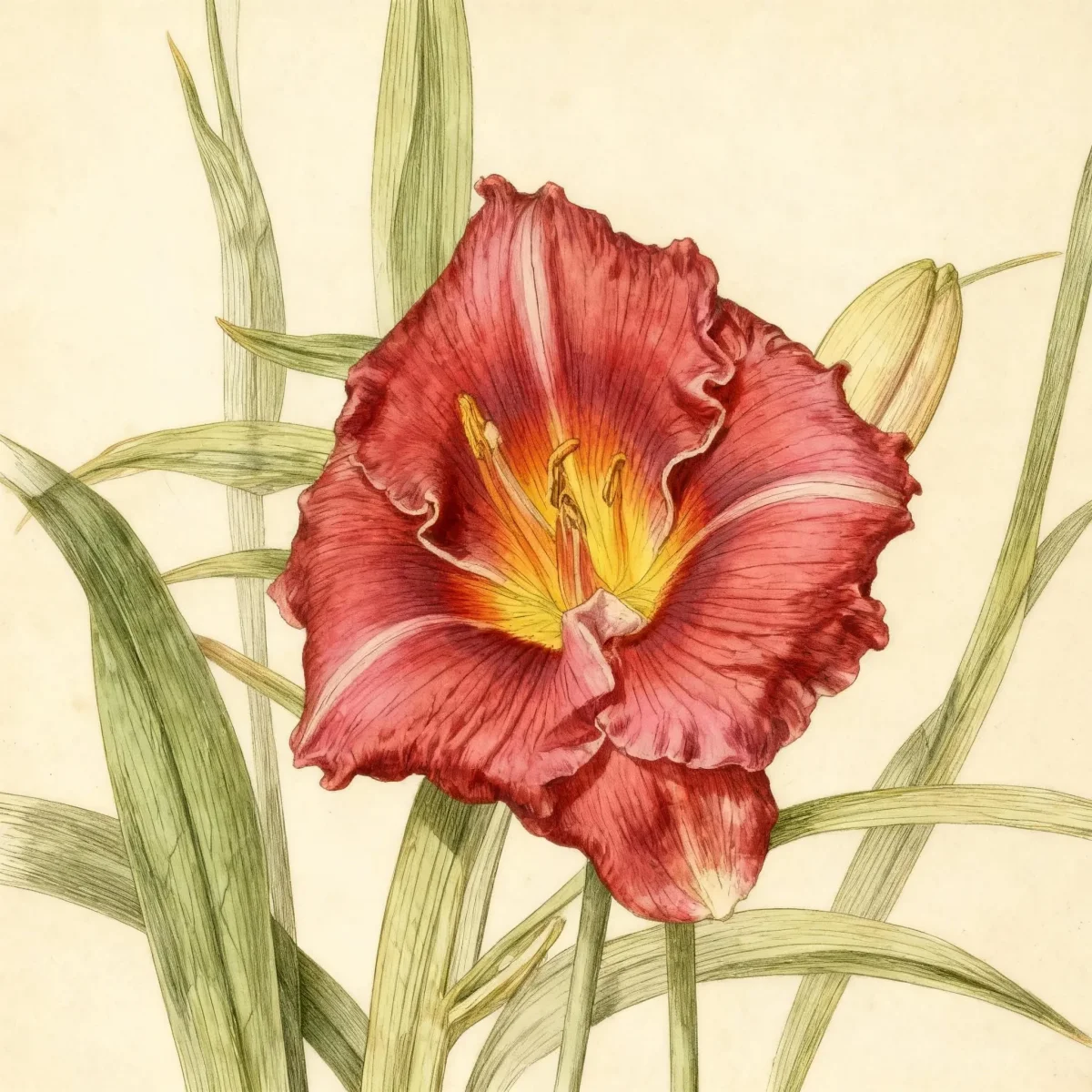
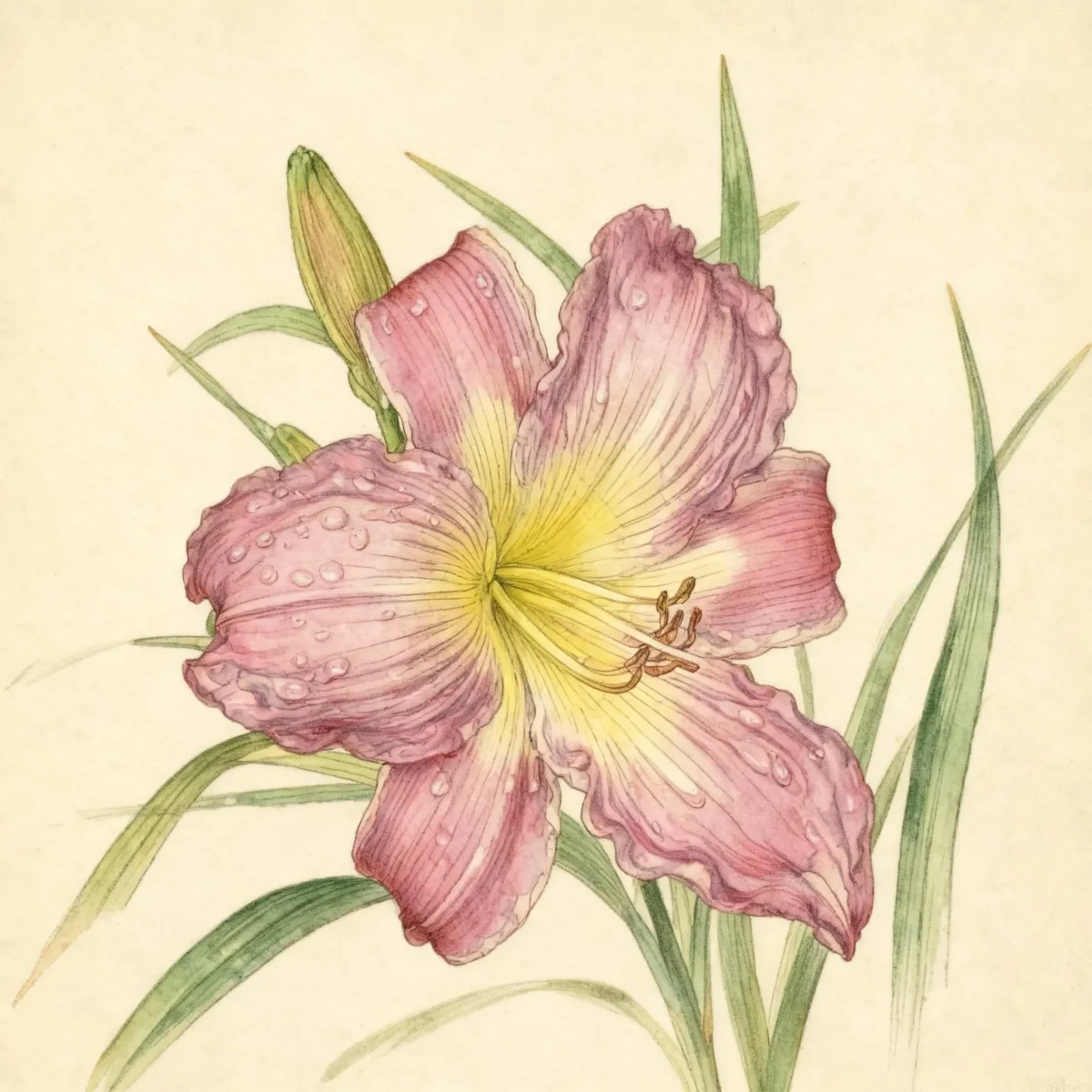
Daylily (Hemerocallis 'Golden Calypso')
Hemerocallis 'Golden Calypso' is a low-maintenance Daylily featuring orange blend flowers, hardy in Zones 3-9.
Scroll down to discover growing tips, care requirements, companion plants, and more
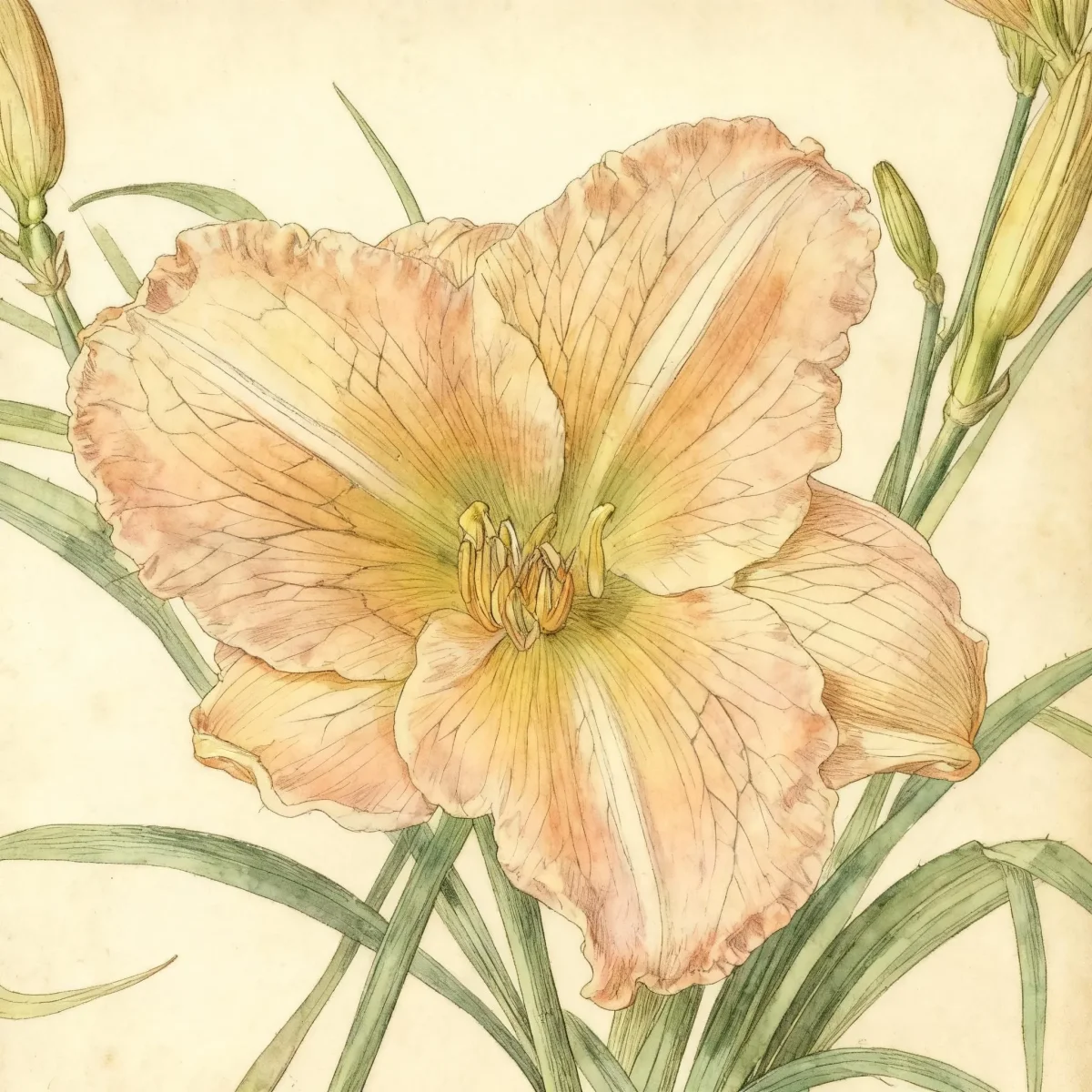
Complete Plant Information
Overview
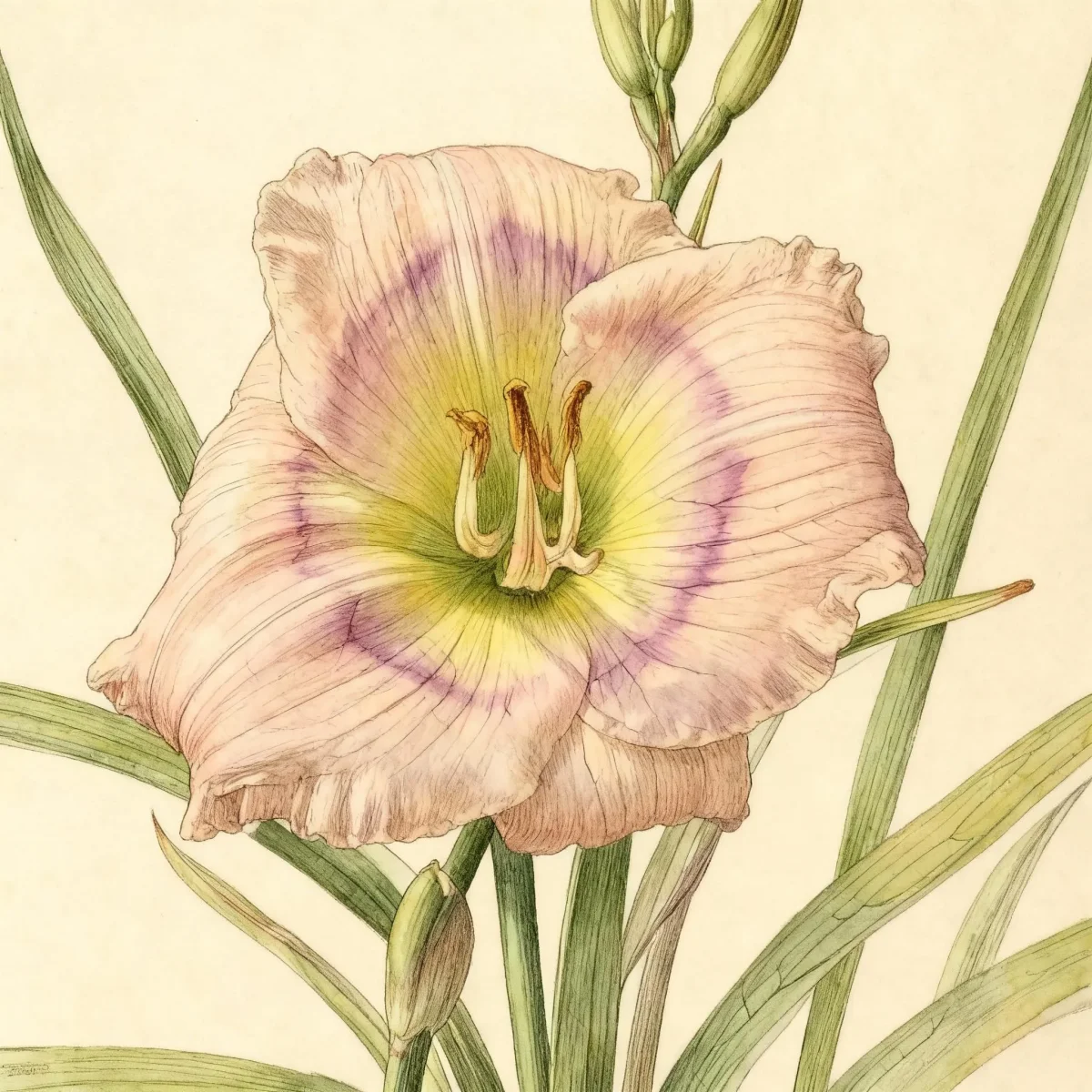
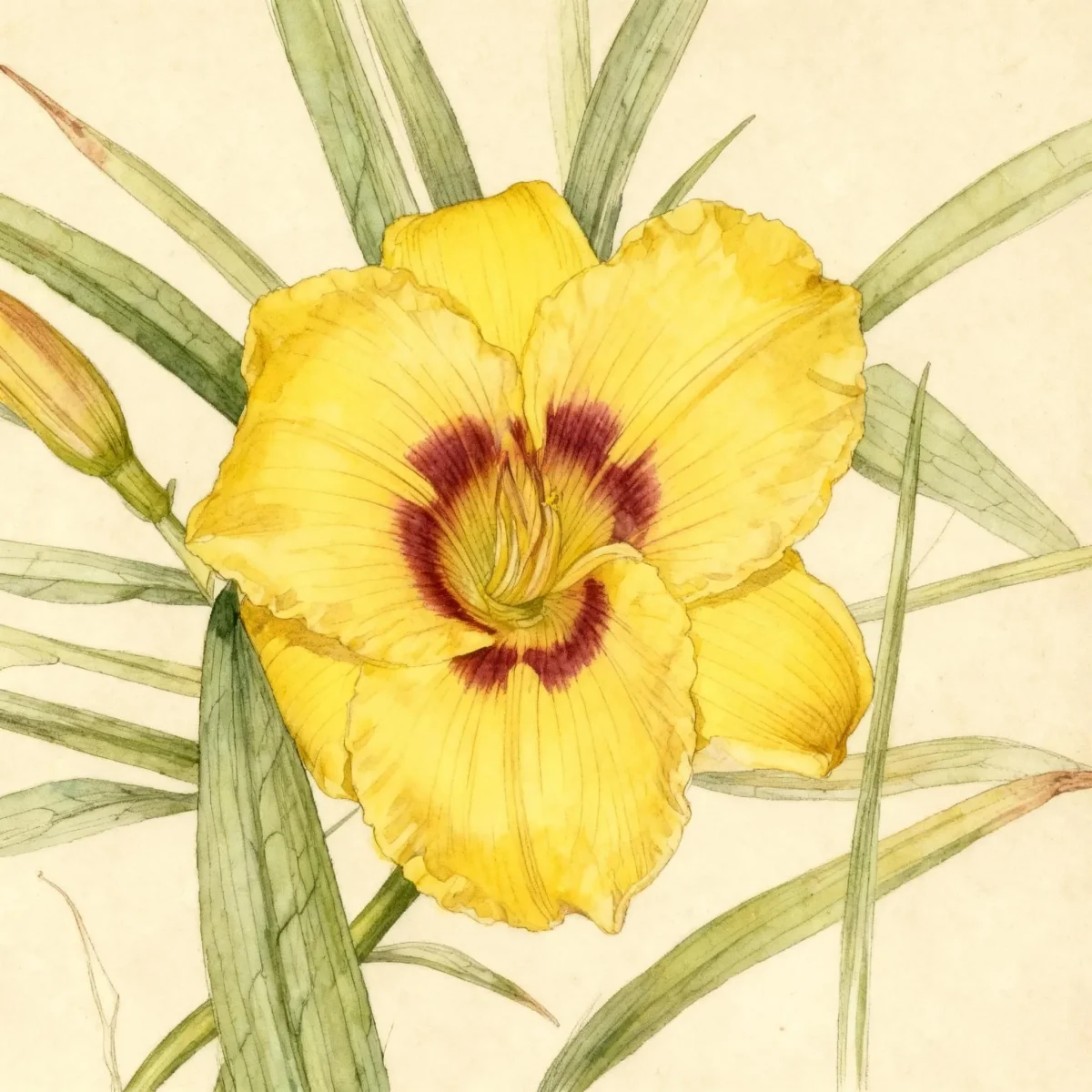
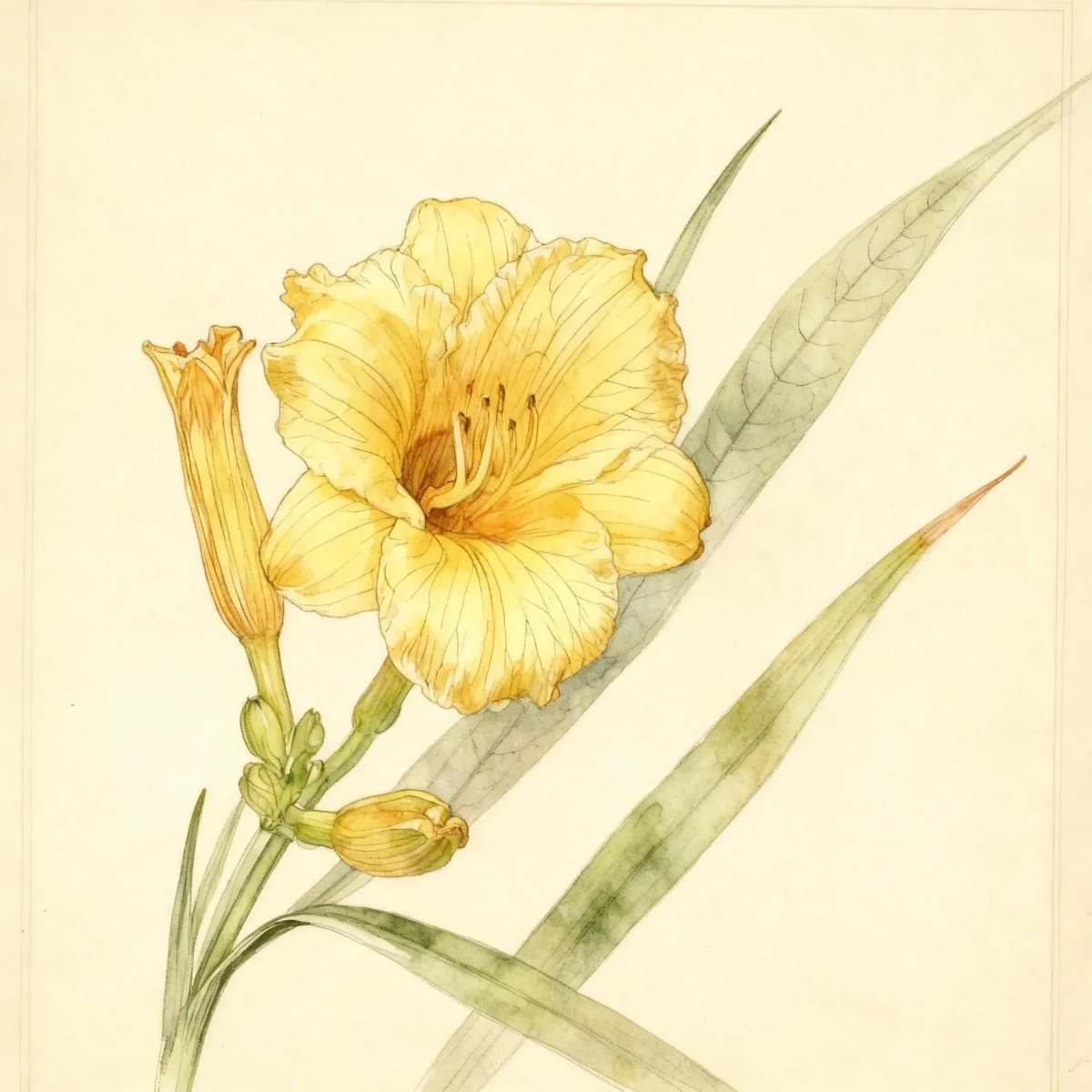
Hemerocallis ‘Golden Calypso’ is a highly valued Daylily cultivar, celebrated for its striking, showy blooms that provide reliable early-season color. This herbaceous perennial offers an orange blend flower with a distinct olive throat, opening on scapes that rise above attractive, arching foliage. As a robust hybrid, Hemerocallis ‘Golden Calypso’ brings exceptional resilience to the garden landscape.
Gardeners appreciate this Daylily due to its low maintenance requirements and adaptability across a wide range of conditions. Growing easily in average soils, this variety is known for its tolerance to heat, humidity, and urban stressors, making it a versatile star for mass plantings or defined borders. Providing medium water and placement in full sun to part shade ensures the best performance for this beautiful cultivar.
The prolific nature of Daylilies means that while individual flowers last only a day, the succession of blooms from May to July ensures a long season of attractive flowering. Cultivars like Hemerocallis ‘Golden Calypso’ have been bred for improved aesthetics and performance, solidifying the Daylily’s position as a garden staple across USDA Zones 3 through 9.
Fast Facts
- Plant Family: Asphodelaceae
- Plant Type: Herbaceous perennial
- Hardiness Zones: USDA Zones 3-9
- Size at Maturity:
- Height: 2-2.5 ft
- Spread: 1.5-2 ft
- Bloom Time: May to July
- Bloom Description: Orange blend with olive throat
- Sun Exposure: Full sun to part shade
- Water Needs: Medium
- Maintenance Level: Low
How to Grow
Planting Daylilies like Hemerocallis ‘Golden Calypso’ is best accomplished in the spring or fall, ensuring the plant establishes well before harsh weather extremes. Select a location receiving full sun to partial shade where the soil is medium moist and notably well-drained. While performing adequately in many soil types, Daylilies thrive best when planted into deep, fertile loams, benefitting from rich organic matter incorporated before setting the crowns.
Maintenance for this low-maintenance variety is straightforward. Deadhead spent flowers daily to maintain neatness, removing the entire scape once blooming concludes. Though tolerant of heat, ensure deep watering occurs during dry spells to sustain attractive foliage throughout the summer. Hybrid daylilies do not breed true from seed, so propagation relies on division.
For optimal longevity and bloom production, plan to divide the clumps of Hemerocallis ‘Golden Calypso’ every three to four years. Spring is often the preferred time for division, particularly in colder climates like the St. Louis area, though fall division is also acceptable. Remember that winter-dormant types require a sufficient cold period, meaning they are generally not recommended for the mildest southern zones (Zone 9 and above).
Landscape Uses
The robust structure and vibrant color of Hemerocallis ‘Golden Calypso’ make it indispensable for defining garden boundaries. These easy-to-grow herbaceous perennials excel when used for edging along walkways, creating structured borders where their linear foliage provides year-round texture. They are also powerful tools for softening foundational plantings.
For achieving high impact, consider massing Daylilies over large areas. Planting clumps of Hemerocallis ‘Golden Calypso’ together generates a sweeping tapestry of orange during the bloom season. While these are not dwarf varieties, they integrate well into mixed perennial borders or can be used effectively to stabilize slopes due to their fibrous root systems, offering excellent erosion control.
Standout Features
Flower Qualities
- Showy
- Fragrant
Noteworthy Characteristics
Hemerocallis is a genus renowned for its rapid development of new color and form through hybridization, resulting in over 60,000 registered cultivars. Hemerocallis ‘Golden Calypso’ is a diploid variety, specifically noted for its 6.5” orange blend flowers accented by olive throats, appearing on scapes reaching about 28 inches tall. The genus name reflects the fleeting beauty of the flower, derived from the Greek words for ‘day’ (hemera) and ‘beauty’ (kallos).
Tolerances
- Rabbit
- Erosion
- Air Pollution
Potential Problems
Daylilies are highly adaptable and generally resist most common garden pests, contributing to their low maintenance rating. Occasionally, mites, aphids, or thrips might target the foliage or buds, though infestations are usually minor. Daylily rust can become an issue in humid regions, necessitating vigilance and potentially fungicide application if identified early. Fortunately, rabbits typically avoid consuming this plant material.
Frequently Asked Questions
What hardiness zones is Daylily suitable for?
Hemerocallis ‘Golden Calypso’ thrives in USDA Zones 3 through 9.
How large does this Daylily grow?
This cultivar typically reaches a mature height between 2 and 2.5 feet tall, with a spread of 1.5 to 2 feet.
When does Hemerocallis ‘Golden Calypso’ bloom?
This Daylily blooms starting in May and continuing through July, offering an orange blend flower with an olive throat, and it often provides a repeat bloom cycle.
What sun exposure does this plant need?
Hemerocallis ‘Golden Calypso’ prefers full sun but will tolerate down to part shade conditions.
Conclusion
Hemerocallis ‘Golden Calypso’ is an exceptional choice for gardeners seeking vibrant, fragrant color combined with extreme adaptability and ease of care. This Daylily variation provides reliable summer performance, tolerates urban conditions, and requires minimal intervention. Ensure your planting site offers well-drained soil and check your local USDA hardiness zone compatibility before adding this beautiful Hemerocallis to your landscape plan.
Companion Planting
Selecting suitable companions can enhance the garden experience around your Daylilies. Since Hemerocallis ‘Golden Calypso’ features strong vertical foliage, pairing it with mounding plants creates pleasing textural contrasts. Consider planting lower-growing groundcovers at the base to help keep the soil cool and suppress weeds, especially benefiting the shallow root systems.
Good companions that share similar sun and water needs include ornamental grasses, which echo the linear leaf form, or Salvias and Coneflowers (Echinacea). These partners bloom throughout the mid to late summer, helping to mask the foliage of the Daylily as it begins to decline after its initial flush of bloom.
Seasonal Care Calendar
Spring preparation involves cleaning up any old, withered foliage left from the previous season, cutting it back close to the crown before active growth begins. Once new fans of leaves appear, side-dressing with a balanced, slow-release fertilizer can encourage robust blooming for the Hemerocallis ‘Golden Calypso’.
Summer is the prime time for enjoyment and light maintenance. Remember to deadhead the spent orange blooms daily to keep the plant looking its best and encourage rebloom if the cultivar is known to repeat. Deep watering during hot, dry spells is crucial, especially if you are aiming for consistent flowering through July.
In the fall, no specific hard pruning is required for dormant types, though you may trim back foliage that has yellowed or died back naturally. If you plan to divide the clump, schedule this for early spring or early fall, ensuring the roots have ample time to establish before the temperature swings.