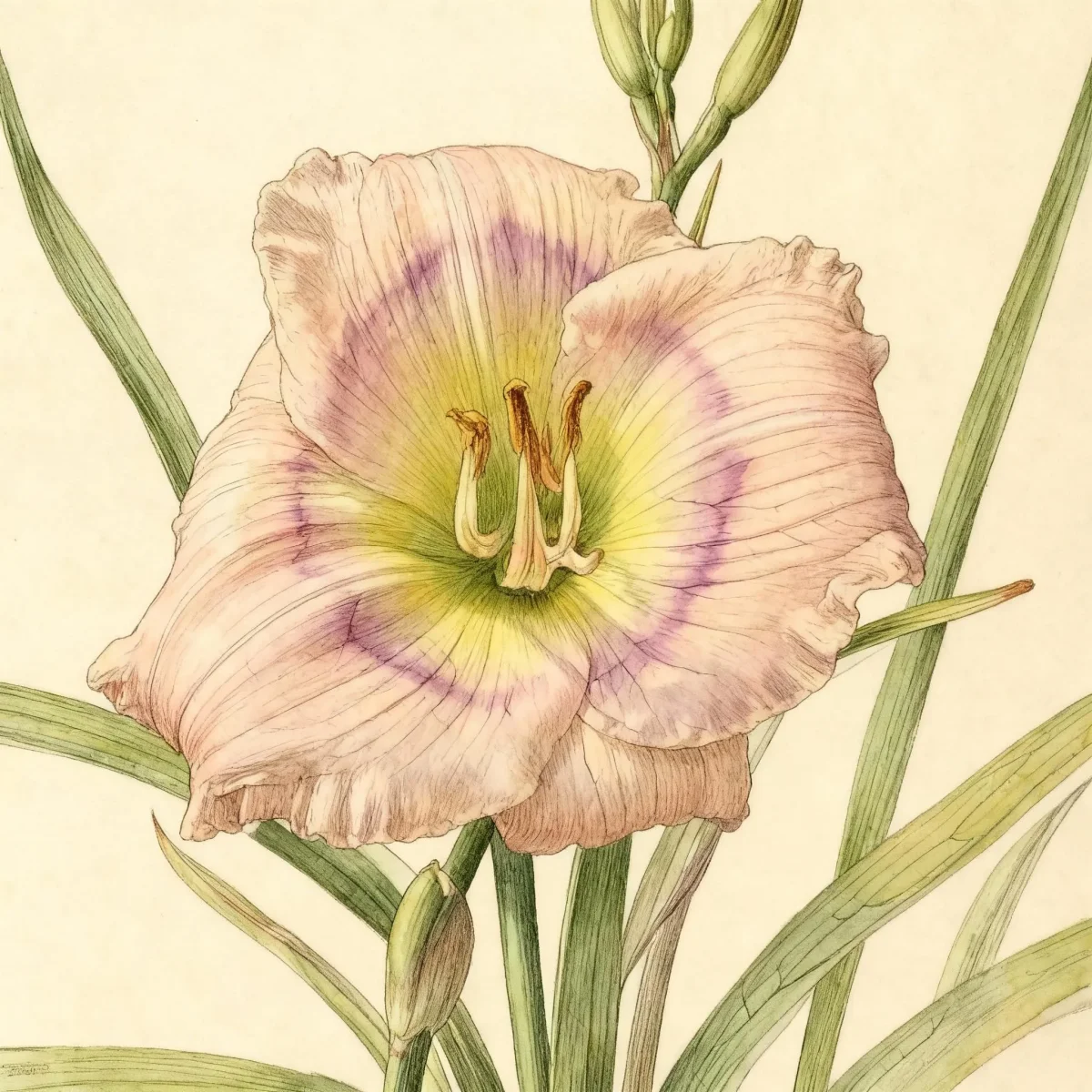
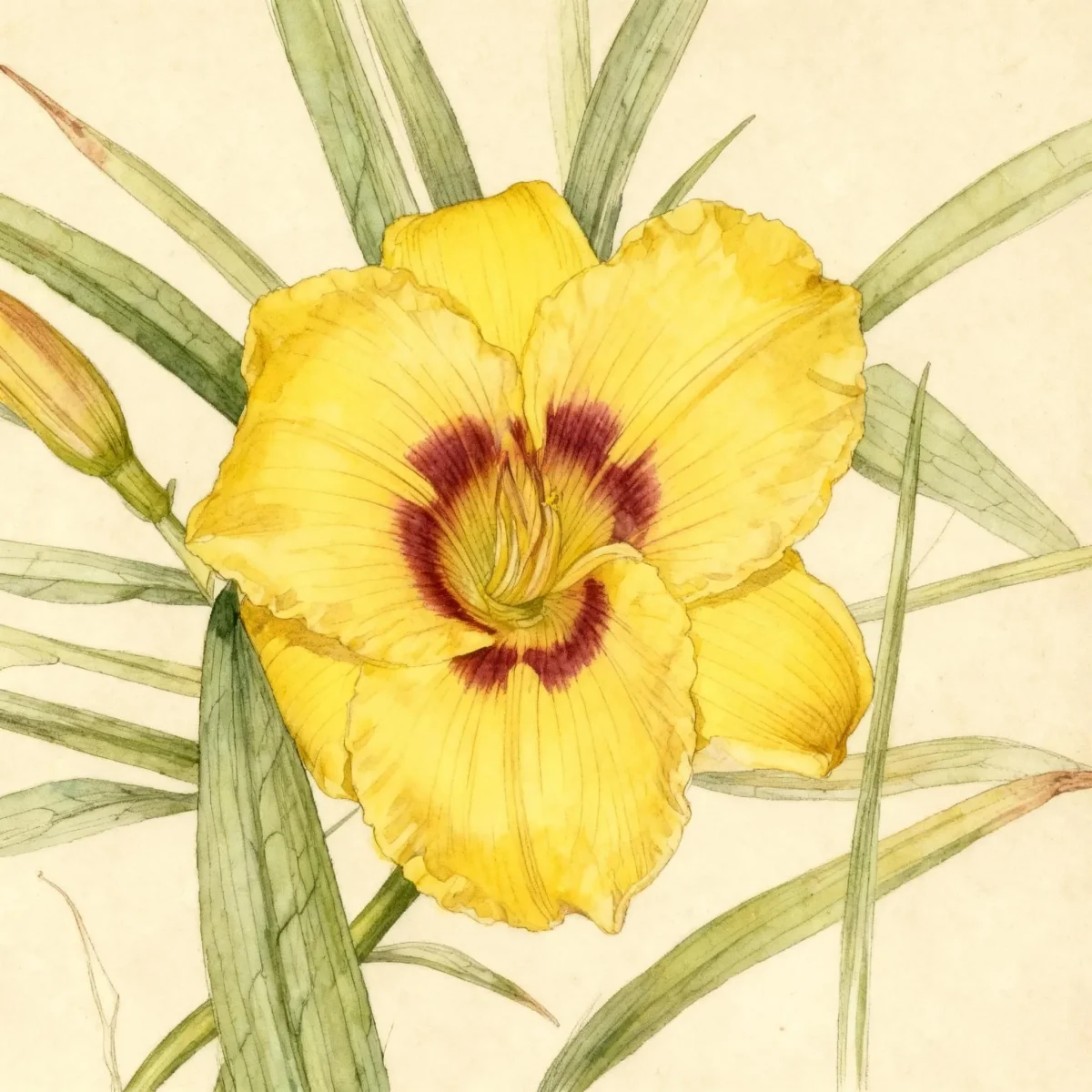
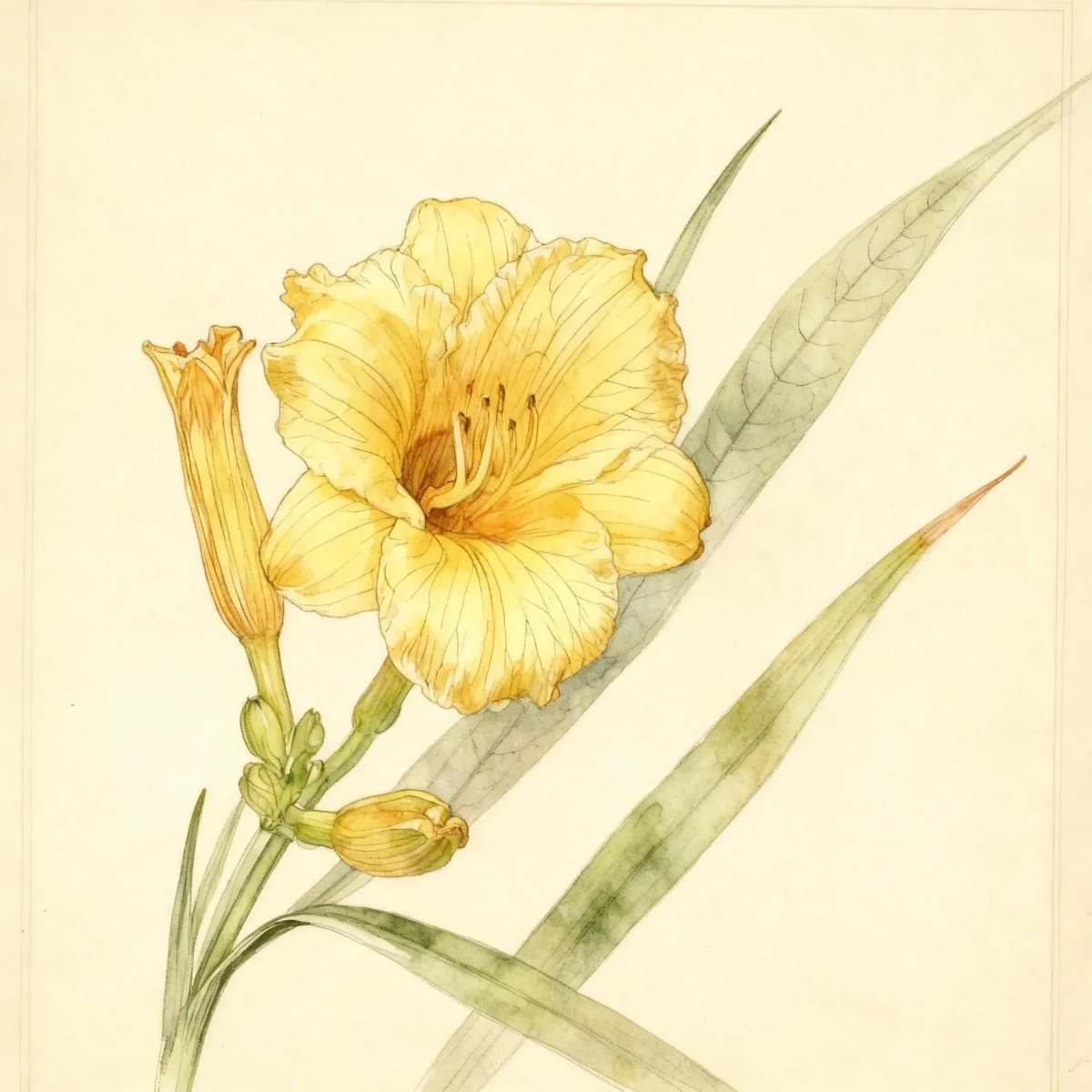
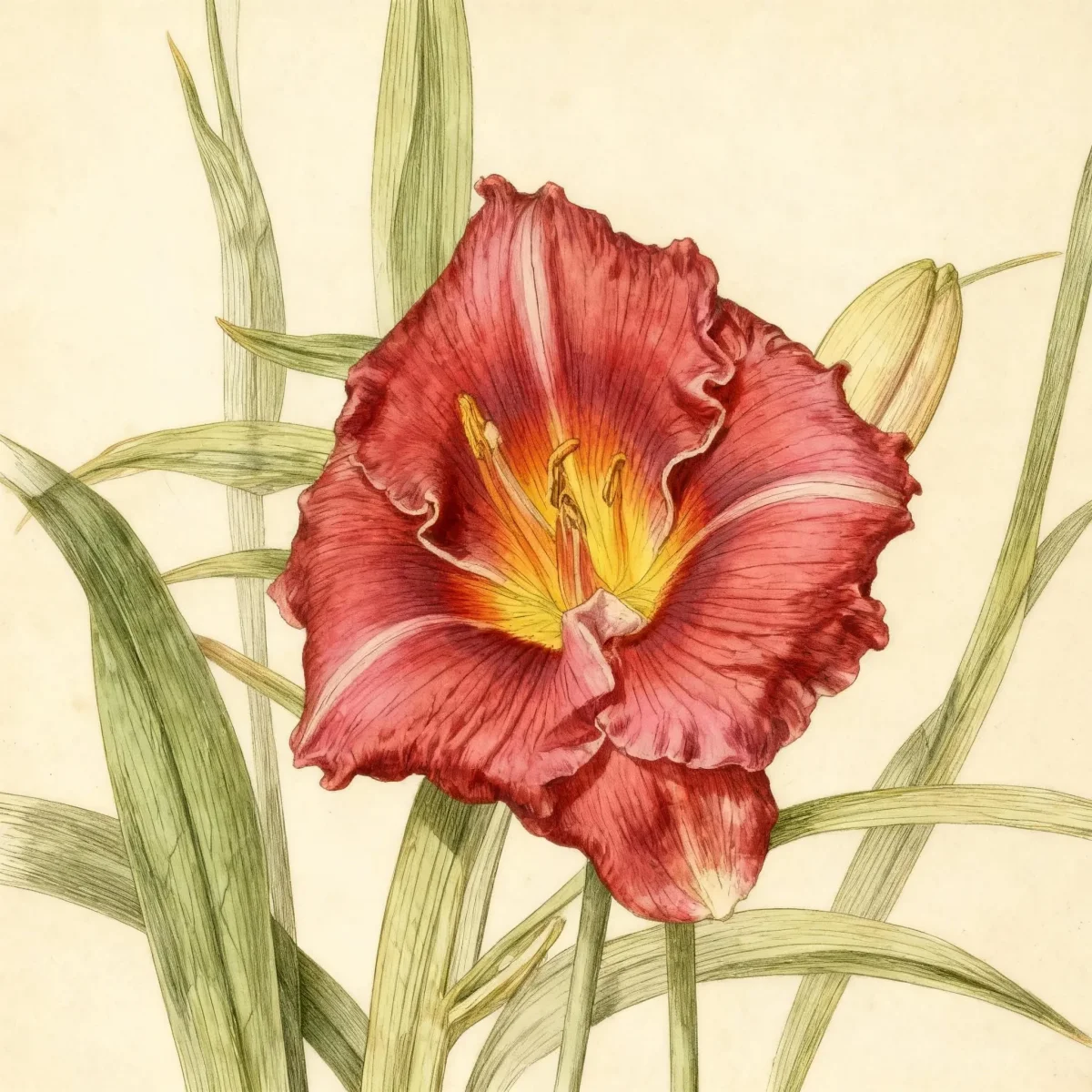
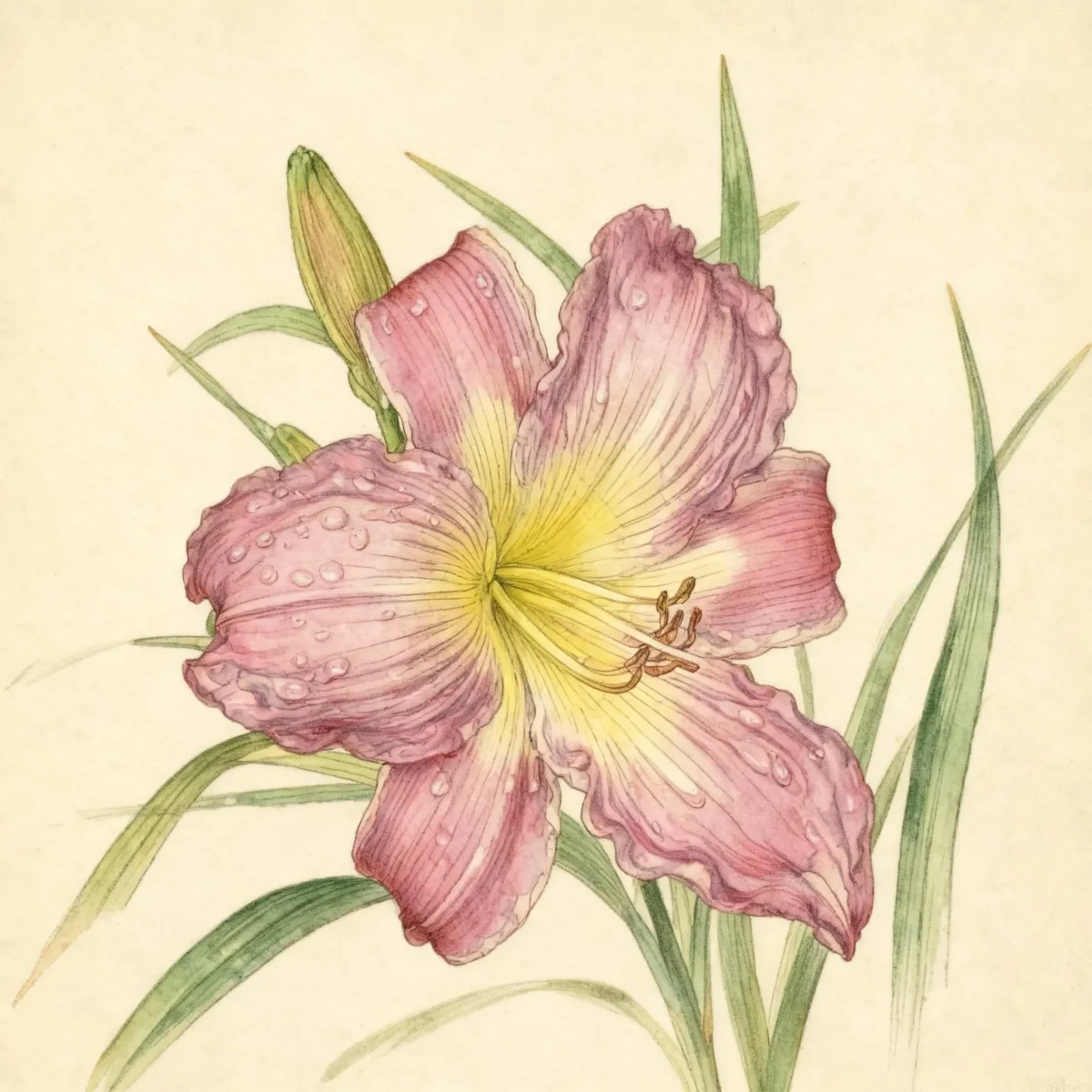
Daylily (Hemerocallis 'Green Flutter')
Discover Hemerocallis 'Green Flutter', a low-maintenance Daylily featuring reliable yellow blooms with a green throat in USDA Zones 3-9.
Scroll down to discover growing tips, care requirements, companion plants, and more
Complete Plant Information
Overview
Hemerocallis ‘Green Flutter’ is a delightful herbaceous perennial, commonly known as a Daylily, prized for its vibrant and reliable summer color display. This cultivar offers bright yellow flowers highlighted by a distinct green throat, creating excellent visual impact across the midsummer garden. As a diploid variety, Hemerocallis ‘Green Flutter’ maintains manageable clumps, typically reaching 1.5 to 2 feet in height.
This Daylily is famed for its exceptionally low maintenance needs, adapting well to a wide variety of conditions once established. While it thrives in full sun, it also tolerates partial shade, offering flexibility in garden design. Its resilience against common urban stressors, including air pollution, makes the Hemerocallis ‘Green Flutter’ an ideal choice for reliability in diverse settings.
Gardeners appreciate Daylilies for their enduring toughness and the continuous succession of blooms they provide throughout the season. Planting Hemerocallis ‘Green Flutter’ ensures cheerful color and attractive, grass-like foliage that remains appealing even when not in flower, cementing its status as a staple in perennial borders.
Fast Facts
- Plant Family: Asphodelaceae
- Plant Type: Herbaceous perennial
- Hardiness Zones: USDA Zones 3-9
- Size at Maturity:
- Height: 1.5-2 ft
- Spread: 1.5-2 ft
- Bloom Time: June to July
- Bloom Description: Yellow with green throat
- Sun Exposure: Full sun to part shade
- Water Needs: Medium
- Maintenance Level: Low
How to Grow
Planting your Hemerocallis ‘Green Flutter’ is best done in spring or fall, utilizing average, well-drained soil. Although they are highly adaptable, these Daylilies perform best when given deep, fertile loams that retain medium moisture consistently. Ensure the planting site receives adequate sunlight to maximize flowering potential.
Ongoing care for this Daylily variety is remarkably easy. Deadhead spent flowers daily or as they fade for continued neatness; remove the entire scape once blooming has finished for the season. While tolerant of heat and humidity, provide deep watering during dry spells to maintain attractive foliage throughout the summer months.
To ensure vigorous flowering every year, plan to divide clumps of Daylilies every three to four years. Spring division is often preferred, especially in colder climates. Remember that winter dormant types, like most classic Daylilies, require a cold dormancy period and are best avoided in the warmest zones (like Zone 9 if you experience very mild winters).
Landscape Uses
The robust nature of Hemerocallis ‘Green Flutter’ makes it indispensable for large-scale landscaping projects. Its manageable height and spread of 1.5 to 2 feet make it perfect for defining the middle layer of a border without becoming overgrown. They are excellent when massed over large areas to create sweeping statements of color that look spectacular in full sun.
For smaller spaces, this Daylily works beautifully as edging along pathways or nestled into mixed perennial beds. Dwarf cultivars (though this specific one leans towards standard sizing) are often used successfully in rock gardens. The strong, linear foliage provides excellent texture contrast against fine-textured grasses or mounding groundcovers.
Consider pairing this Daylily with plants that share similar moisture and light requirements. Hostas are ideal companions, offering contrasting broad leaves beneath the nodding flower scapes of the Daylily. The consistent low maintenance profile of the Hemerocallis ‘Green Flutter’ means less fuss year after year.
Standout Features
Flower Qualities
- Showy
Noteworthy Characteristics
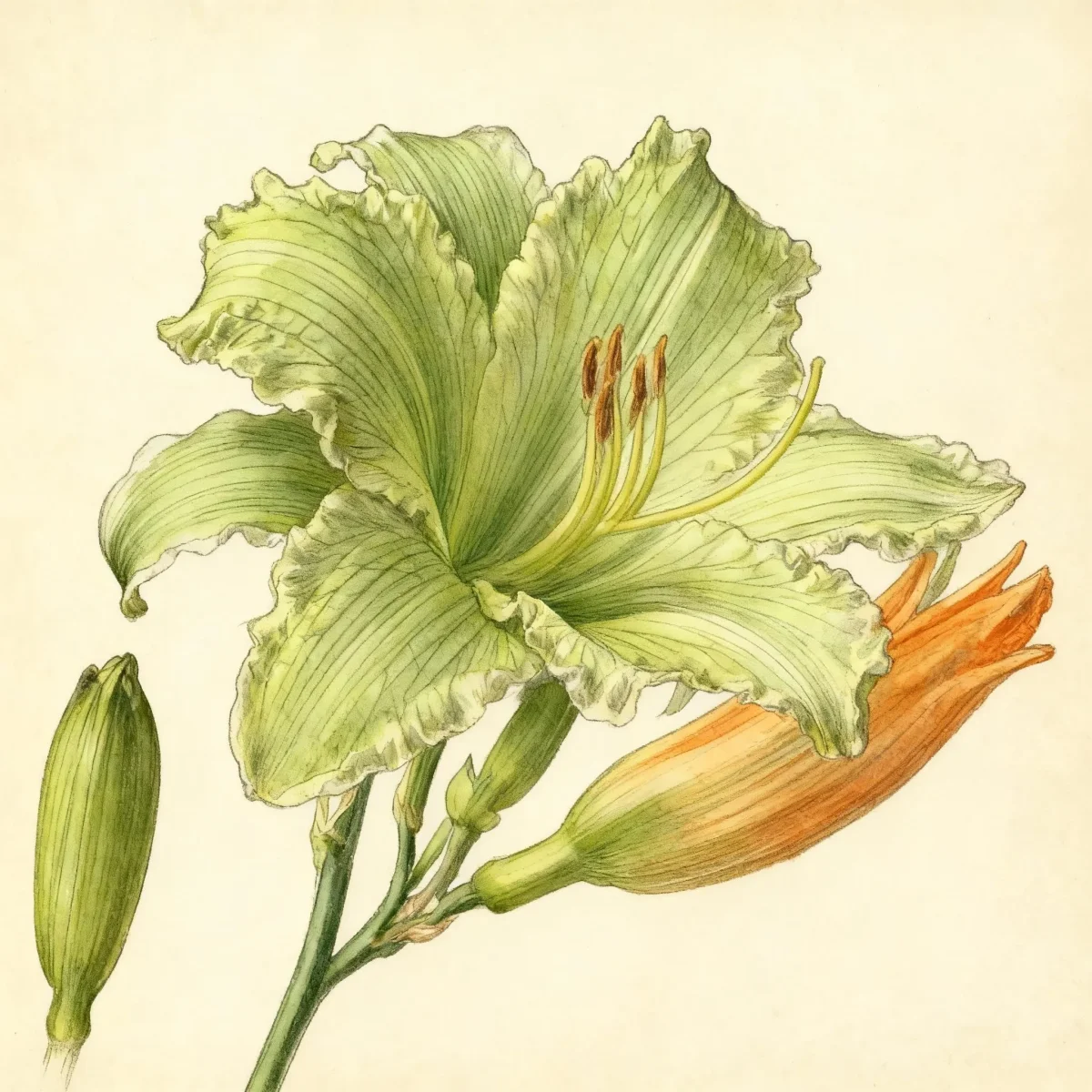
Hemerocallis is a genus rich in hybrid development, resulting in over 60,000 registered cultivars featuring diverse colors and patterns. Each individual flower lasts only one day, giving rise to the common name Daylily, but they produce numerous flowers sequentially on scapes, leading to prolonged seasonal interest. The specific cultivar ‘Green Flutter’ showcases yellowish blooms, up to 3.5 inches wide, centered around a distinct green throat, rising above arching green foliage.
Tolerances
- Rabbit
- Erosion
- Air Pollution
Potential Problems
Daylilies are renowned for being extremely adaptable and generally pest-free plants with low maintenance requirements. Occasional issues might include minor infestations by mites, aphids, or thrips, which can usually be managed with horticultural oil or careful monitoring. gardeners in humid climates should watch for Daylily rust, taking care to ensure good air circulation around the plants and promptly removing heavily infected foliage. Rabbits typically avoid consuming this generally unpalatable foliage.
Frequently Asked Questions
What hardiness zones is Daylily suitable for?
The Hemerocallis ‘Green Flutter’ is suitable for USDA Hardiness Zones 3 through 9, offering wide adaptability across most of the country.
How large does Daylily grow?
This Daylily cultivar generally reaches a mature height between 1.5 and 2 feet tall and spreads to a width of 1.5 to 2 feet.
What sun exposure does Daylily need?
Hemerocallis ‘Green Flutter’ performs best in full sun environments but will successfully establish and bloom adequately in areas receiving part shade.
When does Daylily bloom?
This Daylily cultivar blooms during the mid-season, typically from June through July, displaying yellow flowers with a green throat.
Conclusion
The Hemerocallis ‘Green Flutter’ proves itself an indispensable addition to the perennial border, offering reliable, showy yellow blooms with minimal gardener intervention. Its low maintenance requirements and tolerance for various conditions make this Daylily a superb choice for both novice and experienced gardeners seeking dependable summer color. Before planting, always confirm that your garden falls within USDA Zones 3-9 and prepare soil that drains well.
Companion Planting
Choosing appropriate companions enhances the beauty and health of your Daylily planting. Since Hemerocallis ‘Green Flutter’ requires medium moisture and prefers full sun to part shade, pair it with other perennials that share these cultural needs. Astilbe and Ligularia work well where afternoon shade is present, as they appreciate similar moisture levels.
For areas receiving full sun, pair the arching foliage of the Daylily with sturdy, upright structural plants like ornamental grasses or Salvias. The linear leaves of the Daylily contrast nicely with the rounder textures of Peonies or Siberian Iris, creating depth and variety within the perennial border.
Seasonal Care Calendar
Spring preparation involves cutting back any lingering dead foliage left over from winter dormancy, ensuring good air circulation around the emerging new growth. Once active growth starts, begin a regular schedule of medium watering, especially during dry periods. Summer care focuses primarily on deadheading spent flowers to encourage a tidy appearance and promote continued blooming from your Hemerocallis ‘Green Flutter’.
In the fall, after foliage starts to die back on dormant types, clear away dead leaves to reduce hiding places for pests over winter. If division is planned, spring is generally the best time for this task in colder regions. In the late fall, ensure any evergreen foliage in warmer zones is healthy, as this helps the plant overwinter strongly.