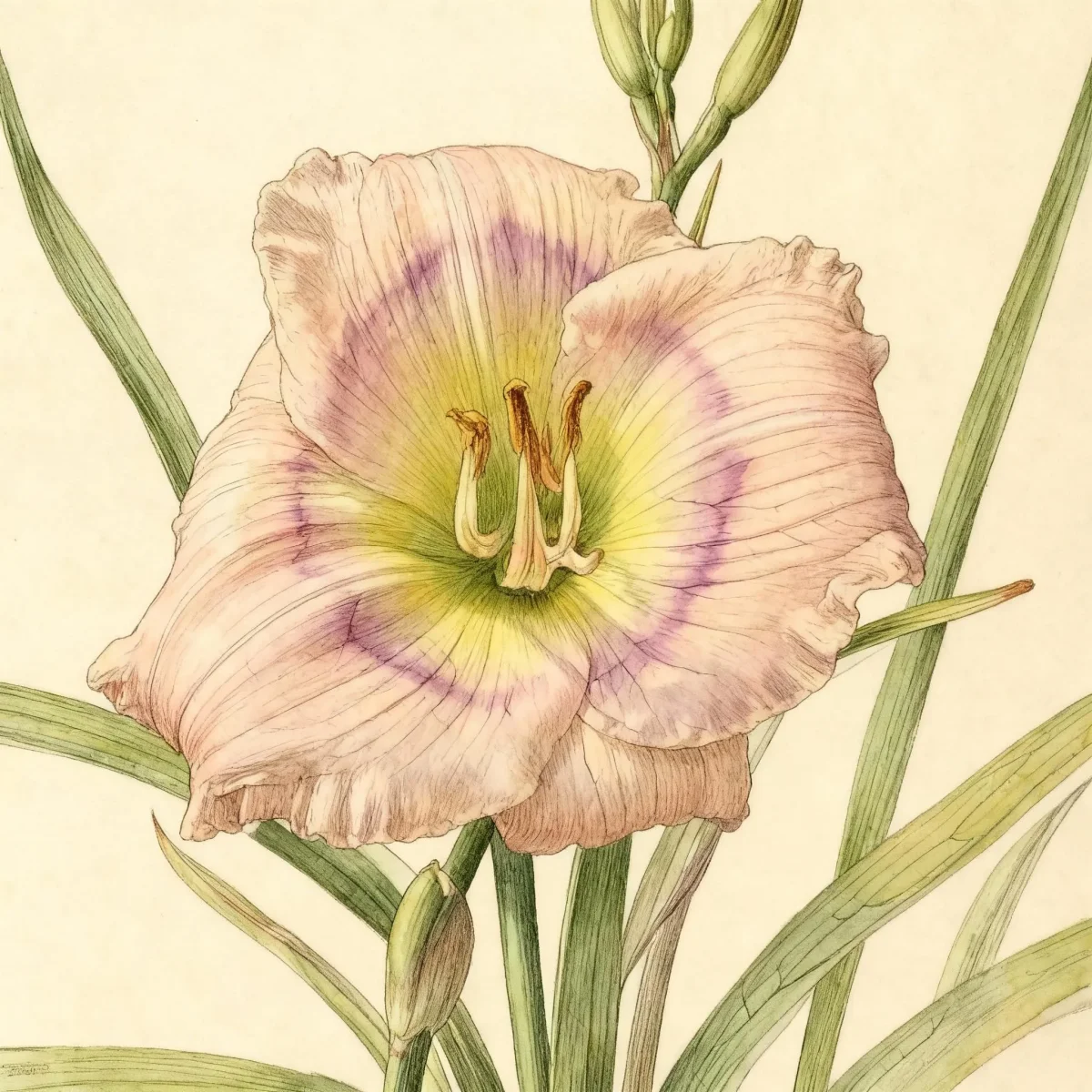
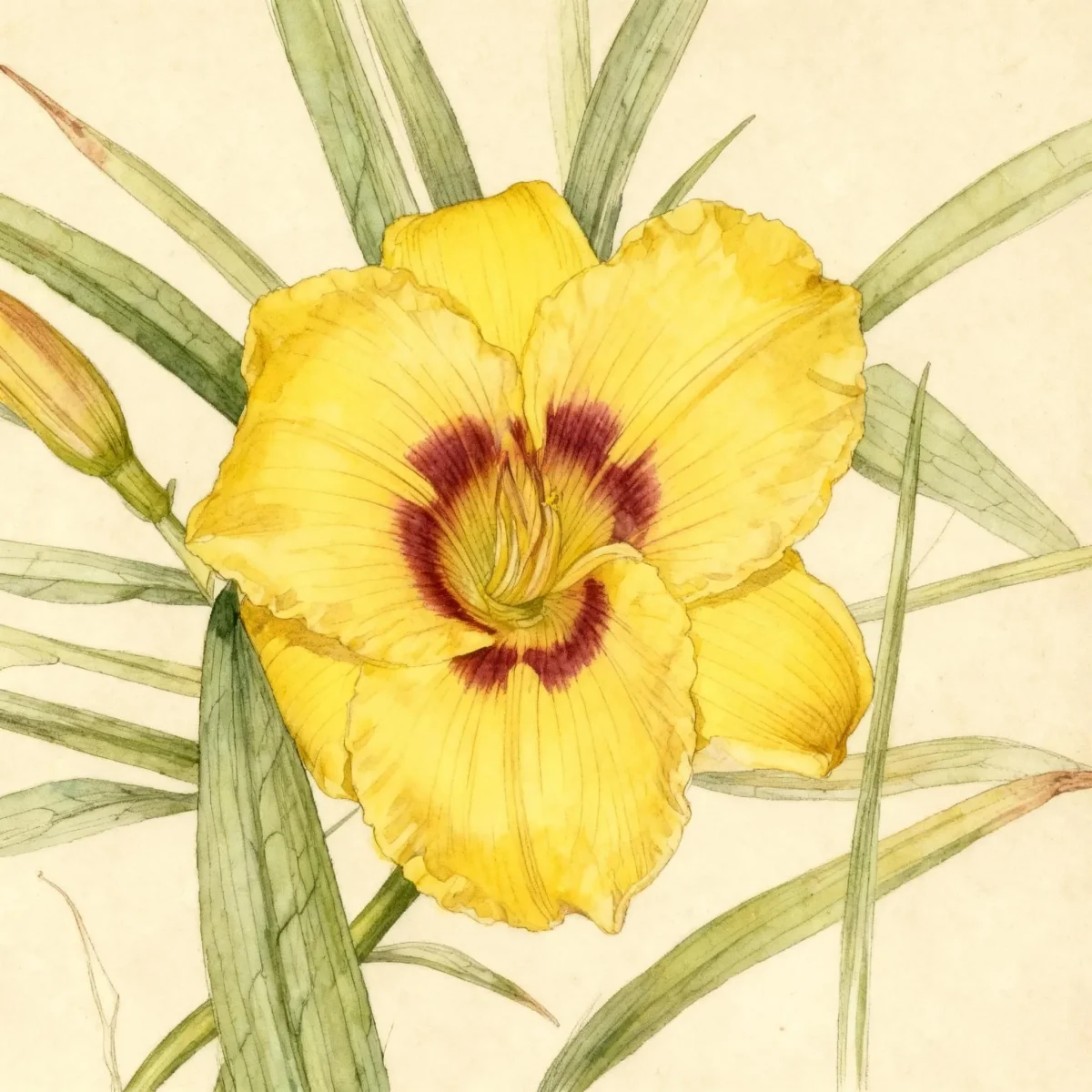
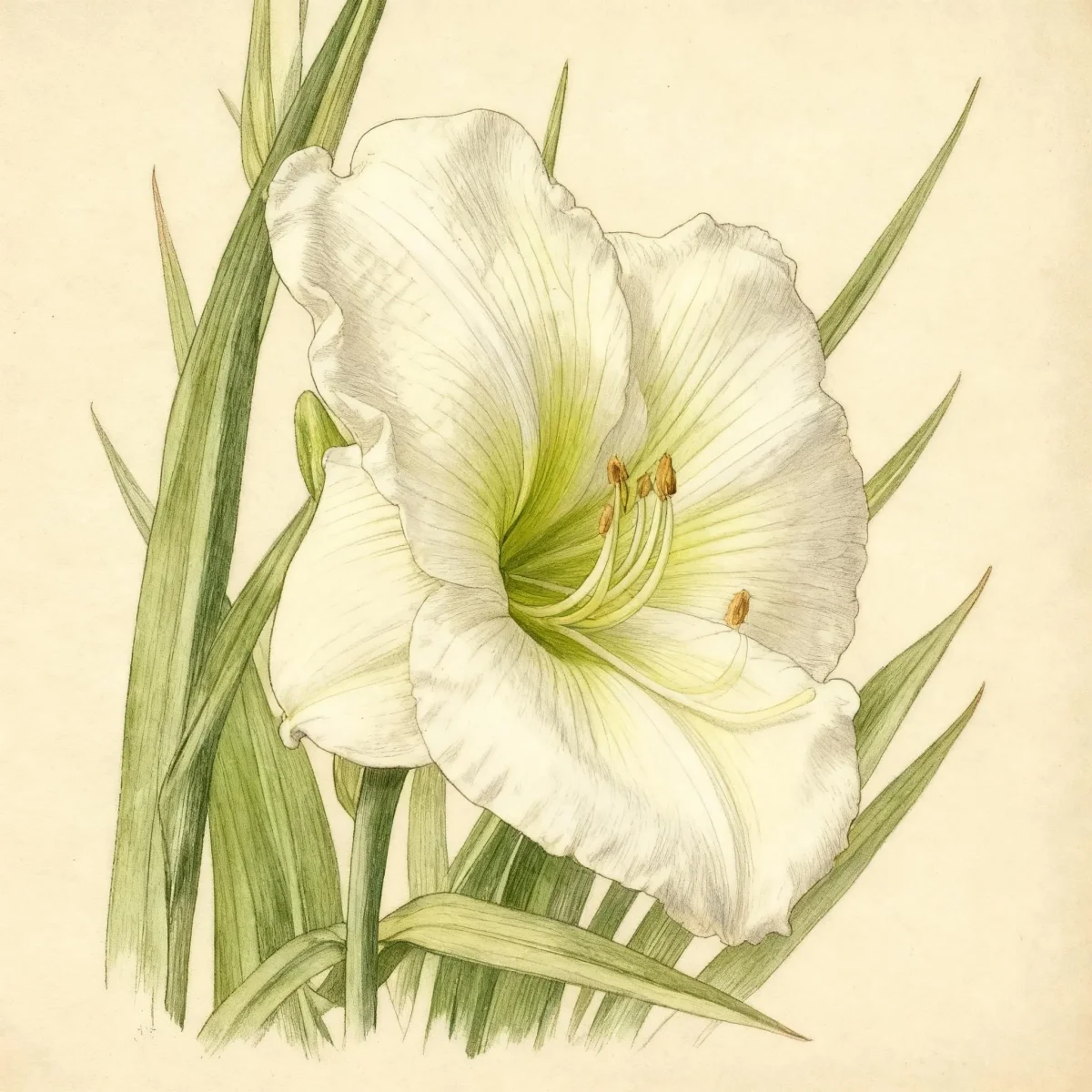
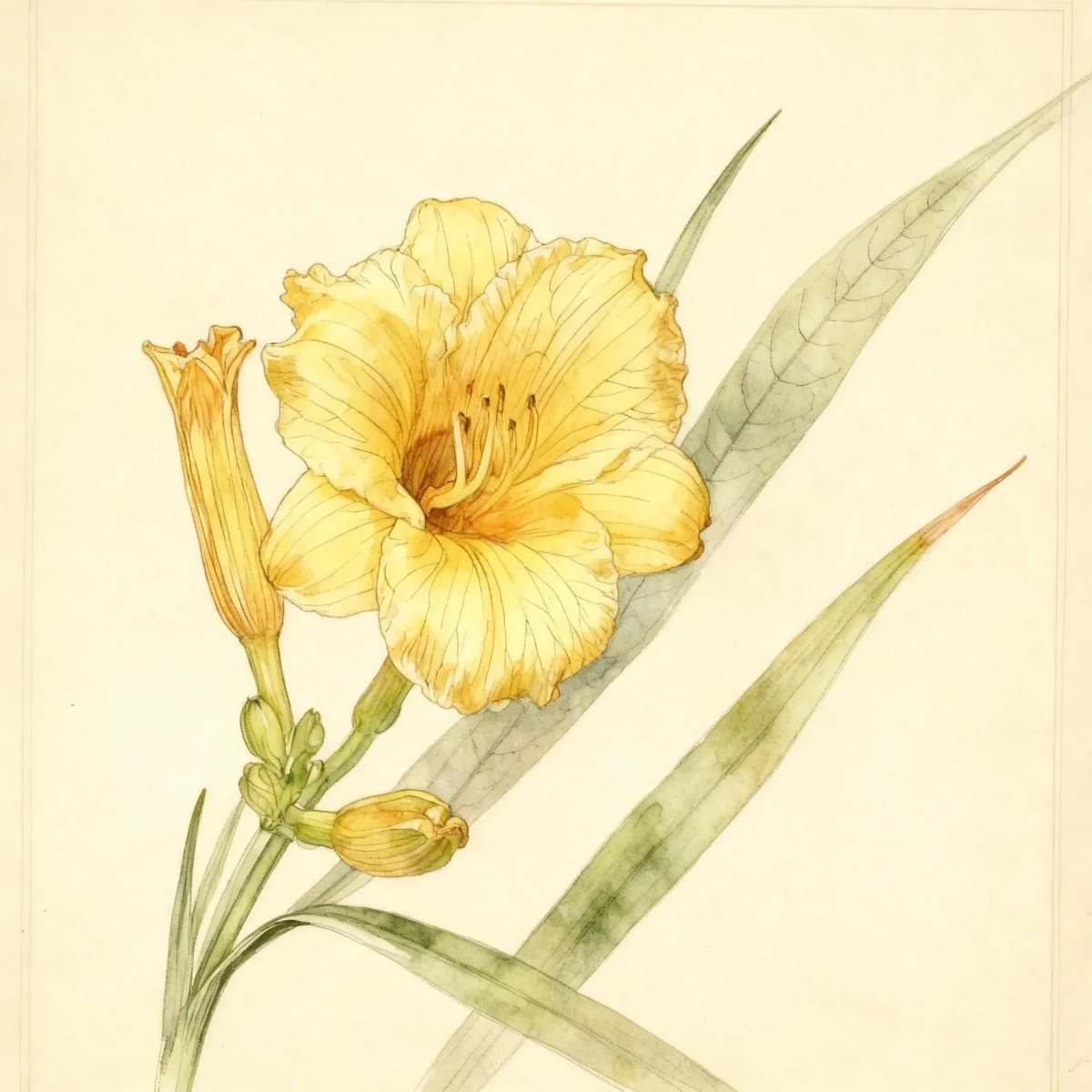
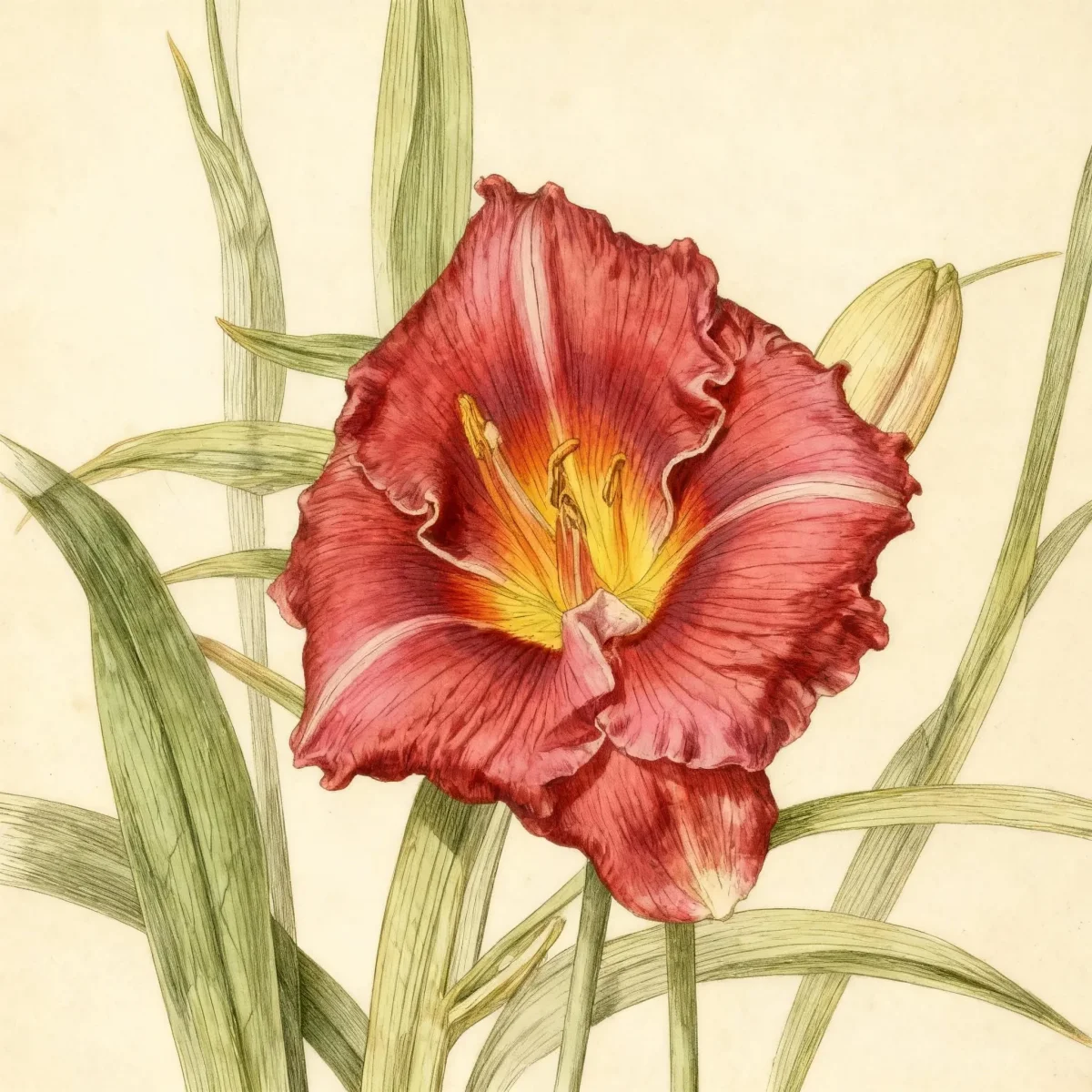
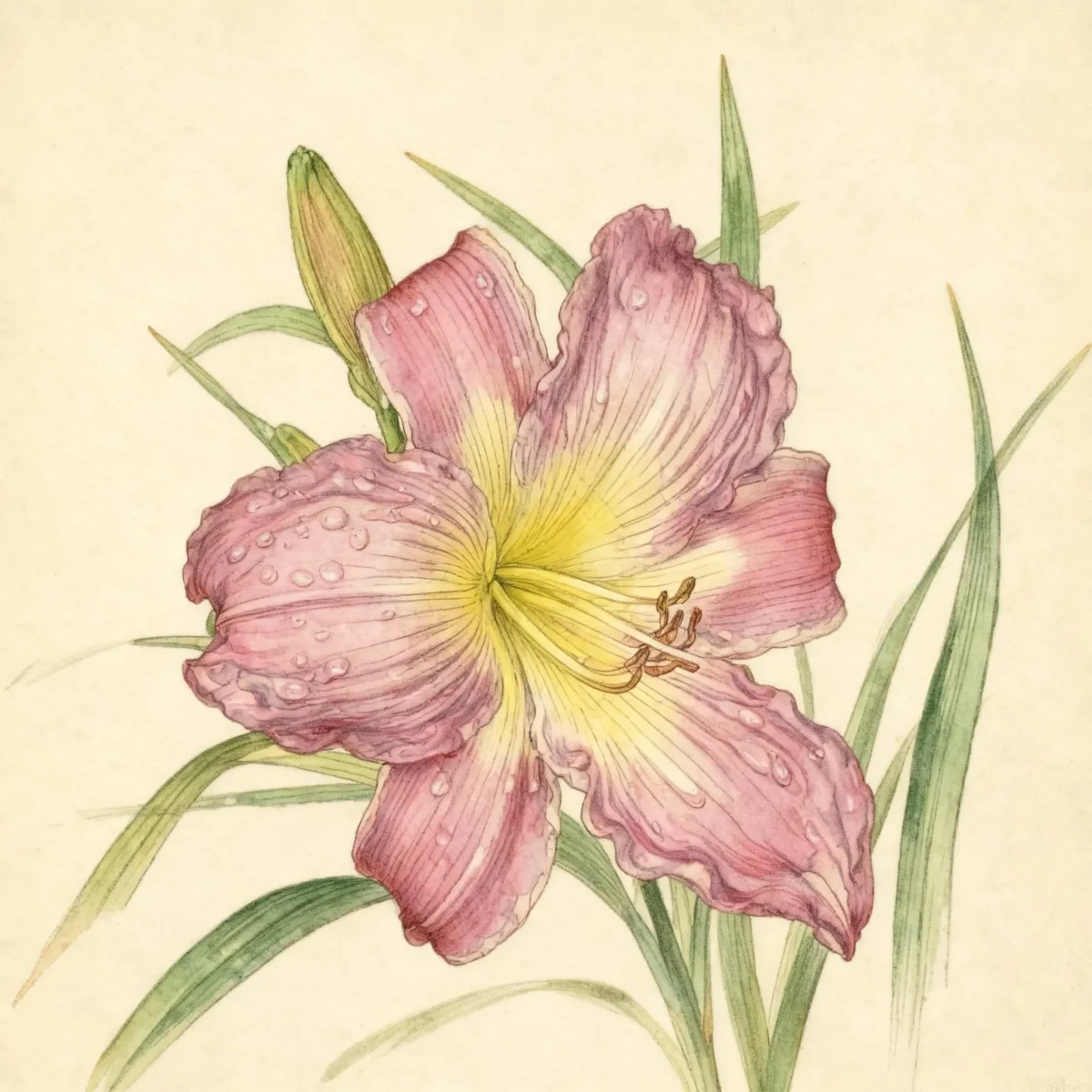
Daylily (Hemerocallis 'Happy Returns')
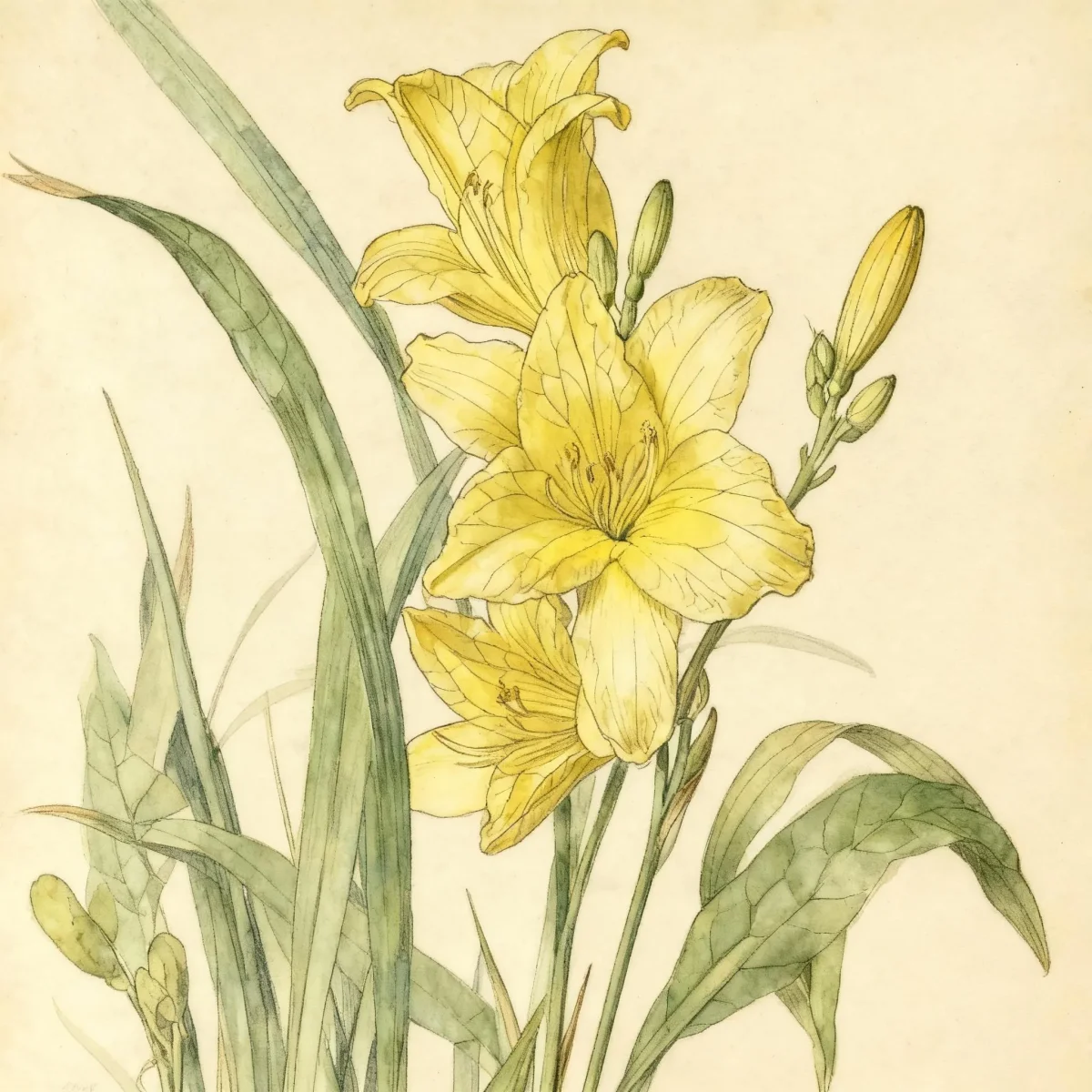
Hemerocallis 'Happy Returns' is a low-maintenance Daylily known for its showy, fragrant, lemon yellow flowers from June to October.
Scroll down to discover growing tips, care requirements, companion plants, and more
Complete Plant Information
Overview
The prolific Daylily, specifically the Hemerocallis ‘Happy Returns’ cultivar, offers exceptional garden performance due to its extended bloom cycle. Introduced as a ‘Stella de Oro’ hybrid, this variety provides reliable color from early summer right up until frost, making it a cornerstone for season-long interest. Gardeners appreciate this Hemerocallis ‘Happy Returns’ for its manageable size, drought tolerance once established, and its ability to thrive in most average garden settings.
Hemerocallis ‘Happy Returns’ is a repeat-blooming diploid, meaning it generates successive waves of its signature ruffled, lemon yellow flowers. Its foliage forms a neat, arching clump, providing excellent texture even when not in bloom. This Daylily is prized for combining the durability expected of the genus with a highly attractive, continuous display.
As an extremely adaptable herbaceous perennial, Hemerocallis ‘Happy Returns’ fits seamlessly into borders or mass plantings. Its low maintenance level and tolerance for various conditions ensure that gardeners can enjoy its beauty without extensive specialized care, solidifying its status as one of the most popular Daylilies available.
Fast Facts
- Plant Family: Asphodelaceae
- Plant Type: Herbaceous perennial
- Hardiness Zones: USDA Zones 3-9
- Size at Maturity:
- Height: 1-1.5 ft
- Spread: 1-1.5 ft
- Bloom Time: June to October
- Bloom Description: Lemon yellow
- Sun Exposure: Full sun to part shade
- Water Needs: Medium
- Maintenance Level: Low
How to Grow
Planting Hemerocallis ‘Happy Returns’ is best done in the spring or fall, ensuring the crown sits just at the soil line. These Daylilies perform well across a wide range of soils but thrive best in deep, fertile loams that offer good drainage. While they tolerate average conditions, providing medium moisture consistently will yield the most vigorous growth and flowering display.
Maintenance for this Daylily is typically low. Deadheading spent flowers daily encourages neatness and, more importantly, helps promote the steady succession of new blooms characteristic of Hemerocallis ‘Happy Returns’. Remove old flower scapes entirely once blooming ceases. Though Daylilies tolerate heat well, deep watering during dry spells keeps the attractive, linear foliage looking its best.
For optimal long-term performance, plan to divide clumps of this Daylily every three to four years, ideally in the spring, especially in colder zones. Since this cultivar is a winter dormant type, it requires that necessary cold period in winter for the best subsequent bloom show; it is not recommended for zones exceeding 9.
Landscape Uses
The compact stature and reliable reblooming habit make this Daylily exceptionally versatile in landscape design. Hemerocallis ‘Happy Returns’ is frequently used as an informal edging for walks or placed at the front of mixed perennial borders where its bright yellow flowers draw the eye throughout the season. Its fountain-like foliage provides essential texture and movement, filling gaps even when the flowers are not active.
Consider massing these plants over large areas to create a vibrant carpet of color; their adaptability means they help crowd out weeds, forming a verdant ground cover. Due to its smaller size compared to massive hybrid varieties, this specific Daylily is an excellent choice for rock gardens or for softening the base of shrubs. It also integrates well into patio containers, providing continuous color near seating areas.
Standout Features
Flower Qualities
- Showy
- Fragrant
Noteworthy Characteristics
Daylilies are historically significant herbaceous perennials, celebrated globally as hybridizers continually refine color and form, resulting in over 60,000 registered cultivars. Each flower lasts only a single day, but the plant produces enough buds to ensure blooming lasts for an extended period, with this specific cultivar offering continuous repeat blooms. Hemerocallis ‘Happy Returns’ features 3.5” ruffled, lemon yellow flowers atop scapes rising about 18 inches high.
Tolerances
- Rabbit
- Erosion
- Air Pollution
Potential Problems
Daylilies are remarkably easy to grow and generally pest-free, making them a favorite for busy gardeners. While highly adaptable, persistent issues can sometimes include minor infestations of mites, aphids, or thrips, which can typically be managed with horticultural oils or insecticidal soap if necessary. In humid climates, Daylily rust may occasionally pose a problem, identifiable by rust-colored spores on the foliage; ensure good air circulation to mitigate fungal issues. Rabbits generally find Daylilies unpalatable.
Frequently Asked Questions
What hardiness zones is Daylily suitable for?
Hemerocallis ‘Happy Returns’ is suitable for USDA Hardiness Zones 3 through 9.
How large does Daylily grow?
This Daylily cultivar typically reaches a height between 1 and 1.5 feet tall, with a spread of 1 to 1.5 feet wide.
What sun exposure does Daylily need?
The ideal light requirement for Hemerocallis ‘Happy Returns’ is full sun, though it tolerates partial shade well.
When does Daylily bloom?
Hemerocallis ‘Happy Returns’ blooms continuously from June through October, displaying lemon yellow flowers.
Conclusion
Hemerocallis ‘Happy Returns’ is an outstanding choice for gardeners seeking reliable, low-maintenance color that lasts nearly all season long. This Daylily stands out due to its continuous reblooming nature and cheerful lemon yellow flowers. Before planting, confirm that your garden falls within USDA Zones 3-9 and prepare locations featuring well-drained soil to maximize the display of this exceptional Daylily.
Companion Planting
Selecting suitable companions for Hemerocallis ‘Happy Returns’ involves choosing plants that appreciate similar moisture levels and sun exposure, but offer contrasting texture or bloom times. Consider pairing these Daylilies with structural plants like ornamental grasses or broad-leafed perennials such as Hosta (in shadier spots) or Russian Sage (Perovskia atriplicifolia) which thrives in the sun. Grouping them with early-season bloomers ensures garden interest commences before the Daylily hits its stride in June.
Because the Daylily foliage can sometimes look sparse late in the season after heavy blooming, tucking shorter, late-season bloomers in front of the clump works wonders. Good options include Asters or Sedum varieties, which prefer the medium water needs of the Daylily and will visually cover the fading foliage of the Hemerocallis ‘Happy Returns’ as autumn progresses.
Seasonal Care Calendar
Spring care for an established Hemerocallis ‘Happy Returns’ involves removing any old, damaged foliage from winter dormancy and applying a balanced, slow-release fertilizer lightly around the crown before vigorous new growth begins. This early feeding supports the heavy nutritional needs required for prolific summer blooming. Water deeply during established spring rains.
Summer strategy centers on deadheading daily to ensure the repeat blooming cycle continues uninterrupted; this is crucial for maximum summer enjoyment of this Daylily. If a dry spell occurs, provide deep, infrequent watering rather than light daily sprinkles to encourage deep root growth and superior heat tolerance.
Fall care is relatively simple for this winter dormant type in cooler climates; cut back the spent flower scapes and allow the foliage to naturally die back before winter sets in. Resist the urge to clean up the foliage too early, as the leaves continue to feed the crown until the first hard frost hits.