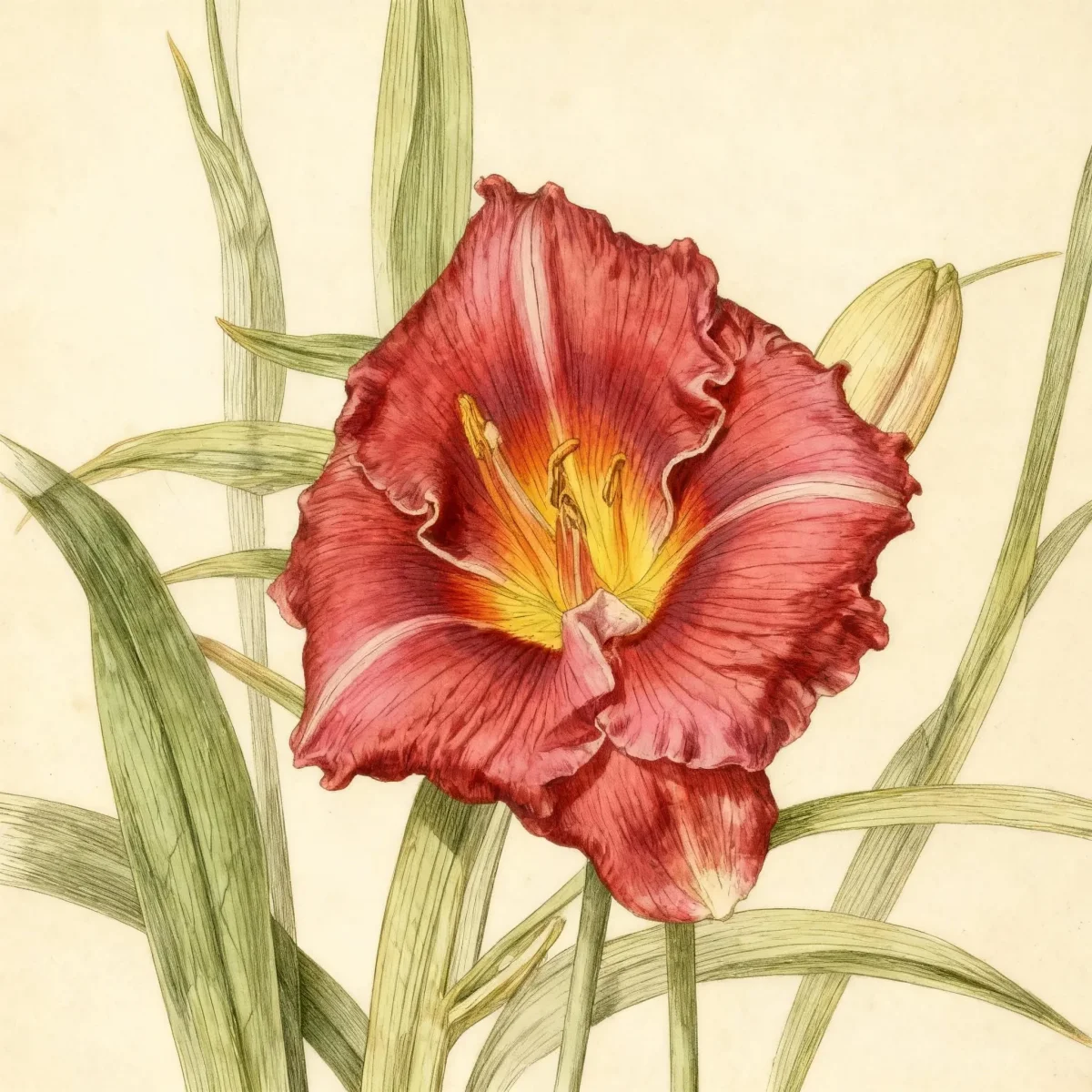
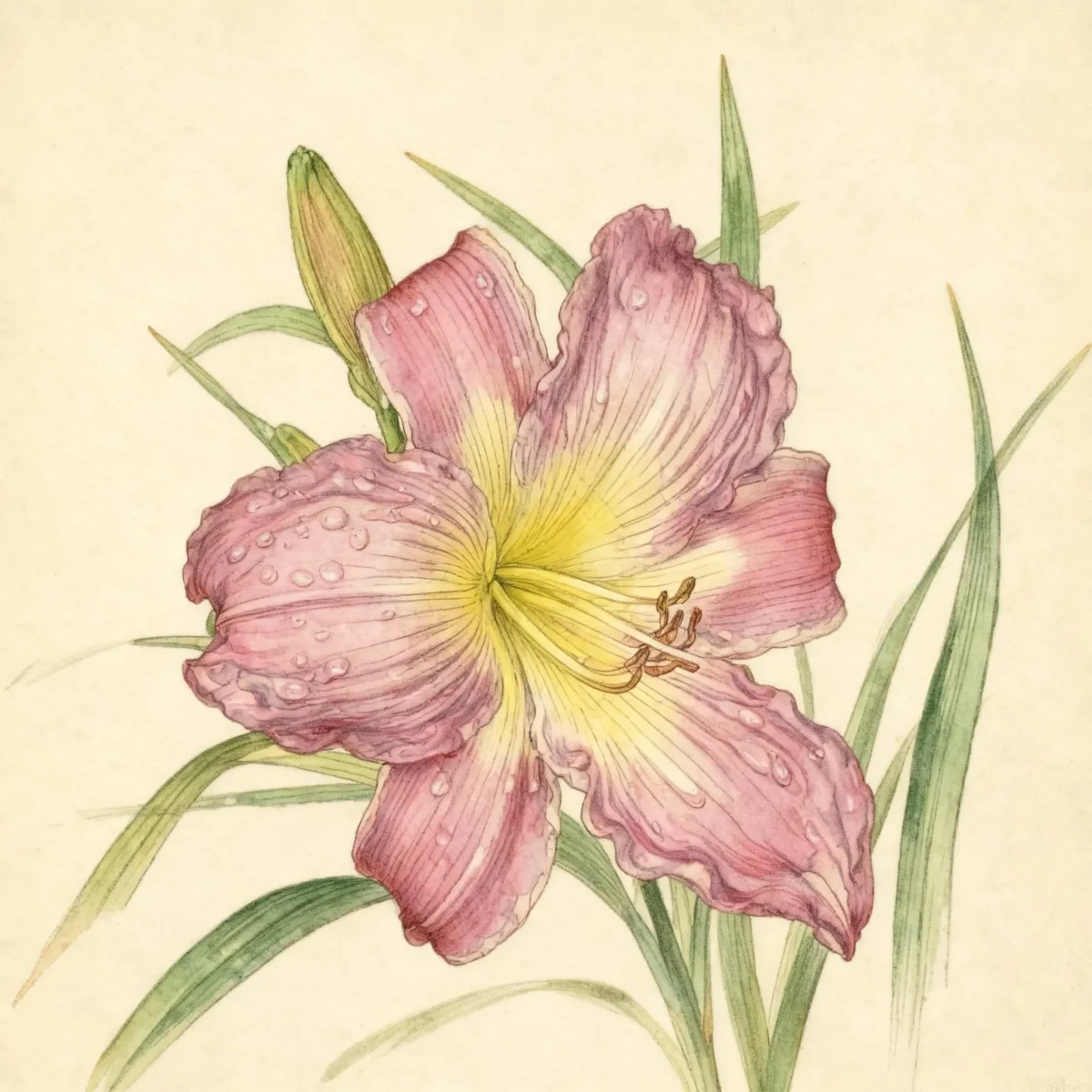
Daylily (Hemerocallis 'Hyperion')
Hemerocallis 'Hyperion' is a low-maintenance Daylily yielding showy, fragrant yellow blooms in July.
Scroll down to discover growing tips, care requirements, companion plants, and more
Complete Plant Information
Overview
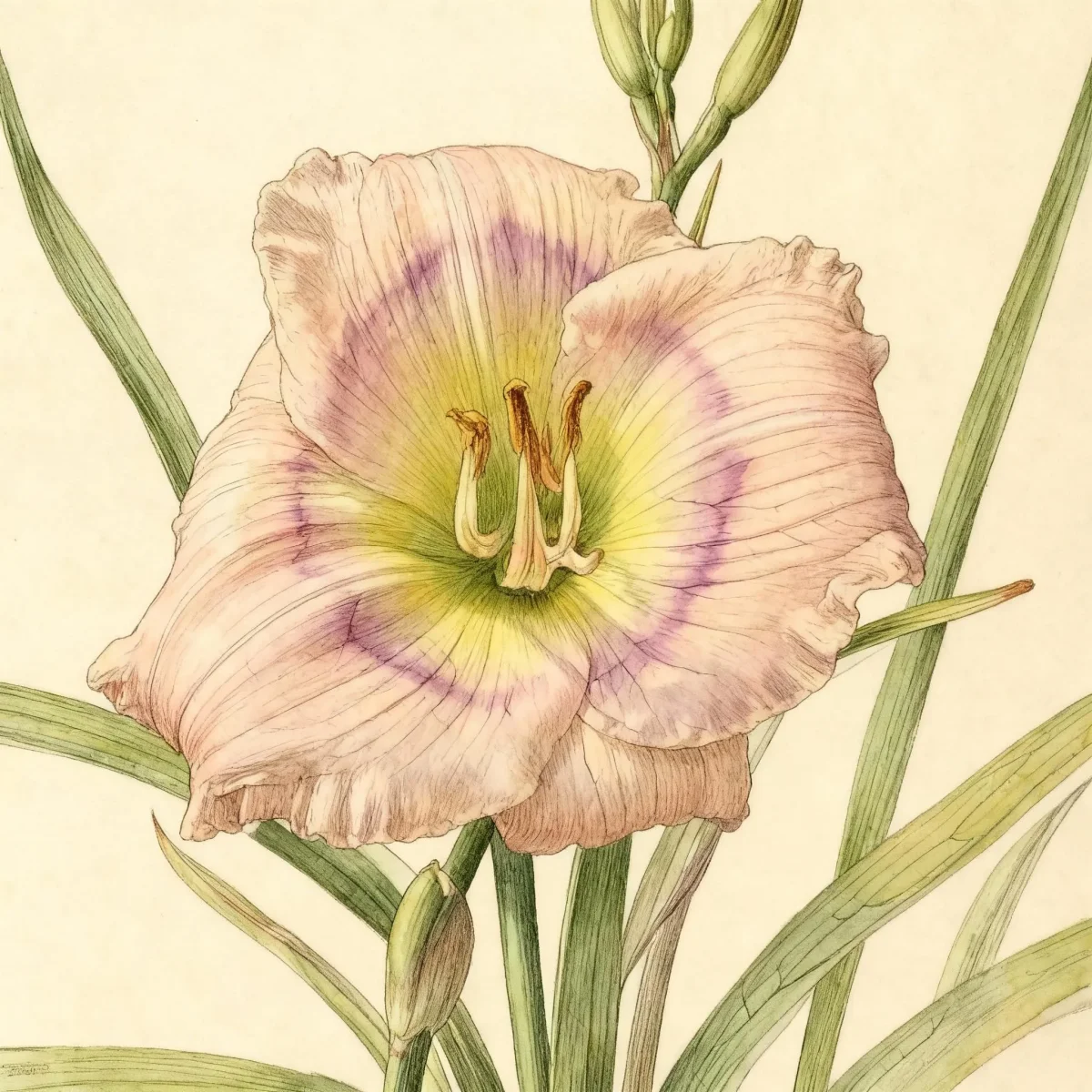
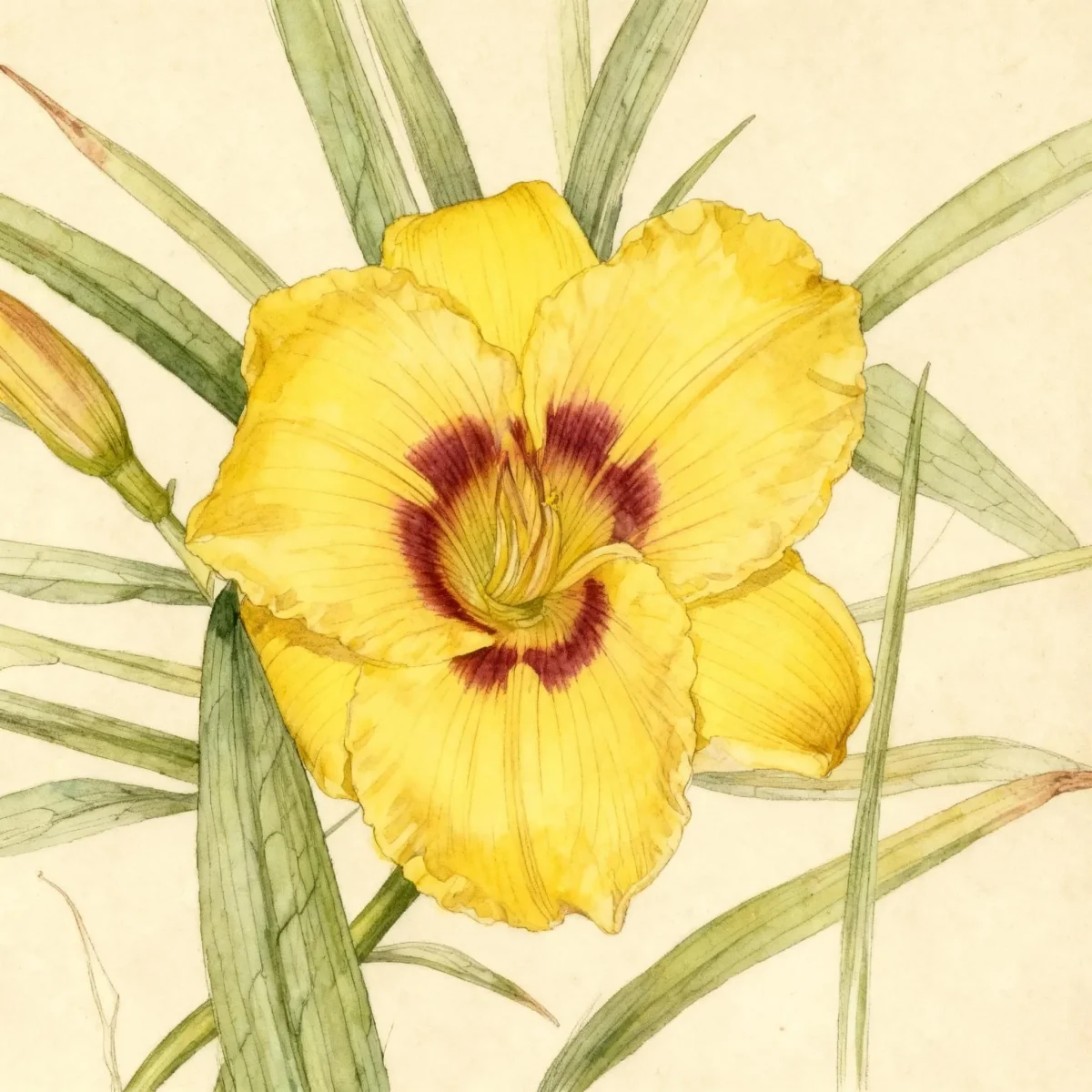
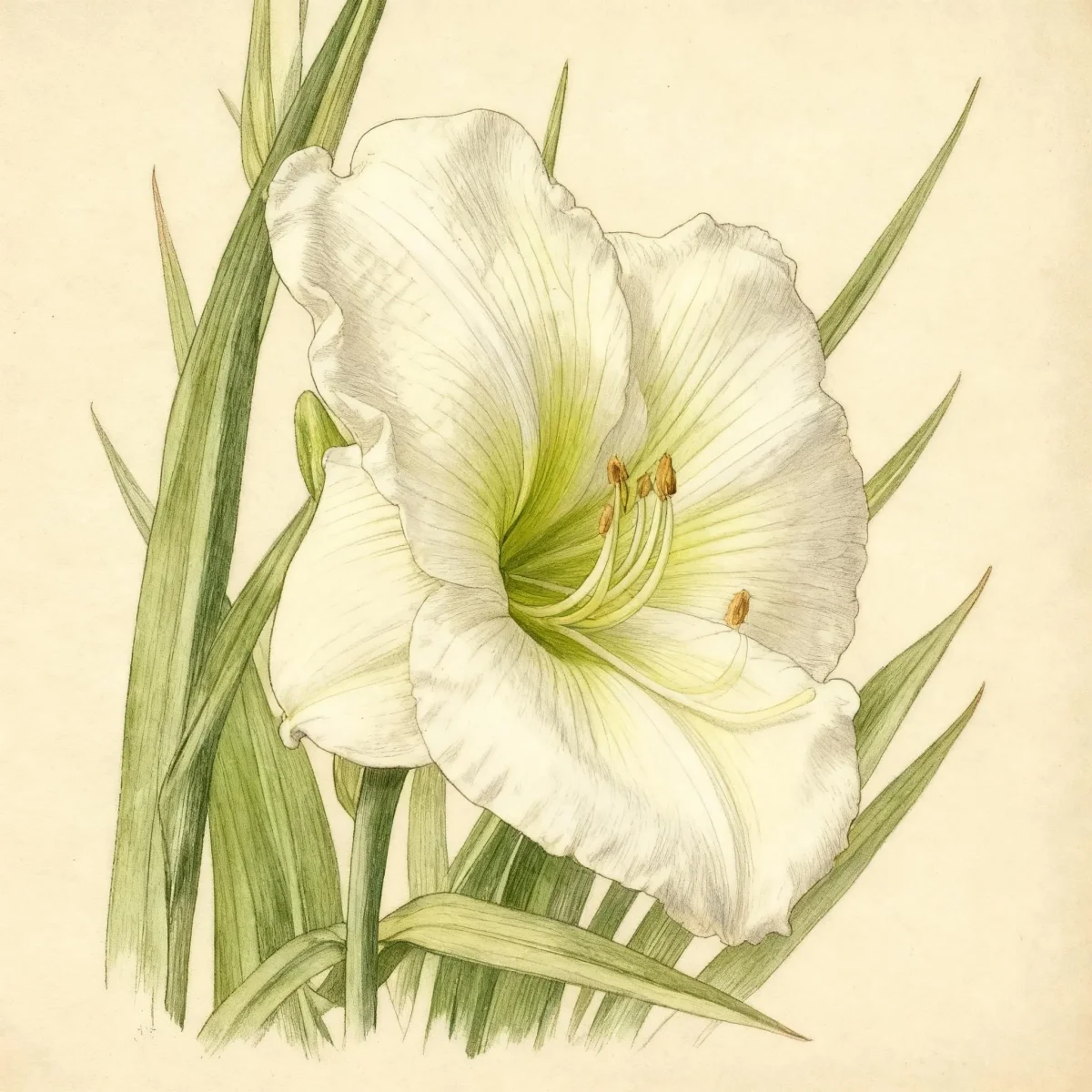
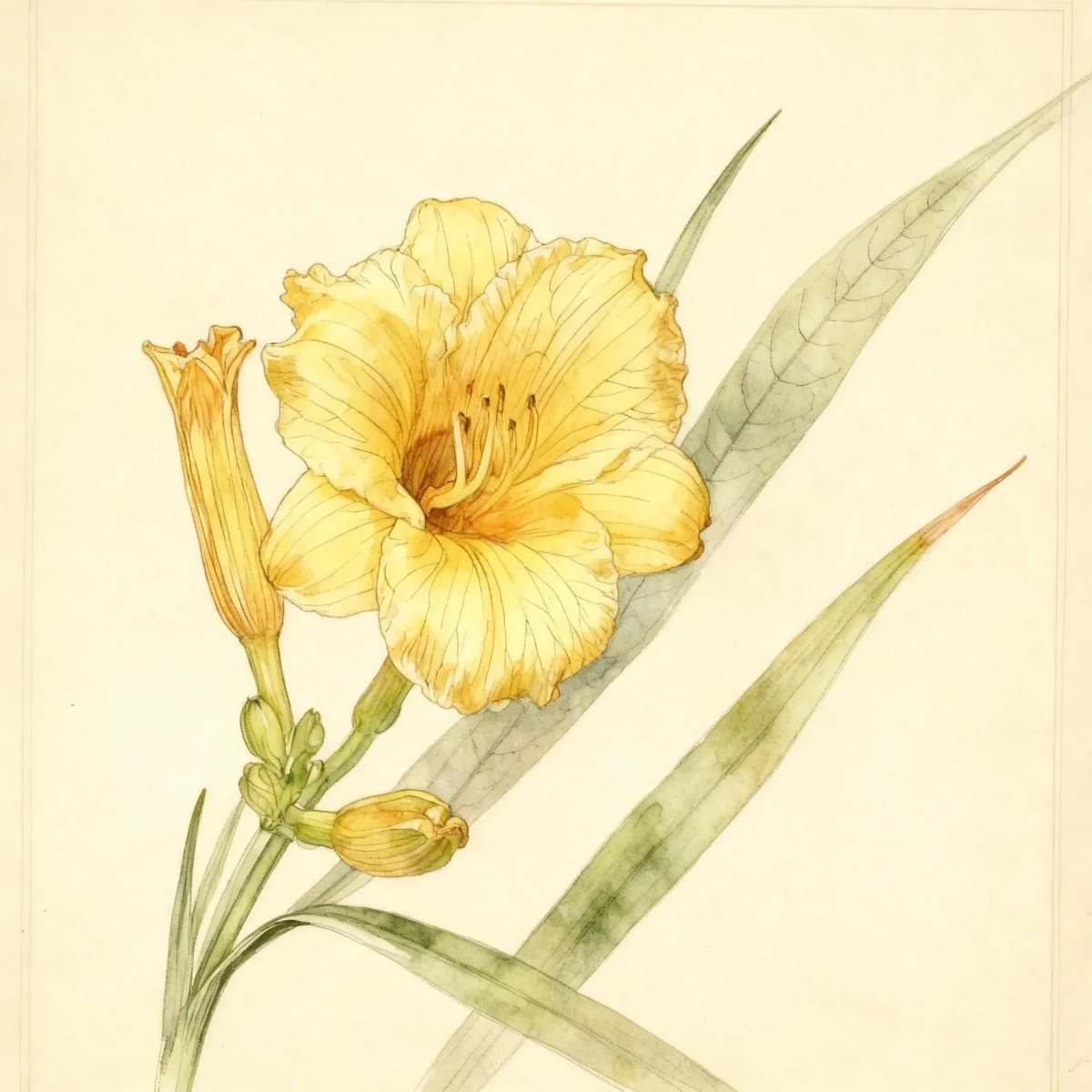
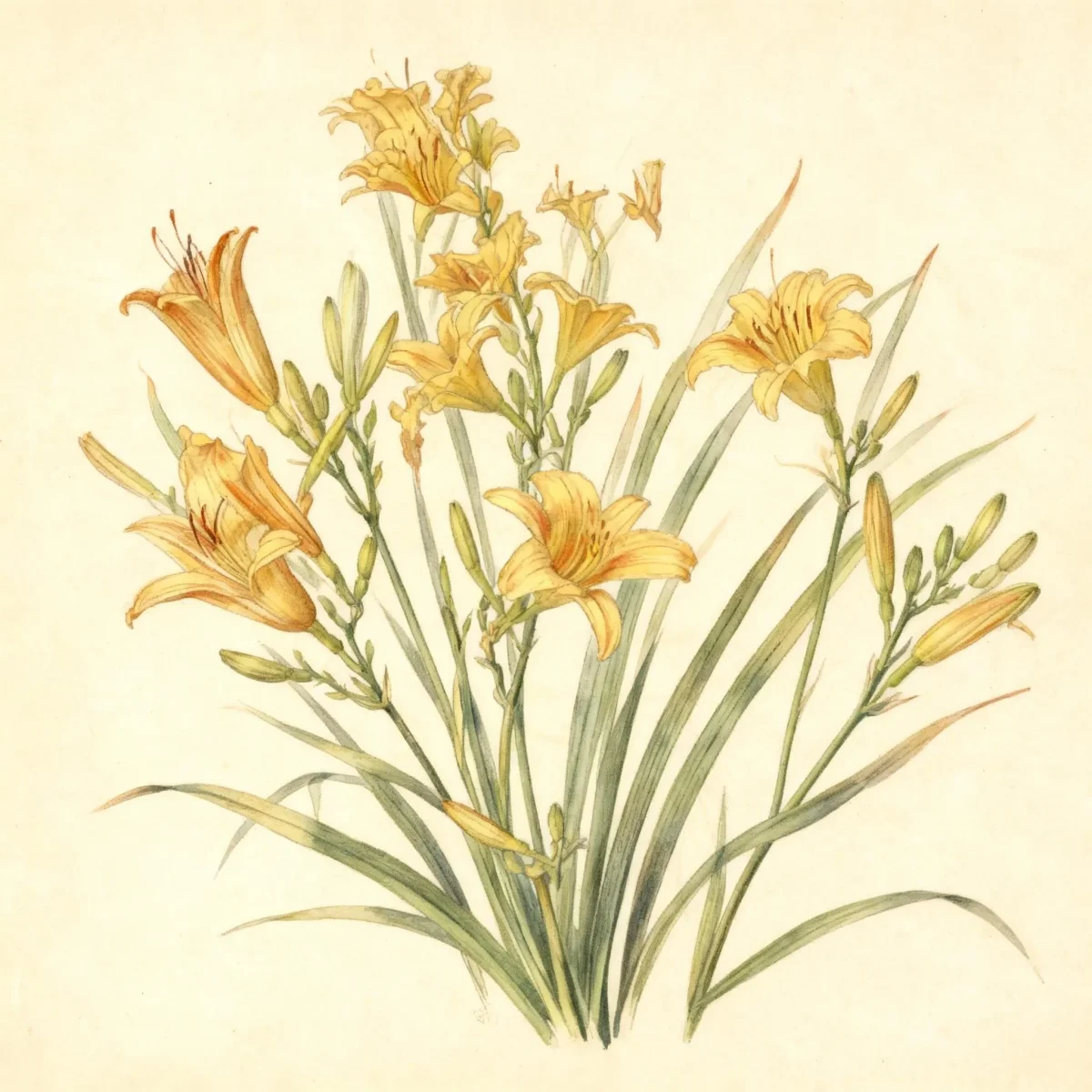
Hemerocallis ‘Hyperion’ is a celebrated diploid cultivar of the Daylily genus, known for its reliability and striking aesthetic contribution to the summer garden. This perennial produces 4-inch diameter, distinctly scented yellow flowers atop naked scapes, creating ribbons of color from mid-season through July. As a classic Daylily, ‘Hyperion’ thrives across a wide range of conditions, offering excellent performance for both novice and experienced gardeners.
This robust herbaceous perennial forms attractive clumps of arching, sword-like foliage that remains pleasing even outside of bloom time. Its low maintenance requirements and impressive heat tolerance make it an ideal choice for busy homeowners looking for long-lasting summer color without intensive upkeep. Hemerocallis ‘Hyperion’ delivers reliable seasonal impact, rewarding gardeners with successive blooms each year.
With its mature size reaching 3 feet tall and spreading to 3 feet wide, this Daylily is versatile enough for mass plantings or defined borders. Its historical success in cultivation, having been introduced back in 1925, speaks volumes about the enduring quality of the Hemerocallis ‘Hyperion’ cultivar.
Fast Facts
- Plant Family: Asphodelaceae
- Plant Type: Herbaceous perennial
- Hardiness Zones: USDA Zones 3-8
- Size at Maturity:
- Height: 2.5-3 ft
- Spread: 2.5-3 ft
- Bloom Time: July
- Bloom Description: Yellow
- Sun Exposure: Full sun to part shade
- Water Needs: Medium
- Maintenance Level: Low
How to Grow
Plant Hemerocallis ‘Hyperion’ in average, medium moisture, well-drained soils. While Daylilies tolerate many soil types, they perform optimally in deep, fertile loams, ideally situated where they receive full sun to partial shade exposure throughout the day. Spring planting is generally recommended, especially in regions with severe winter cold.
Keep watering consistent, particularly during dry spells in summer heat when the foliage can quickly decline without sufficient moisture. Maintenance is very low; however, daily deadheading of spent flowers ensures the plant looks tidy. It is crucial to remove the entire flower stalk (scape) once blooming has finished for the season to direct the plant’s energy back into root and crown development.
As winter dormant Daylilies, these plants require a cold period of dormancy to ensure a strong bloom display next summer. This perennial should be divided every three to four years, preferably in the spring, to maintain vigor and prevent overcrowding, which can reduce flower production. Avoid saving seeds from hybrid daylilies like ‘Hyperion,’ as they will not come true to type.
Landscape Uses
Hemerocallis ‘Hyperion’ excels as an easy-to-grow backdrop plant in mixed perennial borders where its height and mid-summer color are appreciated. Due to its robust, clumping nature and low maintenance, it is frequently used for edging pathways or softening the bases of taller shrubs, providing structure throughout the season.
Mass planting large swathes of this yellow Daylily creates a spectacular, unified field of color that captures attention from a distance. While specifically mentioned dwarf cultivars suit rock gardens, the standard 3-foot height of ‘Hyperion’ also lends itself well to large-scale massing over open areas of the landscape where reliability is paramount.
Standout Features
Flower Qualities
- Showy
- Fragrant
Noteworthy Characteristics
Hemerocallis, or Daylily, is a genus celebrated for its rapid hybridization efforts, yielding over 60,000 registered cultivars. Each individual flower typically lasts only one day, but the plant produces blooms successively over a long period, ensuring continuous color. Hemerocallis ‘Hyperion’ specifically offers fragrant, 4-inch yellow flowers on stems reaching about 36 inches tall above arching, blade-like foliage.
Tolerances
- Rabbit
- Erosion
- Air Pollution
Potential Problems
Daylilies are remarkably adaptable and generally easy to grow, making pest issues infrequent. Watch for occasional appearances of mites, aphids, or thrips, which can usually be managed with simple insecticidal soap treatments. Daylily rust, a fungal issue, can become problematic depending on your regional climate and humidity levels; ensure good air circulation around clumps when planting. Rabbits generally tend to leave the foliage of the Daylily alone.
Frequently Asked Questions
What hardiness zones is Daylily (Hemerocallis ‘Hyperion’) suitable for?
Hemerocallis ‘Hyperion’ is hardy and performs best in USDA Zones 3 through 8.
How large does Daylily grow?
This Daylily cultivar typically reaches a height between 2.5 and 3 feet and spreads to a width of 2.5 to 3 feet at maturity.
When does Daylily bloom?
Hemerocallis ‘Hyperion’ produces its signature yellow flowers during the peak bloom time of July.
What sun exposure does Daylily need?
This Daylily requires full sun exposure but will tolerate part shade settings, though bloom count may be slightly reduced in heavier shade.
Conclusion
Hemerocallis ‘Hyperion’ remains a garden favorite due to its low maintenance needs, hardiness across multiple zones, and beautiful, fragrant yellow flowers in mid-summer. This classic Daylily variety proves that robust structure and consistent performance are key to a successful planting. Before installing, confirm your garden site aligns with the full sun to part shade requirements for best results with your new Hemerocallis ‘Hyperion’.
Companion Planting
When planning borders around your Daylilies, consider companions that enjoy similar moisture and sun requirements. Plants that provide textural contrast to the Daylily’s linear, arching foliage are particularly effective. Try pairing Hemerocallis ‘Hyperion’ with taller, fine-textured Salvias or late-blooming Coneflowers (Echinacea) to extend the visual interest past July. Avoid planting very aggressive groundcovers too closely, as Daylilies prefer medium moisture penetration to the root zone and do not compete well with smothering neighbors.
Seasonal Care Calendar
Spring care is vital as the foliage emerges; this is the best time to apply a balanced, slow-release fertilizer if your soil is poor, or simply divide overcrowded clumps. Throughout the summer, focus on routine deadheading to encourage a neat appearance and maintain the plant’s focus on producing blooms rather than setting seed. In late fall, after the foliage browns down completely, you may choose to trim back the dead leaf matter, especially important for preventing moisture retention that can harbor pests over winter.