Daylily (Hemerocallis 'Ivory Dawn')
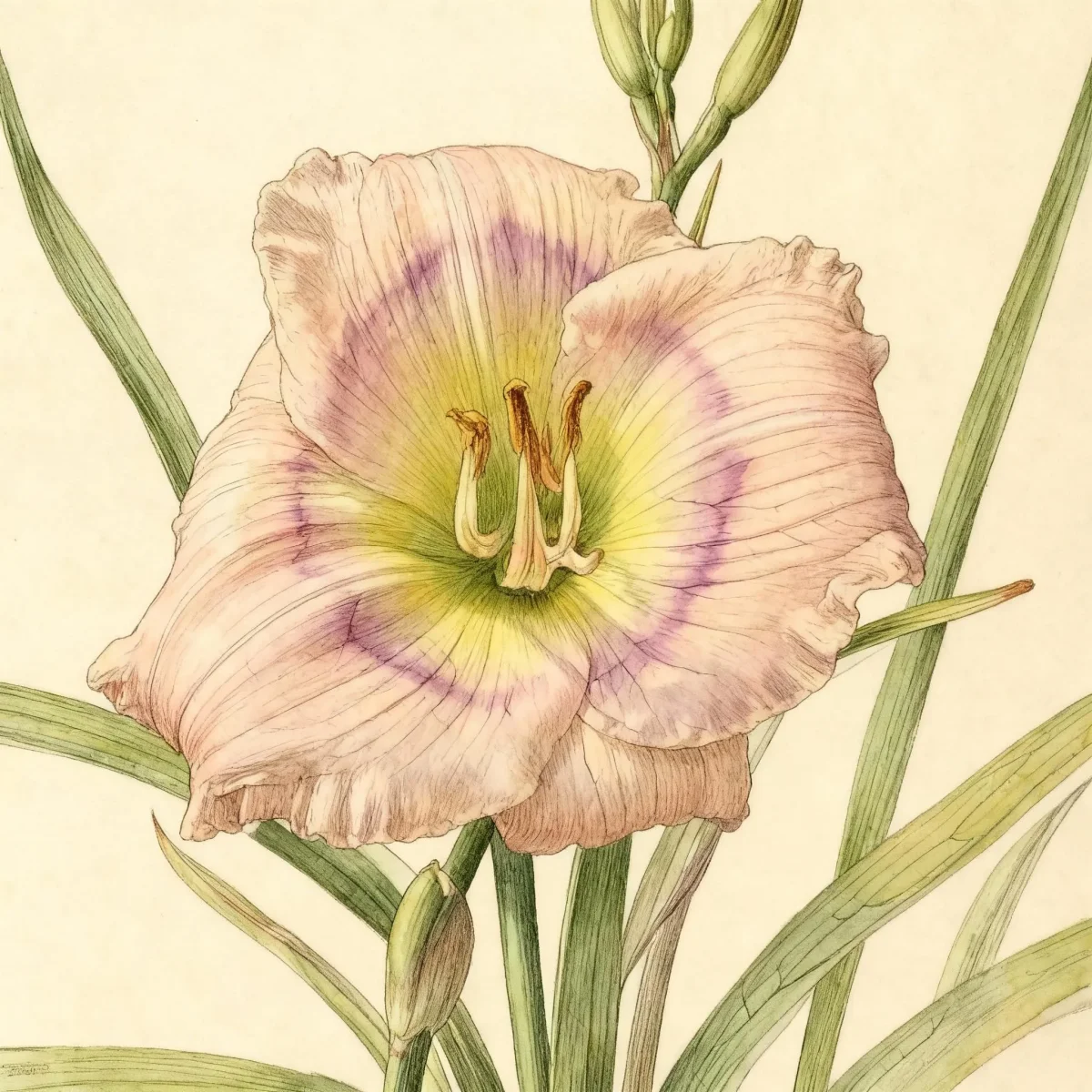
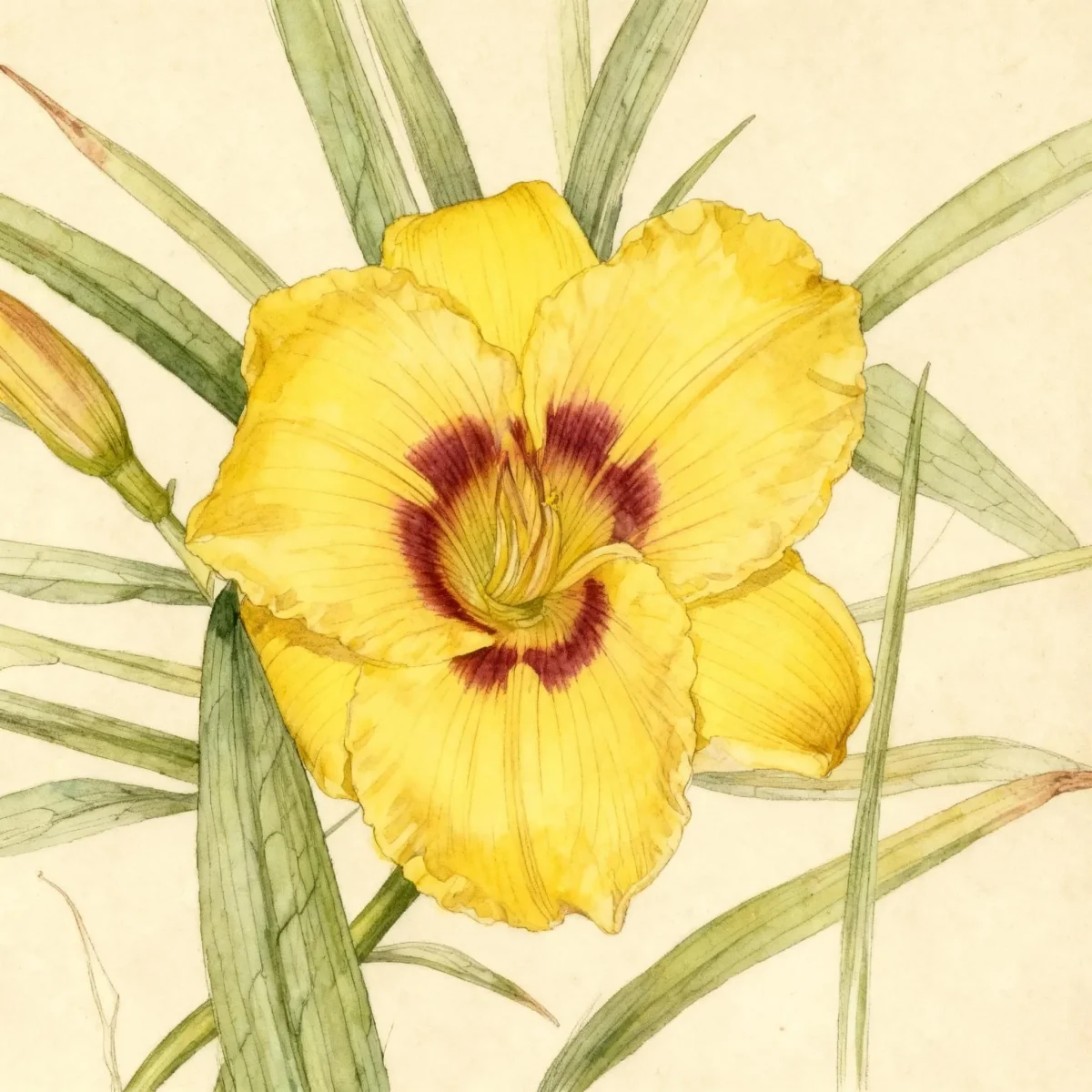
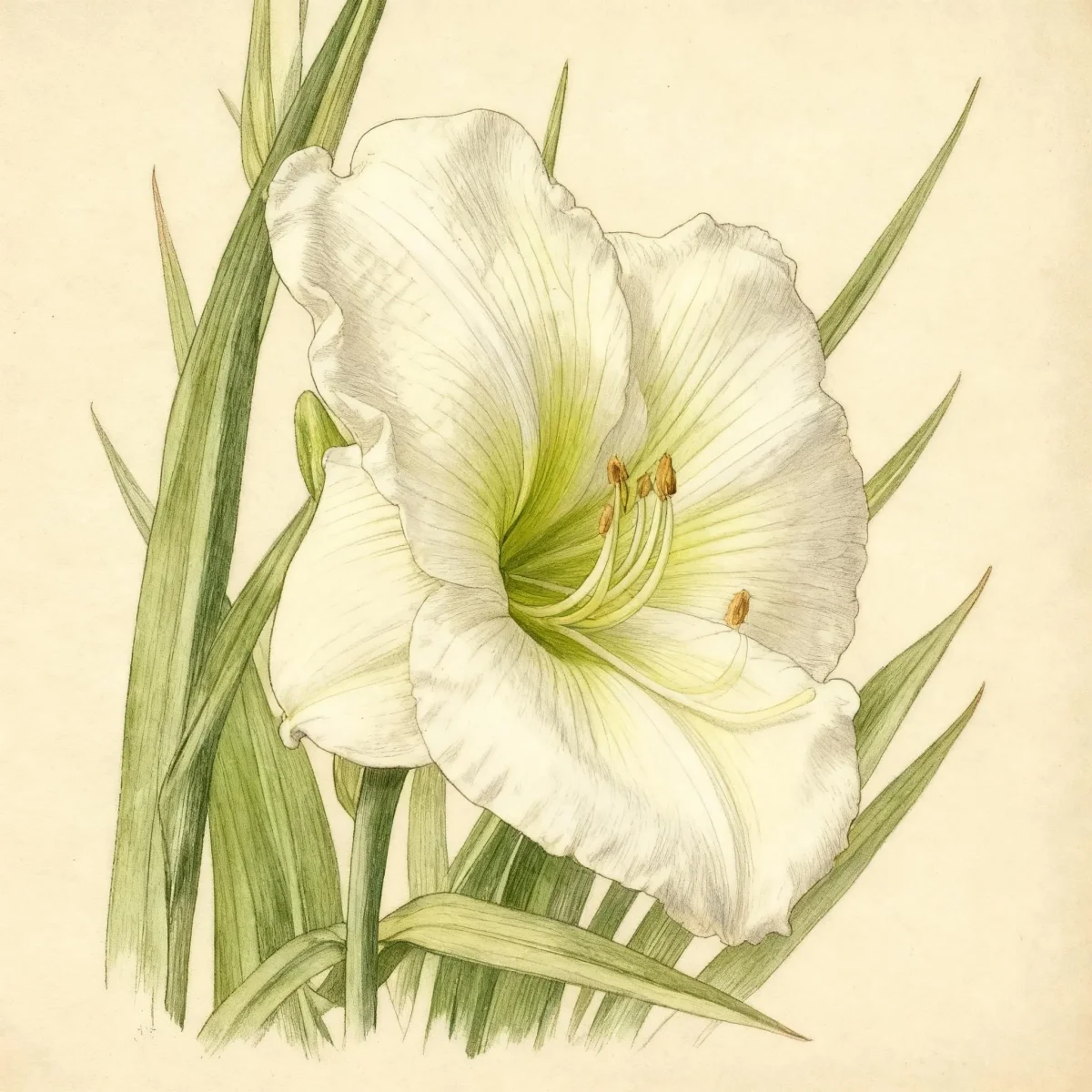
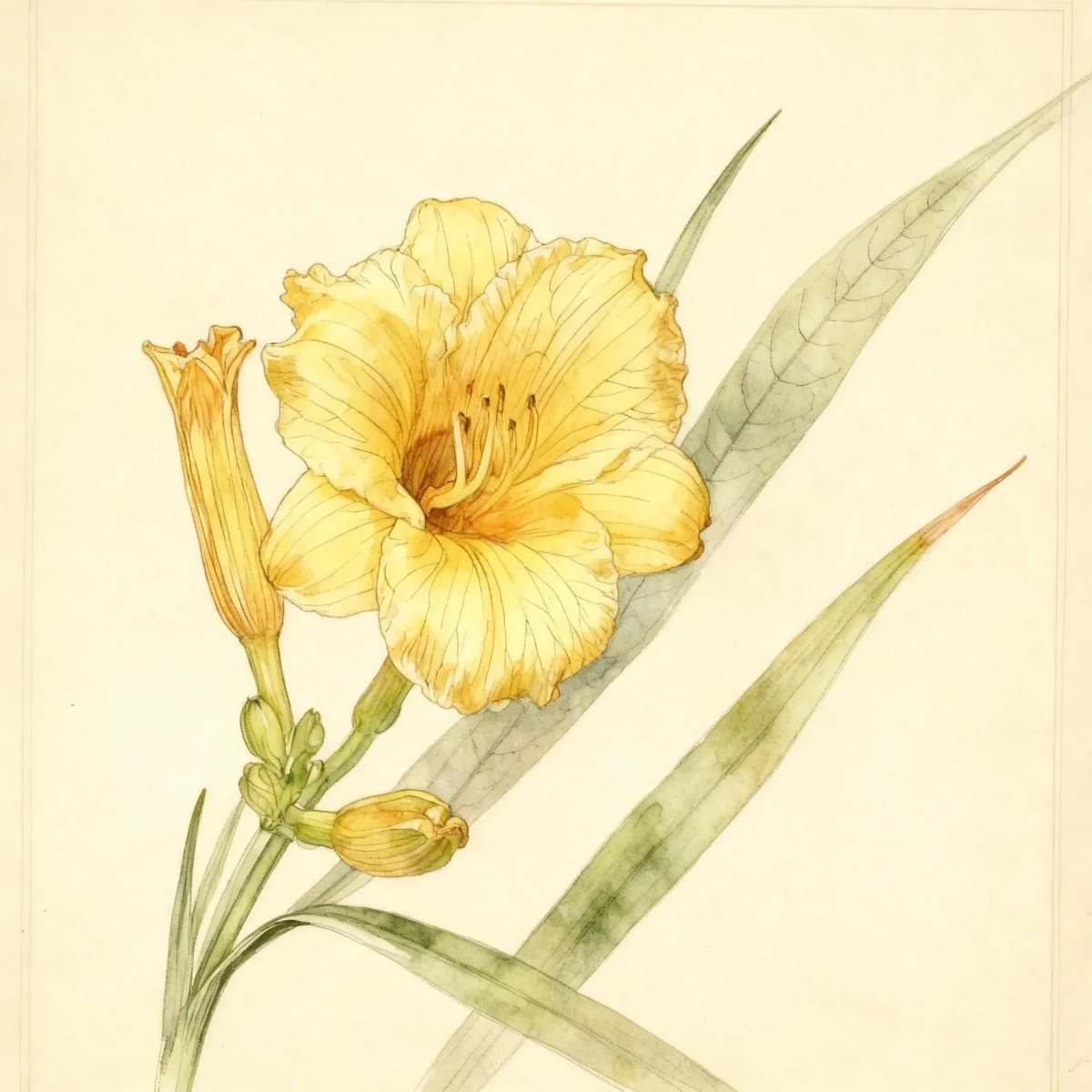
Hemerocallis 'Ivory Dawn' is a low-maintenance Daylily prized for its showy, fragrant ivory-lavender blooms from June to July.
Scroll down to discover growing tips, care requirements, companion plants, and more
Complete Plant Information
Overview
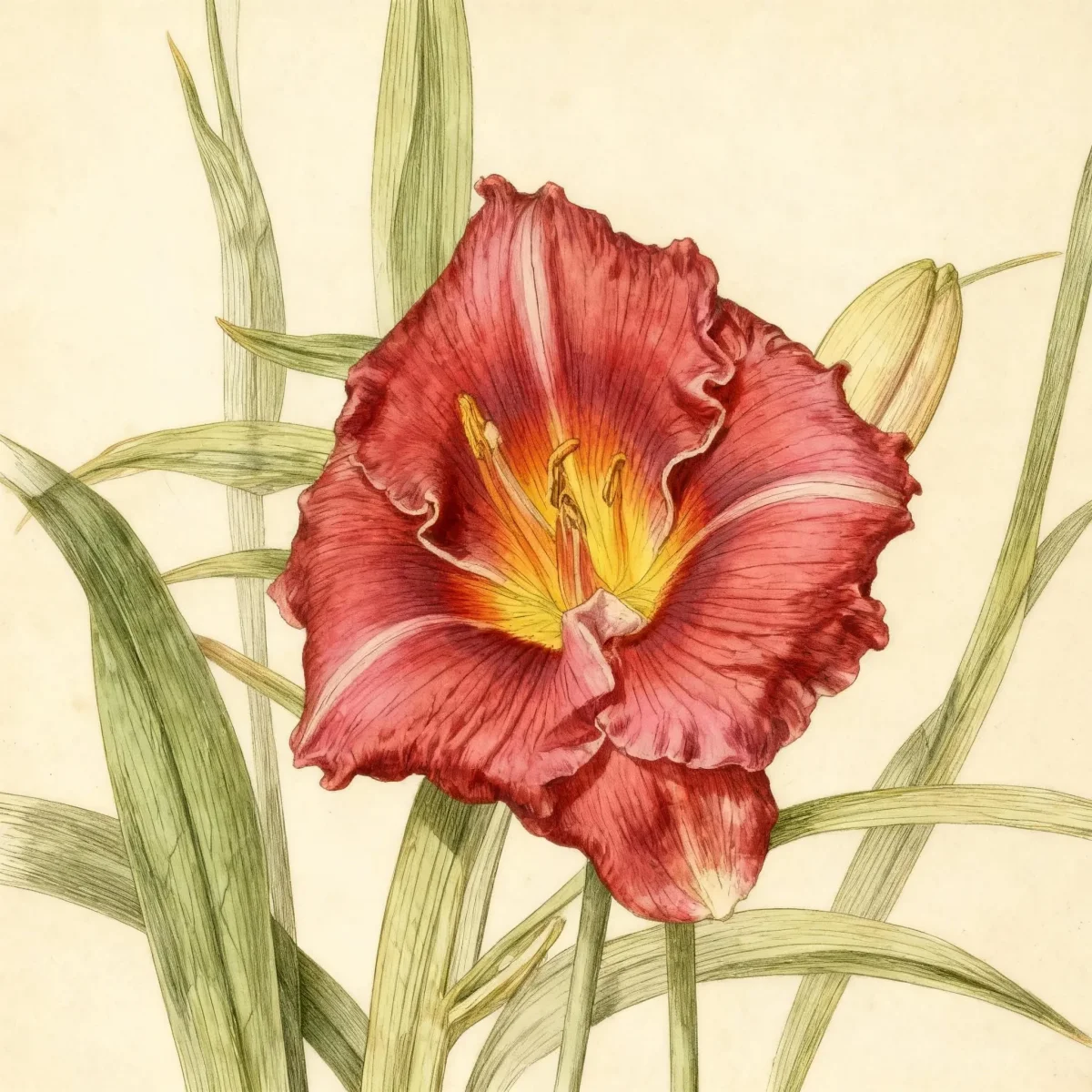
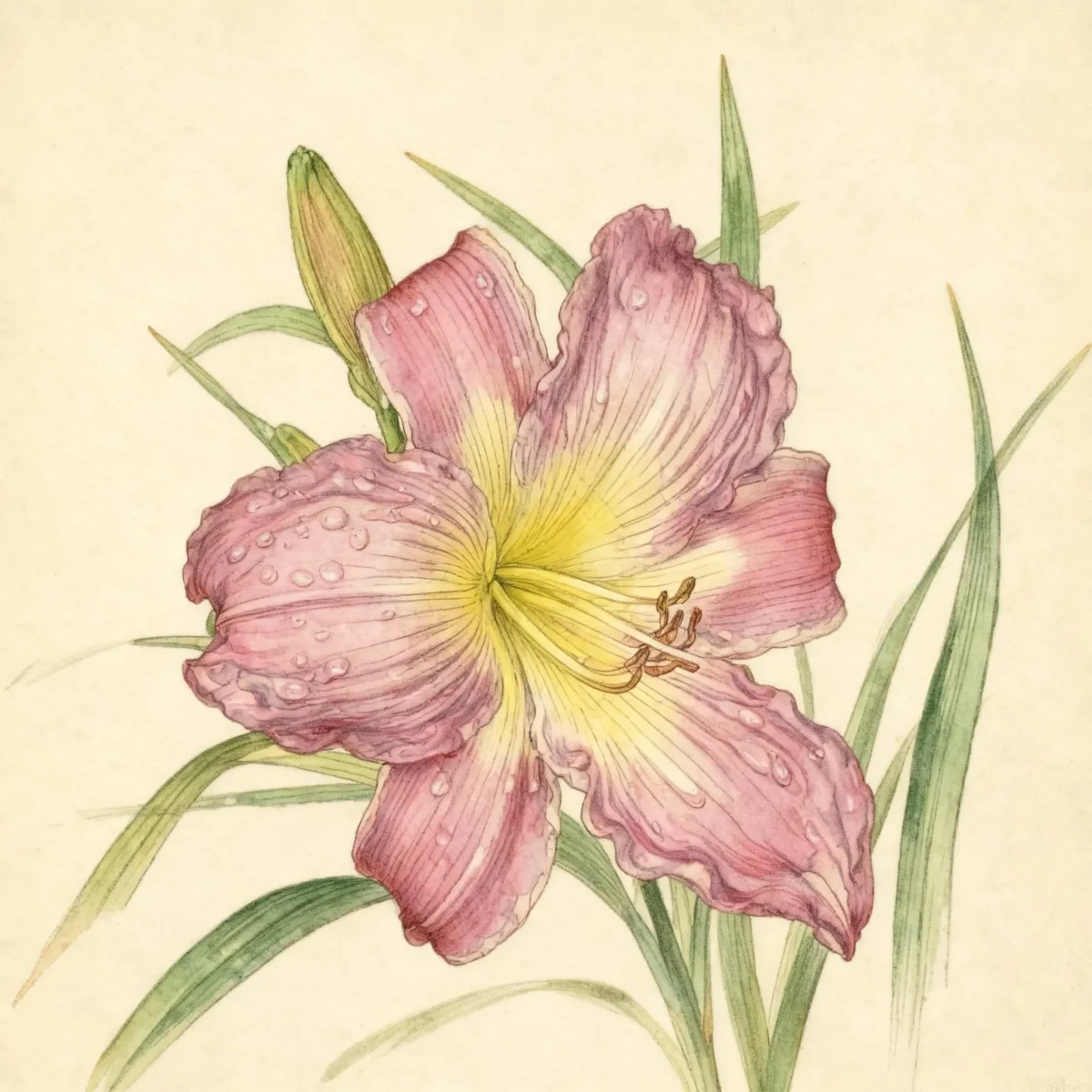
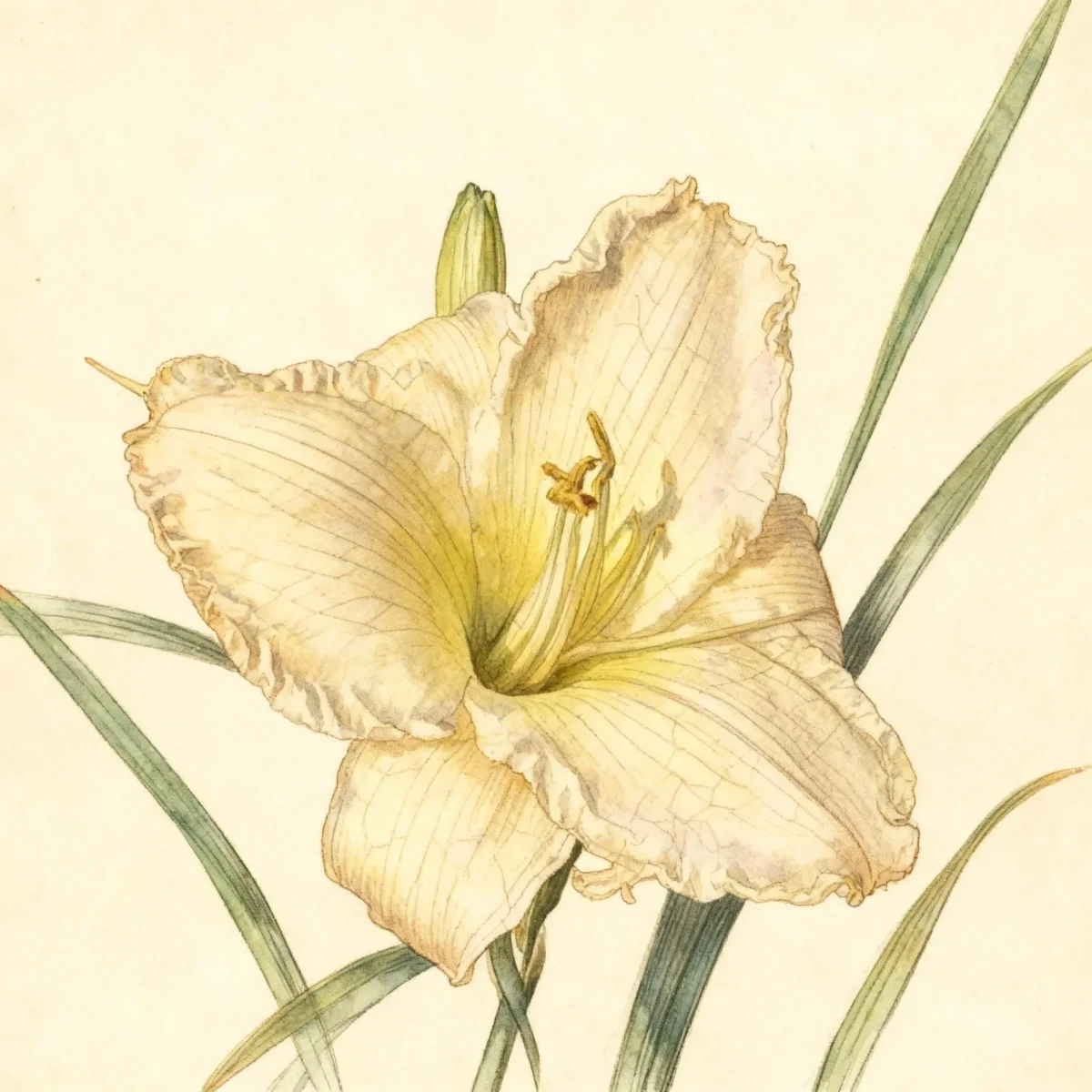
Hemerocallis ‘Ivory Dawn’ is a highly sought-after herbaceous perennial celebrated for its classic Daylily form combined with distinctive coloring. This tetraploid cultivar offers substantial visual impact with its 5-inch ivory-lavender flowers accented by a bright chartreuse throat, providing elegance in the mid-season garden. As an easy-to-grow plant, it fits seamlessly into various landscape designs while requiring genuinely low maintenance throughout its prime blooming period.
These reliable Daylilies establish quickly, featuring basal clumps of linear, arching foliage that offer structure even when not in flower. Hemerocallis ‘Ivory Dawn’ provides reliable performance across USDA Zones 3 through 9, tolerating heat and humidity well provided they receive sufficient water during dry spells. Gardeners deeply appreciate the added bonus of fragrance accompanying the otherwise showy daytime display.
The ongoing success of this Daylily hinges on proper cultural care, including ensuring well-drained soil and consistent moisture. Deadheading spent blossoms daily keeps the plant tidy, allowing energy to be focused on producing more of the desirable ivory-lavender blooms characteristic of Hemerocallis ‘Ivory Dawn’.
Fast Facts
- Plant Family: Asphodelaceae
- Plant Type: Herbaceous perennial
- Hardiness Zones: USDA Zones 3-9
- Size at Maturity:
- Height: 1.5-2 ft
- Spread: 1.5-2 ft
- Bloom Time: June to July
- Bloom Description: Ivory-lavender with chartreuse throat
- Sun Exposure: Full sun to part shade
- Water Needs: Medium
- Maintenance Level: Low
How to Grow
Planting Hemerocallis ‘Ivory Dawn’ is best achieved in the spring or fall, ensuring the fibrous roots establish before extreme weather hits. While Daylilies perform well in many soil types, they thrive best in deep, fertile loams that are consistently medium in moisture and drain effectively. Locate them where they receive full sun to light afternoon shade for the most prolific bloom set.
Watering requires medium attention; while tolerant of heat, deep watering during dry spells is crucial to keep the sword-like foliage looking attractive. Maintenance is low overall, primarily involving deadheading spent flowers daily for a neater appearance and removing the entire flower scape once the blooming period concludes. Fertilizer is generally not essential if the soil is rich, but applying a balanced slow-release fertilizer in early spring can boost vigor.
For optimal performance of this Daylily, plan to divide the clumps every three to four years. Spring division is preferred, especially in colder climates like those found in the upper Midwest. Remember that Hemerocallis ‘Ivory Dawn’, being a hybrid, will not reliably grow true to type if you attempt propagation via seed.
Landscape Uses
Hemerocallis ‘Ivory Dawn’ excels as a versatile, easy-to-grow herbaceous perennial perfect for foundational garden tasks. Their neat, uniform clump size (1.5 to 2 feet tall and wide) makes them excellent for defining borders along walkways or driveways where their clean foliage provides year-round structure. Use them en masse to blanket large areas, creating sweeping drifts of sophisticated color when they are in bloom.
Due to their resilience and reliable clumping habit, Daylilies are superb for stabilizing slopes, addressing erosion control needs within the landscape structure. Younger or smaller cultivars can also be effectively utilized in rock gardens, providing a splash of color contrasting beautifully against stone textures. The sophisticated ivory and chartreuse tones of Hemerocallis ‘Ivory Dawn’ blend well with purple salvias, blue hostas, or silver-leaved companions.
Standout Features
Flower Qualities
- Showy
- Fragrant
Noteworthy Characteristics
Hemerocallis is a genus of about 15 species of herbaceous perennials commonly known as daylilies, with most commercial varieties being hybrids developed for superior color and form. Each individual flower of Hemerocallis ‘Ivory Dawn’ is open for only one day but is produced in succession, ensuring a long overall blooming period. This specific tetraploid cultivar is noted for its 5” diameter, ivory-lavender flowers featuring vibrant chartreuse throats, supported by scapes rising approximately 26 inches above the foliage.
Tolerances
- Rabbit
- Erosion
- Air Pollution
Potential Problems
Daylilies are exceptionally hardy and adaptive, meaning pest and disease issues are rare with Hemerocallis ‘Ivory Dawn’. Occasionally, gardeners may notice minor infestations of mites, aphids, or thrips, which can usually be managed with insecticidal soap or a strong jet of water. The most significant potential issue in certain regions is Daylily Rust, a fungal infection that affects foliage; ensure good air circulation and avoid overhead watering late in the day to mitigate risk. While rabbits generally avoid nibbling on Daylily foliage, consistent monitoring during establishment is wise.
Frequently Asked Questions
What hardiness zones is Daylily suitable for?
Hemerocallis ‘Ivory Dawn’ is hardy and reliable in USDA Zones 3 through 9.
How large does Hemerocallis ‘Ivory Dawn’ grow?
This Daylily typically reaches a mature height between 1.5 and 2 feet tall, with a comparable spread of 1.5 to 2 feet.
What sun exposure does Daylily need?
Hemerocallis ‘Ivory Dawn’ performs best when grown in full sun conditions, although it will tolerate partial shade, which might slightly reduce the number of blooms.
When does Daylily bloom?
This Daylily blooms consistently from June to July, featuring its distinctive ivory-lavender flowers with chartreuse throats and offering some repeat bloom potential.
Conclusion
Hemerocallis ‘Ivory Dawn’ is an indispensable feature in the perennial border, offering elegant color, reliable growth, and a degree of fragrance with minimal required effort. Its robust nature ensures low maintenance across a wide range of climates, making this Daylily a smart choice for both novice and expert gardeners. Before planting, confirm that your site provides the necessary full sun exposure and well-drained soil to ensure your Hemerocallis ‘Ivory Dawn’ thrives.
Companion Planting
Choosing appropriate companions is key to maximizing the aesthetic and cultural benefits of your Daylilies. Since Hemerocallis ‘Ivory Dawn’ prefers consistent moisture and full sun, pair it with plants that share similar needs, such as ornamental grasses like Calamagrostis or structurally rigid perennials like Bearded Iris. Plants with silver or deep purple foliage create a striking contrast against the lighter foliage and ivory blooms of this specific Daylily.
Avoid pairing Daylilies too closely with aggressive spreaders, as the Daylily clump itself appreciates room to breathe and expand naturally over several years. Low-growing groundcovers that don’t heavily shade the base of the plant are ideal for suppressing the weeds that might compete for the medium water supply required by Hemerocallis.
Seasonal Care Calendar
For optimal performance of your Daylily plants, incorporate seasonal routines. In early spring, after the danger of hard frost has passed but before new growth surges, clear away any remaining old, dead foliage from the previous season and consider applying a balanced fertilizer if soils are poor. Summer care focuses on deadheading spent blooms daily to encourage continuous flowering of Hemerocallis ‘Ivory Dawn’ and providing deep, infrequent watering during hot, dry periods. In late fall, especially in the colder reaches of Zones 3 and 4, tidy up spent foliage to reduce overwintering sites for pests, though note that winter-dormant types do require this cold period for best next-season flowering.