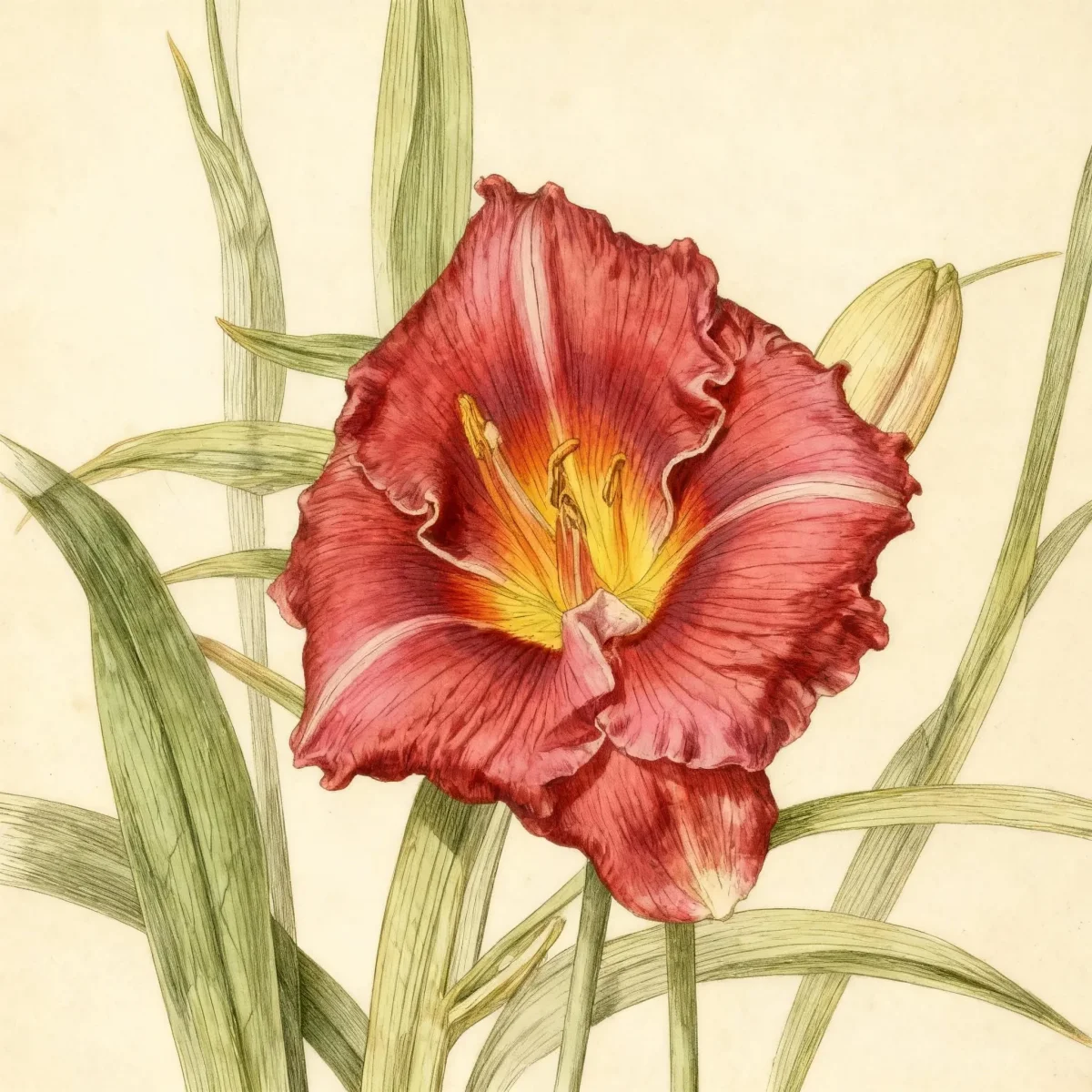
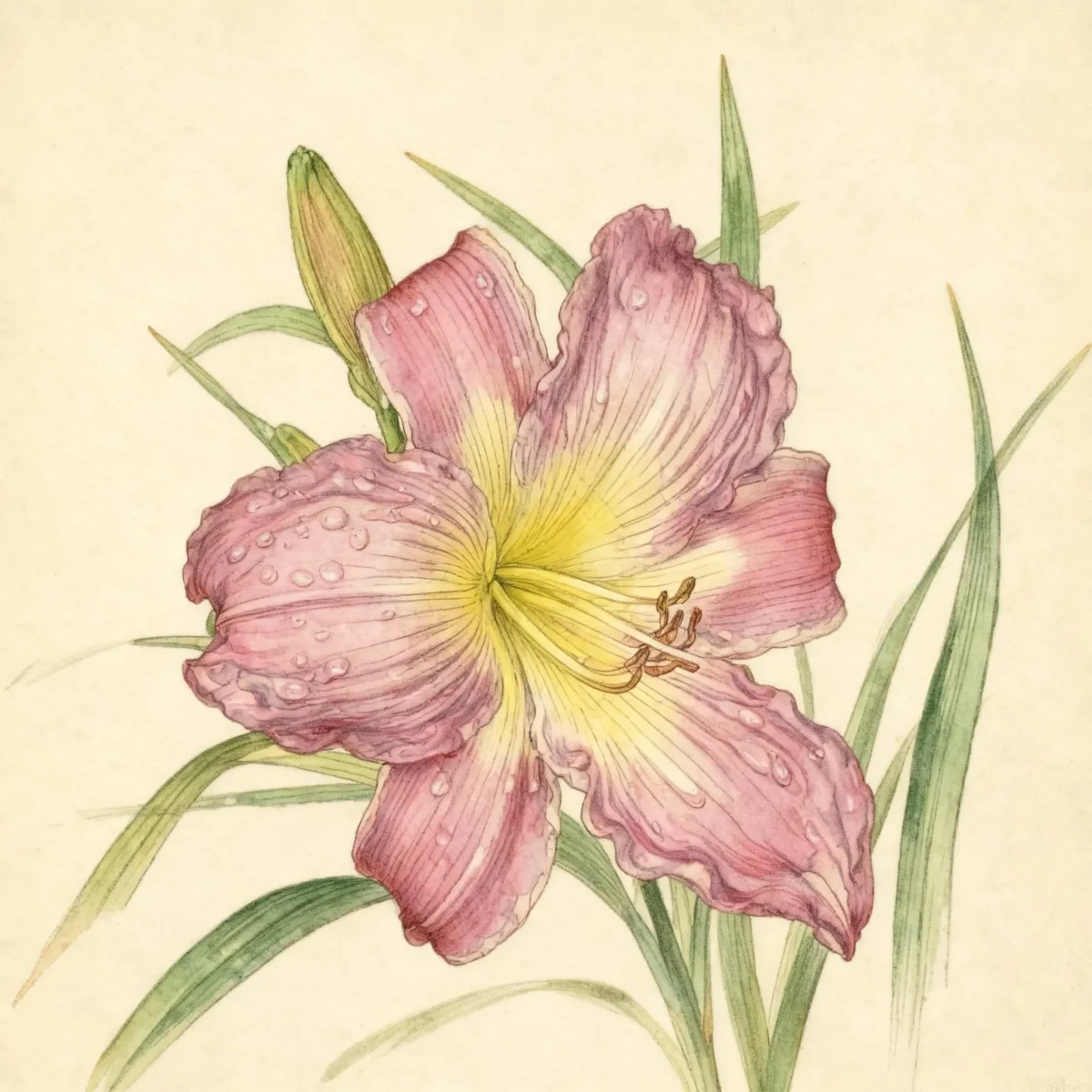
Daylily (Hemerocallis 'Jade Star')
Hemerocallis 'Jade Star' Daylily offers striking purple blooms with green throats. A low-maintenance, tough perennial for zones 3-9.
Scroll down to discover growing tips, care requirements, companion plants, and more
Complete Plant Information
Overview
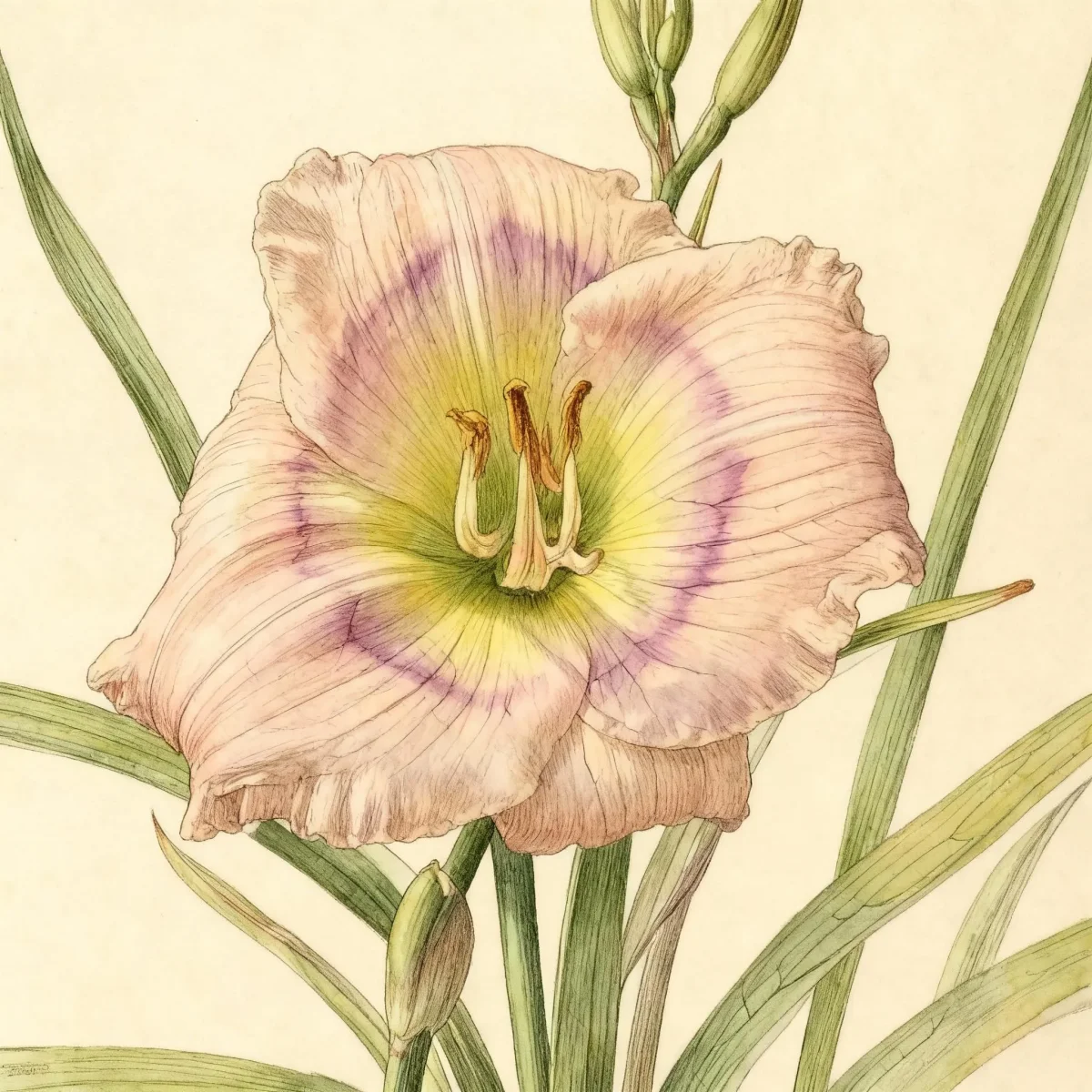
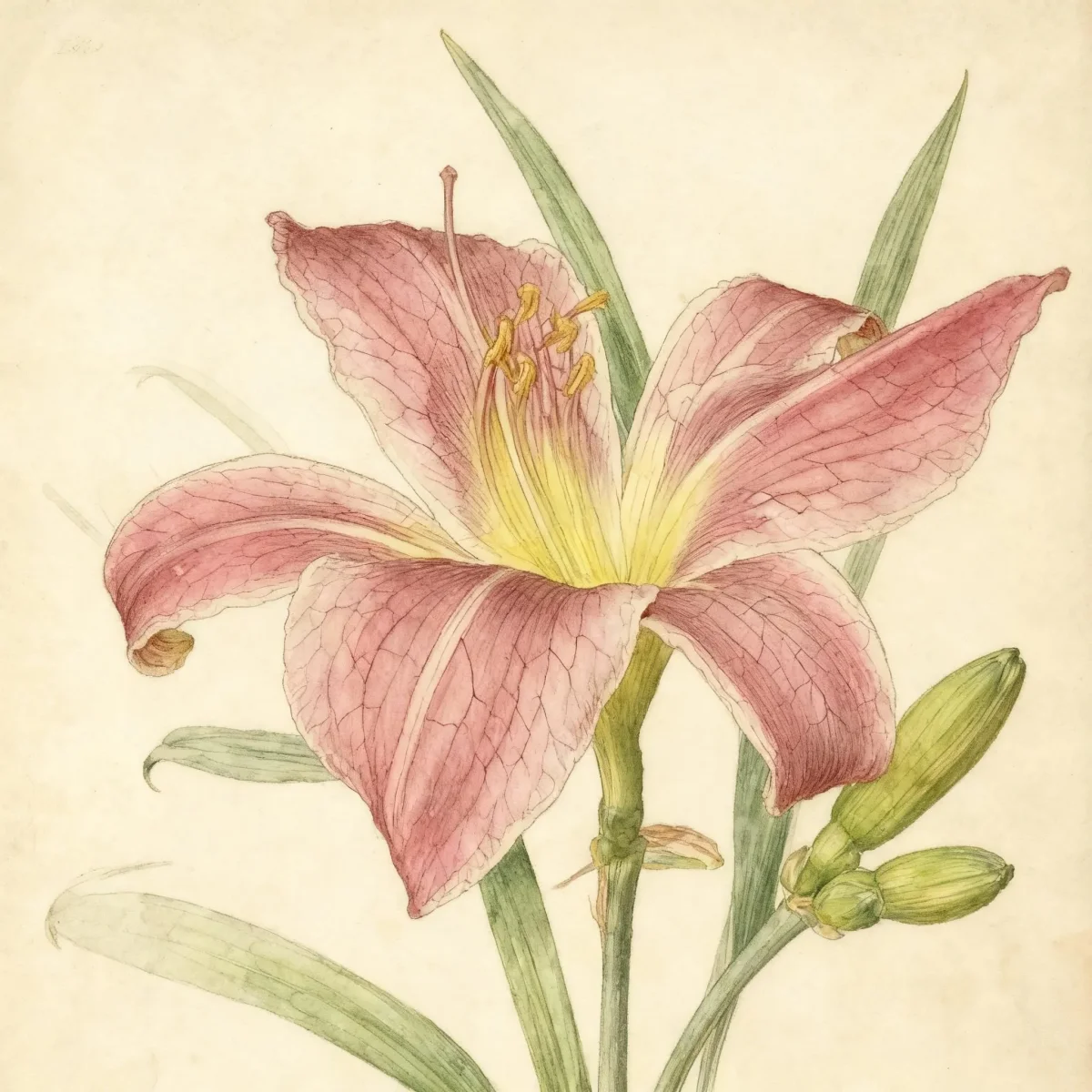
Hemerocallis ‘Jade Star’ is a robust and highly valued addition to the herbaceous perennial landscape. This specific Daylily cultivar is appreciated for its reliable performance across a wide temperature range and its attractive, moderately ruffled purple flowers accented by a unique lime-green throat. Daylilies, in general, are famous for their exceptional adaptability and low maintenance requirements, making them essential for both novice and experienced gardeners.
As a winter-dormant Daylily, Hemerocallis ‘Jade Star’ thrives when provided with a distinct cold period, ensuring vigorous regrowth and consistent flowering in Zones 3 through 9. It settles into a compact clump, reaching about 2 to 2.5 feet tall, providing neat structure even when not in bloom. Gardeners benefit from its resilience to heat, humidity, and pollution.
The continuous succession of flowers over several weeks in early summer ensures lasting garden color. While each individual bloom on the Daylily lasts but a single day, the overall display of Hemerocallis ‘Jade Star’ remains impressive. Its grass-like, arching foliage also contributes to excellent texture in borders and mass plantings.
Fast Facts
- Plant Family: Asphodelaceae
- Plant Type: Herbaceous perennial
- Hardiness Zones: USDA Zones 3-9
- Size at Maturity:
- Height: 2-2.5 ft
- Spread: 2-2.5 ft
- Bloom Time: June to July
- Bloom Description: Purple with green throat
- Sun Exposure: Full sun to part shade
- Water Needs: Medium
- Maintenance Level: Low
How to Grow
Planting should occur in spring or fall, ensuring the Daylily is situated in average, medium moisture, well-drained soil. While Hemerocallis ‘Jade Star’ adapts to many soil types, it performs best in deep, fertile loams. Locate your Daylilies where they receive full sun for the best bloom production, although they tolerate partial shade gracefully.
Maintenance for this cultivar is generally low. Deadhead spent flowers daily to maintain neatness, and once the blooms are finished, remove the entire flower scape. Though tolerant of summer heat, deep watering during dry spells prevents foliage scorch and keeps the clump looking refreshed. Avoid routine fertilizing unless soil tests indicate a severe deficiency.
For optimal performance, plan to divide your Hemerocallis ‘Jade Star’ clumps every three to four years, ideally in the spring, particularly in colder zones like the St. Louis region. Remember that hybrid daylilies do not come true from seed, so division is the only way to propagate this specific cultivar. If you are in the warmer end of its range (Zones 9+), be aware that winter-dormant types like this one may require cutting back foliage damaged by mild winters.
Landscape Uses
Hemerocallis ‘Jade Star’ excels as an easy-to-grow, versatile foundation plant. Its moderate size makes it perfect for defining borders along walkways or driveways without becoming overly tall or obstructive. When planted in mass, these Daylilies create sweeping drifts of deep purple color that draw the eye across the landscape throughout the early summer months.
This Daylily also functions exceptionally well for edging established beds or providing groundcover over large areas where dense planting is desired. Because of its hardiness and tolerance for air pollution and erosion, Hemerocallis ‘Jade Star’ is an excellent choice for stabilizing banks or planting near busy roadsides where toughness is paramount. Group it with contrasting foliage plants, such as silvery artemisias or fine-textured ornamental grasses, to enhance the visual complexity when the flowers are not present.
Standout Features
Flower Qualities
- Showy
Noteworthy Characteristics
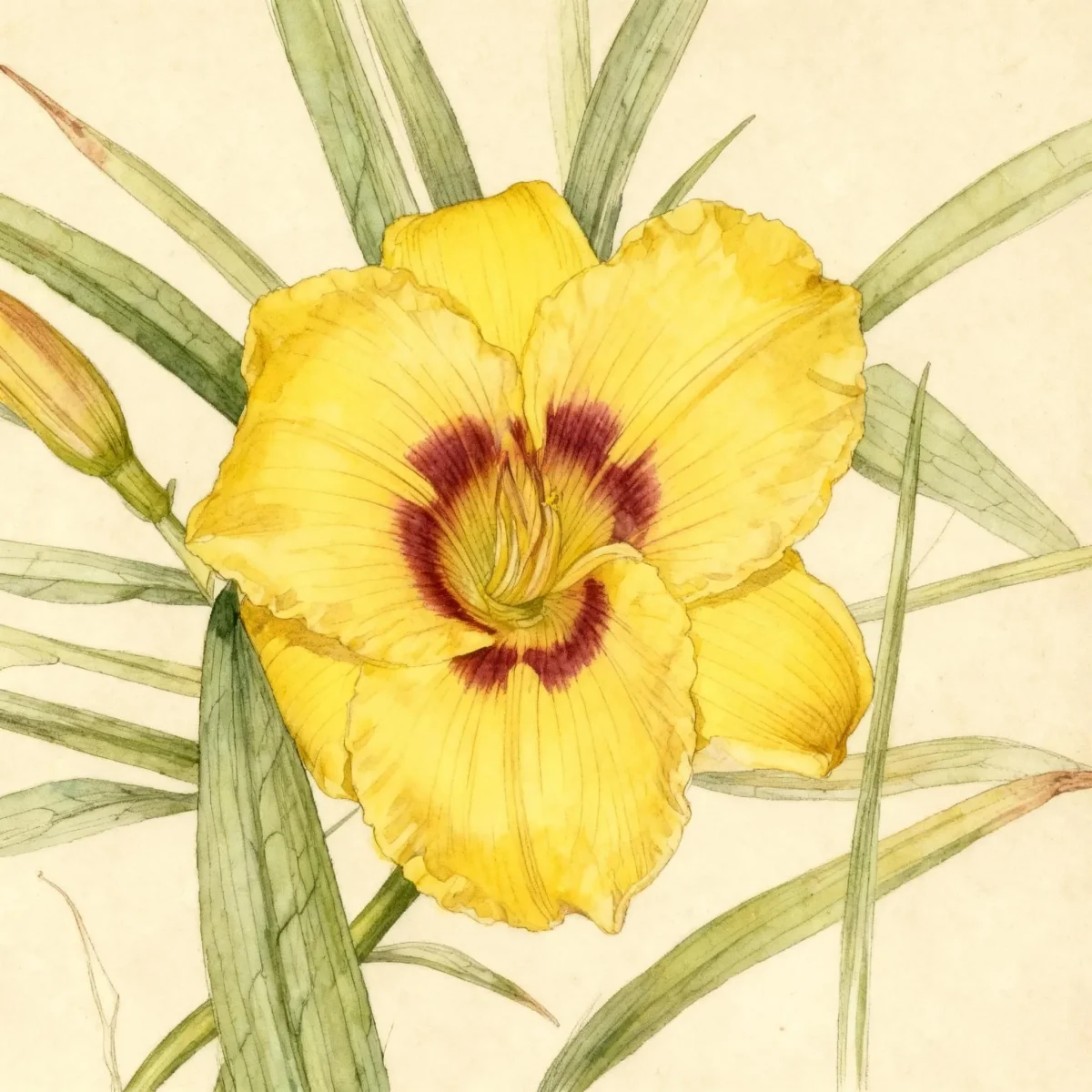
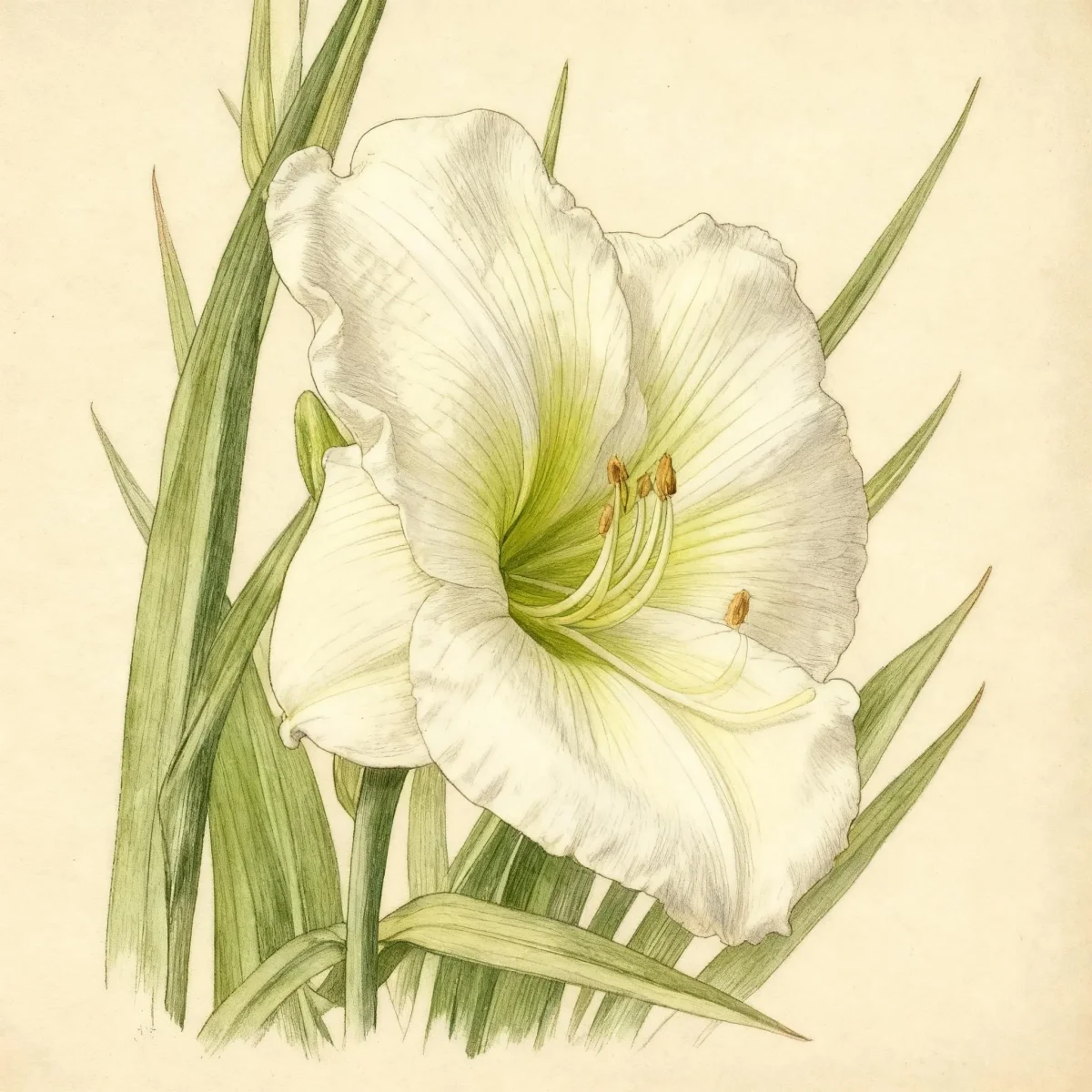
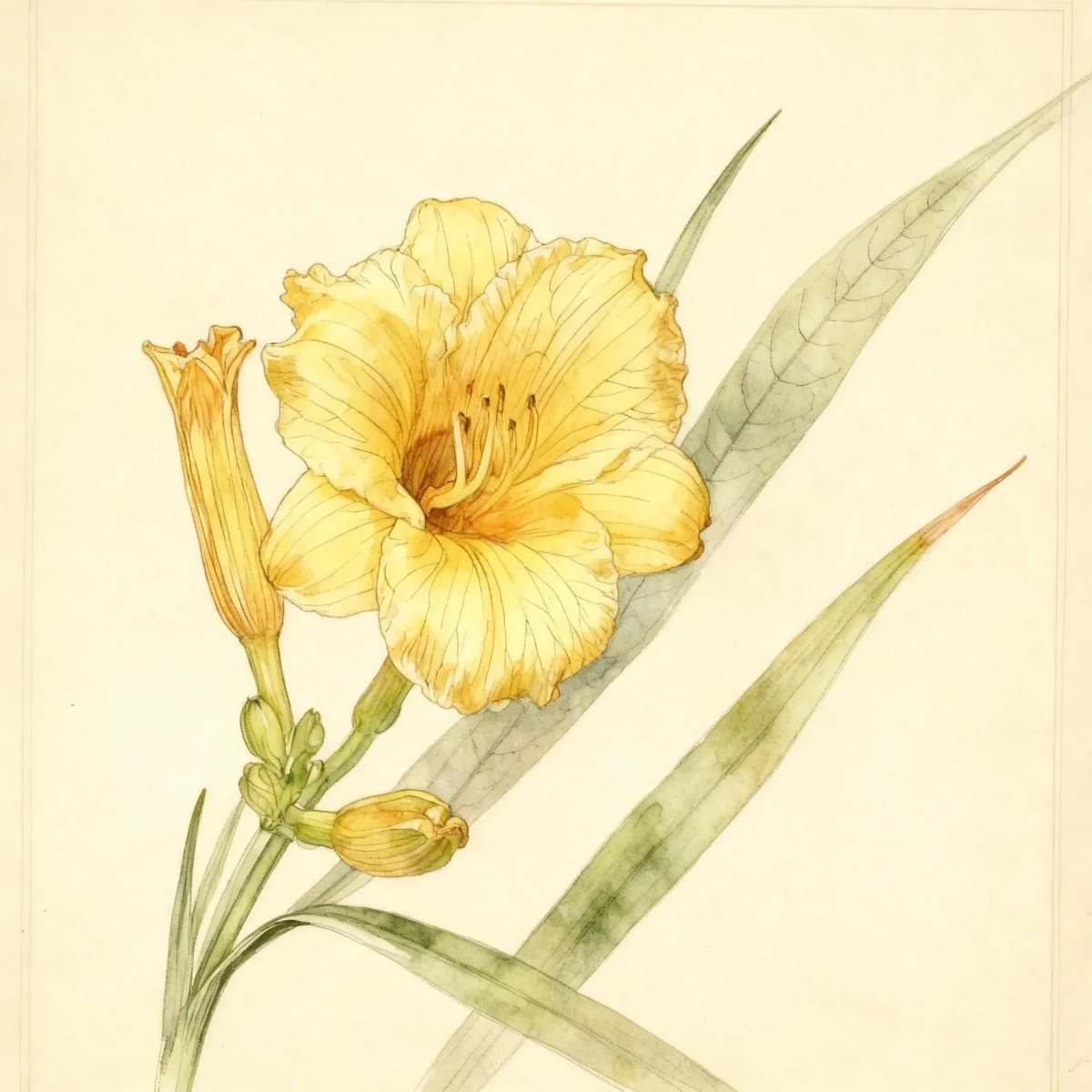
Hemerocallis is a genus celebrated globally, with hybridizers developing over 60,000 registered cultivars, far exceeding the original Asian species. Hemerocallis ‘Jade Star’ specifically offers 5-inch diameter flowers that are notably ruffled and display a gorgeous deep purple tone contrasted against a bright lime-green throat. The linear, grass-like foliage forms an attractive, arching clump that provides consistent structure through the growing season.
Tolerances
- Rabbit
- Erosion
- Air Pollution
Potential Problems
Daylilies are known for being extremely adaptable and relatively pest-free under general garden conditions. Occasionally, opportunistic pests like mites, aphids, or thrips might appear, usually during hot, dry periods. Regular inspection of the foliage, especially the undersides of the leaves, can help catch minor infestations early.
The most significant potential issue, depending on your region, is Daylily Rust (a fungal disease). If rust appears, sanitation—removing and destroying infected foliage promptly—is crucial to prevent spread, although this cultivar shows good general adaptability. Rabbits typically avoid chewing on Daylily foliage due to slight toxicity.
Frequently Asked Questions
What hardiness zones is Daylily suitable for?
The Hemerocallis ‘Jade Star’ Daylily is hardy across USDA Zones 3 to 9, offering wide adaptability in most temperate climates.
How large does Hemerocallis ‘Jade Star’ grow?
This cultivar typically reaches a mature height between 2 and 2.5 feet, with a corresponding spread of 2 to 2.5 feet, forming a medium-sized clump.
When does Daylily bloom?
Hemerocallis ‘Jade Star’ produces its substantial blooms predominantly from June through July, featuring characteristic purple flowers that possess a distinct green throat.
What sun exposure does Hemerocallis ‘Jade Star’ need?
For the most impressive display of purple flowers, this Daylily requires full sun, though it will still perform adequately in locations receiving partial shade.
Conclusion
Hemerocallis ‘Jade Star’ offers exceptional garden value through its resilience, ease of care, and the unique color combination of purple flowers accented by a lime-green throat. This specific Daylily provides reliable summer color and structure with minimal fuss. Confirm your local USDA zone compatibility and plan to install your Hemerocallis ‘Jade Star’ in well-drained soil this coming spring or fall for best establishment results.
Companion Planting
Selecting companions that share the medium water and full sun to part shade requirements of the Daylily ensures a harmonious planting scheme. Pair Hemerocallis ‘Jade Star’ with plants that offer contrasting foliage texture, such as ornamental grasses like Blue Fescue (Festuca glauca). For complementary color, consider contrasting blues or whites; Siberian Irises (Iris sibirica) or tall white Salvia varieties bloom around the same time and enjoy similar growing conditions.
Avoid planting these Daylilies directly under large, thirsty trees, as competition for moisture can stress the medium water needs of the Hemerocallis ‘Jade Star’. Grouping them with other low-maintenance, sun-loving perennials like Coneflowers (Echinacea) or Black-Eyed Susans (Rudbeckia) creates robust, long-lasting mixed borders that require little supplemental care once established.
Design Ideas for Daylilies
The consistency in size and foliage habit makes Daylilies superb structural elements in landscape design. Use Hemerocallis ‘Jade Star’ in repeating groups along straight lines to create visual rhythm and lead the eye toward a focal point in the garden. Because the foliage remains attractive even when the plant is not flowering, it is excellent for filling the perennial middle layer.
In contemporary arrangements, utilize the clump-forming habit of the Daylily for mass planting in modern, geometric beds to maximize the impact of the purple blooms against sleek hardscaping. In more cottage-style gardens, allow Hemerocallis ‘Jade Star’ to blend more loosely with taller background shrubs and spill naturally onto edging materials, leveraging its tolerance for crowding.