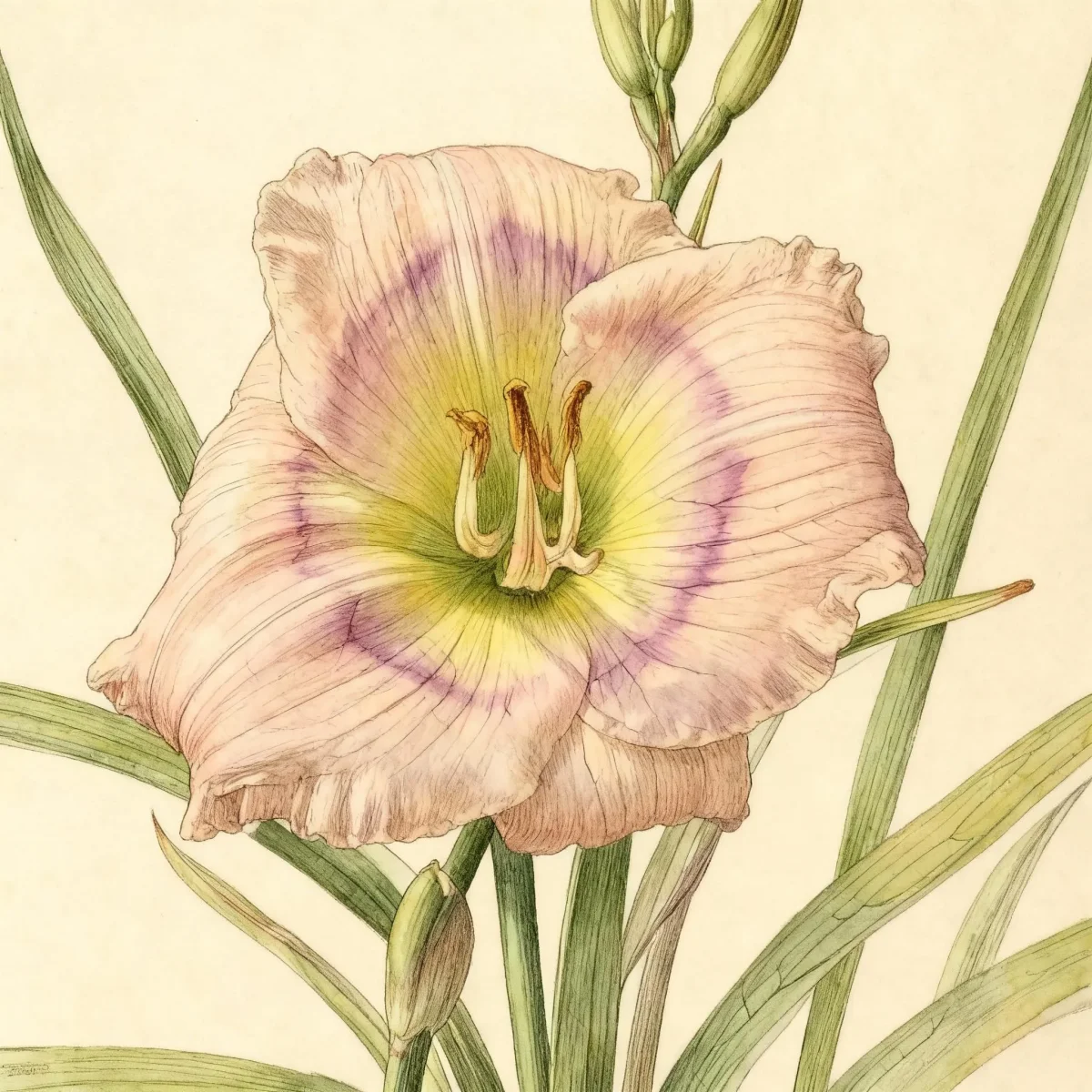
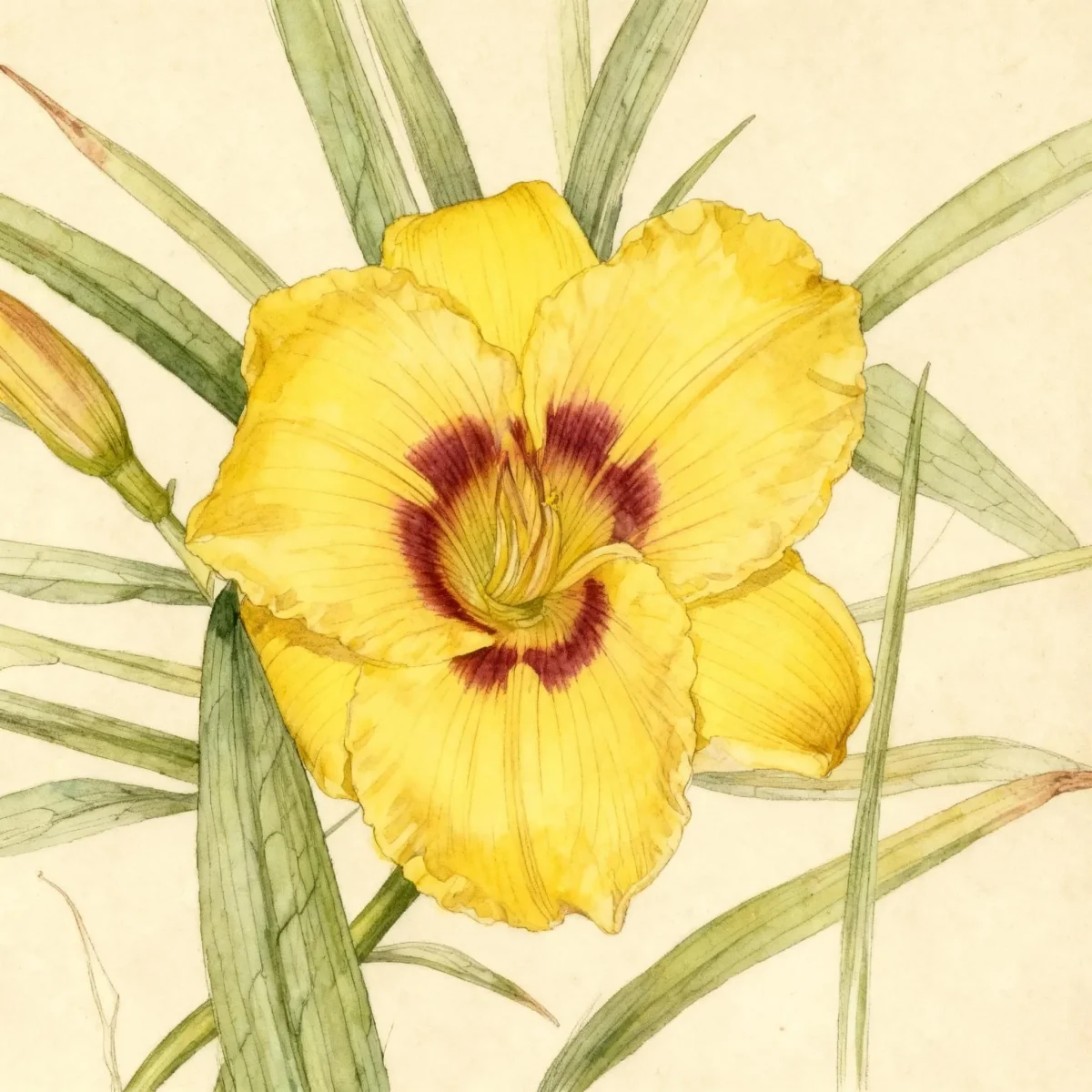
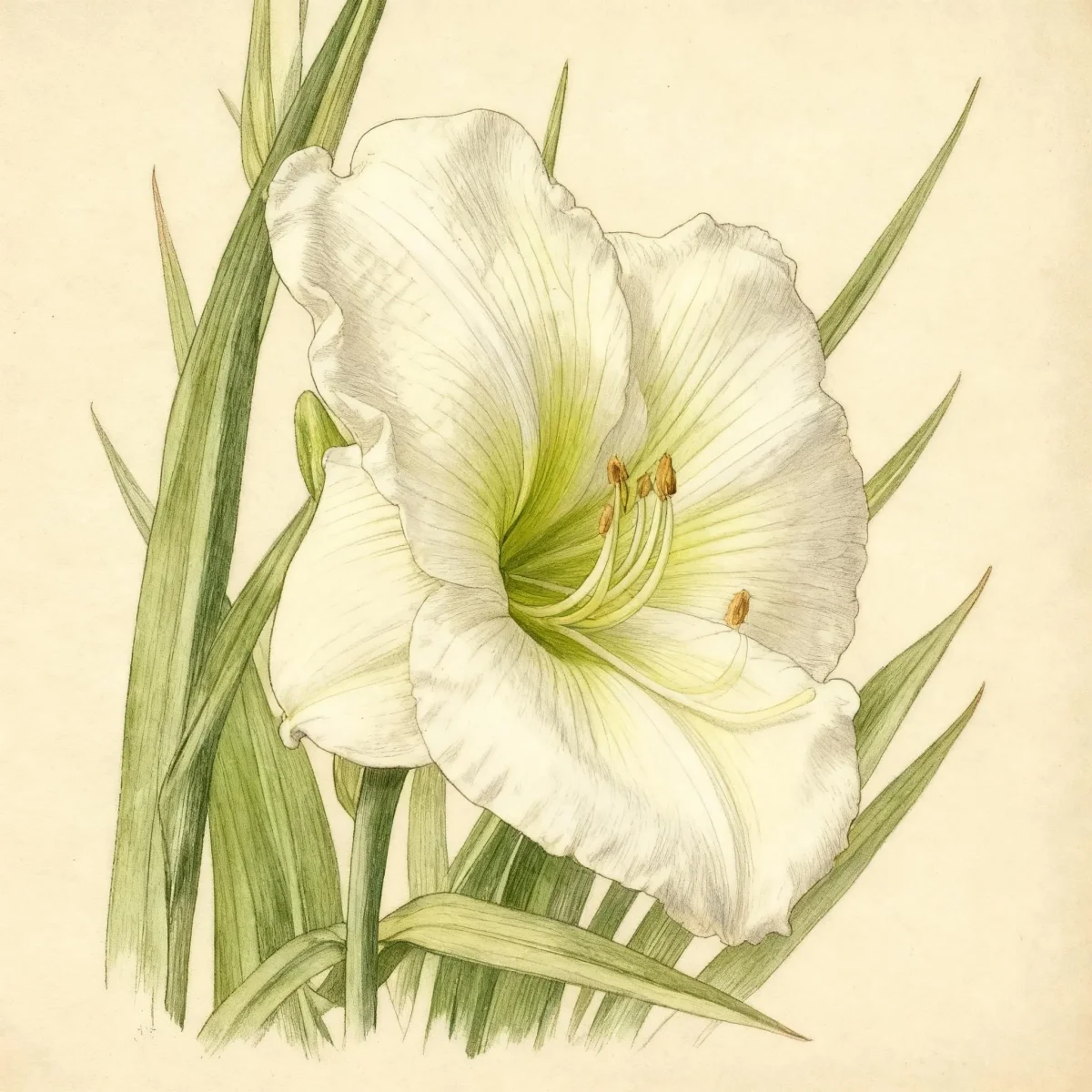
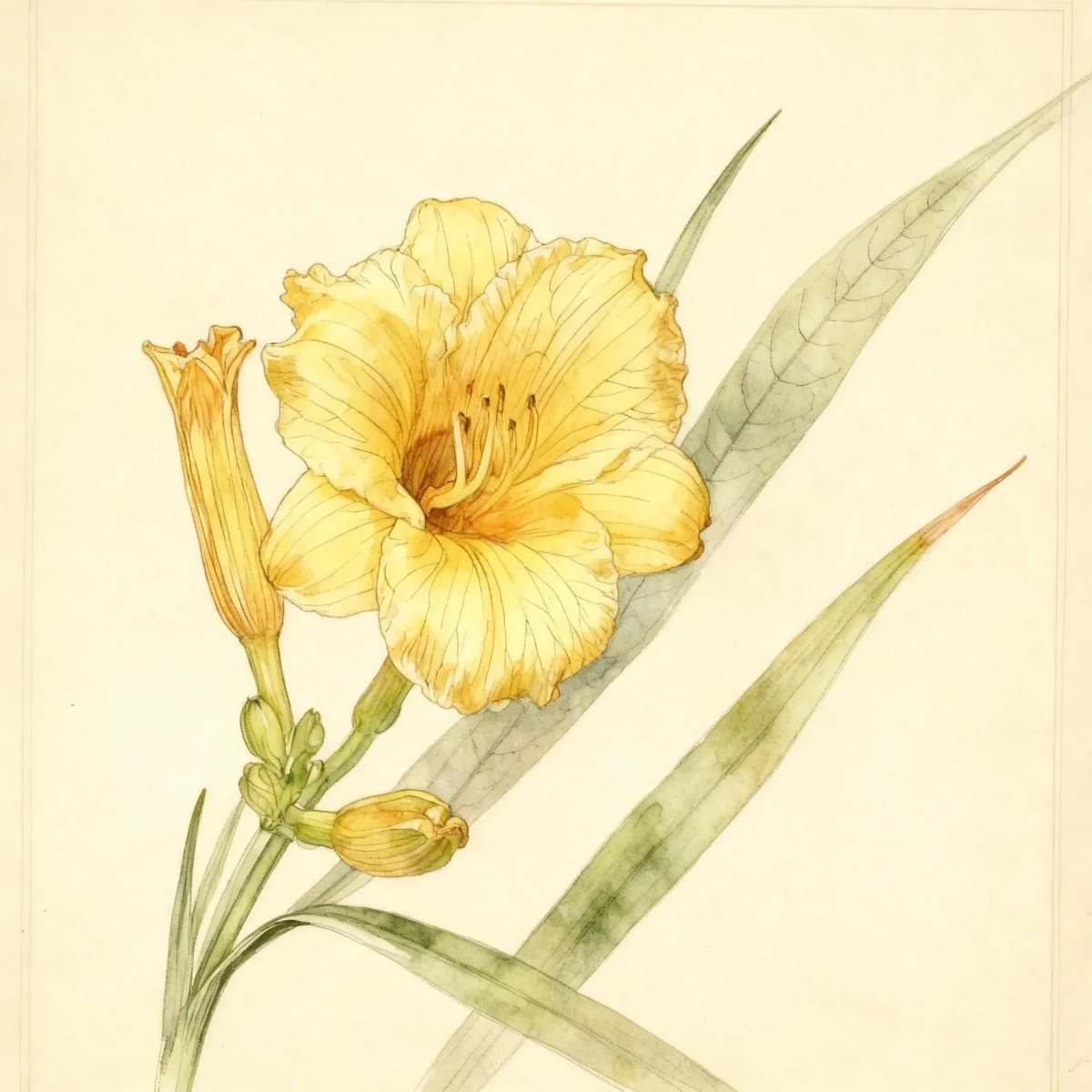
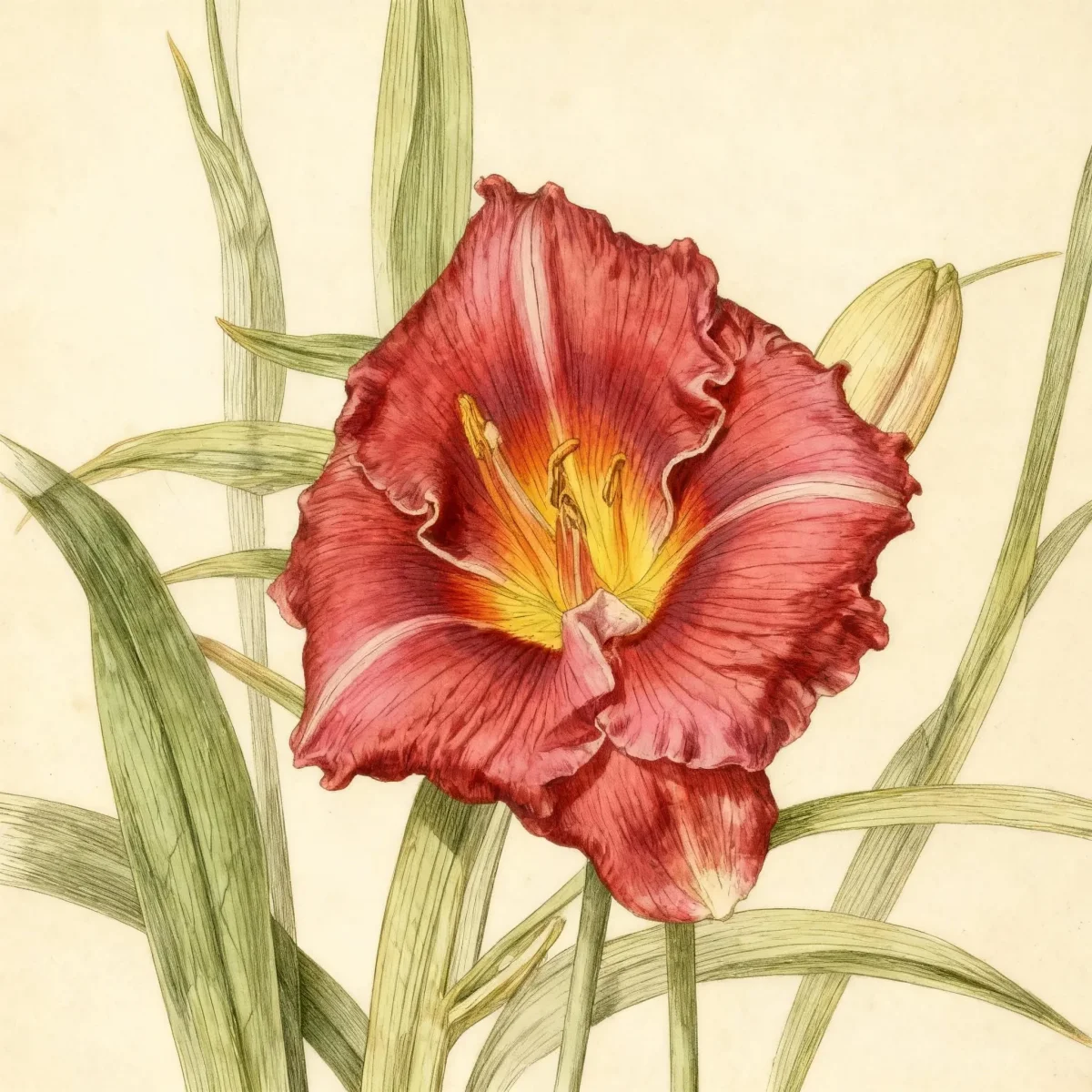
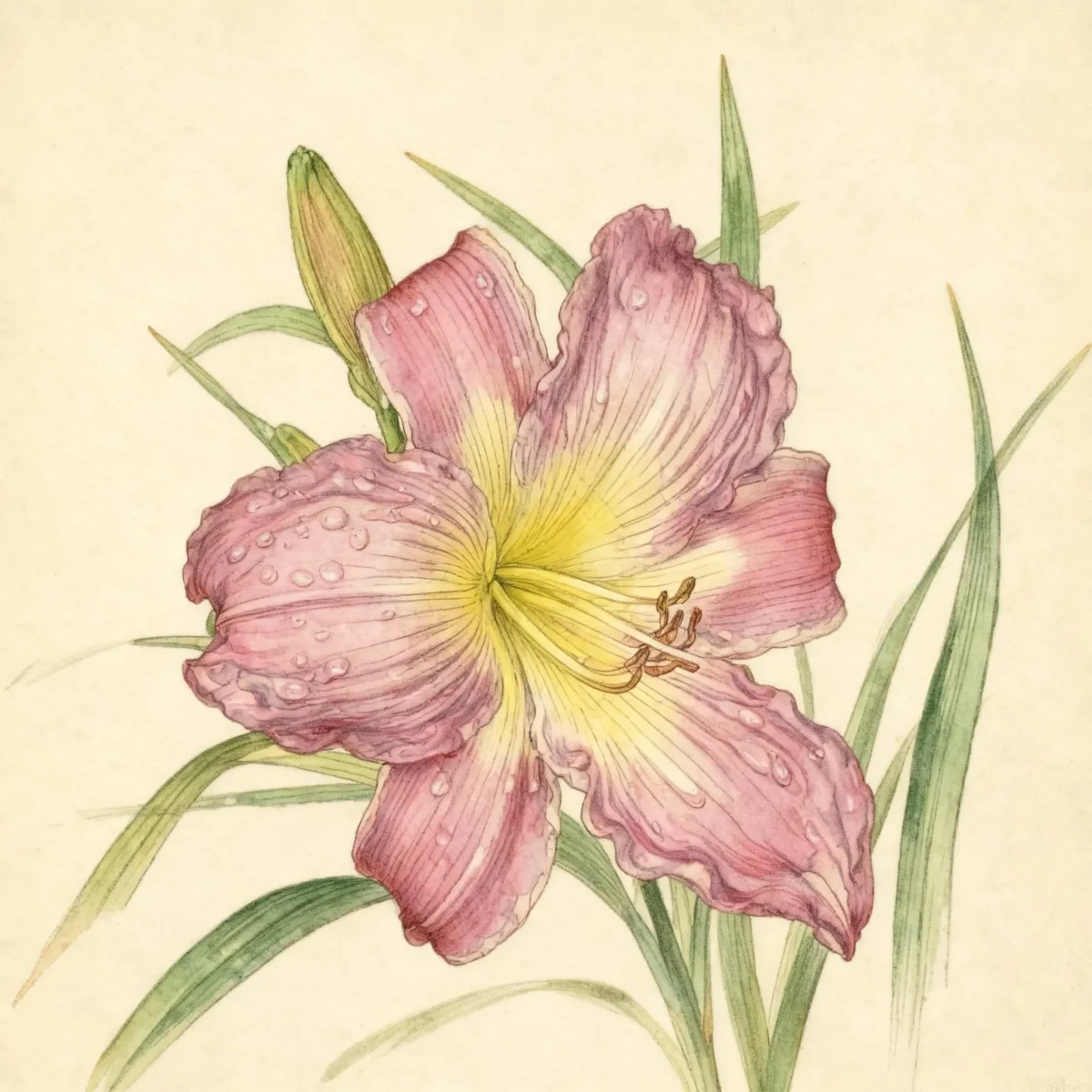
Daylily (Hemerocallis 'James Marsh')
Hemerocallis 'James Marsh' is a showy, low-maintenance Daylily prized for its fragrant red blooms from June to July.
Scroll down to discover growing tips, care requirements, companion plants, and more

Complete Plant Information
Overview
Hemerocallis ‘James Marsh’ is a highly valued member of the Daylily genus, offering exceptional visual appeal in the summer garden. This specific Daylily cultivar showcases striking 6.5” diameter red flowers that gracefully emerge atop leafless stems, providing consistent color throughout the primary bloom season. As a robust herbaceous perennial, it combines easy culture with reliable performance, making it a staple for perennial borders and mass plantings.
Gardeners appreciate the low maintenance requirements of Hemerocallis ‘James Marsh’, especially its tolerance for various conditions and pests. The longevity of the Daylily clumps, combined with the succession of its showy flowers, ensures long-term garden interest. Furthermore, the foliage provides a neat, grass-like texture even when the striking red blooms are not present.
Though each trumpet-shaped flower of the Daylily lasts only a single day, the quantity produced ensures a lasting display from June into July. The species itself originates from Asia and central Europe, but hybrids like Hemerocallis ‘James Marsh’ have been extensively bred for improved color and form, resulting in adaptable plants ready for a wide range of temperate climates.
Fast Facts
- Plant Family: Asphodelaceae
- Plant Type: Herbaceous perennial
- Hardiness Zones: USDA Zones 3-9
- Size at Maturity:
- Height: 2-2.5 ft
- Spread: 2-2.5 ft
- Bloom Time: June to July
- Bloom Description: Red
- Sun Exposure: Full sun to part shade
- Water Needs: Medium
- Maintenance Level: Low
How to Grow
Daylilies, including the popular Hemerocallis ‘James Marsh’, thrive when planted in average, medium moisture, well-drained soils. While they perform well across various soil types, they demonstrate peak vigor when situated in deep, fertile loams, receiving full sun to light afternoon shade. Plant them in spring or fall, ensuring the crown—the growing point—is positioned just at the soil surface.
Routine care involves monitoring moisture levels; while moderately drought tolerant, Daylilies appreciate deep watering during dry spells to maintain attractive foliage, especially when heat and humidity are high. Deadheading spent flowers daily is recommended for neatness, and you should remove the entire flower stalk (scape) once flowering concludes. Fertilizing can be done in early spring, but excessive nitrogen should be avoided as it promotes foliage over blooms.
For best long-term performance of your Hemerocallis ‘James Marsh’, plan to divide the mature clumps every three to four years. This is best accomplished in the spring in colder regions, or in the fall elsewhere. Remember that winter dormant daylilies need that cold period to set buds properly, meaning they are generally not ideal for the continuously warm conditions found in Zone 9 and above.
Landscape Uses
The Daylily is an outstanding choice for gardeners seeking dependable, low-care perennials suited to various design needs. Hemerocallis ‘James Marsh’ works exceptionally well planted in mass over large areas to create a stunning, uniform swath of red color during mid-summer. Their clumping, upright habit makes them perfect for defining borders or providing effective edging along pathways without becoming overly aggressive.
Due to their tolerance for erosion and generally robust nature, these herbaceous perennials can also be utilized on slopes where less robust plants might fail. Although a 6.5” bloom may be somewhat large for a tiny rock garden, smaller cultivars are excellent choices for that application; however, the size of Hemerocallis ‘James Marsh’ also suits it well near foundations or integrated into mixed perennial beds where its height (up to 2.5 ft) acts as a strong mid-border anchor.
Standout Features
Flower Qualities
- Showy
- Fragrant
Noteworthy Characteristics
The Daylily genus, comprised of about 15 species native to Eurasia, is dominated commercially by hybrids developed for superior traits. Each flower of the Daylily lasts only one day, though the plant compensates by producing blooms successively over a long flowering season. Hemerocallis ‘James Marsh’ specifically boasts notable 6.5” red flowers displayed above linear, arching foliage, characteristic of the reliable, hybrid Daylily forms.
Tolerances
- Rabbit
- Erosion
- Air Pollution
Potential Problems
Daylilies are renowned for being highly adaptable and are generally considered pest-free, making them exceptionally easy to grow. Occasional minor issues can include sap-feeding insects like mites, aphids, or thrips, which are usually manageable with targeted insecticidal soap if populations become noticeable. A more significant concern in humid, warm environments can be Daylily rust, a fungal disease that manifests as yellow or orange pustules on the foliage.
To prevent rust, ensure good air circulation around the crowns by dividing overcrowded clumps and avoiding overhead, late-evening watering, which keeps leaves wet overnight. In general, problems with Hemerocallis ‘James Marsh’ are rare; note that rabbits tend to avoid them entirely, offering reliable beauty without mammalian browsing pressure.
Frequently Asked Questions
What hardiness zones is Daylily suitable for?
The Daylily (Hemerocallis ‘James Marsh’) is suitable for USDA Zones 3 through 9, offering wide adaptability across North American climates.
How large does Daylily grow?
Hemerocallis ‘James Marsh’ typically reaches a mature height between 2 and 2.5 feet, with a spread of 2 to 2.5 feet, forming a neat, established clump.
When does Daylily bloom?
This Daylily cultivar blooms primarily from June to July, featuring beautiful red flowers that open sequentially on tall scapes.
What sun exposure does Daylily need?
Daylilies prefer full sun but tolerate partial shade; ensure they receive significant light for the best production of their signature blooms.
Conclusion
Hemerocallis ‘James Marsh’ presents gardeners with a reliable, vibrant, and low-maintenance solution for adding mid-summer color. Valued for its showy, fragrant red blooms and remarkable tolerance to common garden stresses, this Daylily is a guaranteed performer. Check your local USDA zone compatibility and plan for spring planting to enjoy the dependable beauty of Hemerocallis ‘James Marsh’ for years to come.
Companion Planting
Choosing companions that share similar cultural needs—full sun to part shade and medium, well-drained moisture—will best showcase the foliage and bold flowers of this Daylily. Consider pairing Hemerocallis ‘James Marsh’ with mid-summer blooming perennials like Coneflowers (Echinacea) or Black-eyed Susans (Rudbeckia) to layer textures and extend the season of interest. Groundcovers such as Creeping Thyme or Sedum can help shade the base of the Daylily clumps, keeping the soil cooler and reducing potential weed competition around the crown.
Seasonal Care Calendar
Spring care begins as new growth emerges; this is the ideal time to apply a balanced, slow-release fertilizer if needed and to divide any overcrowded clumps of Hemerocallis ‘James Marsh’. During the active summer bloom period (June to July), the primary task is deadheading the spent red flowers to maintain a tidy appearance. In the late fall, after the foliage has turned brown or died back (especially for winter dormant types), cut the dead foliage down to a few inches above the crown to prepare the garden bed for winter dormancy.