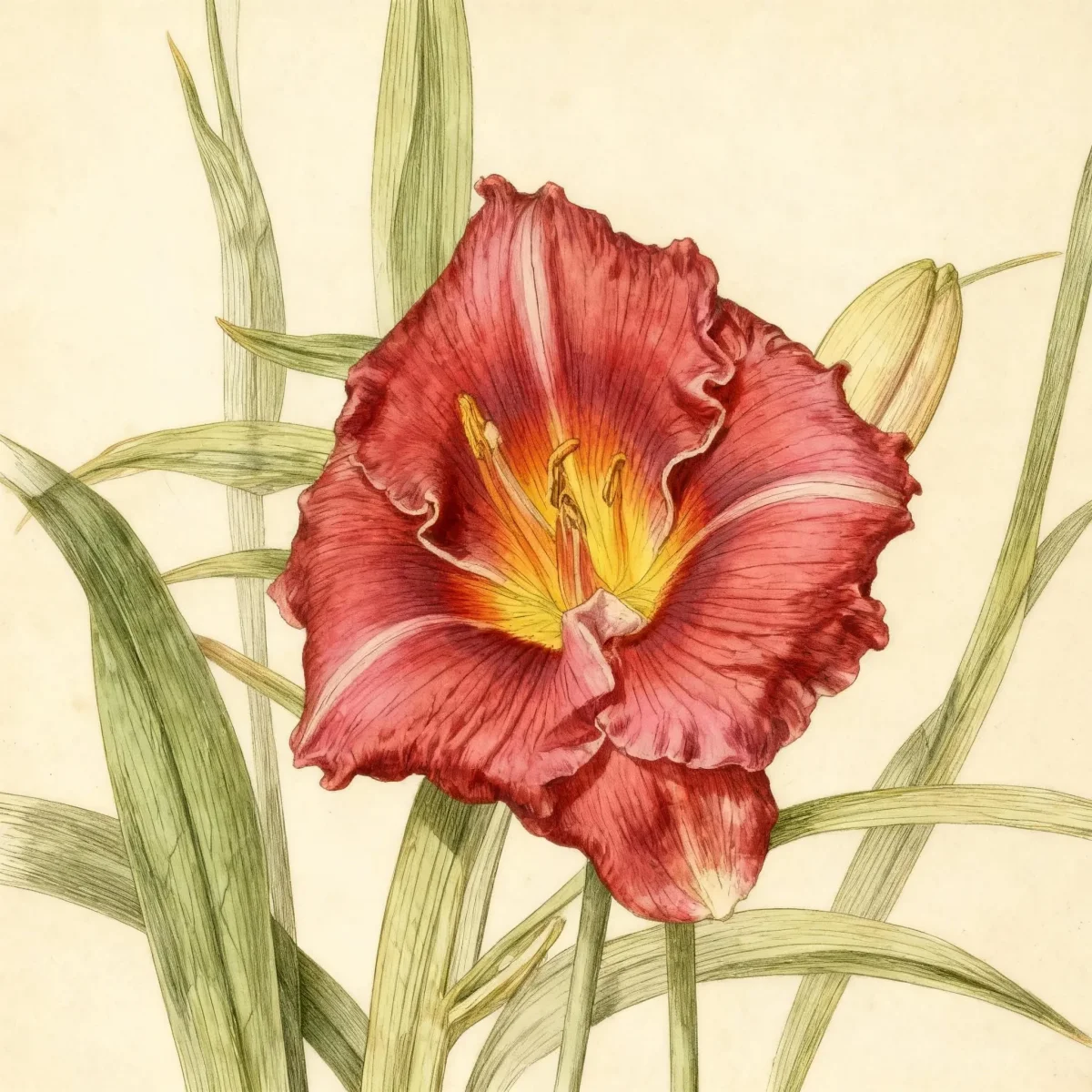
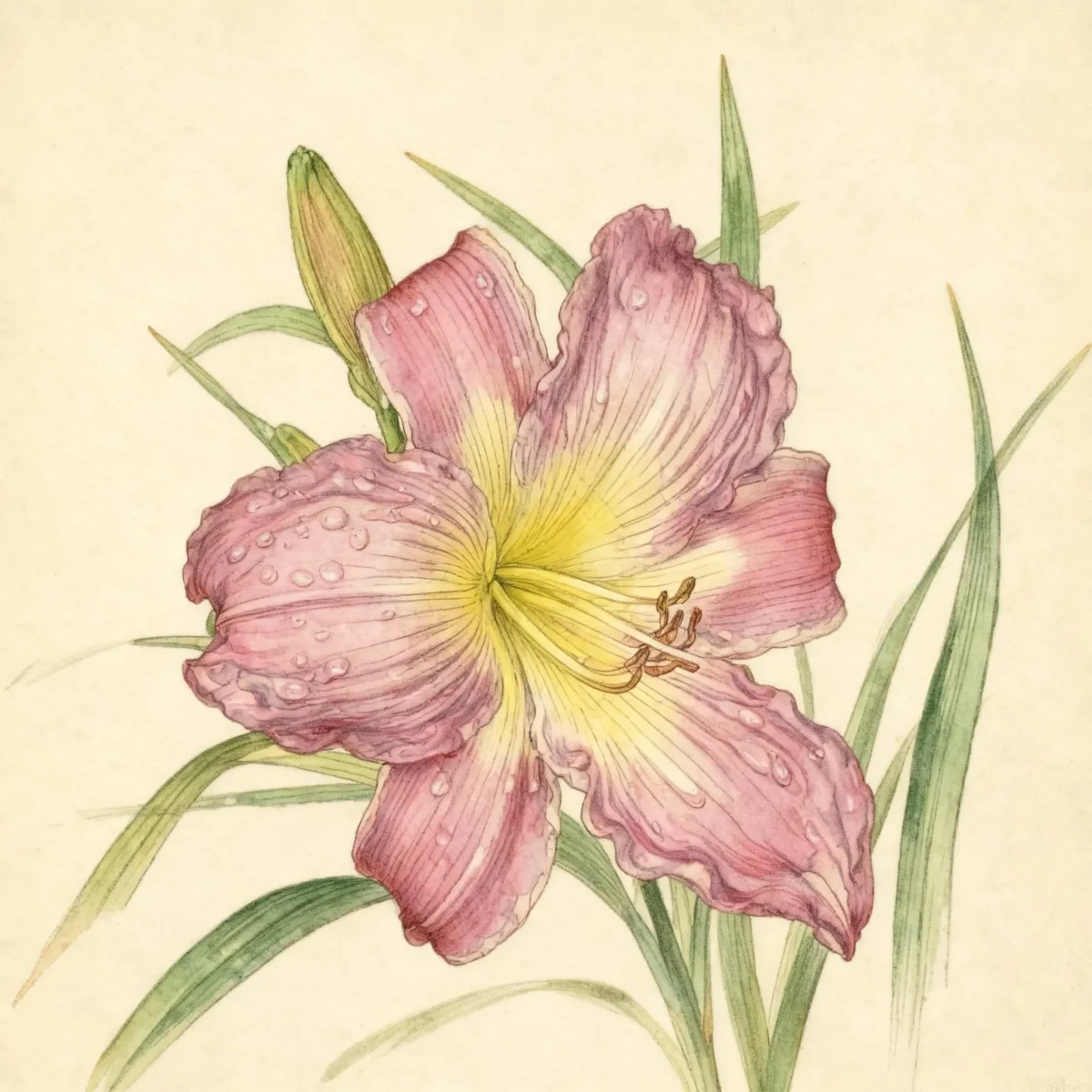
Daylily (Hemerocallis 'Katie')
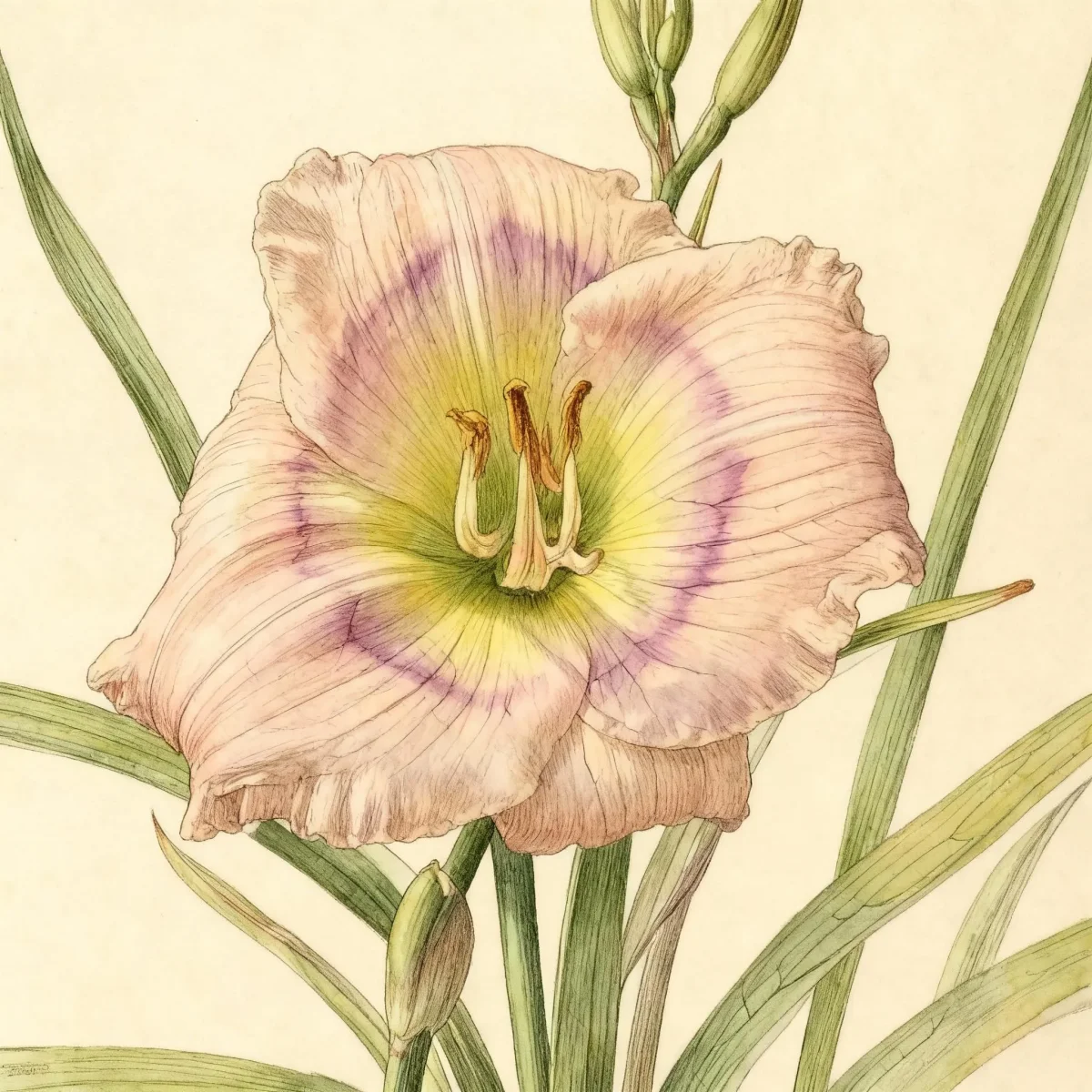
Hemerocallis 'Katie' is a lovely Daylily cultivar offering showy, fragrant, lavender-pink flowers perfect for borders or mass plantings.
Scroll down to discover growing tips, care requirements, companion plants, and more
Complete Plant Information
Overview
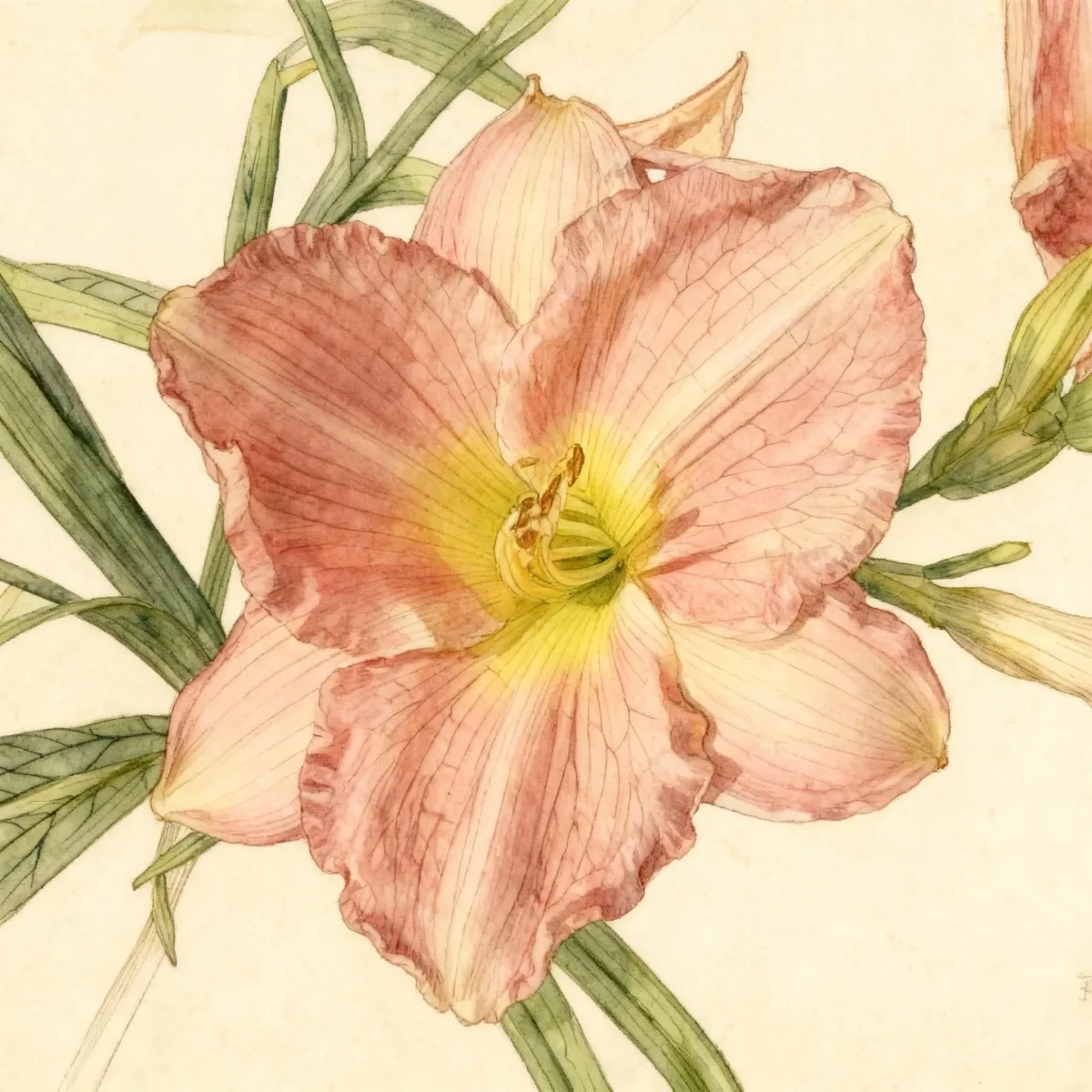
Hemerocallis ‘Katie’ is a standout herbaceous perennial prized for its elegant, fragrant blooms that grace the garden through early to mid-season. This cultivar, a type of Daylily, features striking lavender-pink flowers complete with a cheerful yellow-green throat, providing excellent color contrast in the landscape. As a dormant, diploid variety, Hemerocallis ‘Katie’ offers reliable performance across many regions, provided it receives the necessary cold winter dormancy.
This Daylily is valued by gardeners for its low maintenance requirements and adaptability to various soil types. The arching, blade-like green foliage forms a tidy clump, offering attractive grassy texture even when not in bloom. While individual flowers last only one day, the plant produces blooms in succession, resulting in a prolonged display of beauty.
The genus Hemerocallis has seen incredible hybridization efforts, resulting in the massive variety available today, yet cultivars like Hemerocallis ‘Katie’ maintain a classic appeal. Plant this beautiful Daylily for reliable perennial color that also boasts excellent resistance to common issues like rabbit browsing and air pollution.
Fast Facts
- Plant Family: Asphodelaceae
- Plant Type: Herbaceous perennial
- Hardiness Zones: USDA Zones 3-9
- Size at Maturity:
- Height: 1.5-2 ft
- Spread: 1.5-2 ft
- Bloom Time: June to July
- Bloom Description: Lavender-pink with yellow-green throat
- Sun Exposure: Full sun to part shade
- Water Needs: Medium
- Maintenance Level: Low
How to Grow
Hemerocallis ‘Katie’ is easily established when planted in the spring or fall, though spring planting is often preferred in very cold winter climates. Locate your Daylily clump where it will receive full sun for the best flowering performance, though it tolerates light afternoon shade. These plants thrive in average, medium moisture, well-drained soils, though they perform best in deep, fertile loams.
Care for your Daylily is straightforward; maintain medium moisture levels, ensuring deep watering occurs during dry spells to keep the foliage looking attractive through summer heat. Deadheading spent flowers daily maintains neatness, and you should remove the entire flower scape once blooming has ceased for the season. Because this is a winter dormant Daylily, ensure it experiences a sufficient cold period; plants should not be grown where winter dormancy cannot occur (Zone 9 and above may struggle).
For optimal performance and vigor, plan to divide your Hemerocallis ‘Katie’ every three to four years. Division can occur in either fall or spring, with spring being the standard recommendation for coldest regions. Remember that hybrid Daylilies will not produce true offspring if grown from seed, so propagation must be done via division of the crown.
Landscape Uses
The robust yet refined growth habit of Hemerocallis ‘Katie’ makes it an exceptionally versatile landscape plant. Its medium height (1.5–2 feet) positions it perfectly in the middle or front of mixed perennial borders where its lavender-pink blooms can be easily appreciated. Daylilies are excellent for mass plantings, quickly covering large areas to suppress weeds and provide a unified sweep of color throughout the summer.
Consider using Daylilies like ‘Katie’ for edging walkways or defining sections within a larger garden space. Although it is a robust plant, the grass-like foliage provides a beautiful textural contrast when planted near broad-leaved hostas or dense, structural shrubs. In situations prone to erosion, the fibrous root system of the Hemerocallis ‘Katie’ helps stabilize slopes effectively.
If you are planning a garden focused on low inputs, this cultivar shines. It serves as an easy-to-grow foundation plant that requires little fuss once established, making it ideal for busy gardeners or those seeking perpetual color without demanding daily attention.
Standout Features
Flower Qualities
- Showy
- Fragrant
Noteworthy Characteristics
The genus name Hemerocallis derives from the Greek words hemera (day) and kallos (beauty), referencing the single-day lifespan of each flower. Hemerocallis ‘Katie’ is specifically noted as a dormant, diploid Daylily, featuring flowers up to 6 inches across with prominent lavender-pink petals and throats of yellow-green. The flowers emerge on leafless scapes rising 23–25 inches above the arching, linear green foliage, sometimes offering intermittent rebloom later in the summer.
Tolerances
- Rabbit
- Erosion
- Air Pollution
Potential Problems
Daylilies are generally remarkably resilient, rated as extremely adaptable perennials that are easy to grow and rarely suffer from serious pest infestations. Occasionally, you might encounter mites, aphids, or thrips, particularly during hot, dry periods. If noticed, standard insecticidal soap application is usually sufficient for control.
The most significant potential issue for some gardeners is Daylily rust, a fungal disease that can cause powdery orange spots on the foliage, especially in humid climates. Good air circulation, achieved by proper spacing or timely removal of old foliage, helps mitigate fungal risks. Fortunately, rabbits almost universally avoid consuming the foliage of Hemerocallis ‘Katie’.
Frequently Asked Questions
What hardiness zones is Daylily suitable for?
Hemerocallis ‘Katie’ performs best in USDA Zones 3 through 9, provided the winter dormancy requirement is met.
How large does Hemerocallis ‘Katie’ grow?
This Daylily typically reaches a mature height between 1.5 and 2 feet tall, spreading to a similar width of 1.5 to 2 feet.
What sun exposure does Daylily need?
Hemerocallis ‘Katie’ requires full sun for optimal flower production but can successfully handle partial shade conditions.
When does Hemerocallis ‘Katie’ bloom?
This Daylily primarily blooms from June into July, displaying its signature lavender-pink flowers accented by a yellow-green throat.
Conclusion
Hemerocallis ‘Katie’ offers exceptional value to the home gardener, combining low maintenance needs with beautiful, fragrant, lavender-pink summer blooms. This durable Daylily is tolerant of pests and environmental stresses, solidifying its place as a garden staple. Before planting, confirm your local USDA zone falls within the 3 to 9 range to ensure this lovely Hemerocallis ‘Katie’ thrives for years to come.
Companion Planting
Selecting suitable companions enhances the aesthetic of your Daylily plantings while adhering to similar soil and moisture needs. Since Hemerocallis ‘Katie’ prefers well-drained, moderately moist soil, consider pairing it with Lavender or Russian Sage (Perovskia atriplicifolia). These companions enjoy similar sun exposure and soil conditions, creating a harmonious tapestry of color and texture.
For added visual depth, plant lower-growing perennials around the base of the Daylily clump. Ornamental grasses that die back in winter or spring ephemeral bulbs create excellent seasonal interplay. Avoid planting moisture-loving species too closely, as Daylilies dislike standing water around their roots, especially in poorly draining heavy clay soils.
Design Ideas for Daylilies
The linear, arching foliage of Hemerocallis ‘Katie’ provides excellent vertical punctuation in informal garden designs. Use mass plantings of this Daylily along property lines or beneath taller shrubs to create a soft, continuous border. Because its color is lavender-pink, it integrates beautifully into cottage gardens alongside whites, light yellows, and blues.
For modern landscapes, plant Hemerocallis ‘Katie’ in rhythmic groupings against hard materials like stone or gravel. Its strong color pops beautifully when contrasted with variegated hostas or dark-foliaged shrubs like certain ninebarks or maples, drawing attention to the flower spikes during the peak bloom period of June and July.