Daylily (Hemerocallis 'Lavender Stardust')
Hemerocallis 'Lavender Stardust' is a tough daylily producing lavender blooms. Low maintenance perennial suitable for Zones 3-9.
Scroll down to discover growing tips, care requirements, companion plants, and more
Complete Plant Information
Overview
The Daylily (Hemerocallis) genus offers robust, easy-to-grow perennials, and the cultivar Hemerocallis ‘Lavender Stardust’ is a choice variety known for its unique coloration. These reliable bloomers provide consistent color throughout the early summer months, making them foundational plants in many garden designs. As a tough herbaceous perennial, Hemerocallis ‘Lavender Stardust’ readily adapts to a wide range of conditions once established.
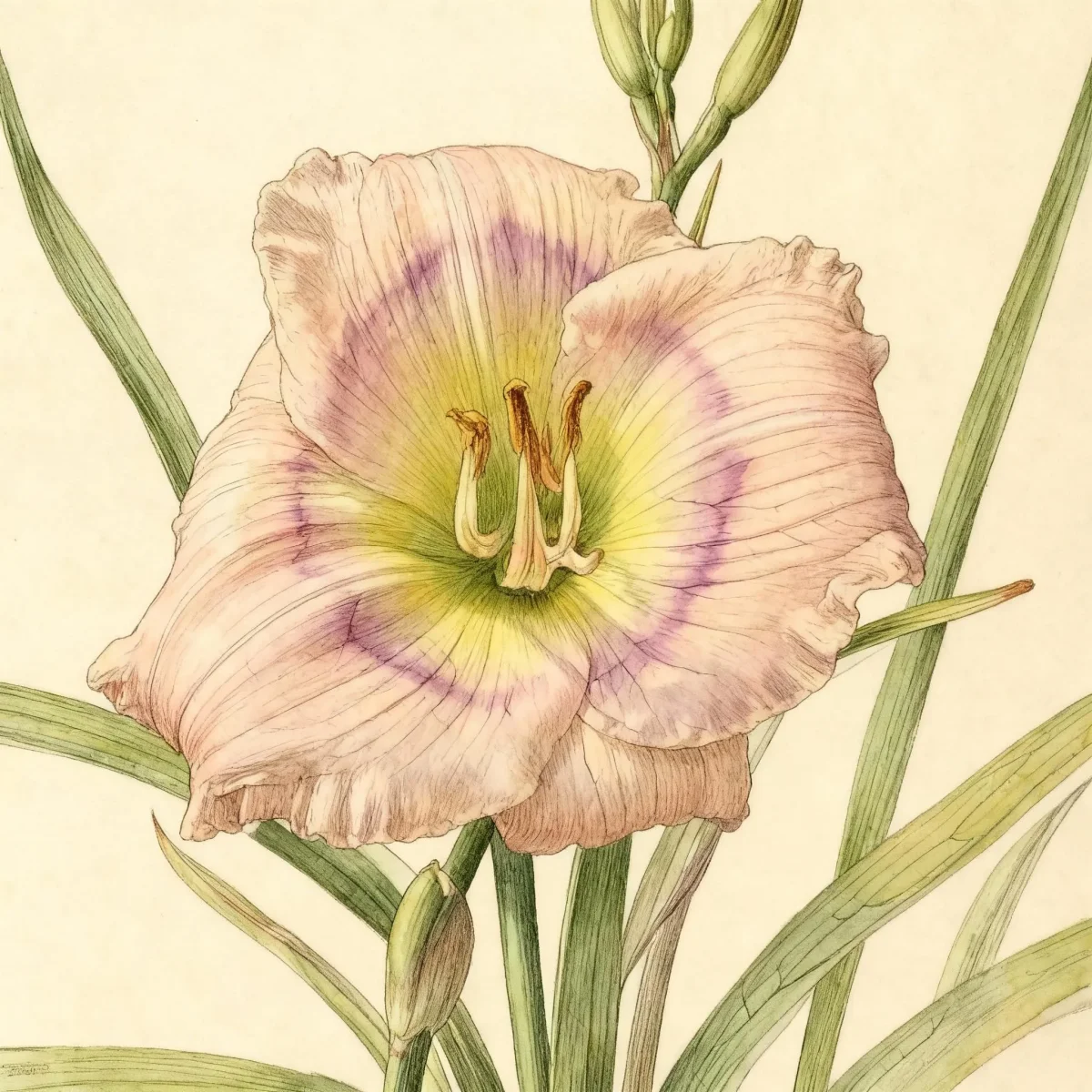
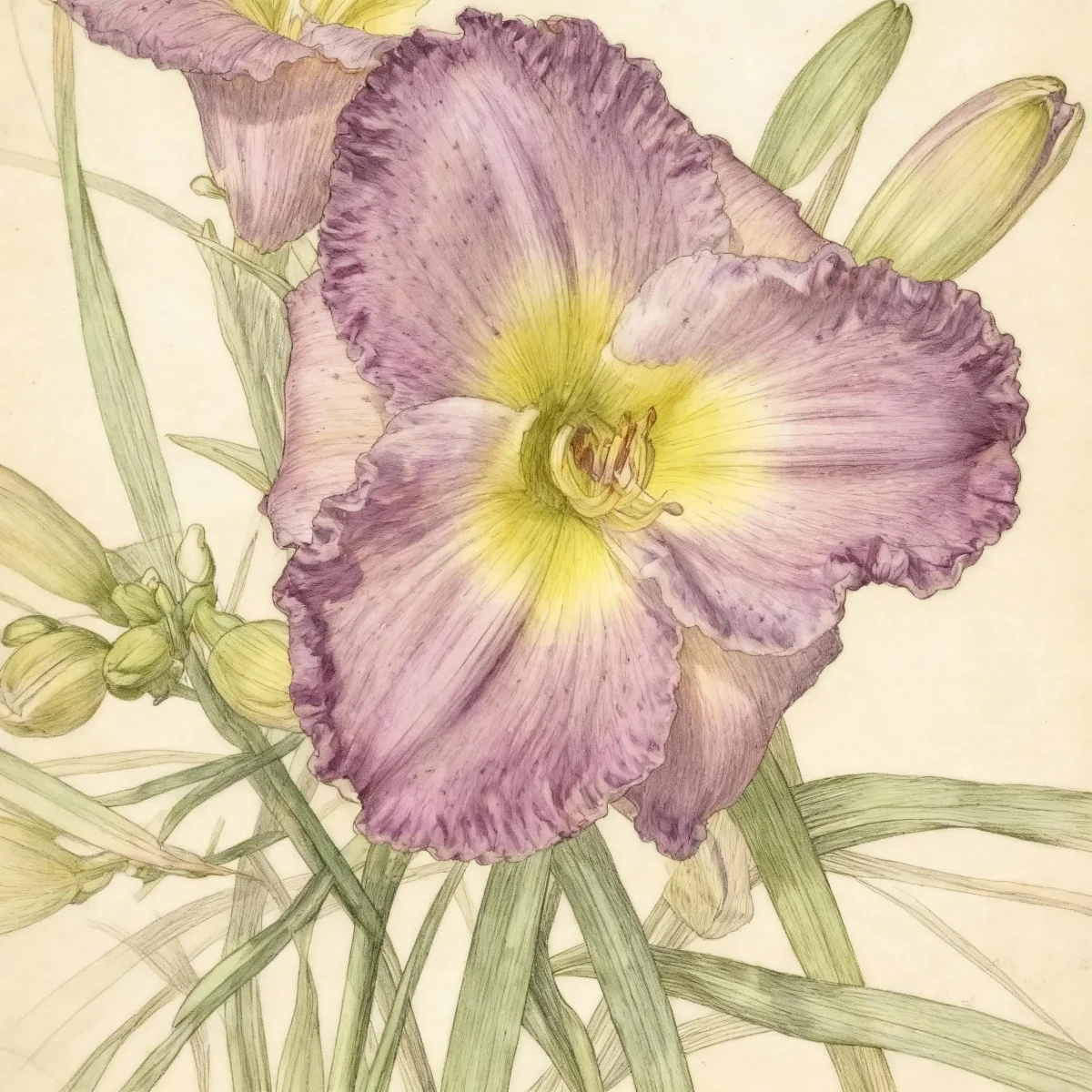
This specific Daylily cultivar features sophisticated lavender blossoms accented by a distinct green throat, offering excellent visual appeal where it is planted. It thrives with minimal fuss, offering gardeners significant aesthetic reward for low input, which is characteristic of the best hybrid Daylily offerings.
Gardeners appreciate the grass-like foliage clumps that provide texture even when the impressive flowers of Hemerocallis ‘Lavender Stardust’ are not in bloom. Planting this cultivar ensures a reliable splash of color during the peak summer season, contributing to a long season of interest in the garden bed.
Fast Facts
- Plant Family: Asphodelaceae
- Plant Type: Herbaceous perennial
- Hardiness Zones: USDA Zones 3-9
- Size at Maturity:
- Height: 2-2.5 ft
- Spread: 1.5-2 ft
- Bloom Time: June to July
- Bloom Description: Lavender with green throat
- Sun Exposure: Full sun to part shade
- Water Needs: Medium
- Maintenance Level: Low
How to Grow
Plant divisions or potted Hemerocallis ‘Lavender Stardust’ in the spring for the best establishment, particularly in colder climates. While daylilies adapt to many soil types, they perform optimally in deep, fertile loams with average moisture retention, provided the drainage is excellent. They tolerate full sun well, which encourages the most prolific blooms, but will also succeed in light to partial shade.
Maintenance for this low-maintenance perennial is minimal. Deadheading spent flowers daily maintains a neat appearance, and spent flower scapes should be removed entirely once blooming concludes. Although tolerant of heat and humidity, supplemental deep watering during extended dry spells is highly beneficial to keep the foliage looking lush.
Division is recommended every three to four years, typically done in the spring in regions with harsh winters (like Zone 3 areas), or in the fall where winters are milder. Remember that hybrid daylilies like Hemerocallis ‘Lavender Stardust’ will not reproduce true to type if grown from seed. Older, winter-dormant types require a cold winter period; avoid planting them above Zone 9 where dormancy may not occur.
Landscape Uses
The reliability and vibrant color of Hemerocallis ‘Lavender Stardust’ make it an outstanding choice for practical, enduring garden designs. Due to its moderate height (2 to 2.5 feet), it works perfectly situated in the middle ground of a mixed perennial border, creating a mid-level band of color just beneath taller shrubs or background plantings.
These daylilies are excellent for mass plantings, rapidly covering large areas with their arching foliage, which also helps suppress weeds. Furthermore, their adaptability to various conditions means they are excellent for edging walkways or defining beds where low, consistent structure is needed. Dwarf cultivars are noted for rock gardens, though the primary Hemerocallis ‘Lavender Stardust’ size fits best in borders and mass designs.
Standout Features
Flower Qualities
- Showy
Noteworthy Characteristics
Hemerocallis is rich in horticultural history, evolving from about 15 native Asian and European species into over 60,000 registered hybrid cultivars. The name daylily reflects that each individual bloom lasts only a single day, though they are produced prolifically across the season on tall scapes. Hemerocallis ‘Lavender Stardust’ is specifically identified as a diploid cultivar featuring attractive 5.5-inch lavender flowers with green throats, blooming across its mature, blade-like green foliage base.
Tolerances
- Rabbit
- Erosion
- Air Pollution
Potential Problems
Daylilies are renowned for being extremely adaptable and generally pest-free, which contributes to their low maintenance rating. However, diligent monitoring is still wise. Pests such as mites, aphids, or thrips may occasionally appear and can usually be managed with horticultural oils or insecticidal soap if populations become heavy.
A more region-specific concern is Daylily rust, a fungal issue that can be problematic in humid climates; ensure good air circulation when planting to mitigate this risk. On the upside, rabbits typically avoid consuming the foliage of the Daylily, offering a degree of natural protection.
Frequently Asked Questions
What hardiness zones is Daylily suitable for?
Hemerocallis ‘Lavender Stardust’ is suitable for USDA Zones 3 through 9, providing a very wide range of successful cultivation possibilities across North America.
How large does Daylily grow?
This cultivar typically reaches a height between 2 and 2.5 feet, with a spread generally between 1.5 and 2 feet, forming manageable clumps.
When does Daylily bloom?
The primary bloom time for Hemerocallis ‘Lavender Stardust’ is from June into July, presenting lavender flowers with a green throat.
What sun exposure does Daylily need?
For best flowering, this Daylily requires full sun, though it can tolerate partial shade conditions in hot summer regions.
Conclusion
The Daylily Hemerocallis ‘Lavender Stardust’ is an exceptional choice for gardeners seeking reliable performance, drought tolerance once established, and beautiful summer color without intensive upkeep. Its lavender-hued blooms provide sophistication among the many orange and yellow varieties typically seen. Check your local USDA hardiness zone rating and plan to plant this summer bloomer in the spring for the best results this season.
Companion Planting
Selecting companions that share similar cultural needs—moderate water, full sun to part shade, and well-drained soil—will help maintain the garden area surrounding your Daylily clumps. Good neighbors that offer textural contrast include ornamental grasses that emerge later in the season, such as Calamagrostis (Feather Reed Grass) or various Sedums, which prefer drier conditions once established.
Consider interplanting shorter perennials near the front edge of the border to hide the base of the daylily foliage, which can sometimes look messy after the blooms fade. Plants like Catmint (Nepeta) or hardy Geraniums remain tidy and provide excellent low-level coverage that complements the arching habit of the Hemerocallis ‘Lavender Stardust’.
Design Ideas
The moderate height of Hemerocallis ‘Lavender Stardust’ makes it well-suited for transitional planting designs. In cottage gardens, allow their clumps to mingle naturally with taller spike flowers like Salvia or Veronica to create a soft, layered appearance. Their vibrant color stands out particularly well against silvery foliage plants like Lamb’s Ears (Stachys byzantina).
For contemporary landscapes, mass planting drifts of Hemerocallis ‘Lavender Stardust’ create sweeping bands of color that are much more impactful than isolated specimens. Since they are tolerant of air pollution, they are an excellent choice for planting near suburban streets or along property lines where a hardy, colorful screen is desired.