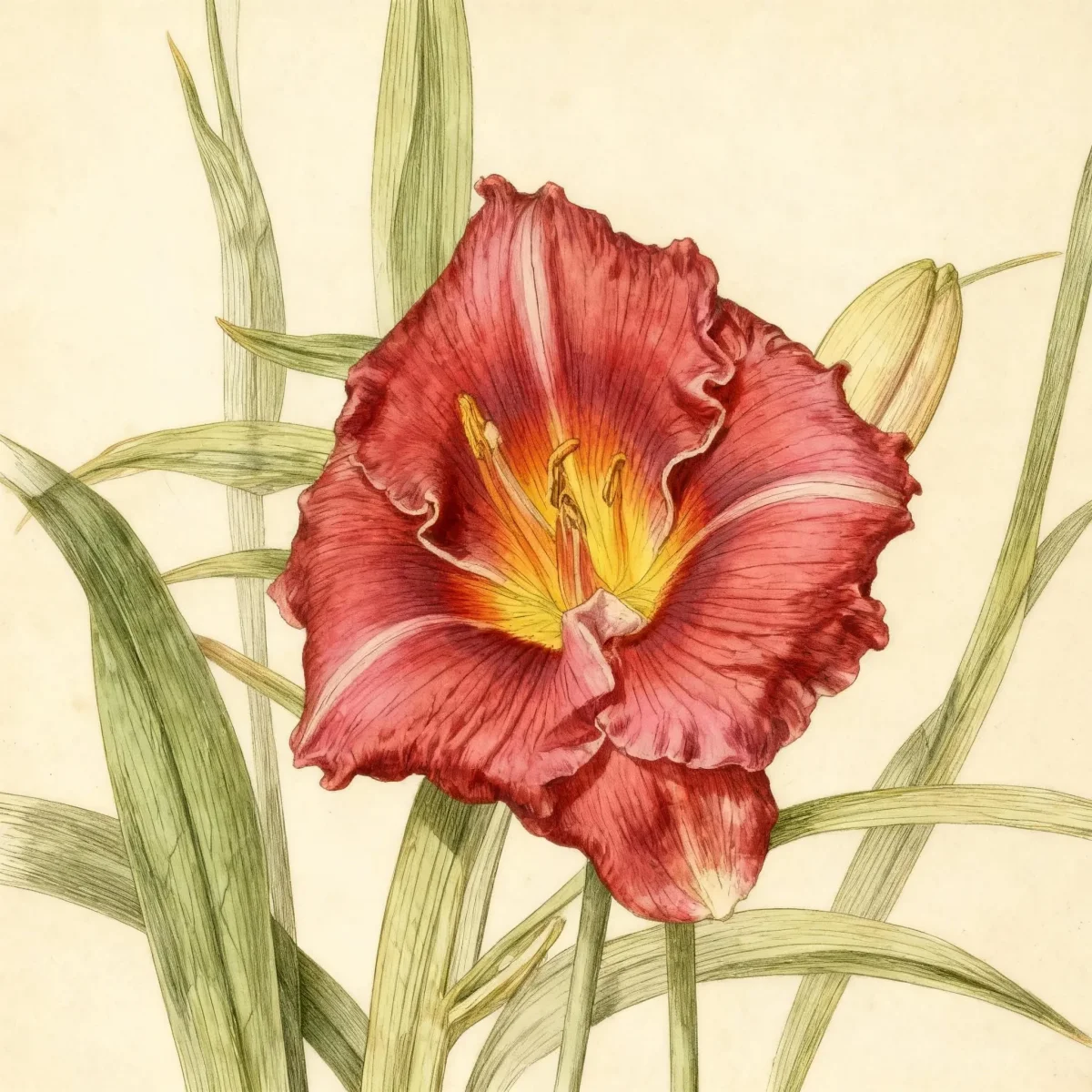
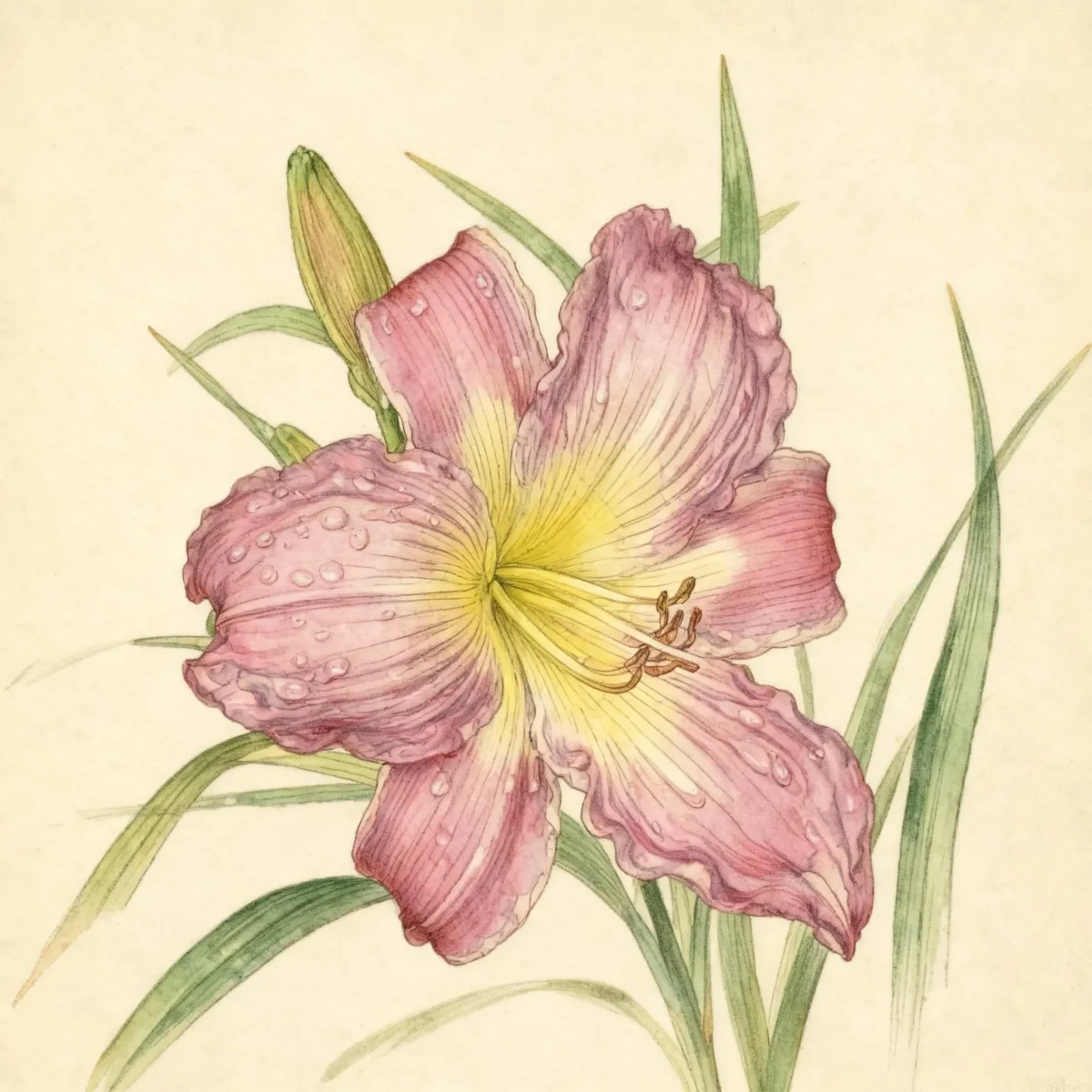
Daylily (Hemerocallis 'Little Baby Mine')
Hemerocallis 'Little Baby Mine' is a low-maintenance Daylily, perfect for borders, blooming pinkish-white flowers in summer.
Scroll down to discover growing tips, care requirements, companion plants, and more
Complete Plant Information
Overview
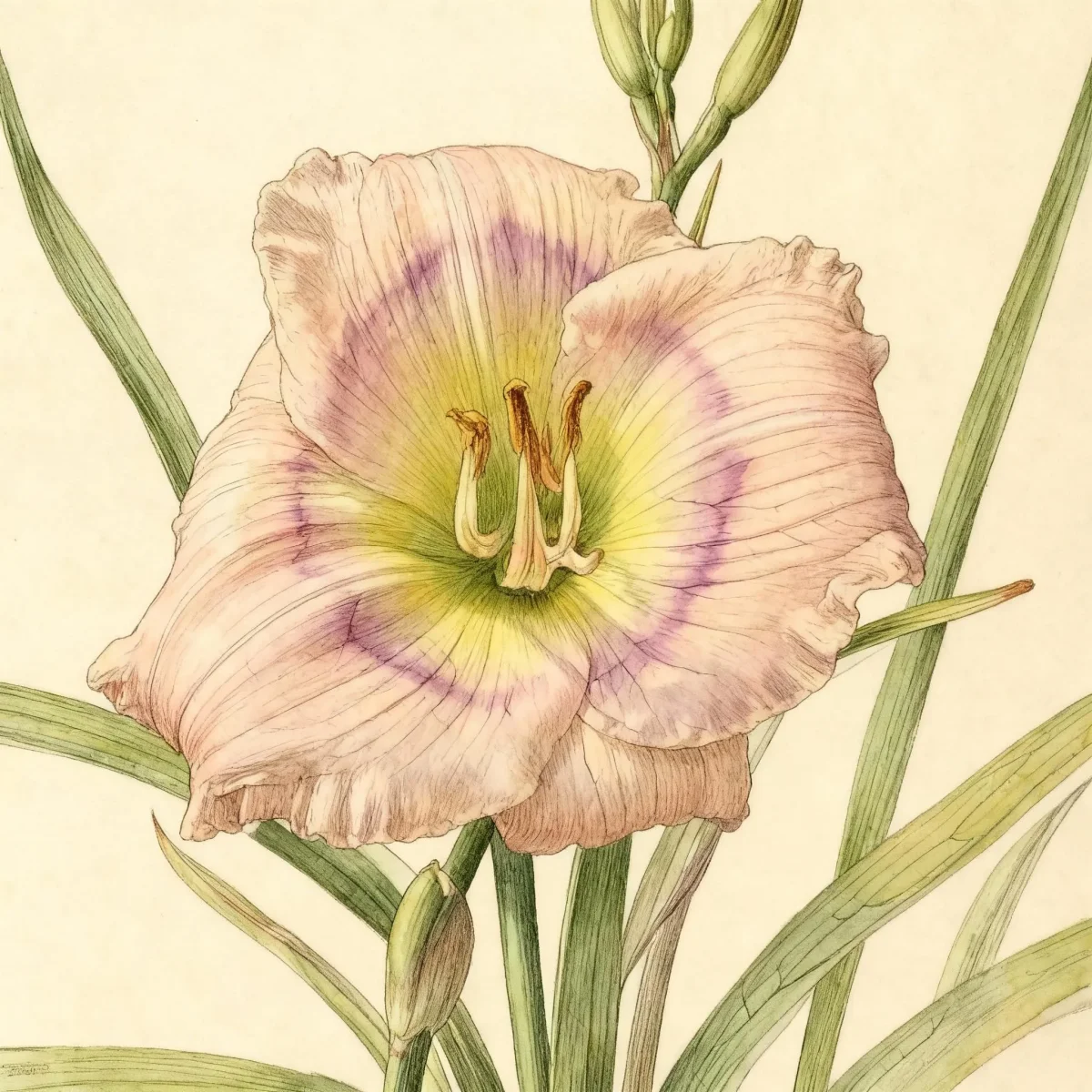
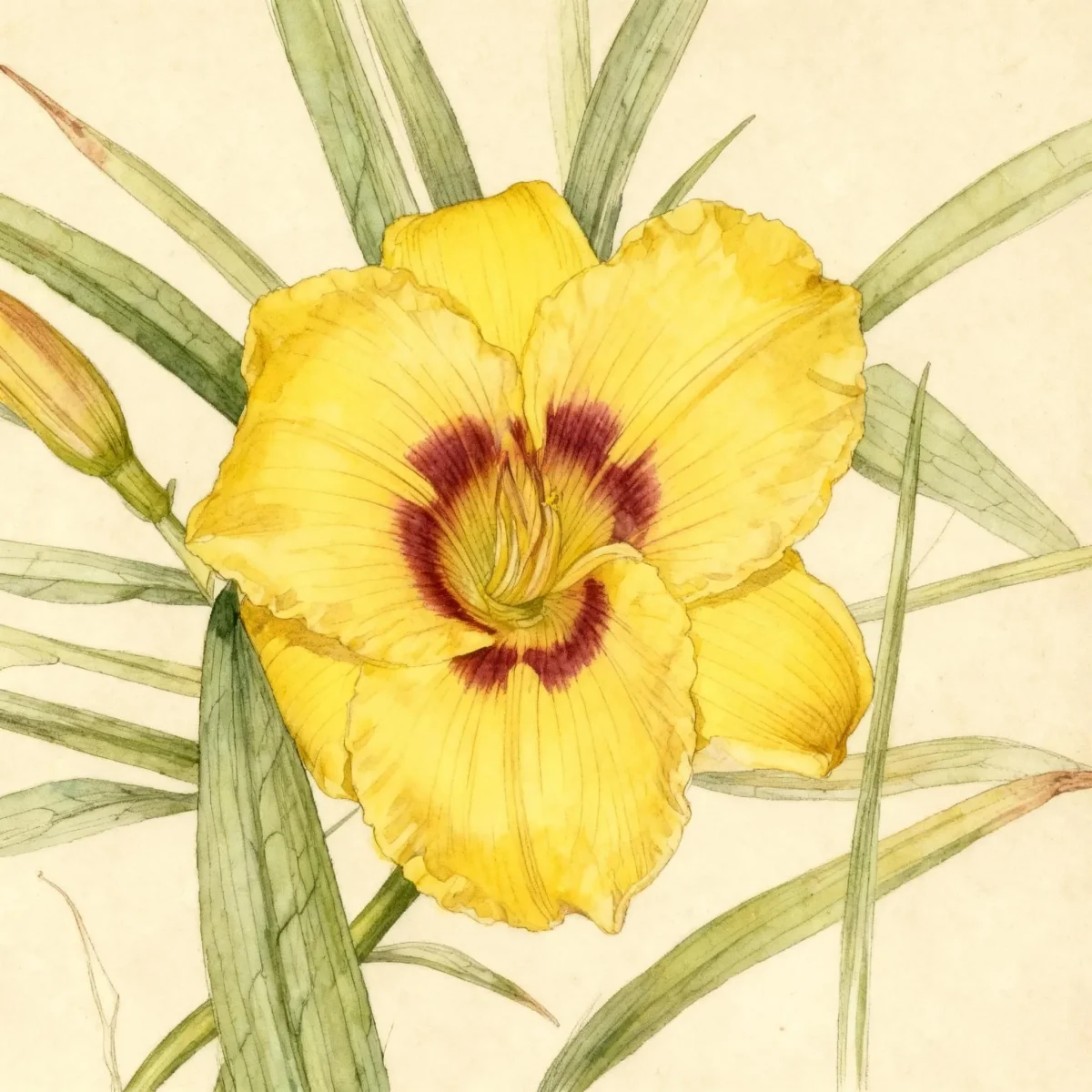
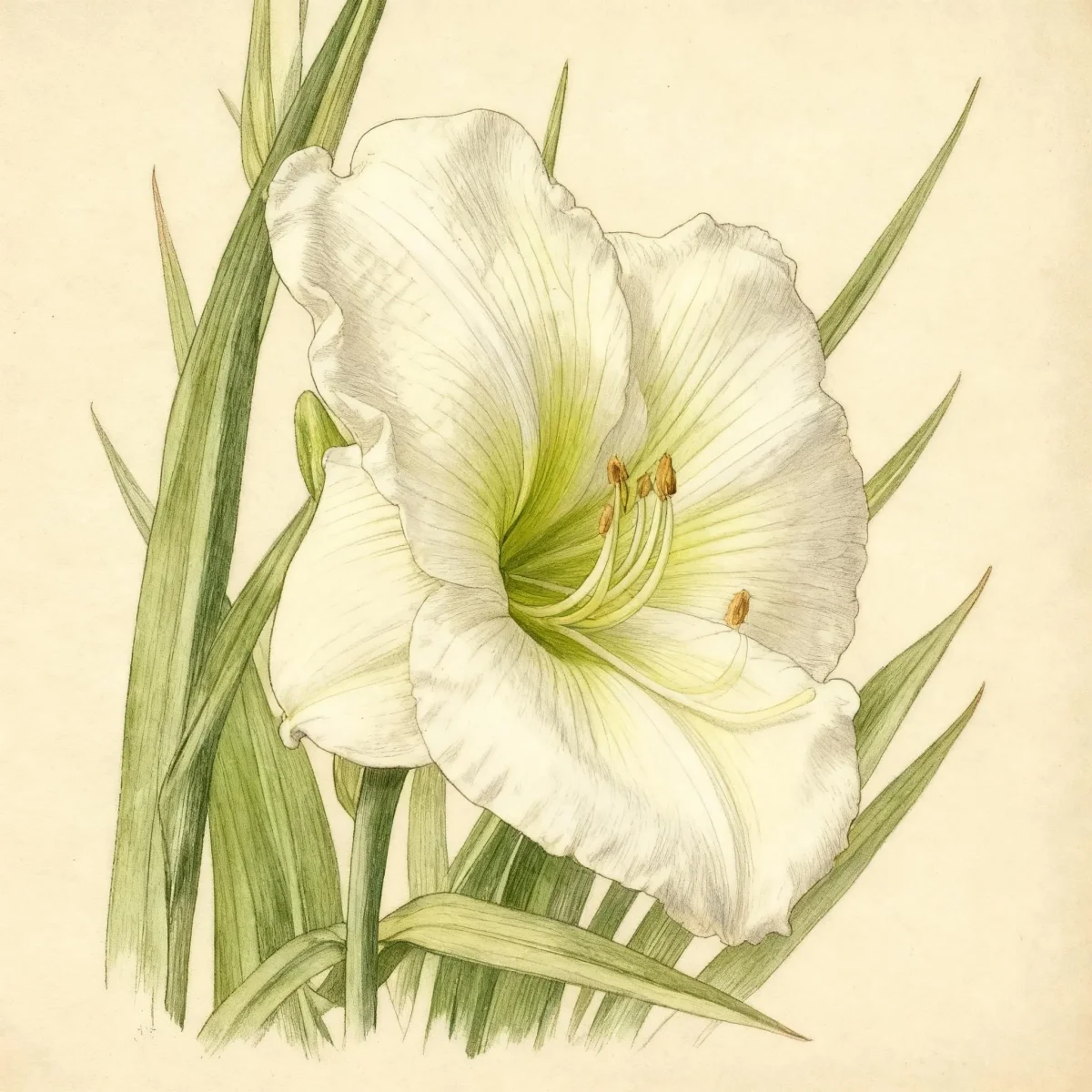
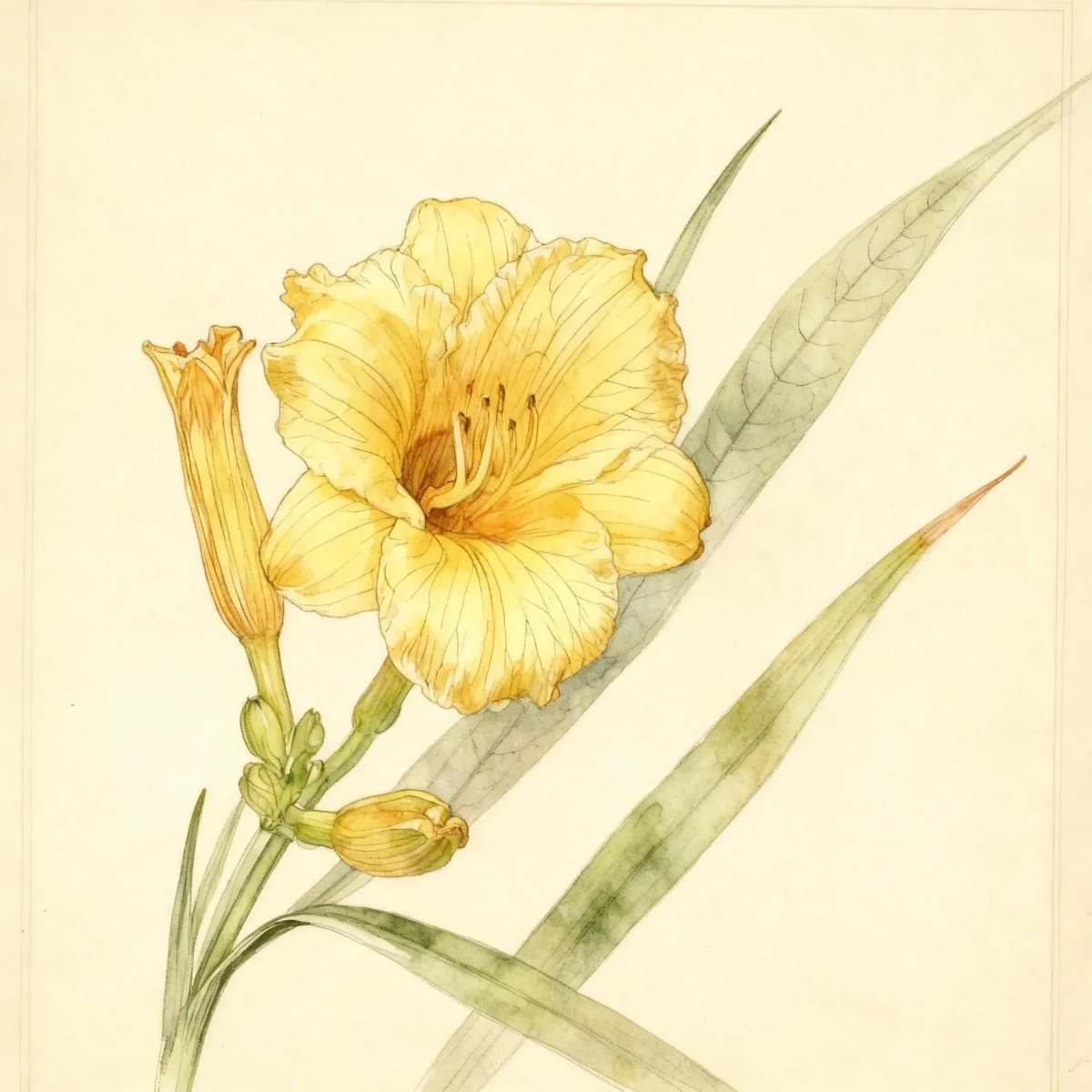
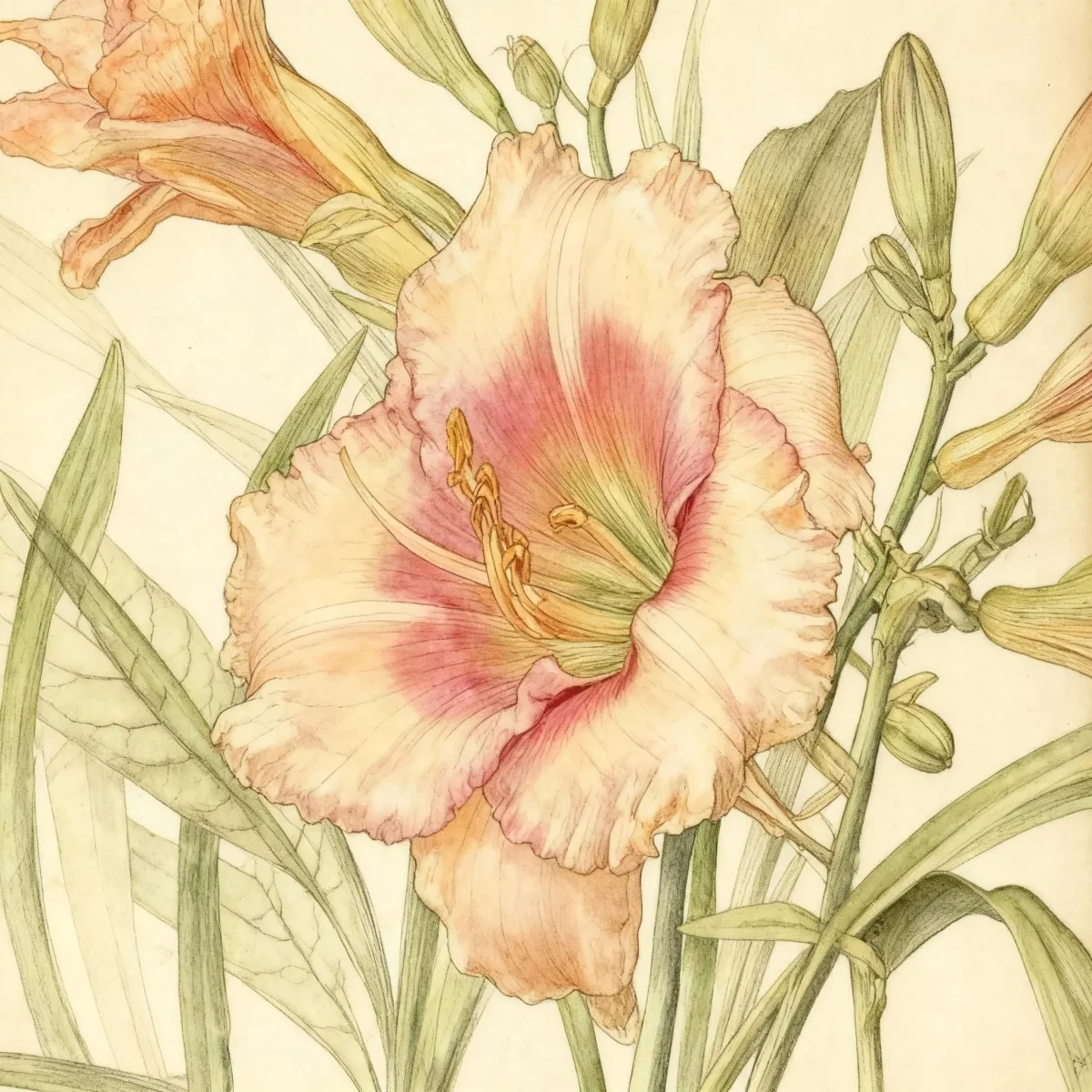
Hemerocallis ‘Little Baby Mine’ is a cherished miniature-flowered Daylily known for its delicate blooms and reliable performance across many climates. This cultivar produces lovely pinkish-white flowers adorned with subtle rose eye zones and bright green throats, offering significant visual appeal through mid-summer. As an herbaceous perennial, the Daylily establishes deep, fibrous roots, making it quite adaptable and long-lived once settled in the garden.
This specific Daylily cultivar features scapes rising to about 18 inches, nicely complementing its slender, arching foliage. Its low maintenance needs and tolerance for heat ensure that gardeners can enjoy prolific summer color with minimal fuss, solidifying the reputation of Hemerocallis ‘Little Baby Mine’ as an excellent choice for beginners and experienced growers alike.
The overall hardiness of this Daylily makes it a versatile staple in temperate landscapes. Its ability to handle diverse soil conditions, combined with its tolerance for mild environmental stressors, means that Hemerocallis ‘Little Baby Mine’ remains an easy-to-grow foundation plant for summer-long interest.
Fast Facts
- Plant Family: Asphodelaceae
- Plant Type: Herbaceous perennial
- Hardiness Zones: USDA Zones 3-9
- Size at Maturity:
- Height: 1-1.5 ft
- Spread: 1-1.5 ft
- Bloom Time: June to July
- Bloom Description: Pinkish-white with rose eye zones and green throat
- Sun Exposure: Full sun to part shade
- Water Needs: Medium
- Maintenance Level: Low
How to Grow
Planting is ideally done in spring or fall, ensuring the crown sits just at or slightly above the soil line in well-drained situations. Daylilies thrive in average, medium moisture soils, although they perform best in deep, fertile loams. While they tolerate many conditions, good drainage is essential to prevent root rot, especially important when establishing Hemerocallis ‘Little Baby Mine’.
Ongoing care for this Daylily is minimal. Deadhead spent flowers daily to maintain neatness and remove the entire scape once blooming has finished to encourage rebloom, as this cultivar is registered as a rebloomer. Although generally tolerant, plants appreciate deep watering during severe dry spells to keep the foliage looking lush through the summer heat.
Division is recommended every 3–4 years, usually in the spring in cold regions, to maintain vigor and bloom quality. Because winter dormant varieties must experience a cold period, do not select this type for planting in regions consistently warmer than Zone 9. If foliage dies back in winter, it is normal; plants in warmer climates may retain foliage, though it may require cutting back after a hard freeze.
Landscape Uses
The compact stature of Hemerocallis ‘Little Baby Mine’ makes it incredibly versatile for structured garden design. It excels as an edging plant along pathways where its clean clump of foliage provides structure even when not in bloom. These perennials are fantastic for mass plantings, creating wide drifts of color across slopes or meadows, offering excellent erosion control due to their robust root systems.
For smaller spaces, this dwarf Daylily is perfectly suited for rock gardens, bringing vertical color among stones without overwhelming the area. Consider pairing Hemerocallis ‘Little Baby Mine’ near plants that appreciate similar sun and moisture levels, such as ornamental grasses or hardy Coneflowers, creating textural contrast against the Daylily’s linear leaves.
When designing borders, plant these sturdy perennials toward the front or middle ground. Their low maintenance nature means they won’t compete aggressively with accent shrubs, allowing them to provide reliable summer performance without demanding constant attention from the gardener.
Standout Features
Flower Qualities
- Showy
Noteworthy Characteristics
Hemerocallis is a genus of about 15 species of herbaceous perennials commonly known as daylilies, native primarily to Asia and central Europe. Hybridizers have created over 60,000 registered cultivars, prioritizing new colors and patterns, though each individual flower typically lasts only one day. Hemerocallis ‘Little Baby Mine’ is a miniature cultivar, noted for its smaller flowers (to 3”) that still provide succession blooming over a long period, thanks to being a registered rebloomer.
Tolerances
- Rabbit
- Erosion
- Air Pollution
Potential Problems
Daylilies are remarkably adaptable and rarely suffer from serious pest issues. Occasionally, you might notice mites, aphids, or thrips, which can usually be managed with thorough rinsing or targeted insecticidal soap if infestations are severe. Daylily rust, a fungal disease characterized by powdery yellow or orange pustules on the foliage, can become problematic in humid, warm climates, requiring vigilant sanitation and potentially fungicide treatment.
Rabbits generally dislike the taste and texture of the foliage, meaning this plant is largely avoided by them, which is one reason the Daylily is recommended for areas where browsing is a concern. Monitor new plantings carefully for signs of distress, but generally, if cultural needs (sun, water, drainage) are met, Hemerocallis ‘Little Baby Mine’ will flourish with little intervention.
Frequently Asked Questions
What hardiness zones is Daylily suitable for?
Hemerocallis ‘Little Baby Mine’ is a robust choice suitable for USDA Hardiness Zones 3 through 9.
How large does Hemerocallis ‘Little Baby Mine’ grow?
This Daylily variety typically reaches a mature height between 1 and 1.5 feet tall and spreads to a similar width of 1 to 1.5 feet.
When does Daylily bloom?
This specific Daylily variety blooms reliably from June through July, featuring pinkish-white flowers with attractive rose eye zones.
What sun exposure does Daylily need?
For the best performance and strongest blooming, Hemerocallis ‘Little Baby Mine’ requires Full sun to part shade conditions.
Conclusion
The Daylily, specifically the reliable Hemerocallis ‘Little Baby Mine’, offers rich, mid-summer color coupled with remarkably low maintenance requirements. Its hardiness across Zones 3–9 and its tolerance for various conditions make it an essential, vibrant component for nearly any perennial garden setting. Before planting, confirm that your site offers at least partial sun and medium moisture, then enjoy the season-long display this excellent perennial provides.
Companion Planting
Choosing effective companions can enhance the longevity and aesthetic of your Daylily planting. Since Daylilies prefer full sun to part shade and medium moisture, pair them with plants that share these cultural needs but offer textural contrast. Plants with fine, silvery foliage, such as Lamb’s Ears (Stachys byzantina), complement the broader linear leaves of Hemerocallis ‘Little Baby Mine’.
Consider mixing in late-summer bloomers to ensure continuous color after the Daylily finishes its June to July performance. Hostas planted to the north side of the Daylilies can benefit from the dappled shade the foliage casts later in the day, while providing broad leaves that contrast nicely with the grassy look of the Daylily.
Seasonal Care Calendar
Spring (Early Season): As new growth emerges, remove any remaining dead foliage from the previous fall. This is the best time to divide overcrowded clumps of Hemerocallis ‘Little Baby Mine’ if they haven’t been divided in several years, ensuring optimal blooming for the current season. Fertilize lightly if soil fertility is poor.
Summer (Bloom Season): Deadhead spent flowers of your Daylily daily to encourage repeat blooming, as this cultivar is a rebloomer. Provide overhead watering during extended dry periods, aiming for deep saturation rather than light, frequent sprinkling to encourage deep root growth.
Fall (Cleanup): Cut back the scapes once blooming is complete. Foliage can generally be left until it fully yellows or freezes off naturally. If you live in a mild climate (Zone 8 or 9), monitor the foliage, as it may remain semi-evergreen; trim back leggy or damaged leaves for a tidier winter appearance.