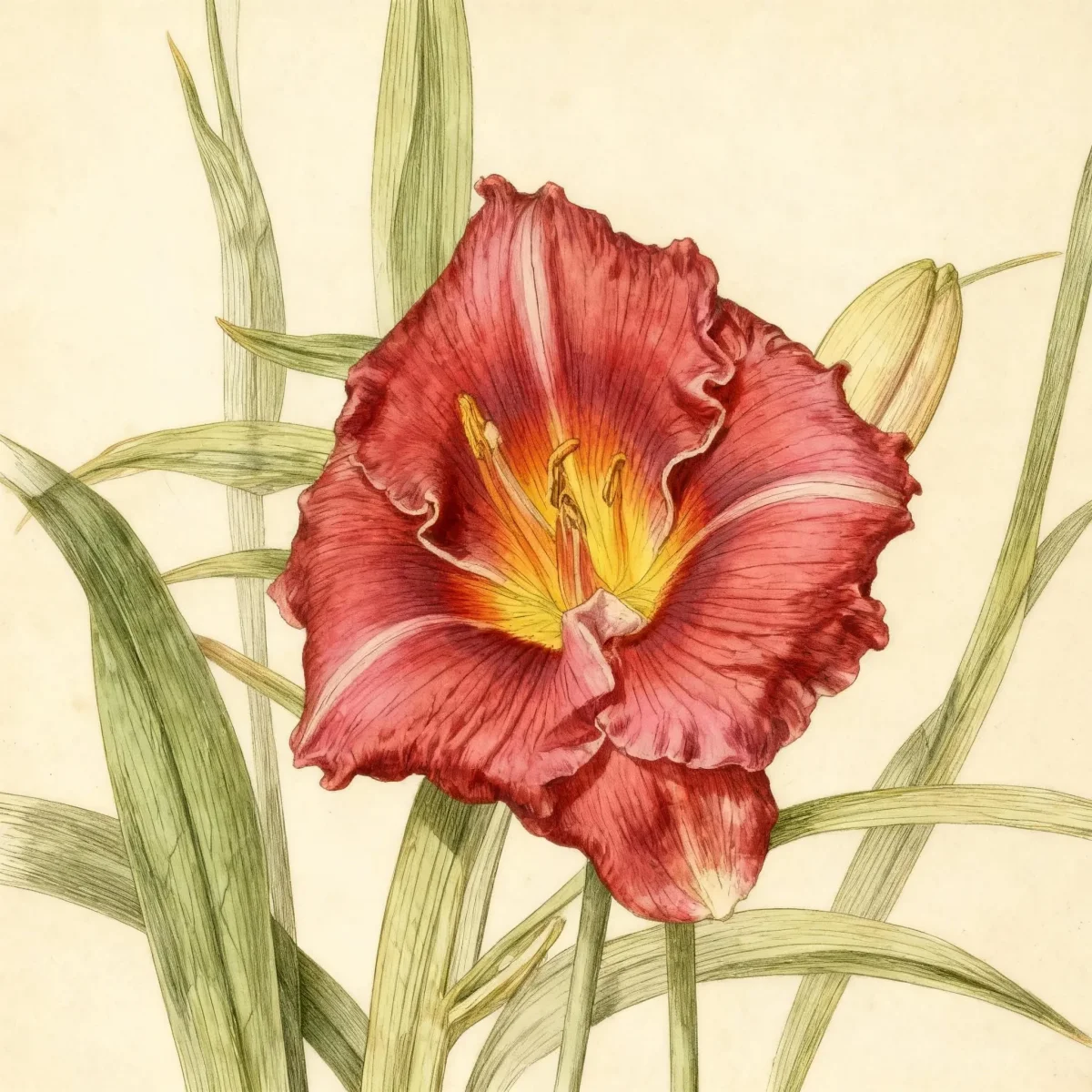
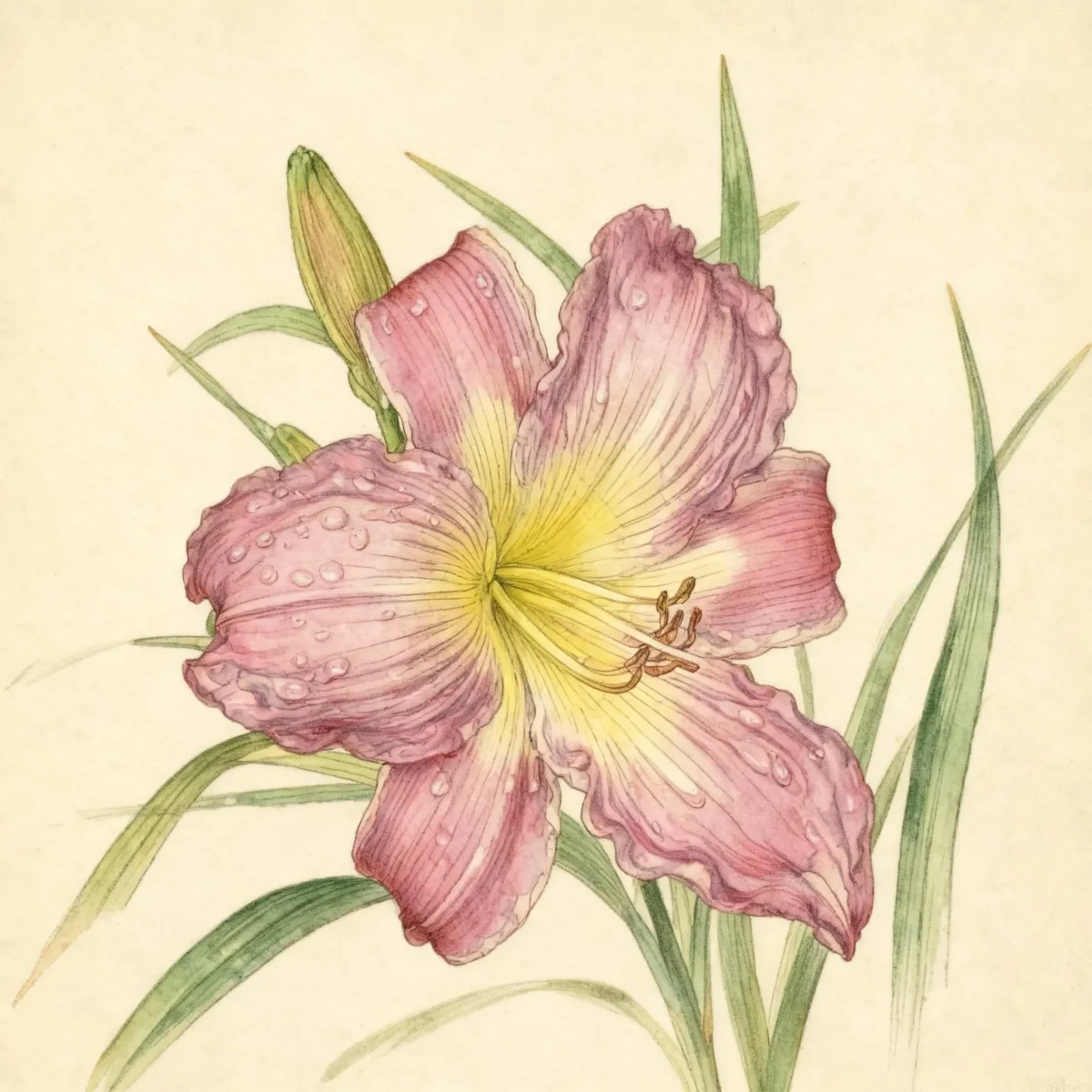
Daylily (Hemerocallis 'Little Business')
Hemerocallis 'Little Business' is a low-maintenance Daylily producing striking rose-raspberry flowers from June to July.
Scroll down to discover growing tips, care requirements, companion plants, and more
Complete Plant Information
Overview
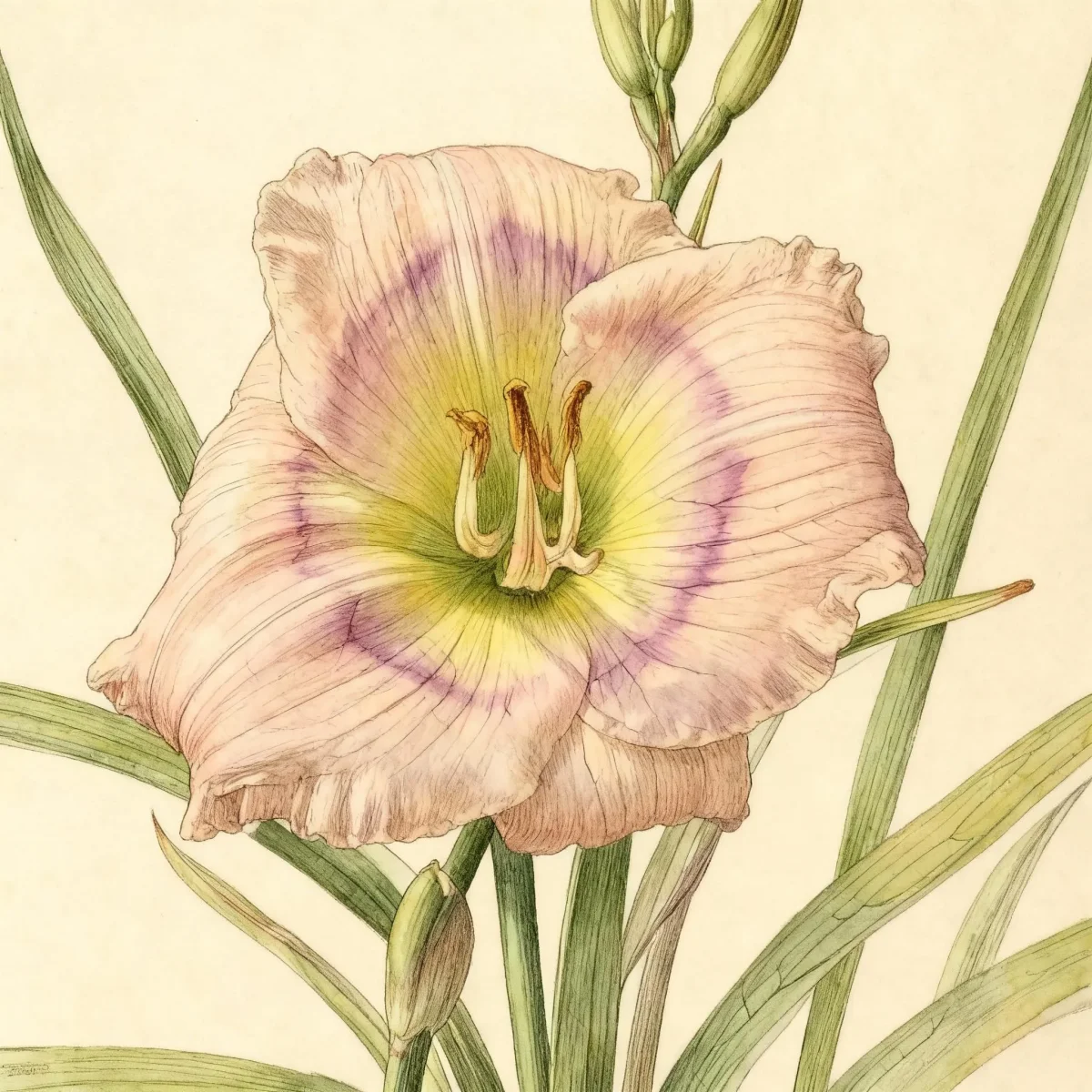
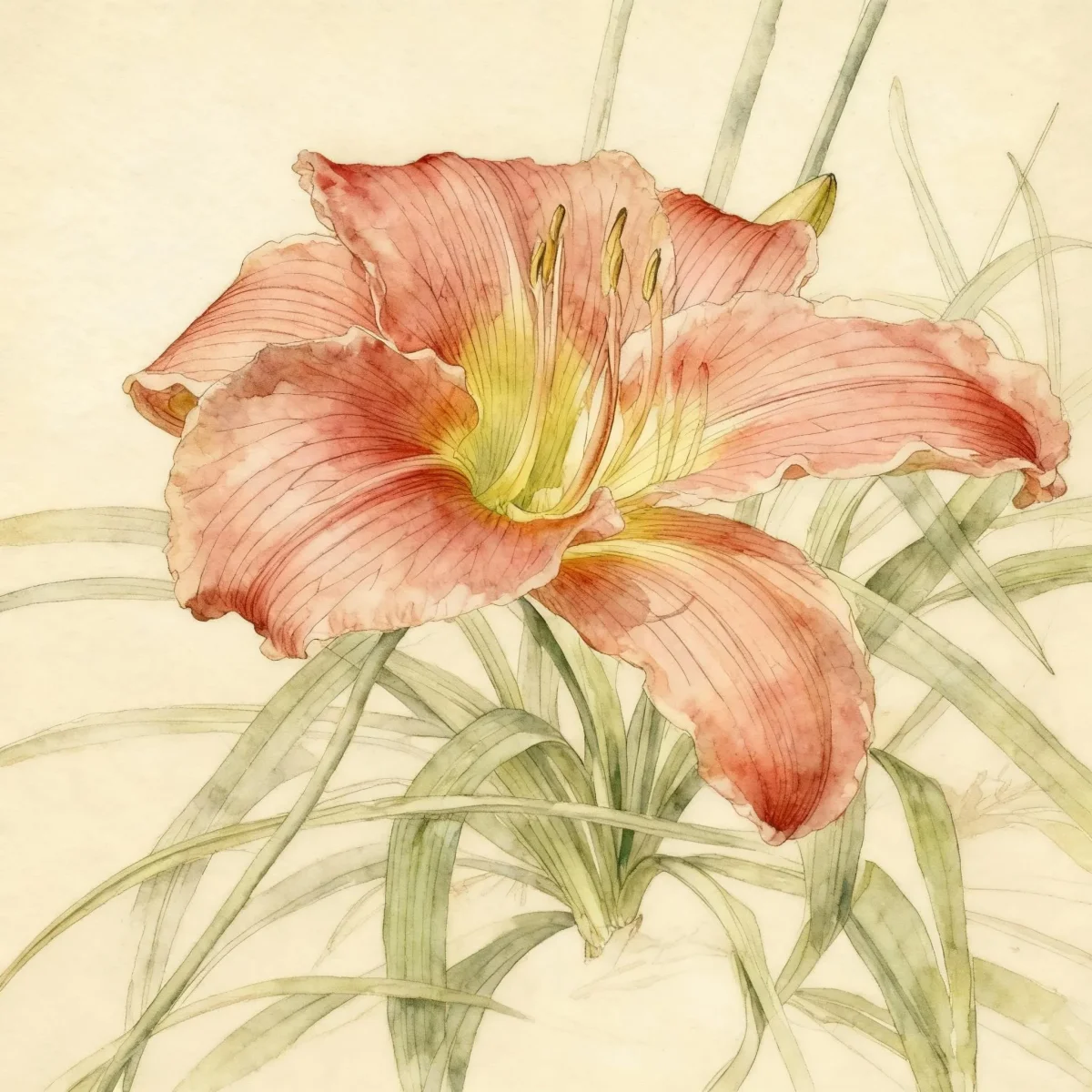
Hemerocallis ‘Little Business’ is a prized smaller Daylily cultivar celebrated for its compact yet vibrant display. This herbaceous perennial offers a delightful rose-raspberry flower accented by a bright chartreuse throat, blooming reliably through the mid-summer months. Gardeners value this Daylily for its low maintenance requirements and its ability to thrive across a wide range of challenging conditions.
As a tough, adaptable plant, Hemerocallis ‘Little Business’ establishes quickly, forming neat clumps of grass-like foliage. It provides excellent texture and long-season color, making it indispensable for borders or mass plantings in the sunny areas of the landscape. Its robust nature ensures beautiful results with minimal intervention, confirming its status as a garden staple.
This specific cultivar is known for its distinctive flower size and color, differentiating it within the massive genus of daylilies. It is a tetraploid variety that remains relatively small, reaching up to 1.5 feet tall, which is highly desirable for modern garden designs where space efficiency is key.
Fast Facts
- Plant Family: Asphodelaceae
- Plant Type: Herbaceous perennial
- Hardiness Zones: USDA Zones 3-9
- Size at Maturity:
- Height: 1-1.5 ft
- Spread: 1-1.5 ft
- Bloom Time: June to July
- Bloom Description: Rose-raspberry wit chartreuse throat
- Sun Exposure: Full sun to part shade
- Water Needs: Medium
- Maintenance Level: Low
How to Grow
Planting these Daylilies is easiest in spring or fall, ensuring they establish roots before temperature extremes hit. Locate Hemerocallis ‘Little Business’ where it receives full sun, though it tolerates part shade, especially in hotter climates. While they are highly adaptable, Daylilies perform best in average, medium-moisture, well-drained soils, preferring deep, fertile loams for optimal flowering performance.
Routine care for this Daylily is straightforward. Deadhead spent flowers daily to maintain neatness, and remove spent flower scapes completely once blooming ceases. Although tolerant of heat and humidity, supply deep watering during extended dry spells to keep the attractive, linear foliage looking its best. Fertilization is generally optional if the soil is rich, though a balanced feed in spring can boost bloom production.
This cultivar, being a winter-dormant type, benefits greatly from the cold period provided by lower hardiness zones. Grown in Zones 3 through 8, the foliage will die back, and the plant requires this winter rest for the best subsequent bloom display. Gardeners in the warmer end of its range (Zone 9) should note that these evergreen types handle cold less reliably.
To ensure vigorous growth and abundant flowers for years to come, plan to divide the clumps of Hemerocallis ‘Little Business’ every three to four years. Perform this division in spring, which is ideal across most climates, particularly where cold winters necessitate a fresh start above ground. Remember that hybrid Daylilies will not breed true to type if you attempt propagation by seed.
Landscape Uses
Hemerocallis ‘Little Business’ excels as an easy-to-grow herbaceous perennial anywhere structure and reliable mid-season color are needed. Due to its moderate size (1 to 1.5 ft tall), it is perfect for defining borders without becoming overgrown or obscuring shorter accent plants. Use it for clean edging along pathways where its upright foliage provides architectural interest even when not in bloom.
This Daylily’s versatility allows for mass planting to create a striking visual impact across large areas, transforming slopes or broad beds with uniform color and texture. As a dwarf cultivar, it is also exceptionally well-suited for rock gardens, where it complements the textures of stone and alpine selections. Pair the deep rose-raspberry blooms with silver foliage plants or plants that bloom earlier or later in the season to extend garden interest.
Beyond beds, Hemerocallis ‘Little Business’ works well when planted in geometric clumps near entryways or patios. Its low maintenance profile means it fits seamlessly into mixed perennial borders alongside plants like salvias or ornamental grasses that share similar sun and water needs.
Standout Features
Flower Qualities
- Showy
Noteworthy Characteristics
Hemerocallis is a genus renowned for creating hundreds of desirable hybrids, and ‘Little Business’ is a standout tetraploid cultivar featuring 3.5-inch diameter flowers in rose-raspberry hues with distinctive chartreuse centers. These individual blooms appear sequentially on leafless scapes rising above the tidy clump of arching foliage, offering repeat bloom in early mid-season. This Daylily cultivar was honored with the AHS Annie T. Giles award in 1975, recognizing its excellence among small-flowered selections.
Tolerances
- Rabbit
- Erosion
- Air Pollution
Potential Problems
Daylilies are exceptionally adaptable, meaning serious pest or disease issues are uncommon. Occasionally, minor infestations of mites, thrips, or aphids may appear, usually mitigated by improved air circulation or a strong spray of water. The most significant potential concern is Daylily Rust, which manifests as powdery yellow/brown pustules on the leaves and requires specific fungicidal treatment in humid, susceptible regions. Fortunately, rabbits typically avoid munching on Hemerocallis foliage.
Frequently Asked Questions
What hardiness zones is Daylily suitable for?
Hemerocallis ‘Little Business’ is hardy across USDA Zones 3 through 9, offering flexibility across many gardening climates.
How large does Daylily grow?
This Daylily cultivar reaches a mature height between 1 and 1.5 feet tall, with a spread of 1 to 1.5 feet, retaining a relatively compact form.
What sun exposure does Hemerocallis ‘Little Business’ need?
For the best blooming performance, this plant requires full sun exposure, though it will tolerate light afternoon shade.
When does Daylily bloom?
The primary bloom time for this Daylily is from June to July, featuring striking rose-raspberry flowers with a chartreuse throat, often providing repeat bloom.
Conclusion
Hemerocallis ‘Little Business’ provides exceptional value to the garden through its low maintenance needs and reliably produced, richly colored blooms. This adaptable Daylily thrives in sun and handles a wide spectrum of USDA zones, making it a practical choice for nearly any landscape setting requiring mid-summer color. Before planting, confirm your USDA Zone compatibility and prepare well-drained soil to ensure your new Hemerocallis ‘Little Business’ establishes successfully this season.
Companion Planting
Selecting appropriate companions ensures a balanced garden ecosystem that shares cultural needs with Hemerocallis ‘Little Business’. Since this Daylily thrives in full sun and medium moisture, pair it with other full-sun perennials that do not demand excessive or sporadic watering. Good partners include ornamental grasses like Miscanthus (dwarf varieties), which complement the grass-like texture of the Daylily foliage. Plants that bloom significantly earlier or later, such as early-blooming Peonies or late-season Asters, help transition color interest throughout the growing season.
Seasonal Care Calendar
Spring preparation focuses on cleaning up any remaining winter debris from the Daylily clumps and applying a light, balanced fertilizer if soil fertility is questionable. Once summer begins, deadheading the spent flowers of this Daylily becomes the primary task to encourage repeat blooms. During hot, dry summer spells, provide supplemental, deep watering directly to the root zone to prevent foliage scorch. As autumn approaches, winter-dormant varieties like Hemerocallis ‘Little Business’ can be allowed to naturally die back; remove large amounts of dead foliage in early spring just before new growth emerges, keeping the crown clear.