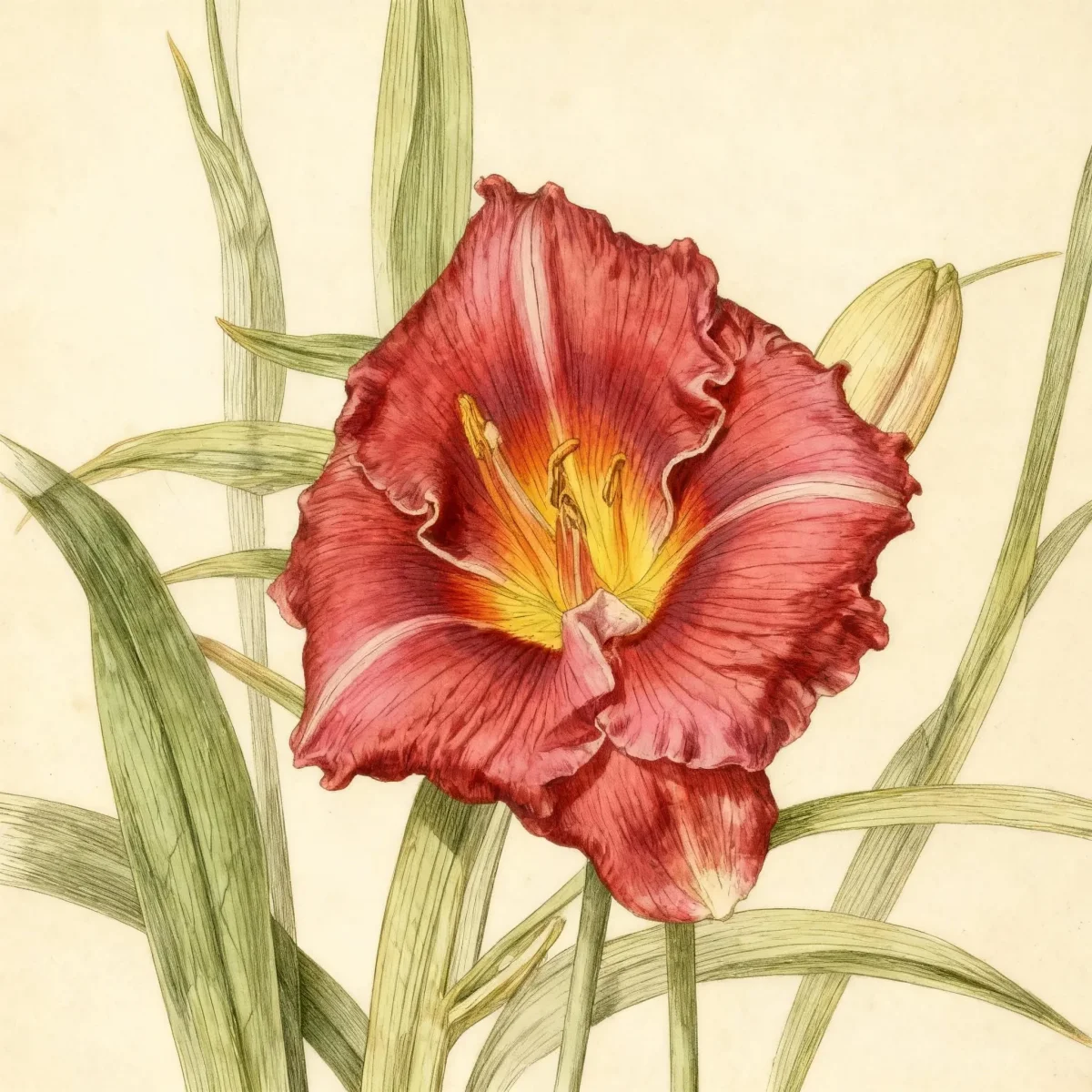
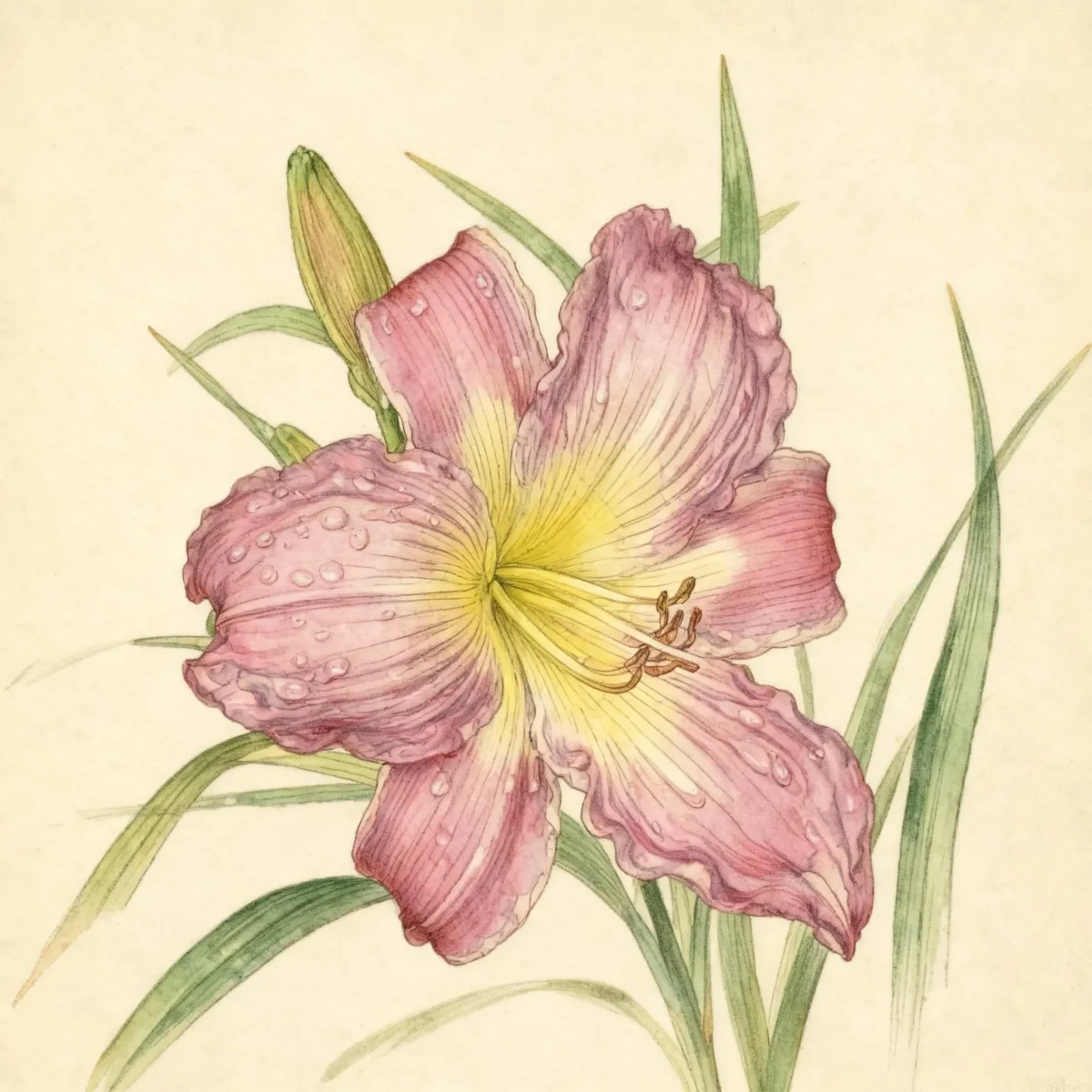
Daylily (Hemerocallis 'Little Fat Cat')
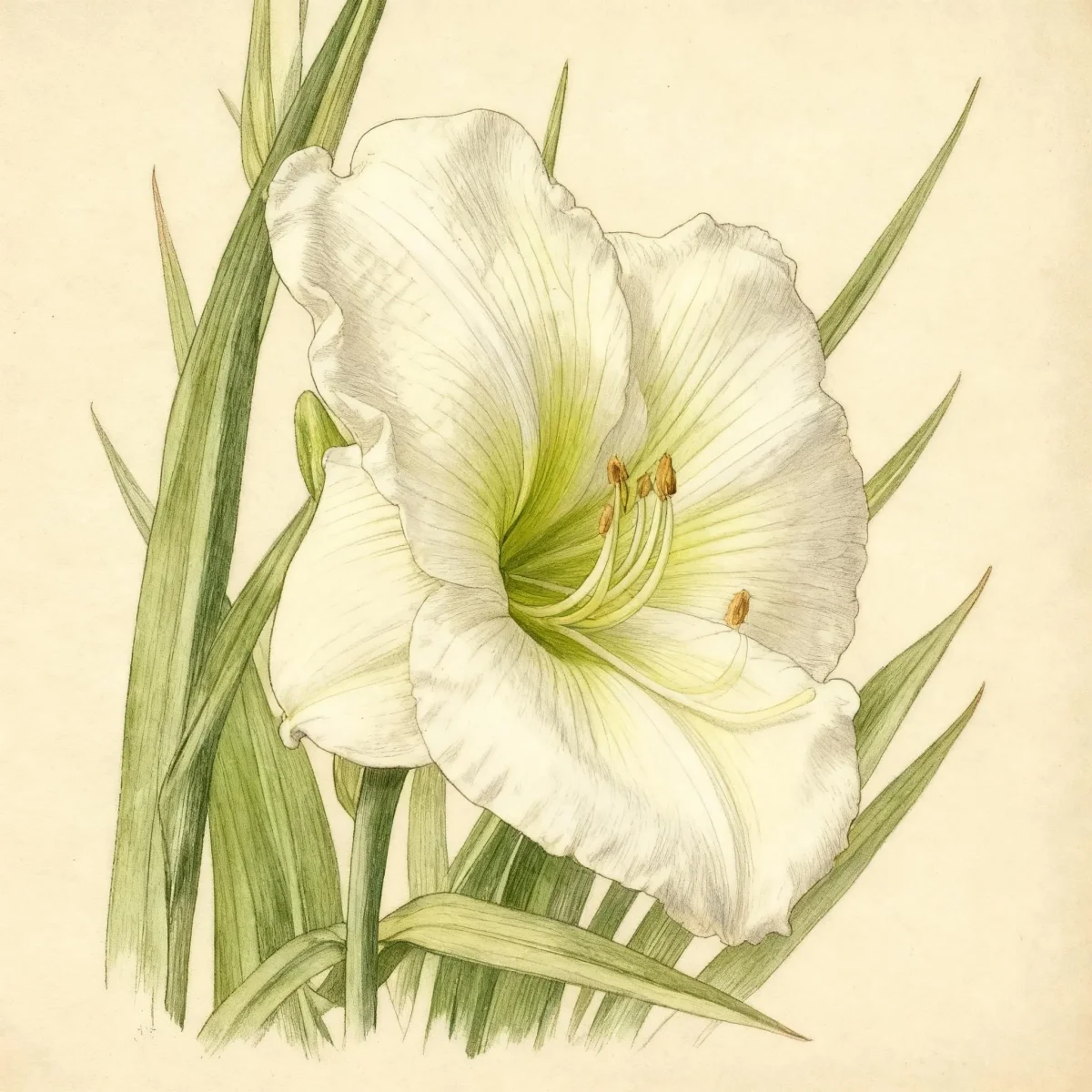
The low-maintenance Daylily, Hemerocallis 'Little Fat Cat', offers near white blooms from May to June in zones 3-9.
Scroll down to discover growing tips, care requirements, companion plants, and more
Complete Plant Information
Overview
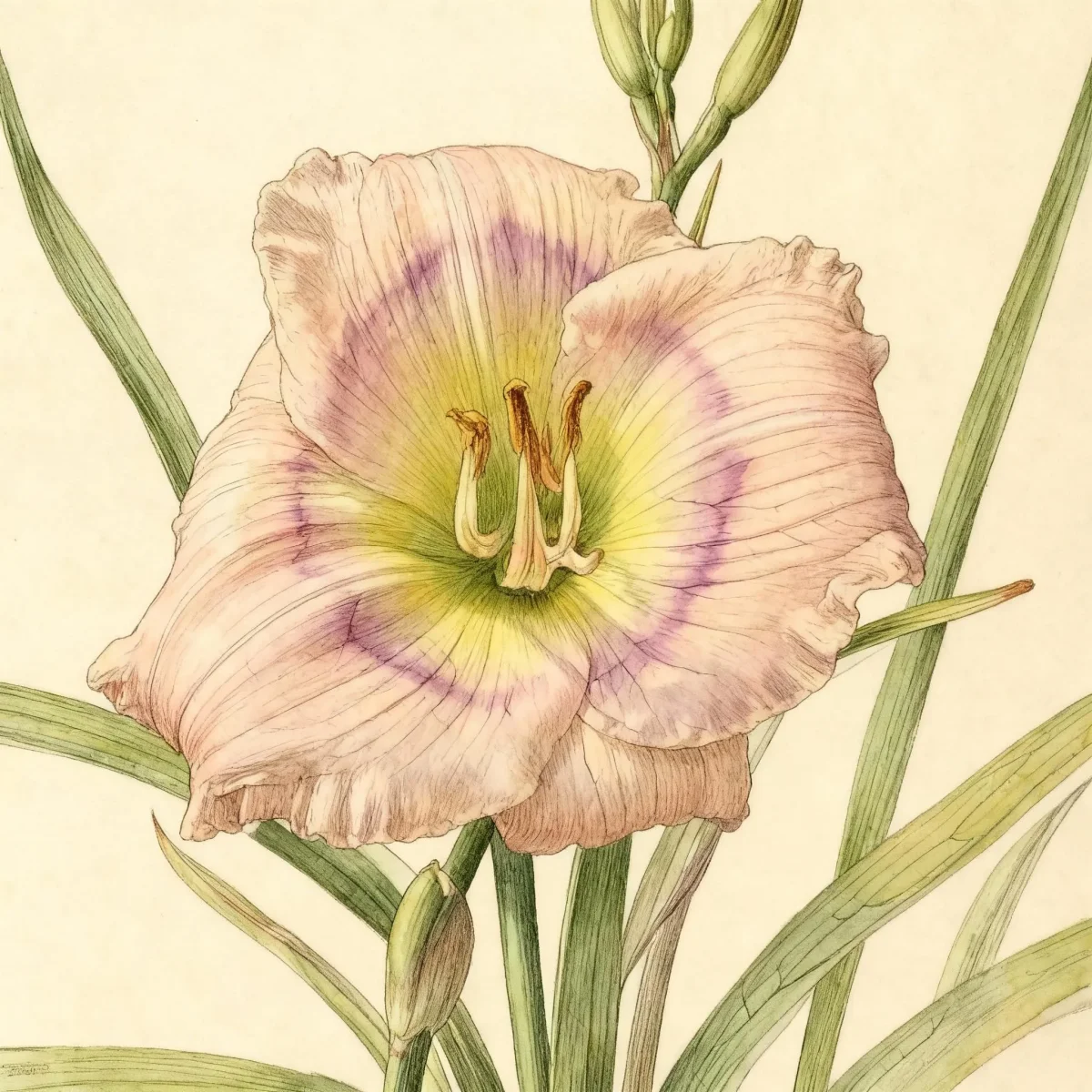
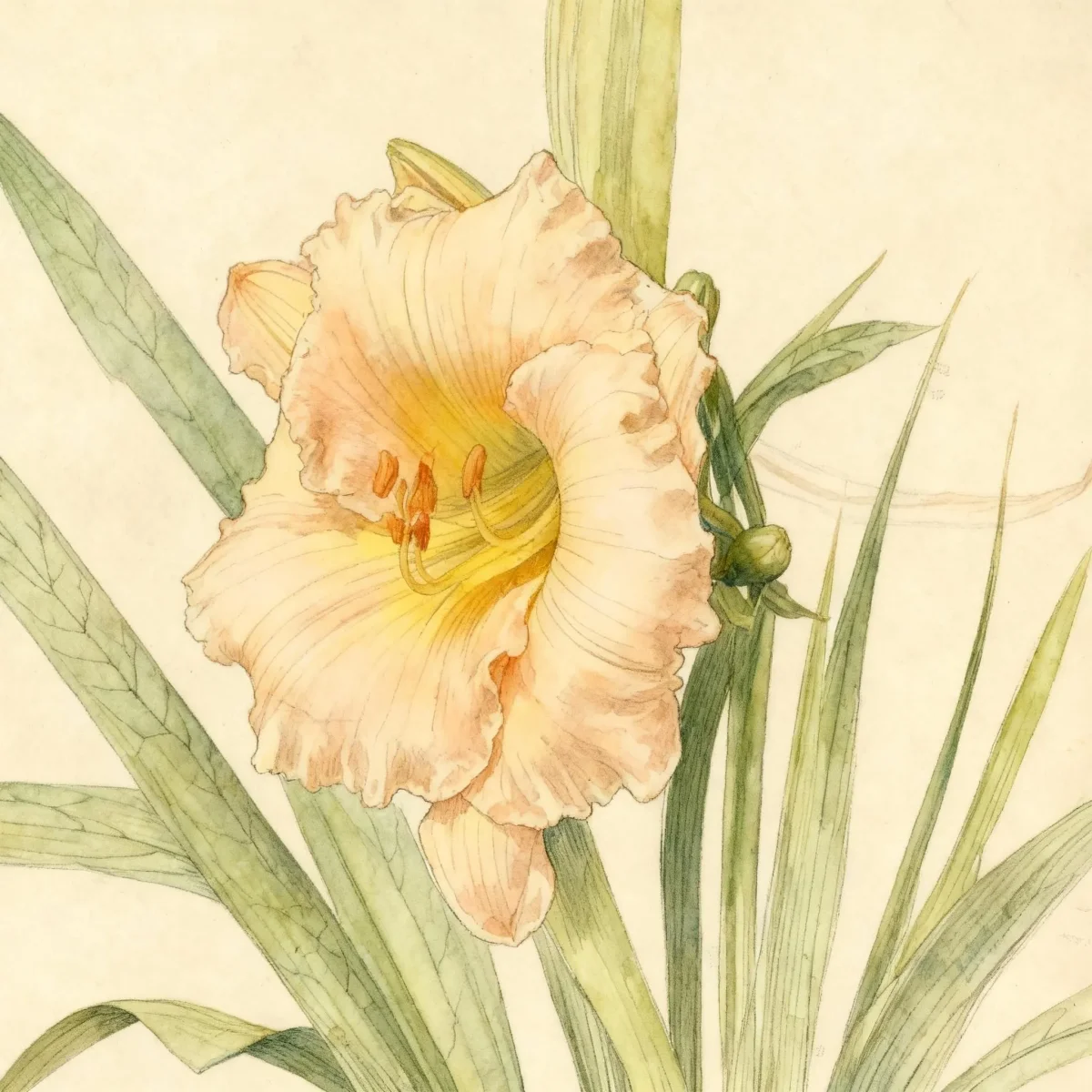
Hemerocallis ‘Little Fat Cat’ is a charming diploid daylily cultivar valued for its compact size and delicate flowers. This Daylily presents blooms that are near white, standing out against the foliage with distinct yellow-green throats. As an herbaceous perennial, it establishes reliably across a wide range of climates, providing reliable summer color with minimal gardener intervention.
This specific cultivar fits nicely into smaller borders or mass plantings, reaching a manageable height of 2 to 2.5 feet. Gardeners appreciate the sheer volume of blooms produced over its season, ensuring continuous color, even though each individual flower lasts only a single day—the hallmark of the Daylily genus.
The structure of Hemerocallis ‘Little Fat Cat’ features arching, blade-like green leaves that remain attractive throughout the growing season. It is exceptionally adaptable, thriving in most average soils, making it a resilient and beautiful addition to nearly any sunny or partially shaded landscape area.
Fast Facts
- Plant Family: Asphodelaceae
- Plant Type: Herbaceous perennial
- Hardiness Zones: USDA Zones 3-9
- Size at Maturity:
- Height: 2-2.5 ft
- Spread: 1.5-2 ft
- Bloom Time: May to June
- Bloom Description: Near white with yellow-green throat
- Sun Exposure: Full sun to part shade
- Water Needs: Medium
- Maintenance Level: Low
How to Grow
Hemerocallis ‘Little Fat Cat’ is easily established when planted in average, medium moisture conditions, ideally in well-drained soils. While daylilies tolerate a wide range of soil types, they perform best when planted in deep, fertile loams. Ensure that the crown (the point where the leaves emerge from the root structure) is planted level with the soil surface to prevent issues.
Once established, these plants have low maintenance requirements. Deadhead the spent individual flowers daily for neatness, and remove the entire flower stalk, or scape, once the blooming period has concluded. Though tolerant of heat and humidity, deep watering during dry spells helps keep the foliage looking its best and supports robust flowering for this Daylily.
Winter dormancy is crucial for winter dormant types like this one; they need a cold period for optimal blooming, making them less ideal for the warmest parts of Zone 9 and above. To maintain vigorous clumps and maximize future blooms, plan to divide the Hemerocallis ‘Little Fat Cat’ clump every three to four years, preferably in the spring in colder regions.
Landscape Uses
The moderate stature and striking bloom color of Hemerocallis ‘Little Fat Cat’ make it an excellent selection for numerous garden applications. These easy-to-grow herbaceous perennials are foundational plants perfect for defining the edges of flower beds or lining walkways. Their clumping habit allows for impactful mass plantings where drifts of near white blooms can create a cooling effect under morning or late afternoon sun.
Because these daylilies are adaptable regarding soil and sun exposure, they pair beautifully with later-blooming perennials that fill the gap after the early summer flush of the Daylily subsides. They work well in mixed perennial borders alongside ornamental grasses or hardy salvias. Furthermore, this dwarf cultivar makes an outstanding choice for softening the edges of rock gardens where other, taller perennials might appear overgrown.
Standout Features
Flower Qualities
- Showy
Noteworthy Characteristics
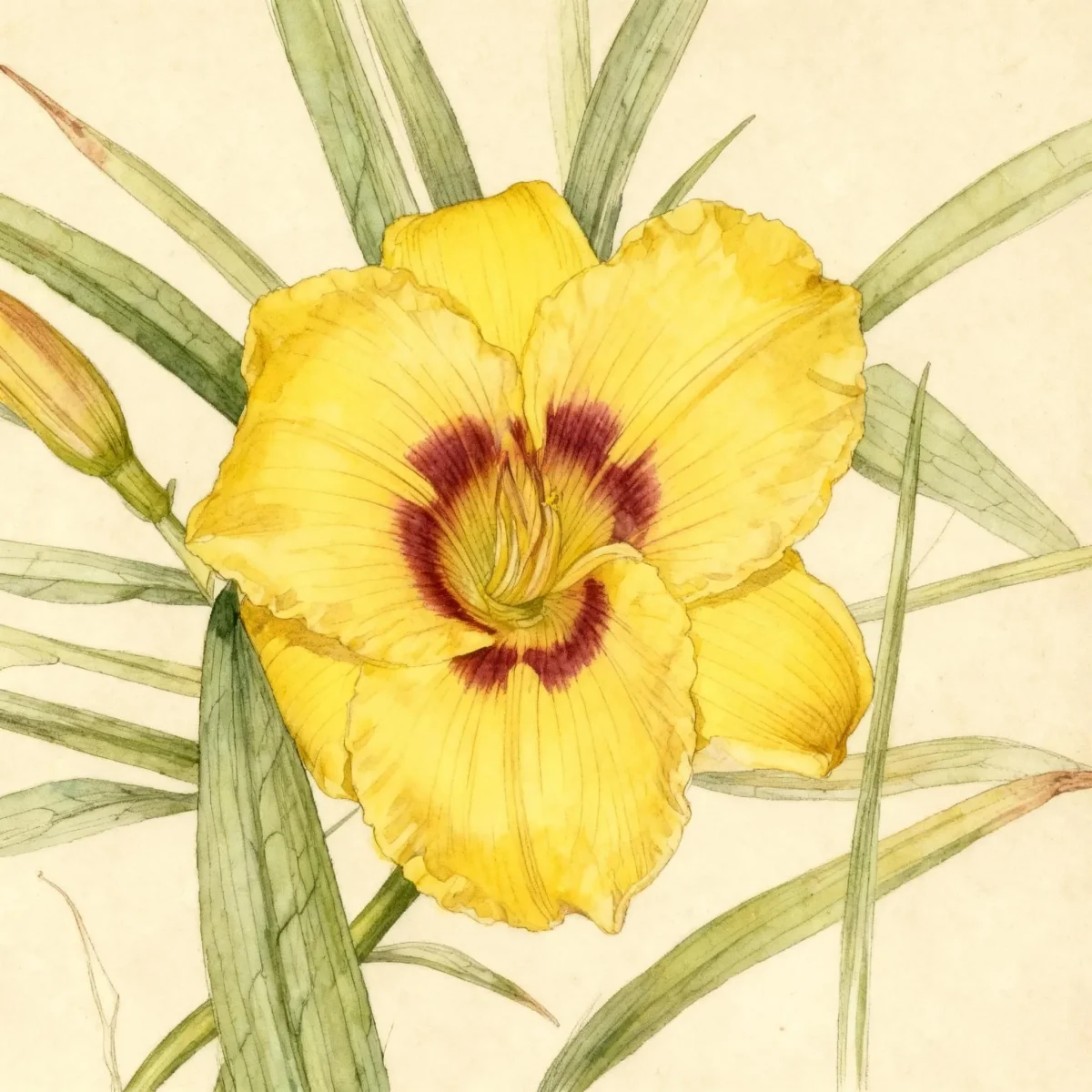
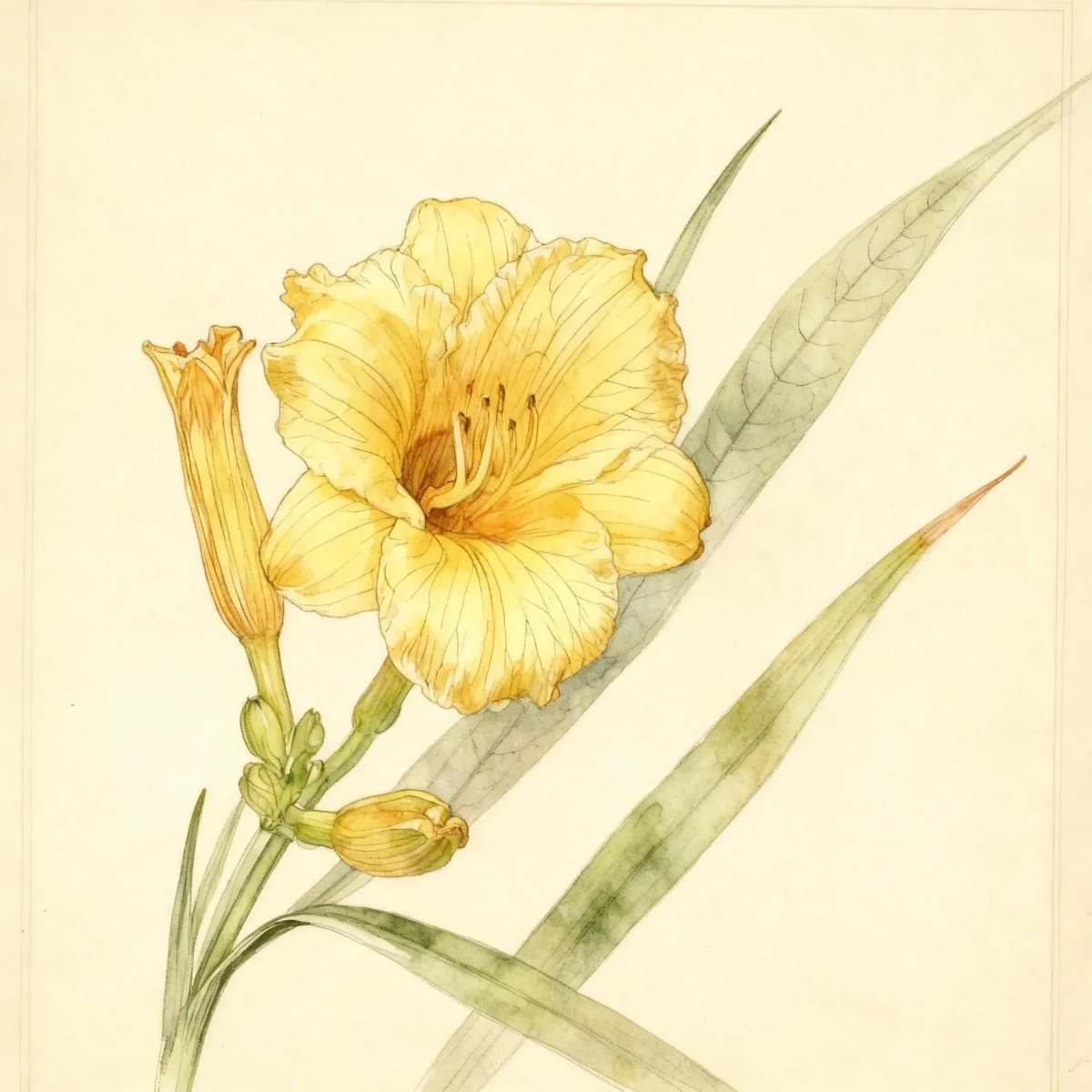
Hemerocallis is a genus widely known for its ability to produce dramatic, funnel-shaped flowers that typically last only a single day, earning them the common name, Daylily. Hybridizers have focused on enhancing colors, shapes, and bloom times, resulting in the incredible diversity seen today. Hemerocallis ‘Little Fat Cat’ is a cultivar noted for its ruffled, smaller flowers (up to 3”) atop scapes rising about 26 inches, often exhibiting semi-evergreen foliage in warmer zones.
Tolerances
- Rabbit
- Erosion
- Air Pollution
Potential Problems
Daylilies are known for being extremely adaptable and are generally pest-free perennials. Occasionally, common garden pests like mites, aphids, or thrips may cause minor cosmetic damage, usually managed with horticultural oil or insecticidal soap if necessary. In certain humid climates, the fungal issue known as Daylily rust can become problematic, often requiring good air circulation and preventative fungicides. Thankfully, rabbits tend to avoid feeding on the foliage of the Daylily.
Frequently Asked Questions
What hardiness zones is Daylily (Hemerocallis ‘Little Fat Cat’) suitable for?
Hemerocallis ‘Little Fat Cat’, the Daylily, is reliably hardy across USDA Zones 3 through 9.
How large does Daylily (Hemerocallis ‘Little Fat Cat’) grow?
This cultivar typically reaches a mature height between 2 and 2.5 feet tall, with a spread of 1.5 to 2 feet wide.
What sun exposure does Daylily (Hemerocallis ‘Little Fat Cat’) need?
This Daylily performs best in areas receiving full sun to partial shade.
When does Daylily (Hemerocallis ‘Little Fat Cat’) bloom?
You can expect blooms to appear from May to June, featuring near white flowers accented by a distinctive yellow-green throat.
Conclusion
Hemerocallis ‘Little Fat Cat’ offers gardeners a reliable, beautiful, and exceptionally low-maintenance perennial for early summer color. Its compact size and tolerance for various conditions make this Daylily an invaluable asset for mixed borders and foundational planting schemes. Ensure you check that your local climate falls within USDA Zones 3-9, and plan to plant in the spring for the best establishment before its first bloom season.
Companion Planting
Selecting appropriate companions helps ensure the landscape remains attractive throughout the entire growing season, especially once the blooms of Hemerocallis ‘Little Fat Cat’ conclude. Since daylilies prefer medium moisture and full sun to part shade, pair them with other resilient summer performers. Good neighbors include Coneflowers (Echinacea), which thrive in similar sun/soil profiles and bloom later, extending visual interest.
Consider using shorter, ground-hugging plants around the base of the daylilies to hide any foliage that might thin out late in the season. Creeping Thyme or ornamental sedums work well in sunny spots to provide textural contrast beneath the taller, arching leaves of the Daylily. This layered approach maximizes the appeal of the perennial bed surrounding your Hemerocallis ‘Little Fat Cat’.
Design Ideas for Massing
Mass planting daylilies creates a powerful visual impact, transforming large areas of the garden quickly due to their reliable growth rate. For Hemerocallis ‘Little Fat Cat’, using groups of five or seven plants ensures that when they bloom in May and June, the nearly white flowers create a cohesive, luminous swath of color. Grouping them near walkways maximizes visibility of the flower form.
Because this plant offers good erosion control due to its fibrous root system, it is an excellent choice for gentle slopes where you want both stability and beauty. Planting them near structures, like retaining walls or fences, provides a soft, textural foreground interest against the hard vertical lines. The semi-evergreen foliage offers much-needed structural presence even outside the main blooming window.