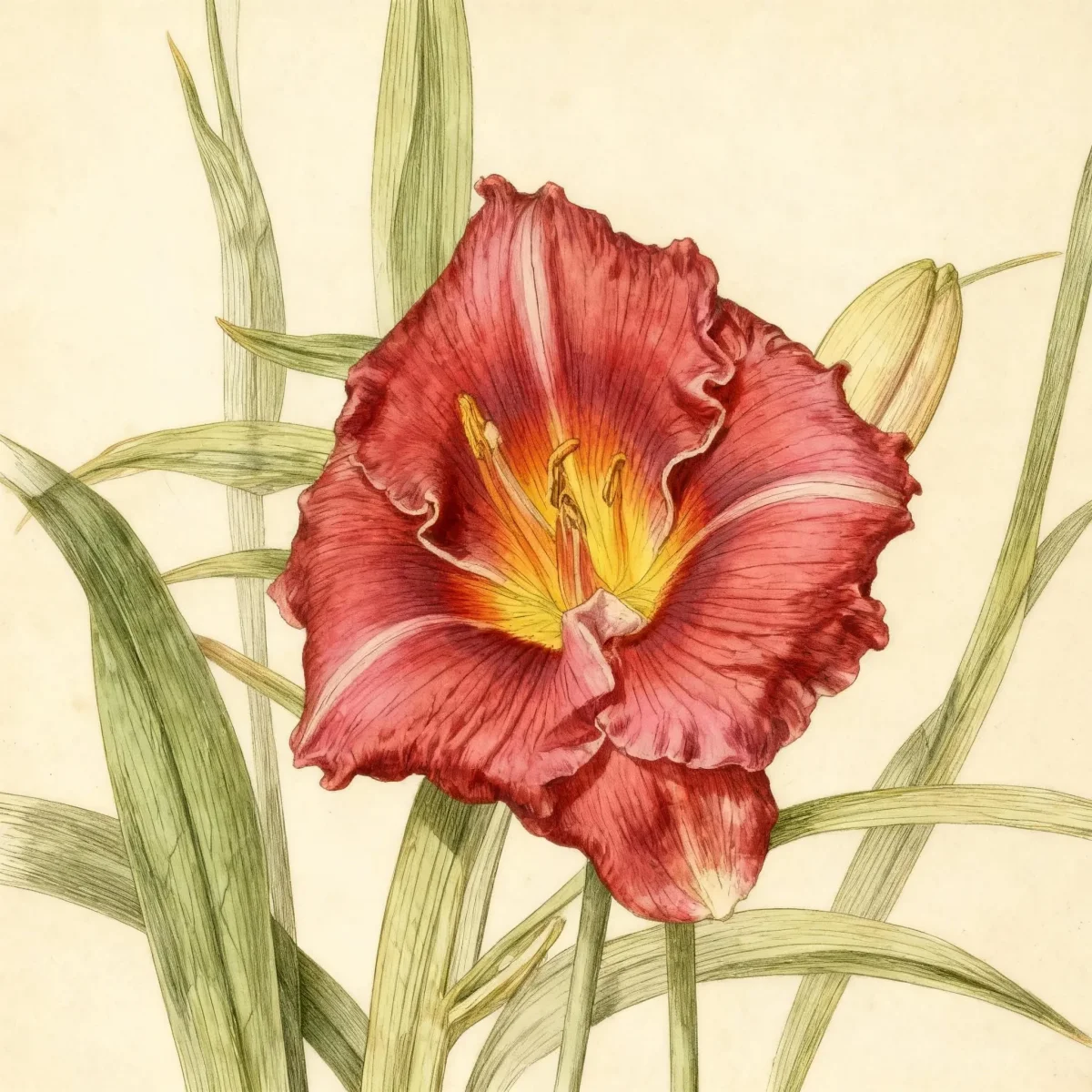
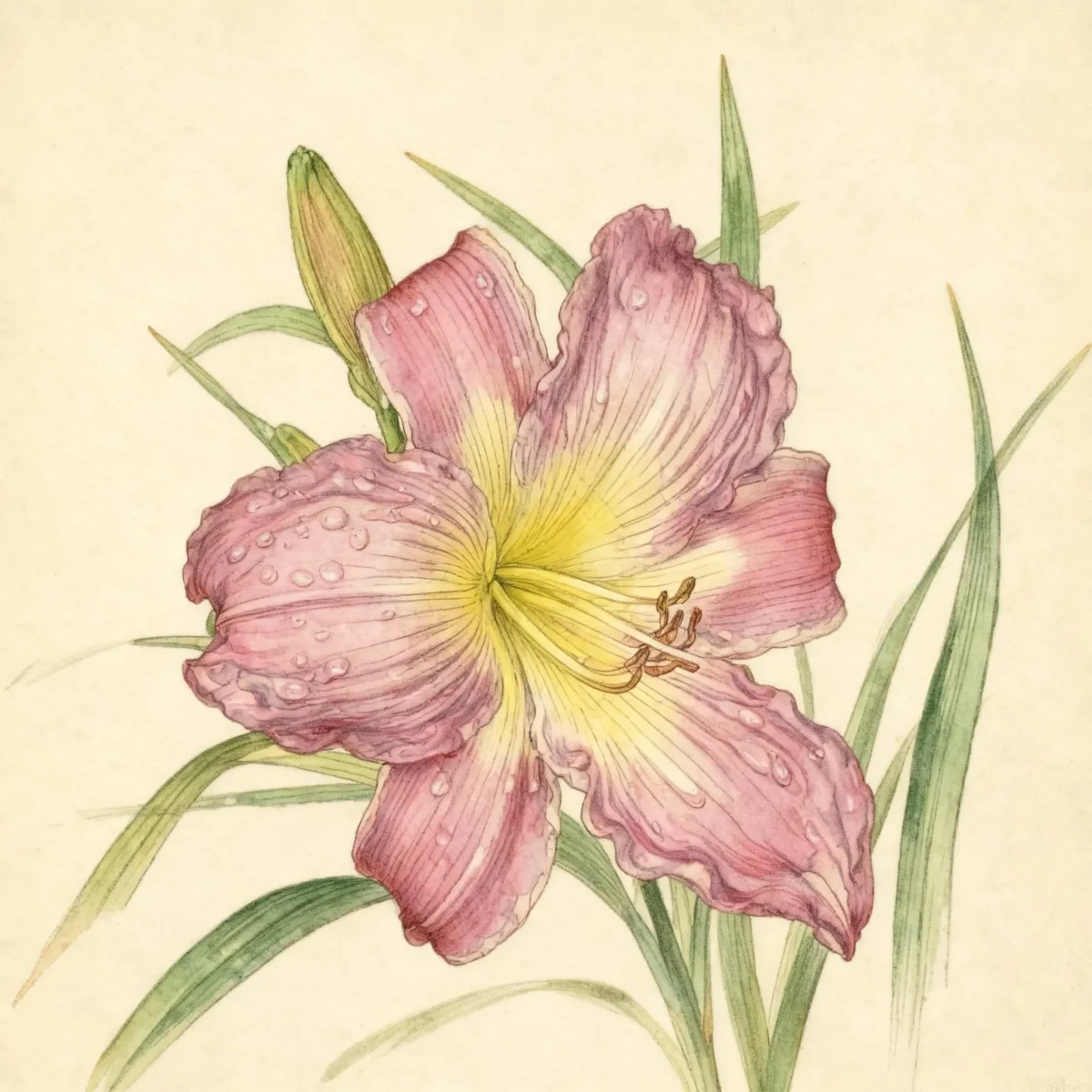
Daylily (Hemerocallis 'Mauna Loa')
Hemerocallis 'Mauna Loa' is a stunning Daylily valued for its amber gold blooms with red wire edges. Low maintenance, thriving in zones 3-9.
Scroll down to discover growing tips, care requirements, companion plants, and more
Complete Plant Information
Overview
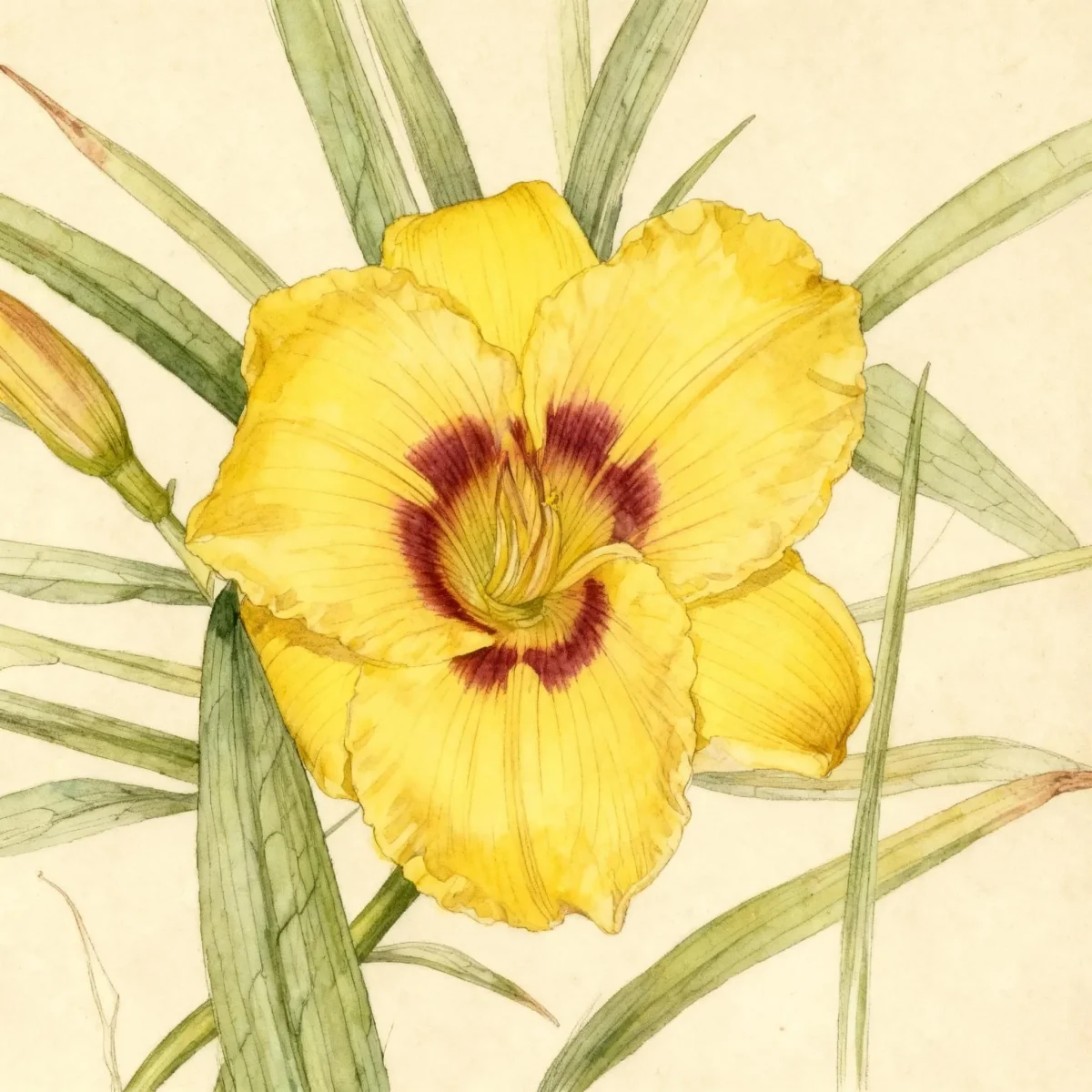
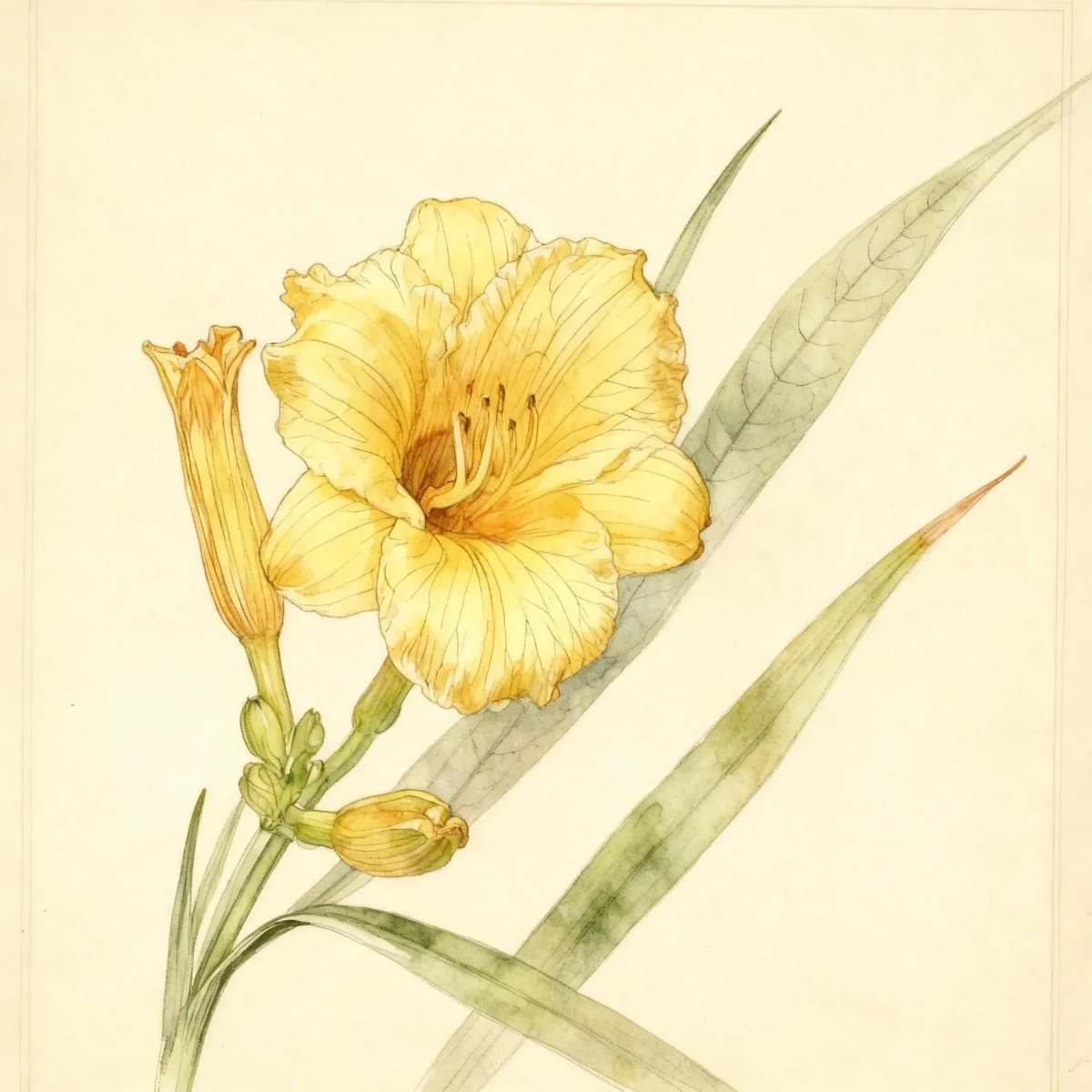
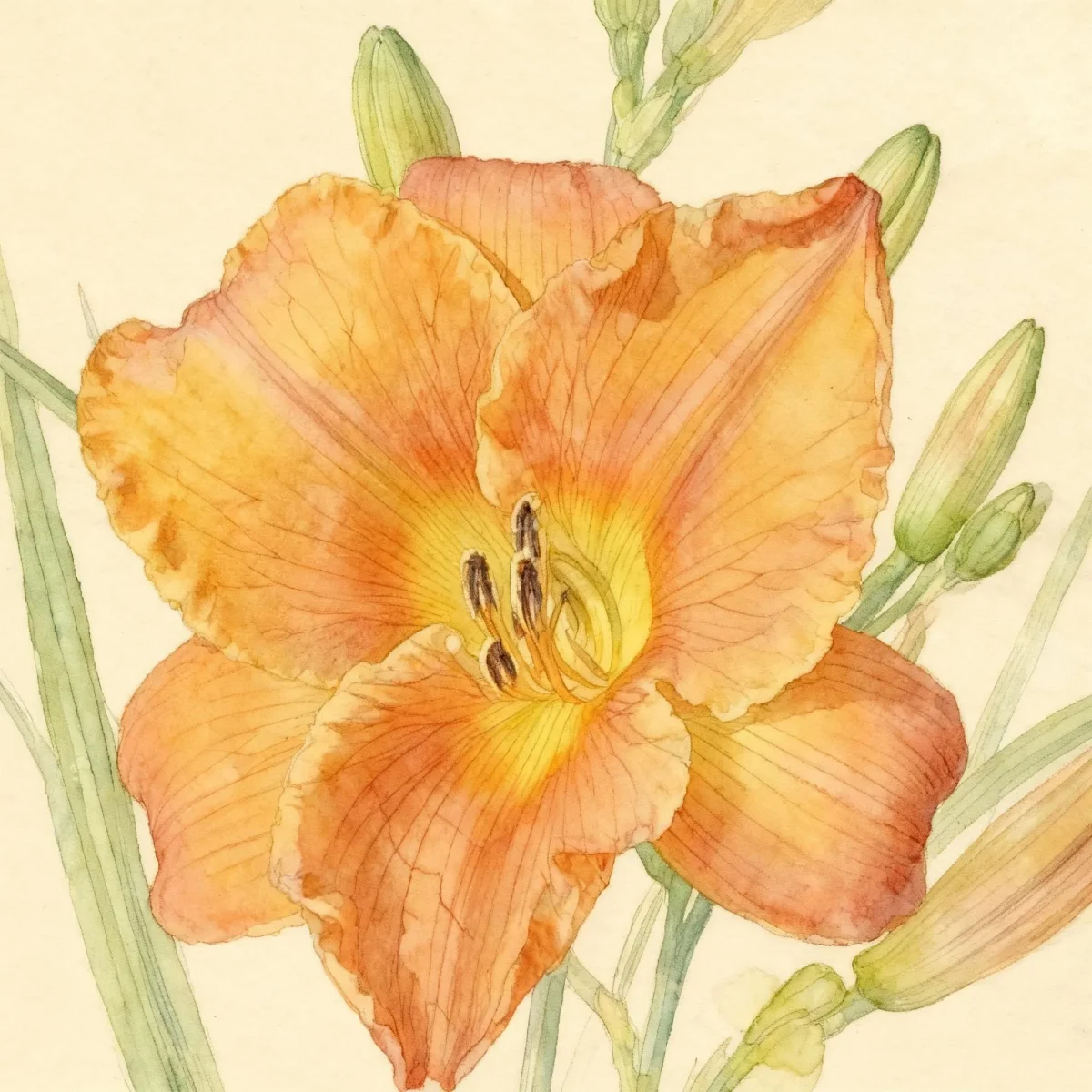
Hemerocallis ‘Mauna Loa’ is a highly desirable herbaceous perennial, commonly known as a Daylily, celebrated for its vibrant, eye-catching floral display. This cultivar produces striking 5” diameter flowers described as an amber gold blend accented beautifully with deep red wire edges and a light green throat, offering substantial visual impact in the summer garden. As a low-maintenance option, Daylilies establish easily and tolerate a wide spectrum of conditions, making them fundamental components for beginner and expert gardeners alike. Their vigorous growth ensures they fill spaces well, providing sustained color interest from early to mid-season.
This robust Daylily variety performs best when given a medium amount of water and consistent sunlight, though they are adaptable to partial shade. The genus name, Hemerocallis, reflects the daily beauty of its blossoms—each flower lasting only a single day—yet the succession of blooms keeps the landscape fully decorated throughout the season. Planting Hemerocallis ‘Mauna Loa’ reliably transforms borders and mass plantings, confirming its status as a gardening favorite.
Fast Facts
- Plant Family: Asphodelaceae
- Plant Type: Herbaceous perennial
- Hardiness Zones: USDA Zones 3-9
- Size at Maturity:
- Height: 1.5-2 ft
- Spread: 1-1.5 ft
- Bloom Time: June to July
- Bloom Description: Gold blend with red wire edges and light green throat
- Sun Exposure: Full sun to part shade
- Water Needs: Medium
- Maintenance Level: Low
How to Grow
Planting Hemerocallis ‘Mauna Loa’ should occur either in spring or early fall, though spring is preferable in very cold winter climates. These Daylilies thrive in average, medium moisture, well-drained soils—deep, fertile loams are considered ideal for maximizing performance. Ensure the crown of the plant is planted level with the soil surface; burying the crown can lead to rot or poor flowering.
Daylilies require medium watering, but they are tolerant of summer heat and humidity. It is important to provide deep watering during dry spells to maintain attractive foliage throughout the season. Deadhead spent flowers daily to maintain neatness, and promptly remove the entire flower scape (stem) once blooming has finished for the clump.
For the best recurring display of blooms, plan to divide your Daylily clumps every three to four years, performing this task in the fall or spring. It is crucial to note that because ‘Mauna Loa’ is a hybrid, it will not breed true to type if grown from seed. Furthermore, being a winter dormant type, it requires a cold winter dormancy period and is not recommended for regions warmer than Zone 9.
Landscape Uses
Daylilies like Hemerocallis ‘Mauna Loa’ are indispensable workhorses in landscape design due to their reliability and adaptability. Their medium height makes them excellent for adding structure and mid-layer color in layered perennial borders where they can contrast nicely with shorter annuals in the foreground or taller shrubs behind them. They are superb for edging walkways or driveways, providing a neat, defined boundary without becoming overly dense or messy.
Mass planting these cultivars creates significant swaths of seasonal color, ideal for softening large retaining walls or covering broad, sunny slopes where they also offer good erosion control. While the standard sizes work in beds, smaller or dwarf cultivars (not specified for ‘Mauna Loa’ but common in the genus) excel in rock gardens, offering visual interest without overwhelming smaller spaces.
Standout Features
Flower Qualities
- Showy
Noteworthy Characteristics
Hemerocallis is a genus of herbaceous perennials globally recognized as daylilies, originating primarily from Asia and central Europe. Hybridizers have created over 60,000 registered cultivars, striving for new colors, shapes, and patterns. Hemerocallis ‘Mauna Loa’ specifically is noted as a tetraploid cultivar featuring 5” amber gold flowers with deep red wire edges, blooming early to mid-season on scapes rising about 22 inches tall.
Tolerances
- Rabbit
- Erosion
- Air Pollution
Potential Problems
Daylilies are generally known for being extremely adaptable and relatively pest-free. However, occasionally you may encounter mites, aphids, or thrips; standard insecticidal soaps are usually effective for controlling these minor issues upon initial sighting. Daylily rust is a fungal disease that can become problematic in certain humid regions, identifiable by powdery yellow or orange spores on the undersides of leaves. To prevent fungal issues, ensure good air circulation by not overcrowding plants and watering the soil, not the foliage. Rabbits fortunately tend to leave this tough foliage alone.
Frequently Asked Questions
What hardiness zones is Daylily suitable for?
Hemerocallis ‘Mauna Loa’ is adaptable across a wide range of climates, suitable for USDA Hardiness Zones 3 through 9.
How large does Daylily grow?
This Daylily cultivar typically reaches a mature height between 1.5 to 2 feet tall, with a spread ranging from 1 to 1.5 feet wide.
What sun exposure does Hemerocallis ‘Mauna Loa’ need?
For optimal flowering, provide Hemerocallis ‘Mauna Loa’ with full sun, though it will tolerate partial shade conditions.
When does Daylily bloom?
Hemerocallis ‘Mauna Loa’ produces its signature gold blend flowers from June to July.
Conclusion
Hemerocallis ‘Mauna Loa’ stands out as a consistently reliable and visually stunning addition to any garden, appreciated for its low maintenance needs and brilliant flower color. This particular Daylily cultivar offers enduring value through its resilience and beautiful amber-gold blooms edged in red. Before planting, confirm your garden conditions align with USDA Zones 3-9 and plan for medium watering to ensure robust health for this exceptional Daylily.
Companion Planting
Choosing the right companions can enhance the appearance and growing environment for Hemerocallis ‘Mauna Loa’. Since Daylilies have linear, upright foliage, pairing them with plants that offer contrasting texture, such as bold-leafed Hostas or Peonies, creates dynamic interest throughout the season. Plants that prefer full sun and well-drained soil, like Salvia, Coneflowers (Echinacea), or ornamental grasses, share similar cultural needs, simplifying irrigation and feeding schedules. Avoid planting aggressive groundcovers directly around newborn clumps, as they can compete too strongly for nutrients and moisture until the Daylily is established.
Design Ideas
The versatility of Hemerocallis ‘Mauna Loa’ allows for numerous design applications across the temperate garden. For a traditional cottage border, group three or five together for immediate impact, perhaps underplanting them with spring bulbs that finish flowering just as the Daylily scapes begin to emerge. Because of its excellent tolerance for erosion, ‘Mauna Loa’ is highly effective planted on gentle slopes or along dry creek beds where its fibrous root system helps stabilize the soil structure. Furthermore, its ability to handle some shade means it can brighten up slightly dappled woodland edges, providing necessary color when spring ephemerals fade.