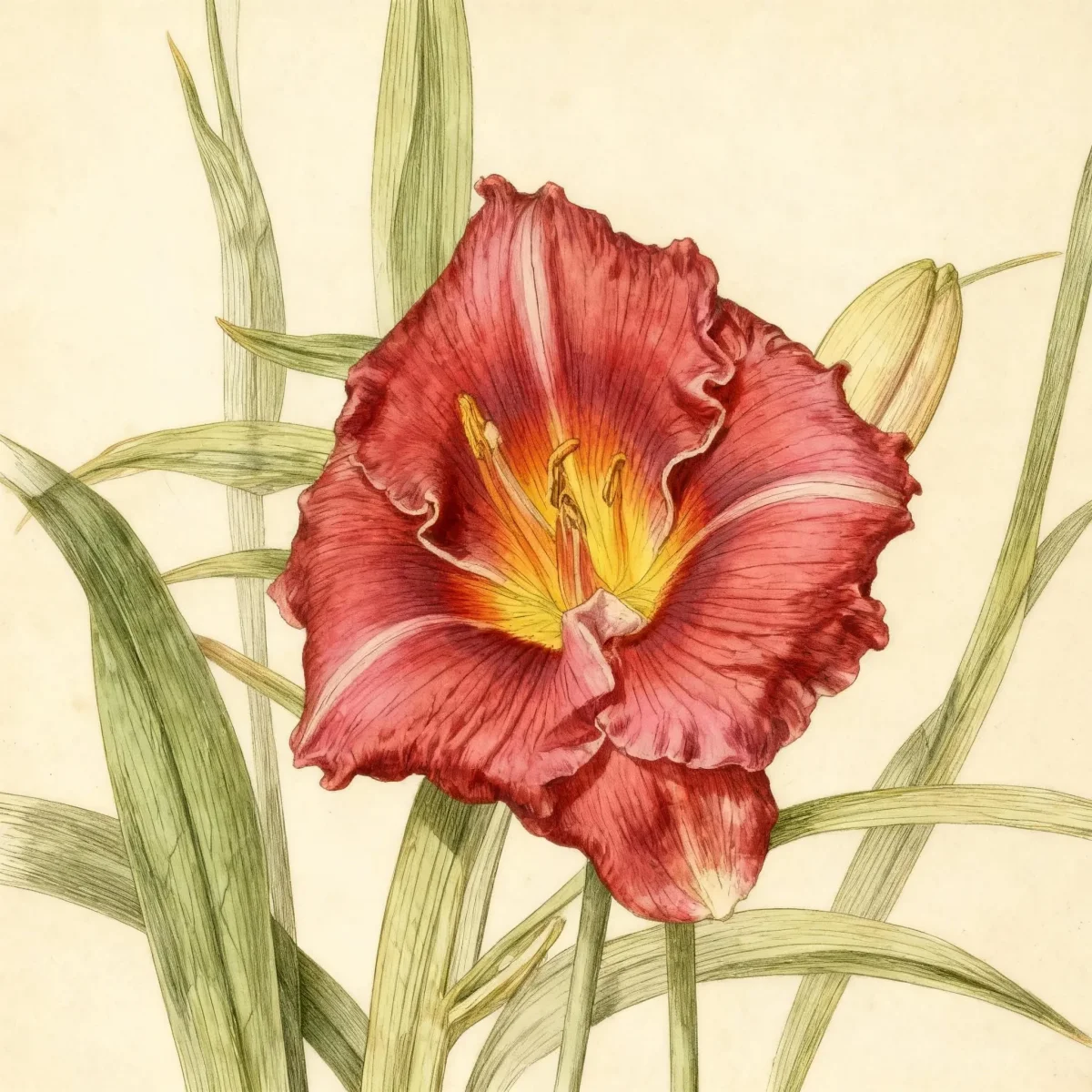
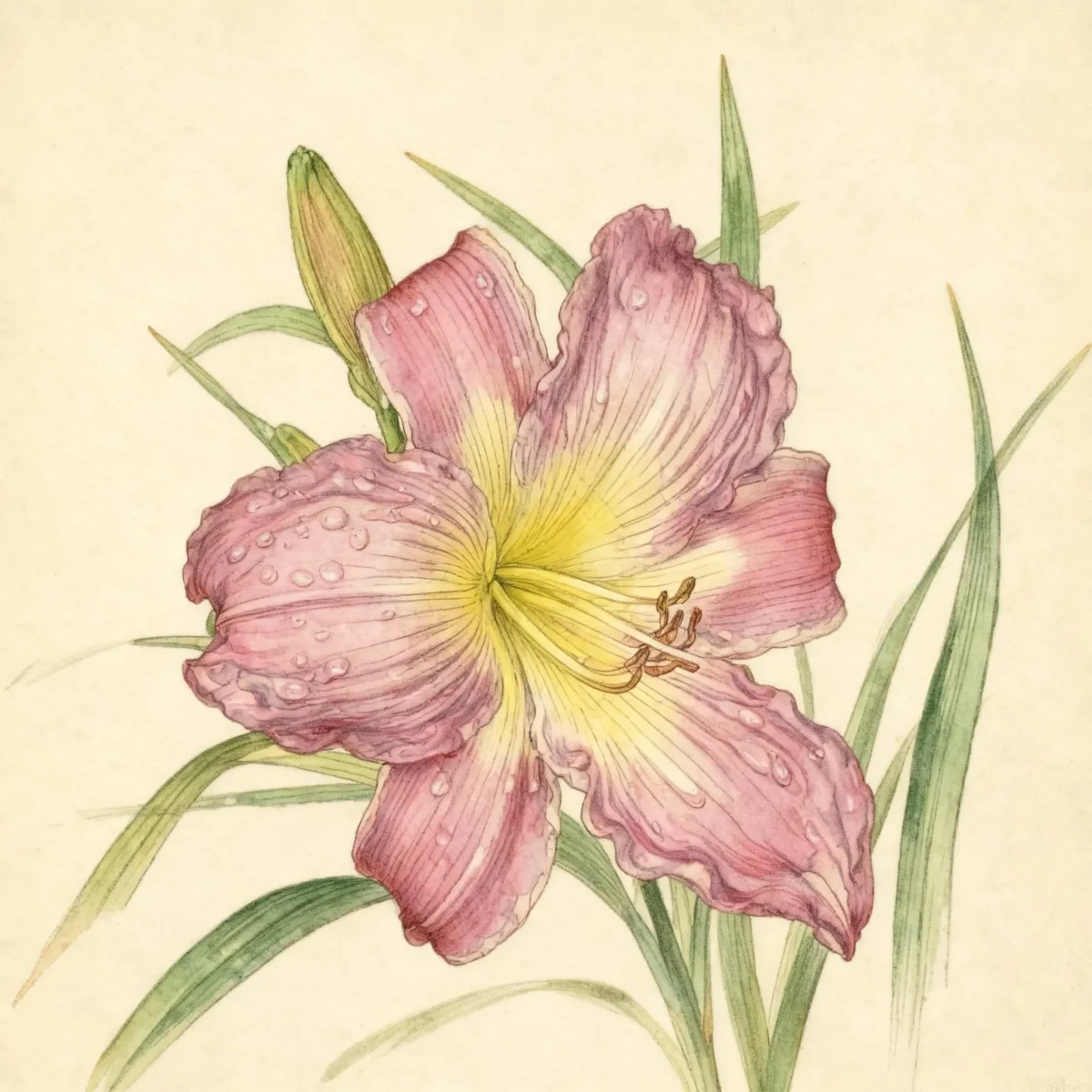
Daylily (Hemerocallis 'Miss Amelia')
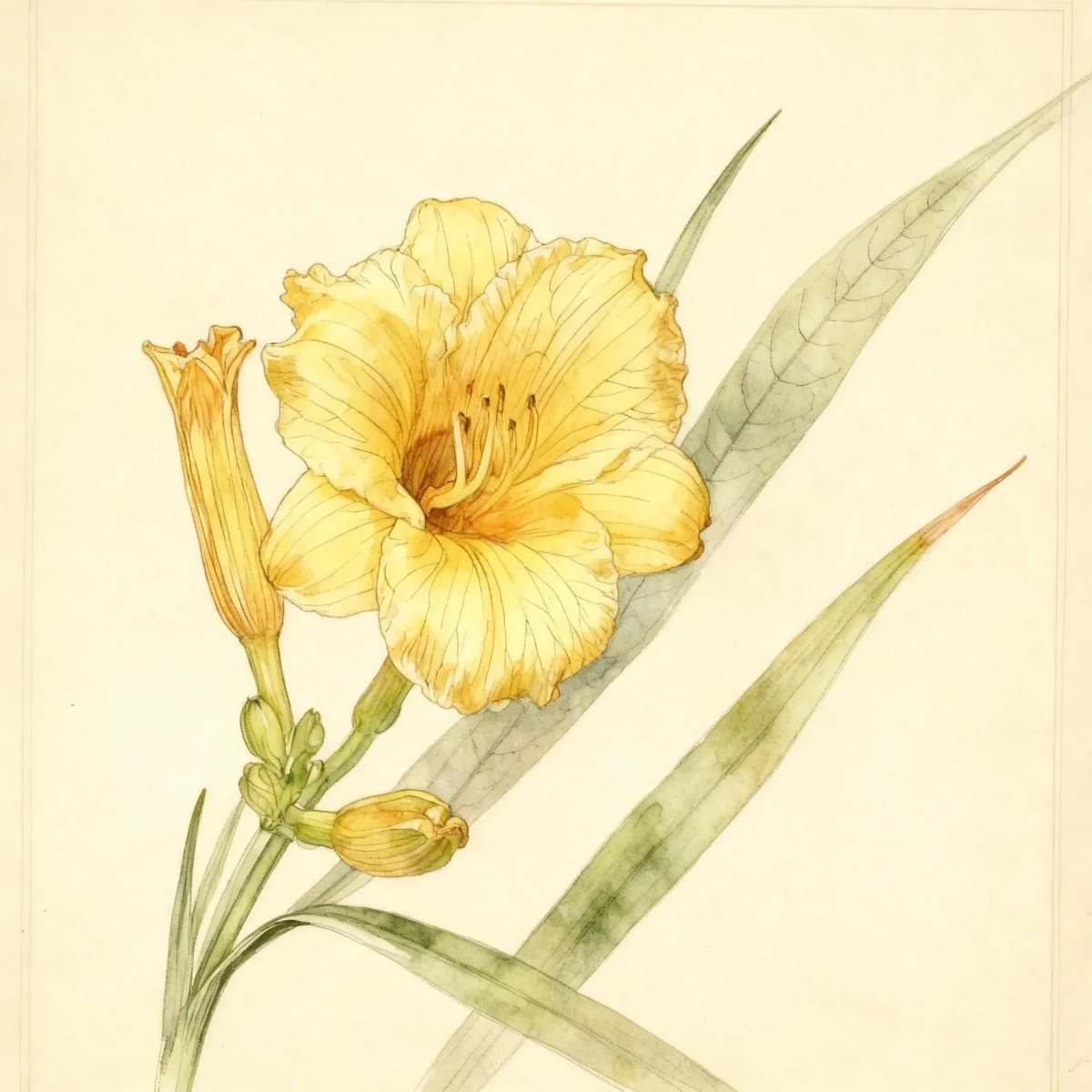
Hemerocallis 'Miss Amelia' Daylily offers showy, fragrant pale yellow blooms from May to July, known for its low maintenance and rabbit resistance.
Scroll down to discover growing tips, care requirements, companion plants, and more
Complete Plant Information
Overview
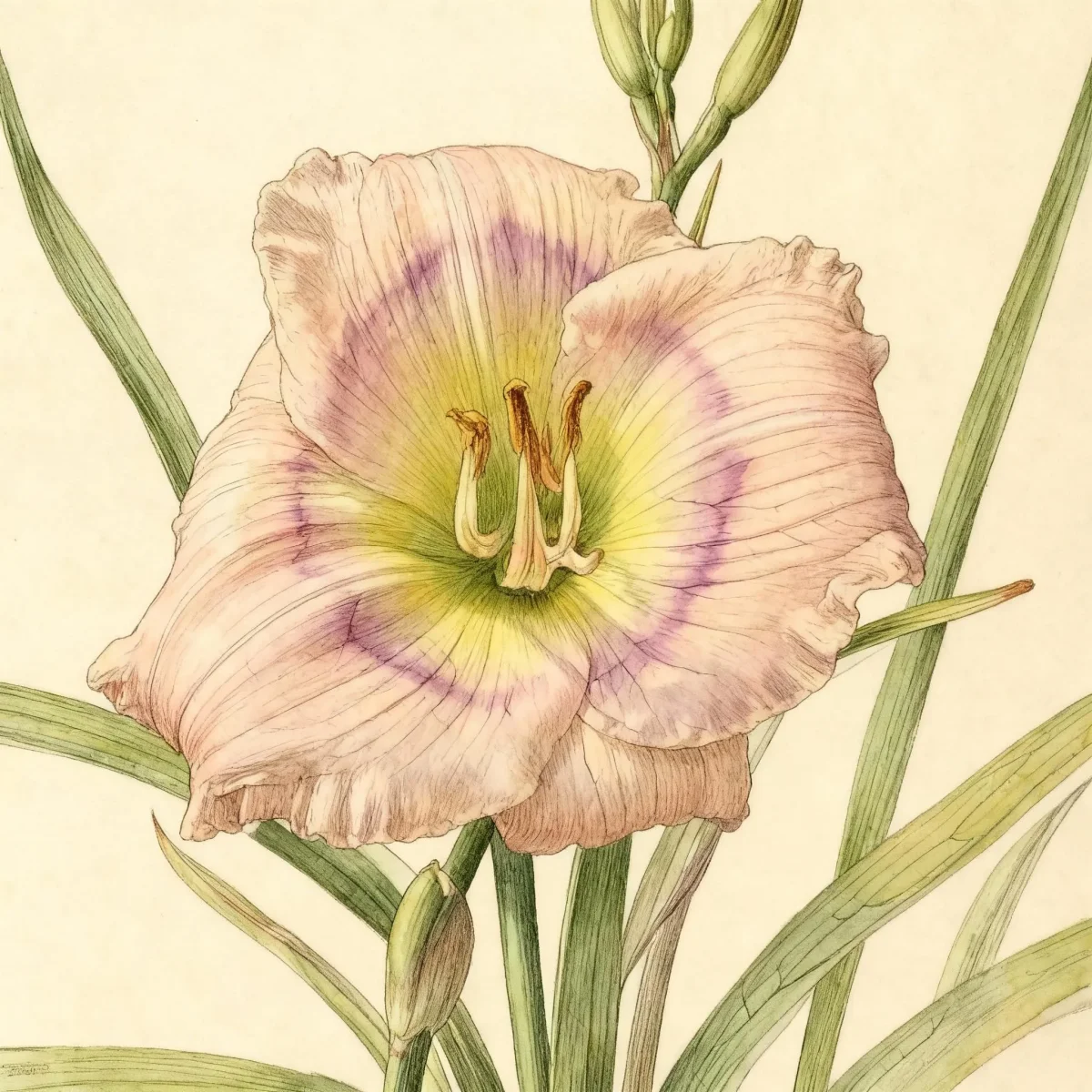
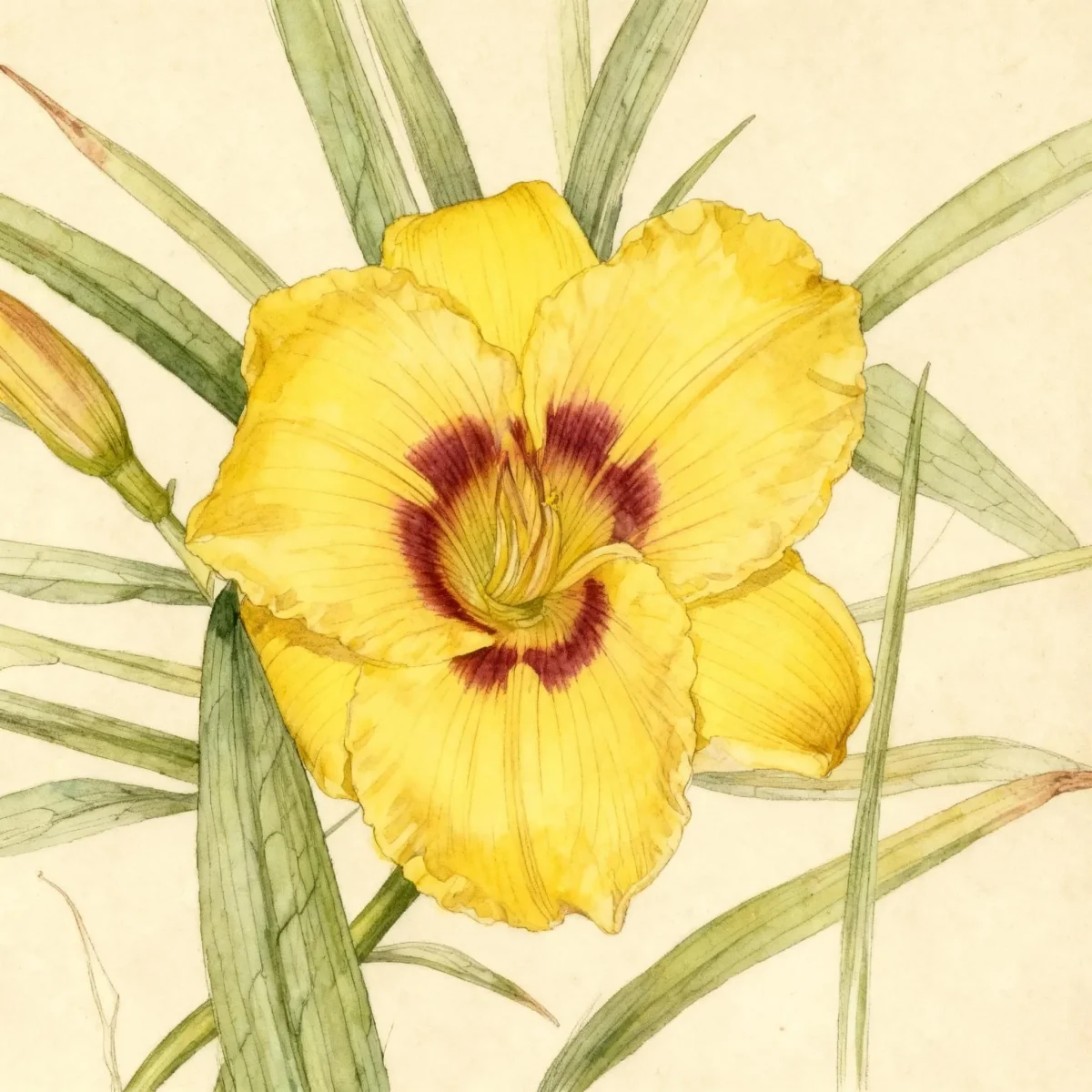
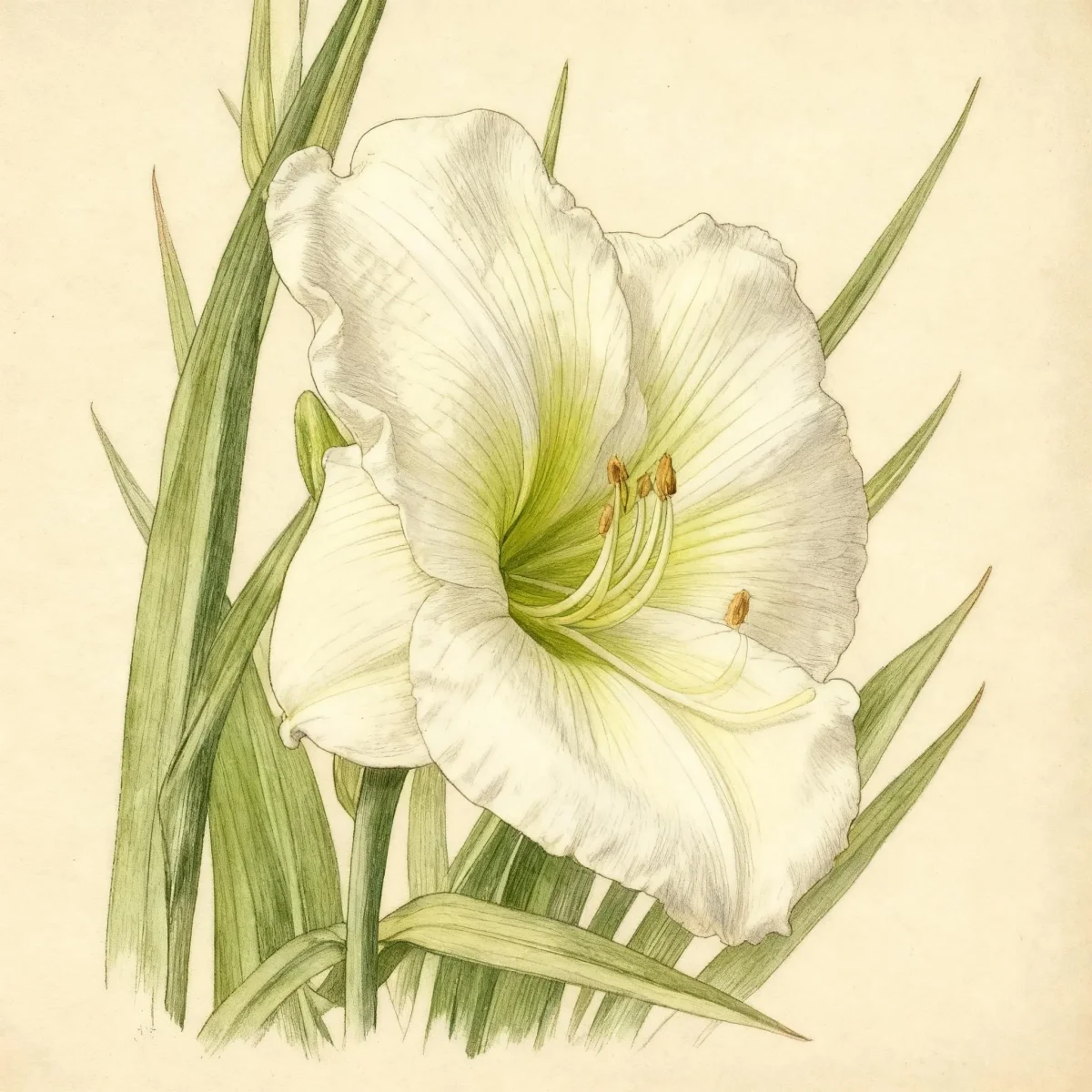
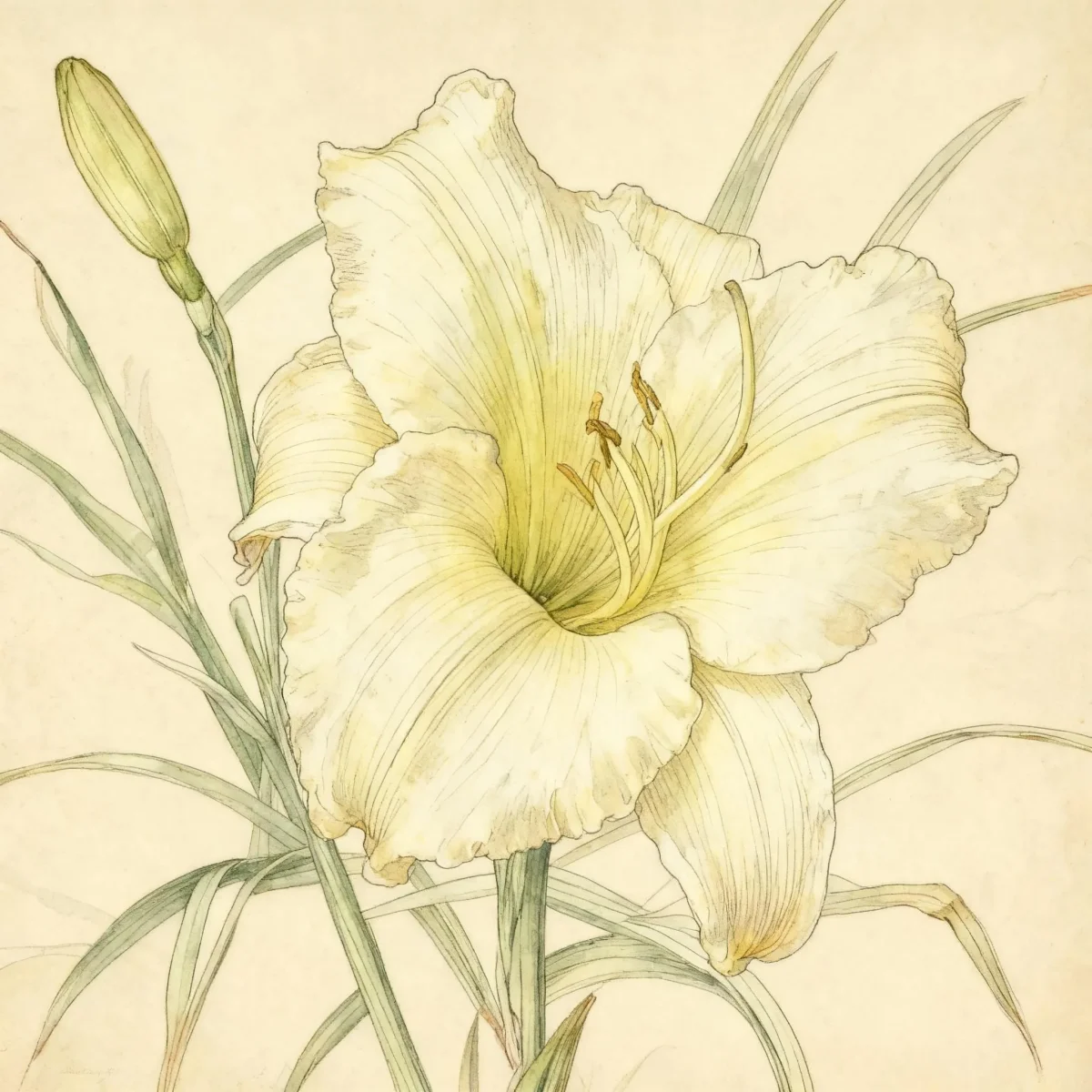
The Daylily (Hemerocallis ‘Miss Amelia’) stands out as an exceptionally resilient and rewarding herbaceous perennial for nearly any garden setting. This cultivar is celebrated for its production of funnel-shaped, pale yellow flowers, often noted for their pleasant fragrance, making them a sensory highlight in the early to mid-season garden. As a hybrid daylily, it benefits from decades of horticultural refinement, offering reliable performance across a broad range of environments.
Growers appreciate the Daylily for its low maintenance requirements and adaptability; Hemerocallis ‘Miss Amelia’ thrives in full sun to partial shade, tolerating varying soil conditions so long as drainage is adequate. Its robust, grass-like foliage forms neat clumps, providing excellent texture even when not in bloom. This cultivar ensures a lasting visual impact, blooming reliably from late spring into midsummer.
Key to its popularity is its toughness; it handles summer heat well and possesses strong pest and environmental tolerances, including deer and rabbit resistance. Incorporating Hemerocallis ‘Miss Amelia’ into your landscape guarantees vibrant color and ease of care, making it a staple for borders, mass plantings, and mixed perennial beds across USDA Zones 3 through 9.
Fast Facts
- Plant Family: Asphodelaceae
- Plant Type: Herbaceous perennial
- Hardiness Zones: USDA Zones 3-9
- Size at Maturity:
- Height: 2-2.5 ft
- Spread: 1.5-2 ft
- Bloom Time: May to July
- Bloom Description: Pale yellow
- Sun Exposure: Full sun to part shade
- Water Needs: Medium
- Maintenance Level: Low
How to Grow
Planting Daylily clumps is best performed in spring or fall, allowing the fibrous roots to establish before extreme heat or cold strikes. Hemerocallis ‘Miss Amelia’ requires average, medium moisture, well-drained soil, though it prefers deep, fertile loams for optimal vigor. Ensure the crown—where the leaves meet the roots—is planted no more than one inch below the soil surface; planting too deep is a common pitfall leading to fewer blooms.
Ongoing care for this Daylily is minimal. Deadhead faded flowers daily for a tidy appearance, and remove the entire spent flower stalk (scape) once blooming finishes. Although tolerant of heat and humidity, providing a deep watering during extended dry spells will keep the foliage looking fresh and verdant. Hybrid daylilies like this one do not come true from seed, so asexual propagation via division is necessary to maintain cultivar integrity.
For best performance, divide overcrowded clumps of Hemerocallis every three to four years, ideally in spring in colder regions like the St. Louis area, or fall elsewhere. Winter dormant types, which this cultivar likely is, require a mandatory cold period for optimal bloom count; avoid planting exclusively dormant types in the warmest edges of Zone 9, where they may fail to enter a necessary dormancy cycle.
Landscape Uses
The reliable size and texture of the Daylily make Hemerocallis ‘Miss Amelia’ an incredibly versatile landscape component. Its arching, linear foliage provides excellent vertical accent and border definition. Due to its low maintenance and clump-forming habit, it excels when planted in broad sweeps for mass planting, creating seas of reliable color and texture across large areas of difficult terrain.
These perennials are perfect for softening the edges of walkways or driveways where their clumping structure prevents spreading too aggressively. While dwarf cultivars are ideal for rock gardens, the standard size of Hemerocallis ‘Miss Amelia’ works beautifully in the middle or back tier of perennial borders, providing contrast against fine-textured ornamental grasses or broad-leaved hostas.
Their drought tolerance once established means they integrate well into mixed borders that might include Mediterranean herbs or other sun-loving perennials that prefer slightly drier conditions than typical woodland plants. The general easy-going nature of the Daylily means companion planting can focus more on aesthetic contrast than complex cultural matching.
Standout Features
Flower Qualities
- Showy
- Fragrant
Noteworthy Characteristics
Hemerocallis is a genus famous for producing flowers that last only a single day, hence the common name Daylily, although subsequent flowering scapes ensure the plant remains vibrant over a long period. Hybridizers have created over 60,000 cultivars featuring diverse shapes and colors; specifically, Hemerocallis ‘Miss Amelia’ is a diploid variety showcasing 3.5-inch pale yellow flowers rising on naked stems typically reaching 30 inches tall. The foliage of this Daylily is composed of arching, linear, blade-like leaves, and this specific cultivar offers good repeat blooming capabilities.
Tolerances
- Rabbit
- Erosion
- Air Pollution
Potential Problems
Daylilies are renowned for being extremely adaptable and generally pest-free, making them very garden-friendly. When issues do arise, they are usually minor; watch out occasionally for mites, aphids, or thrips, none of which typically cause permanent damage unless populations become severe. A more specific concern in humid regions can be Daylily rust, a fungal disease that causes rust-colored spots on the foliage.
To manage rust, ensure good air circulation by properly spacing plants and avoid overhead watering late in the day, which keeps leaves overly saturated. If rust appears, promptly remove affected foliage and apply a registered fungicide. On the positive side, most browsing wildlife, including common garden rabbits, tend to avoid consuming the foliage of the Daylily.
Frequently Asked Questions
What hardiness zones is Daylily suitable for?
The Daylily (Hemerocallis ‘Miss Amelia’) is well-suited for a wide range of climates, hardy in USDA Zones 3 through 9.
How large does Daylily grow?
This Daylily cultivar typically reaches a mature height between 2 and 2.5 feet tall with a spread of 1.5 to 2 feet wide.
What sun exposure does Daylily need?
Hemerocallis ‘Miss Amelia’ performs best when situated in full sun to part shade locations.
When does Daylily bloom?
This specific cultivar blooms starting in May and continues through July, featuring pale yellow flowers.
Conclusion
The Daylily (Hemerocallis ‘Miss Amelia’) offers an unmatched combination of low maintenance, excellent hardiness, and appealing pale yellow, fragrant blooms, solidifying its status as an essential perennial. Its ability to resist typical pests and tolerate varied environmental conditions makes it a reliable choice for gardeners seeking enduring summer color. Before planting, verify that your location falls within USDA Zones 3-9 and plan for spring division every few years to maintain robust performance of your Hemerocallis ‘Miss Amelia’ patch.
Companion Planting
Companion planting for Hemerocallis ‘Miss Amelia’ should focus on species that appreciate similar sun exposure (full sun to light shade) and require medium water. Plants that provide different foliage textures work well against the Daylily’s linear blades. Try pairing with the broad, architectural leaves of Hostas in partially shaded areas or the fine, silvery foliage of Artemisia in sunny borders.
For color contrast when the Daylily is in its pale yellow phase (May to July), consider plants that bloom later in darker, richer tones. Black-eyed Susans (Rudbeckia) or Salvias offer deep purples and yellows that pop against the light color palette of the Daylily. Since Daylilies prefer division every few years, ensure companions are also relatively easy to manage or divide alongside them.
Design Ideas
Mass planting is perhaps the most dramatic application for this Daylily. Planting dozens of Hemerocallis ‘Miss Amelia’ closely together along a long, curving border creates a sweeping visual effect that maximizes the impact of the consistent pale yellow blooms without the distraction of mixing too many different cultivars. This uniformity simplifies care and ensures a cohesive look throughout the growing season.
Use the Daylily as an informal foundation planting beneath deciduous shrubs or small trees where it receives afternoon shade. In these spots, the Daylily foliage remains lush, and the blooms are protected from the hottest afternoon sun which can sometimes fade flower colors prematurely. Its 2-foot height makes it perfect for planting directly in front of taller shrubs where it won’t be completely obscured.
For modern landscapes, group the Daylily with contrasting architectural elements, such as retaining walls made of slate or alongside smooth, light-colored gravel mulch. This stark material contrast allows the texture and arching form of the Daylily foliage to become a focal point, even when the pale yellow flowers are not present.