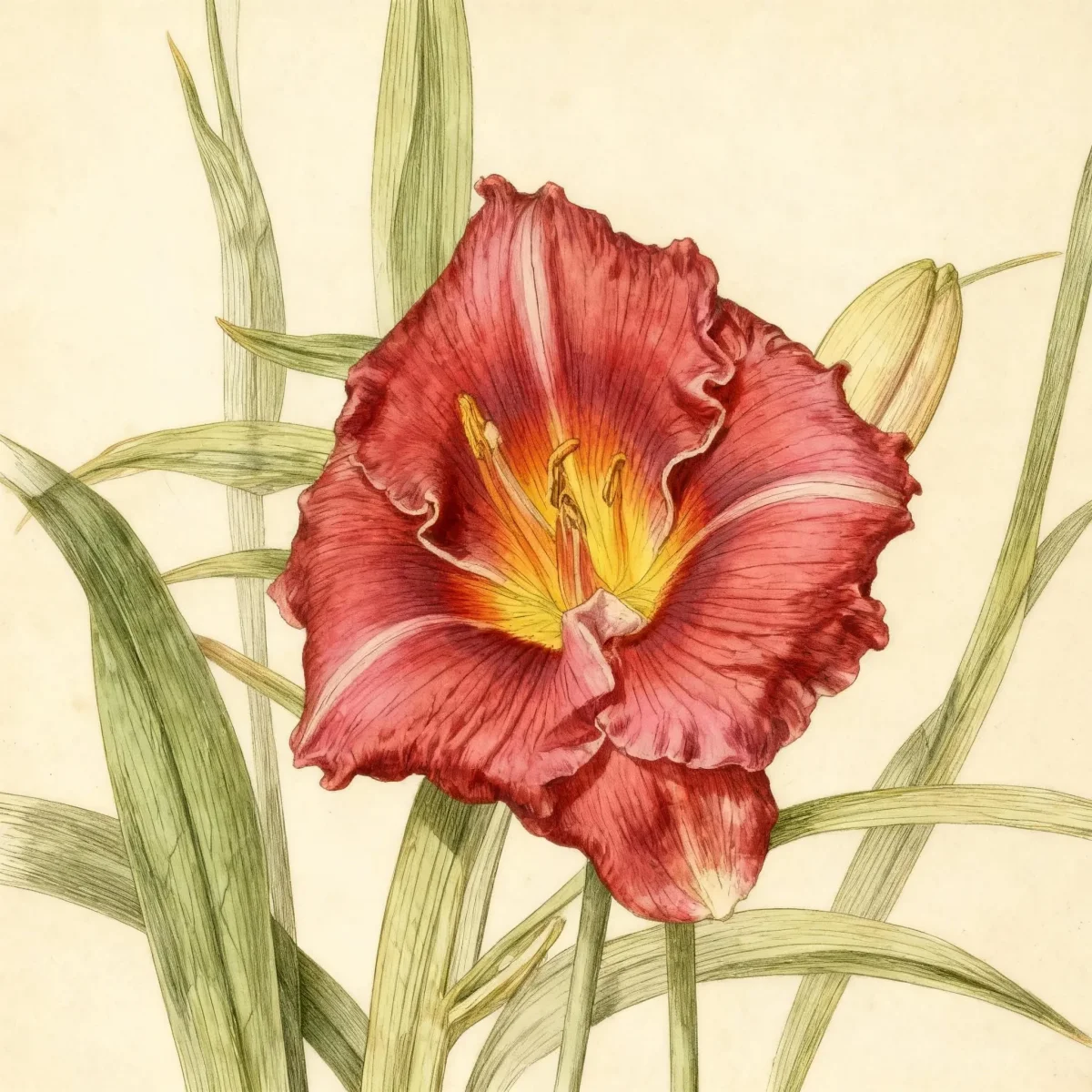
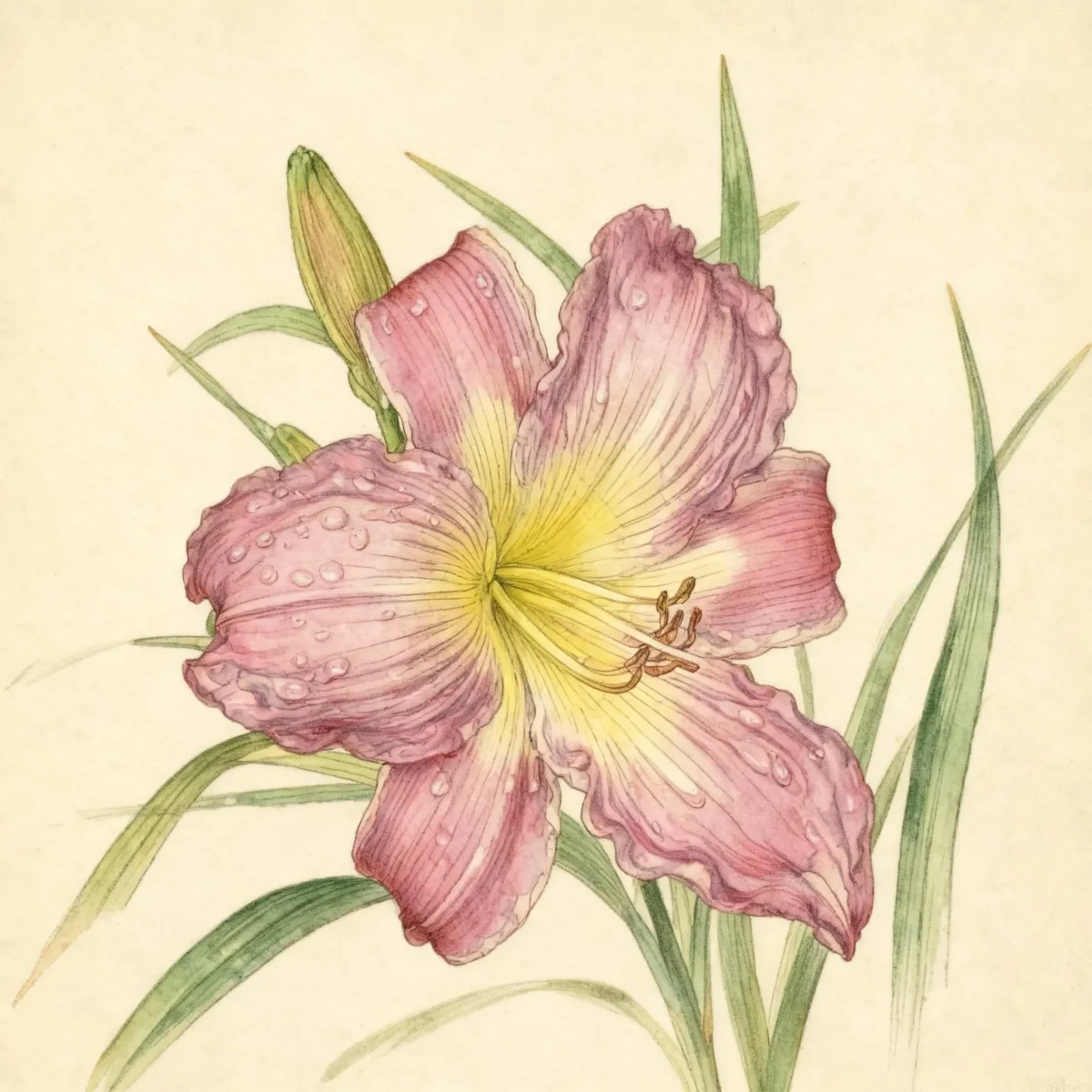
Daylily (Hemerocallis 'Miss Mary Mary')
Hemerocallis 'Miss Mary Mary' is a low-maintenance Daylily with showy yellow-gold blooms from May to July. Hardy Zones 4-9.
Scroll down to discover growing tips, care requirements, companion plants, and more
Complete Plant Information
Overview
Hemerocallis ‘Miss Mary Mary’ delivers dependable seasonal color, making it a staple for gardeners seeking beauty with minimal fuss. This Daylily cultivar produces cheerful yellow-gold flowers, providing vibrant interest throughout the early to late season, often with a noted rebloom period. As an extremely adaptable herbaceous perennial, it thrives across a wide range of conditions, requiring only average moisture and well-drained soil to establish its vigorous, grass-like foliage clump.
Gardeners value the Daylily genus for its resilience and the sheer volume of its blooms—though each individual flower lasts only a day, successive flowering keeps the show going long into summer. Hemerocallis ‘Miss Mary Mary’ offers a tidy, smaller growth habit, forming attractive mounds ideal for bordering pathways or mass planting. Its low maintenance requirement ensures that ornamental interest is achieved without demanding constant intervention.
This cultivar showcases the success of modern hybridization efforts, offering gardeners a reliable performer that endures common landscape stresses. Whether used for mass color impact or small, neat borders, the robust nature of the Daylily, particularly sturdy varieties like Hemerocallis ‘Miss Mary Mary’, ensures visual appeal in temperate landscapes.
Fast Facts
- Plant Family: Asphodelaceae
- Plant Type: Herbaceous perennial
- Hardiness Zones: USDA Zones 4-9
- Size at Maturity:
- Height: 1-1.5 ft
- Spread: 1-2 ft
- Bloom Time: May to July
- Bloom Description: Yellow-gold
- Sun Exposure: Full sun to part shade
- Water Needs: Medium
- Maintenance Level: Low
How to Grow
Planting Hemerocallis ‘Miss Mary Mary’ is best achieved in spring or early fall, ensuring the fibrous roots establish before extreme temperatures hit. Select a site receiving full sun to partial shade; while Daylilies tolerate varied soils, they perform best in deep, fertile loams that retain medium moisture. Ensure the soil is well-drained, as wet feet can quickly degrade the root system, even in this adaptable species.
Routine care for this Daylily is simple. Deadhead spent flowers daily to maintain neatness and remove the entire scapes once flowering concludes. While tolerant of heat and humidity, providing deep watering during extended dry spells keeps the foliage looking its best. Fertilizing is generally not critical, but a balanced application in early spring can support vigorous growth for the Hemerocallis ‘Miss Mary Mary’.
For long-term health and performance, plan to divide large clumps every three to four years, ideally in the spring in colder zones like the St. Louis area, or fall elsewhere. Remember that hybrid daylilies will not breed true from seed, so division is necessary for maintaining the specific characteristics of this cultivar. Winter dormant varieties need the natural cold period for optimal flowering.
Landscape Uses
The compact stature of Hemerocallis ‘Miss Mary Mary’ makes it exceptionally versatile in garden design. This Daylily is categorized as an excellent choice for creating crisp, defined borders along walkways or garden beds where defined height is desirable. Because they establish quickly and tolerate massing well, they are superb for suppressing weeds when planted densely over large areas.
Consider using these perennials to introduce a splash of yellow-gold texture beneath taller shrubs or around the base of trees where light might fluctuate between full sun and partial shade. Their low maintenance profile means they function perfectly in high-visibility areas where upkeep needs to be minimal, providing reliable color through the early summer months. Dwarf cultivars are also noted as excellent additions to rock gardens, offering bright accents among stones.
Standout Features
Flower Qualities
- Showy
Noteworthy Characteristics
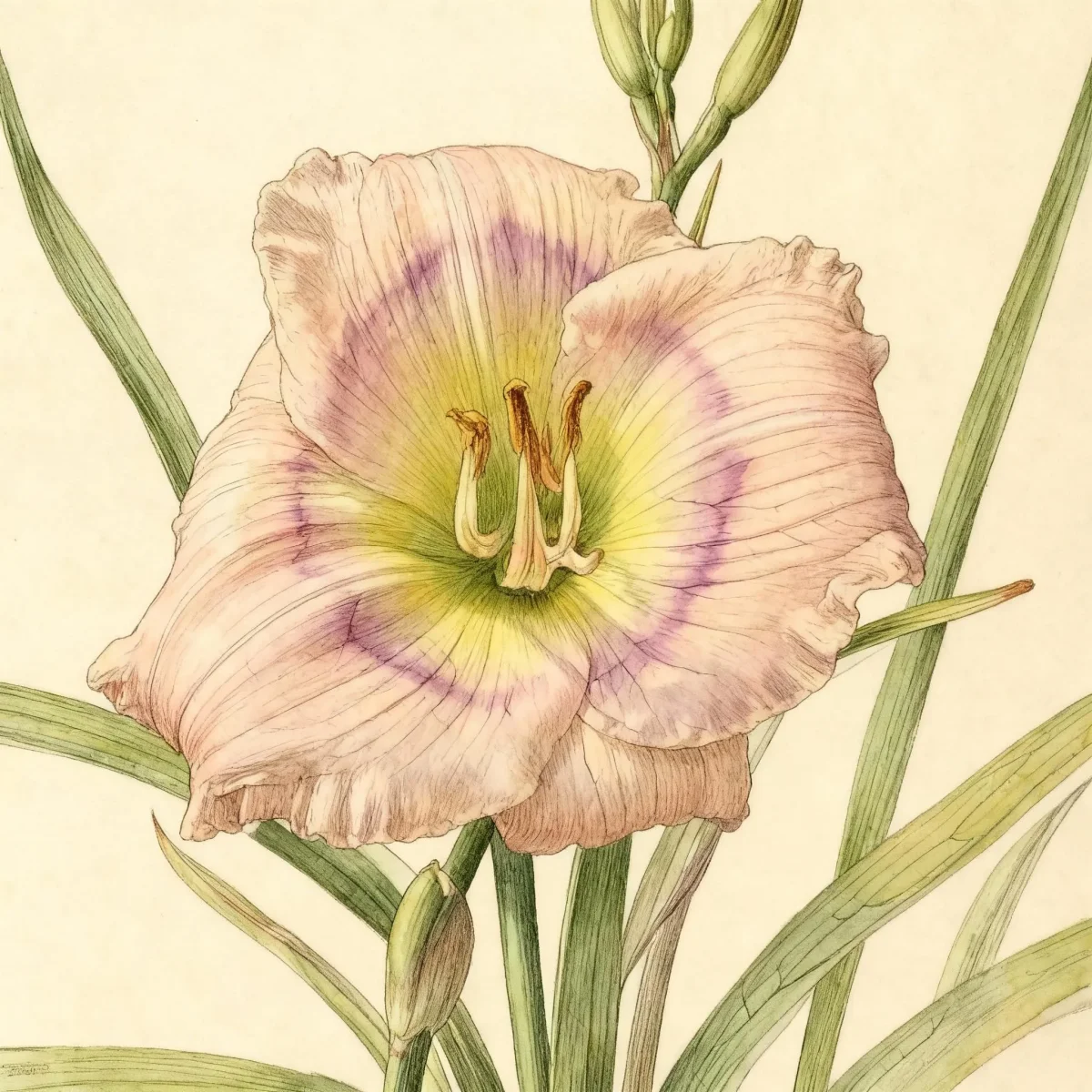
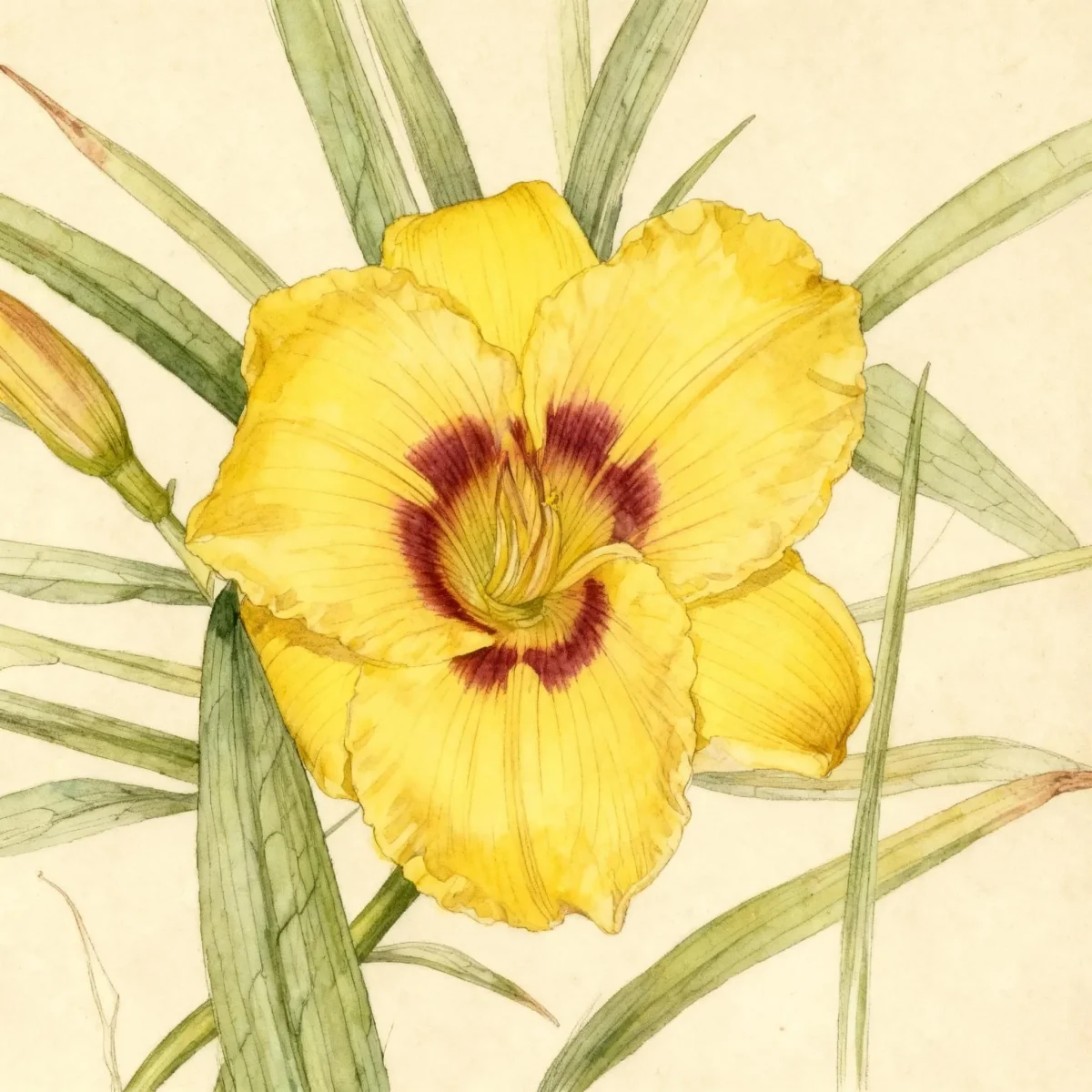
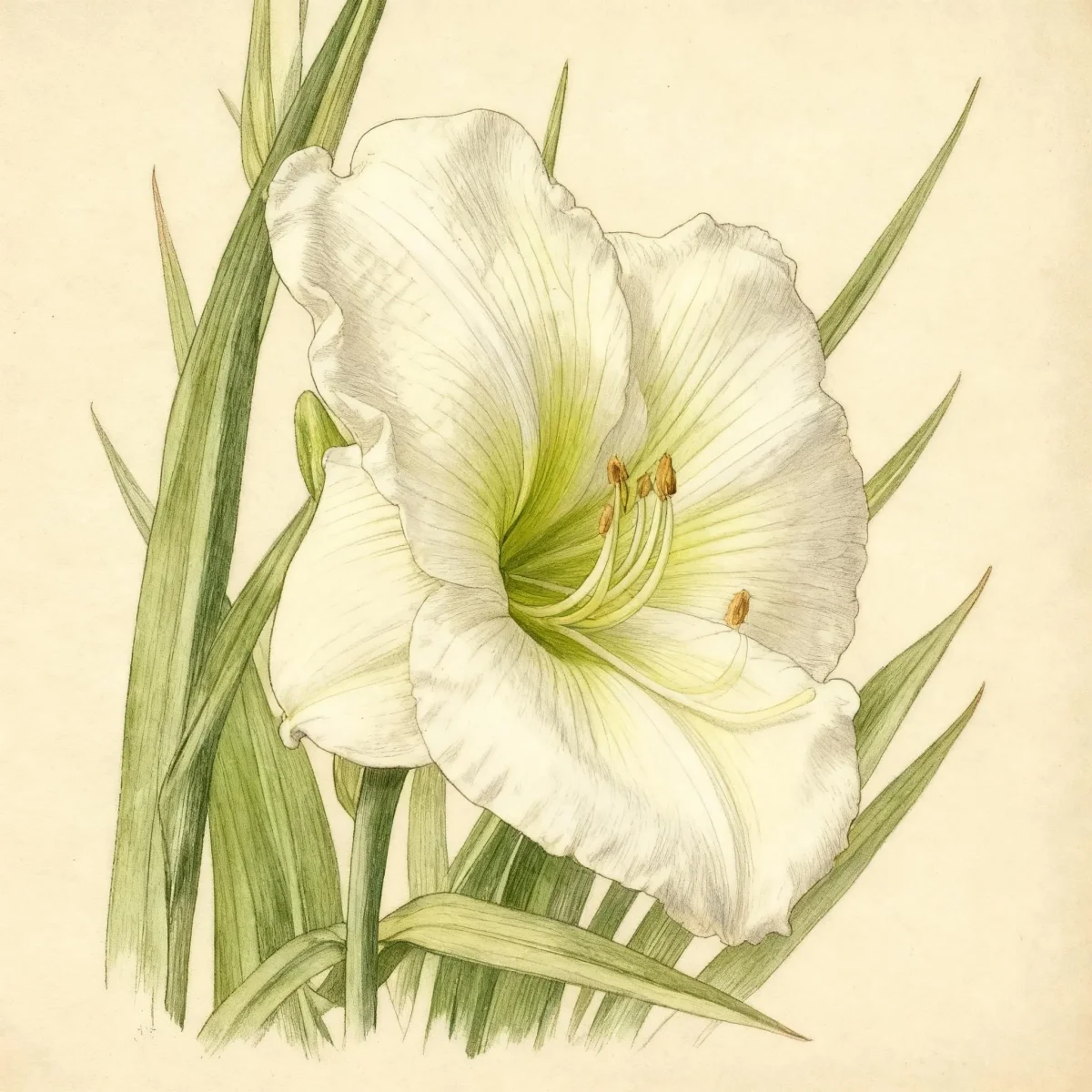
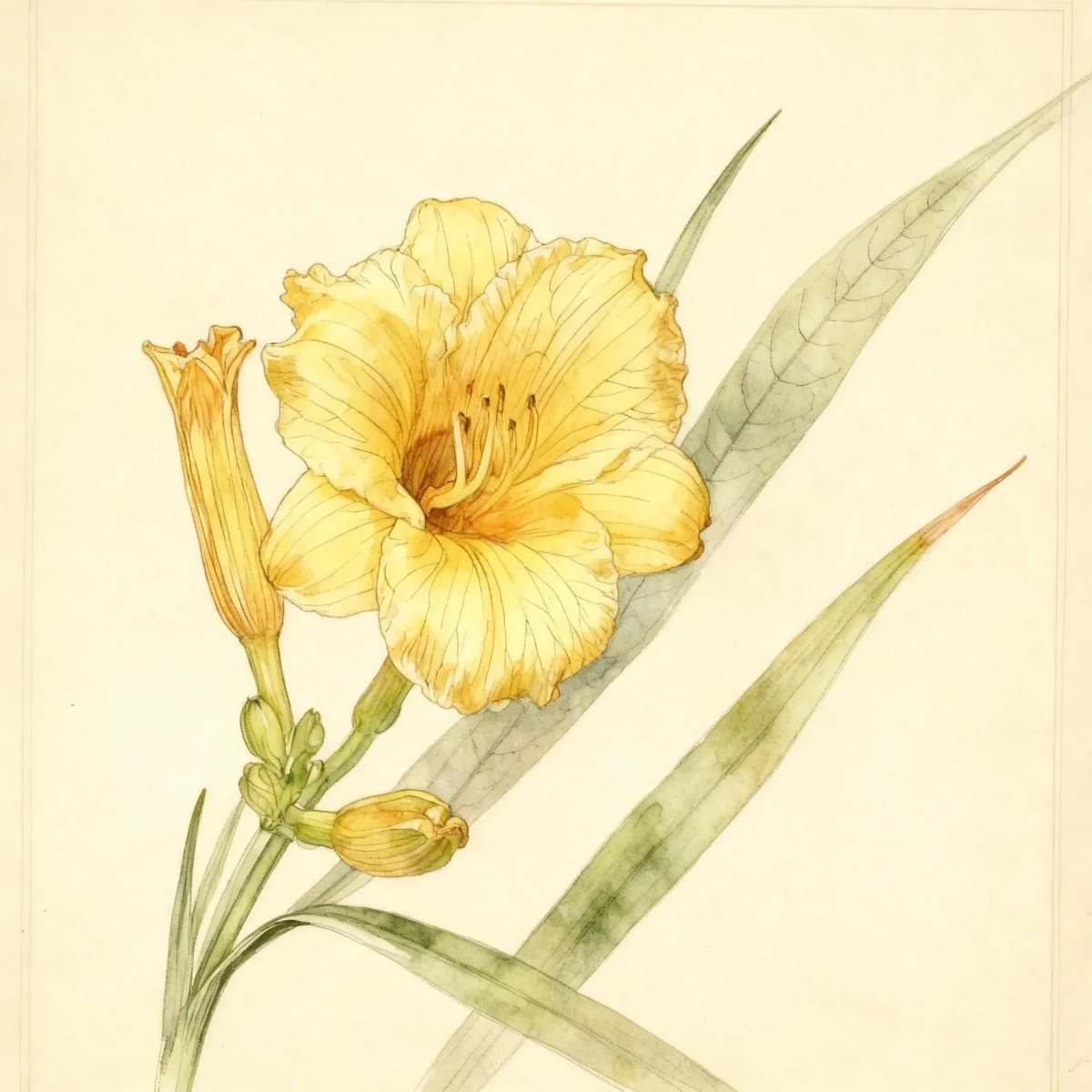
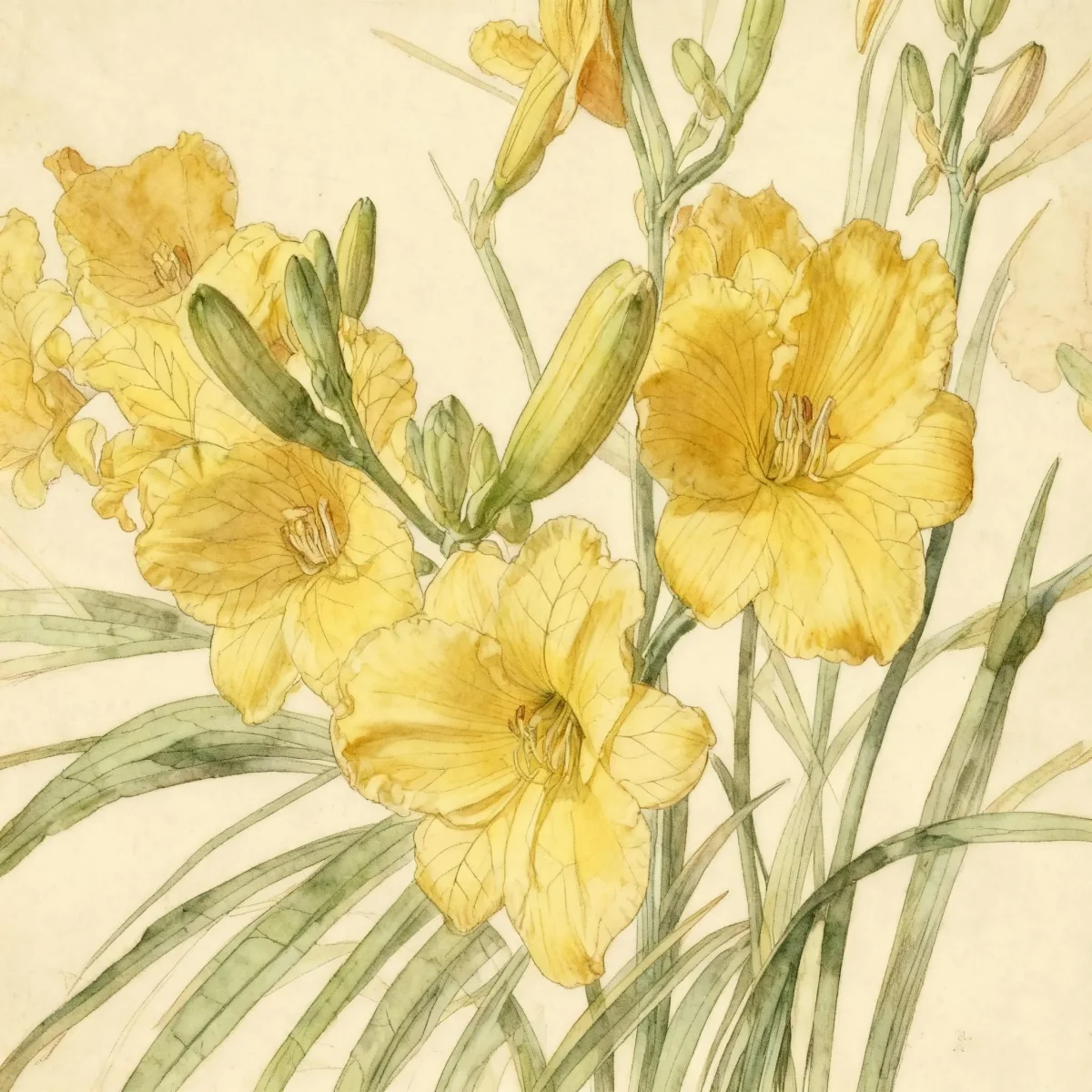
Hemerocallis is a genus of about 15 species of herbaceous perennials commonly known as daylilies. Hybridizers have expended considerable effort over the years creating new daylilies featuring flowers with new colors, color combinations, shapes and patterns. Hemerocallis ‘Miss Mary Mary’ features single, 2 7/8” diameter, yellow-gold flowers borne on scapes that rise above the foliage clump to about 16” tall. Each individual flower opens for only one day, but the plant provides bloom from early season with a noted rebloom in mid to late season.
Tolerances
- Rabbit
- Erosion
- Air Pollution
Potential Problems
Daylilies are famously robust, making them relatively pest-free, but vigilance against occasional pests is prudent. Mites, aphids, and thrips can sometimes appear, usually during hot, dry periods. Address minor infestations quickly with insecticidal soap. A more specific concern in certain regions can be Daylily rust, a fungal disease requiring appropriate fungicide application if it becomes widespread. Rabbits, fortunately, tend to avoid consuming the foliage of the Daylily.
Frequently Asked Questions
What hardiness zones is Daylily suitable for?
Hemerocallis ‘Miss Mary Mary’ is resilient and suited for USDA Hardiness Zones 4 through 9.
How large does Daylily grow?
This cultivar typically reaches a height between 1 and 1.5 feet and spreads between 1 and 2 feet wide, with the flower scapes rising slightly higher.
What sun exposure does Daylily need?
This Daylily performs best when exposed to full sun, though it tolerates sites receiving part shade.
When does Daylily bloom?
The primary bloom period for Hemerocallis ‘Miss Mary Mary’ runs from May through July, often providing subsequent blooms later in the season.
Conclusion
Hemerocallis ‘Miss Mary Mary’ remains a gardener’s favorite due to its showy, long-lasting display of yellow-gold flowers and its remarkably low maintenance requirements. This dependable Daylily cultivar integrates seamlessly into numerous landscape designs, offering substantial color impact for minimal effort. Before planting, confirm that your growing zone falls between 4 and 9 to ensure the best flowering performance.
Companion Planting
Daylilies are highly adaptable and integrate well with many other common garden perennials, provided companion plants share similar needs for medium moisture and sun exposure. Consider pairing Hemerocallis ‘Miss Mary Mary’ with plants that offer contrasting foliage textures, such as ornamental grasses or hostas, which enjoy similar light conditions. For reliable summer color alongside the yellow-gold blooms, try pairing them with Coneflowers (Echinacea) or hardy Salvias, as these robust choices complement the Daylily’s cultural needs.
Design Ideas
The medium height and clumping habit of this Daylily make it invaluable for creating horizontal bands of color in the garden. Mass planting a large drift of Hemerocallis ‘Miss Mary Mary’ results in a stunning, uniform sweep of yellow that brightens borders and provides excellent mid-ground structure. In cottage gardens, allow them to blend slightly with taller background elements like phlox or rudbeckia, capitalizing on their ability to handle the heat of midsummer. For formal edging, use them strictly along pathways, ensuring you deadhead daily to keep the line clean.