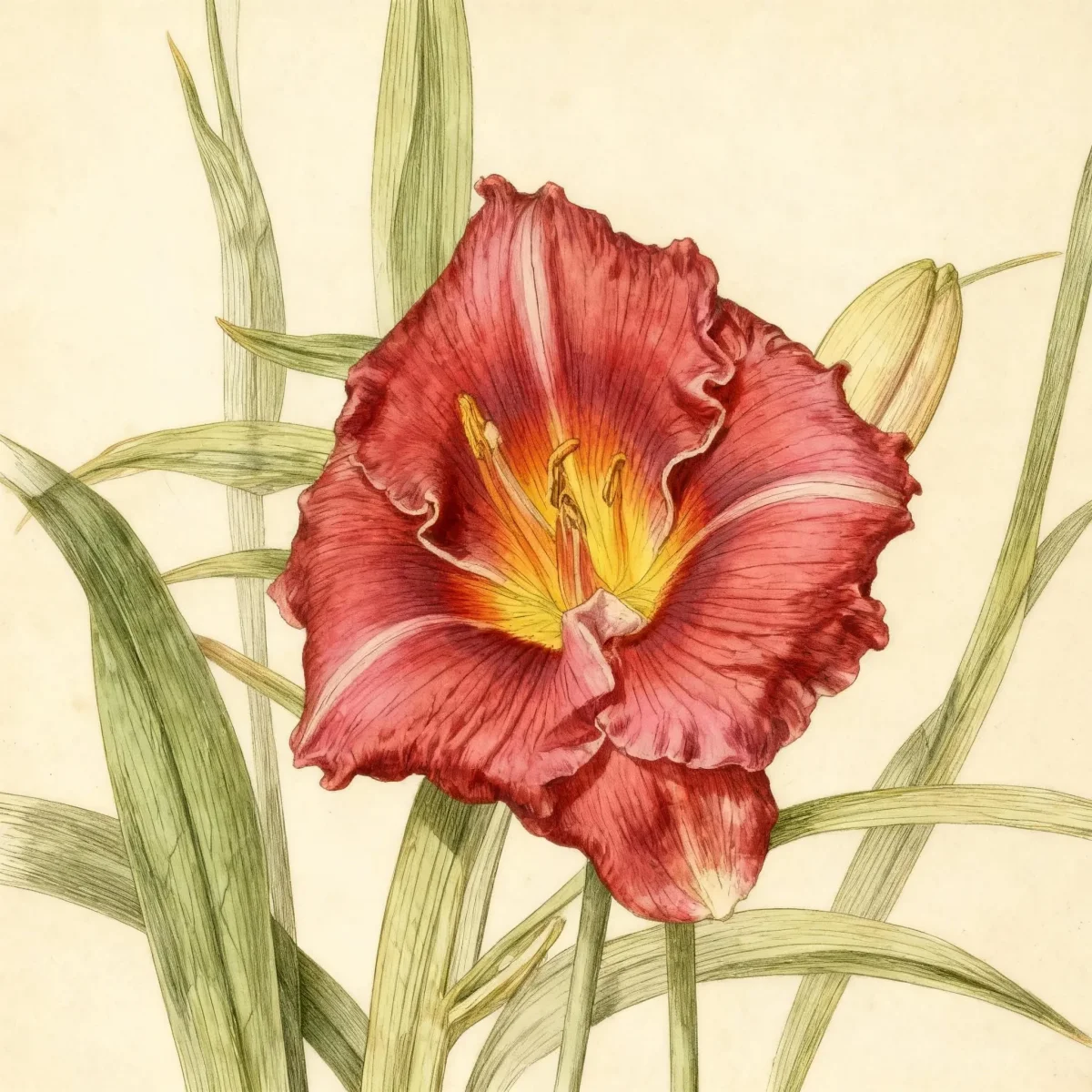
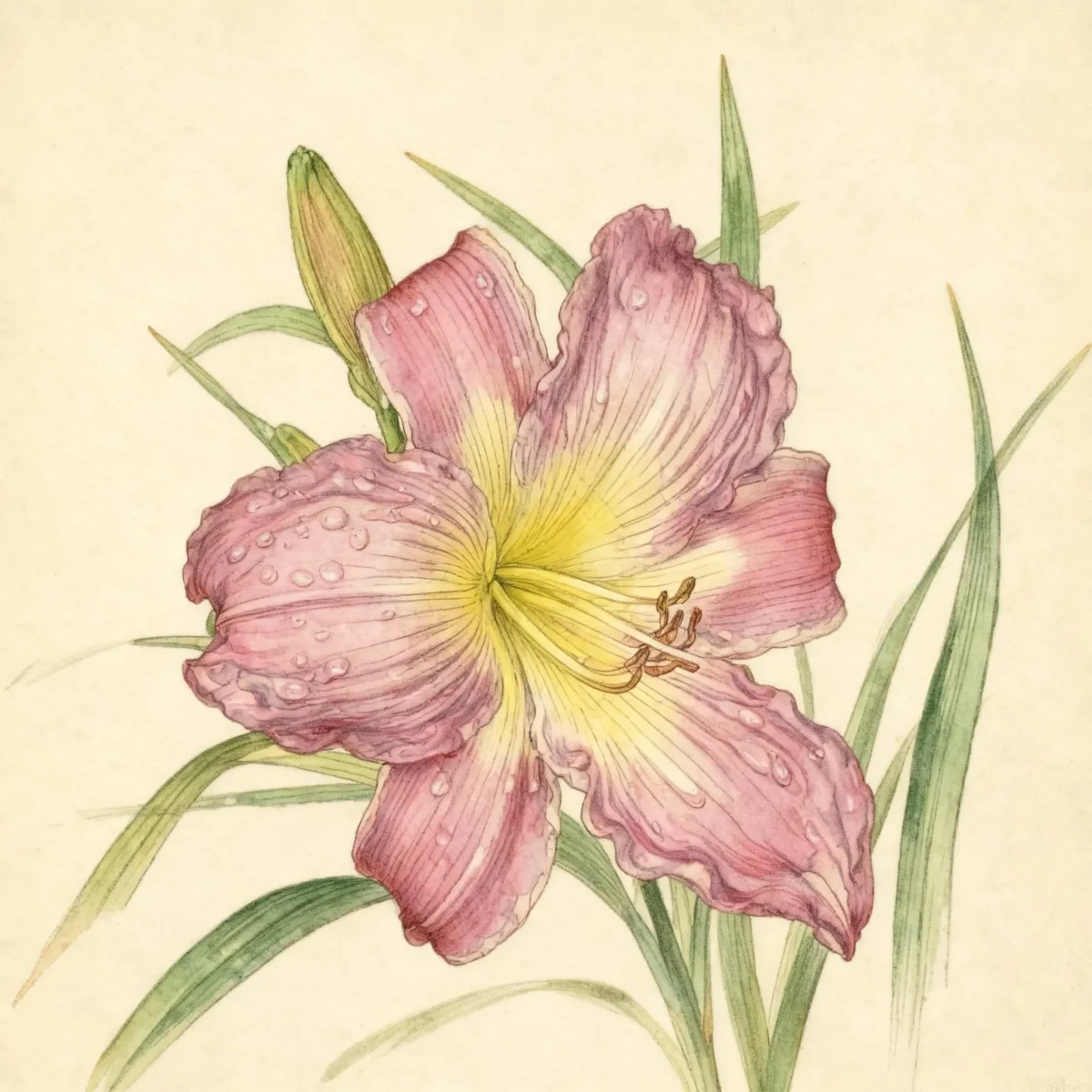
Daylily (Hemerocallis 'Miss Victoria')
Hemerocallis 'Miss Victoria' Daylily features fragrant, showy yellow blooms perfect for borders. Low maintenance perennial in Zones 4-9.
Scroll down to discover growing tips, care requirements, companion plants, and more
Complete Plant Information
Overview
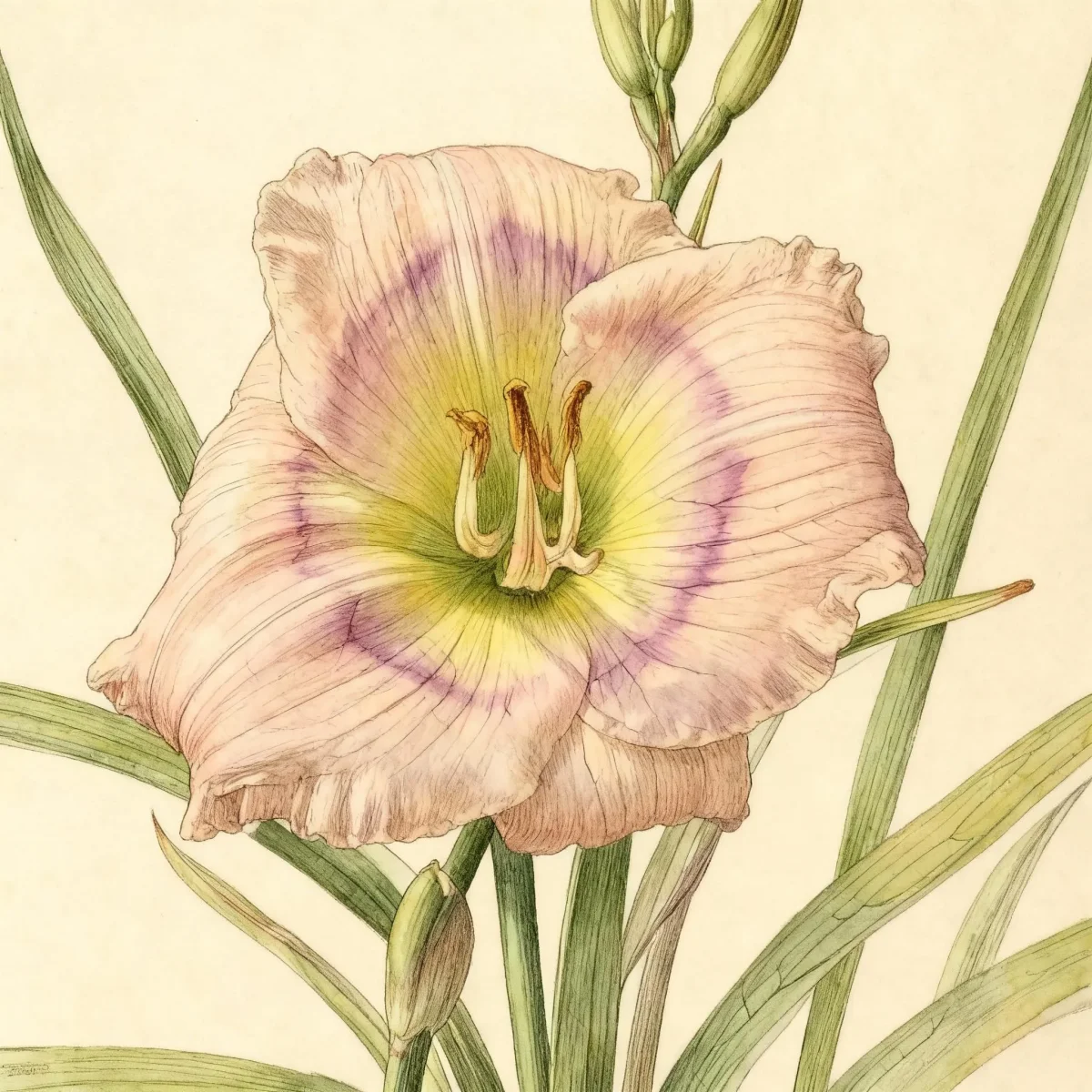
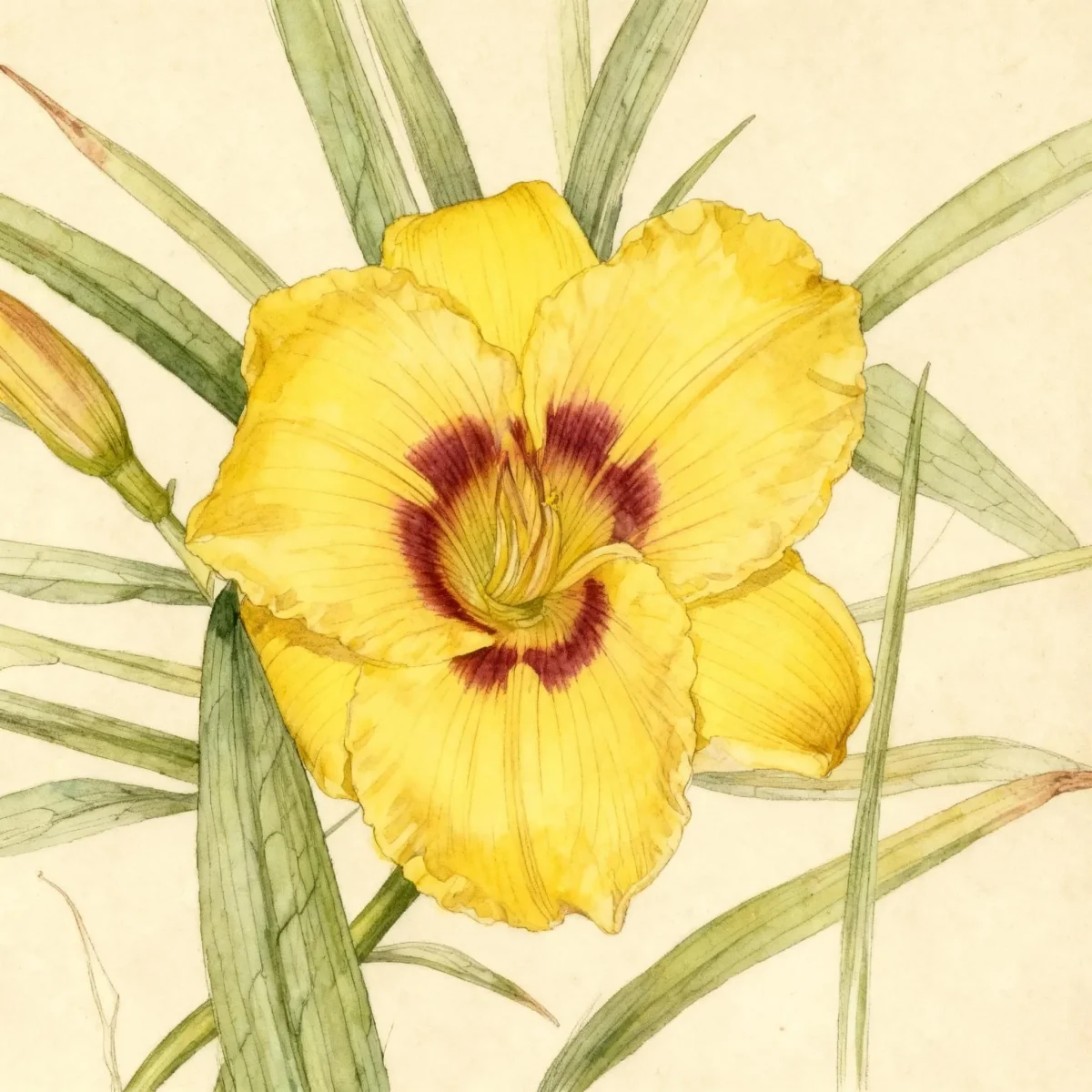
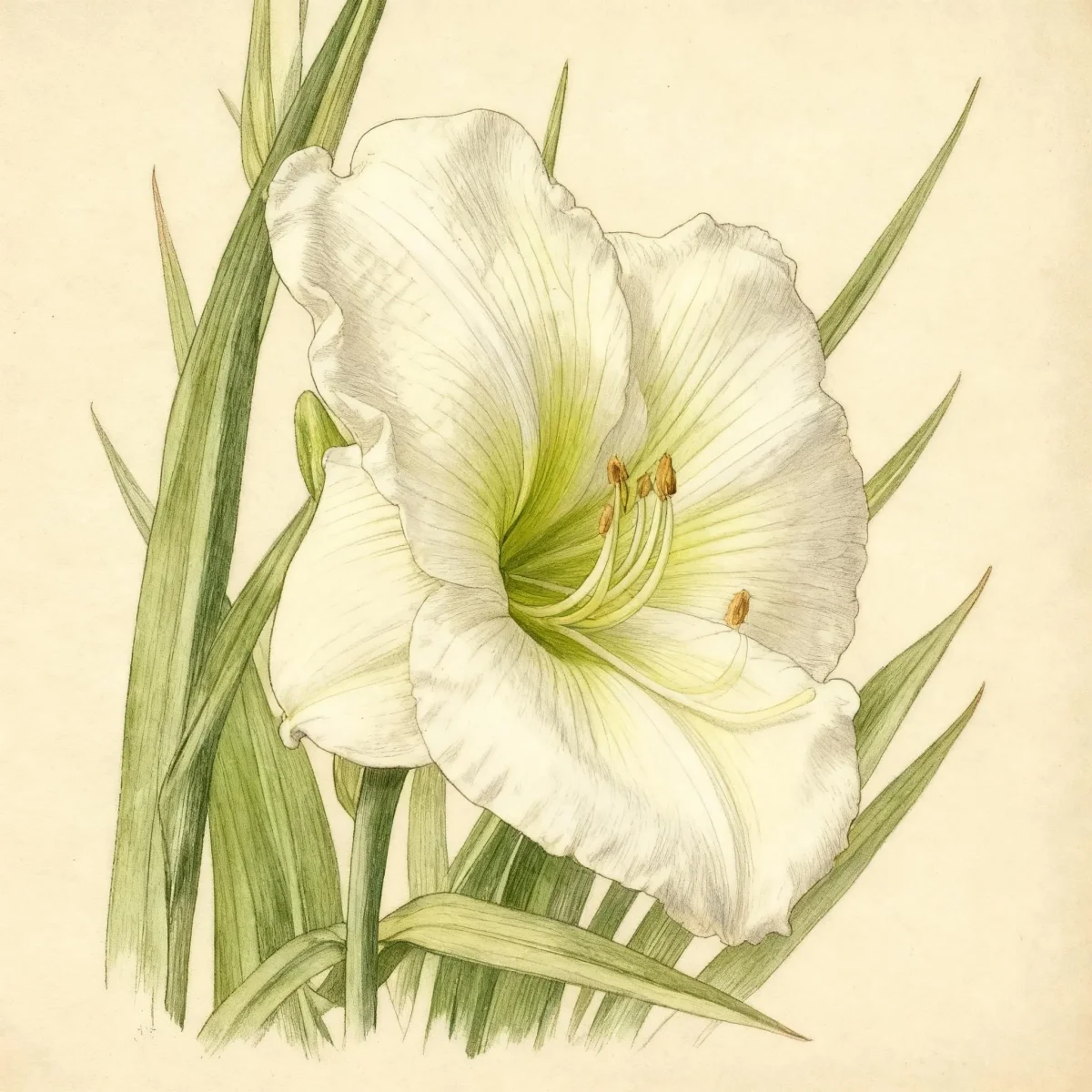
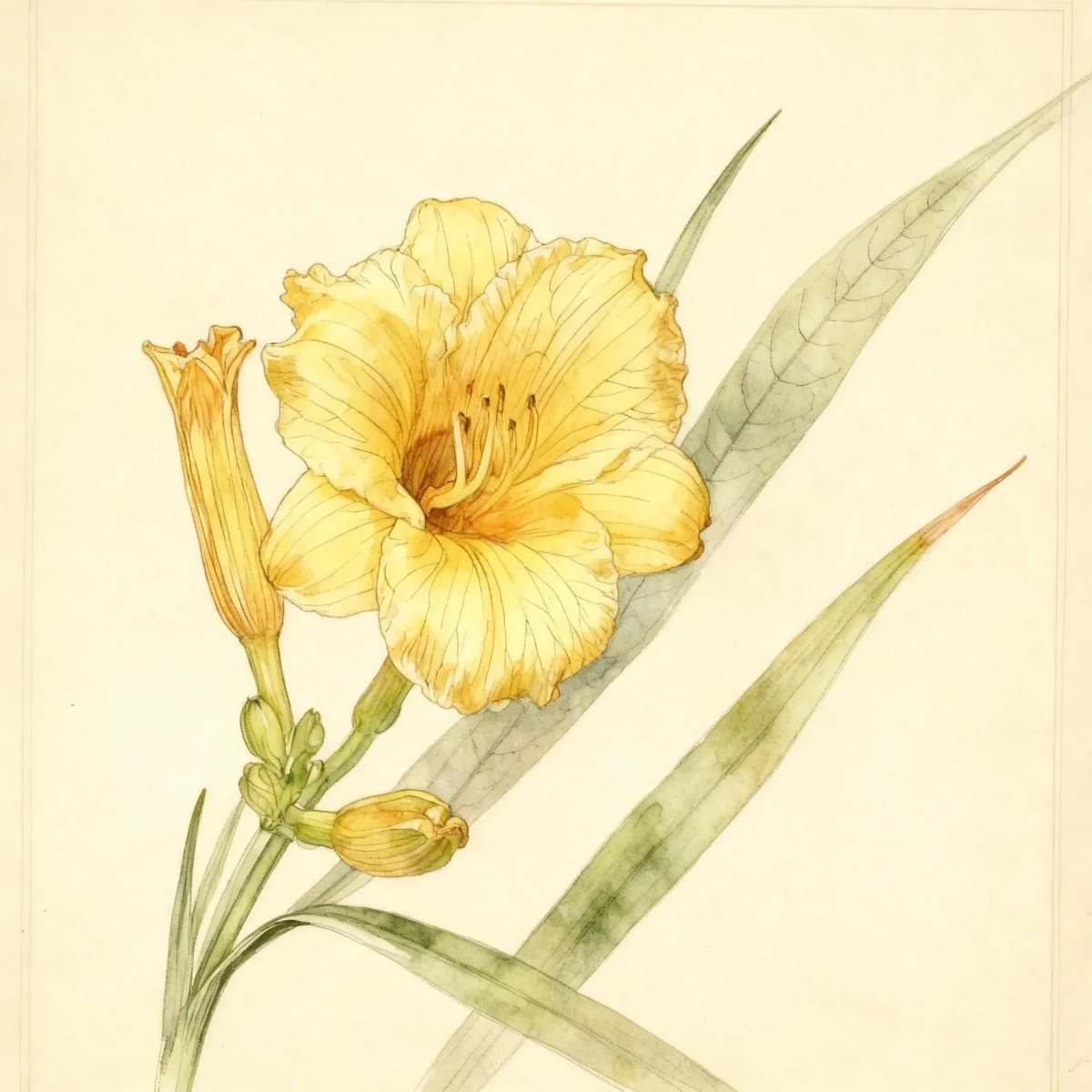
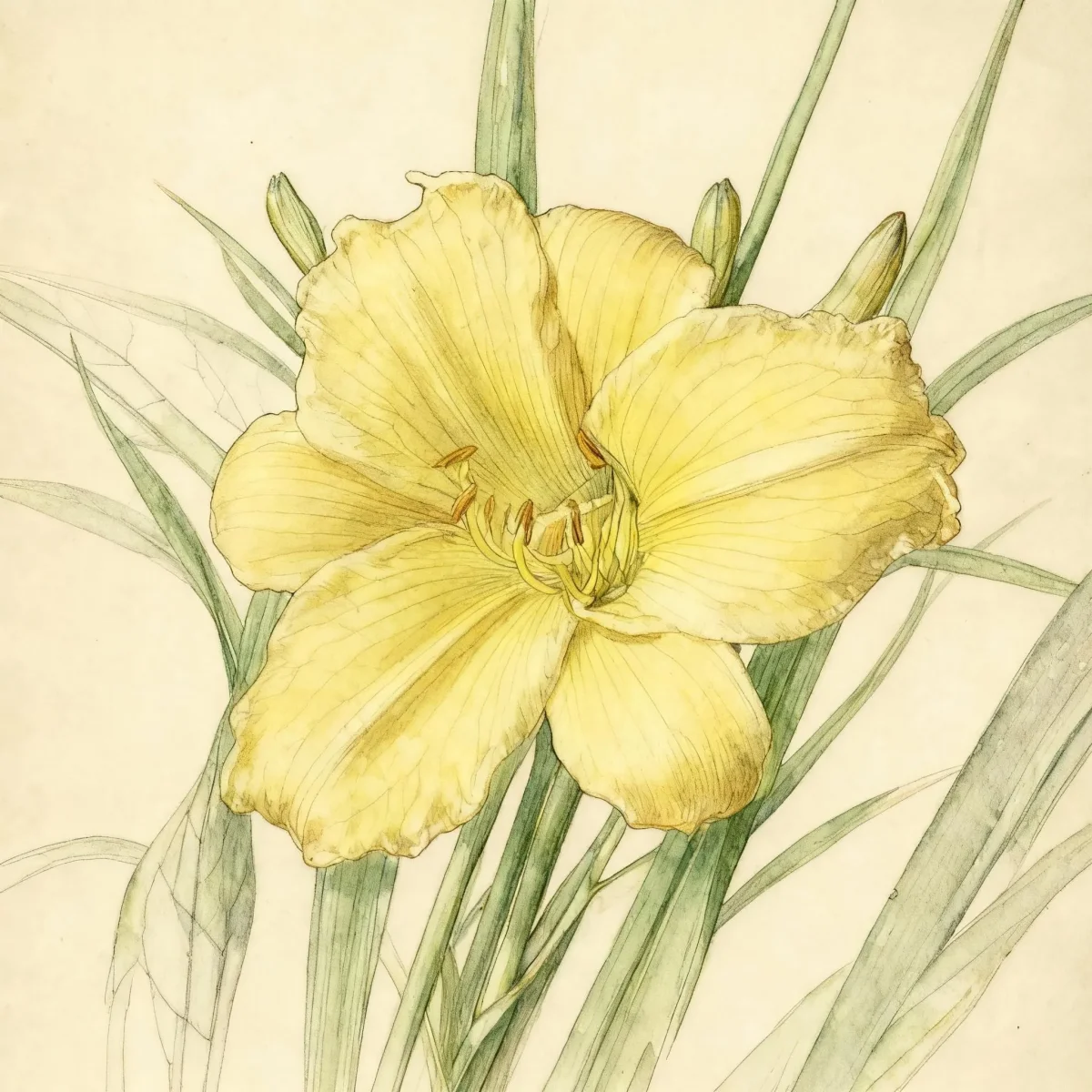
Hemerocallis ‘Miss Victoria’ is a highly prized Daylily cultivar celebrated for its reliable performance and cheerful blooms. Gardeners appreciate this herbaceous perennial for its striking, fragrant flowers that add instant brightness to the early season landscape. Belonging to the extensive genus Hemerocallis, ‘Miss Victoria’ showcases lemon yellow flowers that provide excellent visual impact.
This robust Daylily thrives across a wide spectrum of climates, noted for its low maintenance requirements once established. Its manageable size, reaching up to 2 feet tall, makes it versatile for various landscape applications, from mass plantings to formal borders. Ensuring proper division every few years will maintain the vigor and abundant flowering display of your Hemerocallis ‘Miss Victoria’.
The arching, dark green foliage creates an attractive clump that remains neat throughout the growing season, standing just below the flower scapes. As a repeat bloomer, this Daylily ensures continuous color between May and July, making Hemerocallis ‘Miss Victoria’ a foundational perennial for reliable summer beauty.
Fast Facts
- Plant Family: Asphodelaceae
- Plant Type: Herbaceous perennial
- Hardiness Zones: USDA Zones 4-9
- Size at Maturity:
- Height: 1.5-2 ft
- Spread: 1.5-2 ft
- Bloom Time: May to July
- Bloom Description: Yellow with greenish yellow throats
- Sun Exposure: Full sun to part shade
- Water Needs: Medium
- Maintenance Level: Low
How to Grow
Planting Hemerocallis ‘Miss Victoria’ is best done in spring or fall, ensuring the crowns sit just at or slightly above the soil line. While Daylilies are highly adaptable, they exhibit their best performance in deep, fertile loam soils that drain well. Ensure the planting site receives full sun to part shade; insufficient light may reduce the prolific blooming capabilities of your Daylily.
Maintenance for this Daylily is generally low. Water should be medium; while tolerant of heat, deep watering during prolonged dry spells keeps the foliage looking its best. Deadhead spent flowers individually each day for neatness, and remove the entire flower stalk (scape) once blooming has finished. Hybridizers have created tough plants, but remember that they benefit greatly from division every three to four years, ideally performed in the spring in colder regions.
For winter preparation, growers in northern zones should note that winter dormant daylilies require a cold period. If you have evergreen foliage types in warmer areas, you can cut back any foliage damaged by harsh winter cold to maintain a clean look heading into spring. Hybrid seed will not yield specimens true to the parent plant, so propagation relies on division.
Landscape Uses
The versatile nature of Daylilies makes them indispensable for borders and mass plantings. Hemerocallis ‘Miss Victoria’ works beautifully when planted in repeating groups along walkways or the front of perennial borders where its yellow blooms can draw the eye. Because it exhibits low maintenance and good hardiness, it is ideal for incorporating color into large areas quickly.
Consider grouping this Daylily with later-blooming perennials to extend the season of interest in your garden beds. Its grass-like foliage provides an excellent textural contrast to broader-leaved shrubs or hostas planted nearby. Dwarf cultivars, though not specifically this one, are noted for rock gardens, but the standard size of ‘Miss Victoria’ is excellent for creating a defined mid-ground layer in mixed plantings.
Standout Features
Flower Qualities
- Showy
- Fragrant
Noteworthy Characteristics
Hemerocallis, commonly known as daylilies, feature funnel-shaped flowers, each lasting only a single day, though successive blooms ensure a long flowering period. ‘Miss Victoria’ specifically offers 4-inch diameter, fragrant, lemon yellow flowers complemented by greenish yellow throats, blooming early and repeating the display. The plant produces arching, dark green, blade-like foliage that forms a manageable clump, with flower scapes typically rising high above the leaves.
Tolerances
- Rabbit
- Erosion
- Air Pollution
Potential Problems
Daylilies are renowned for being exceptionally adaptive and are generally pest-free. Vigilance against occasional infestations of mites, aphids, or thrips is sometimes necessary; treat promptly with insecticidal soap if populations build up. In humid regions, Daylily Rust can occasionally become an issue, requiring preventative fungicide applications or selecting rust-resistant cultivars. Thankfully, rabbits typically ignore healthy Daylily clumps.
Frequently Asked Questions
What hardiness zones is Daylily suitable for?
Hemerocallis ‘Miss Victoria’ is hardy across USDA Zones 4 through 9, offering broad planting potential across the United States.
When does Daylily bloom?
This cultivar blooms in early season and is known as a repeat bloomer, generally flowering between May and July.
How large does Daylily grow?
Hemerocallis ‘Miss Victoria’ typically reaches a mature height between 1.5 and 2 feet, with a spread of 1.5 to 2 feet.
What sun exposure does Daylily need?
This Daylily prefers a location that offers full sun to light part shade for optimal flowering performance.
Conclusion
Hemerocallis ‘Miss Victoria’ stands out as a dependable and cheerful performer suitable for gardeners seeking low-effort color. Its fragrant, showy yellow flowers ensure that the mid-season garden remains vibrant. Evaluate your current growing conditions against the USDA Zone 4-9 range to successfully plan your planting of this exceptional Daylily.
Companion Planting
When planning a mixed border around your Daylilies, consider plants that appreciate similar growing conditions—medium moisture and good drainage. Hostas are excellent companions, benefiting from the same level of shade tolerance and providing a vastly different leaf texture. For vibrant color contrast during the Daylily’s bloom time, pair ‘Miss Victoria’ with silvery lamb’s ears or deep purple Salvia cultivars.
Propagation Tips
The most reliable method for increasing your stock of Hemerocallis ‘Miss Victoria’ is through division of the mature crown. This process should be performed either in early spring before new growth vigorously accelerates or in the fall after blooming has ceased. Carefully dig up the entire clump, gently separating the fans of foliage so that each section retains several connecting roots. Replant immediately at the appropriate depth, ensuring the central growing point remains exposed to the sun.