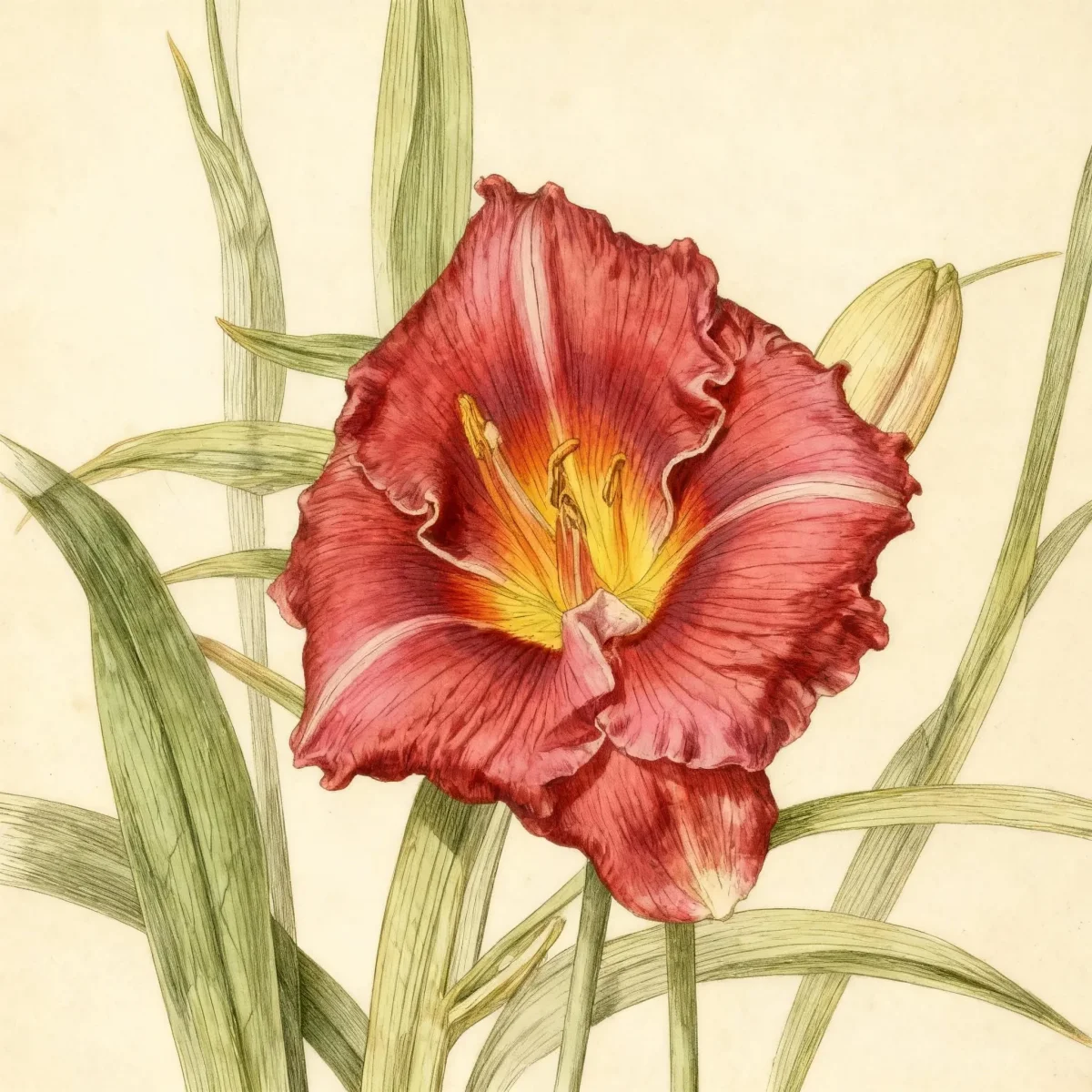
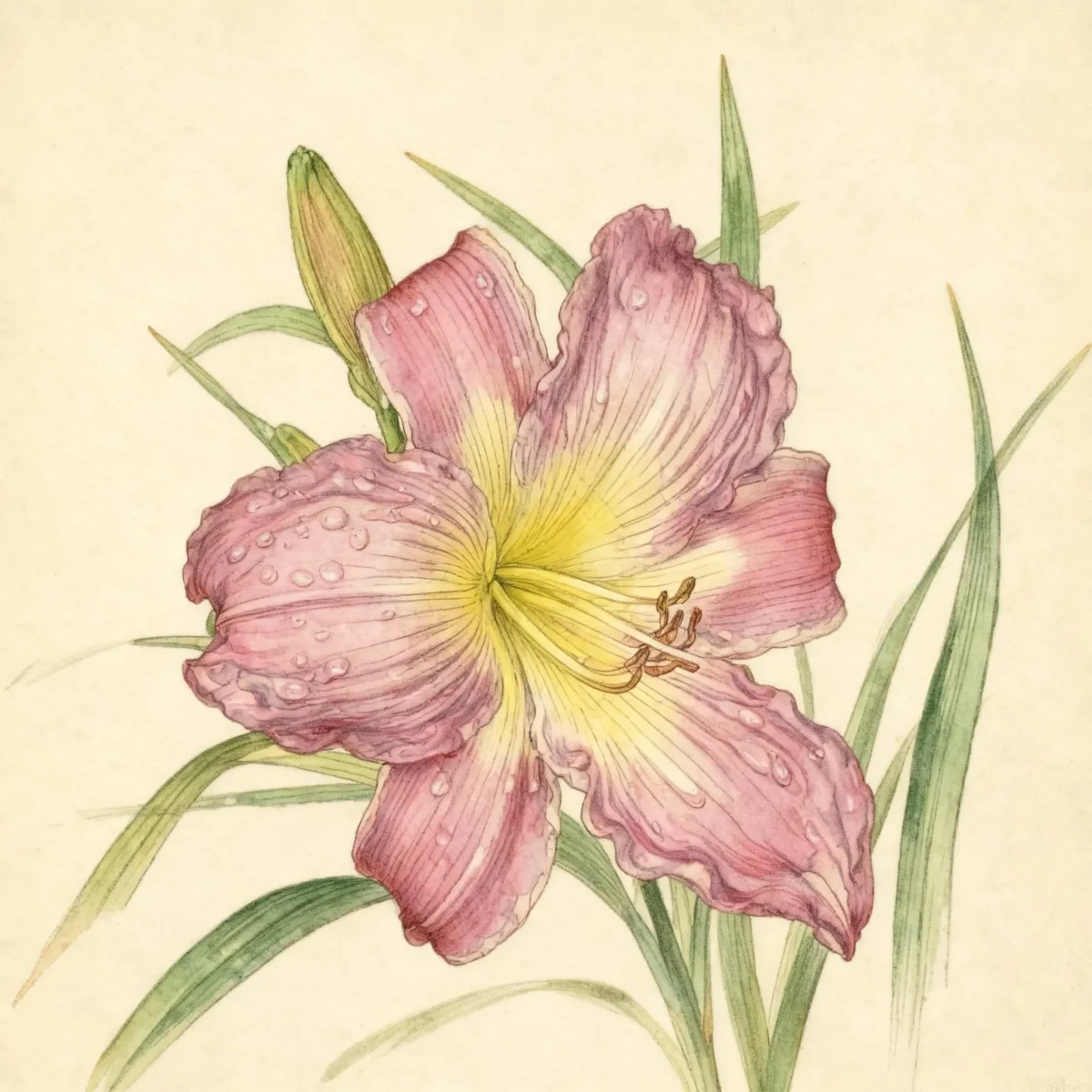
Daylily (Hemerocallis 'Mission Moonlight')
Hemerocallis 'Mission Moonlight' is a low-maintenance Daylily producing creamy yellow flowers from June to July in Zones 3-9.
Scroll down to discover growing tips, care requirements, companion plants, and more
Complete Plant Information
Overview
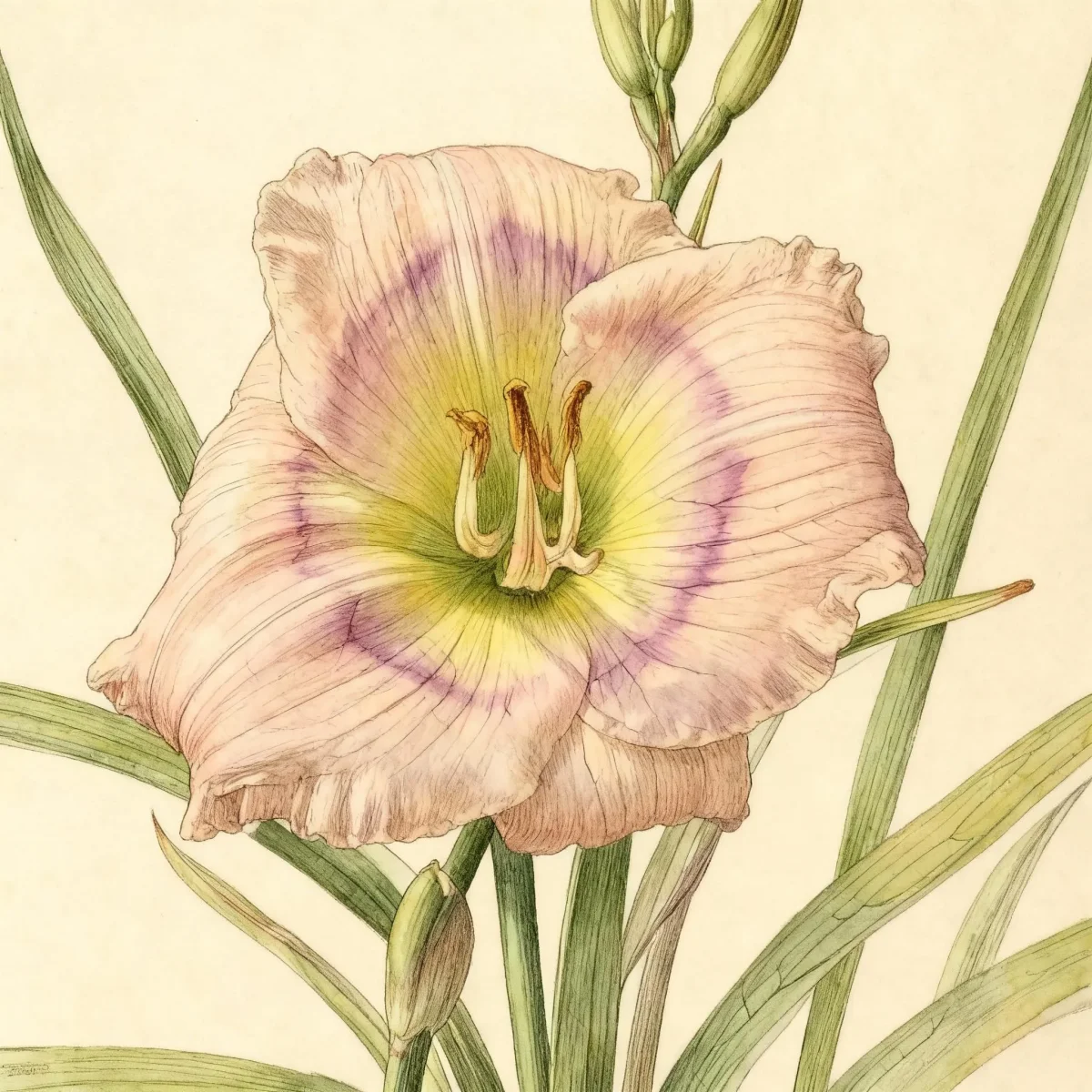
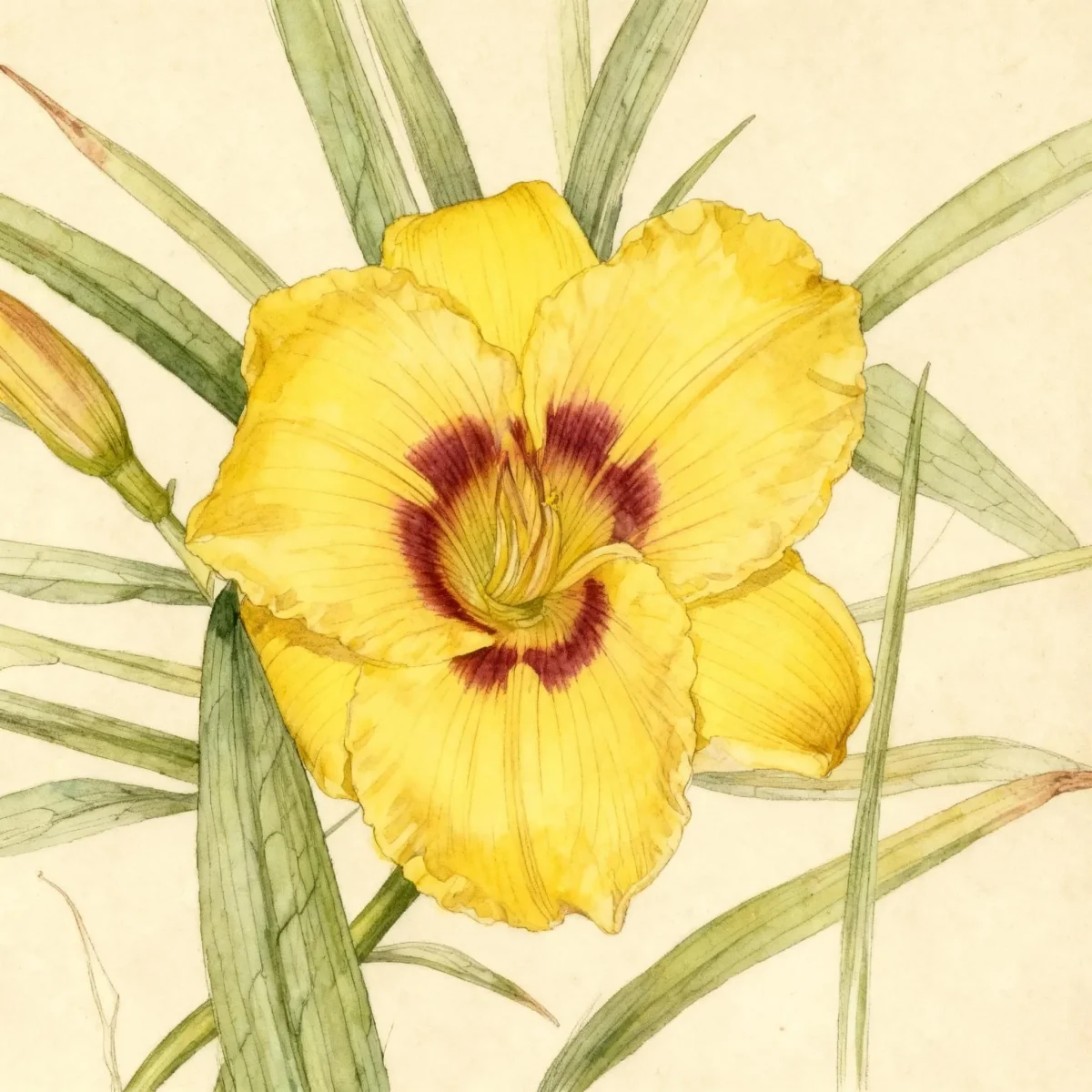
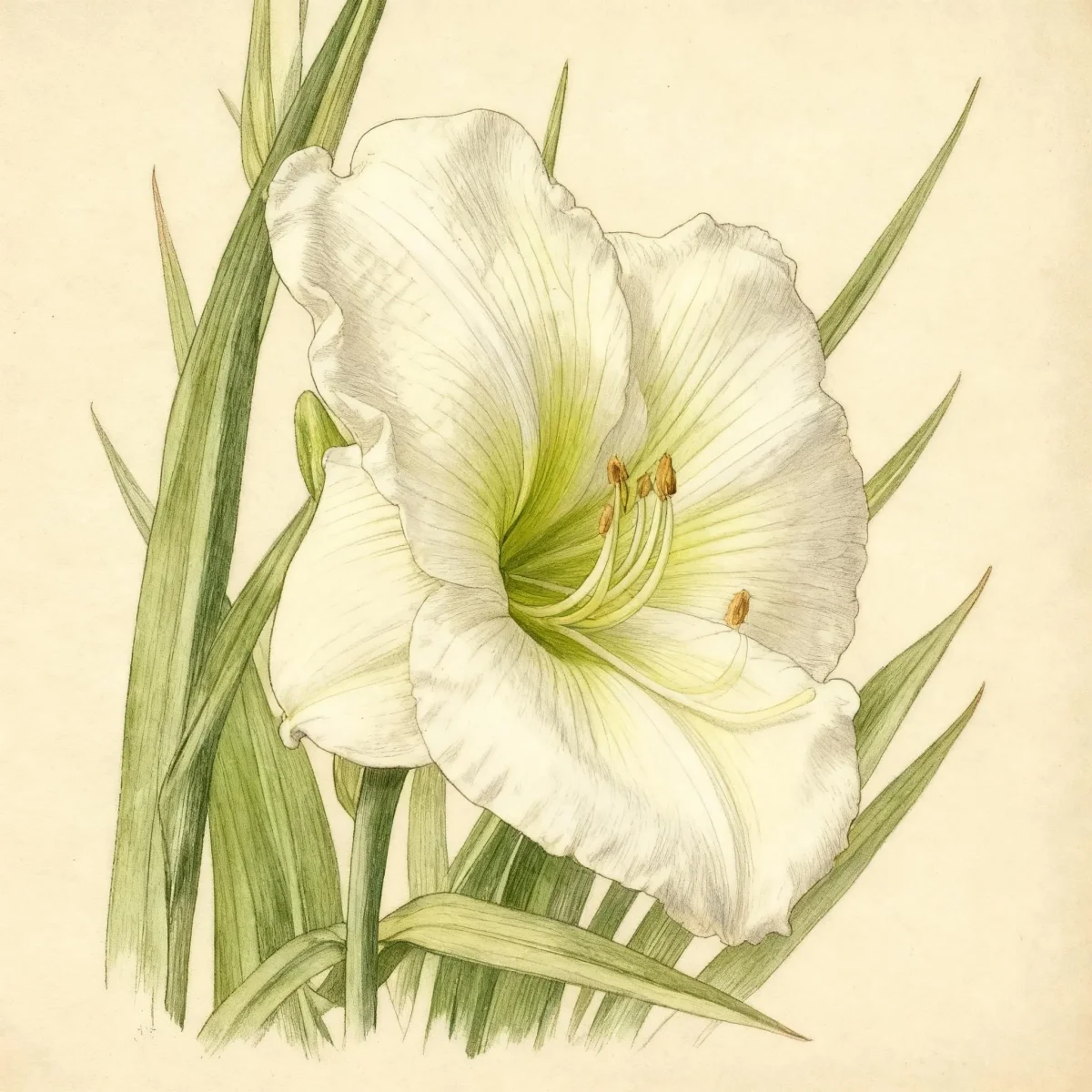
Hemerocallis ‘Mission Moonlight’ is a highly valuable herbaceous perennial, celebrated for its resilient nature and attractive floral display. This Daylily cultivar distinguishes itself by offering creamy yellow flowers, a dependable performer well-suited for mid-summer color in the garden. Gardeners appreciate the Daylily genus for its adaptability, low maintenance needs, and long season of bloom produced by successive flower opening.
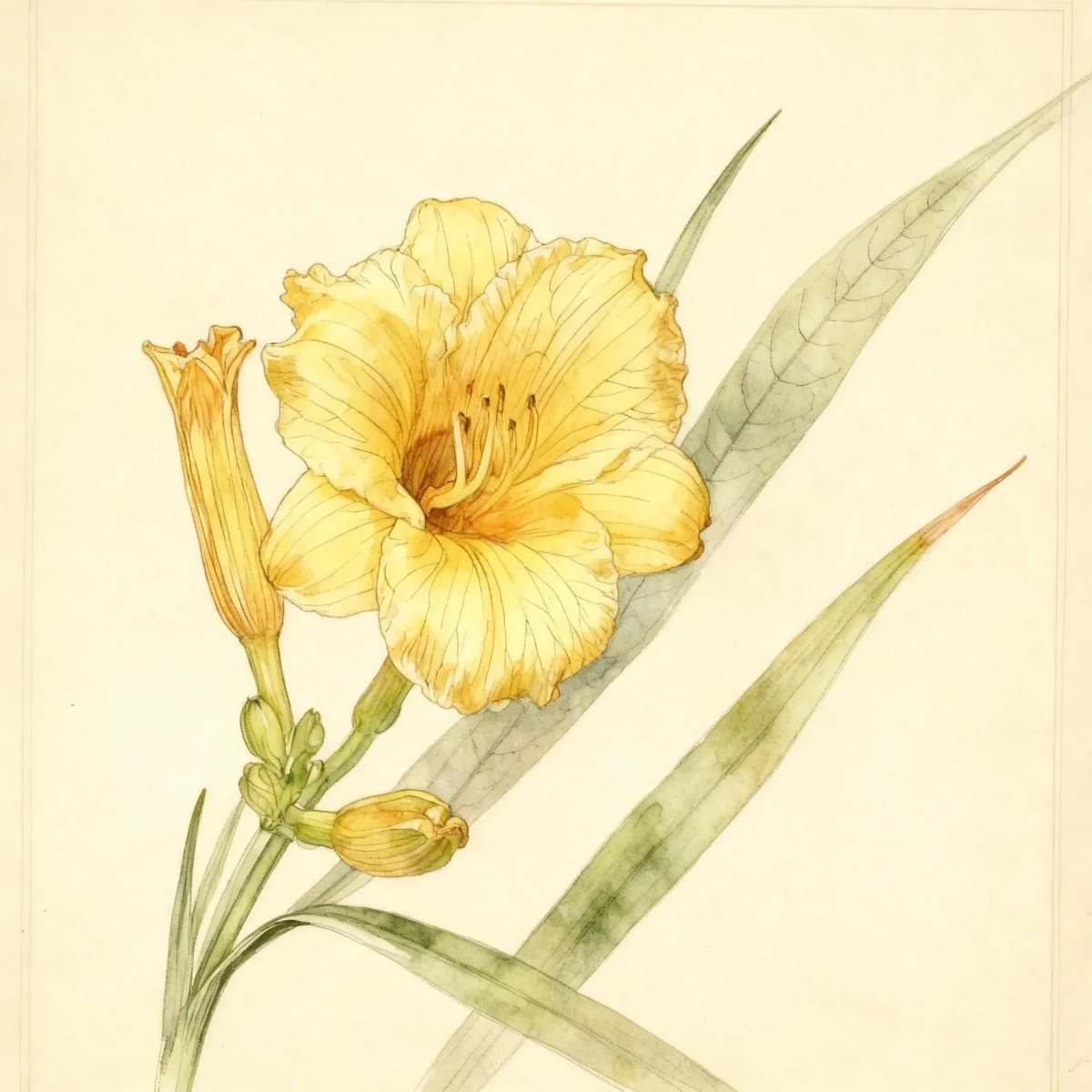
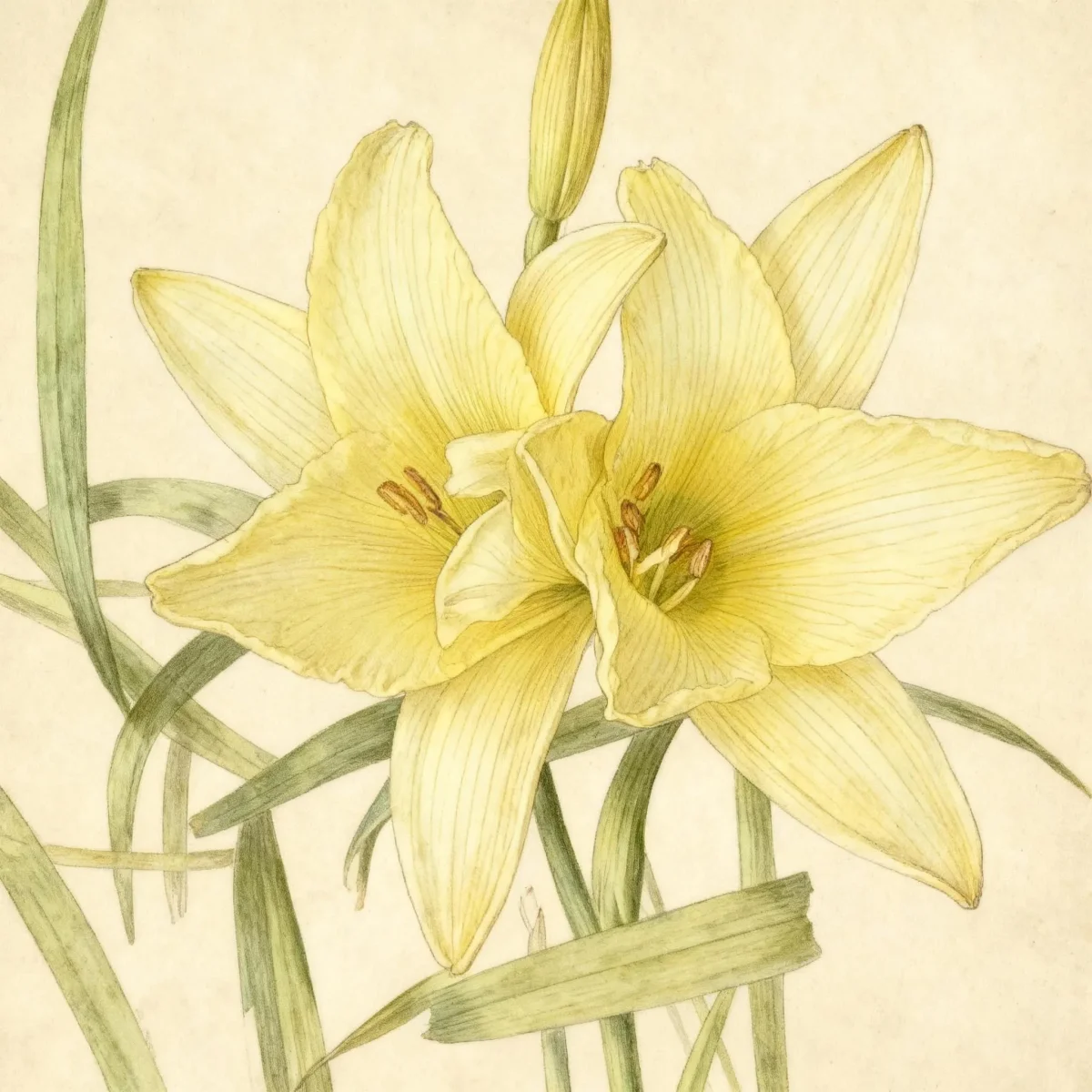
This specific cultivar, performing reliably between USDA Zones 3 and 9, provides reliable structure with its arching, linear foliage clump reaching about 1.5 to 2 feet tall. The flower display of Hemerocallis ‘Mission Moonlight’ truly shines, featuring 4.5-inch diameter blooms with a delicate greenish-yellow throat during the peak months of June and July.
As a robust perennial, the Daylily is a fantastic backbone plant for perennial borders, offering aesthetic appeal without demanding constant attention from the gardener. Its natural hardiness ensures that gardeners across a wide climatic range can successfully cultivate the beautiful Hemerocallis ‘Mission Moonlight’.
Fast Facts
- Plant Family: Asphodelaceae
- Plant Type: Herbaceous perennial
- Hardiness Zones: USDA Zones 3-9
- Size at Maturity:
- Height: 1.5-2 ft
- Spread: 1.5-2 ft
- Bloom Time: June to July
- Bloom Description: Creamy yellow self with greenish yellow throat
- Sun Exposure: Full sun to part shade
- Water Needs: Medium
- Maintenance Level: Low
How to Grow
Plant Hemerocallis ‘Mission Moonlight’ in average, medium moisture, well-drained soils. While Daylilies are highly adaptable, they achieve best performance when situated where they receive full sun to part shade, which encourages abundant flowering for this specific Daylily. They exhibit a preference for deep, fertile loams, but generally tolerate a wide range of soil conditions, making initial placement flexible.
Routine care for the Daylily is straightforward. Deadhead spent flowers daily to maintain neatness and remove faded scapes once blooming is finished. Although tolerant of summer heat and humidity, deep watering during dry spells is crucial to keep the foliage attractive throughout the season.
For optimal performance and rejuvenation, plan to divide your Hemerocallis ‘Mission Moonlight’ clump every three to four years, ideally in the spring, especially in colder winter areas. Remember that the plant requires a cold period of winter dormancy to ensure the best bloom display, meaning evergreen performance may vary widely depending on latitude within its hardiness range.
Landscape Uses
The Daylily serves excellently as an easy-to-grow herbaceous perennial in almost any garden setting. Due to its manageable height (1.5 to 2 feet), Hemerocallis ‘Mission Moonlight’ works beautifully when used for defined borders or as structured edging along pathways, providing consistent color contrast. Its reliable clumping habit makes it perfect for mass plantings across large areas where uniformity and minimal upkeep are desired.
When designing mixed borders, plant this Daylily alongside companions that appreciate similar sun and water needs, such as ornamental grasses, Coneflowers (Echinacea), or Salvias. The upright, linear foliage provides an excellent textural anchor beneath taller shrubs or roses. The reliability of a quality hybrid like ‘Mission Moonlight’ ensures that even novice gardeners can achieve professional-looking results.
Standout Features
Flower Qualities
- Showy
Noteworthy Characteristics
Hemerocallis is a genus of about 15 species of herbaceous perennials commonly known as daylilies, native to Asia and central Europe, with modern garden plants being almost entirely hybrids developed through extensive hybridization efforts. Each individual bloom of the Daylily typically lasts only one day, but the plant produces flowers in such succession that the overall flowering period is extensive. Hemerocallis ‘Mission Moonlight’ displays 4.5-inch creamy yellow flowers with greenish-yellow throats borne on scapes above attractive, arching, linear foliage.
Tolerances
- Rabbit
- Erosion
- Air Pollution
Potential Problems
Daylilies are remarkably adaptable and generally pest-free, earning their reputation as low-maintenance stars. Watch occasionally for common pests like mites, aphids, or thrips, which can be managed with simple horticultural oils if infestations become problematic. Daylily rust can occasionally pose an issue in humid climates; ensuring good air circulation around the plants helps mitigate fungal problems.
Frequently Asked Questions
What hardiness zones is Daylily suitable for?
Hemerocallis ‘Mission Moonlight’ is hardy and performs best when planted in USDA Zones 3 through 9.
How large does Daylily grow?
This Daylily cultivar reaches a mature height between 1.5 and 2 feet tall, with a similar spread of 1.5 to 2 feet.
When does Daylily bloom?
Hemerocallis ‘Mission Moonlight’ typically blooms during June and July, showcasing its creamy yellow self with a greenish yellow throat.
What sun exposure does Daylily need?
This plant requires full sun to part shade conditions to thrive and produce its best floral display.
Conclusion
Hemerocallis ‘Mission Moonlight’ offers gardeners a reliable, beautiful, and relatively carefree perennial choice, highlighted by its medium stature and cheerful creamy yellow blooms. Enjoying a long season of color, this Daylily remains a staple for borders and mass plantings across many climates. Assess your planting site’s hardiness zone compatibility and plan for division every few years to keep your clump of Hemerocallis ‘Mission Moonlight’ vigorous.
Companion Planting
Choosing mates for Daylilies involves pairing plants that share similar needs for sun, water, and soil drainage. Because Daylilies prefer medium water, look towards companions like Siberian Iris (Iris sibirica), which handle moist conditions well but are tough enough to survive periods of dryness. Hostas also make excellent companions, especially in partial shade areas, as their broad leaves contrast nicely with the fine, linear foliage of the Daylily.
For full-sun locations, consider combining Hemerocallis ‘Mission Moonlight’ with sturdy, drought-tolerant perennials that bloom at different times, such as Russian Sage (Perovskia atriplicifolia) or various Sedum varieties. This strategy maximizes visual interest across the entire growing season, ensuring that as the Daylily finishes its summer flush, other color anchors the garden space.
Propagation Tips
The most common and effective way to propagate Hemerocallis ‘Mission Moonlight’ is through division of the mature clumps. Since this is a hybrid Daylily, saving seeds will not result in plants true to the parent cultivar; therefore, vegetative division is essential for replication. Wait until the plant is dormant or semi-dormant, typically in the spring (best practice in cold zones) or fall.
Carefully dig up the entire clump and gently tease the root structure apart using your hands or a sharp spade, ensuring each new division has an adequate crown and established root system. Replant divisions immediately at the same depth—the crown should be no more than one inch below the soil surface—and water thoroughly to encourage immediate establishment in a new location.