Daylily (Hemerocallis 'Northbrook Star')
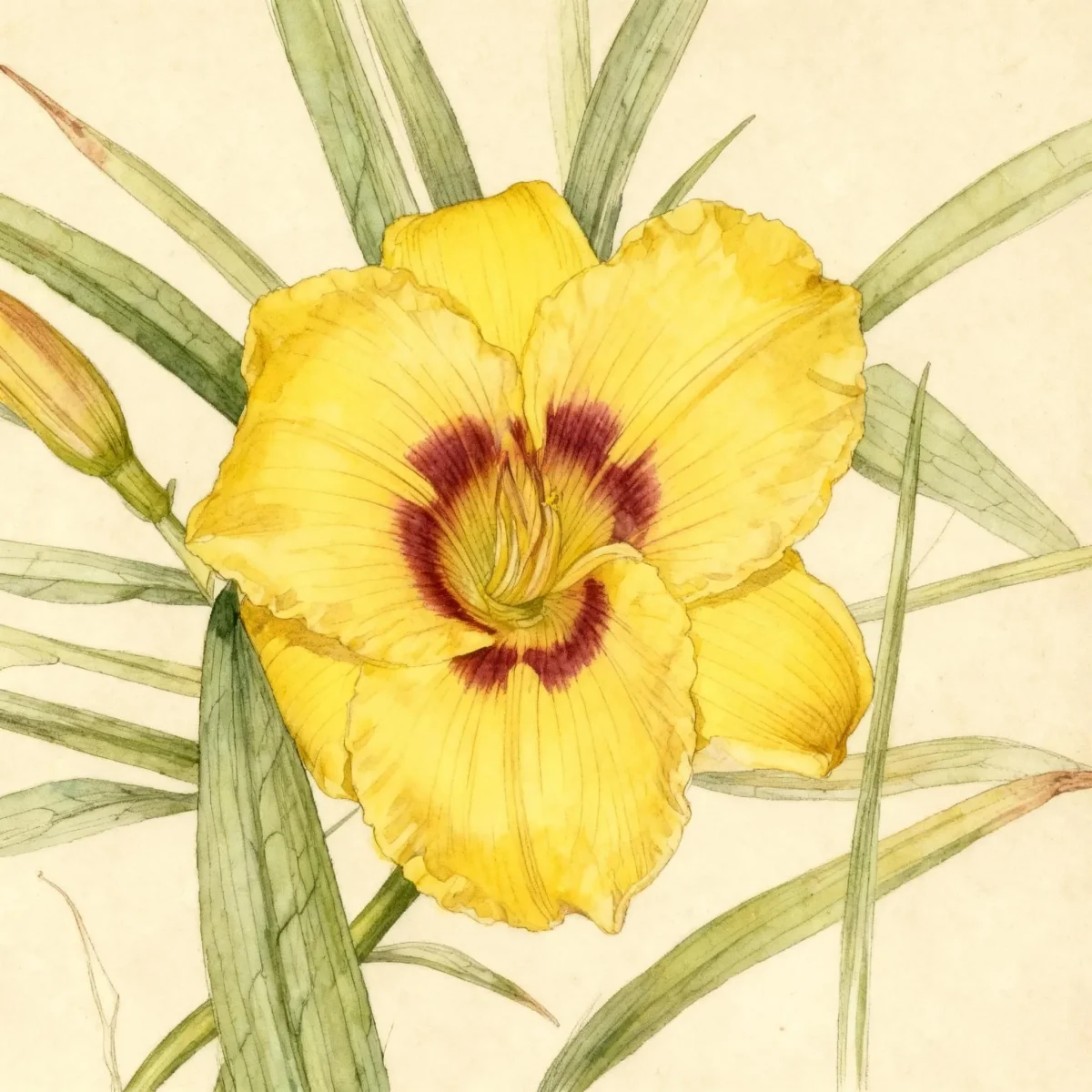
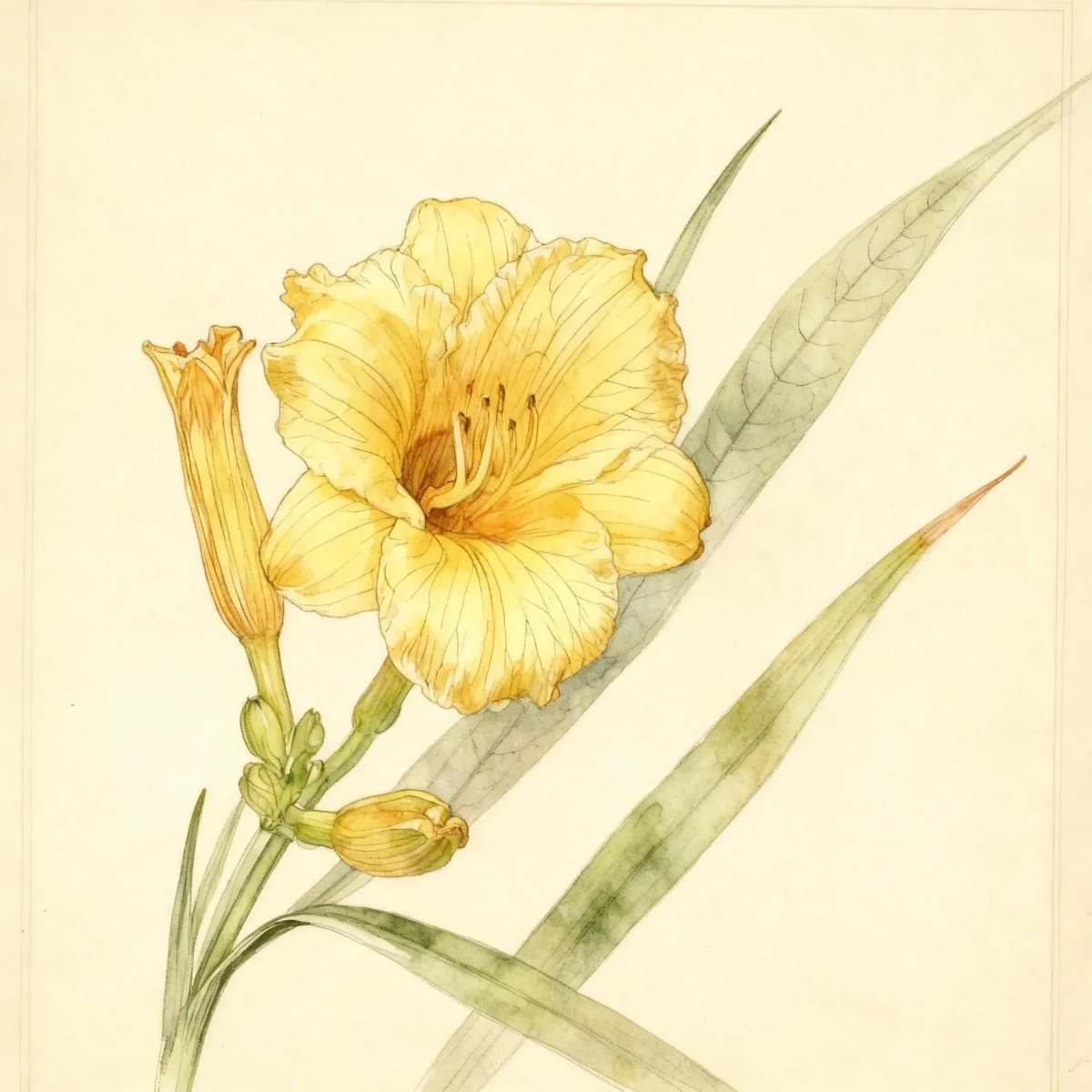
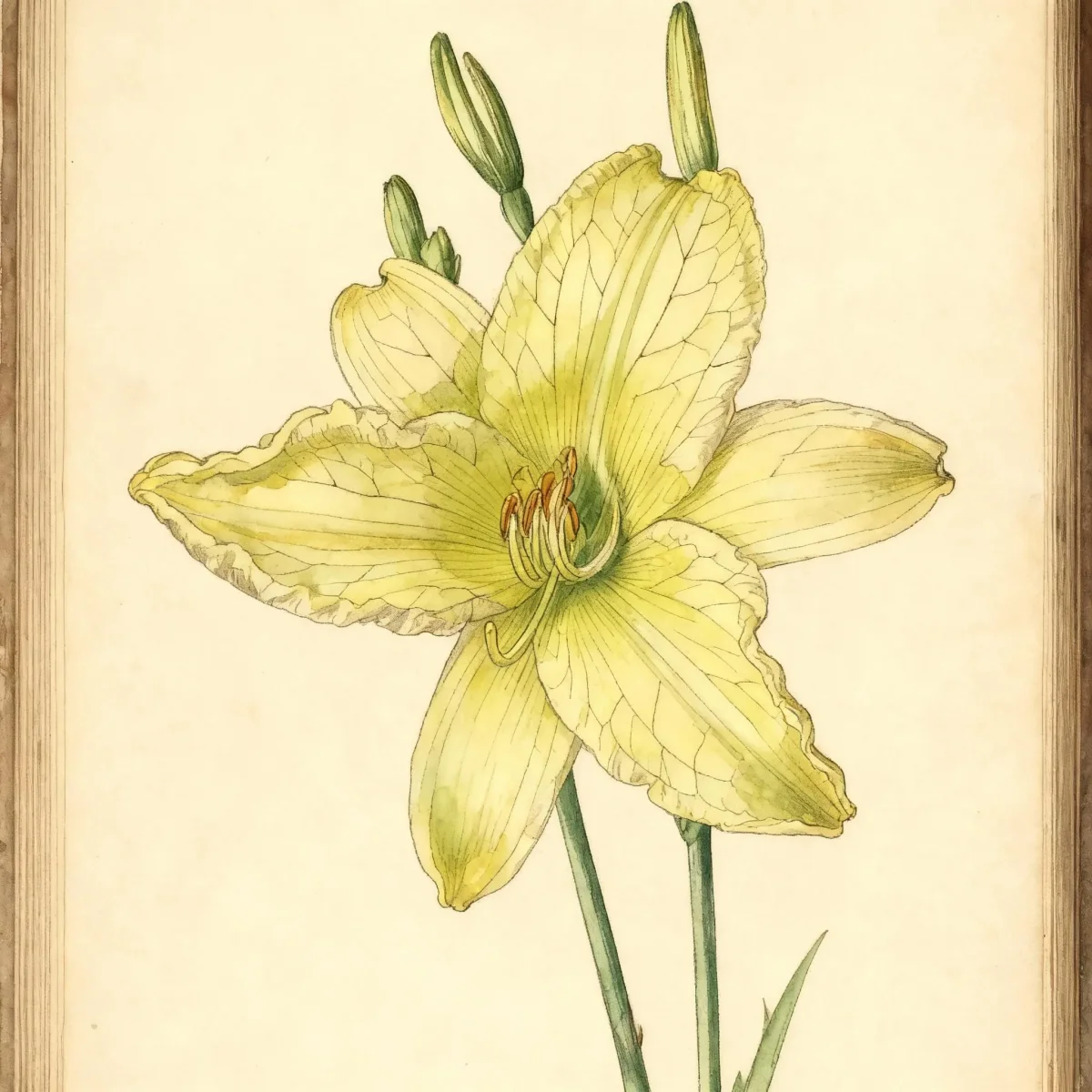
Hemerocallis 'Northbrook Star' is a low-maintenance Daylily featuring 6.5" yellow flowers from June to July.
Scroll down to discover growing tips, care requirements, companion plants, and more
Complete Plant Information
Overview
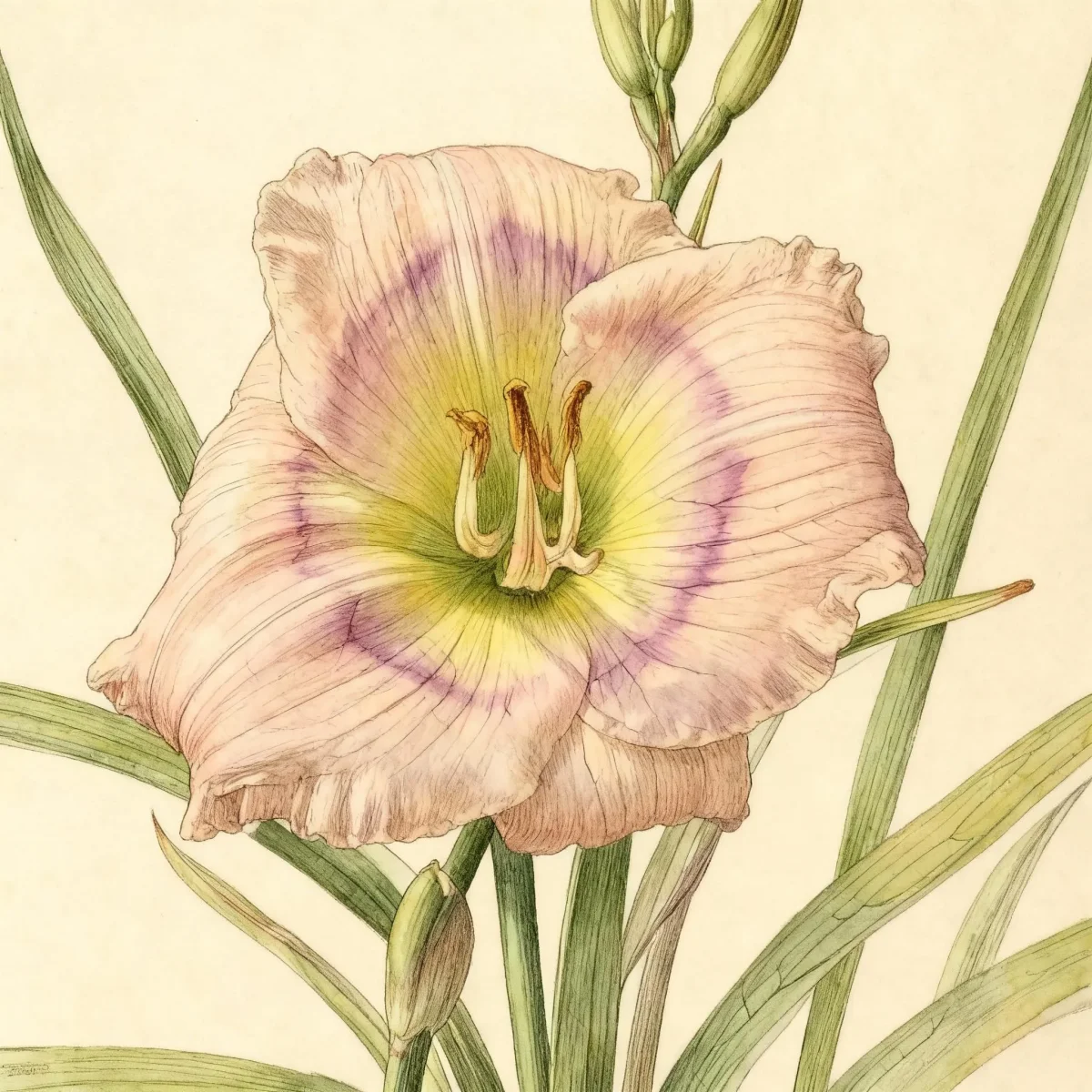
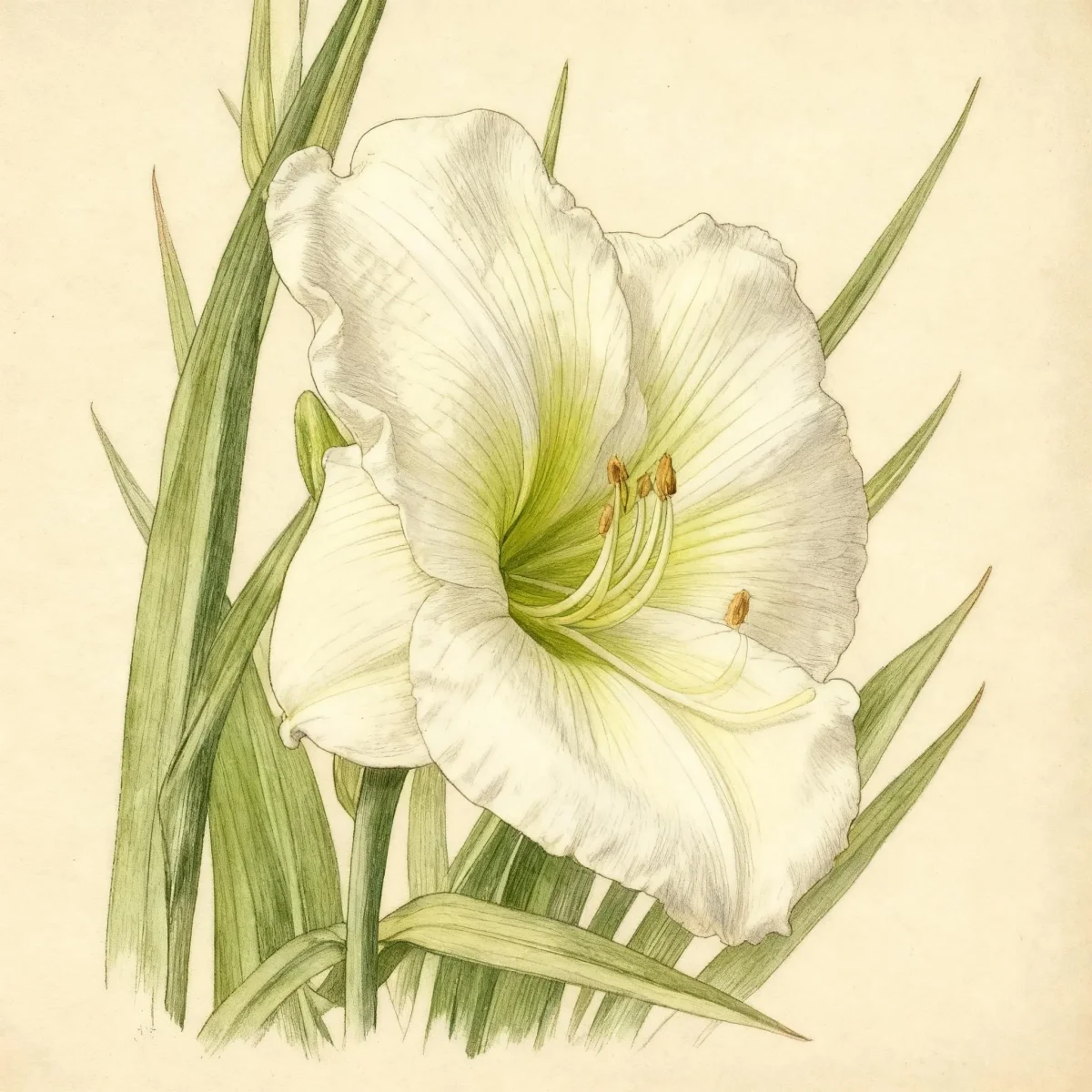
Hemerocallis ‘Northbrook Star’ is a highly valued herbaceous perennial celebrated for its vibrant display and remarkable adaptability. This specific Daylily cultivar produces striking yellow flowers measuring approximately 6.5 inches across, offering significant ornamental value throughout the early summer season. As a robust hybrid Daylily, it exemplifies the success of modern breeding, providing gardeners with reliable color and minimal upkeep requirements.
This Daylily variety thrives across a wide range of growing conditions, tolerating both full sun and partial shade. Its moderate size, reaching about 2 to 2.5 feet tall and wide, makes Hemerocallis ‘Northbrook Star’ versatile for many landscape placements. Gardeners appreciate the long blooming period, achieved through successive flowers opening daily over several weeks.
Functionally, Hemerocallis ‘Northbrook Star’ offers excellent foliage texture and resilience, acting as a dependably attractive component even when not in bloom. Whether used for mass plantings or as an accent, this Daylily contributes strong structural elements coupled with its brilliant yellow blooms.
Fast Facts
- Plant Family: Asphodelaceae
- Plant Type: Herbaceous perennial
- Hardiness Zones: USDA Zones 3-9
- Size at Maturity:
- Height: 2-2.5 ft
- Spread: 2-2.5 ft
- Bloom Time: June to July
- Bloom Description: Yellow
- Sun Exposure: Full sun to part shade
- Water Needs: Medium
- Maintenance Level: Low
How to Grow
Hemerocallis ‘Northbrook Star’ is easily established in average, medium moisture, well-drained soils. While adaptable, Daylilies perform best when planted in deep, fertile loams where they receive sufficient sunlight for optimal flowering. Planting can occur in spring or fall, ensuring the crown is set just below the soil surface.
Maintenance for this Daylily is generally low. Deadhead spent flowers daily for neatness; this encourages continued blooming and prevents seed set. Once the flower stalks (scapes) have finished blooming, remove them entirely. Although tolerant of heat and humidity, deep watering is appreciated during dry spells to maintain attractive foliage throughout the season.
For the best long-term performance, daylilies like Hemerocallis ‘Northbrook Star’ should be divided every three to four years, preferably in the spring in colder zones. Be aware that hybrid daylilies will not reproduce true to type if grown from seed. Furthermore, knowing whether you have a winter-dormant type is crucial; dormant daylilies require a cold winter period for robust blooming and are not ideal for the warmest reaches of Zone 9.
Landscape Uses
Daylilies are fundamentally versatile, positioning themselves as easy-to-grow herbaceous perennials perfect for softening structural landscapes. Hemerocallis ‘Northbrook Star’ works wonderfully when utilized for borders along walkways or driveways, providing a continuous band of color when in season. Their clumping habit makes them excellent choices for mass plantings over large areas, creating a strong visual impact.
Due to their attractive, arching foliage, Daylilies serve well as informal edgings where a slightly more robust plant is needed than traditional shorter border plants. If you are utilizing dwarf cultivars, they make excellent additions tucked into rock gardens, where their linear leaves contrast nicely with stone textures. For robust design, massing clumps of this yellow-flowering Daylily provides excellent textural contrast against finer-leaved shrubs.
Standout Features
Flower Qualities
- Showy
Noteworthy Characteristics
The genus Hemerocallis encompasses approximately 15 species of herbaceous perennials commonly known as daylilies, historically native to Asia and central Europe. Hybridizers have developed over 60,000 cultivars, focusing on new colors, patterns, and forms, though each individual flower typically lasts only one day, hence the common name. Hemerocallis ‘Northbrook Star’ specifically offers 6.5” rich yellow flowers borne on leafless stems (scapes) above clumps of attractive, arching, blade-like leaves.
Tolerances
- Rabbit
- Erosion
- Air Pollution
Potential Problems
Daylilies are renowned for being extremely adaptable and are generally easy to grow, remaining relatively pest-free for most gardeners. Occasionally, mites, aphids, or thrips might appear and can usually be managed with insecticidal soap or targeted treatments if populations become high. The most significant potential issue, Daylily rust, can be problematic in certain humid or wet regions, requiring preventative fungicide application if it has been an issue previously. Fortunately, rabbits often avoid consuming this foliage.
Frequently Asked Questions
What hardiness zones is Daylily suitable for?
Hemerocallis ‘Northbrook Star’ is hardy and adaptable across USDA Zones 3 through 9. Ensure your local climate falls within this range for best perennial success.
How large does Daylily grow?
This Daylily cultivar typically reaches a mature height between 2 and 2.5 feet. The spread is similar, generally maturing to 2 to 2.5 feet wide, forming tidy clumps.
What sun exposure does Hemerocallis ‘Northbrook Star’ need?
For optimal blooming, Hemerocallis ‘Northbrook Star’ requires full sun exposure, though it can tolerate part shade. Less direct sun may result in fewer flowers.
When does Daylily bloom?
The bloom window for this Daylily is generally from June through July, producing its signature yellow flowers across that period.
Conclusion
The Daylily, specifically the adaptable Hemerocallis ‘Northbrook Star’, remains a cornerstone of the summer garden due to its low maintenance and brilliant yellow blooms. Its tolerance for diverse conditions and robust nature secure its place as a reliable perennial choice. Before planting, confirm your soil type and ensure the hardiness zone is appropriate before planting this beautiful Daylily.
Companion Planting
Selecting appropriate companions helps maximize the aesthetic and ecological value of your Daylily planting. Since Daylilies prefer moist, well-drained soil and generally have strap-like foliage, pairing them with plants that offer contrasting leaf shapes and textures is highly effective. Consider planting them near broader-leaved perennials like Hostas, especially in partial shade areas, to offer textural relief, though ensure the Hosta doesn’t completely overshadow the sun-loving Hemerocallis ‘Northbrook Star’.
For sunny borders, traditional low-growing companions like Catmint (Nepeta) or hardy Geraniums work well as groundcovers around the base of the Daylily clumps. These companions can help suppress weeds and keep the soil slightly cooler and mulched, benefiting the roots of the Daylily while keeping the area tidy after the characteristic yellow flowers fade.
Propagation Tips
While Hemerocallis ‘Northbrook Star’ is a modern hybrid and will not grow true to type from seed, vegetative propagation is straightforward through division. Division should ideally be performed every 3 to 4 years to keep the clump vigorous and prevent overcrowding, which leads to fewer and smaller blooms. The best time for division is typically spring, especially in regions experiencing very cold winters, though fall division is also acceptable for many areas.
When dividing, carefully lift the entire clump using a garden fork. Use a sharp spade or knife to cut the crown into sections, ensuring each new section has a healthy fan of leaves and a substantial root mass. Replant these divisions immediately at the same depth, making sure the crown sits right at the soil line, and water them in thoroughly to encourage establishment.