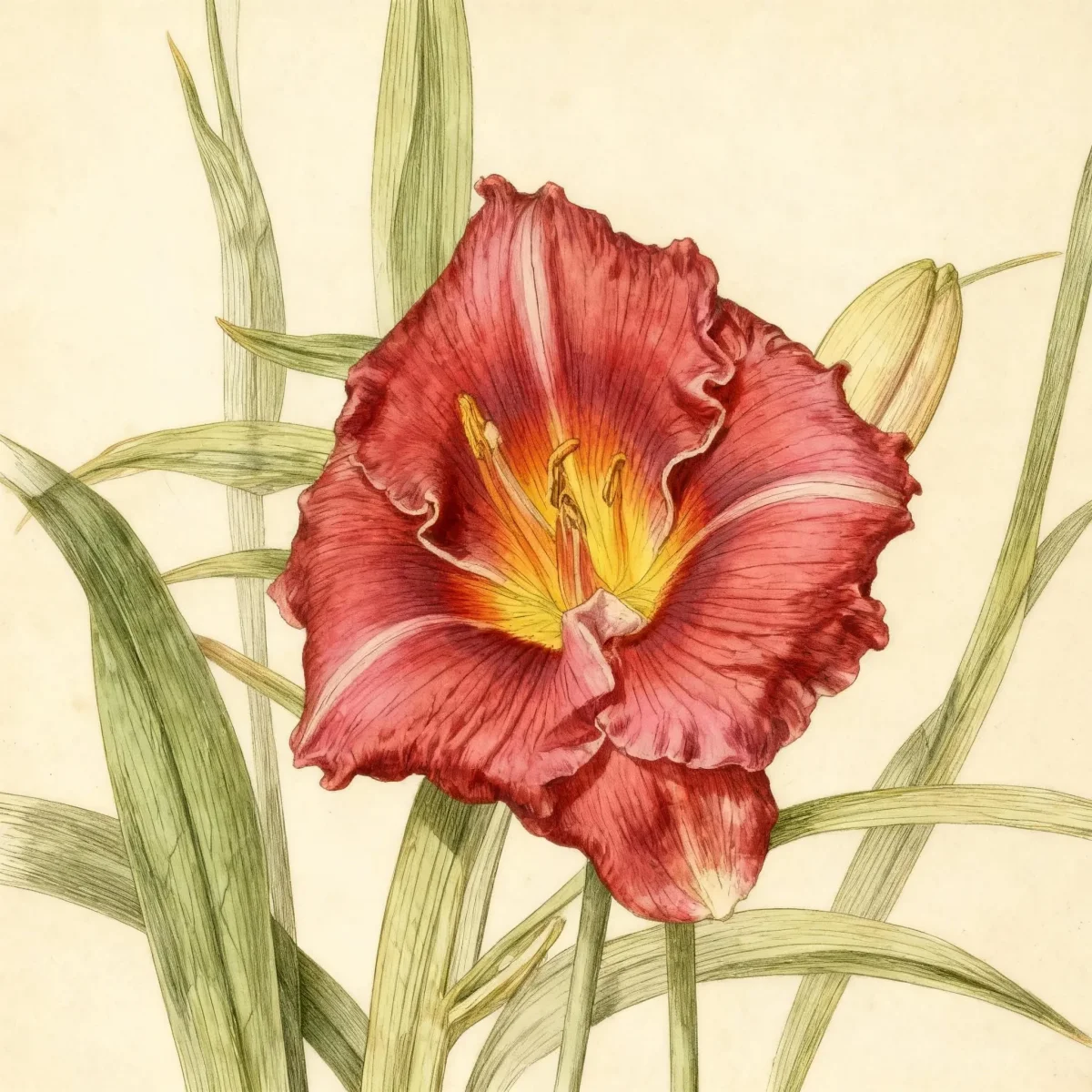
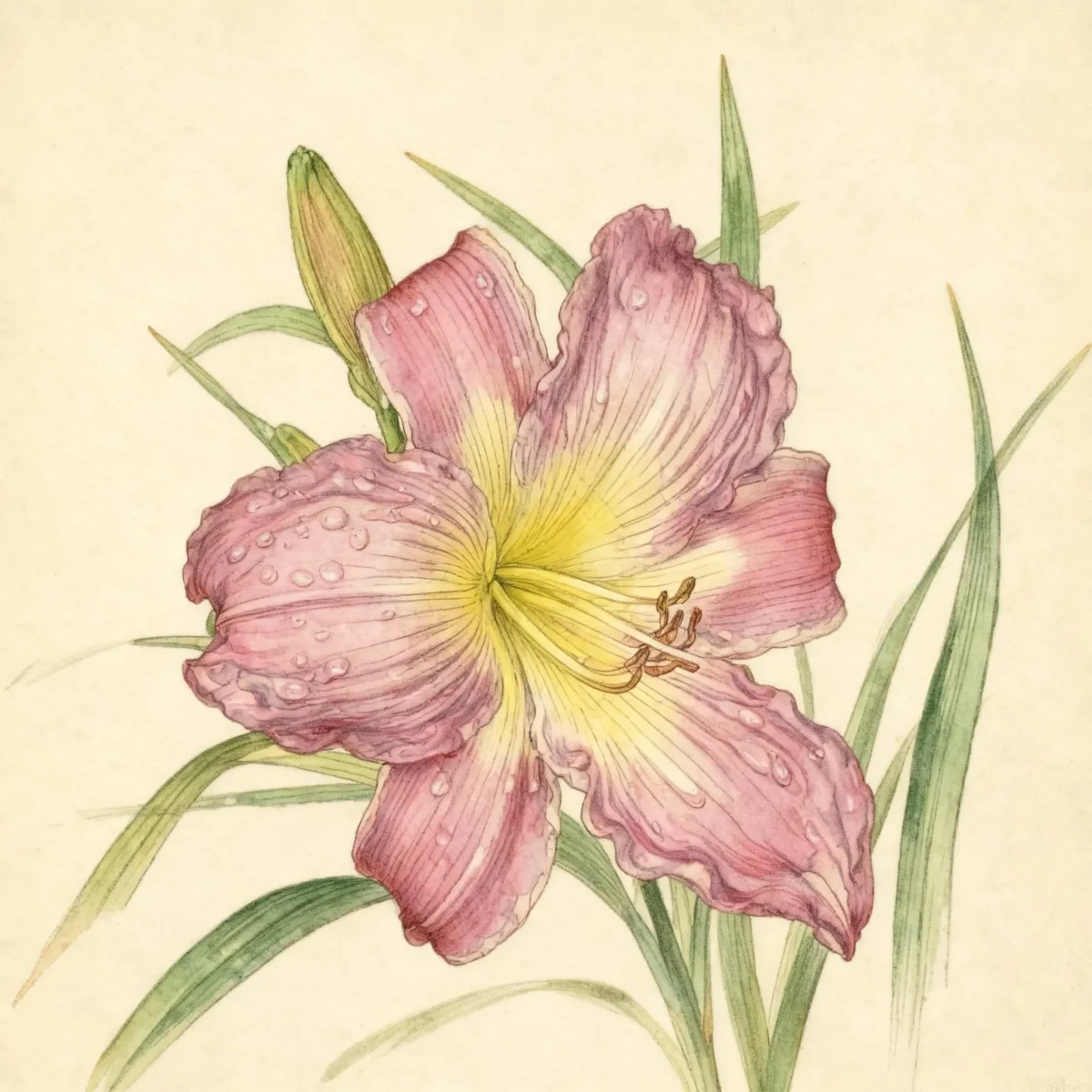
Daylily (Hemerocallis 'Pink Super Spider')
Discover Hemerocallis 'Pink Super Spider', a low-maintenance Daylily featuring striking rose pink spider flowers ideal for zones 3-9.
Scroll down to discover growing tips, care requirements, companion plants, and more
Complete Plant Information
Overview
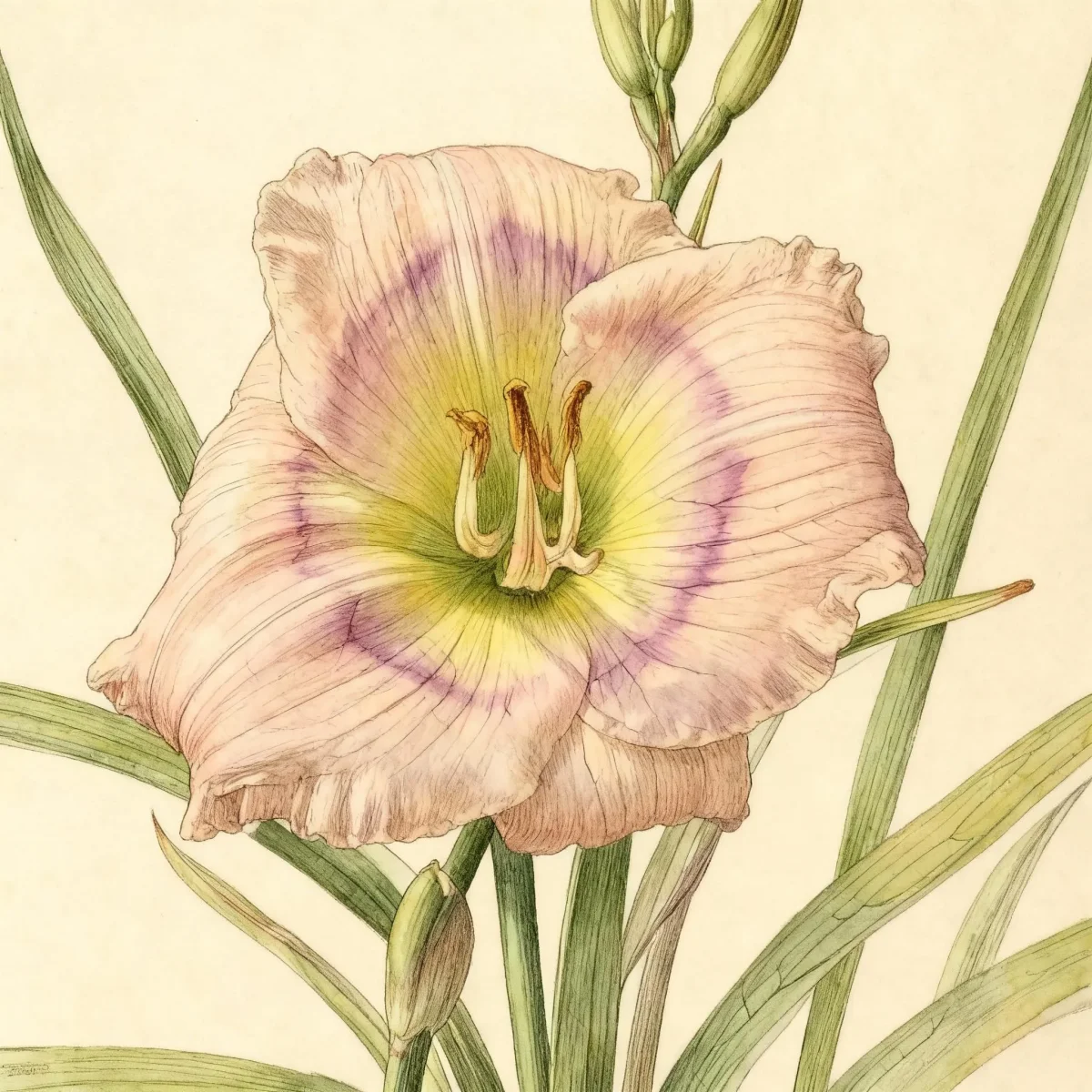
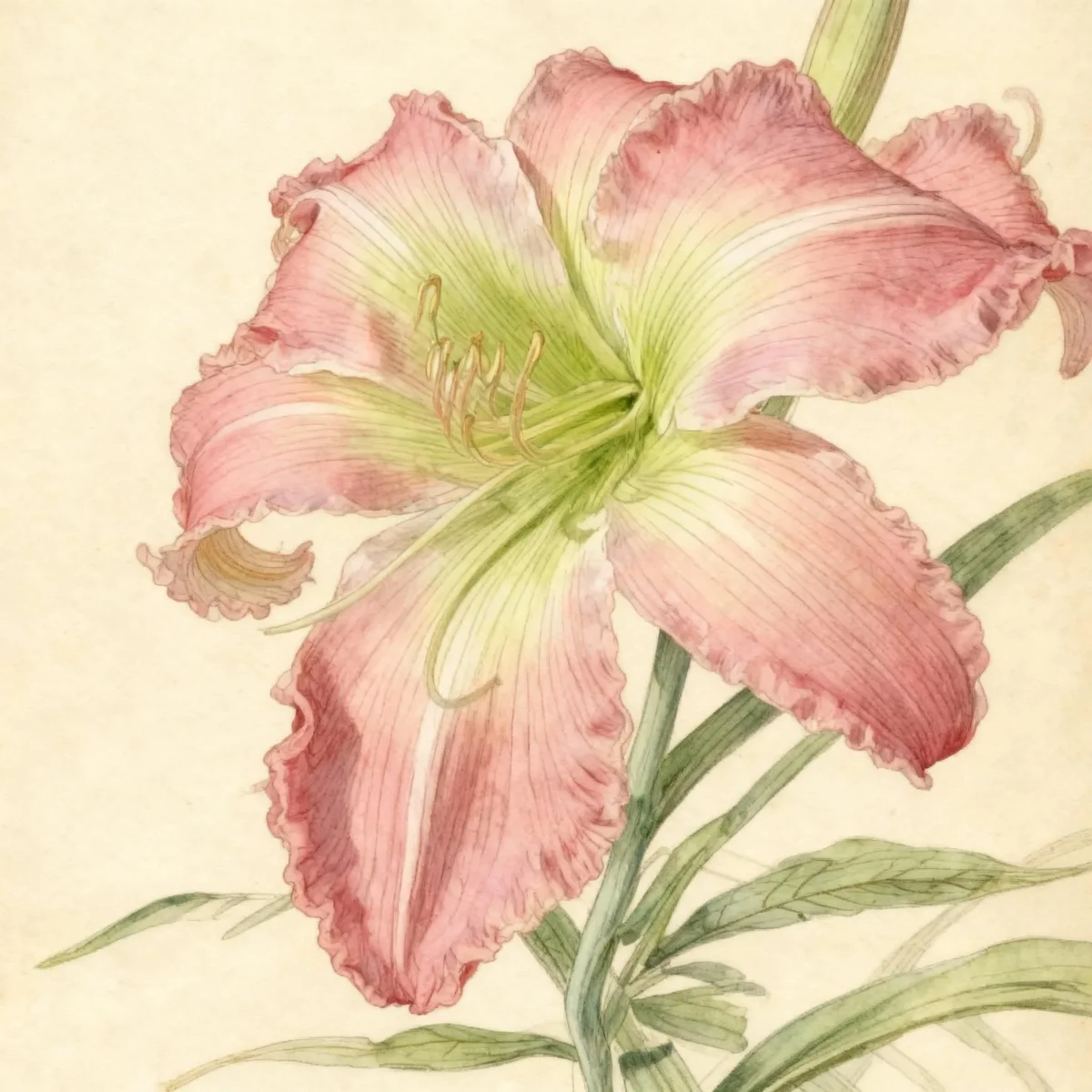
The Hemerocallis ‘Pink Super Spider’ Daylily is a highly valuable addition to any perennial border, celebrated for its unique bloom structure and ease of care. This cultivar stands out with its dramatic, wide-open, rose pink flowers, characteristic of the spider form, which possess narrow petals that are at least five times longer than they are wide. As a tough herbaceous perennial, the Daylily thrives in diverse conditions, making it a reliable choice for gardeners seeking vibrant color without excessive effort. Hemerocallis ‘Pink Super Spider’ offers extended visual interest from early to mid-season, allowing gardeners to enjoy its beauty year after year.
This variety is known for its adaptability, tolerating both full sun and partial shade while requiring only medium water inputs once established. It provides excellent structural volume with its clump-forming, grass-like foliage, remaining attractive through hot summers. Furthermore, this particular Daylily exhibits notable resilience, tolerating air pollution and resisting common browsing pressures.
Gardeners appreciate the impressive height reached by the flower scapes, which elevate the stunning 10-inch diameter flowers above the foliage mass. Successfully integrating Hemerocallis ‘Pink Super Spider’ into your landscape means embracing a workhorse perennial that delivers tropical drama combined with northern hardiness.
Fast Facts
- Plant Family: Asphodelaceae
- Plant Type: Herbaceous perennial
- Hardiness Zones: USDA Zones 3-9
- Size at Maturity:
- Height: 2.5-3 ft
- Spread: 1.5-2 ft
- Bloom Time: June to July
- Bloom Description: Rose pink with green throat
- Sun Exposure: Full sun to part shade
- Water Needs: Medium
- Maintenance Level: Low
How to Grow
Planting your Daylily, including the stunning Hemerocallis ‘Pink Super Spider’, should ideally occur in spring or fall in average, medium-moisture, well-drained soils. While Daylilies adapt well to many soil types, they perform optimally in deep, fertile loams. Ensure locations provide full sun to light afternoon shade for the best flowering performance.
Care for established plants is notably simple, confirming their low maintenance rating. Deadheading spent flowers daily keeps the clump tidy and encourages successive blooming throughout early summer. Once the flowers have finished their cycle, remove the entire spent flower scape near the base. While tolerant of summer heat and humidity, deep watering during severe dry spells keeps the foliage looking its best.
If you cultivate winter dormant varieties like this one, remember that a cold period of winter dormancy is crucial for the best display in colder regions; avoid planting in Zone 9 and warmer unless you select evergreen types. For vigorous, long-term health, plan to divide large clumps every three to four years, preferably in the spring in colder climates. Remember that hybrid daylilies, such as this one, will not reliably reproduce true to type if grown from seed.
Landscape Uses
The robust structure and vibrant coloration of the Daylily make it an excellent structural element in mixed plantings. Hemerocallis ‘Pink Super Spider’ excels when utilized in traditional borders, providing a mid-height layer of color that contrasts nicely with lower-growing annuals or groundcovers. Its clumping nature makes it perfect for edging defined garden beds or pathways where a neat, contained display is desired.
For a more dramatic effect, consider planting these daylilies in mass plantings across large slopes or open areas. The consistent, arching foliage creates a lush green backdrop even when the main flush of bloom has passed. Although this cultivar reaches almost three feet, it offers better texture than many other large border perennials.
Daylilies are quite versatile; they serve well in cottage gardens, blending with hostas or ornamental grasses that share similar light and moisture preferences. Ensure spacing allows for their 1.5 to 2-foot spread to maximize air circulation, which helps prevent potential fungal issues.
Standout Features
Flower Qualities
- Showy
Noteworthy Characteristics
Hemerocallis is a genus that has been wildly transformed by hybridization, resulting in over 60,000 registered cultivars, far exceeding the original few species native to Asia and Europe. The beauty of the Daylily lies in its relentless flower production, with blooms opening sequentially to ensure a long blooming period despite each individual flower lasting only a single day. Hemerocallis ‘Pink Super Spider’ specifically offers the desirable “spider” form, meaning its petals are very long and narrow, presenting 10-inch blooms of clear rose pink with a contrasting green throat.
Tolerances
- Rabbit
- Erosion
- Air Pollution
Potential Problems
The adaptability of the Daylily means it is generally easy to grow and remains relatively pest-free compared to many other garden staples. Occasional minor pest issues might include mites, aphids, or thrips, especially during hot, dry summers. Scouting the underside of the foliage can help catch these issues early, treating with insecticidal soap if necessary.
Daylily rust, a fungal disease, can be problematic depending on local climate and humidity levels, manifesting as yellow or orange pustules, usually on the undersides of the leaves. Good air circulation, avoiding overhead watering late in the day, and promptly removing older foliage in the fall can mitigate rust development. Given the excellent pest resistance, this plant is a great selection, noted by rabbits tending to avoid the foliage entirely.
Frequently Asked Questions
What hardiness zones is Daylily suitable for?
Hemerocallis ‘Pink Super Spider’ is suitable for USDA Zones 3 through 9, allowing for wide application across the country.
How large does this Daylily grow?
This cultivar typically reaches a mature height between 2.5 and 3 feet tall, with a spread ranging from 1.5 to 2 feet wide.
What sun exposure does Hemerocallis ‘Pink Super Spider’ need?
This Daylily performs best when situated in locations that receive full sun, though it can tolerate part shade, which may slightly reduce the number of blooms.
When does the Daylily bloom?
The primary bloom time for this variety is from June into July, producing eye-catching flowers described as rose pink with a distinct green throat.
Conclusion
Hemerocallis ‘Pink Super Spider’ stands as a triumph of modern daylily breeding, offering unique spider-form flowers in a durable, low-maintenance package. Its superior tolerance to varied conditions and reliable summer performance solidifies the Daylily’s role as a foundational perennial. Before planting, confirm that your site offers the necessary sun exposure and check your local hardiness zone classification to ensure Hemerocallis ‘Pink Super Spider’ flourishes for years to come.
Companion Planting
Selecting appropriate neighbors is key to enhancing the overall aesthetic and health of your perennial beds. Daylilies, preferring medium moisture and thriving in full sun or light shade, pair beautifully with plants that share these cultural requirements. Consider underplanting the taller foliage of Hemerocallis ‘Pink Super Spider’ with lower-growing, shade-tolerant plants like Hostas or Heuchera varieties, which can help keep the soil cool and moist around the Daylily roots.
For vibrant color contrast during the summer bloom, intersperse Iris Germanica varieties, which bloom slightly earlier, or contrast the rose pink against the cooler blues and purples of Salvia nemorosa or Catmint (Nepeta). Since Daylilies prefer well-drained soil, avoid bog plants or those that require consistently soggy conditions, as this can lead to root rot for your Daylily clump.
Seasonal Care Calendar
Mid-to-late winter is the quiet time for this dormant Daylily, but spring preparation is vital for peak summer performance. As temperatures consistently rise in early spring, rake away any old, dead foliage or winter debris that may be smothering the crown of the Hemerocallis ‘Pink Super Spider’. This cleaning promotes good air circulation, reducing the risk of fungal issues early in the season.
Summer is the prime performance phase; focus energy on deadheading spent flowers daily to encourage continuous blooming throughout June and July. If summer heat is intense, provide a deep, slow watering every week or so to keep the foliage robust and prevent scorch marks. Avoid heavy fertilization during the heat of mid-summer, as this can encourage tender new growth susceptible to damage.
As fall approaches, begin preparing for dormancy. In late summer or early fall, you can divide overcrowded clumps—spring is preferred in very cold climates, but fall works well in moderate areas. If the foliage remains green into late fall, trim it back once it naturally begins to yellow to prepare the Daylily for its necessary winter dormancy period before the hard frosts arrive.