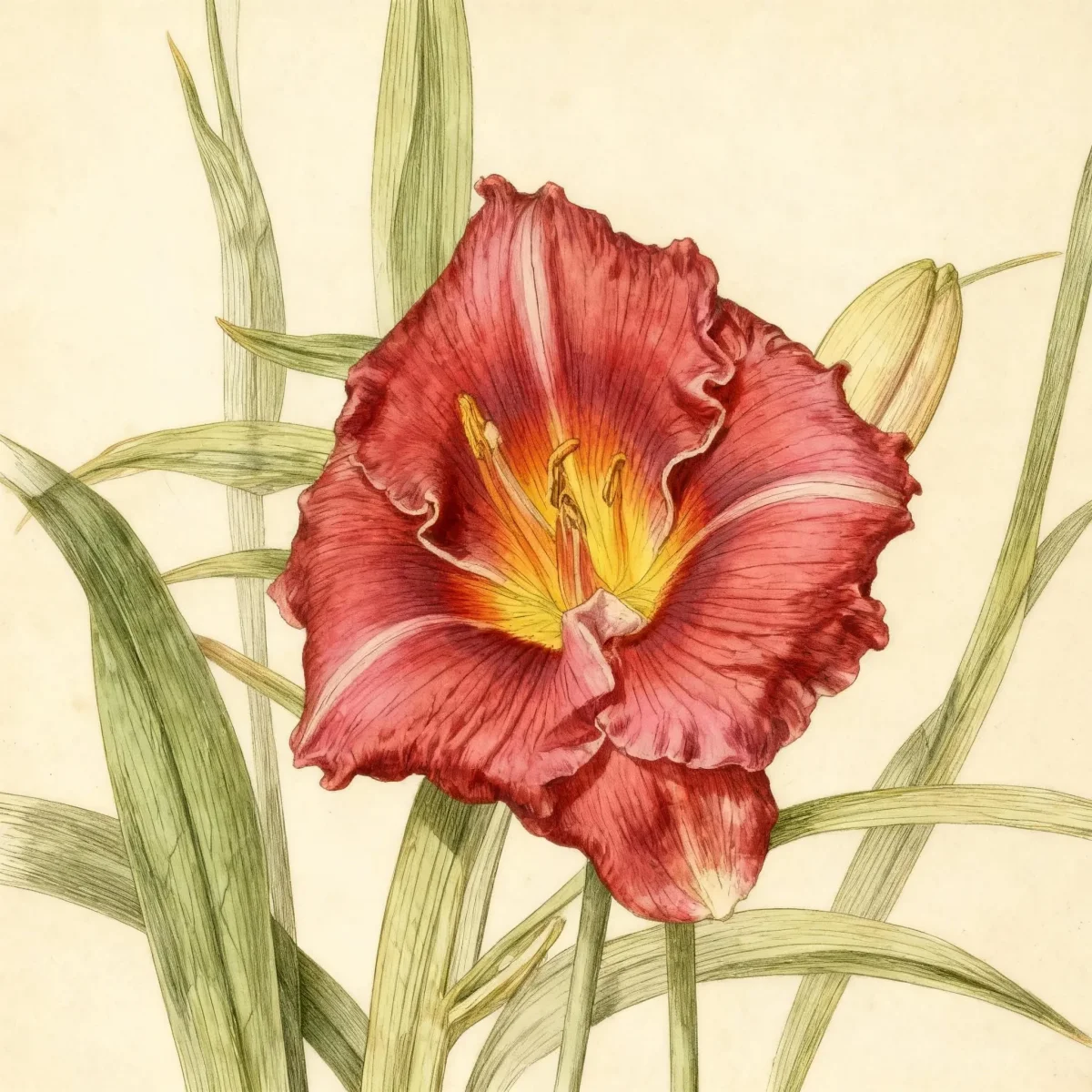
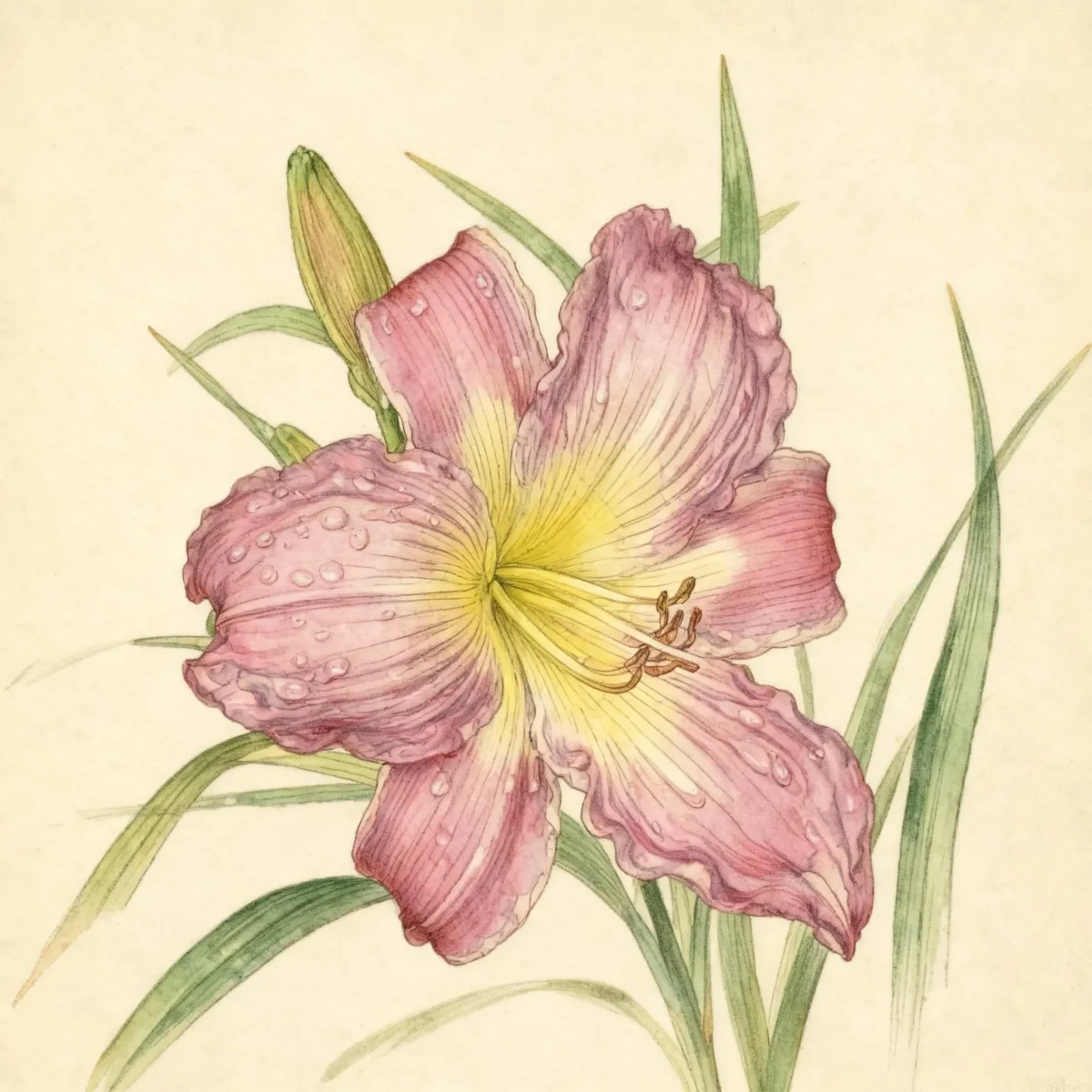
Daylily (Hemerocallis 'Pony')
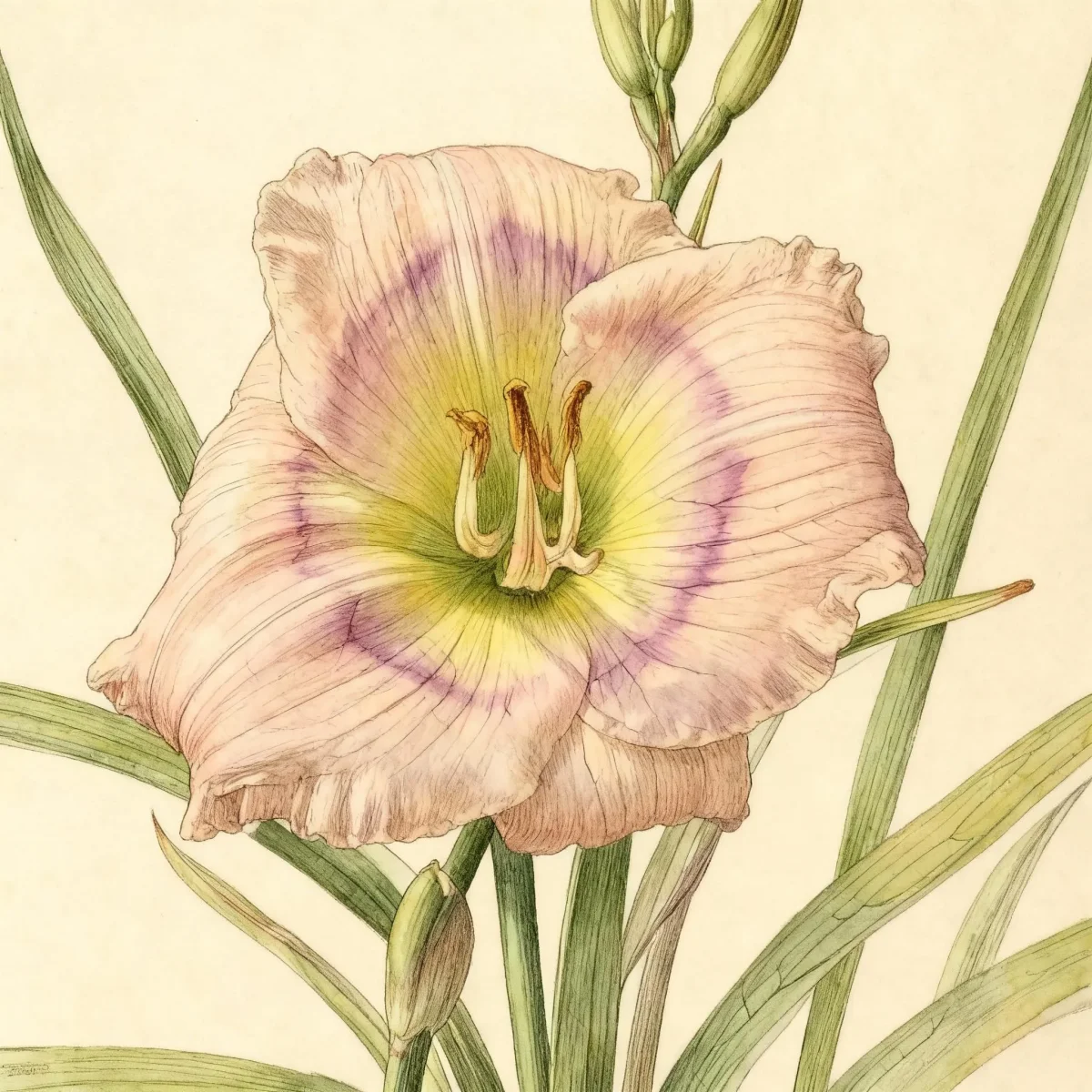
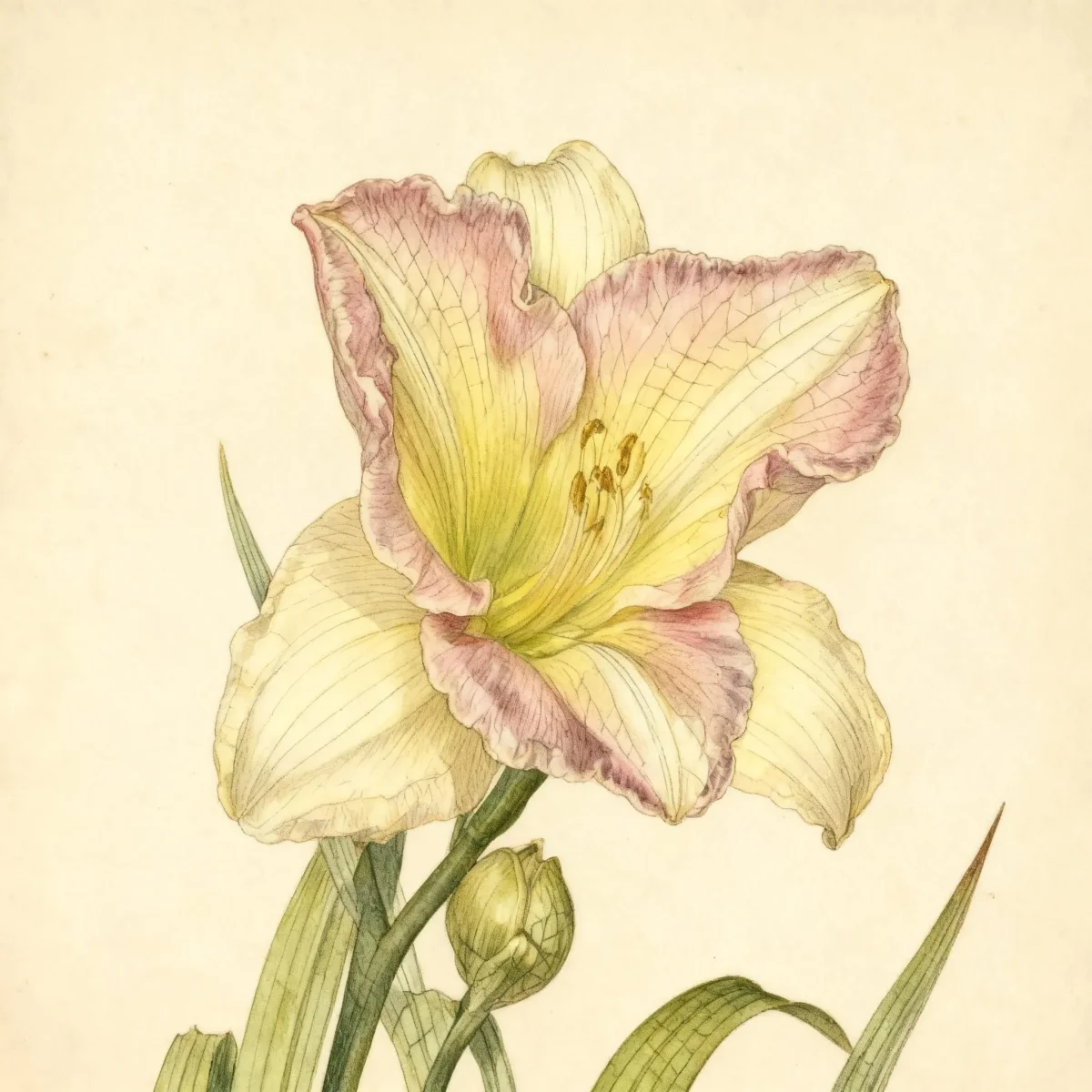
The striking Hemerocallis 'Pony' Daylily boasts bicolor lavender/white fragrant blooms. A low-maintenance perennial, ideal for zones 3-9.
Scroll down to discover growing tips, care requirements, companion plants, and more
Complete Plant Information
Overview
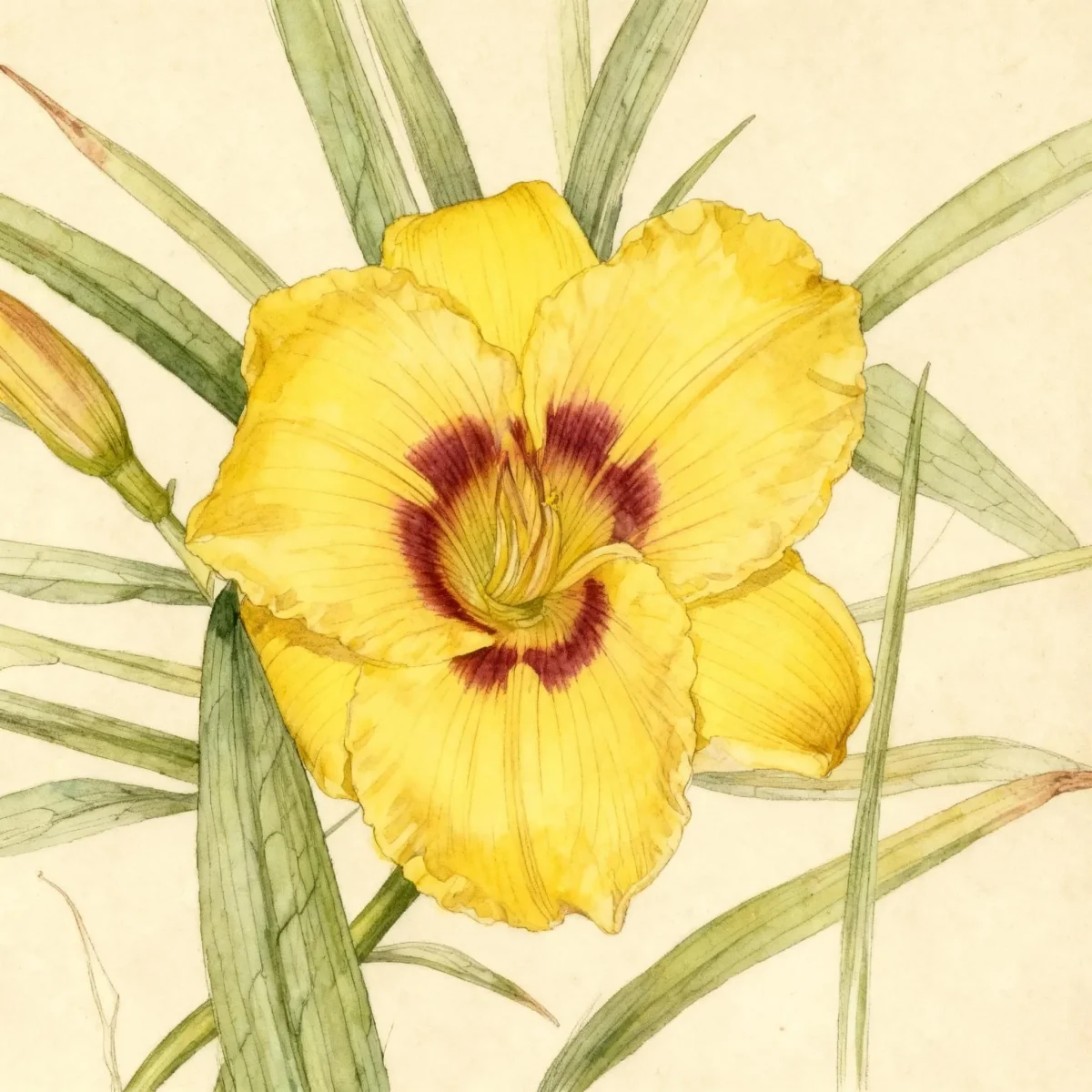
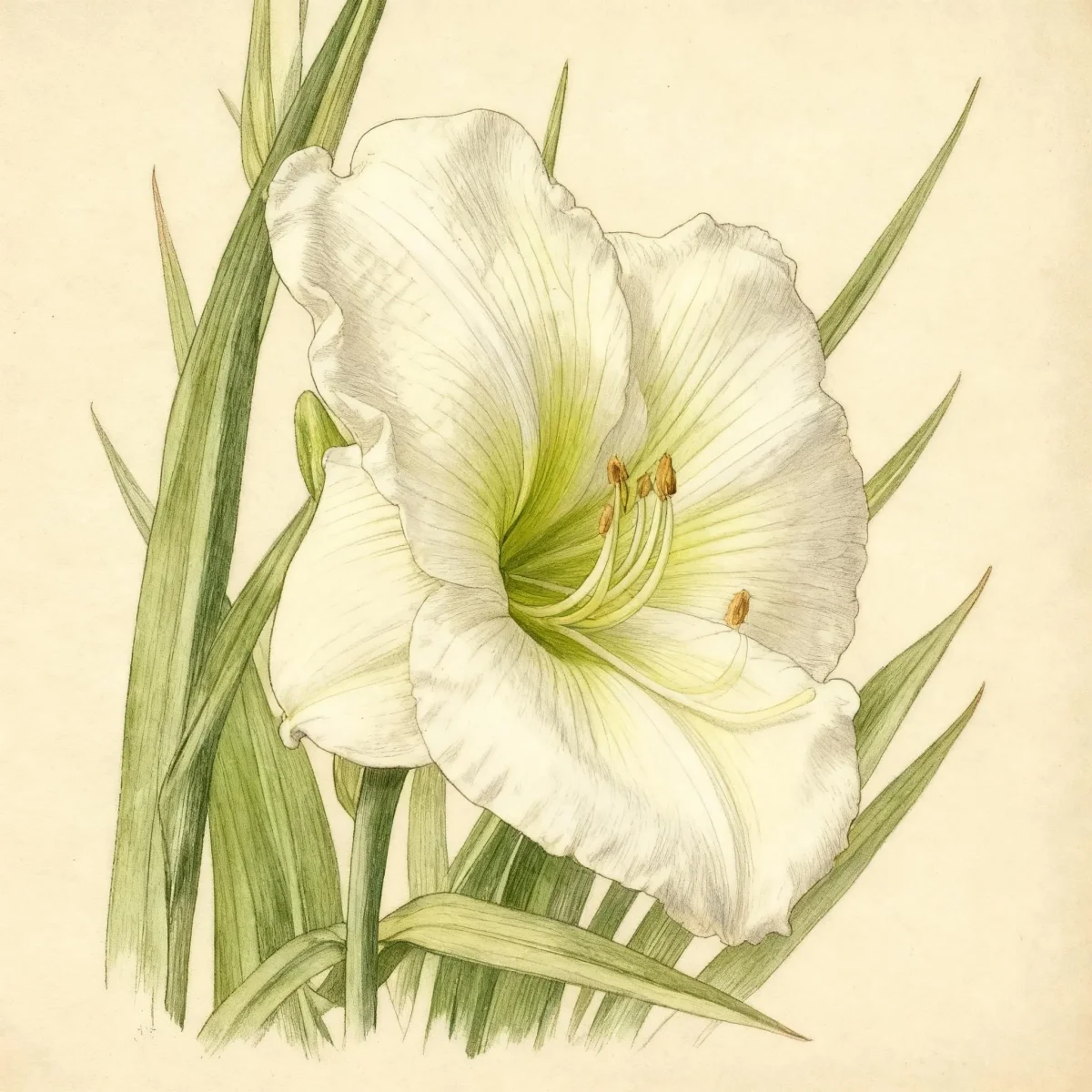
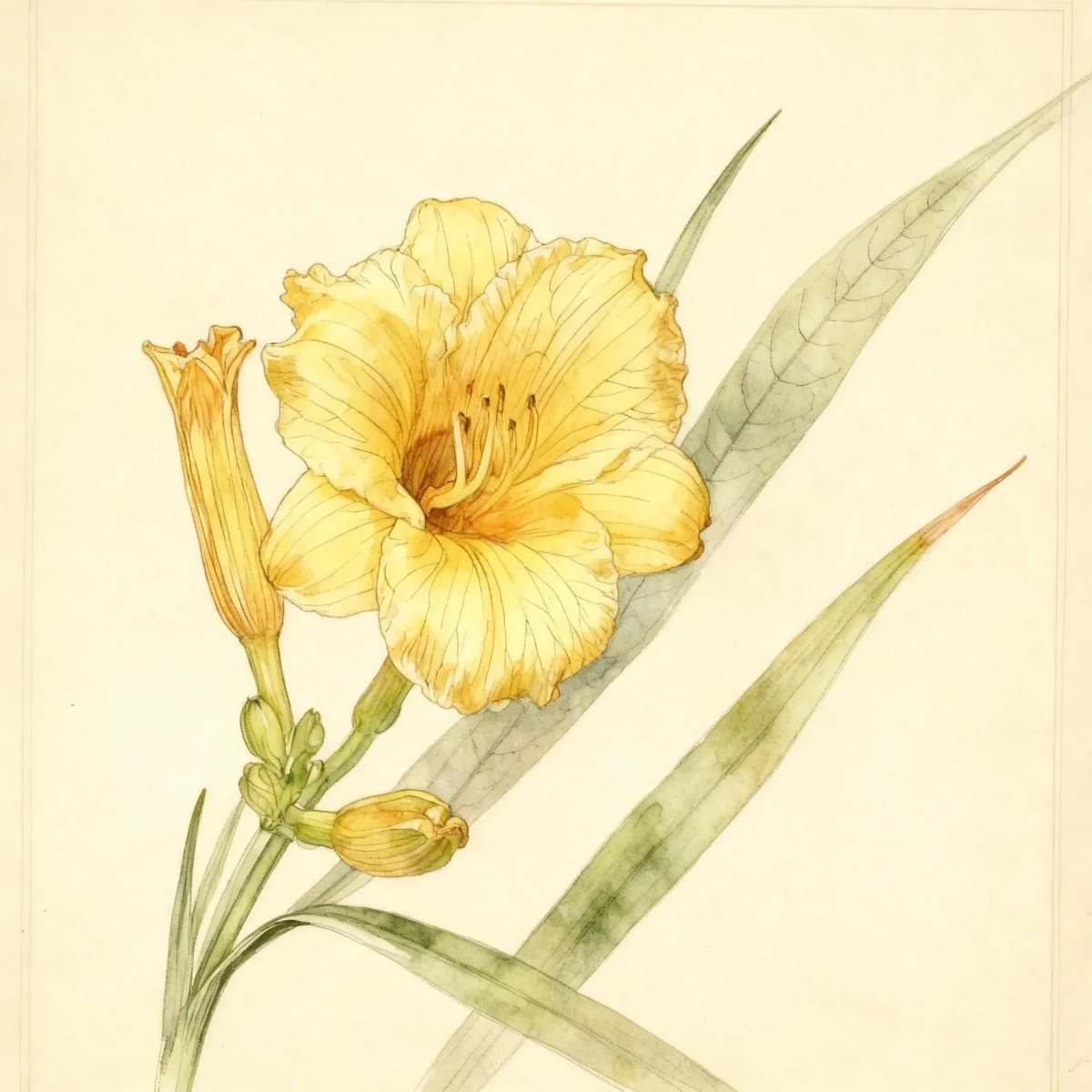
The Hemerocallis ‘Pony’ is a highly valued diploid Daylily cultivar cherished for its distinctive flower presentation and relative ease of care. This variety offers showy, fragrant blooms in shades of bicolor lavender and creamy white, bringing reliable summer color to the landscape. As an herbaceous perennial, the Daylily provides dependable, relatively low-maintenance structure year after year.
Hemerocallis ‘Pony’ forms neat clumps of arching, blade-like green foliage, usually topping out around two feet high, making it versatile for various garden placements. Its robust nature allows it to tolerate heat, humidity, and marginal soils, cementing its place as a gardener favorite, especially for those seeking high impact with minimal effort.
These handsome plants fit beautifully into mixed borders or large mass plantings due to their adaptability and long bloom period, which is extended by its registered reblooming trait. Enjoying the beauty provided by this particular Daylily cultivar ensures seasonal visual interest without demanding constant attention.
Fast Facts
- Plant Family: Asphodelaceae
- Plant Type: Herbaceous perennial
- Hardiness Zones: USDA Zones 3-9
- Size at Maturity:
- Height: 2-2.5 ft
- Spread: 1.5-2 ft
- Bloom Time: June to July
- Bloom Description: Bicolor lavender and creamy white
- Sun Exposure: Full sun to part shade
- Water Needs: Medium
- Maintenance Level: Low
How to Grow
Planting your Hemerocallis ‘Pony’ should ideally occur in the spring, although fall planting is acceptable in milder zones. Daylilies perform best when placed in locations receiving full sun to light afternoon shade. While easily grown in average, medium moisture, well-drained soils, they thrive best when planted in deep, fertile loams, ensuring excellent drainage to prevent crown rot issues.
Daylilies require medium water, appreciating deep watering during dry spells to keep the foliage looking attractive through summer heat. Maintenance is generally low; remember to deadhead spent flowers daily for neatness and remove the entire flower scape once blooming has finished. Hybrid daylilies like ‘Pony’ do not come true from seed, so propagation relies on division, typically done every 3-4 years in the spring in colder climates.
For winter dormant types, ensuring a cold period of dormancy is crucial for the best performance, making them less suitable for the warmest reaches of Zone 9 and above unless an evergreen type is specifically chosen. If foliage is damaged in cold winters, cut it back to maintain a clean appearance until new growth emerges.
Landscape Uses
The robust, clumping nature of the Daylily makes Hemerocallis ‘Pony’ an indispensable workhorse in landscape design. They are excellent choices for defining borders or providing neat edging along pathways where their tidy foliage provides structure even when not in bloom. This moderate-sized cultivar excels when planted in mass over large areas, creating sweeping drifts of color come midsummer.
Because they are easy-to-grow herbaceous perennials, daylilies integrate well with many other sun-loving architectural plants. Consider pairing them with spiky foliage plants like ornamental grasses or contrasting them against the rounded forms of low-growing shrubs. Their tolerance for air pollution also makes them suitable candidates for urban or frontline plantings.
Standout Features
Flower Qualities
- Showy
- Fragrant
Noteworthy Characteristics
The genus Hemerocallis, commonly known as daylilies, comprises about 15 species native to Asia and Central Europe, though most modern garden varieties are hybrids. Each individual flower, typically funnel-shaped and often 3-8 inches across, lasts only one day—hence the common name—but they are produced in great succession on tall scapes. Hemerocallis ‘Pony’ specifically is noted as a registered rebloomer, offering extended periods of visual interest over the spring and summer months.
Tolerances
- Rabbit
- Erosion
- Air Pollution
Potential Problems
Daylilies are famously adaptable and rarely suffer from serious issues, keeping the maintenance level low. While extremely tough, occasionally pests like spider mites, aphids, or thrips may appear; these are usually manageable with horticultural oil or targeted insecticidal soap if infestations become bothersome. A more significant concern in some humid regions is Daylily Rust (a fungal disease), which can be managed through sanitation and selecting resistant cultivars when possible. Rabbits generally find the foliage unappetizing, offering a built-in layer of pest protection.
Frequently Asked Questions
What hardiness zones is Daylily suitable for?
The Hemerocallis ‘Pony’ Daylily is highly adaptable and hardy across USDA Zones 3 through 9.
How large does Hemerocallis ‘Pony’ grow?
This cultivar typically reaches a mature height between 2 to 2.5 feet, spreading to a width of 1.5 to 2 feet wide.
What sun exposure does Hemerocallis ‘Pony’ need?
This Daylily thrives best with medium water needs when situated in a location that receives full sun to light part shade throughout the day.
When does Daylily bloom?
Hemerocallis ‘Pony’ blooms during the early to mid-summer period, specifically from June to July, featuring its lovely bicolor lavender and creamy white flowers.
Conclusion
The Hemerocallis ‘Pony’ Daylily is a fantastic choice for gardeners seeking dependable color and fragrance with minimal fuss. Its robust tolerance for various conditions, coupled with its striking bicolor blooms, makes it a standout perennial. Before planting, confirm your location falls within USDA Zones 3-9 and ensure the site affords at least partial sunlight for the best blooming performance.
Companion Planting
Choosing effective companions for Hemerocallis ‘Pony’ involves selecting plants that share similar sun and water requirements, ideally those that contrast or complement its mid-season bloom time. Consider pairing your Daylilies with late-season bloomers like Coneflowers (Echinacea) or Sedum, which will take over where the Daylily foliage begins to thin or decline later in the year. Plants with fine, airy textures, such as certain ornamental grasses, provide an excellent visual foil to the broad, strap-like leaves of the Daylily clump.
Seasonal Care Calendar
Spring marks the beginning of active growth; clean up any old foliage and lightly feed the Daylily clumps if your soil is poor. Summer is peak maintenance time, focusing on deadheading spent blooms daily to encourage rebloom and providing deep, regular watering during dry spells to keep the foliage crisp. In the fall, especially after the first hard frost, dormancy sets in; trim back any remaining dead foliage, which prepares the Hemerocallis ‘Pony’ for its necessary winter rest and ensures a clean start next spring.