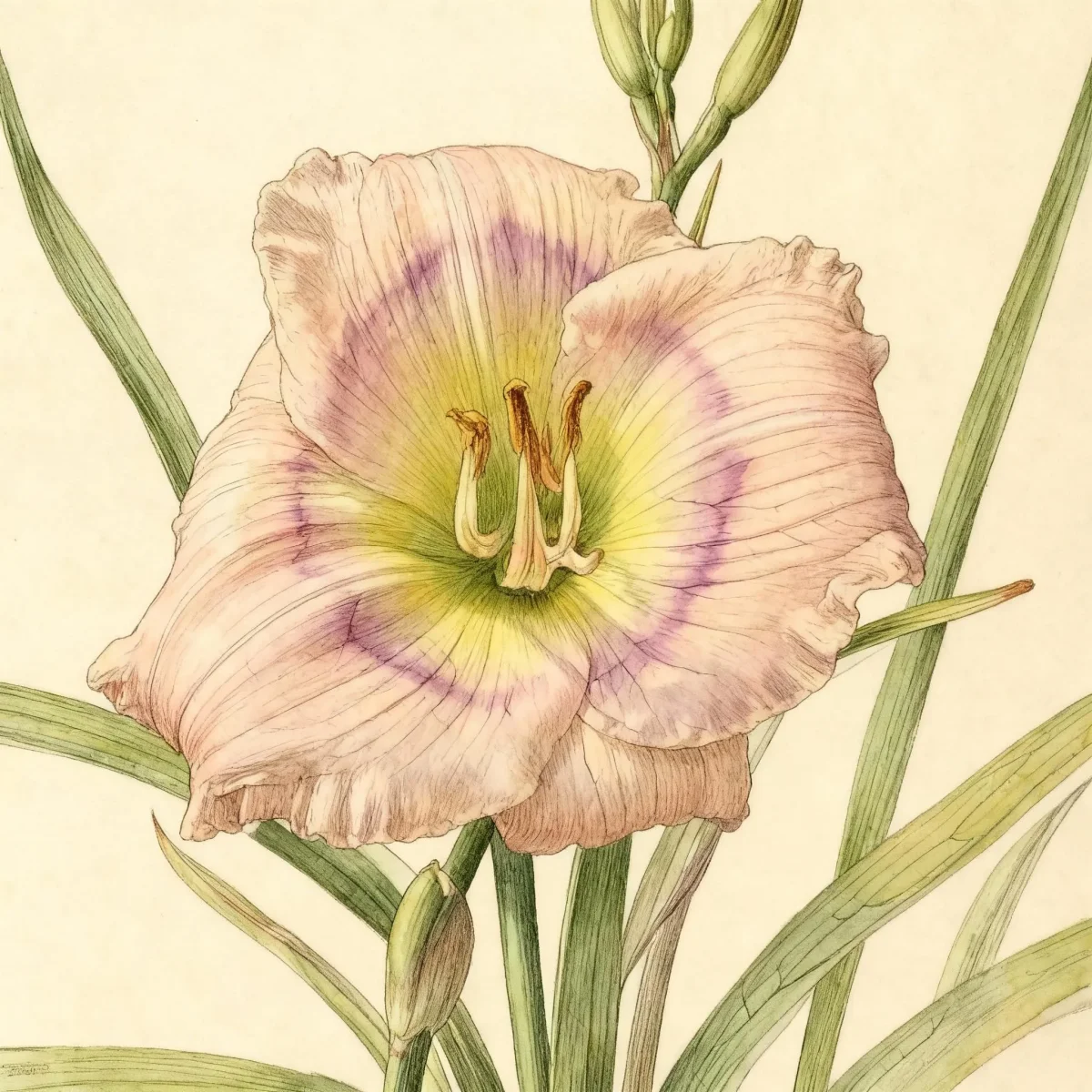
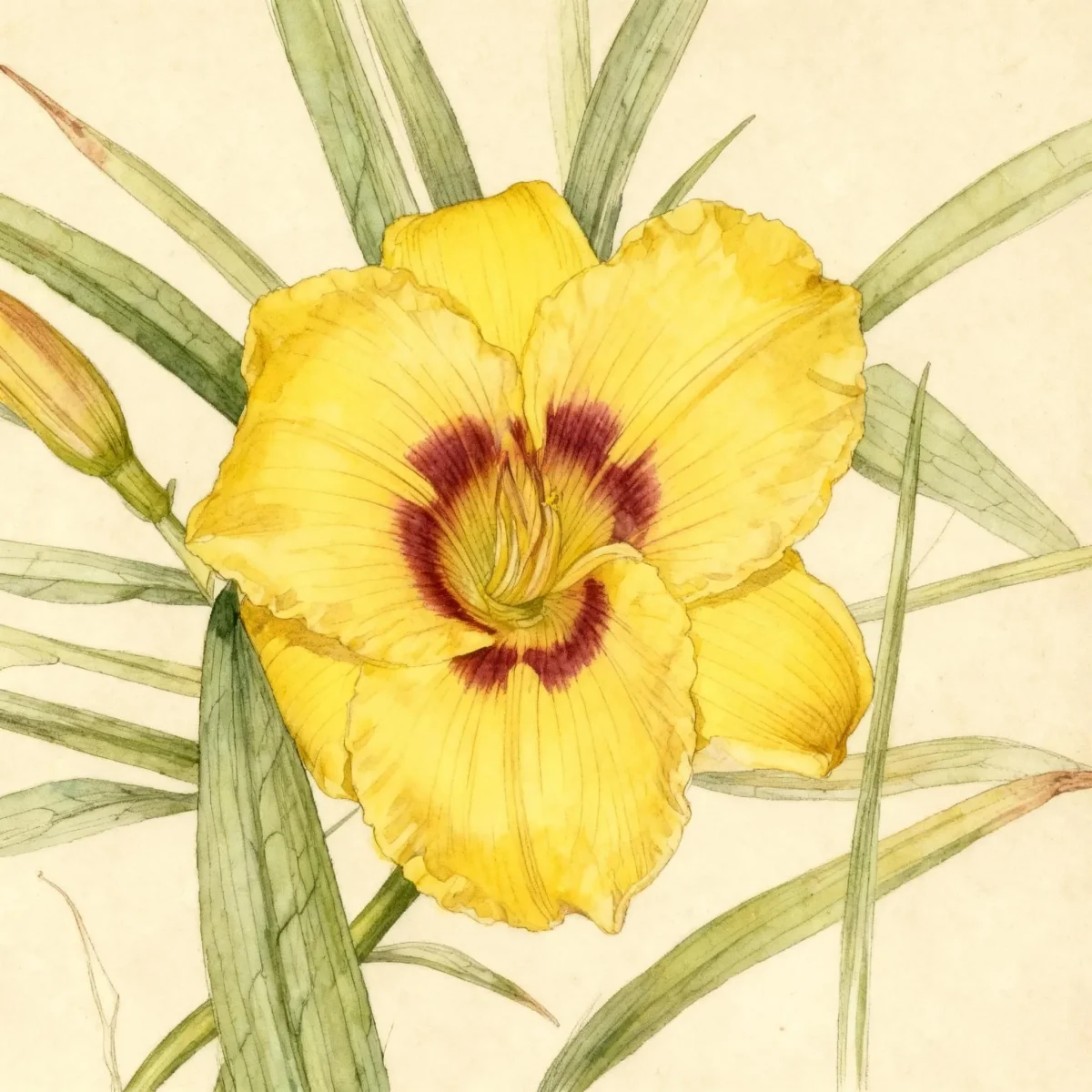
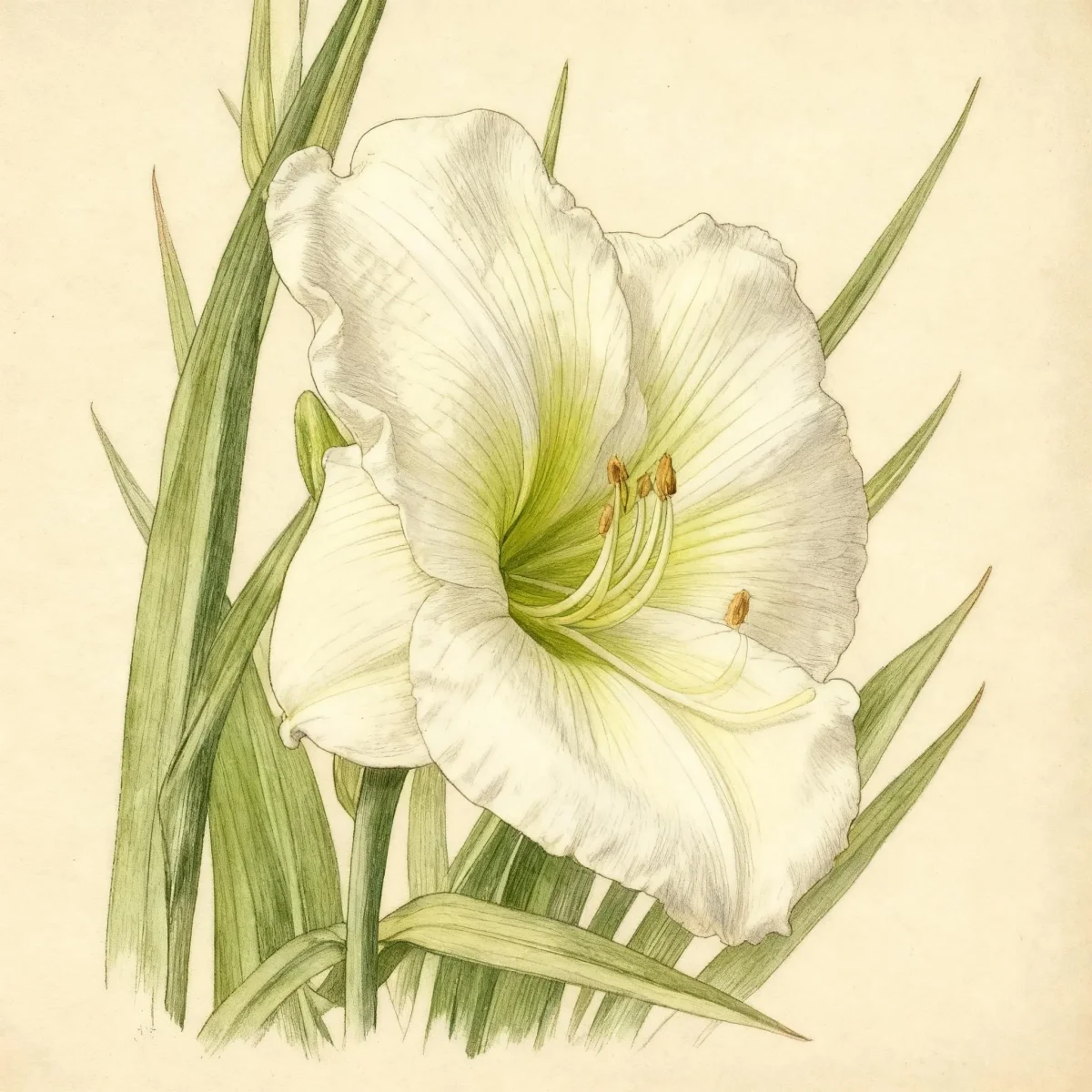
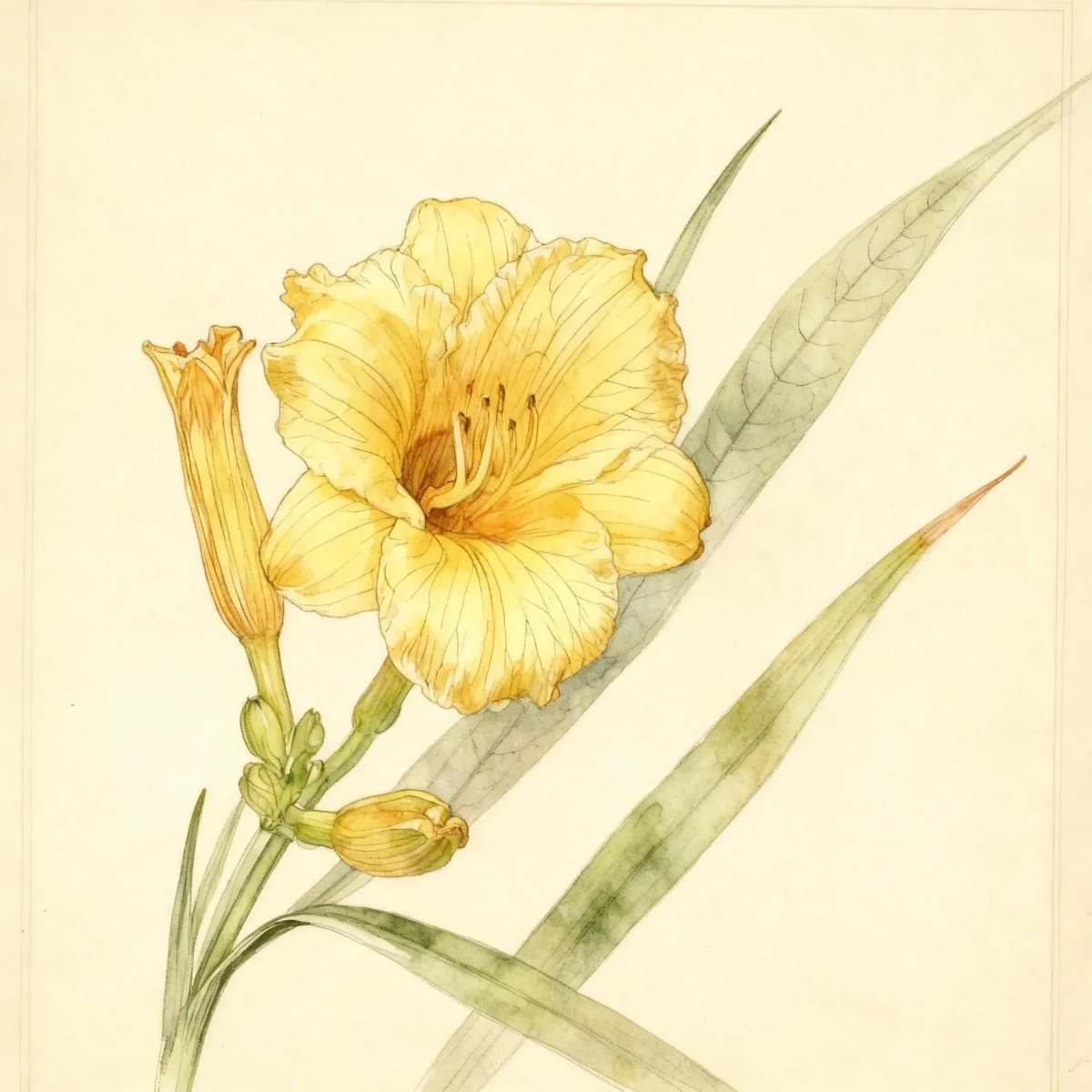
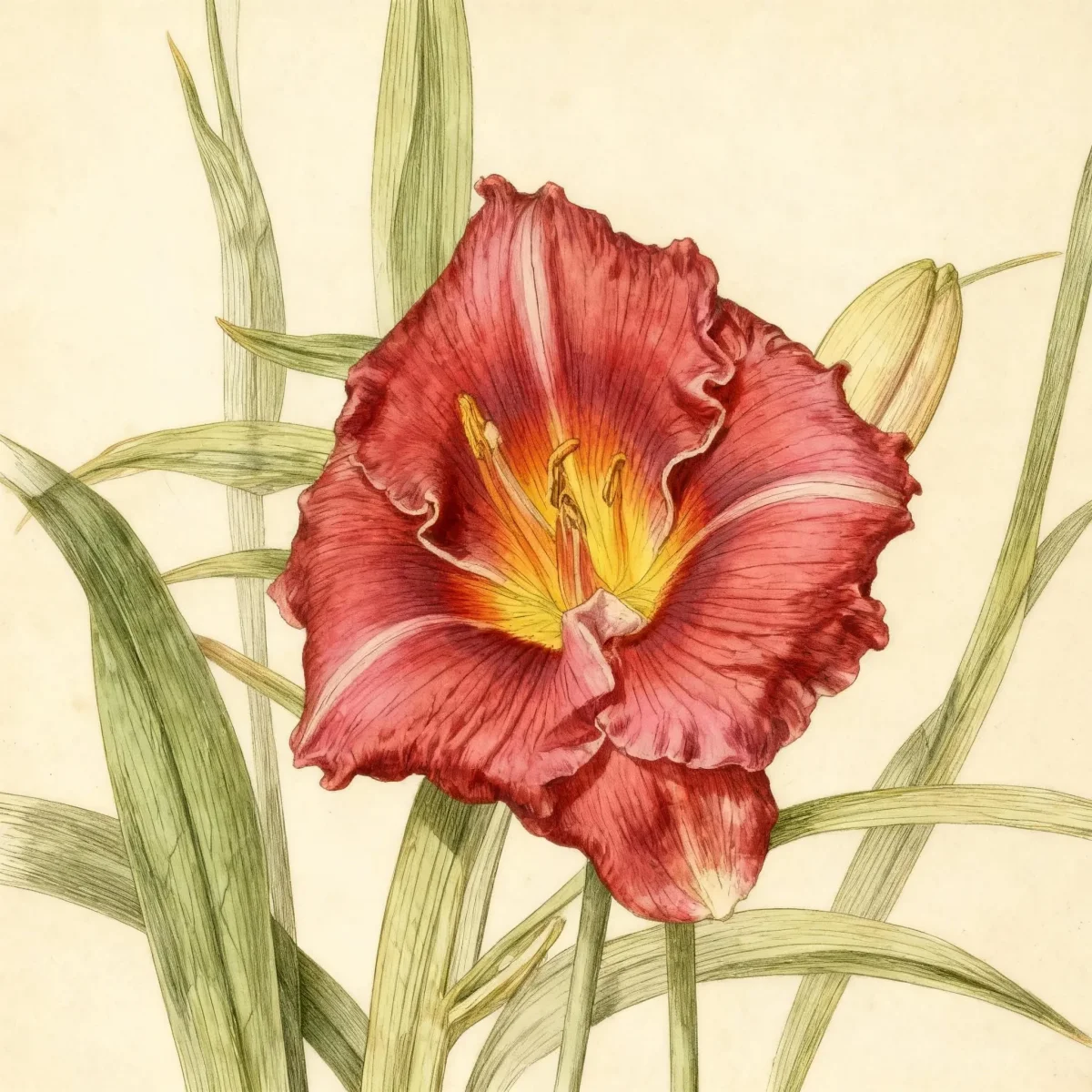
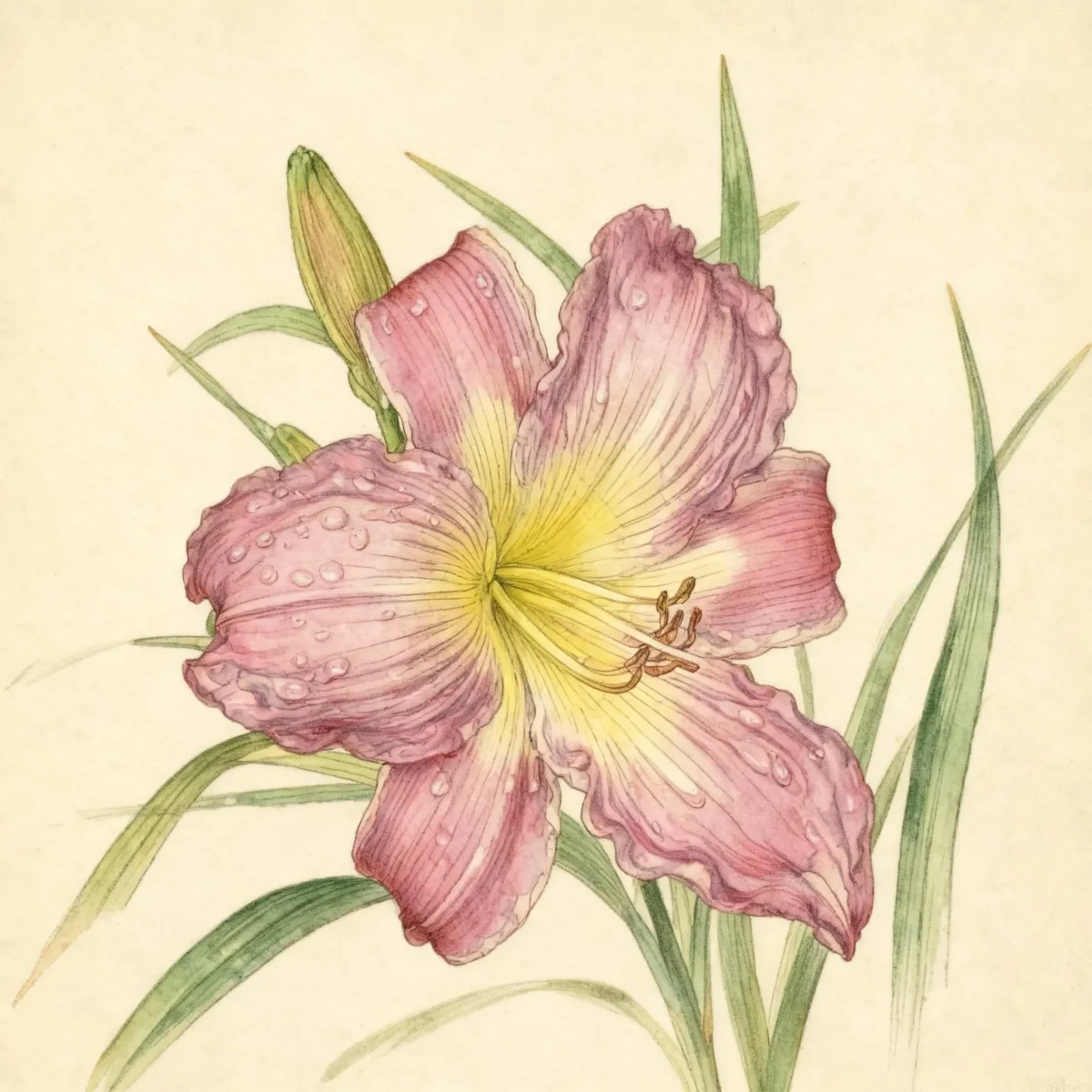
Daylily (Hemerocallis 'Prairie Blue Eyes')
Hemerocallis 'Prairie Blue Eyes' Daylily. Low maintenance perennial with lavender blooms, thriving in USDA Zones 3-9.
Scroll down to discover growing tips, care requirements, companion plants, and more
Complete Plant Information
Overview
Daylilies, belonging to the genus Hemerocallis, are celebrated for their incredible adaptability and vibrant, yet fleeting, beauty. The cultivar Hemerocallis ‘Prairie Blue Eyes’ stands out with its attractive 5.25-inch lavender flowers, setting it apart from typical orange varieties. As a fibrous-rooted herbaceous perennial, it offers reliable structure and dependable seasonal color.
This Daylily is known for its low maintenance needs, thriving across a wide spectrum of garden conditions, from full sun to partial shade. Gardeners value its robust nature, as it handles summer heat and humidity well, provided it receives adequate moisture during dry spells. The lasting display of blooms, even if each flower lasts only a day, ensures consistent visual interest from early summer onward.
Hemerocallis ‘Prairie Blue Eyes’ is an excellent choice for mass plantings where dependable texture and color are required. Its arching, linear foliage provides attractive green groundwork, which remains clean for much of the season. Awarded the AHS Award of Merit in 1976, this cultivar represents a high standard of daylily performance and beauty.
Fast Facts
- Plant Family: Asphodelaceae
- Plant Type: Herbaceous perennial
- Hardiness Zones: USDA Zones 3-9
- Size at Maturity:
- Height: 2-2.5 ft
- Spread: 1.5-2 ft
- Bloom Time: June to July
- Bloom Description: Lavender with a green throat
- Sun Exposure: Full sun to part shade
- Water Needs: Medium
- Maintenance Level: Low
How to Grow
Planting Hemerocallis ‘Prairie Blue Eyes’ is best done in the spring or fall, though spring planting is preferred in colder climates to allow root establishment before winter dormancy sets in. These daylilies perform admirably in average, well-drained soils, but truly flourish when planted in deep, fertile loams that retain medium moisture levels consistently. Ensure the crown of the plant is set just at or slightly above the soil line.
Ongoing care for this Daylily is minimal. Deadhead spent flowers daily if you desire a neat appearance, and remove the entire spent flower stalk (scape) once blooming concludes. While tolerant of heat, regular deep watering during summer droughts keeps the foliage looking its best. Fertilizing is generally not necessary unless the soil is extremely poor.
As a winter-dormant type, Hemerocallis ‘Prairie Blue Eyes’ requires a cold winter dormancy period for optimal flowering, making it unsuitable for perennial display in Zone 9 and warmer where evergreen types thrive. To maintain vigor and bloom performance, divide large clumps every three to four years, ideally in the spring or fall. Remember that hybrid daylilies will not reliably grow true to type from seed.
Landscape Uses
The versatility of this Daylily makes it a cornerstone for nearly any temperate garden design. Hemerocallis ‘Prairie Blue Eyes’ is perfectly suited for creating crisp borders, providing neat edging along pathways, or massing over large slopes where its medium height (2 to 2.5 feet) won’t overwhelm surrounding smaller plants. Its uniform size and reliable clumping habit make repetitive planting effective throughout large areas.
Consider planting this lavender-blooming variety alongside contrasting foliage, such as silver-leaved artemisias or richly dark ornamental grasses, to highlight the cool tone of the flower throat. For borders, pair it with shorter, early-season bloomers that will fill in the space once the daylily finishes its mid-summer flush. Its tolerance for erosion also makes it suitable for stabilizing gentle inclines.
Because it thrives in full sun to part shade, you can integrate the Daylily into mixed perennial beds beneath high-canopy trees, provided they still receive several hours of direct light each day. The strong linear quality of the foliage contrasts well with mounding or rounded perennials, adding necessary vertical structure to the overall landscape composition.
Standout Features
Flower Qualities
- Showy
Noteworthy Characteristics
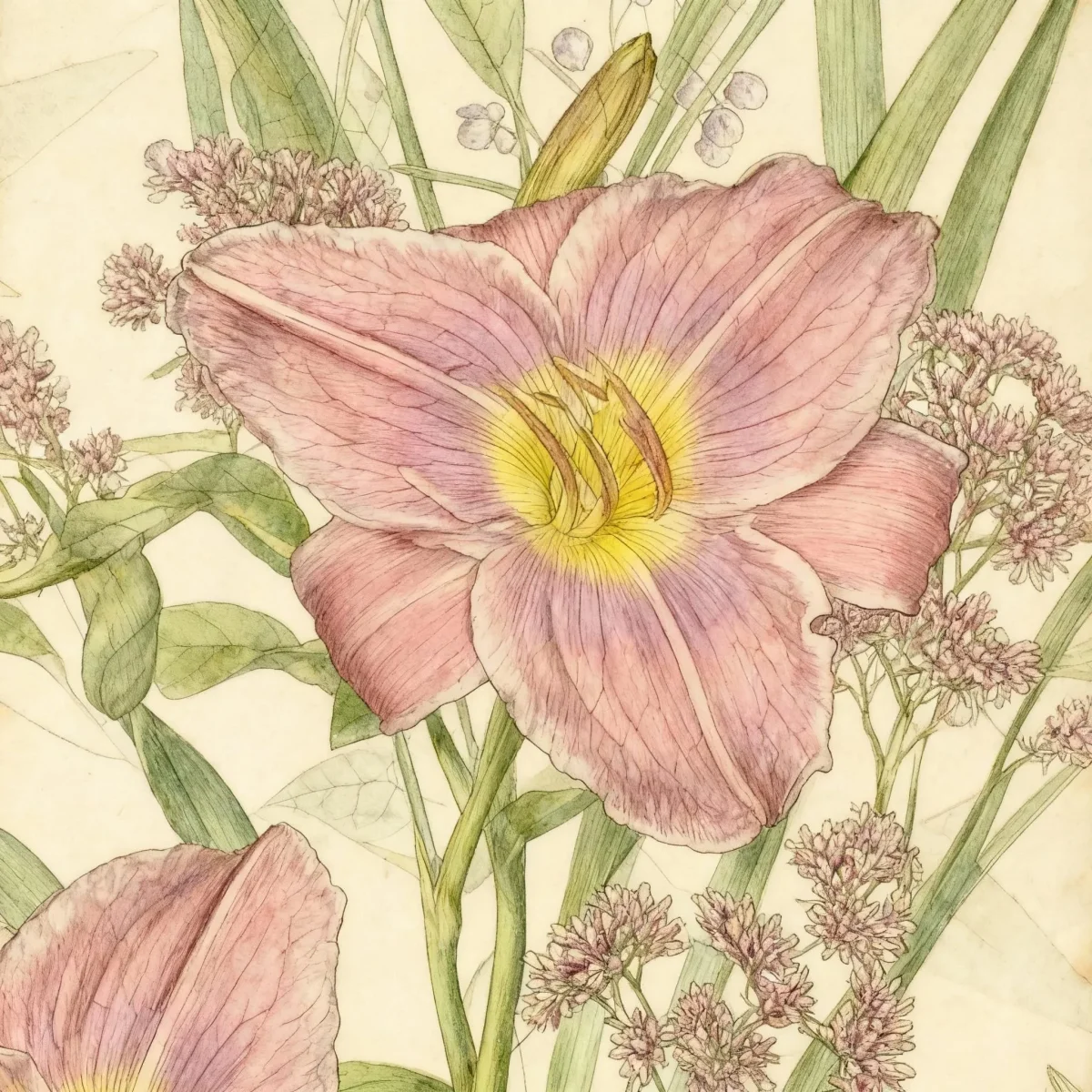
Hemerocallis is a genus of about 15 species of herbaceous perennials commonly known as daylilies, native primarily to Asia and central Europe. Hybridizers have created incredible diversity, resulting in over 60,000 cultivars registered today, featuring varied forms and colors (excluding true blue). Hemerocallis ‘Prairie Blue Eyes’ offers distinctive 5.25-inch lavender flowers with near-blue eye zones and green throats, blooming successively on scapes above arching, blade-like leaves.
Tolerances
- Rabbit
- Erosion
- Air Pollution
Potential Problems
Daylilies are remarkably resilient and adaptable, which contributes significantly to their low maintenance profile. They are generally pest-free, though occasional minor issues can arise. Keep an eye out for spider mites, aphids, or thrips, especially during hot, dry periods when the plant might be stressed, though significant infestations are uncommon.
The most significant potential concern, particularly in humid climates, is Daylily Rust, a fungal disease that causes yellow spots on the leaves. Ensure good air circulation by avoiding overly dense plantings and properly removing spent foliage in the fall to minimize overwintering spores. Rabbits, fortunately, tend to ignore this Daylily entirely.
If you notice foliage looking ragged or overcrowded, a spring division every 3-4 years prevents plants from choking themselves out and ensures robust flowering for your Hemerocallis ‘Prairie Blue Eyes’. Promptly removing spent flowers keeps the plant looking tidy and directs energy toward root development rather than seed production.
Frequently Asked Questions
What hardiness zones is Daylily suitable for?
This specific Daylily, Hemerocallis ‘Prairie Blue Eyes’, is reliably hardy in USDA Zones 3 through 9.
How large does Daylily grow?
Hemerocallis ‘Prairie Blue Eyes’ typically reaches a mature height between 2 and 2.5 feet, with a spread ranging from 1.5 to 2 feet.
When does Daylily bloom?
This plant displays its lavender flowers from June through July.
What sun exposure does Hemerocallis ‘Prairie Blue Eyes’ need?
It performs best when situated in full sun to part shade conditions.
Conclusion
Hemerocallis ‘Prairie Blue Eyes’ presents an excellent combination of refined color—soft lavender petals with a hint of near-blue—and rugged dependability. As a low-maintenance Daylily, it anchors summer perennial borders effectively, requiring little more than medium water. Before planting, confirm your location falls within USDA Zones 3-9 to ensure this award-winning cultivar provides you with years of beautiful performance.
Companion Planting
Selecting appropriate neighbors for Hemerocallis ‘Prairie Blue Eyes’ helps create long-season interest while respecting its cultural needs for medium moisture and sun exposure. Since this Daylily appreciates deep, rich soil, companion plants that also thrive in these conditions are ideal. Consider pairing it with Lamb’s Ears (Stachys byzantina) for contrasting soft, silvery texture or with Coneflowers (Echinacea) whose upright forms complement the Daylily’s arching habit.
For visual sequencing, plant early-season bulbs like Daffodils or Tulips near clumps of Daylilies. While the bulbs disappear shortly after flowering, the Daylily foliage will emerge to beautifully mask the dying bulb leaves, providing structure throughout the summer. Look for perennial companions that will bloom later in the season, such as Russian Sage or Sedum varieties, to maintain color interest after the main flush of lavender blooms concludes.
When planting in mass, remember that Daylilies spread slowly and benefit from space for air circulation, which helps mitigate potential fungal issues like rust. Avoid crowding them with dense, moisture-hogging groundcovers, which compete heavily for water, especially during summer heat waves when your Hemerocallis ‘Prairie Blue Eyes’ will benefit most from consistent moisture.
Seasonal Care Calendar
Spring preparation is key for a successful Daylily season. Once new growth visibly emerges, it’s an excellent time for division if your clumps are over four years old; spring divisions establish quickly for the current year’s blooming cycle. Apply a balanced, slow-release fertilizer lightly at the base of the plants before active growth begins, focusing on root strength early on.
During the active growing and blooming period of late spring through summer, focus management efforts on aesthetics and hydration. Continue deadheading blooms daily to encourage new buds and maintain a tidy appearance. If you experience pronounced dry spells, provide a deep, slow soaking to the root zones to keep the foliage robust and green, preventing scorch.
As autumn arrives in colder Zones, allow the foliage of this winter-dormant Daylily to naturally yellow and die back; this process feeds the crown for the next year. Cut back the dead foliage to a few inches above the ground before the hard freezes set in, which cleans up the garden overnight and reduces overwintering pests or diseases. Winter preparation is generally easy in Zones 3-8.