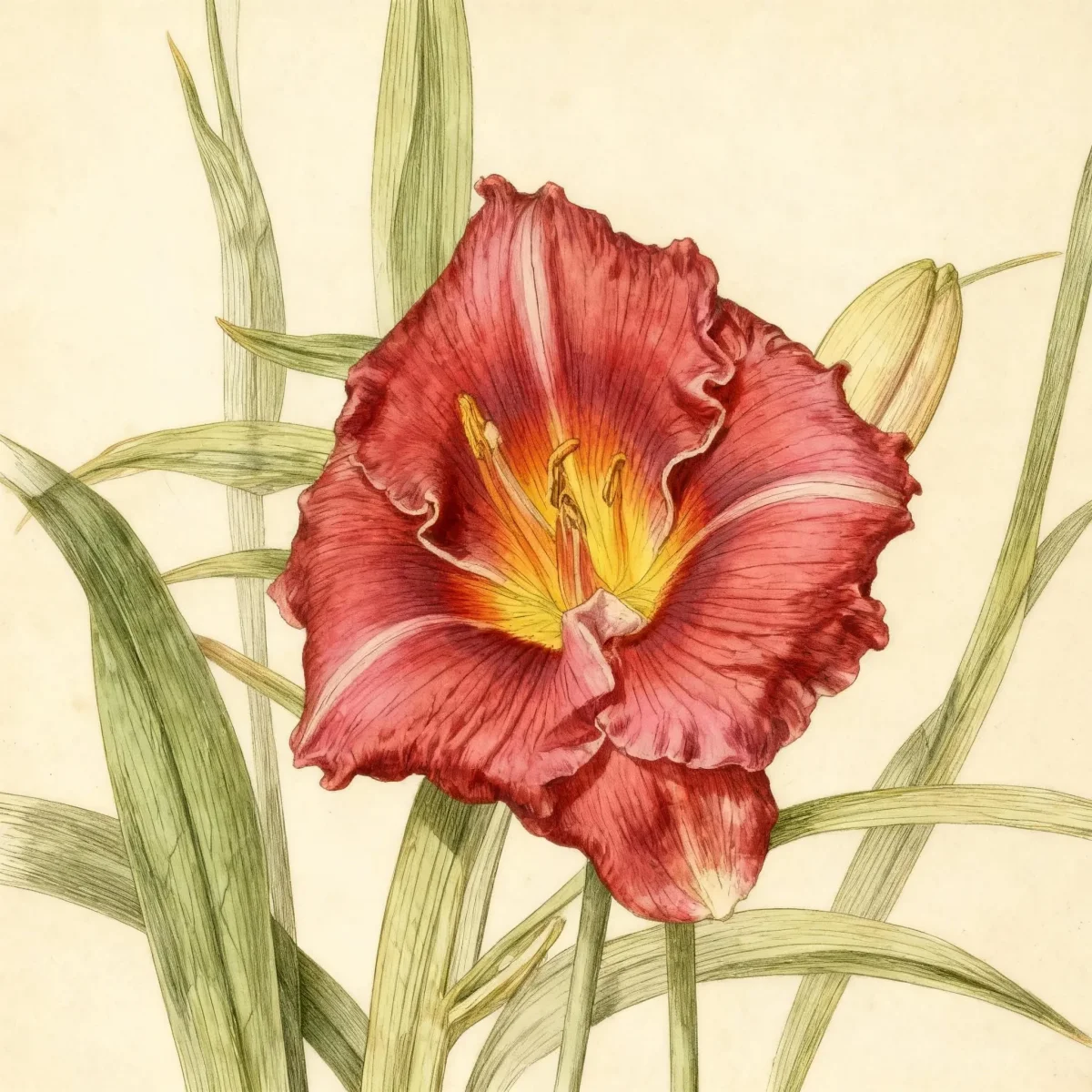
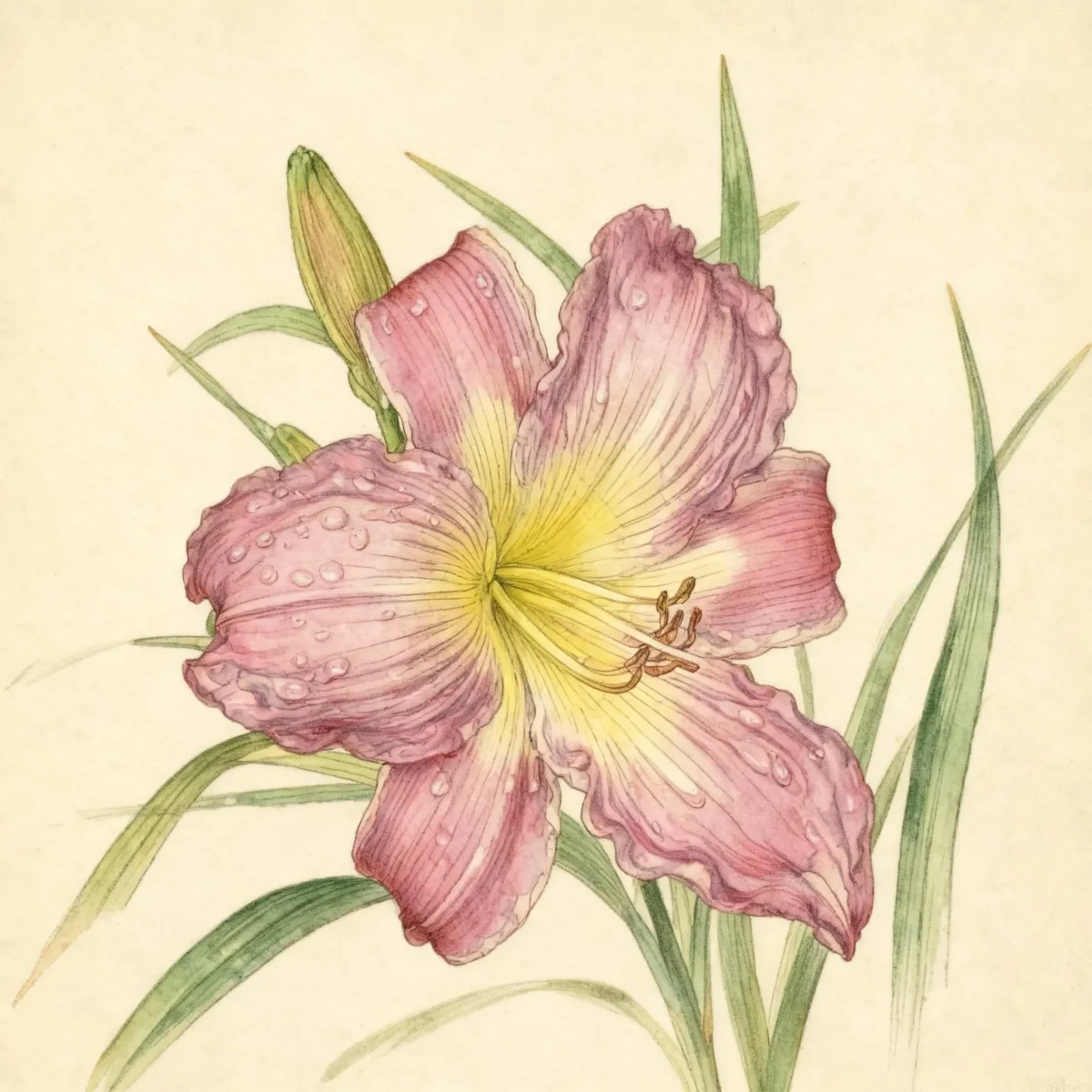
Daylily (Hemerocallis 'Radiant Greetings')
Hemerocallis 'Radiant Greetings' is a low-maintenance Daylily known for vibrant orange-yellow blooms and reliable summer performance.
Scroll down to discover growing tips, care requirements, companion plants, and more
Complete Plant Information
Overview
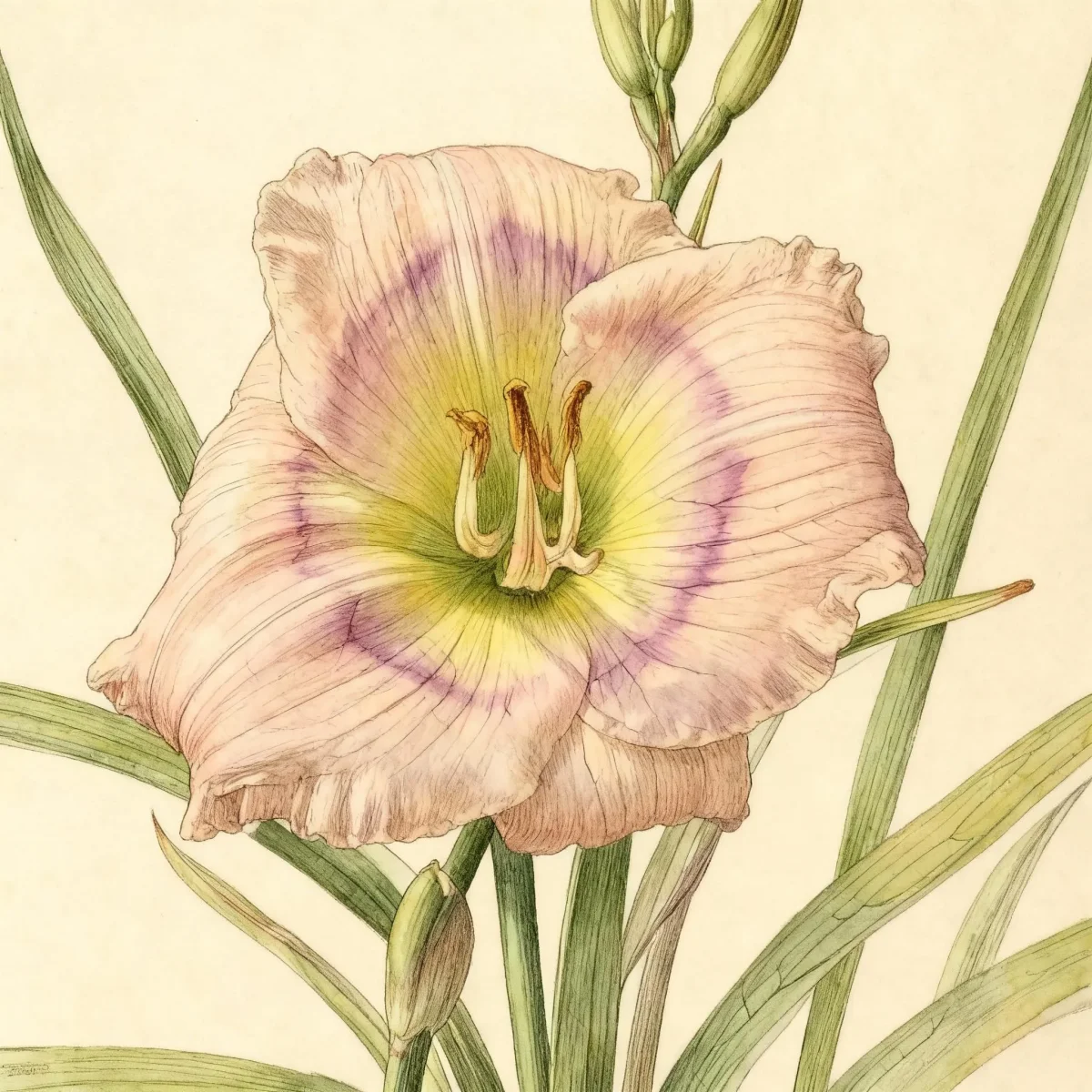
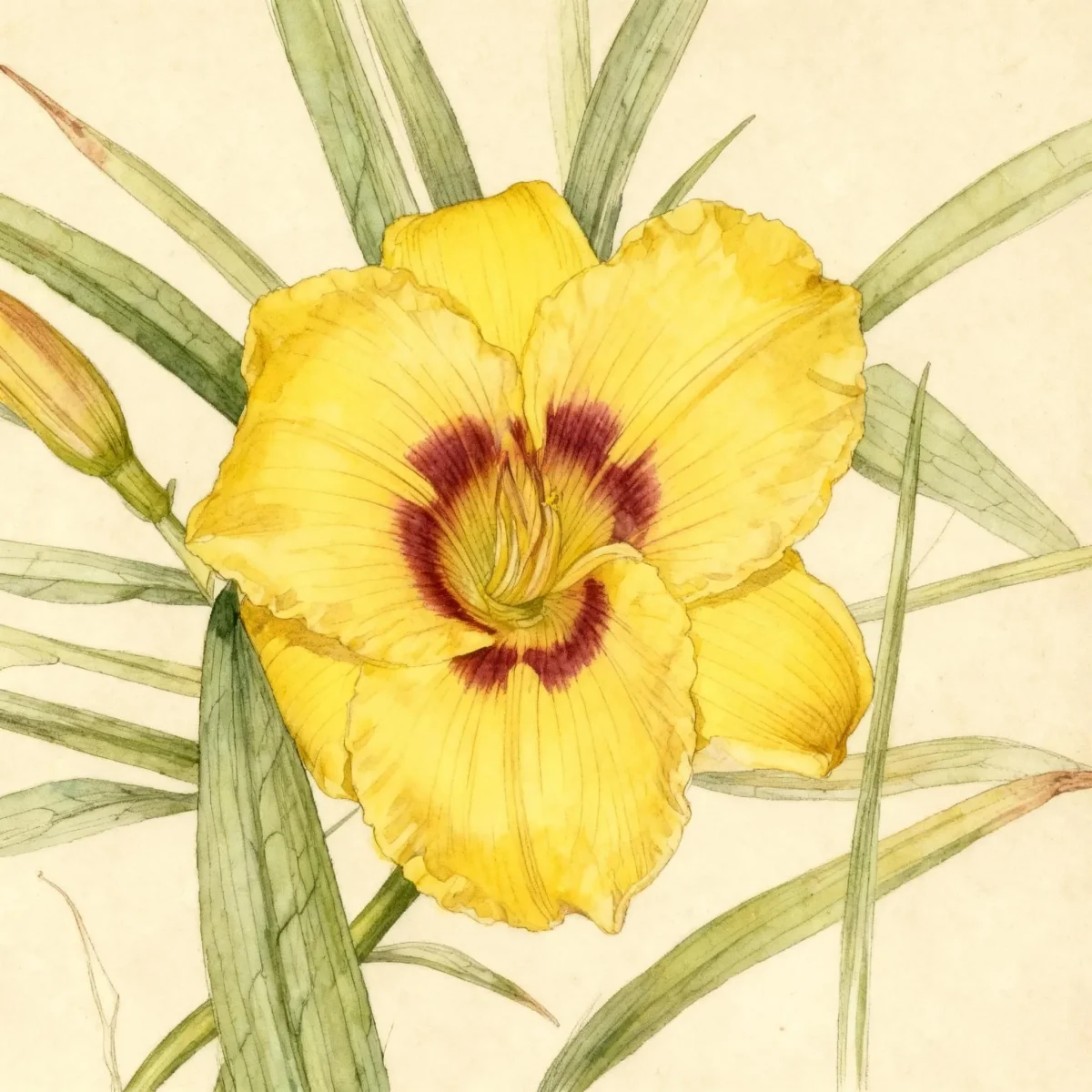
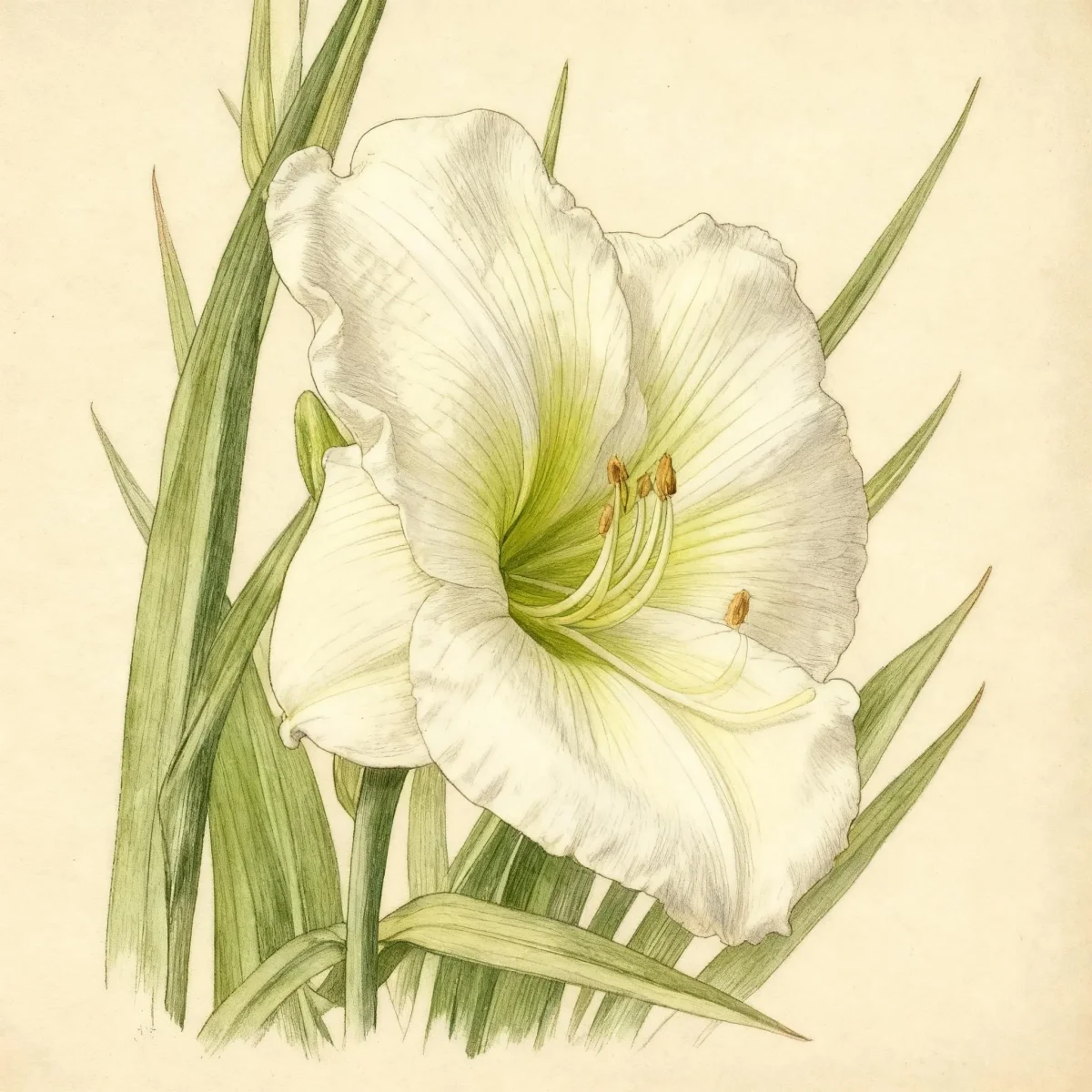
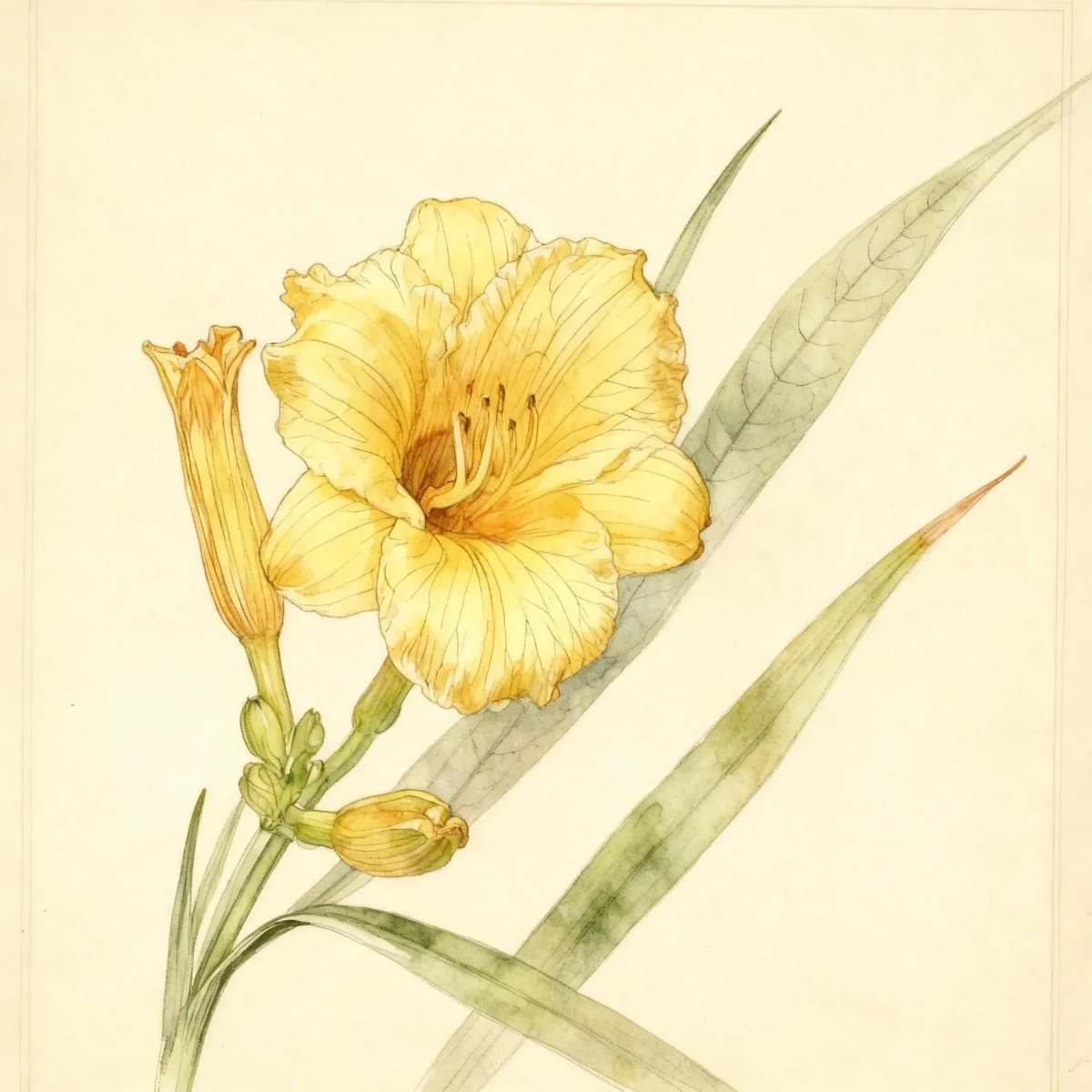
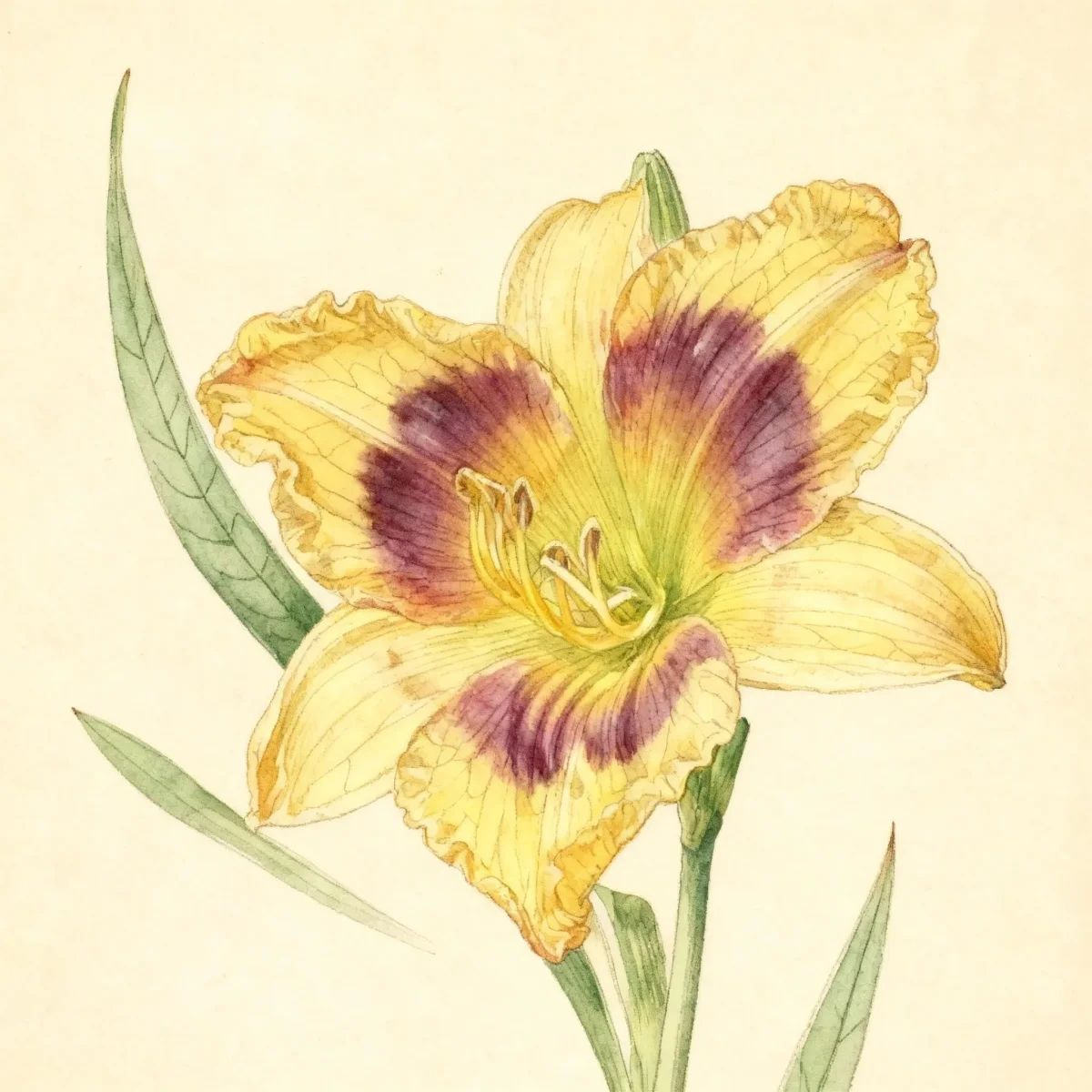
Hemerocallis ‘Radiant Greetings’ is a highly valued herbaceous perennial, commonly known as the Daylily, celebrated for its cheerful, long-lasting bloom display throughout the summer months. This specific cultivar features striking 5.5-inch diameter flowers exhibiting an appealing orange-yellow hue, contrasted by a distinct red halo and a bright chartreuse throat. As a robust and adaptable plant, Hemerocallis ‘Radiant Greetings’ requires relatively low maintenance, making it an excellent choice for both novice and experienced gardeners seeking reliable color.
Daylilies are famous for their prolific flowering habits; although each individual bloom lasts only a day, the plant produces numerous successive flowers on tall scapes over an extended period spanning June through August. These clump-forming perennials establish quickly, providing excellent texture with their arching, linear foliage even when not in bloom. Their exceptional hardiness and adaptability contribute to their status as one of the most popular flowering perennials in modern landscapes.
The longevity and robust nature of Hemerocallis ‘Radiant Greetings’ ensure garden appeal across a wide swath of climates, thriving across USDA Hardiness Zones 3 through 9. Gardeners relying on this Daylily will benefit from its tolerance to heat, humidity, and common urban stresses like air pollution.
Fast Facts
- Plant Family: Asphodelaceae
- Plant Type: Herbaceous perennial
- Hardiness Zones: USDA Zones 3-9
- Size at Maturity:
- Height: 2.5-3 ft
- Spread: 2-2.5 ft
- Bloom Time: June to August
- Bloom Description: Orange-yellow with red halo and chartreuse throat
- Sun Exposure: Full sun to part shade
- Water Needs: Medium
- Maintenance Level: Low
How to Grow
Planting Hemerocallis ‘Radiant Greetings’ is best achieved in the spring or fall, placing the crown level with the soil surface. These Daylilies perform best in average, medium moisture, well-drained soils, though they show preference for deep, fertile loams. Ensure the location receives full sun to maximize bud production, though they tolerate part shade gracefully.
Maintenance for this low-maintenance perennial is straightforward. Deadhead spent flowers daily to maintain a neat appearance throughout the blooming season. Once flowering concludes, remove the entire spent flower scape near the base. While Daylilies are tolerant of summer heat, they benefit significantly from deep watering during extended dry spells to keep the foliage looking crisp and attractive.
For optimal long-term performance, plan to divide the clumps of Hemerocallis ‘Radiant Greetings’ every three to four years. Division should occur either in the fall or early spring, with spring being preferable in colder winter regions where significant dormancy is required. Note that hybrid Daylilies, like this one, will not reliably breed true when grown from seed.
Landscape Uses
Hemerocallis ‘Radiant Greetings’ excels as an easy-to-grow, versatile herbaceous perennial suitable for numerous design applications. Plant them in mass plantings over large areas to create bold swaths of color that transition nicely between spring bulbs and autumn interest plants. Their reliable height makes them effective for borders or as a middle layer in mixed perennial beds.
Use the Daylily clump performance for edging along walkways or driveways where its refined foliage provides year-round structure. While this specific cultivar is not explicitly dwarf, Daylilies generally function well when planted in sculptural clumps to break up architectural lines in the garden. They pair well with lower-growing ground covers or taller background shrubs that appreciate similar sun exposure and soil drainage.
Standout Features
Flower Qualities
- Showy
Noteworthy Characteristics
Hemerocallis is a genus comprising many herbaceous perennials commonly called daylilies, originating in Asia and central Europe. Hybridizers have developed over 60,000 registered cultivars, focusing on new colors and patterns, as the lifespan of an individual flower is only one day. Hemerocallis ‘Radiant Greetings’ is a diploid cultivar specifically showcasing 5.5-inch orange-yellow flowers with red halos, appearing mid-season with the potential for repeat blooming.
Tolerances
- Rabbit
- Erosion
- Air Pollution
Potential Problems
Daylilies are renowned for being extremely adaptable and are generally pest-free perennials. Occasionally, gardeners may observe minor issues such as spider mites, aphids, or thrips. In specific regions, Daylily rust can occasionally pose a problem, requiring prompt fungicide treatment if recognized. Fortunately, grazing animals like rabbits tend to avoid consuming the foliage of Hemerocallis ‘Radiant Greetings’, offering a substantial benefit in areas where deer or rabbit pressure is high.
Frequently Asked Questions
What hardiness zones is Daylily suitable for?
Hemerocallis ‘Radiant Greetings’ is best suited for USDA Hardiness Zones 3 through 9.
How large does Hemerocallis ‘Radiant Greetings’ grow?
This Daylily typically reaches a mature height between 2.5 and 3 feet tall, spreading to 2 to 2.5 feet wide.
When does Daylily bloom?
This plant blooms reliably from June through August, featuring stunning orange-yellow flowers with red halos.
What sun exposure does Hemerocallis ‘Radiant Greetings’ need?
For the best flowering display, this Daylily requires a location with full sun exposure, though it tolerates part shade.
Conclusion
Hemerocallis ‘Radiant Greetings’ remains an essential landscape staple due to its low-maintenance needs and highly attractive, long-season color display. This Daylily offers robust performance across a broad climate range, making the Hemerocallis ‘Radiant Greetings’ a wise investment for reliable summer interest. Assess your local USDA zone compatibility and plan your planting or division for the upcoming fall or spring season.
Companion Planting
Daylilies integrate seamlessly into mixed perennial borders due to their adaptability and foliage texture. Consider companion planting with plants that thrive in similar sun and moisture conditions but offer contrasting textures or bloom times. Hostas, while shade-tolerant where Daylilies prefer sun, can offer complementary foliage texture when positioned near the edge of a partial shade area. Near sunnier borders, Salvia or Coneflower (Echinacea) bloom later than the Daylily, ensuring continuous visual interest.
Propagation Tips
The primary and most recommended method for increasing your stock of Hemerocallis ‘Radiant Greetings’ is through division. Since hybrid daylilies do not come true from seed, division is essential to preserve the cultivar’s specific traits. Dig up the entire clump when plants are dormant or semi-dormant, usually in the spring or fall. Gently separate the root masses into smaller sections, ensuring each new division has a healthy crown and ample root structure before replanting immediately at the correct depth.