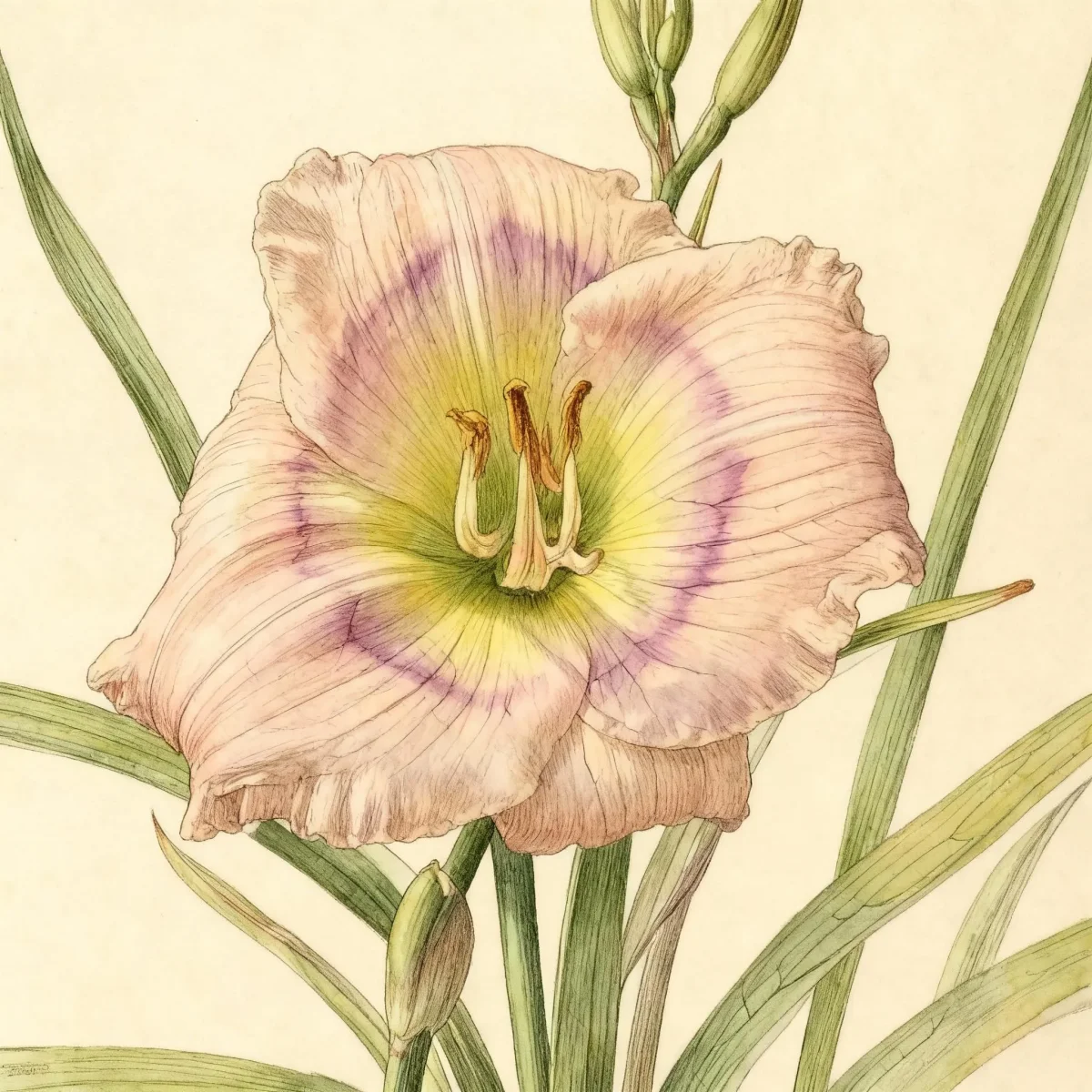
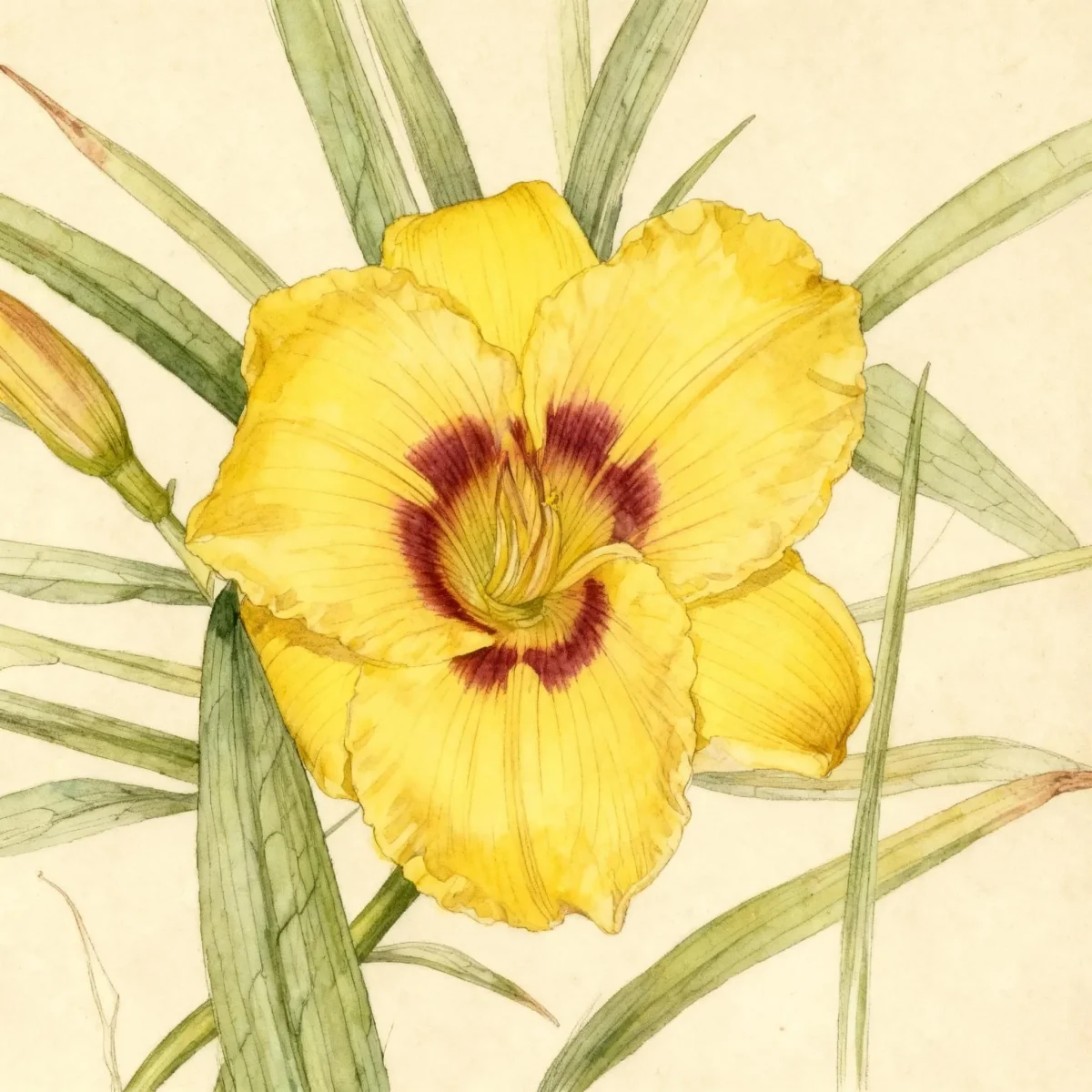
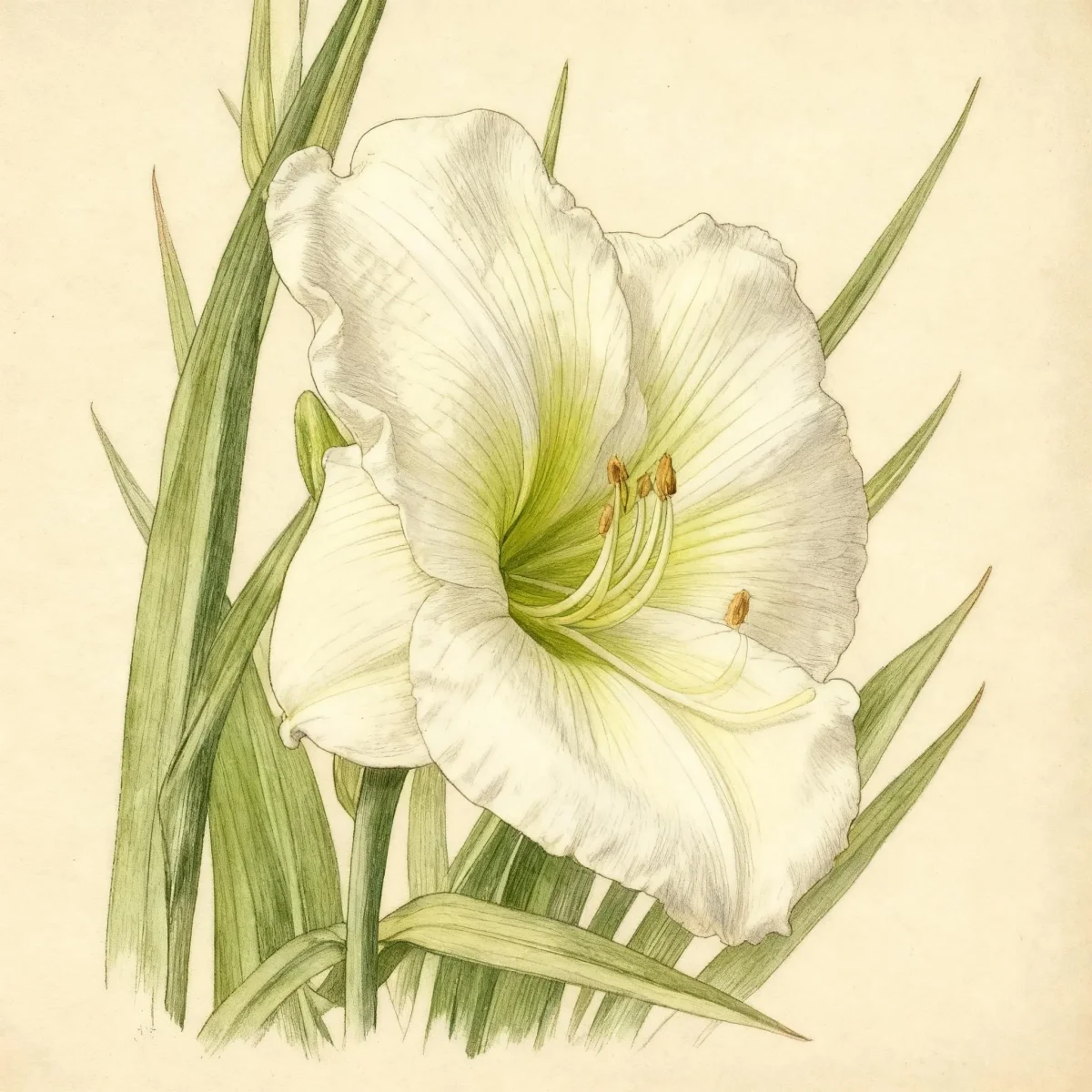
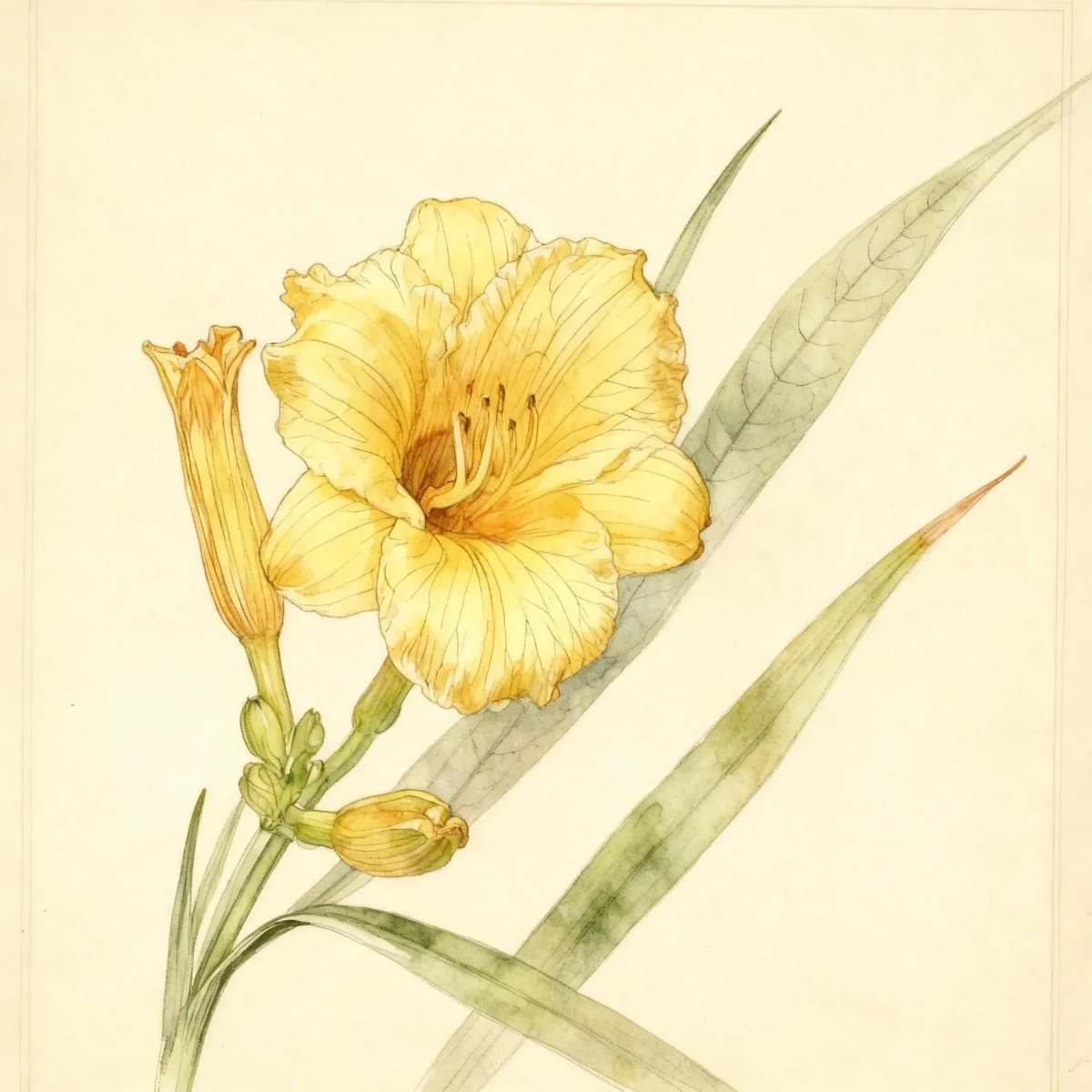
Daylily (Hemerocallis 'Ribbons and Curls')
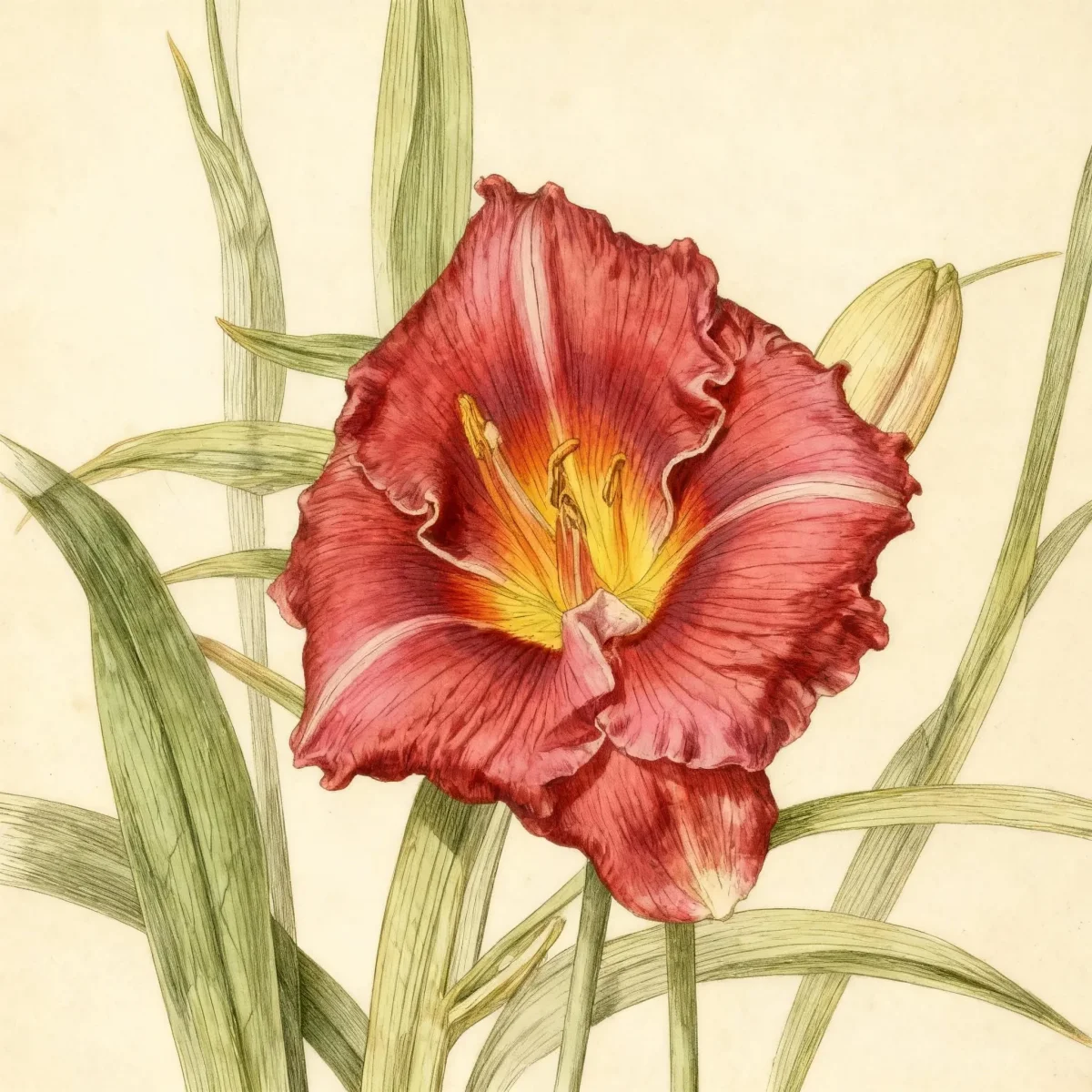
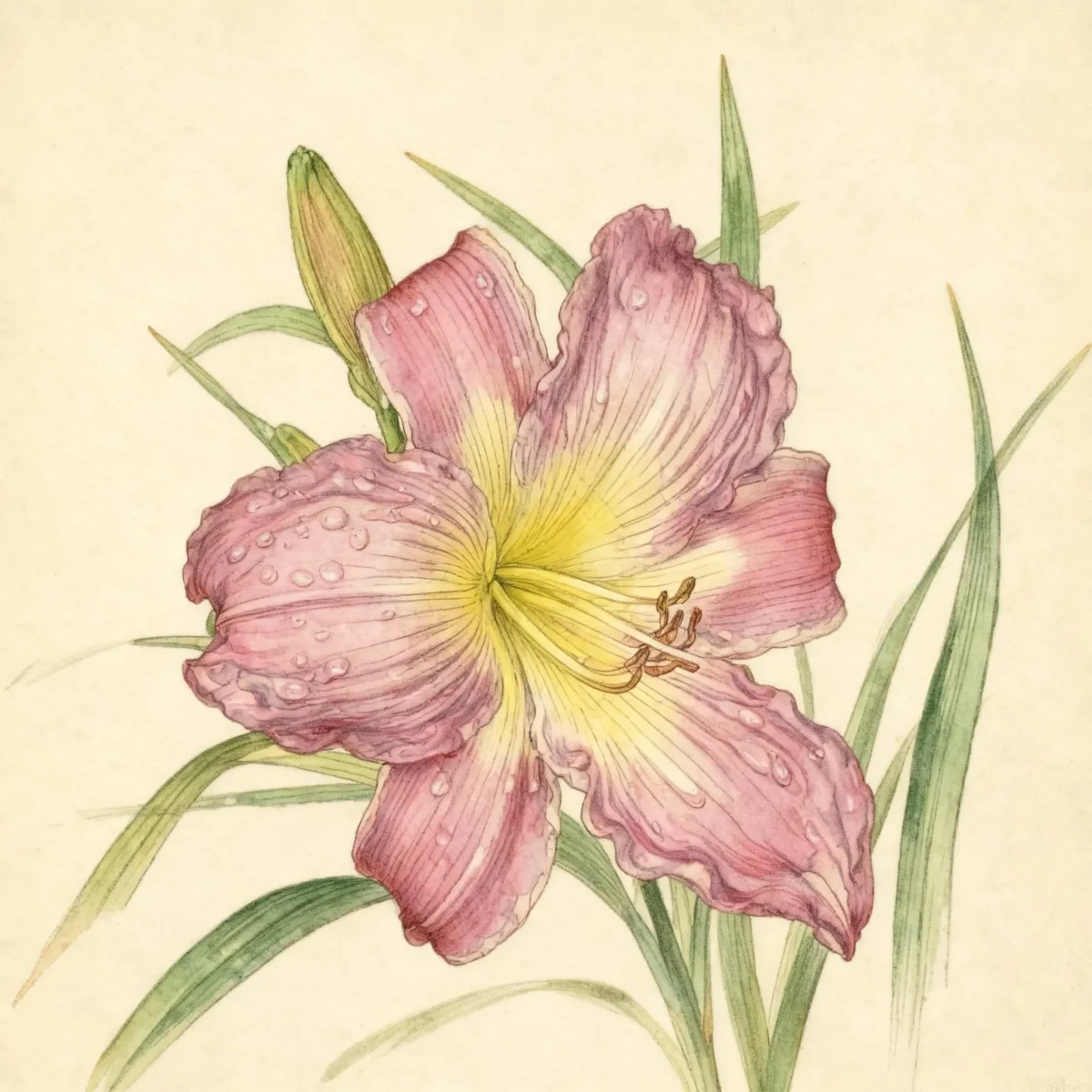
Hemerocallis 'Ribbons and Curls' is a superb low-maintenance Daylily boasting rose-red blooms from June to August.
Scroll down to discover growing tips, care requirements, companion plants, and more
Complete Plant Information
Overview
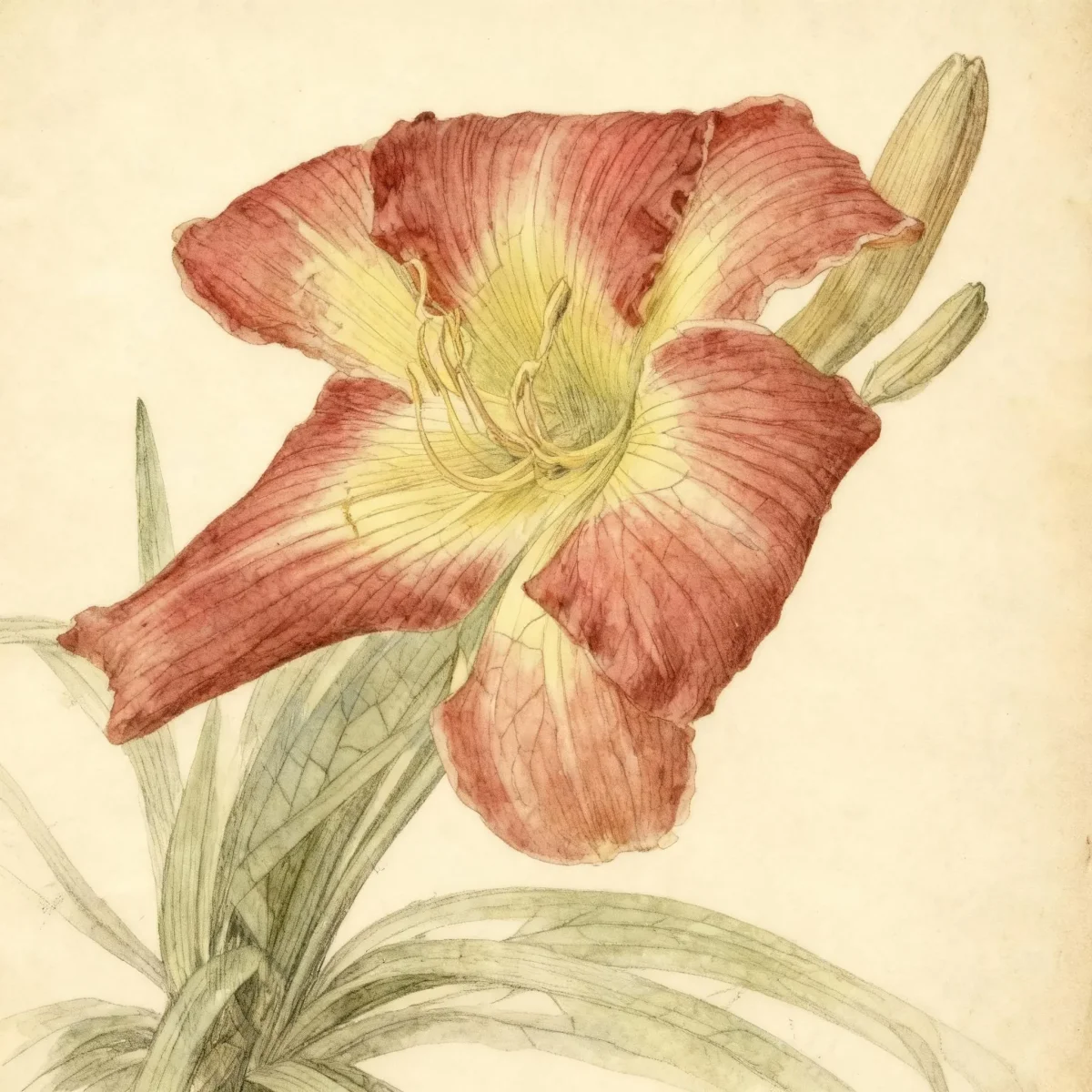
Hemerocallis ‘Ribbons and Curls’ is an exceptional Daylily cultivar prized for its reliable, mid-season performance and distinct flower color. This herbaceous perennial offers vibrant rose-red flowers accented by a striking green throat, providing continuous color from early summer through late summer. As a very adaptable plant, this Daylily tolerates a wide range of conditions, making it a staple for gardeners looking for high impact with minimal effort.
The arching, linear foliage forms attractive clumps, providing structure even when the plant is not in bloom. Hemerocallis ‘Ribbons and Curls’ sends up naked scapes, rising generally to 28 inches, ensuring its showy blooms stand out gracefully in the landscape. Few garden perennials offer the combination of low care, drought tolerance once established, and sheer blooming power found in modern daylilies.
Gardeners seeking low-maintenance beauty will appreciate this cultivar. While individual flowers last only a day, the sheer volume of successive blooms ensures the plant remains visually interesting throughout its long blooming season. Ensure you select a location that accommodates its two-foot height and breadth to maximize the visual return on this magnificent Hemerocallis selection.
Fast Facts
- Plant Family: Asphodelaceae
- Plant Type: Herbaceous perennial
- Hardiness Zones: USDA Zones 3-9
- Size at Maturity:
- Height: 2-2.5 ft
- Spread: 1.5-2 ft
- Bloom Time: June to August
- Bloom Description: Rose red with green throat
- Sun Exposure: Full sun to part shade
- Water Needs: Medium
- Maintenance Level: Low
How to Grow
Hemerocallis ‘Ribbons and Curls’ performs best when planted in average, medium moisture, well-drained soils. While daylilies are highly adaptable, they thrive where they receive full sun to dappled part shade; remember that the more intense the sun, the more robust the bloom production will be for this Daylily. Planting is best done in the spring or fall when temperatures are moderate, allowing the fibrous roots to establish before summer heat or winter cold.
Once established, maintain medium moisture, although plants are tolerant of summer heat and humidity. Provide deep watering during particularly dry spells to keep the foliage looking lush. Deadheading spent flowers daily is recommended purely for aesthetic neatness, and you should remove the entire flower spike (scape) once blooming concludes to tidy the plant appearance.
For optimal performance of your Hemerocallis ‘Ribbons and Curls’, plan to divide the clumps every three to four years, ideally in the spring in colder climates like Zone 3. Since this is a dormant type, winter dormancy is necessary for the best next season’s display, meaning foliage will die back in colder regions.
Landscape Uses
The attractive habit and vibrant coloration of Hemerocallis ‘Ribbons and Curls’ make it an incredibly versatile landscape component. It shines when utilized as an edging plant along walkways or driveways where its two-foot stature creates a neat transition. Mass planting large drifts of this Daylily creates a sweeping ribbon of color that suppresses weeds effectively.
Due to its intermediate height, this cultivar works excellently in the middle ground of perennial borders, layered behind shorter annuals or groundcovers, and in front of taller shrubs or evergreens. The tough nature of the Daylily, including its tolerance to air pollution and erosion, makes it a practical choice for roadside plantings or larger open areas where maintenance is infrequent.
Standout Features
Flower Qualities
- Showy
Noteworthy Characteristics
Hemerocallis, commonly known as daylilies, are incredibly popular due to the efforts of hybridizers resulting in over 60,000 registered cultivars. The genus name reflects the fleeting beauty of the flower, lasting only a single day, though blooms appear in gratifying succession throughout the season. Hemerocallis ‘Ribbons and Curls’ specifically is noted for its impressive 9-inch rose-red flowers that repeat bloom, providing excellent value across the season.
Tolerances
- Rabbit
- Erosion
- Air Pollution
Potential Problems
Daylilies are notably resistant to most pests and diseases, earning them their reputation as low-maintenance heroes. Occasionally, mites, aphids, or thrips might colonize the foliage or buds, but severe infestations are rare. If you notice issues, standard insecticidal soap applications usually manage the problem effectively.
The primary concern in humid, susceptible climates might be Daylily rust, a fungal disease presenting as yellow spots on the leaves. Good air circulation, achieved by proper plant spacing and timely removal of old foliage, helps mitigate fungal risks. Fortunately, rabbits are generally highly averse to munching on the foliage of the Daylily.
Frequently Asked Questions
What hardiness zones is Daylily (Hemerocallis ‘Ribbons and Curls’) suitable for?
Hemerocallis ‘Ribbons and Curls’ performs reliably across USDA Hardiness Zones 3 through 9.
How large does Daylily (Hemerocallis ‘Ribbons and Curls’) grow?
This Daylily cultivar typically reaches a mature height between 2 and 2.5 feet, with a spread ranging from 1.5 to 2 feet wide.
When does Daylily bloom?
This variety blooms from June to August, showcasing its signature rose-red flowers with a green throat during mid-season with a noted repeat bloom.
What sun exposure does Daylily (Hemerocallis ‘Ribbons and Curls’) need?
For the best flowering display, plant this Daylily in full sun, though it will tolerate partial shade.
Conclusion
Hemerocallis ‘Ribbons and Curls’ offers gardeners reliable color, structural foliage, and exceptional hardiness, embodying all the best traits of the modern Daylily. With minimal maintenance required—primarily just deadheading and periodic division—this cultivar will continue to reward you year after year. Check your local growing zone and plan to install your Hemerocallis ‘Ribbons and Curls’ this spring or fall for blooms next season.
Companion Planting
Selecting companions for Hemerocallis ‘Ribbons and Curls’ should focus on plants that share similar sun and water requirements while offering contrasting foliage texture or bloom time. Good neighbors include ornamental grasses, which echo the linear form of the daylily leaves without competing heavily for resources. Plants like Coneflower (Echinacea) or Salvia provide vertical accents and bloom slightly later, extending the garden’s interest once the Daylily’s main flush has passed.
Consider using low-growing, silvery foliage plants such as Lamb’s Ears (Stachys byzantina) around the base when planting in a full-sun location. This contrast in color and texture highlights the rich rose-red tones of the Hemerocallis flowers. Since daylilies are tolerant of erosion, they pair well with robust groundcovers that can handle similar moisture regimes.
Propagation Tips
The primary and most effective method for multiplying Hemerocallis ‘Ribbons and Curls’ is through division. Since these are fibrous-rooted perennials, new plants are created by splitting the established clump, an activity best performed in early spring before active growth begins, or in the fall provided you are not in the coldest regions of Zone 3. For division, carefully dig up the entire clump, using a sharp, clean spade or knife to separate individual fans of foliage along with their root structure. Ensure each resulting division has a significant crown attachment. Replant immediately at the same depth, ensuring the crown is not buried too deeply, and water well to reduce transplant shock.
It is important to note that hybrid daylilies, including this specific cultivar, will not come true from seed, as they are the result of cross-pollination. Any seeds collected will result in an unpredictable variety, likely different from the richly pigmented Hemerocallis ‘Ribbons and Curls’. Propagation should therefore rely exclusively on division to maintain cultivar purity.