Daylily (Hemerocallis 'Secret Garden')
Hemerocallis 'Secret Garden' Daylily offers beautiful peach-pink blooms. A low-maintenance perennial for Zones 3-9.
Scroll down to discover growing tips, care requirements, companion plants, and more
Complete Plant Information
Overview
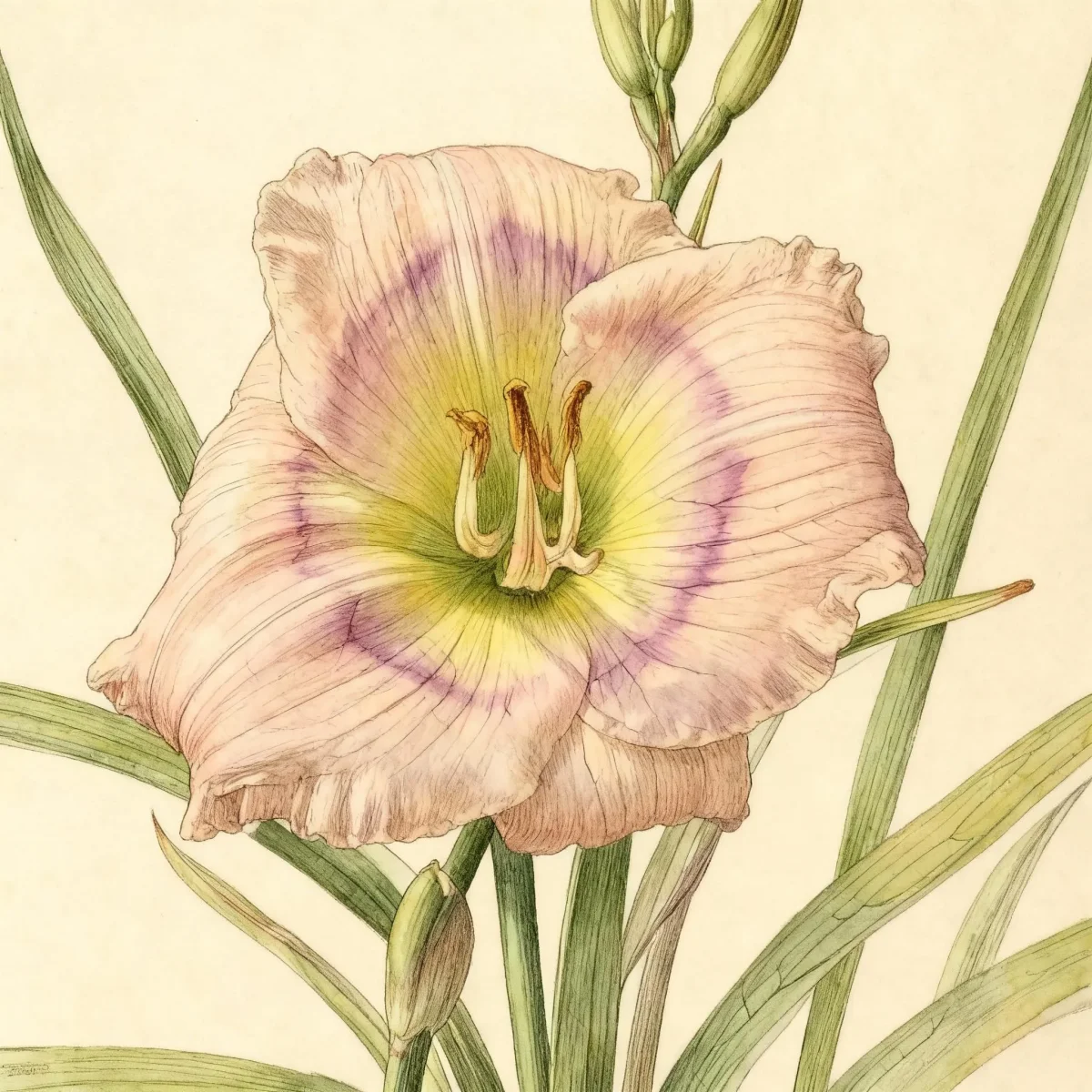
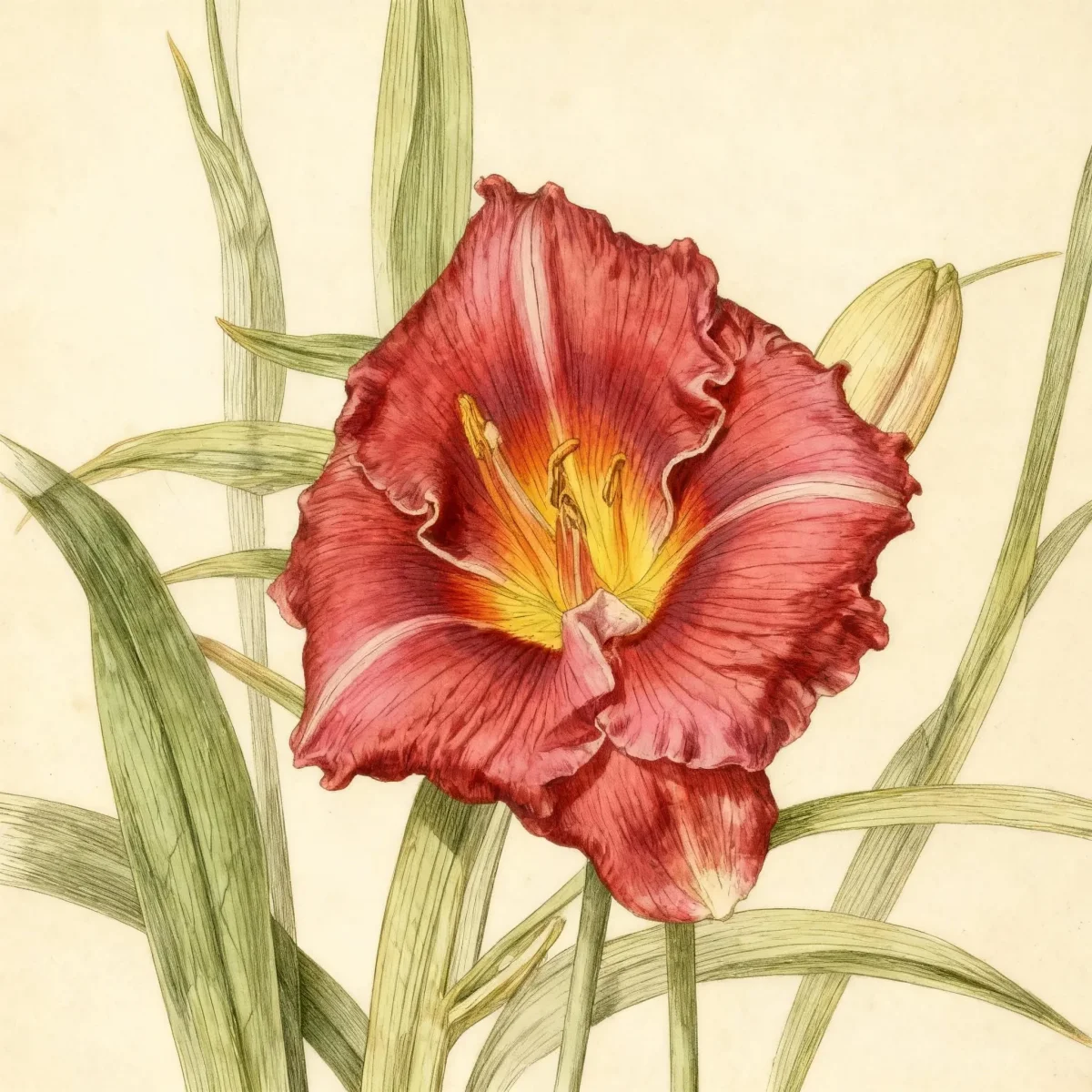
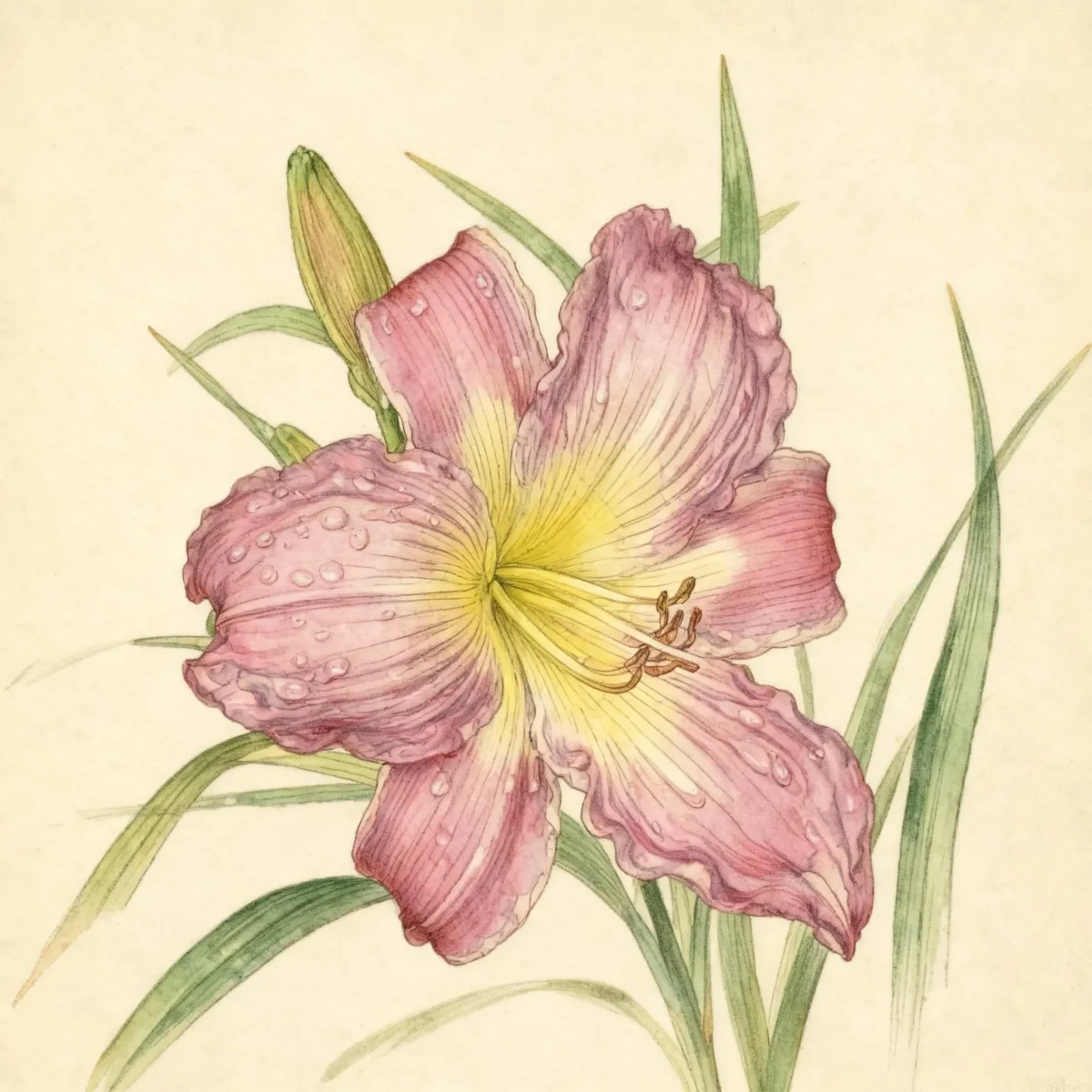
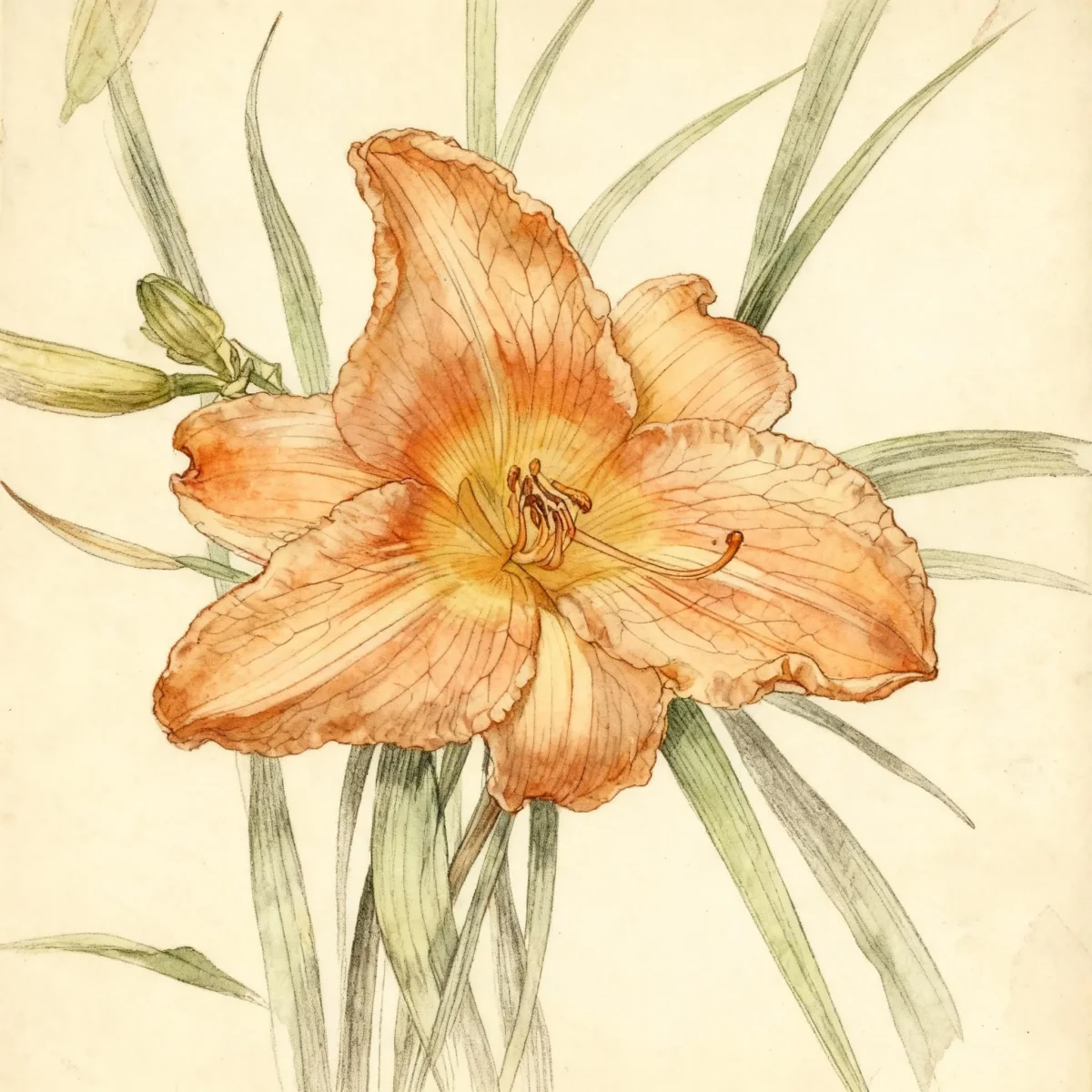
Hemerocallis ‘Secret Garden’ is a stunning herbaceous perennial celebrated for its reliable color display and exceptional adaptability, making it a staple in modern gardens. This specific Daylily cultivar captures attention with its substantial 7-inch flowers displaying a lovely peach-pink hue adorned with rose halos and bright gold throats. As a tetraploid hybrid, it offers robust performance, embodying the best traits of the genus known for flowering profusely over a long season.
This Daylily is highly valued for its relatively low maintenance needs combined with its vigorous growth habit. Growing between 2 and 2.5 feet tall, Hemerocallis ‘Secret Garden’ provides reliable mid-season color, often yielding repeat blooms throughout summer. Gardeners appreciate this cultivar for its tolerance to various conditions, allowing it to thrive where other ornamentals might struggle.
With its grass-like, arching foliage forming neat clumps, the plant maintains visual structure even when not in bloom. Utilizing the ease of growth associated with the common Daylily ensures that gardeners, whether novice or experienced, can integrate the vibrant appeal of Hemerocallis ‘Secret Garden’ throughout mixed borders or mass plantings successfully.
Fast Facts
- Plant Family: Asphodelaceae
- Plant Type: Herbaceous perennial
- Hardiness Zones: USDA Zones 3-9
- Size at Maturity:
- Height: 2-2.5 ft
- Spread: 1.5-2 ft
- Bloom Time: June to July
- Bloom Description: Peach pink with rose halo and gold throat
- Sun Exposure: Full sun to part shade
- Water Needs: Medium
- Maintenance Level: Low
How to Grow
Planting Daylilies generally succeeds best in spring or fall, though spring planting is preferred in climates with severe winters. Locate Hemerocallis ‘Secret Garden’ where it receives adequate light—full sun promotes the best bloom count, though it tolerates light afternoon shade. While adaptable to many soils, ensure the site offers medium moisture and excellent drainage; the plants truly flourish in deep, fertile loams.
Maintenance for this reliable Daylily is minimal. Deadhead spent flowers daily to maintain a tidy appearance, and remove the entire flower stalk (scape) once blooming concludes for the season on that stem. Although tolerant of heat and humidity, deep watering during extended dry periods helps keep the foliage looking lush and attractive through late summer.
For optimal long-term performance, plan to divide clumps of your Daylily every three to four years. This division can be done in spring or fall, though spring is safer in colder regions like those experiencing harsh winters. Remember that hybrid daylilies, including ‘Secret Garden’, will not reliably reproduce true to type if grown from seed, requiring division for propagation.
Landscape Uses
The versatility of this Daylily makes it an indispensable component in perennial landscaping schemes. Hemerocallis ‘Secret Garden’ excels when used as a robust border plant, providing consistent height and color contrast against walls or lower plantings. Their uniform, clumping habit also makes them perfect for edging walkways or defining zones within larger garden beds.
For impactful seasonal displays, consider planting Daylilies in mass groupings over wide areas, creating swathes of peach-pink color that soften large borders. While this cultivar is not explicitly noted as dwarf, many daylilies perform admirably in containers, provided they are given sufficient depth for their fibrous root systems. Their architectural foliage also acts as an excellent textural contrast against fine-textured ornamental grasses or broad-leaved hostas.
Standout Features
Flower Qualities
- Showy
Noteworthy Characteristics
The genus Hemerocallis, commonly known as Daylily, originates primarily from Asia and Europe, where hybridizers have since developed over 60,000 registered cultivars showcasing incredible color diversity. Each individual blossom of Hemerocallis ‘Secret Garden’ lasts but a single day, yet the plant produces them in such succession that continuous floral impact is maintained throughout its season. This specific cultivar features signature 7-inch peach-pink blooms with rose accents and gold throats, rising on rigid stems above handsome, arching, blade-like leaves.
Tolerances
- Rabbit
- Erosion
- Air Pollution
Potential Problems
Daylilies are renowned for being extremely adaptable and are generally considered very low-maintenance and pest-resistant. However, occasional infestations of mites, aphids, or thrips may occur; treating these promptly with insecticidal soap usually resolves the issue. In humid regions, Daylily rust can sometimes present a problem; ensure good air circulation around clumps to mitigate fungal development. Notably, rabbits typically avoid chewing on the foliage, offering a safe edible option in deer and rabbit-prone areas.
Frequently Asked Questions
What hardiness zones is Daylily suitable for?
Hemerocallis ‘Secret Garden’ is reliably hardy across USDA Zones 3 through 9, providing broad geographic applicability.
How large does Daylily grow?
This plant typically reaches a height between 2 and 2.5 feet, with a spread ranging from 1.5 to 2 feet at maturity, forming well-contained clumps.
When does Daylily bloom?
The primary bloom time for this cultivar is from June into July, featuring its distinctive peach pink with rose halo and gold throat coloration, with the potential for repeat blooming.
What sun exposure does Daylily need?
This Daylily performs best in full sun but adapts well to locations receiving partial shade throughout the day.
Conclusion
Hemerocallis ‘Secret Garden’ is a valuable addition to any garden, delivering low-effort, high-impact beauty with its striking peach-pink flowers and dependable performance across many environments. Enjoying the lush appearance of this Daylily requires only basic cultural adherence, such as ensuring adequate moisture during dry spells. Before planting, confirm that your location falls within USDA Hardiness Zones 3-9 to ensure the greatest flowering success for your Hemerocallis ‘Secret Garden’.
Companion Planting
Choosing the right partners can enhance the landscape impact of the Daylily clump. Because the foliage of Daylilies often thins out or yellows after their main bloom cycle, companion plants should offer summer interest to bridge the gap. Consider pairing Hemerocallis ‘Secret Garden’ with late-season bloomers like Rudbeckia (Black-Eyed Susan) or hardy Salvias, whose structural forms contrast nicely with the Daylily’s arching leaves. Plants that prefer similar sun exposure and medium water needs—such as ornamental grasses or Coneflowers—will create a cohesive, low-maintenance planting scheme.
Design Ideas
The medium height and moderate spread of Hemerocallis ‘Secret Garden’ make it excellent for creating layered drifts, especially when planted against a backdrop of taller shrubs or evergreens that hide any less-than-perfect foliage later in the season. For a cottage garden aesthetic, mix this Daylily with other textural perennials like bearded Iris (planted earlier) or taller Asters for fall color. In contemporary designs, plant in strict rows or geometric drifts where the uniform clump form provides architectural rhythm and repeating blocks of soft peach-pink color.