Daylily (Hemerocallis 'Adams Street')
Discover Hemerocallis 'Adams Street' Daylily: low-maintenance perennial featuring showy pink blooms from June to July in Zones 3-9.
Scroll down to discover growing tips, care requirements, companion plants, and more
Complete Plant Information
Overview
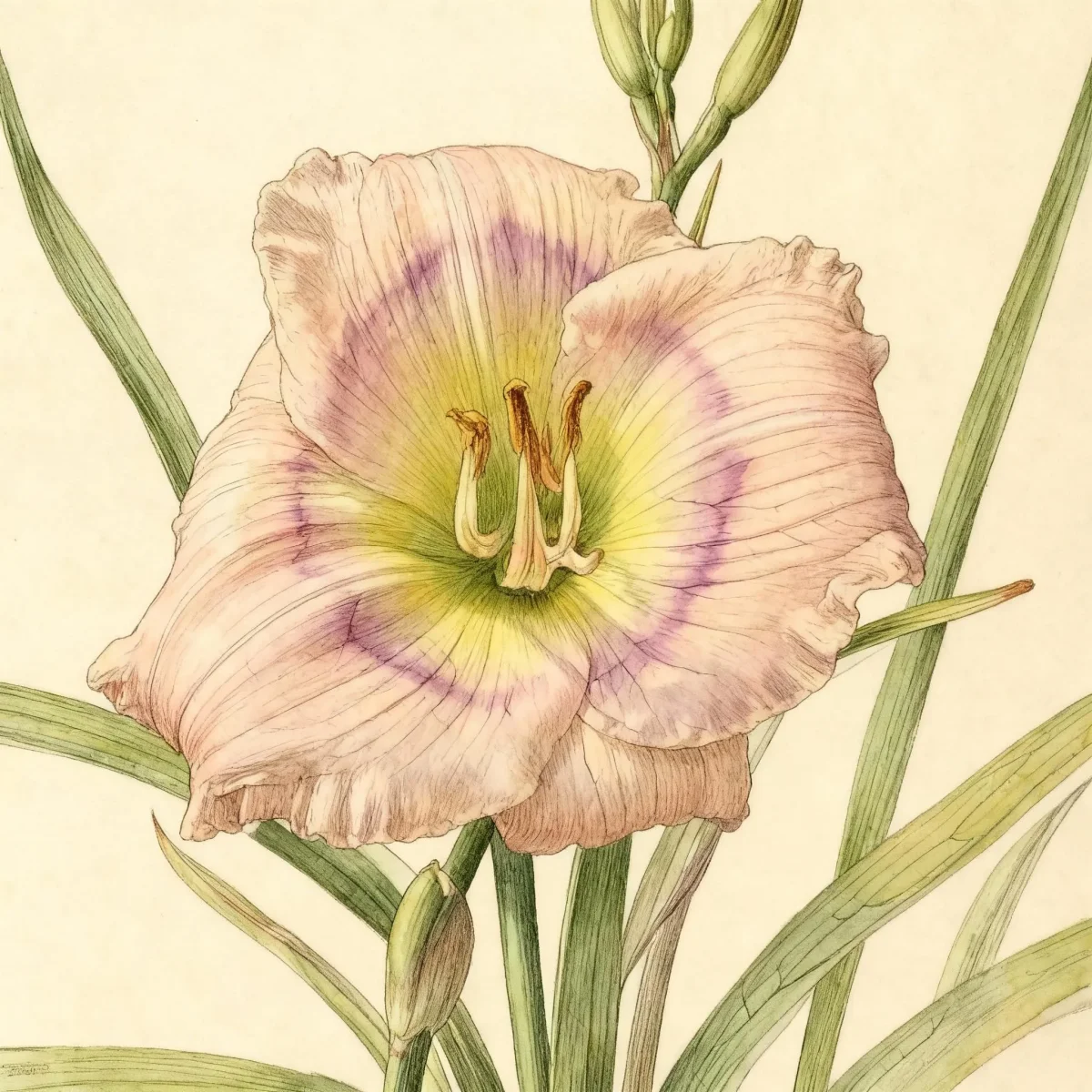
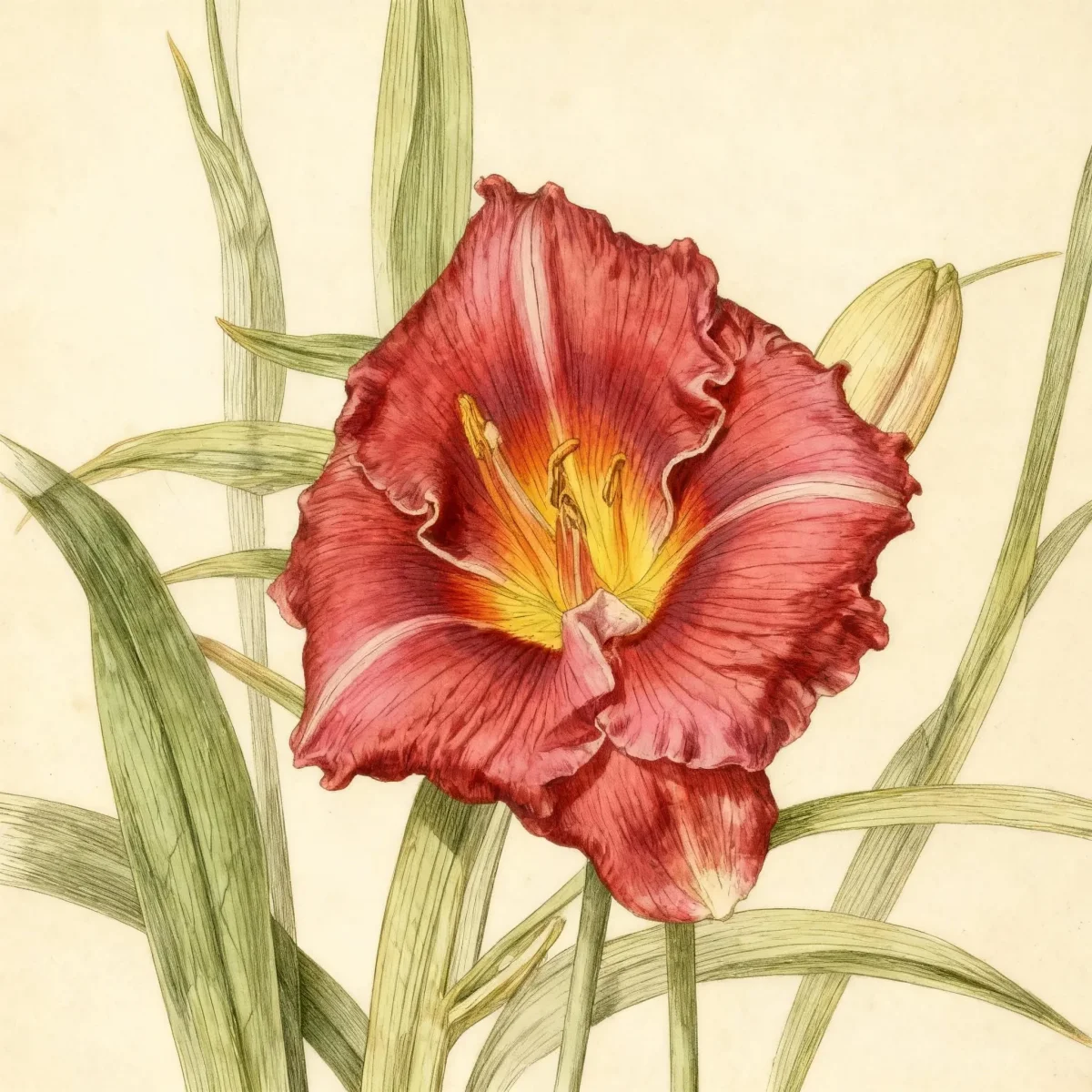
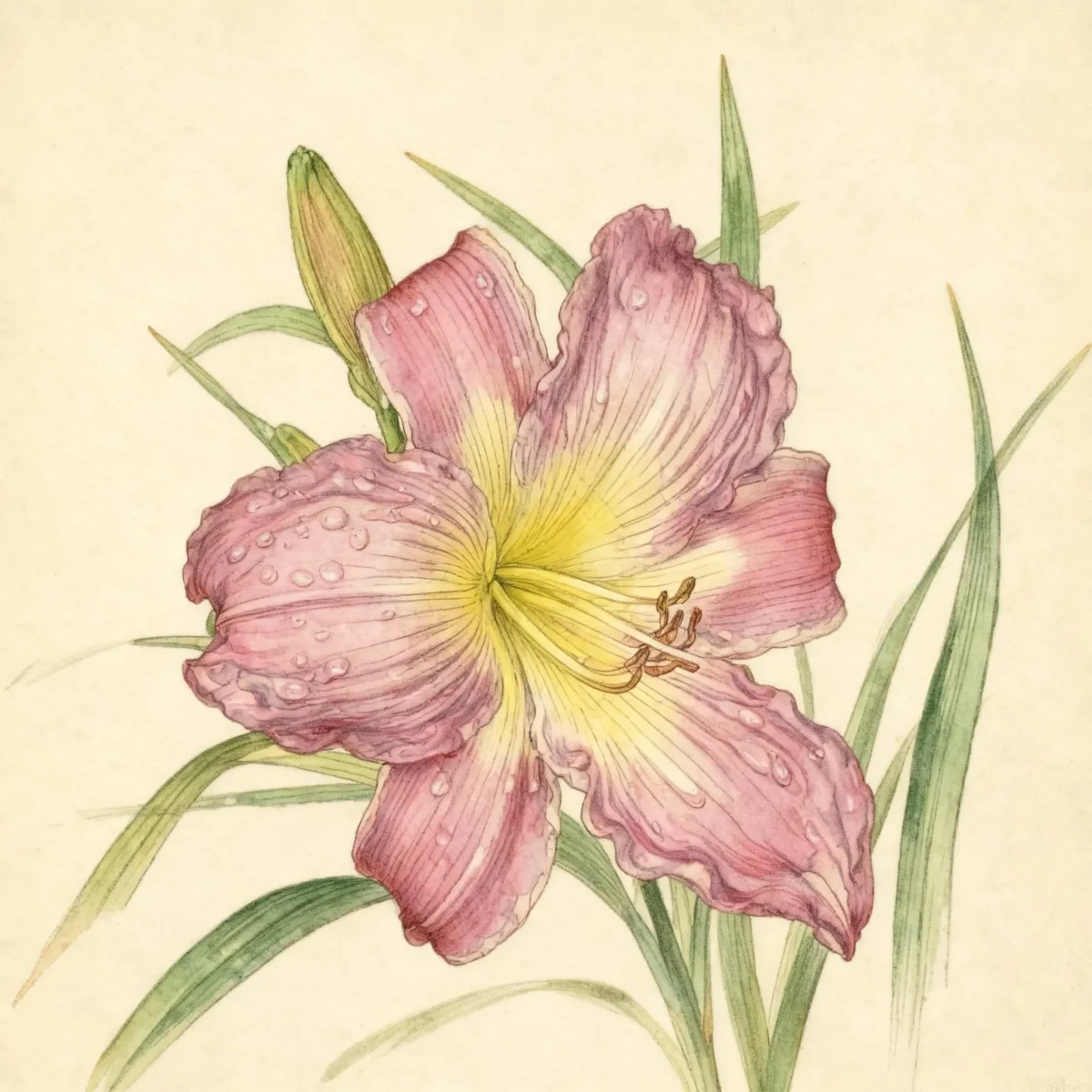
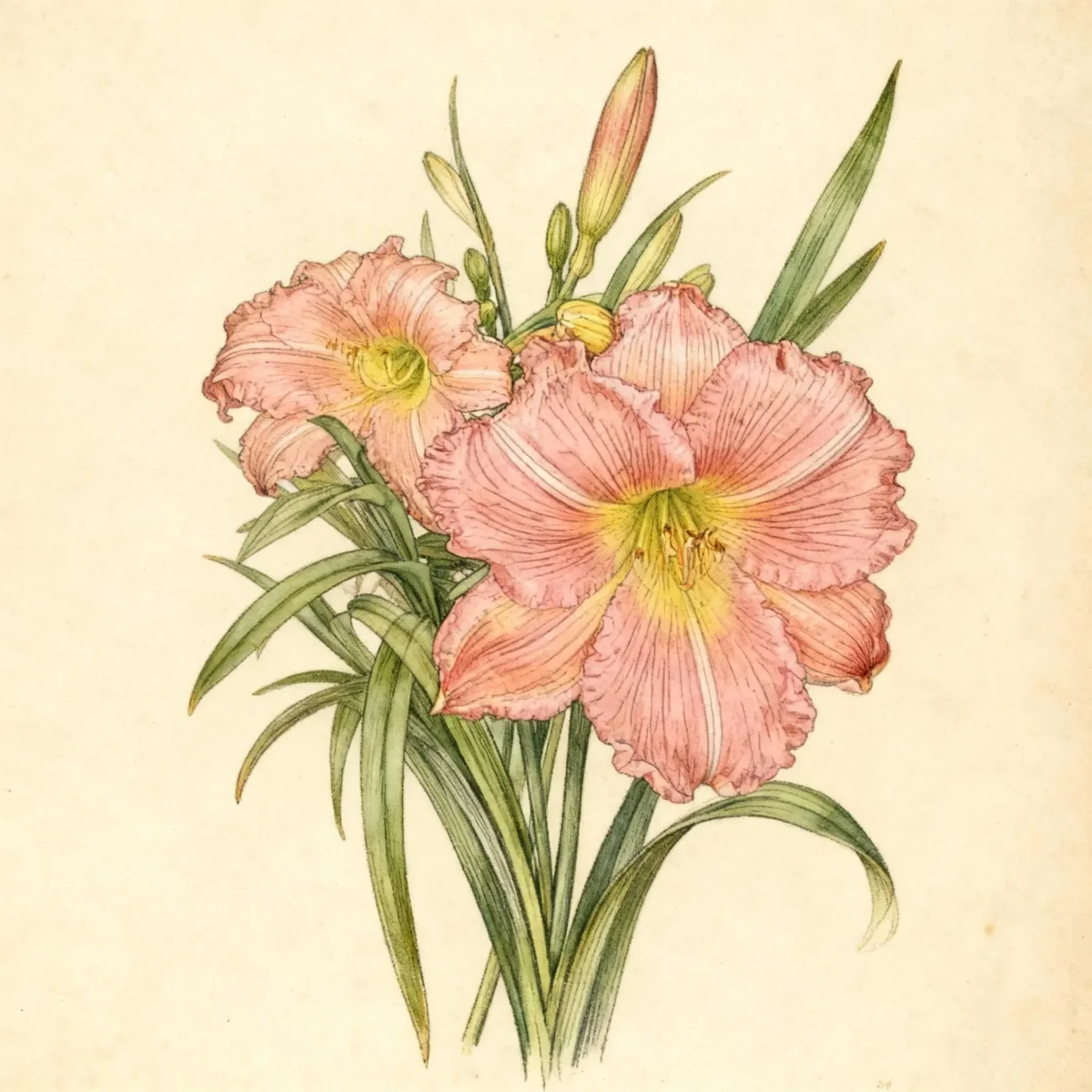
Hemerocallis ‘Adams Street’ is a celebrated Daylily cultivar, appreciated by gardeners for its resilience and attractive mid-season floral display. This herbaceous perennial offers medium pink flowers, each highlighted by a vibrant chartreuse throat, providing reliable color throughout the early summer months. A key characteristic of this variety is its manageable size, reaching under two feet tall, making it an excellent choice for defined garden spaces.
Like most hybrid Daylilies, Hemerocallis ‘Adams Street’ is exceptionally adaptable and requires relatively low maintenance once established. It features strong, linear foliage that provides consistent texture even when not in bloom. These reliable performers are a mainstay in perennial borders across a wide range of climates.
This specific Daylily cultivar brings beauty with minimal fuss, tolerating varied conditions while rewarding consistent bloom cycles across its typical bloom time of June to July. Gardeners seeking long-lasting color without intensive care will find Hemerocallis ‘Adams Street’ to be a valuable addition to their landscape plans.
Fast Facts
- Plant Family: Asphodelaceae
- Plant Type: Herbaceous perennial
- Hardiness Zones: USDA Zones 3-9
- Size at Maturity:
- Height: 1.5-2 ft
- Spread: 1.5-2 ft
- Bloom Time: June to July
- Bloom Description: Pink with chartreuse throat
- Sun Exposure: Full sun to part shade
- Water Needs: Medium
- Maintenance Level: Low
How to Grow
This Daylily thrives when planted in average, well-drained soils, although they flourish best in deep, fertile loams. Ensure the location receives full sun to partial shade for optimal flowering performance regarding Hemerocallis ‘Adams Street’. Planting can occur in either spring or fall, though spring planting is often preferred in regions experiencing very cold winters.
Care for your Daylilies involves routine maintenance that keeps them performing well. Keep the soil consistently medium in moisture, providing deep watering during dry spells to keep the attractive, grass-like foliage healthy. Deadheading spent flowers daily maintains neatness, and removing the entire flower stalk (scape) after the blooms cease will direct energy back into the plant crown.
Since these are winter dormant daylilies, they require a distinct cold period for the best subsequent bloom display; this makes them less ideal for the warmest parts of Zone 9 and above. A critical step for long-term vigor is dividing the clumps every three to four years, ideally during the fall or early spring, especially in colder zones. Remember that hybrid daylilies, including this one, will not breed true when grown from seed.
Landscape Uses
These easy-to-grow herbaceous perennials are versatile workhorses in garden design. Hemerocallis ‘Adams Street’ is successfully employed in traditional borders, providing reliable mid-season structure. Their clumping habit makes them excellent for edging walkways or defining large beds where mass planting creates a significant visual impact.
The robust foliage helps suppress weeds, and the plant’s low-maintenance nature complements mixed perennial plantings where water and feeding schedules vary. While the foliage is linear and upright, allowing space around the clumps emphasizes their form. Consider pairing them near plants that offer contrasting textures, such as broad-leafed hostas that appreciate similar growing conditions, or taller ornamental grasses that can screen spent scapes.
Standout Features
Flower Qualities
- Showy
Noteworthy Characteristics
Hemerocallis is a genus of herbaceous perennials commonly known as daylilies, originating primarily from Asia and Europe. Hybridizers have created over 60,000 cultivars, expanding flower color, shape, and pattern possibilities dramatically. Hemerocallis ‘Adams Street’ is a diploid Daylily cultivar featuring flowers up to 5” wide with pink petals and contrasting chartreuse throats, blooming midseason on scapes reaching about 20 inches tall above arching green foliage.
Tolerances
- Rabbit
- Erosion
- Air Pollution
Potential Problems
Daylilies are remarkably adaptable and generally suffer from very few issues, contributing to their low maintenance rating. Pests such as mites, aphids, and thrips can appear occasionally but rarely cause severe damage to established clumps like Hemerocallis ‘Adams Street’. In humid or specific geographic areas, Daylily rust fungus can become problematic if not managed.
Rabbits typically avoid chewing on Daylily foliage, offering a slight advantage over many other soft perennial plantings. If pest issues do arise, ensuring good air circulation through proper spacing and promptly removing any infected foliage helps control outbreaks.
Frequently Asked Questions
What hardiness zones is Daylily suitable for?
Hemerocallis ‘Adams Street’ is hardy across a wide range, thriving in USDA Zones 3 through 9.
How large does Daylily grow?
This Daylily cultivar typically reaches a mature height between 1.5 and 2 feet, with a similar spread of 1.5 to 2 feet.
When does Daylily bloom?
Hemerocallis ‘Adams Street’ blooms during the peak season of June through July, showcasing its pink flowers with chartreuse throats.
What sun exposure does Daylily need?
For best flowering, Daylilies require full sun, though they tolerate partial shade, which may result in slightly fewer blooms.
Conclusion
Hemerocallis ‘Adams Street’ stands out as a dependable, low-effort plant bringing reliable pink and chartreuse color to the mid-summer garden. As a classic Daylily example, its adaptability ensures success in most average garden soils. Be sure to check that your growing conditions fall within USDA Zones 3-9 before planning your incorporation of this beautiful cultivar.
Companion Planting
Daylilies perform best when planted alongside species that share similar needs for medium moisture and well-drained soil. Consider companion planting sturdy, sun-loving perennials such as salvias, coneflowers (Echinacea), or Russian sage (Perovskia). These combinations create textural contrast while maintaining a unified cultural schedule for watering and feeding.
Equally important is placement relative to companion plants that benefit from the partial shade cast by morning sun exposure. Taller, more delicate shade-lovers positioned to the west of the Daylilies can appreciate this afternoon relief, though remember that heavy root competition should be avoided, particularly when planting nearby.
Seasonal Care Calendar
For dormant Daylilies like Hemerocallis ‘Adams Street’, early spring cleanup is essential; rake away any old, dead foliage that persisted over winter to allow new scapes to emerge cleanly. Focus watering efforts during the summer heat, especially when blooms are visible, ensuring deep, slow saturation rather than frequent shallow watering.
In the late summer or fall, after blooming concludes, divide overcrowded clumps to maintain vigor and bloom quality every 3-4 years. This process is vital for future performance and prevents fungal issues that can thrive in dense, suffocated crowns. In very cold regions, ensure the crown is well-mulched before the ground freezes solid if you planted in the fall.