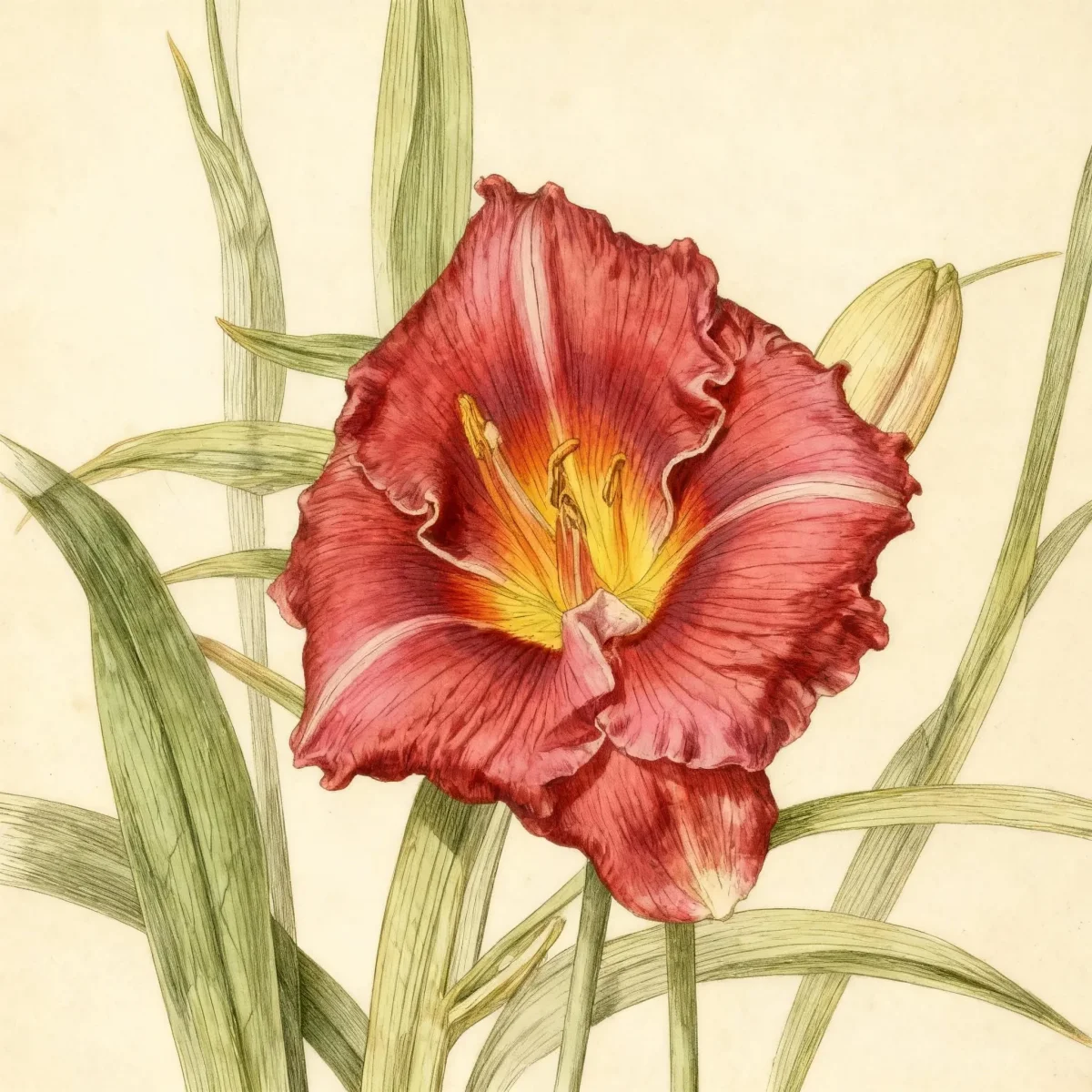
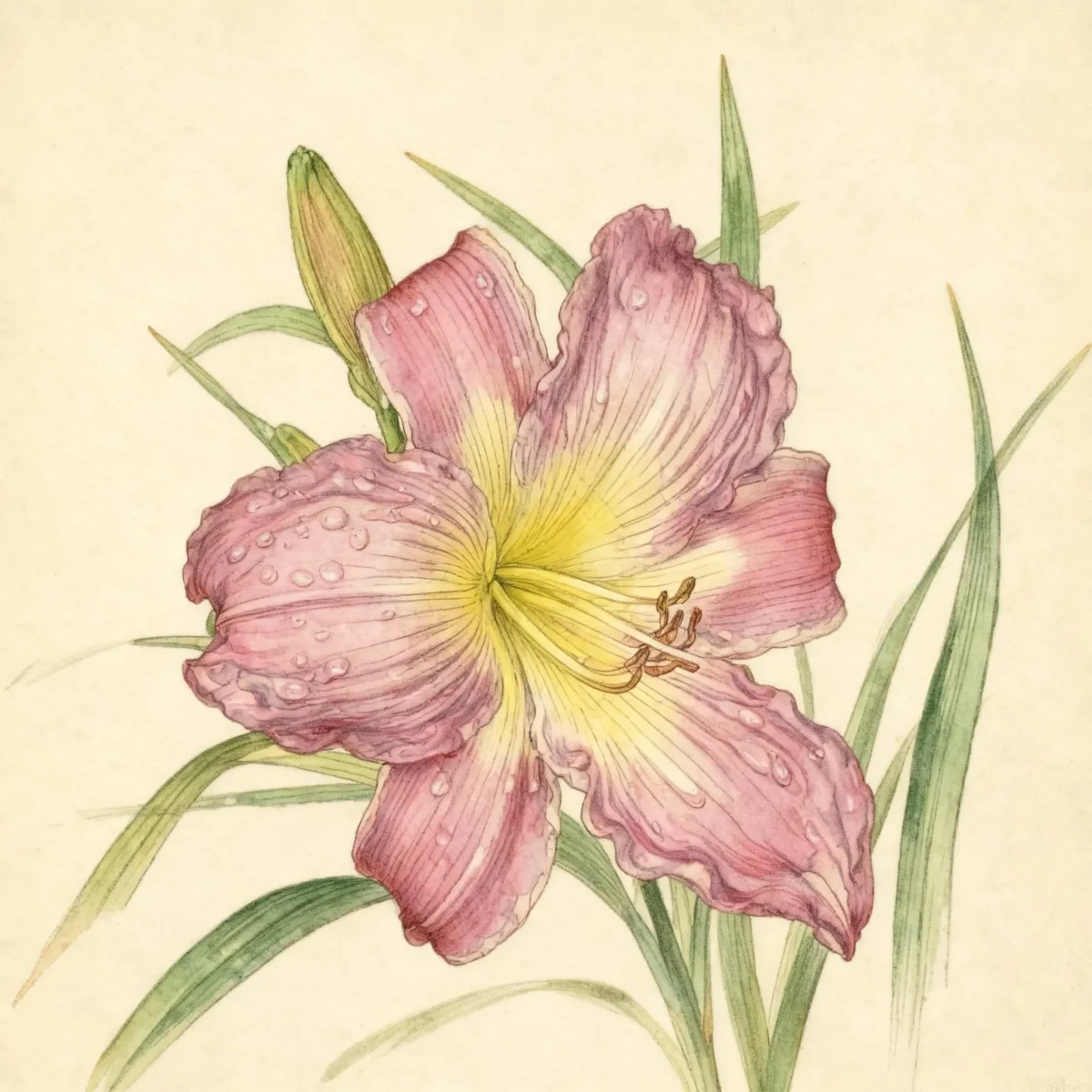
Daylily (Hemerocallis 'Angelotti')
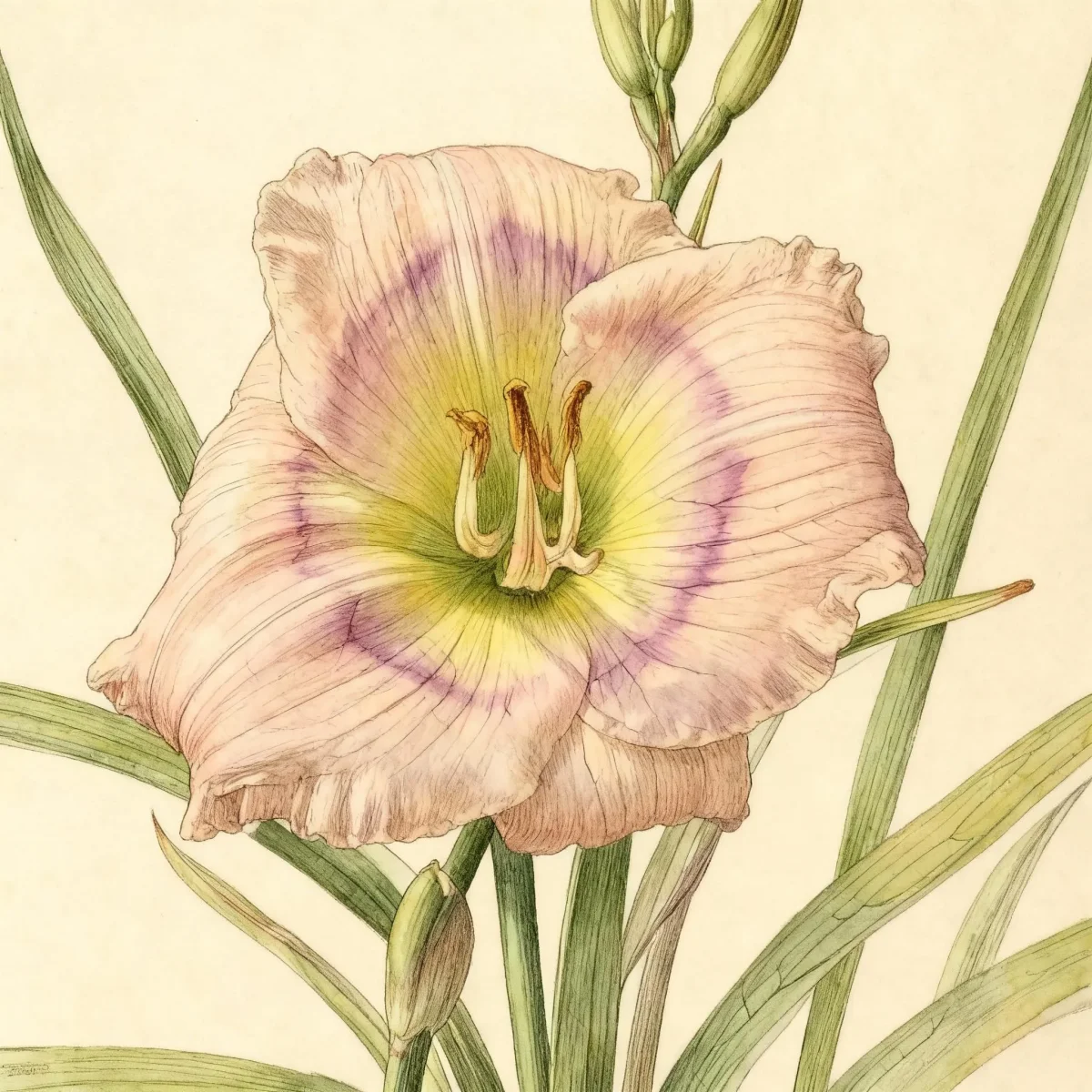
Hemerocallis 'Angelotti' Daylily offers showy peach blooms from May to June, thriving in zones 3-9 with low maintenance.
Scroll down to discover growing tips, care requirements, companion plants, and more
Complete Plant Information
Overview
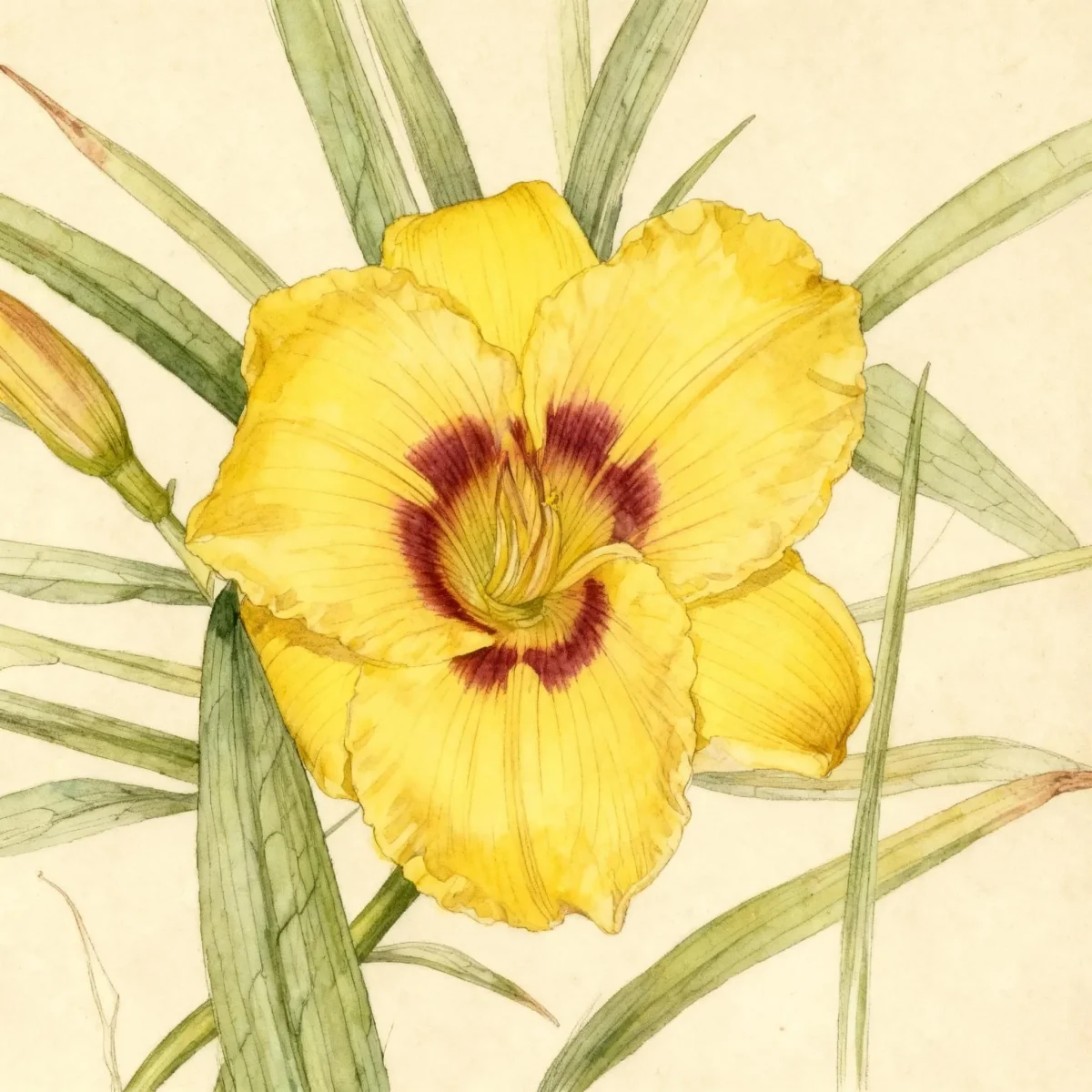
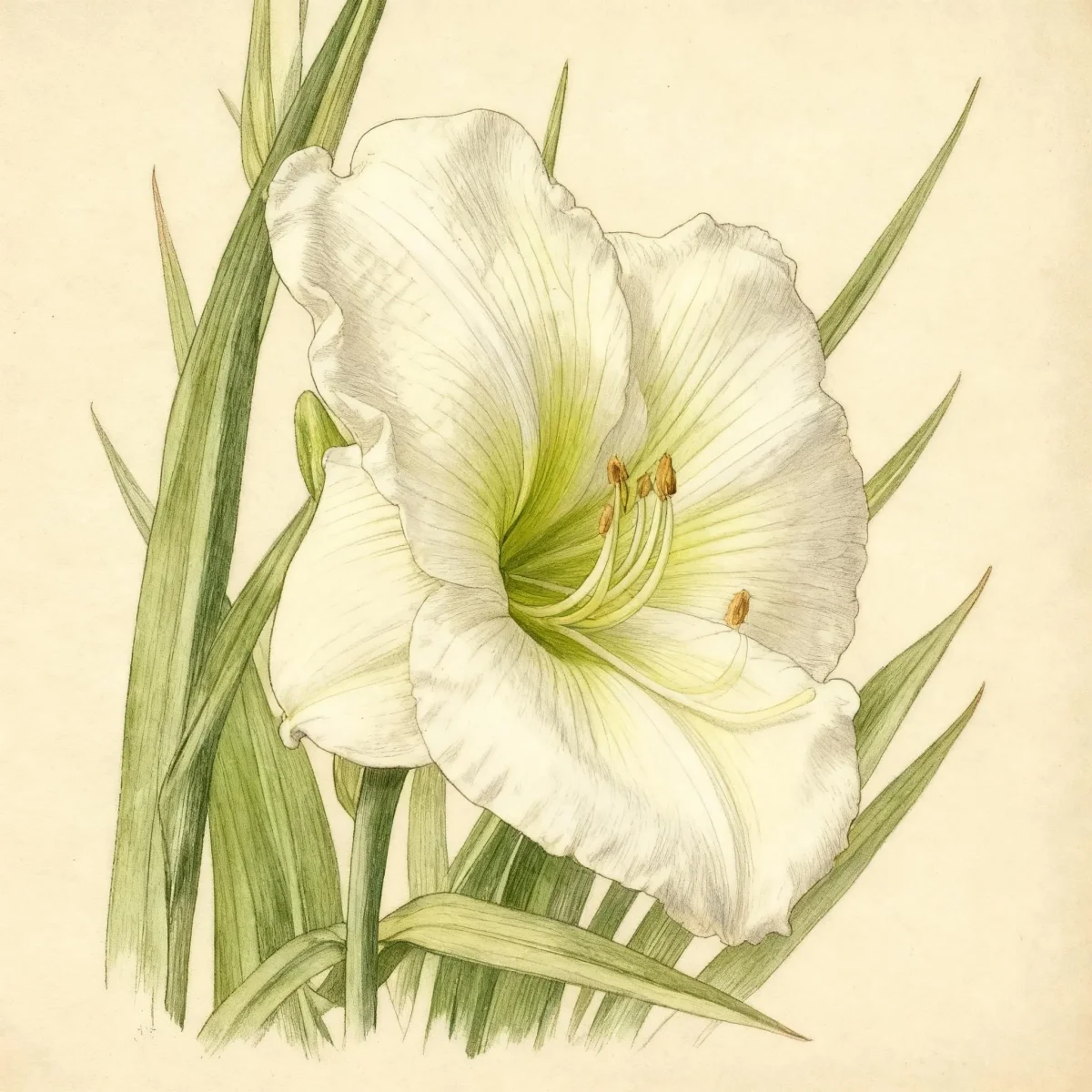
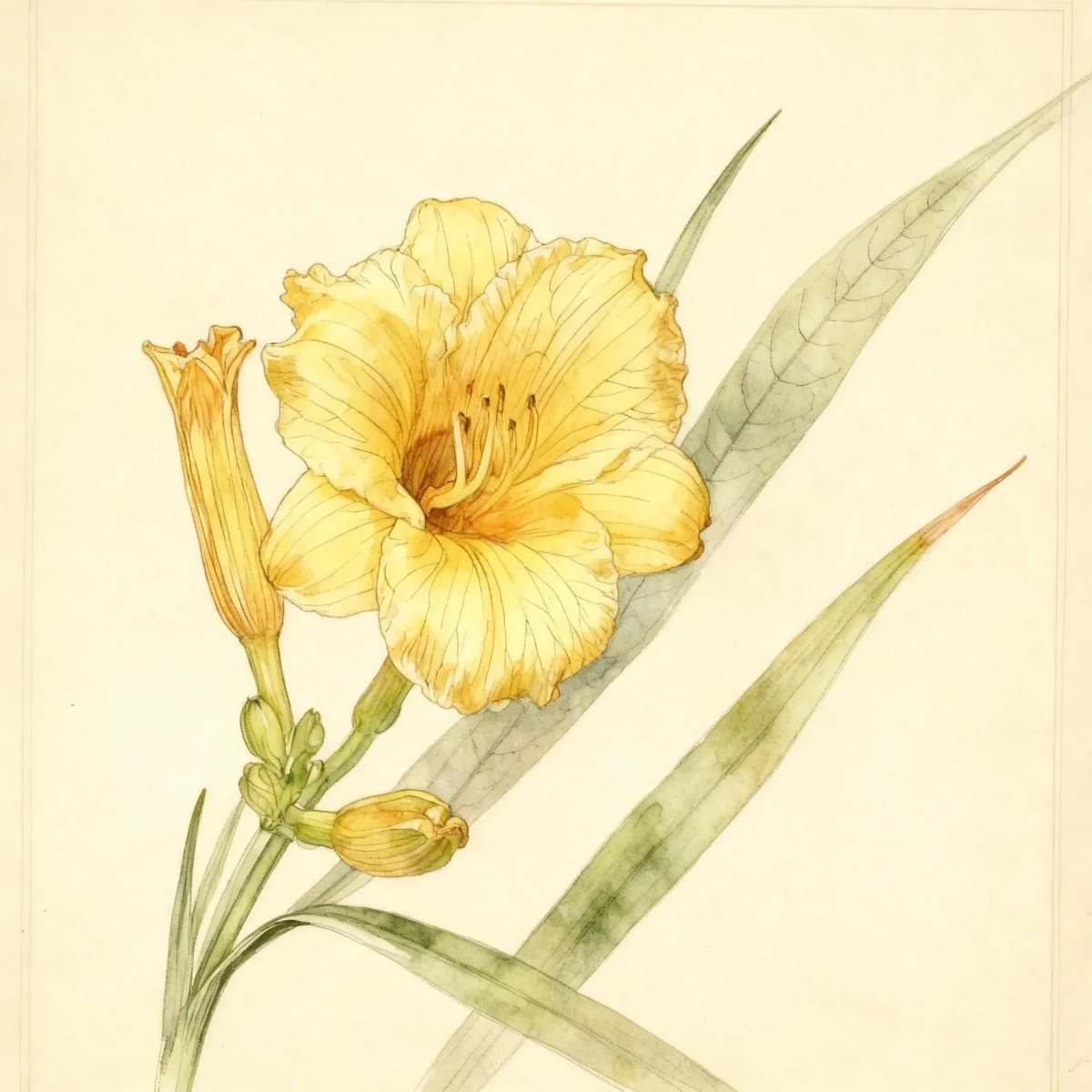
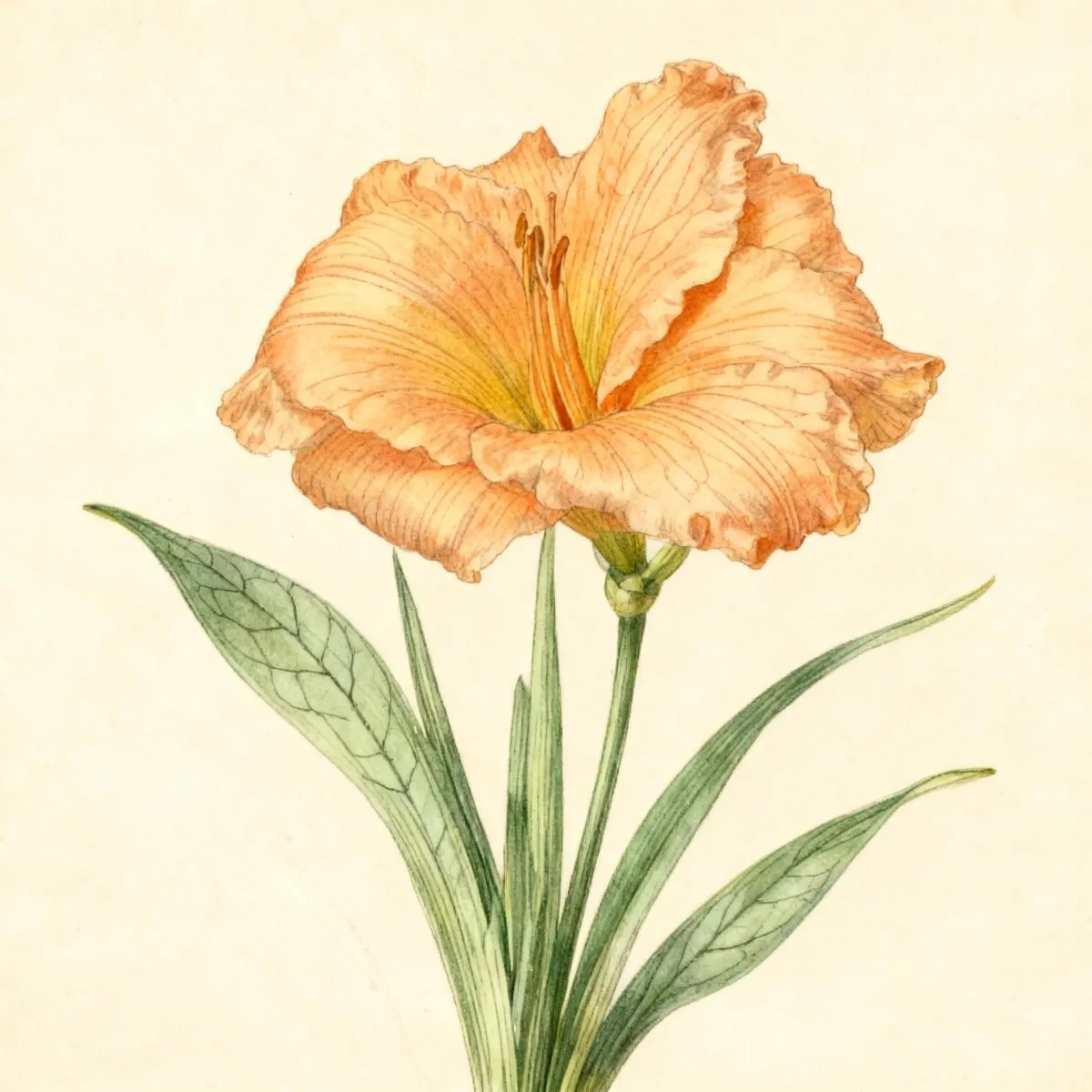
The Daylily, specifically the cultivar Hemerocallis ‘Angelotti’, is a highly valued herbaceous perennial known for its dependable performance and attractive summer flowers. This specific variety offers lovely 4-inch blooms described as a peach blend with a distinct apricot throat, providing reliable seasonal color in the garden. As a low-maintenance plant, the Daylily establishes easily in a wide temperature range across USDA hardiness zones 3 through 9.
This enduring perennial is prized for both its aesthetic appeal and its resilience against common garden stressors. Hemerocallis ‘Angelotti’ features upright, arching, linear foliage that provides good texture even outside of the bloom period. Gardeners appreciate the relatively small stature of this cultivar, making it useful for borders or mass plantings where larger varieties might overwhelm the space.
Due to hybridization efforts, the Daylily genus offers incredible diversity, yet cultivars like Hemerocallis ‘Angelotti’ remain popular staples because they combine easy culture with pleasing flower characteristics. These plants thrive with minimal intervention, offering long-lasting beauty suitable for nearly any sunny or lightly shaded spot.
Fast Facts
- Plant Family: Asphodelaceae
- Plant Type: Herbaceous perennial
- Hardiness Zones: USDA Zones 3-9
- Size at Maturity:
- Height: 1.5-2 ft
- Spread: 1-1.5 ft
- Bloom Time: May to June
- Bloom Description: Peach blend with apricot throat
- Sun Exposure: Full sun to part shade
- Water Needs: Medium
- Maintenance Level: Low
How to Grow
Planting Hemerocallis ‘Angelotti’ is best achieved in the spring, although fall planting is also possible, particularly in milder climates. Daylilies perform best when placed in full sun to ensure robust flowering, though they tolerate light afternoon shade. While adaptable, they thrive most when settled into deep, fertile loams with average moisture and excellent drainage—a key factor for root health.
Ongoing care for this Daylily is straightforward. Deadhead spent blooms daily to maintain a neat appearance and remove old flower scapes once blooming ceases. Although tolerant of heat and humidity, provide supplemental, deep watering during prolonged dry spells to keep the foliage looking fresh. Fertilizing is rarely essential if the soil is already adequate.
For optimal performance and to prevent clumping, plan to divide your Hemerocallis ‘Angelotti’ every three to four years, ideally in the spring, especially for gardeners in colder zones. Remember that hybrid daylilies, like this one, will not reliably grow true to type from seed. In colder regions (Zones 3-8), the foliage of dormant types will die back completely, requiring a period of winter dormancy for the best display next season.
Landscape Uses
The compact size and excellent tolerance profile of Hemerocallis ‘Angelotti’ make it incredibly versatile in landscape design. These easy-to-grow herbaceous perennials excel when utilized as edging along pathways or defining the front of a mixed border where their upright grassy foliage offers structure. Mass planting them over large areas creates significant swaths of continuous summer color.
Dwarf cultivars are particularly effective in rock gardens or tucked into the foreground of perennial beds, providing seasonal focal points without overwhelming smaller companion plants. Consider pairing Hemerocallis ‘Angelotti’ with later-blooming plants whose foliage will fill in as the Daylily fades, ensuring continuous visual interest throughout the growing season. Their adaptable nature means they fit comfortably into cottage gardens or more contemporary, structured settings.
Standout Features
Flower Qualities
- Showy
Noteworthy Characteristics
The genus Hemerocallis, commonly termed Daylily, comprises about 15 herbaceous perennials primarily native to Asia and Central Europe. Modern garden stock consists almost entirely of hybrids, bred extensively to achieve new colors, patterns, and forms; over 60,000 cultivars are now registered globally. Each flower, which typically lasts only one day, blooms successively on naked scapes throughout the season, providing prolonged visual interest. Specifically, Hemerocallis ‘Angelotti’ is a diploid type, presenting 4-inch peach blend flowers that rise approximately 23 inches above the foliage clump.
Tolerances
- Rabbit
- Erosion
- Air Pollution
Potential Problems
Daylilies are remarkably robust and adapt well to most conditions, generally remaining pest-free. However, occasional issues can arise, such as minor infestations of spider mites, aphids, or thrips. In humid environments, Daylily rust can sometimes become a concern; preventative fungicidal applications may be necessary if this pathogen is present in your region. Rabbits are known to generally avoid consuming Daylily foliage.
Frequently Asked Questions
What hardiness zones is Daylily suitable for?
Hemerocallis ‘Angelotti’ is well-suited for USDA zones 3 through 9, offering reliable perennial performance across a wide climatic range.
When does Daylily bloom?
This Daylily cultivar, Hemerocallis ‘Angelotti’, typically blooms during the early season, specifically from May to June, presenting a peach blend with an apricot throat.
How large does Daylily grow?
Hemerocallis ‘Angelotti’ reaches a mature height between 1.5 and 2 feet, with a spread ranging from 1 to 1.5 feet wide.
What sun exposure does Daylily need?
This plant performs best when situated in full sun but adapts well to locations receiving part shade.
Conclusion
Hemerocallis ‘Angelotti’ stands out as an indispensable garden perennial due to its low maintenance requirements and beautiful summer display of peach and apricot tones. This dependable Daylily provides structural upright foliage and reliably rich color, making it a cornerstone for gardeners everywhere. Before planting, confirm that your site offers the full sun to part shade conditions this variety prefers, and consider dividing clumps every few years for continued vigor.
Companion Planting
When planning beds featuring Hemerocallis ‘Angelotti’, select companions that thrive in similar sun and moisture conditions. Plants that bloom later in the summer, after the Daylily’s May-to-June peak, are excellent choices to provide continuous color succession. Consider pairing them with Shasta Daisies or tall ornamental grasses whose vertical forms contrast nicely with the Daylily’s arching leaves. Since Daylilies tolerate minor soil variations, they integrate easily alongside many established perennials.
Design Ideas
Use Daylilies like Hemerocallis ‘Angelotti’ near foundational plantings, allowing their foliage to soften hard edges throughout the season. Their moderate height (up to 2 feet) makes them perfect for the middle layer of a deep border, positioned behind lower groundcovers but in front of very tall screening plants. Because they are known to tolerate air pollution, these are also excellent choices for use in urban gardens or along driveways where air quality might be slightly compromised.