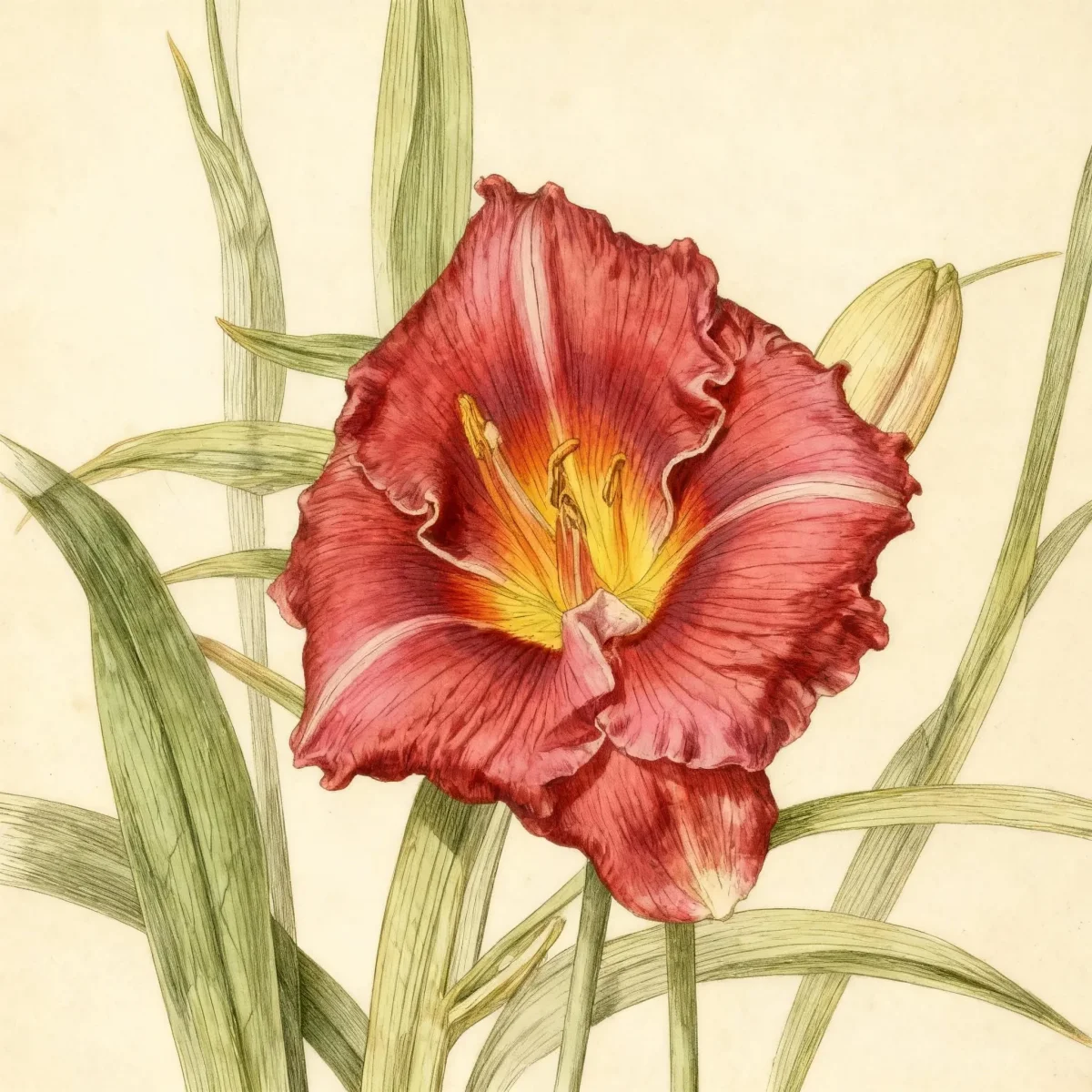
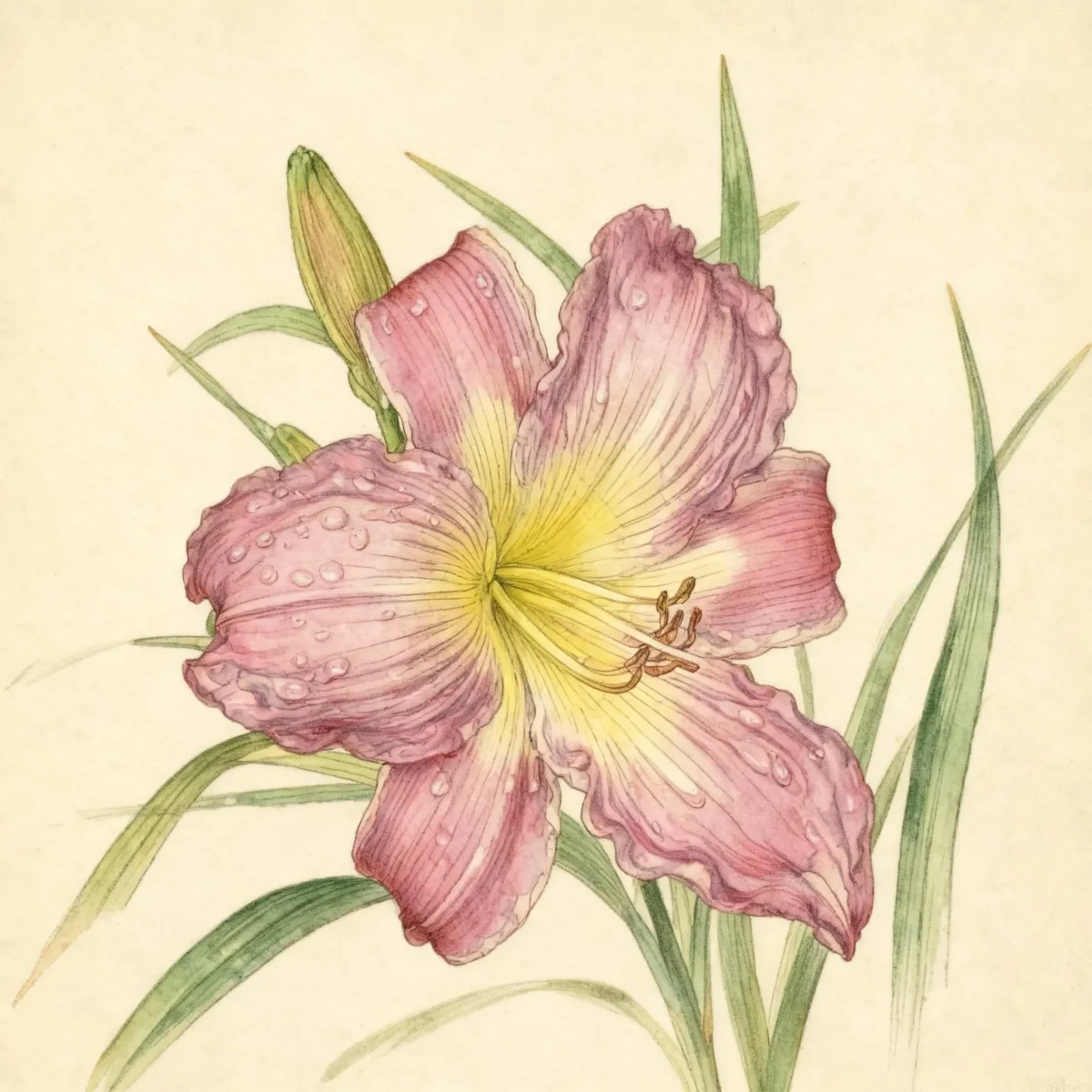
Daylily (Hemerocallis 'Apricot Honey')
Hemerocallis 'Apricot Honey' Daylily offers creamy orange-apricot blooms. Low maintenance, sun-loving perennial for Zones 3-9.
Scroll down to discover growing tips, care requirements, companion plants, and more

Complete Plant Information
Overview
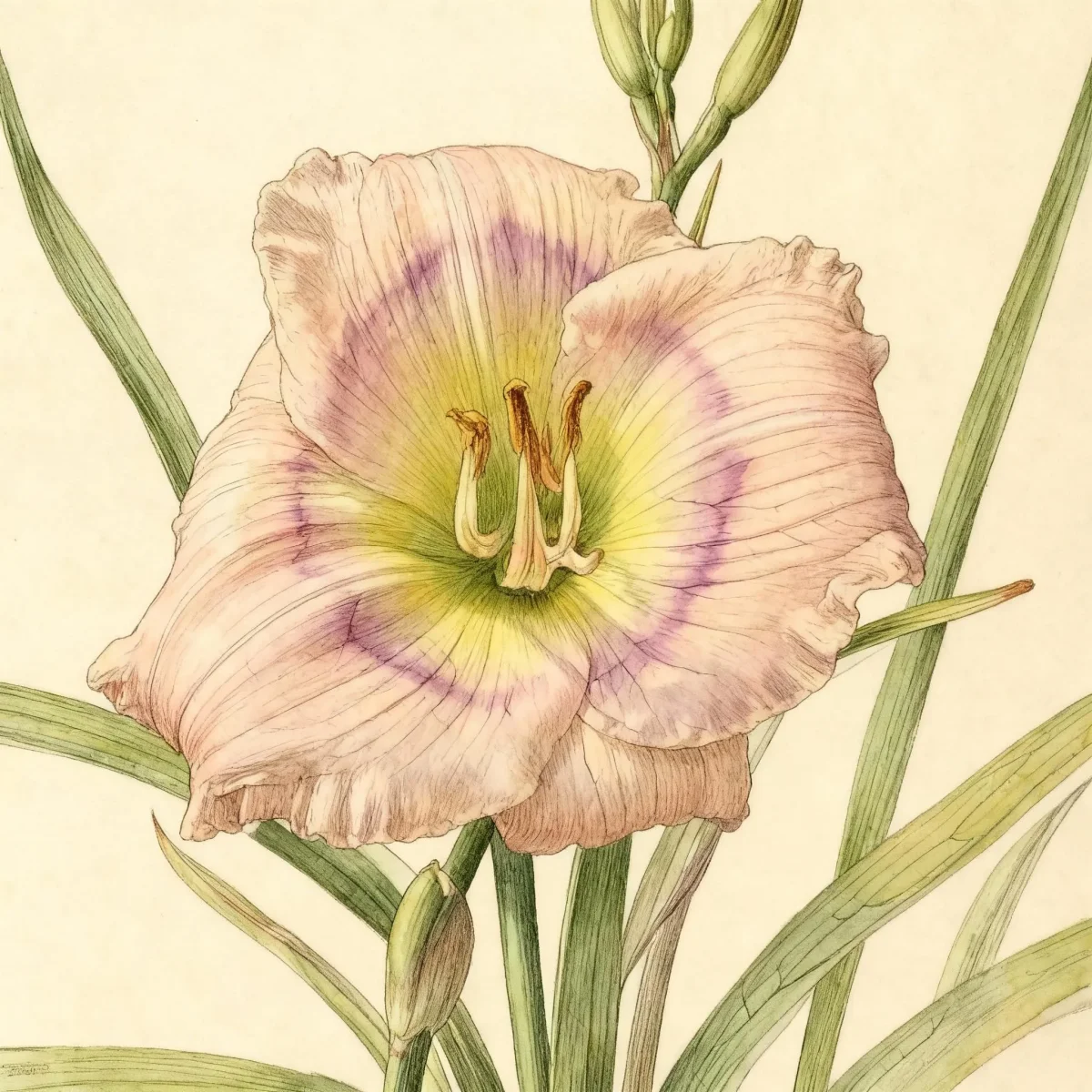
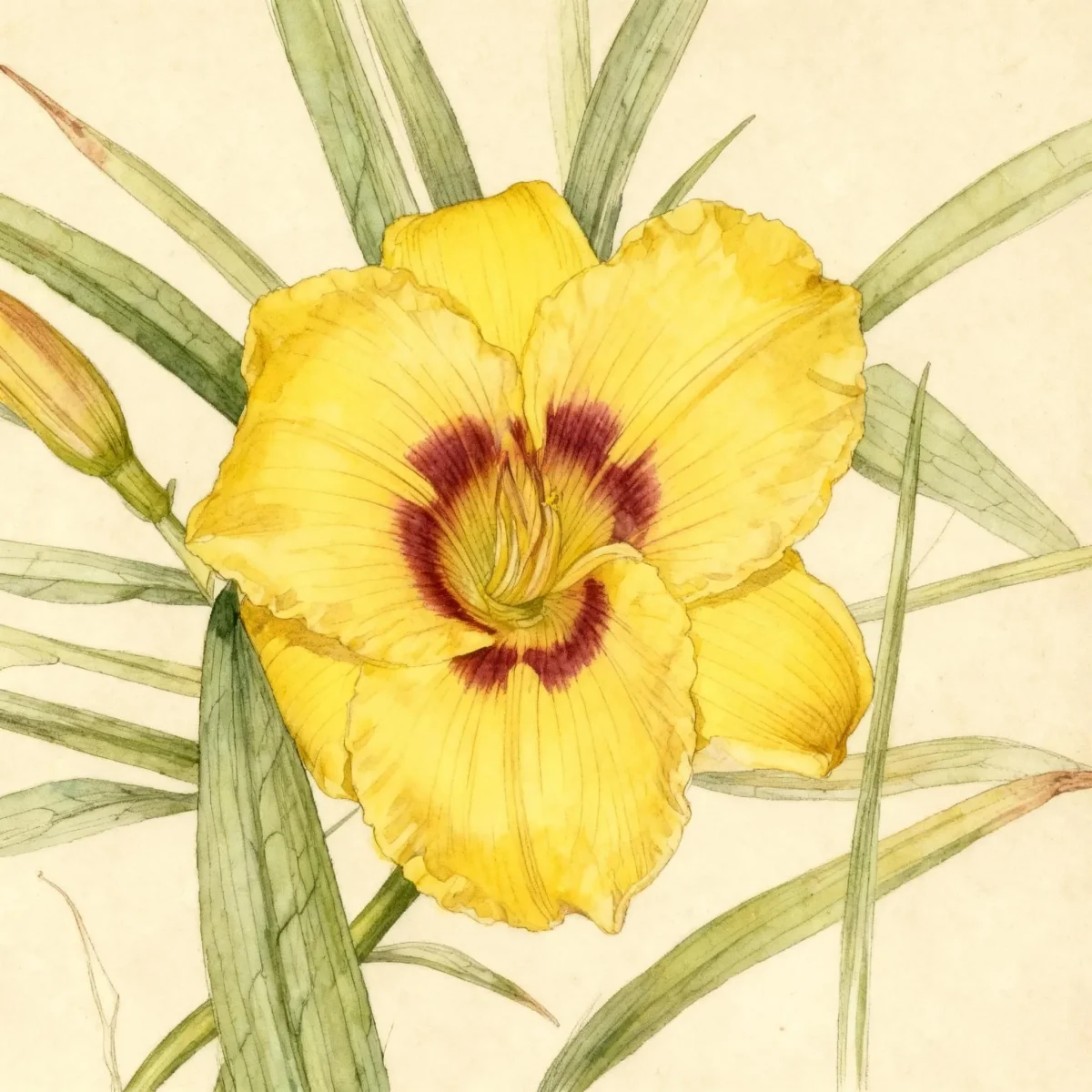
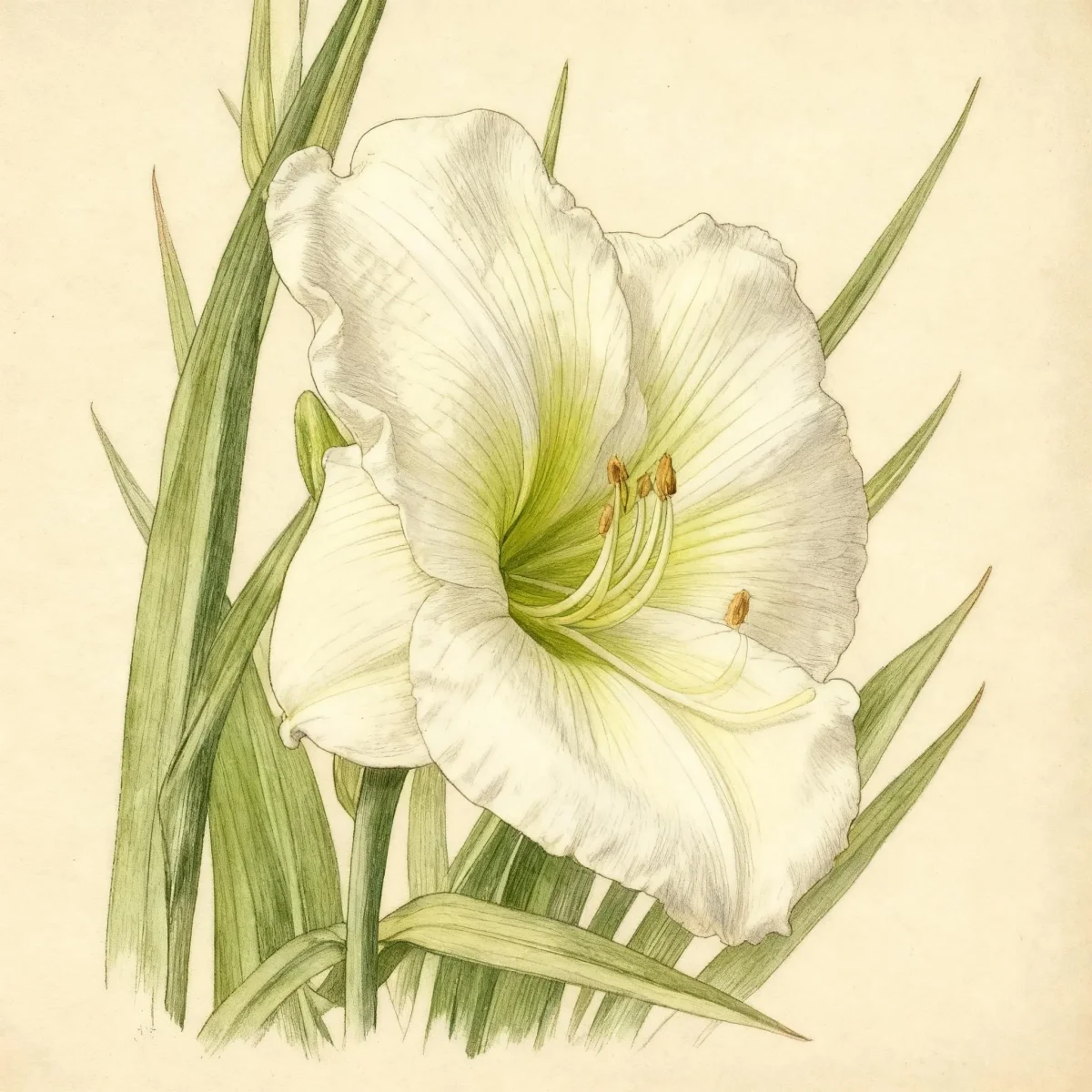
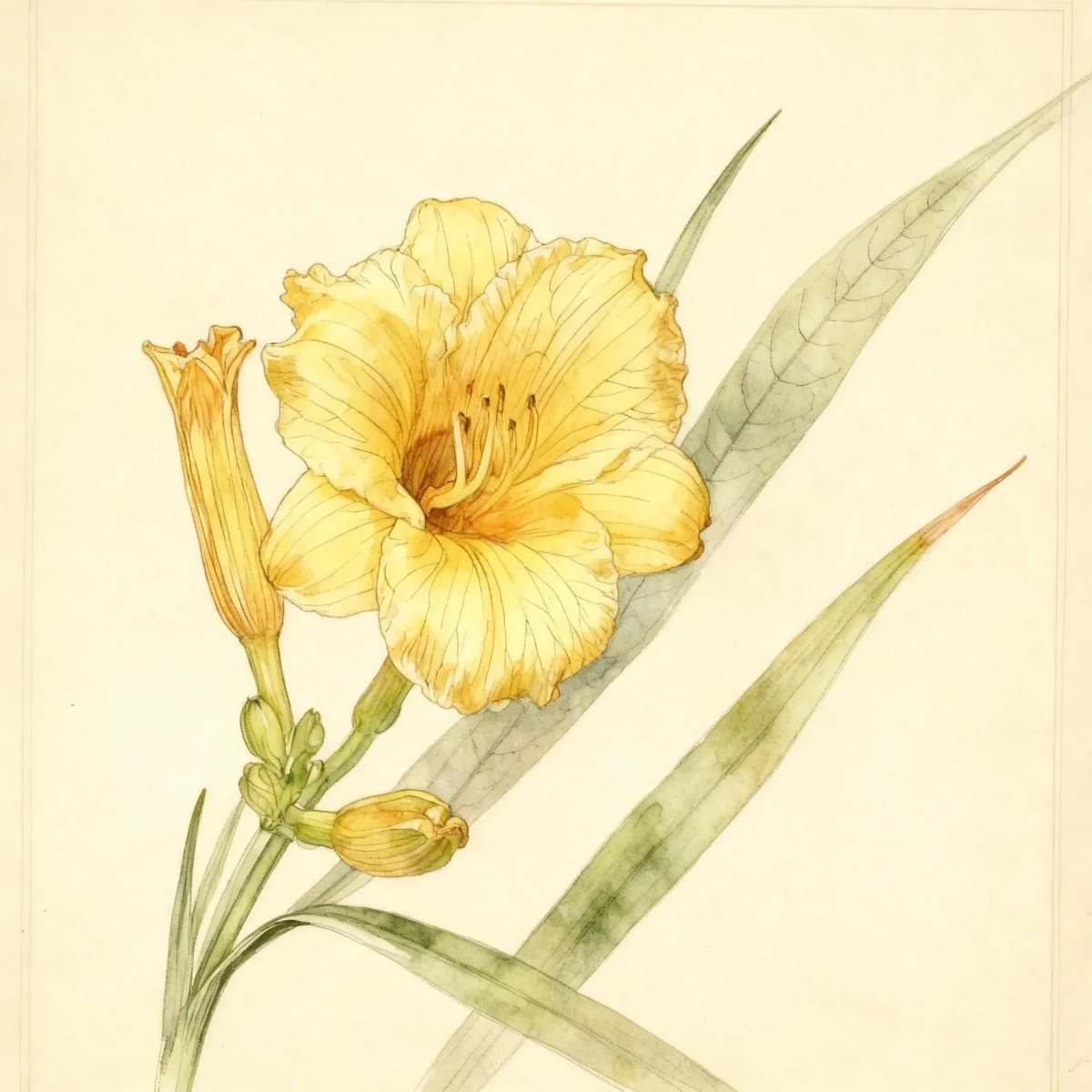
Hemerocallis ‘Apricot Honey’ is a highly desirable daylily cultivar, valued by gardeners for its attractive, mid-season blooms featuring a creamy orange and apricot blend highlighted by a contrasting green throat. As an herbaceous perennial, this Daylily establishes reliably, offering consistent color year after year with minimal demanding care. Its robust nature makes it a practical choice for large-scale plantings or as a reliable structural element in borders. The handsome, arching foliage provides texture well after the main flush of flowers from the Hemerocallis ‘Apricot Honey’ has passed.
This particular Daylily cultivar matures to a height of 2 to 2.5 feet, making it an excellent mid-border plant where its coloration can be easily appreciated. It thrives across a wide range of USDA Hardiness Zones, from the colder climates (Zone 3) up through warmer regions (Zone 9), provided winter dormancy needs are met. Gardeners will appreciate the low maintenance required to keep Hemerocallis ‘Apricot Honey’ looking its best throughout the summer season.
The ease of growth and tolerance to various conditions underscore why the Daylily genus remains one of the most popular perennial groups globally. Hemerocallis ‘Apricot Honey’ provides reliable performance and beautiful color transitions, ensuring it remains a mainstay for both novice and expert landscape designers.
Fast Facts
- Plant Family: Asphodelaceae
- Plant Type: Herbaceous perennial
- Hardiness Zones: USDA Zones 3-9
- Size at Maturity:
- Height: 2-2.5 ft
- Spread: 1.5-2 ft
- Bloom Time: June to July
- Bloom Description: Creamy orange and apricot blend with green throat
- Sun Exposure: Full sun to part shade
- Water Needs: Medium
- Maintenance Level: Low
How to Grow
Planting Hemerocallis ‘Apricot Honey’ is best accomplished in spring or fall, ensuring the root system can establish before extreme weather hits. These Daylilies thrive in average, medium moisture, well-drained soils, though they show superior performance when sited in deep, fertile loams. Locate them where they receive a minimum of six hours of direct sunlight daily, although they tolerate slight afternoon shade, especially in the hottest climates.
Routine care focuses primarily on aesthetics and hydration. Deadhead spent flowers daily to encourage neatness and remove the scapes immediately after blooming concludes. While the plants are tolerant of summer heat and humidity, deep watering during dry spells is crucial to maintain attractive, green foliage throughout the growing season. Do not rely on light, frequent watering.
Perennial care benefits greatly from division every three to four years. Perform this division in early spring or fall; spring division is preferred in areas experiencing severe winter cold to allow maximum establishment time before dormancy. Remember that hybrid daylilies like Hemerocallis ‘Apricot Honey’ will not reliably grow true to type from seed, making vegetative division the only means of faithful propagation.
Landscape Uses
Daylilies are exceptionally versatile, functioning perfectly as easy-to-grow herbaceous perennials for borders and edging applications where their distinct flower spikes can provide vertical rhythm. Hemerocallis ‘Apricot Honey’ works beautifully massed over large areas, creating expansive sweeps of creamy orange color that light up the early to mid-summer garden. Since this cultivar grows to a moderate height, it serves well in the middle ground of mixed perennial beds.
Consider planting shorter, earlier blooming varieties around the base of this Daylily to ensure continuous seasonal interest as you transition from spring to the Hemerocallis ‘Apricot Honey’ bloom season. Due to their adaptability, they pair well with foliage contrasts, such as hostas or ornamental grasses planted where they receive slightly less intense sun. The robust root system also lends itself toward use in mass plantings for basic erosion control on gentle slopes.
Standout Features
Flower Qualities
- Showy
Noteworthy Characteristics
Daylilies, which include the genus Hemerocallis, are renowned herbaceous perennials with most commercially available plants being sophisticated hybrids developed for superior looks. Each individual flower lasts only one day—hence the common name Daylily—but the plants produce a staggering quantity of blooms successively throughout their flowering period. Hemerocallis ‘Apricot Honey’ is notable for its 5-inch diploid flowers displaying that lovely creamy orange and apricot blend, rising typically 28 inches above the arching, blade-like foliage.
Tolerances
- Rabbit
- Erosion
- Air Pollution
Potential Problems
Daylilies are known for being extremely adaptable and relatively pest-free, aligning with the low maintenance needs of Hemerocallis ‘Apricot Honey’. The most common minor nuisances include occasional outbreaks of mites, aphids, or thrips, which can typically be managed with targeted horticultural oils or insecticidal soaps if populations become high. A more significant concern, depending on geographic location, is Daylily rust, a fungal disease that affects foliage. Ensure good air circulation when planting to mitigate fungal issues.
If pests do appear, inspect the undersides of leaves thoroughly. Management often involves simply cleaning up garden debris promptly in the fall, as overwintering pests sometimes hide in dead foliage. Because rabbits tend to avoid the foliage, plants requiring rabbit protection are generally unnecessary.
Frequently Asked Questions
What hardiness zones is Daylily suitable for?
Hemerocallis ‘Apricot Honey’ is hardy across a broad spectrum, thriving in USDA Zones 3 through 9.
How large does Daylily grow?
This cultivar typically reaches a height between 2 and 2.5 feet and spreads outward to 1.5 to 2 feet at maturity.
What sun exposure does Daylily need?
For the best flowering performance from your Hemerocallis ‘Apricot Honey’, aim for full sun, though they will tolerate part shade conditions.
When does Daylily bloom?
This Daylily blooms starting in June and often continues flowering through July, presenting its creamy orange and apricot blend.
Conclusion
Hemerocallis ‘Apricot Honey’ is an excellent foundation plant, combining striking floral tones with the reliability and low upkeep characteristic of the Daylily genus. Its adaptability across diverse zones ensures broad appeal for gardeners seeking dependable summer color. Before planting, verify your local hardiness zone compatibility and prepare a well-draining site to maximize the display of your new Hemerocallis ‘Apricot Honey’ next season.
Companion Planting
Choosing compatible neighbors significantly enhances the overall appeal of a Daylily planting. Since Hemerocallis species prefer well-drained soil and sun to part shade, select companions that share similar cultural requirements to ensure all plants thrive. Excellent companions include various ornamental grasses, whose fine textures contrast beautifully with the broad, arching leaves of the Daylily foliage.
Consider incorporating plants that bloom earlier or later than the mid-season display of Hemerocallis ‘Apricot Honey’. Hostas provide lush foliage texture, though they generally require slightly more shade than the Daylily prefers; site them where they receive morning sun only. For continuous summer color alongside the apricot blooms, pair these perennials with coneflowers (Echinacea) or Salvia varieties that perform well in full sun conditions.
Seasonal Care Calendar
Spring preparation for your Daylilies is crucial for maximizing performance. As soon as new growth emerges, remove any old, dead foliage from the previous year, which helps reduce potential overwintering sites for pests and diseases. Apply a balanced, slow-release fertilizer around the base of the plant shortly after growth begins, but avoid excessive nitrogen, which promotes leafy growth over flowers.
During the peak summer months when Hemerocallis ‘Apricot Honey’ is actively blooming (June to July), consistent moisture is key. Water deeply, especially if you notice the foliage beginning to look wilted during hot spells. Keep up with daily deadheading of spent blossoms; removing these spent flowers keeps the clump tidy and redirects the plant’s energy toward producing more flower buds for a prolonged display.
Fall care is straightforward; Daylilies are quite hardy. Once the foliage has died back naturally in colder zones, you can trim the dead leaves down to a few inches above the crown, or leave them until spring if you prefer the winter insulation they provide. For colder climates (Zones 3-6), ensure the plants have built up good cold tolerance well before the first hard frost.