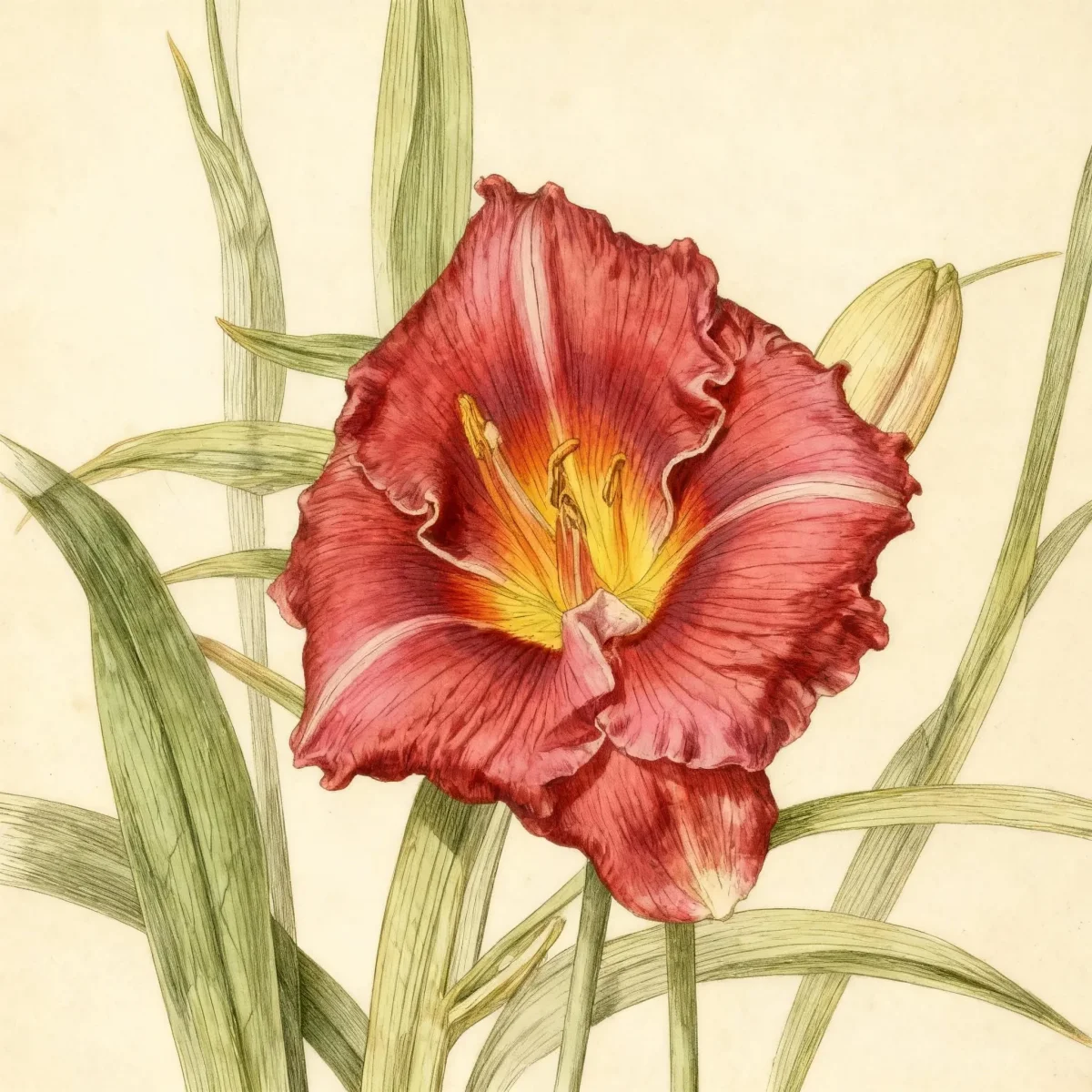
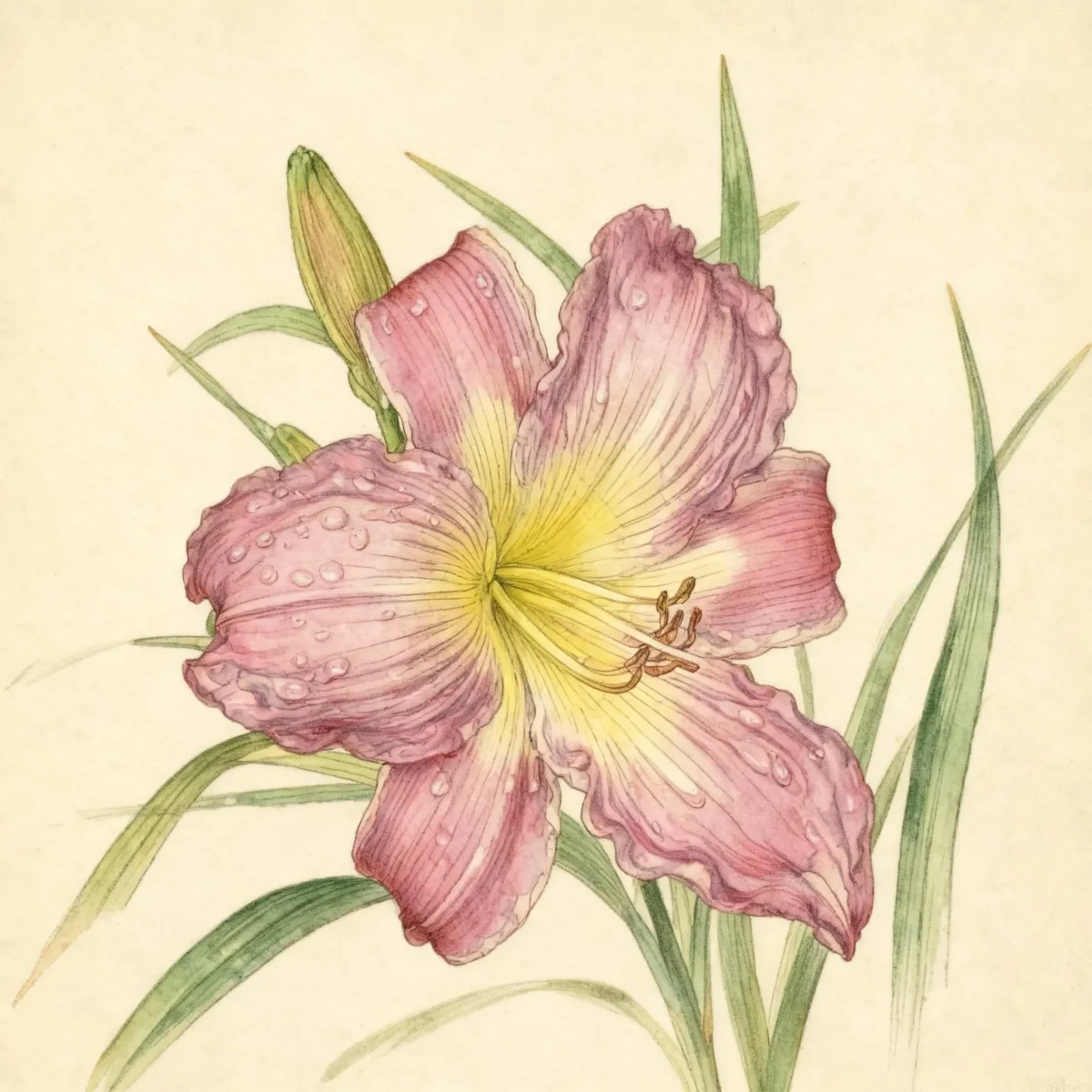
Daylily (Hemerocallis 'Apricot')
Hemerocallis 'Apricot' is an iconic Daylily, valued for its showy, fragrant yellow-orange blooms and low maintenance needs.
Scroll down to discover growing tips, care requirements, companion plants, and more

Complete Plant Information
Overview
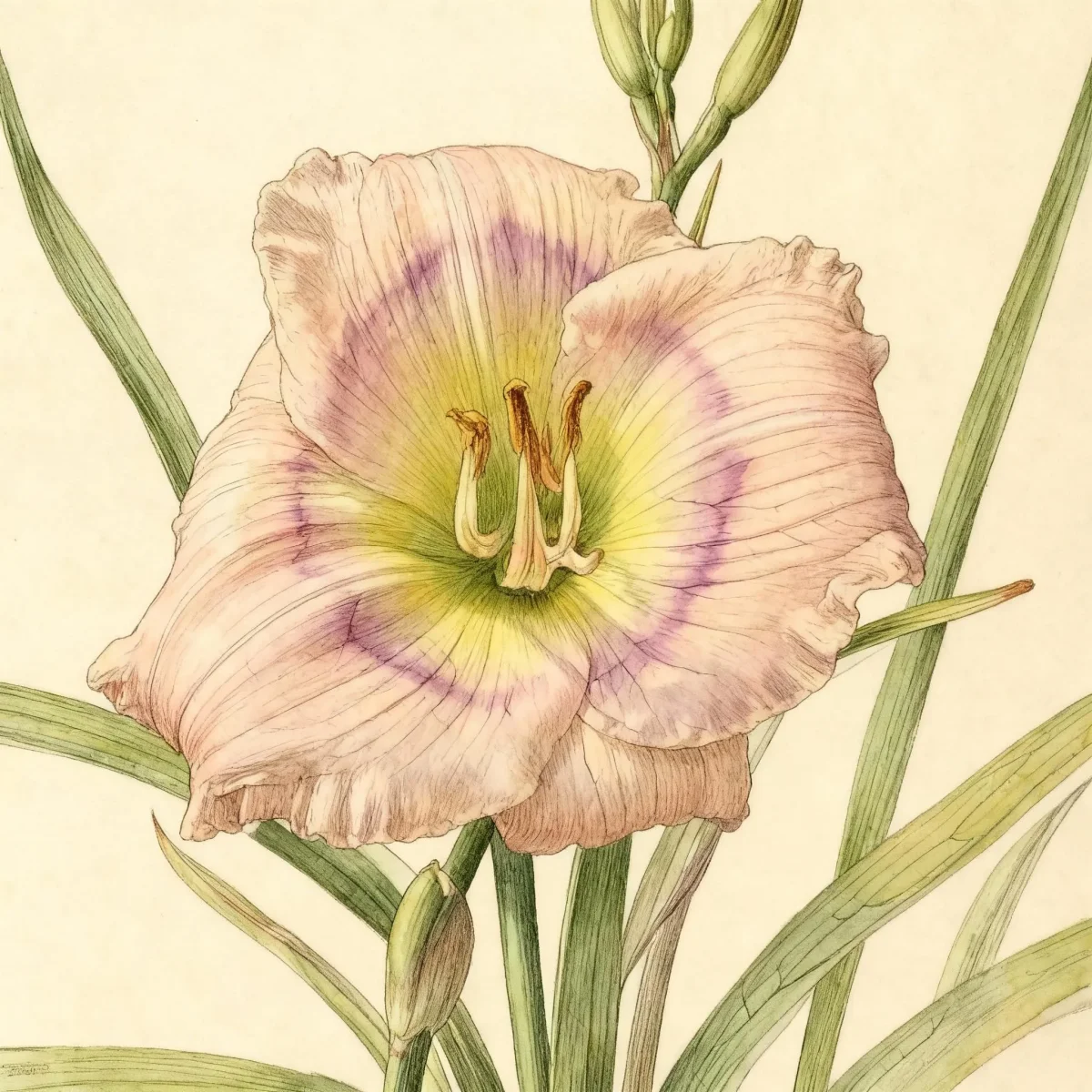
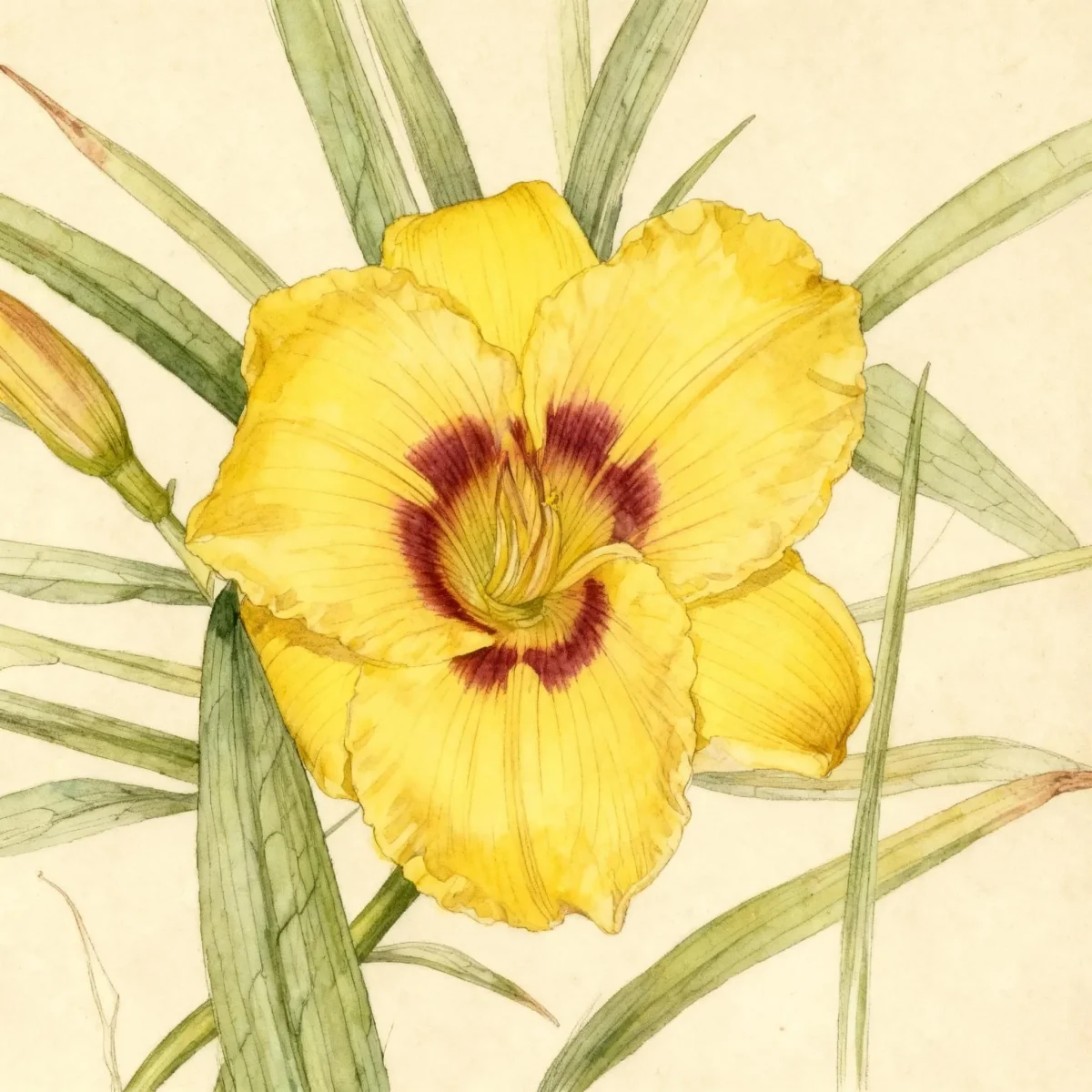
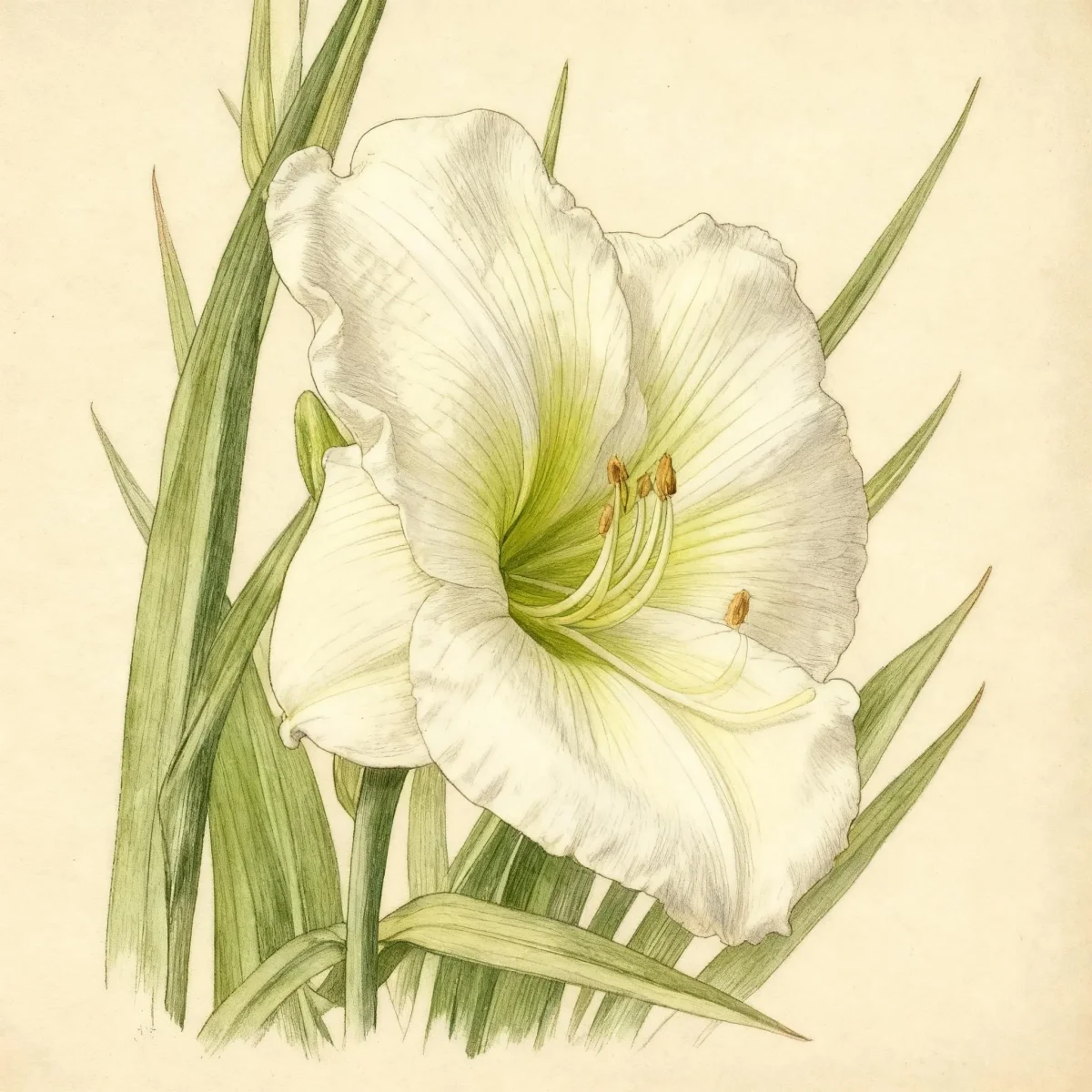
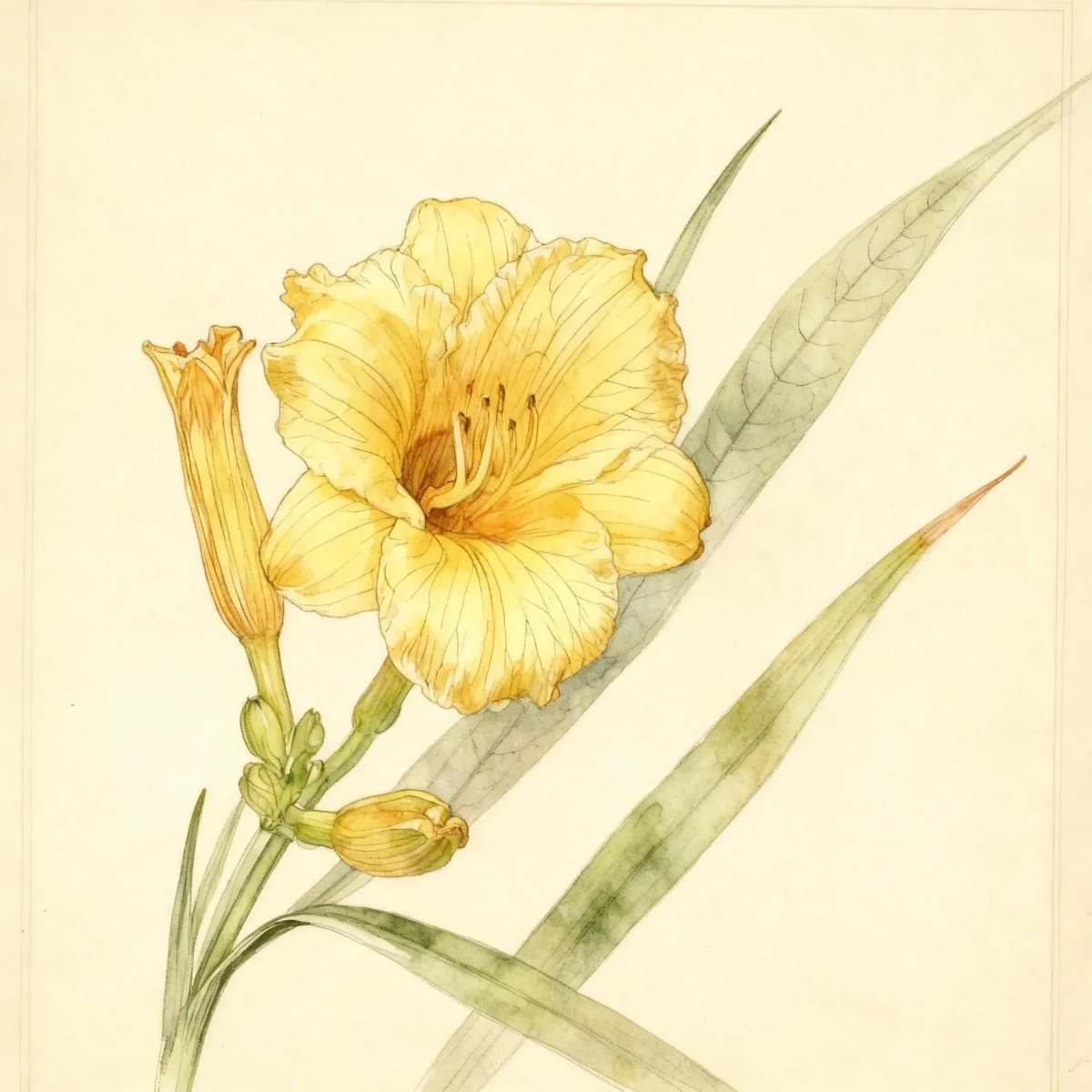
Hemerocallis ‘Apricot’ is a classic, enduring herbaceous perennial celebrated for its reliable early-season performance. This historic Daylily cultivar delivers cheerful yellow-orange flowers, noted by gardeners for their pleasant fragrance, making it a staple in temperate gardens. As one of the earliest hybrid daylilies recorded, Hemerocallis ‘Apricot’ bridges the gap between early summer blooms and provides reliable color when many spring bulbs are fading.
This Daylily thrives with relatively low intervention, performing best when situated in conditions ranging from full sun to partial shade. Its robust nature means it handles heat and humidity well, though providing consistent water during very dry spells ensures the foliage remains attractive throughout the season. Gardeners appreciate this plant for its vigorous clumping habit and its ability to multiply effectively over time.
The aesthetic value of Hemerocallis ‘Apricot’ lies in its combination of vibrant, though ephemeral, flowers—each lasting only a day—and its manageable grassy foliage. Ideal for mass plantings or as a border accent, this reliable cultivar offers excellent value, requiring only routine deadheading and eventual division every few years for peak flowering performance.
Fast Facts
- Plant Family: Asphodelaceae
- Plant Type: Herbaceous perennial
- Hardiness Zones: USDA Zones 3-9
- Size at Maturity:
- Height: 2-3 ft
- Spread: 1.5-2.5 ft
- Bloom Time: June to July
- Bloom Description: Yellow-orange
- Sun Exposure: Full sun to part shade
- Water Needs: Medium
- Maintenance Level: Low
How to Grow
Planting Hemerocallis ‘Apricot’ is best done in spring or fall when the soil is workable. While these Daylilies adapt well to average, medium-moisture conditions, they thrive most vigorously in well-drained, deep, and fertile loams. Ensure the crown—the top part of the root structure—is planted just below the soil surface, as burying the crown too deeply can suppress blooming.
Ongoing care for this Daylily is minimal. Deadhead spent flowers daily if you desire a tidy appearance, and remove the entire flower stalk (scape) once all flowers on that scape have finished. Although tolerant of heat, deep watering during periods of summer drought will keep the foliage looking lush. Avoid heavy fertilization, as this can lead to excess leaf production at the expense of flowers.
Because Hemerocallis ‘Apricot’ is a winter-dormant variety, it requires a necessary cold period for optimal performance, making it less suitable for the warmest reaches of Zone 9. To maintain vigor and prevent overcrowding, plan to divide large clumps every 3 to 4 years, ideally in the spring, particularly in colder winter regions. Remember that hybrid daylilies like this one will not produce identical offspring if sown from seed.
Landscape Uses
The dependable nature and graceful arch of the foliage make Hemerocallis ‘Apricot’ an excellent choice for foundational landscape roles. These herbaceous perennials work beautifully when used for defining borders along walkways or driveways, providing a clear, neat edge throughout the growing season. Because they tolerate mass planting, they establish quickly and effectively cover large areas, minimizing weed competition once fully filled in.
Consider using this Daylily variety to line the front of perennial borders where its bright yellow-orange blooms can contrast softly with darker foliage plants positioned behind it. While the plant size is moderate, smaller or dwarf cultivars of daylilies are particularly effective tucked into rock gardens or used as casual edging where space is limited. Hemerocallis ‘Apricot’ blends well with robust, mid-season perennials like coneflowers or ornamental grasses.
Standout Features
Flower Qualities
- Showy
- Fragrant
Noteworthy Characteristics
Hemerocallis is a genus of about 15 species of herbaceous perennials commonly known as daylilies, originating in Asia and central Europe. Hybridizers have created over 60,000 cultivars, dramatically expanding the palette available beyond the straight species. The common name Daylily refers to the fact that each individual bloom typically lasts only one day, though flowers are produced in such rapid succession that the plant maintains color over a long period. Hemerocallis ‘Apricot’, registered in 1893, features fragrant, yellow-orange flowers on scapes reaching about 34 inches tall and is noted as a repeat bloomer.
Tolerances
- Rabbit
- Erosion
- Air Pollution
Potential Problems
Daylilies are renowned for being extremely adaptable and resilient, making them relatively pest-free compared to many other perennials. The most common minor issues involve occasional infestations of mites, aphids, or thrips, which can usually be managed with strong blasts of water or insecticidal soap if necessary. A more significant concern in humid climates can be Daylily rust, a fungal disease identified by rust-colored spores on the foliage; ensure good air circulation to mitigate this risk. Rabbits generally find the foliage unpalatable.
If rust does appear, promptly remove and destroy infected leaves to prevent spread, ensuring you do not compost them. Consistent, deep watering rather than shallow sprinkling helps maintain strong, disease-resistant foliage. Due to their low maintenance requirement, gardeners should simply inspect plants occasionally, as major treatments are rarely needed for a hardy cultivar like Hemerocallis ‘Apricot’.
Frequently Asked Questions
What hardiness zones is Daylily suitable for?
Hemerocallis ‘Apricot’ is reliably hardy across USDA Zones 3 through 9, providing flexibility for many gardeners across North America.
How large does Daylily grow?
This cultivar generally matures to a height between 2 and 3 feet, with a corresponding spread of 1.5 to 2.5 feet.
When does Daylily bloom?
The primary bloom season for Hemerocallis ‘Apricot’ is from June into July, featuring its distinctive yellow-orange flowers.
What sun exposure does Daylily need?
This Daylily variety performs well in settings receiving full sun, though it can tolerate light afternoon shade, falling under the ‘Full sun to part shade’ category.
Conclusion
Hemerocallis ‘Apricot’ remains a garden favorite due to its low maintenance demands, attractive foliage, and the sweet fragrance accompanying its early summer display of yellow-orange flowers. This robust Daylily offers dependable performance across a wide range of climates. Make sure to check local hardiness zone compatibility and plan your initial planting during a cooler part of the season for the best establishment of your new Hemerocallis ‘Apricot’ clump.
Companion Planting
Choosing compatible companions is simple for Hemerocallis ‘Apricot’ given its adaptable nature. Since Daylilies prefer deep, well-drained soil and tolerate dryness once established (though they prefer medium water), pair them with other robust perennials that share these needs. Consider integrating them with shorter, mounding plants like Hardy Geraniums or Coral Bells (Heuchera) whose textures contrast nicely with the linear foliage of the Daylily.
For mid-summer interest after the Hemerocallis ‘Apricot’ finishes its peak bloom, plant late-season bloomers behind them. Catmint (Nepeta) or late-blooming Salvia varieties work well, softening the edges of the daylily clumps as they die back slightly in the heat of late summer. Ensure that these companions do not demand excessively rich soil, which can lead to overly lush, floppy growth in the Daylily itself.
Design Ideas
The moderate height and clumping habit of Hemerocallis ‘Apricot’ make it exceptionally useful for creating soft transitions in the landscape. Use groups of three or five plants to establish rhythm along wide borders, relying on their arching forms to break up the straight lines of hardscaping. Since this Daylily is relatively old-fashioned, it fits perfectly into cottage gardens, complementing heirlooms like peonies or phlox.
For contemporary designs that benefit from texture, plant Hemerocallis ‘Apricot’ near fine- or coarse-textured grasses (like switchgrass or feather reed grass). The bold blocks of yellow-orange blooms provide punctuation against the airy movement of ornamental grasses. Even though this cultivar is vigorous, maintaining a 2-foot buffer zone around the clump helps ensure excellent air circulation, which is key for keeping foliage healthy.