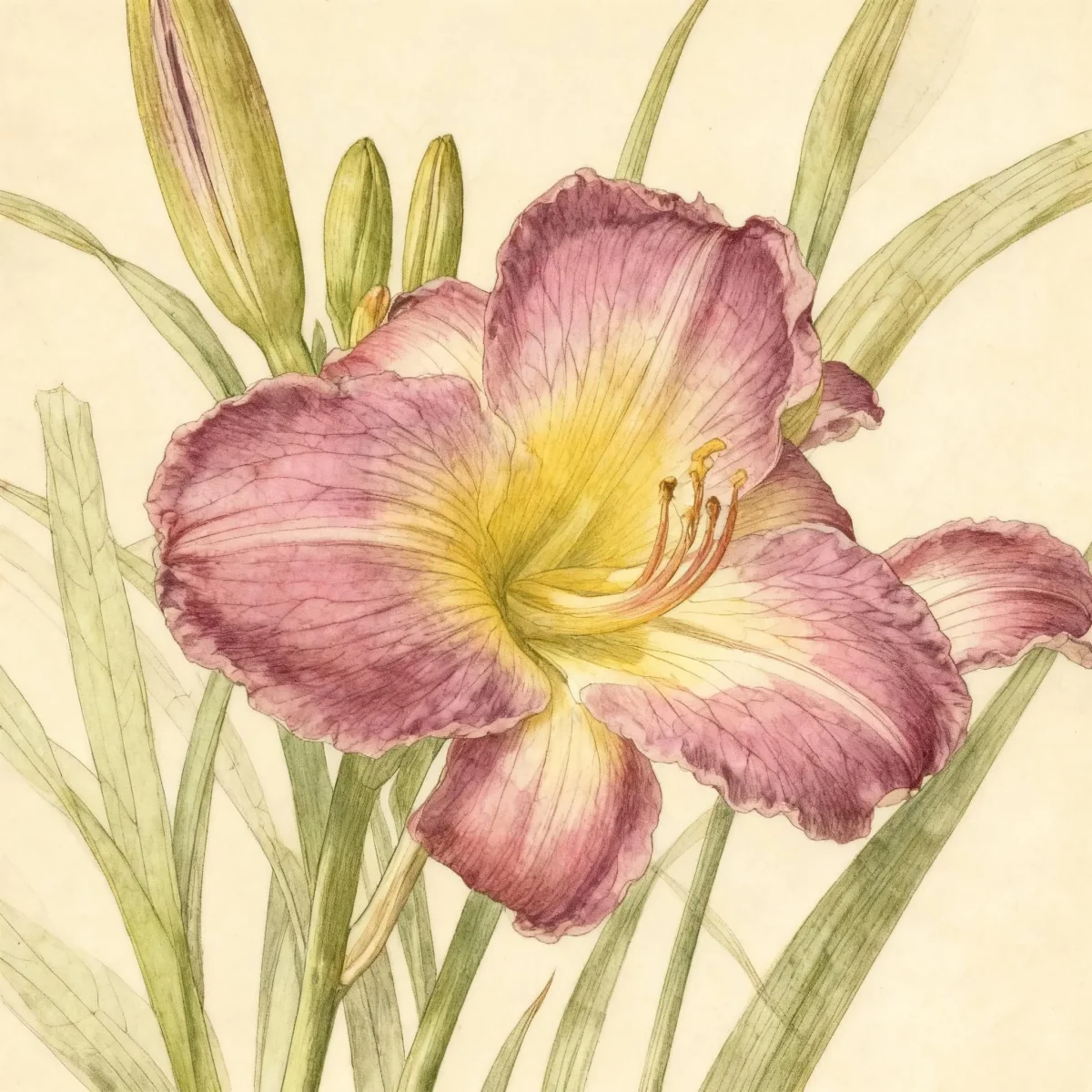
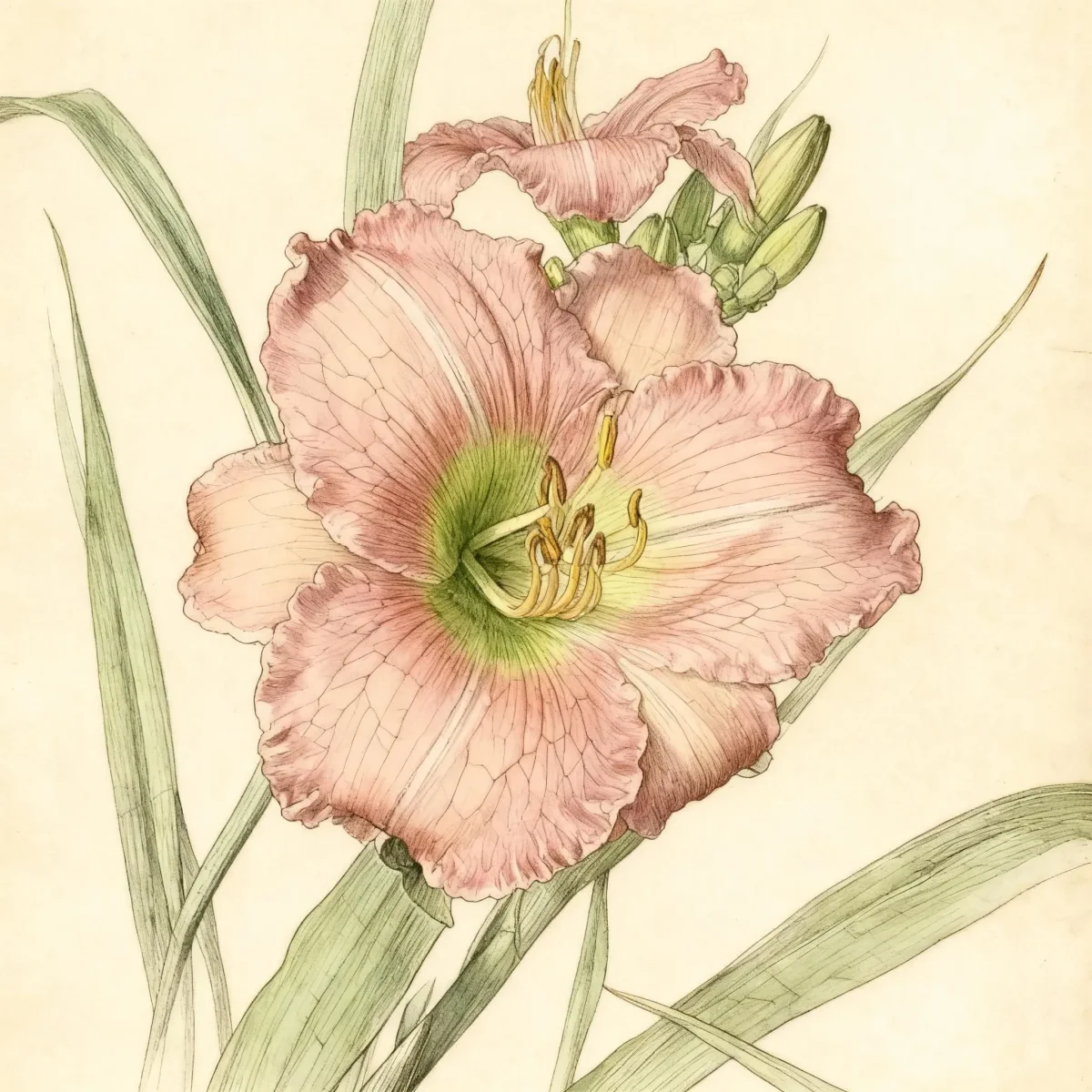
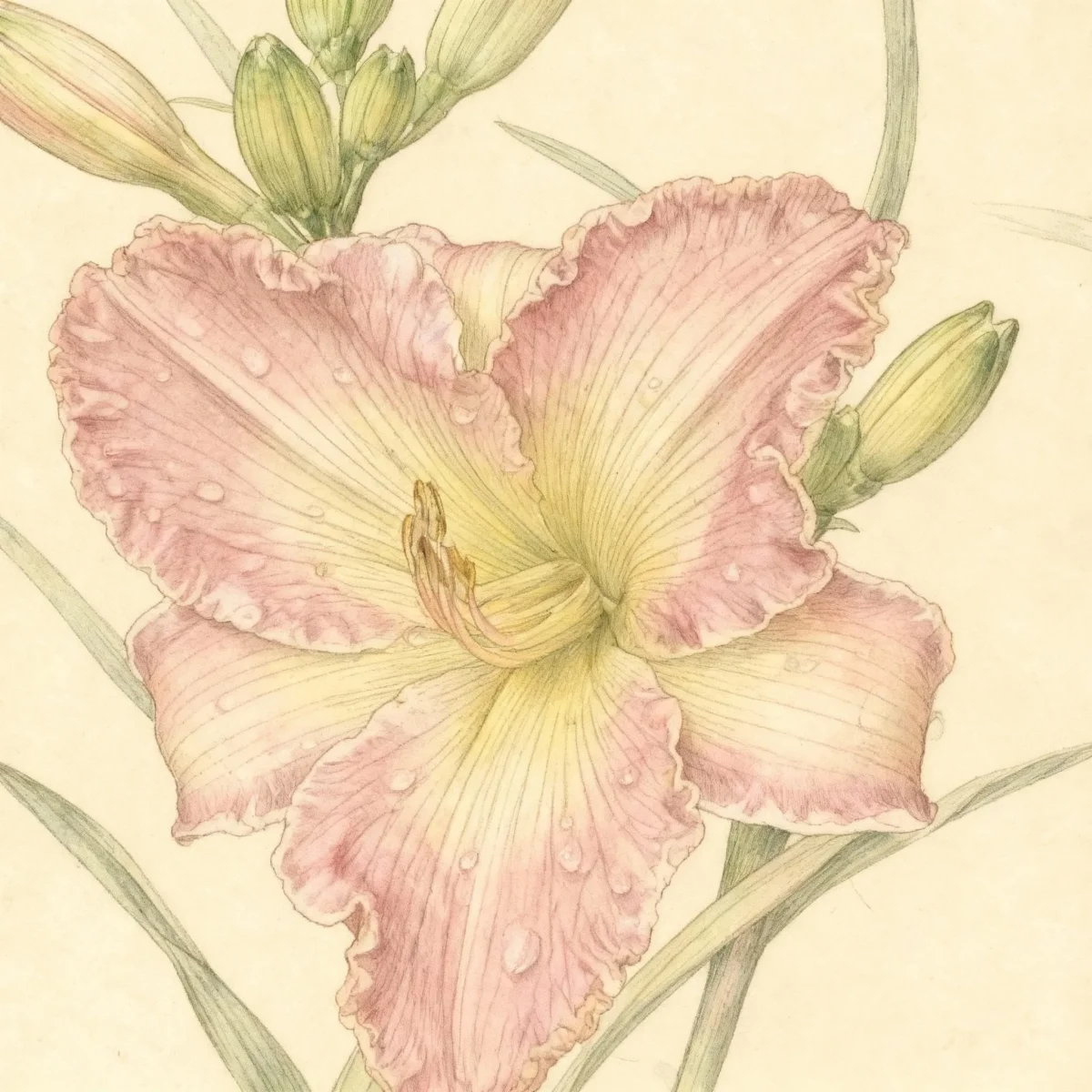
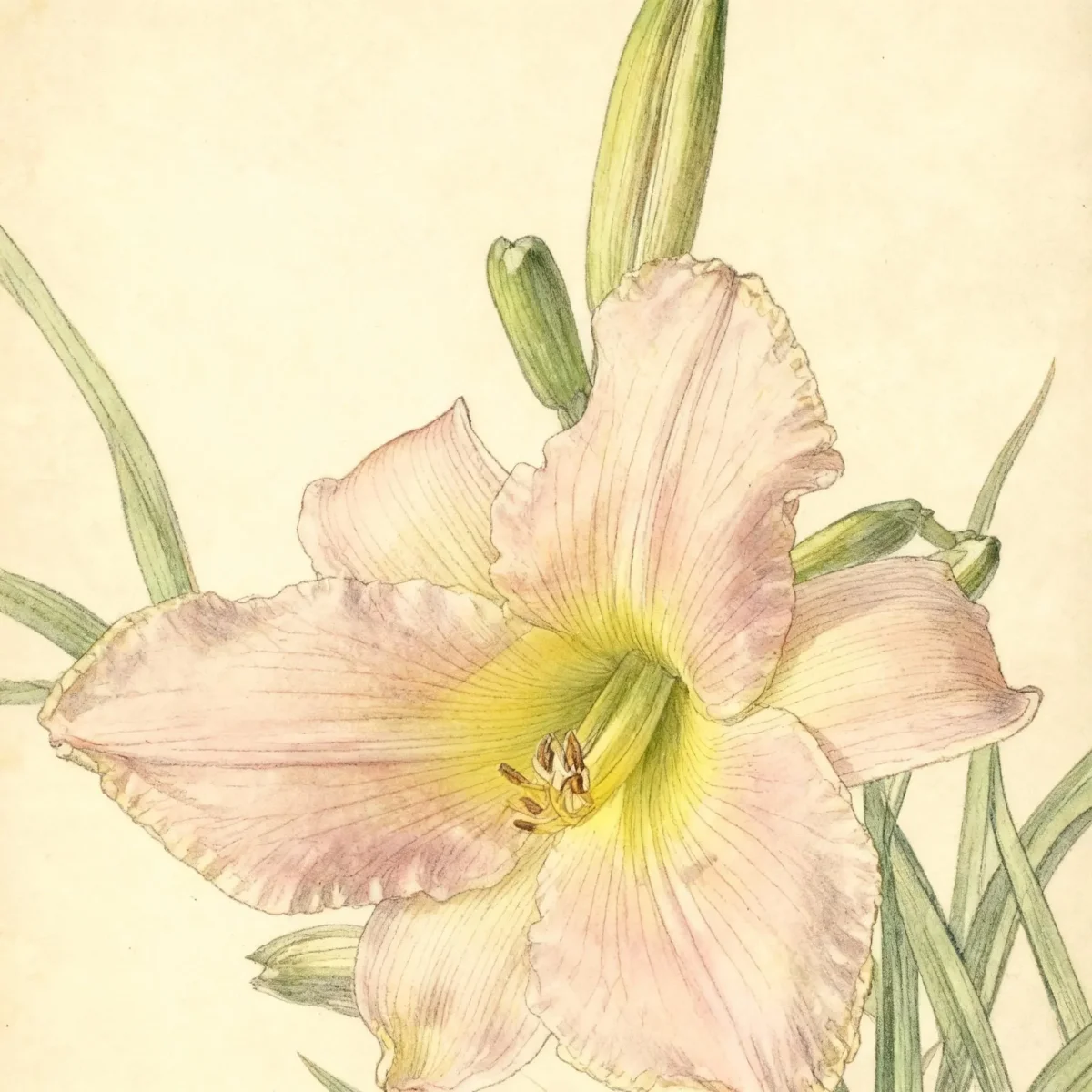
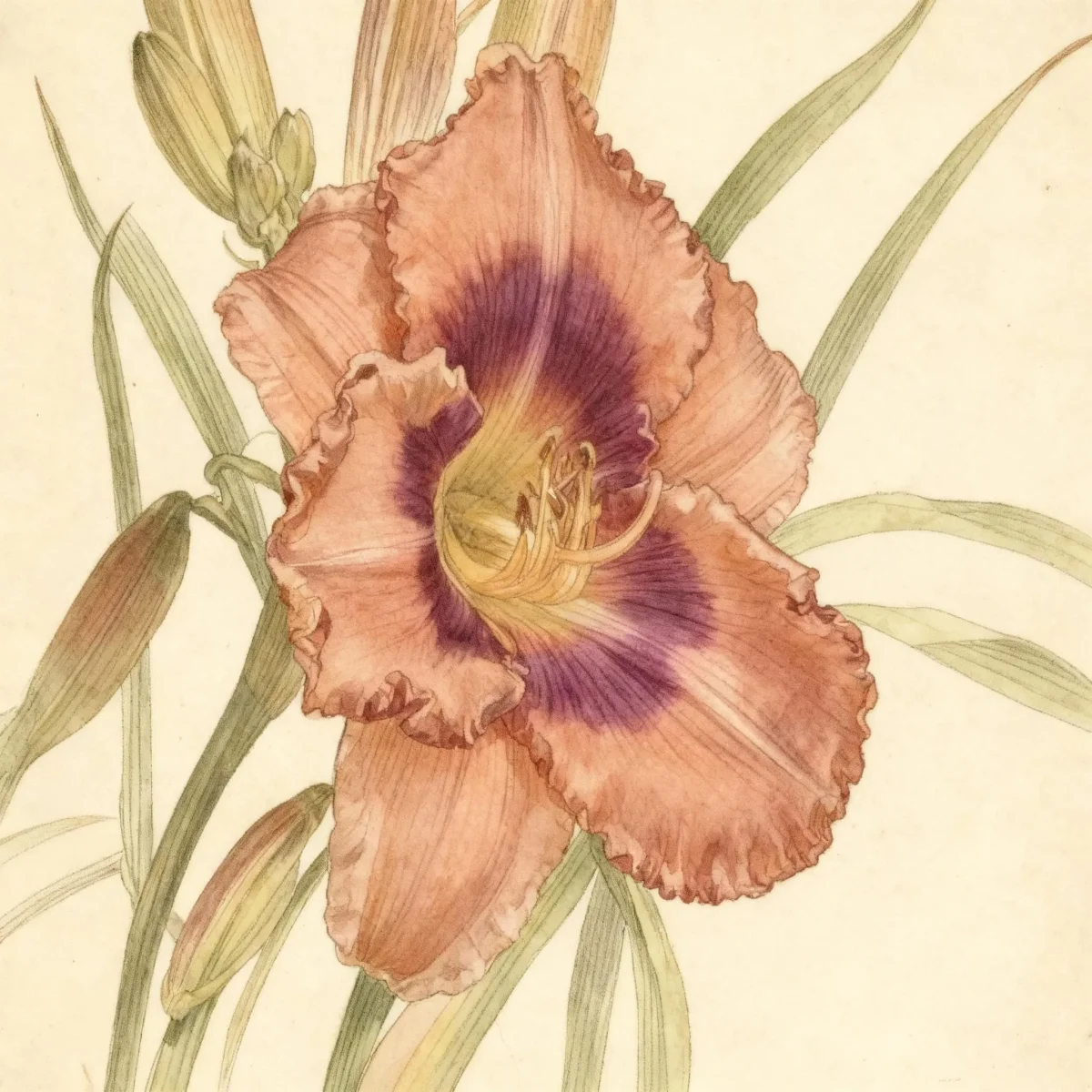
Tetraploid daylily (Hemerocallis 'Arabian Magic')
Hemerocallis 'Arabian Magic' is a striking Tetraploid daylily offering midseason deep violet-purple blooms. Low maintenance and adaptable for Zones 3-9.
Scroll down to discover growing tips, care requirements, companion plants, and more
Complete Plant Information
Overview
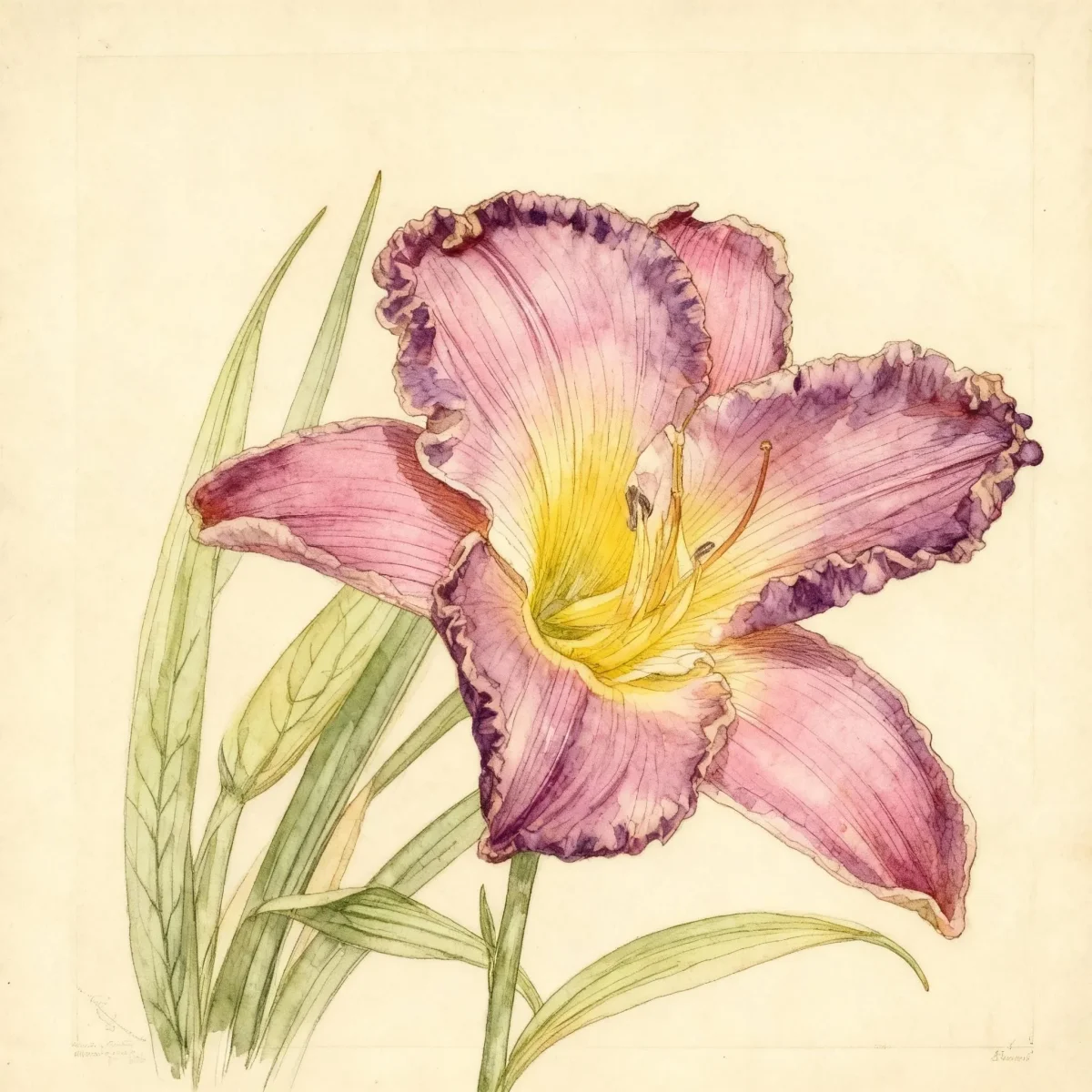
Hemerocallis ‘Arabian Magic’ is a beautiful, robust herbaceous perennial prized for its rich color palette and reliable performance across wide temperature ranges. As a Tetraploid daylily cultivar, it often possesses thicker scapes and more intensely colored blooms than older varieties. This cultivar distinguishes itself with saturated violet-purple flowers accented by delicate, thin silver edges and a contrasting green throat.
This exceptionally adaptable plant thrives in most average to well-drained soils, provided it receives adequate moisture during dry periods. Its low maintenance requirements make the Tetraploid daylily an excellent choice for gardeners seeking high visual impact without intensive effort. Hemerocallis ‘Arabian Magic’ fits well into mixed borders or mass plantings, providing reliable midseason color.
The name Hemerocallis reflects the ephemeral nature of its flowers—each blossom lasts only a single day—but prolific blooming throughout the season ensures continuous garden interest. With its attractive grassy foliage forming neat mounds, this plant offers consistent texture even outside the bloom period.
Fast Facts
- Plant Family: Asphodelaceae
- Plant Type: Herbaceous perennial
- Hardiness Zones: USDA Zones 3-9
- Size at Maturity:
- Height: 2-2.5 ft
- Spread: 2-2.5 ft
- Bloom Time: June to July
- Bloom Description: Violet-purple with thin silver edges and green throat
- Sun Exposure: Full sun to part shade
- Water Needs: Medium
- Maintenance Level: Low
How to Grow
Planting Hemerocallis ‘Arabian Magic’ is best performed in spring or fall, ensuring the fibrous roots are firmly established before extreme weather hits. These plants perform well in a wide range of soils but strongly prefer deep, fertile loams with consistent, medium moisture and excellent drainage. Choose a location that receives full sun for the best bloom performance, though they tolerate part shade well. Deadhead spent flowers daily for neatness; this improves appearance and directs energy back into the plant for future buds.
Maintenance for this low-care perennial centers on routine cleanup and division. Remove spent flower scapes once flowering has finished for the season to maintain a tidy habit. While tolerant of summer heat and humidity, deep watering during prolonged dry spells is appreciated to keep the foliage looking its best. Hybrid daylilies should not be grown from seed if you wish to retain the characteristics of ‘Arabian Magic’.
For optimal vigor and blooming display, plan to divide the clumps every three to four years, typically in the spring in cold climates like Zone 3 areas. Winter dormant daylilies like this one require a genuine cold period, making them unsuitable for very mild zones (like Zone 9 and above) where dormancy might not be induced.
Landscape Uses
As easy-to-grow herbaceous perennials, daylilies excel in almost any garden situation. Hemerocallis ‘Arabian Magic’ is perfect for defining borders due to its manageable height of 2 to 2.5 feet, creating a deep band of color along walkways or property lines. They also work effectively as edging material where a slightly taller boundary is desired than traditional groundcovers.
The strong vertical lines of the foliage provide excellent contrast against mounding shrubs or broad-leaved perennials, allowing for dynamic textural design throughout the growing season. Planting in mass over large areas or in bold clumps creates a dramatic, unified statement when the midseason blooms appear in July. While this particular cultivar is not noted as dwarf, the general adaptability of daylilies makes them suitable anchors for mixed perennial beds.
Standout Features
Flower Qualities
- Showy
Noteworthy Characteristics
Hemerocallis is a genus of about 15 species of herbaceous perennials commonly known as daylilies, native primarily to Asia and central Europe. Hybridizers have created over 60,000 cultivars, yielding intense colors and various forms; each flower lasts just one day, but continuous succession ensures a long bloom period. Hemerocallis ‘Arabian Magic’ is a tetraploid cultivar notable for its 5-inch deep violet-purple flowers with thin ruffled silver edges, blooming reliably midseason and registered as a rebloomer.
Tolerances
- Rabbit
- Erosion
- Air Pollution
Potential Problems
Daylilies are highly adaptable and generally easy to grow, making them relatively pest-free additions to the garden. Occasionally, pests like aphids, mites, or thrips may settle on the foliage or buds, requiring spot treatment with insecticidal soap if populations become problematic. The greatest concern in some regions is Daylily Rust, a fungal issue that turns leaves yellow and brown; ensure good air circulation to minimize risk. Thankfully, rabbits tend to avoid consuming the foliage of this Tetraploid daylily, though slugs can sometimes be a minor nuisance, especially when plants are young or in damp conditions.
Frequently Asked Questions
What hardiness zones is Tetraploid daylily suitable for?
Hemerocallis ‘Arabian Magic’ is widely adaptable, thriving in USDA Hardiness Zones 3 through 9, provided it receives the required winter dormancy period.
How large does Hemerocallis ‘Arabian Magic’ grow?
This cultivar typically reaches a mature height between 2 and 2.5 feet tall, spreading about 2 to 2.5 feet wide, forming a medium-sized clump of foliage.
What sun exposure does Hemerocallis ‘Arabian Magic’ need?
For the most prolific display of violet-purple blooms, ensure this daylily receives full sun, though it will tolerate periods of part shade.
When does Hemerocallis ‘Arabian Magic’ bloom?
This Tetraploid daylily is known to bloom in midseason, typically covering the period from June into July with its distinctive flowers.
Conclusion
Hemerocallis ‘Arabian Magic’ provides exceptional garden value through its vibrant violet-purple coloration, low-maintenance needs, and resilience across Zones 3-9. This popular Tetraploid daylily allows gardeners to integrate rich, saturated color into summer displays without demanding constant attention. Before planting, confirm your site offers full sun to part shade and reliable drainage, ensuring this beautiful perennial thrives for years to come.
Companion Planting
Daylilies perform beautifully when grouped with plants that offer differing textures or bloom times, helping to fill in gaps once the midday blooms fade. Consider pairing Hemerocallis ‘Arabian Magic’ with dusty Miller (Senecio cineraria) or other silvery foliage plants to echo the silver edging on the flowers. Later-blooming perennials like ornamental grasses (e.g., Miscanthus) or hardy autumn bloomers (e.g., Asters or Sedum) contrast nicely with the sword-like foliage and midseason display of the Tetraploid daylily.
Design Ideas
The clean, upright habit of Hemerocallis ‘Arabian Magic’ makes it an excellent structural element in informal cottage gardens or modern perennial borders. Because the foliage remains attractive all season, use them as a contrasting backdrop for lower-growing flowers. For a truly dramatic effect, plant ‘Arabian Magic’ in masses of five or more; the cumulative effect of the deep violet-purple flowers against green foliage is striking, especially near water features or bright gravel paths where the color saturation is enhanced.