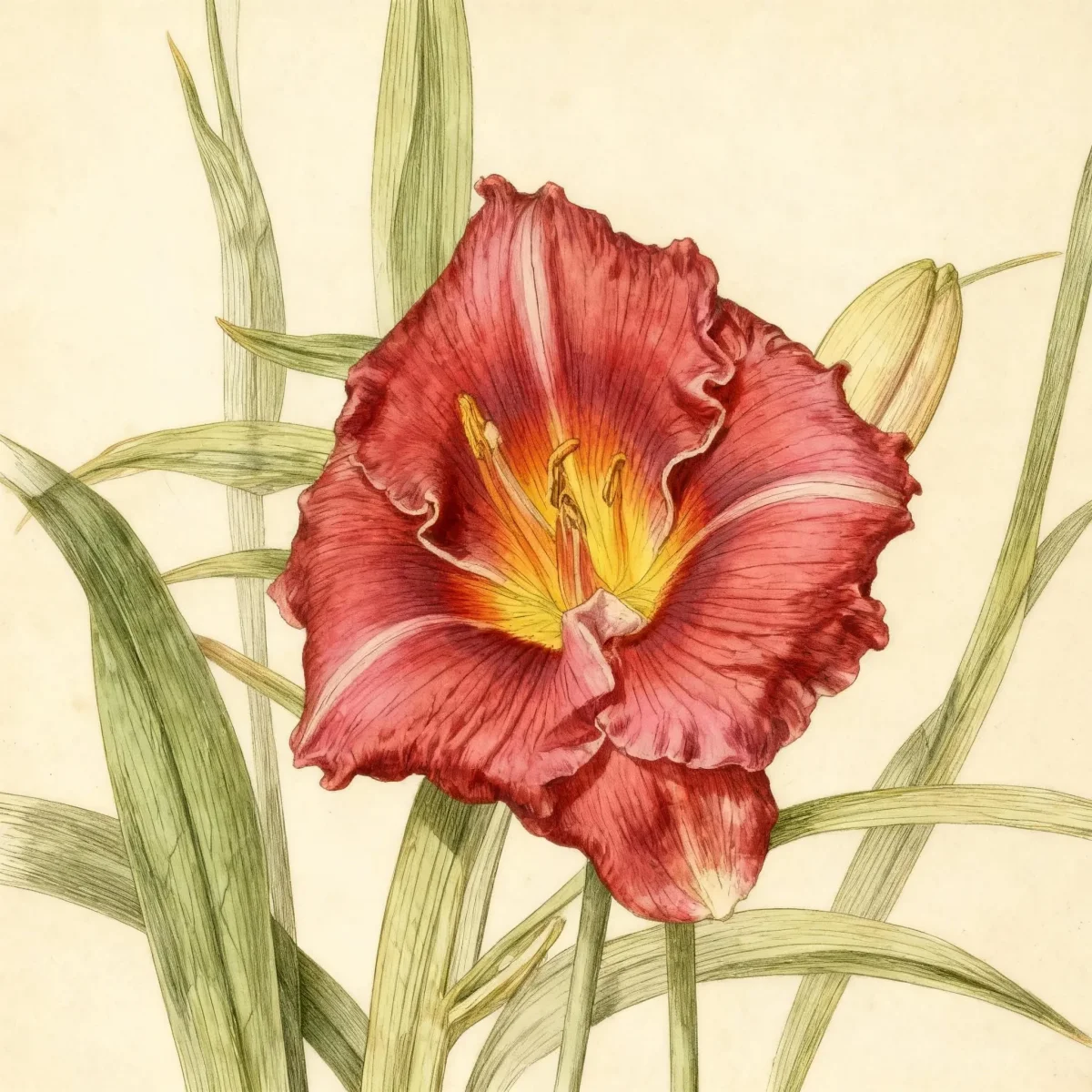
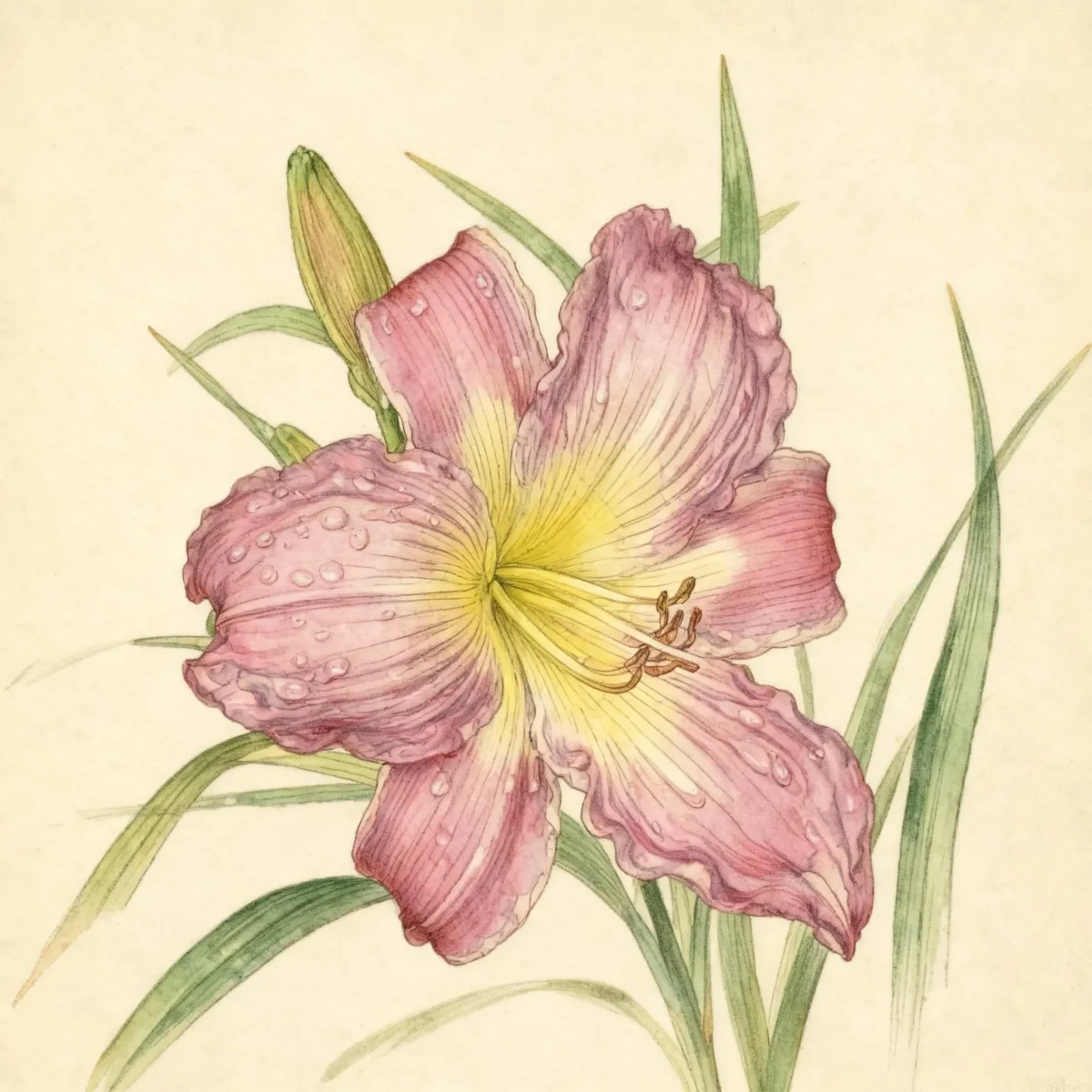
Daylily (Hemerocallis 'Atoll')
Gorgeous Hemerocallis 'Atoll' Daylily offers coral pink blooms. Hardy in Zones 3-9, this low-maintenance perennial thrives in sun to partial shade.
Scroll down to discover growing tips, care requirements, companion plants, and more
Complete Plant Information
Overview
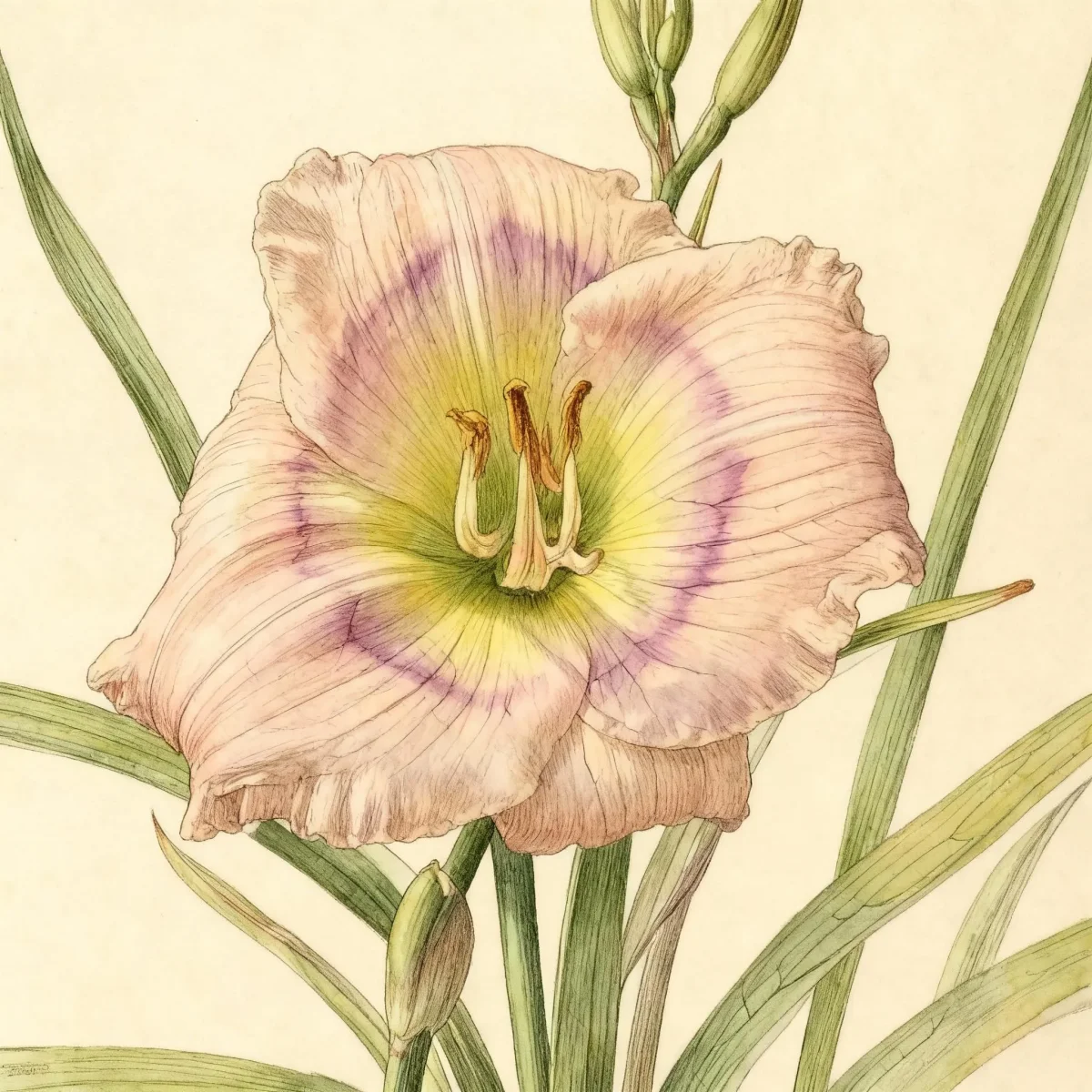
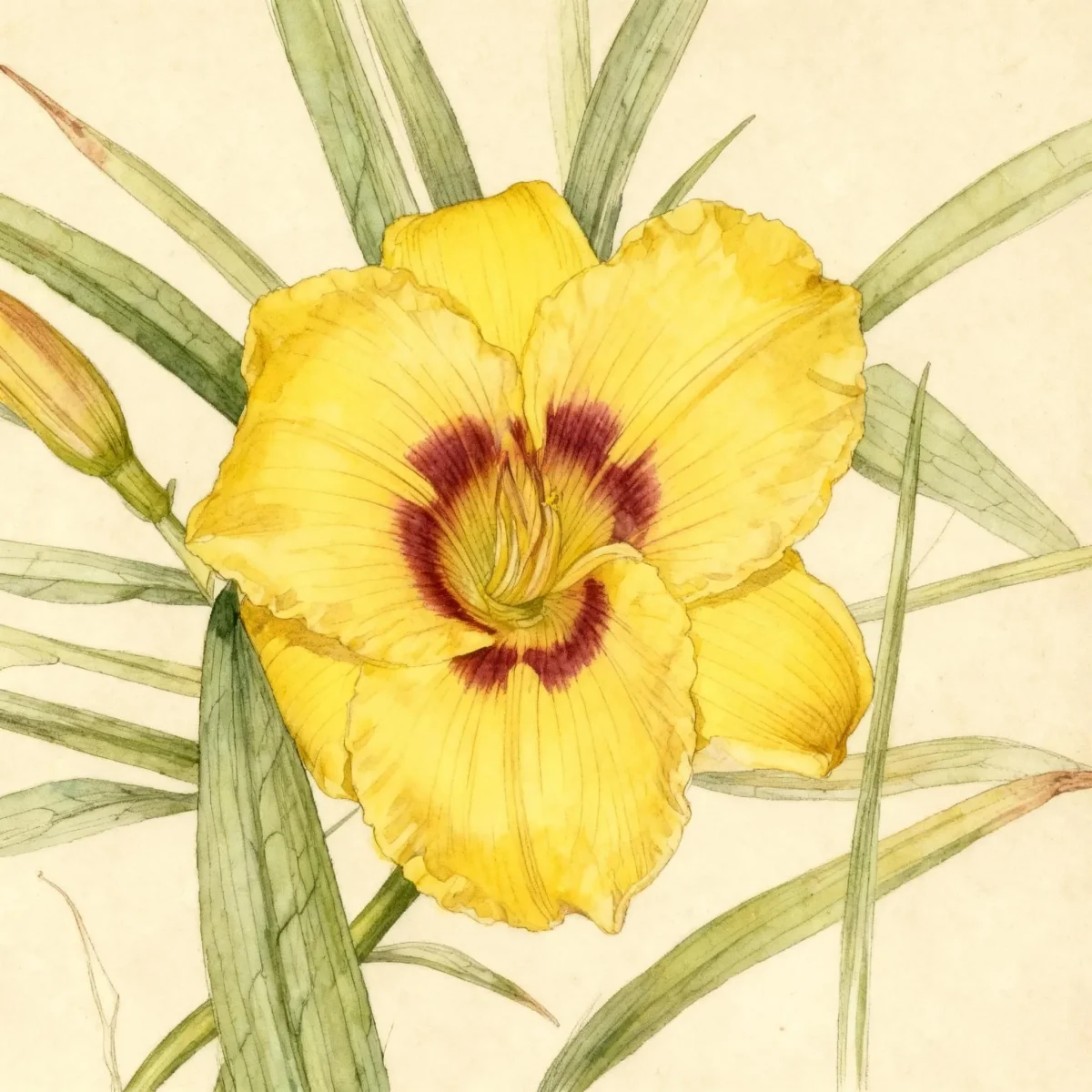
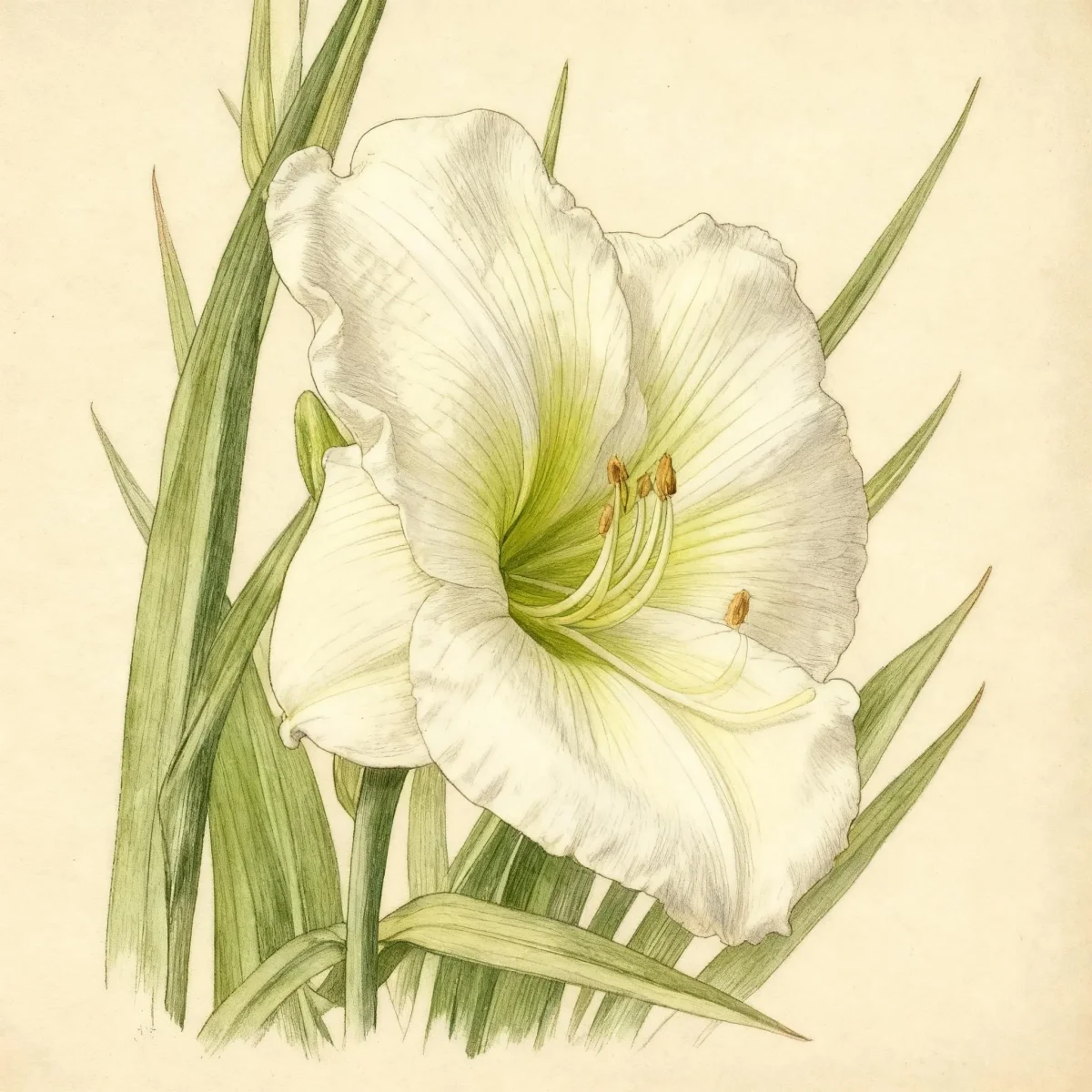
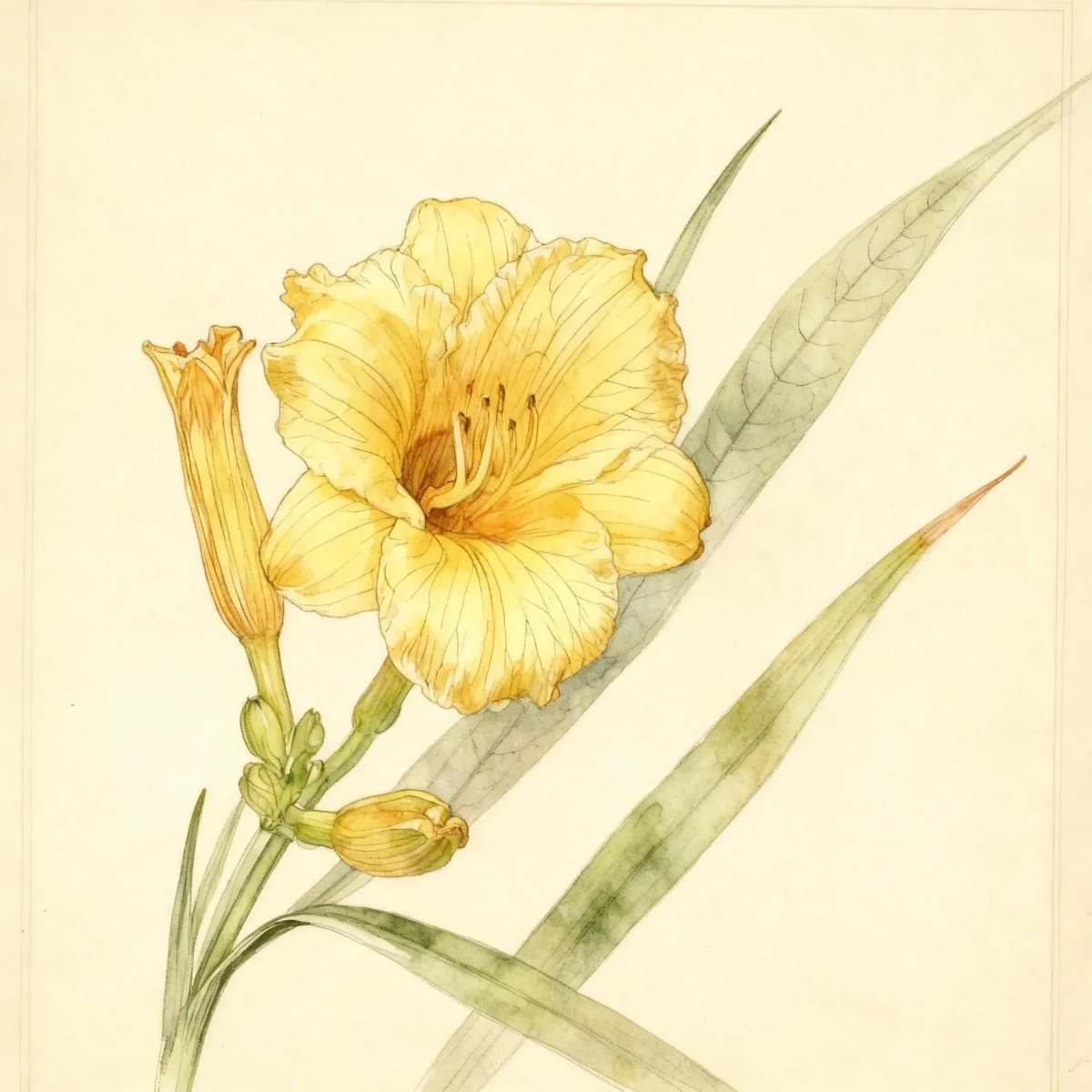
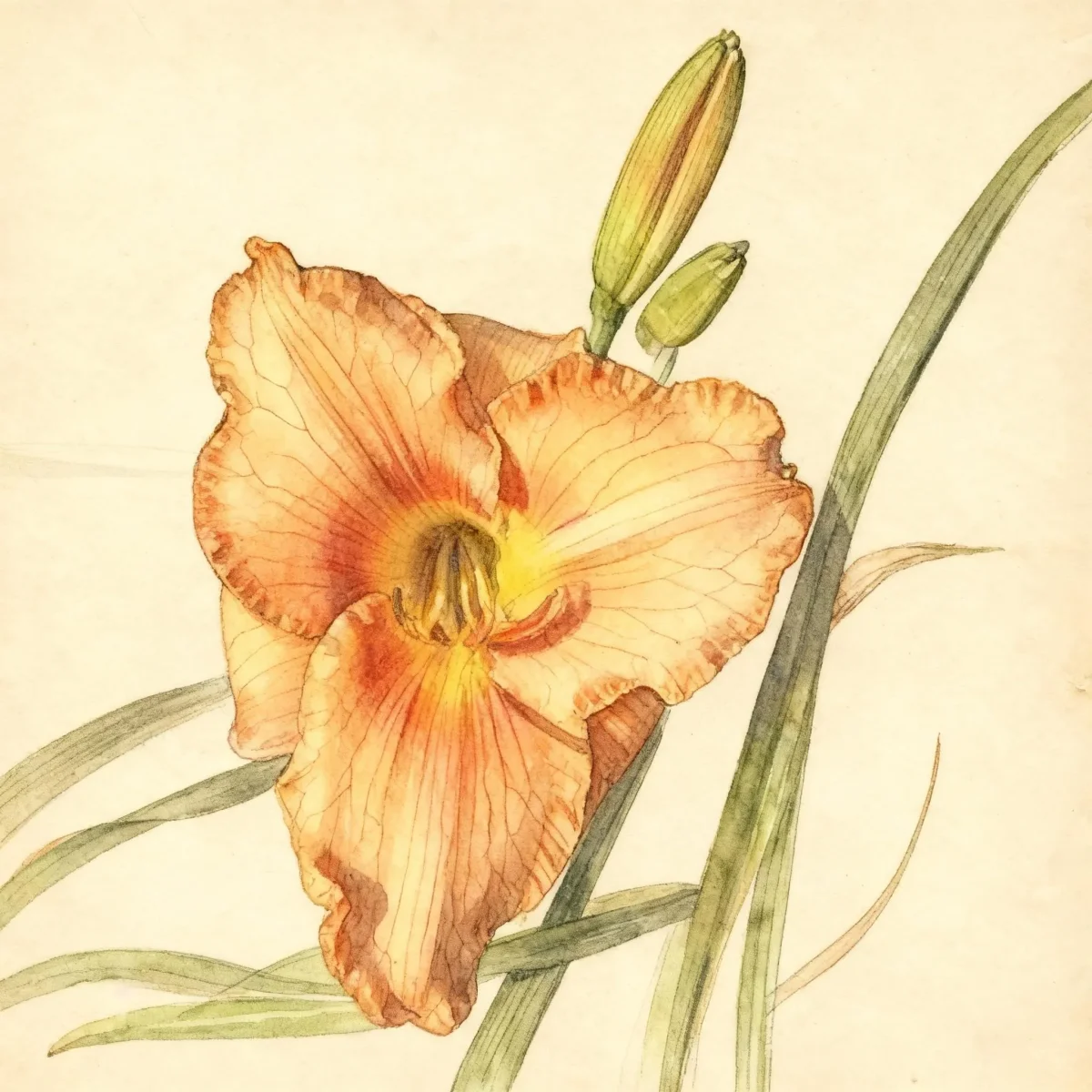
The Daylily, specifically the cultivar Hemerocallis ‘Atoll’, introduces striking color to the summer garden. This specific Daylily is valued for its appealing blossom—a vibrant coral pink set off by deeper pink eyes and a bright chartreuse-gold throat. As a robust herbaceous perennial, it forms dense clumps of linear, arching foliage, providing texture even when not in bloom.
Hemerocallis ‘Atoll’ is renowned for its reliability and ease of cultivation, making it a staple purchase for both novice and expert gardeners. It reliably performs across a wide geographic range, thriving in full sun or tolerating dappled afternoon shade with medium water needs. Its relatively low maintenance profile means gardeners spend less time fussing and more time enjoying its fleeting, one-day floral beauty.
Though each individual flower of the Daylily only lasts a single day, the plant produces flowers sequentially over a long period, ensuring continuous visual interest through its main blooming season. Planting Hemerocallis ‘Atoll’ is an excellent way to introduce substantial, resilient color and structure into perennial borders.
Fast Facts
- Plant Family: Asphodelaceae
- Plant Type: Herbaceous perennial
- Hardiness Zones: USDA Zones 3-9
- Size at Maturity:
- Height: 2-2.5 ft
- Spread: 1.5-2 ft
- Bloom Time: June
- Bloom Description: Coral pink with deeper pink eyes and chartreuse-gold throat
- Sun Exposure: Full sun to part shade
- Water Needs: Medium
- Maintenance Level: Low
How to Grow
Planting Daylilies like Hemerocallis ‘Atoll’ is best done in spring or fall, allowing the fibrous roots to establish before extreme summer heat or winter cold arrives. These plants establish quickly in average, medium moisture, well-drained soils. While they tolerate various soil types, they flourish best in deep, fertile loams that retain moisture without becoming waterlogged. Ensure the crown of the plant is set level with the soil surface during planting.
Maintenance for this Daylily is generally low. Deadhead spent flowers daily to maintain neatness, and remove the entire flower stalk (scape) once the blooming season is complete for that scape. Hemerocallis ‘Atoll’ tolerates summer heat and high humidity well but benefits significantly from deep watering during extended dry spells to keep the foliage looking fresh. Avoid excessive fertilization, which can promote lush leaves at the expense of flowers.
For optimum performance and to prevent overcrowding, plan to divide mature clumps every 3 to 4 years. Spring division is preferred, particularly in very cold winter climates. As Hemerocallis ‘Atoll’ is a winter-dormant type, it requires that cold period to produce the best next-season display; this variety is not recommended for regions strictly above Zone 9 where dormancy may be suppressed.
Landscape Uses
Daylilies are incredibly versatile, functioning admirably in a variety of landscape settings. The medium stature of Hemerocallis ‘Atoll’, reaching 2 to 2.5 feet tall, makes it perfect for the middle or back row of a mixed sunny border, providing reliable mid-season color when many spring bulbs have faded. Clumping habits allow them to be effectively massed over large areas, creating sweeping swaths of color that suppress weeds.
These perennials are excellent for edging walks or driveways where their upright, grass-like foliage provides excellent structure. They perform beautifully when planted in drifts against foundational plantings or mixed with later-blooming perennials like Coneflowers or Ornamental Grasses to extend visual interest throughout the summer. Because of their robust nature, Daylilies are low maintenance enough to transition well into commercial landscapes or large public plantings.
Standout Features
Flower Qualities
- Showy
Noteworthy Characteristics
Hemerocallis is a genus of about 15 species of herbaceous perennials commonly known as daylilies. These plants are native to Asia and central Europe. Hybridizers have expended considerable effort over the years creating new daylilies featuring flowers with new colors, color combinations, shapes and patterns. Each flower typically remains open for one day, hence the common name of daylily, but they are produced in succession ensuring a long color display. Hemerocallis ‘Atoll’ specifically is a tetraploid cultivar featuring 5.25” diameter flowers rising on scapes that reach roughly 29” tall above the foliage clump.
Tolerances
- Rabbit
- Erosion
- Air Pollution
Potential Problems
Daylilies are exceptionally adaptable and generally pest-free, contributing to the low maintenance of Hemerocallis ‘Atoll’. Occasionally, pests such as mites, aphids, or thrips may be observed; these can usually be managed with horticultural oil or minor insecticidal soap application if necessary. A more significant concern in humid climates can be Daylily rust, a fungal disease that causes rust-colored pustules on the foliage, especially mid to late summer. Good air circulation, achieved by proper spacing and timely cleanup of old foliage, helps mitigate fungal risks. Be assured that rabbits typically find the foliage unappetizing.
Frequently Asked Questions
What hardiness zones is Daylily suitable for?
Hemerocallis ‘Atoll’ is reliably hardy in USDA Zones 3 through 9, offering wide adaptability across most of the United States.
How large does Hemerocallis ‘Atoll’ grow?
This Daylily cultivar reaches a mature height between 2 and 2.5 feet, with a spread of 1.5 to 2 feet.
When does Daylily bloom?
The primary bloom time listed for Hemerocallis ‘Atoll’ is June, featuring its distinctive coral pink flowers with deeper pink eyes.
What sun exposure does Daylily need?
This plant prefers full sun but is notably tolerant, performing well even in locations that receive partial shade.
Conclusion
Hemerocallis ‘Atoll’ stands out as a reliable, colorful, and exceptionally low-maintenance perennial perfect for adding sustained summer interest to any garden design. The Daylily continues to be one of the most popular choices for mass planting due to its vigor and appealing blossom structure. Ensure your planting site provides well-drained soil and check that your local climate falls within the robust Zones 3-9 range before planting this season.
Companion Planting
Daylilies pair wonderfully with plants that share similar cultural needs (sun to part shade, medium moisture) but offer contrasting foliage or bloom times. Consider planting Hemerocallis ‘Atoll’ near Shasta Daisies or Russian Sage, both of which provide different colors and textures later in the season after the initial June flush of the Daylily subsides. Their grassy foliage also complements bushy, broad-leafed perennials, softening the edges where they meet.
Design Ideas
Consider using the deep green foliage of the Daylily as a cool backdrop for hotter colored perennials like deep purple Salvia or bright yellow Coreopsis. Because Hemerocallis ‘Atoll’ maintains an upright, tidy clump, it is an excellent choice for framing walkways or defining the edges of planting beds where a clean line is desired. For a textured design, intersperse the Daylily clumps with fine-textured ornamental grasses, allowing the linear leaves to weave together naturally.